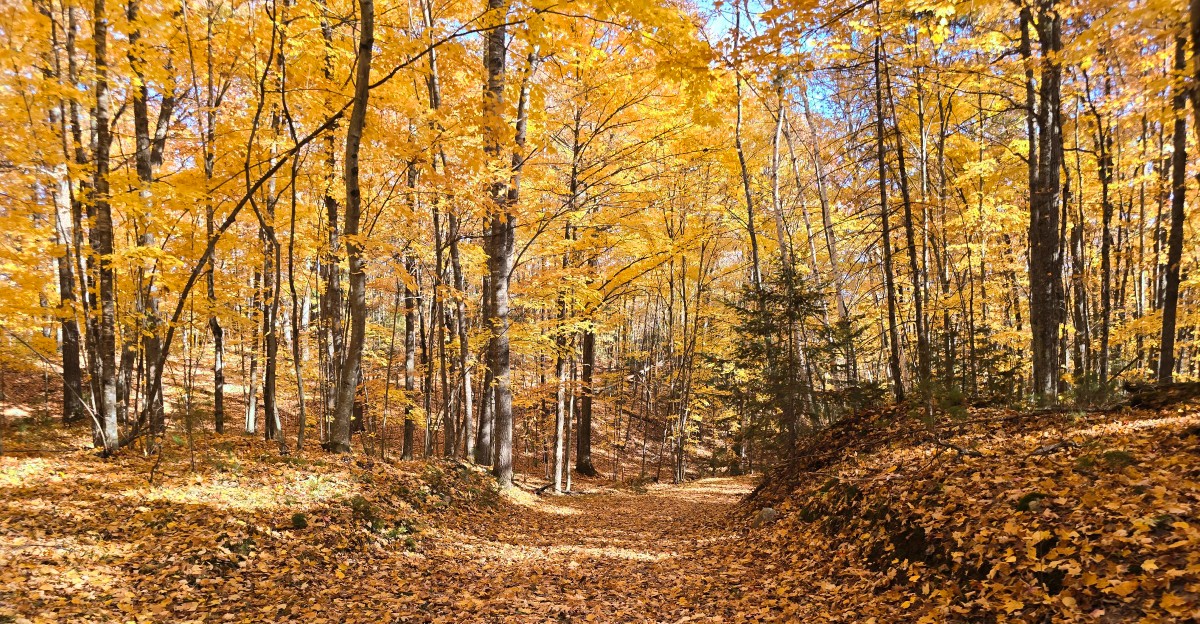
A single fallen leaf can be enough to make you stop walking. In Wisconsin, autumn fills the forests with gold, copper, and russet tones, while cool air and quiet trails invite you to trade a rushed outing for a slower day outdoors.
These Wisconsin forest trails offer plenty to discover along the way, from spring-fed streams and peaceful ponds to lakes tucked among the Northwoods trees. Some paths are short enough for an easy morning walk, while longer routes leave room for wildlife sightings, scenic pauses, and an unhurried lunch beneath the canopy.
The changing landscape gives even familiar trails a different character as the season moves toward winter.
Bring an extra layer, pack something to eat, and leave space for spontaneous detours. From gentle woodland paths to longer lake-country routes, these 11 Wisconsin forest trails are made for spending a full autumn day outside.
Rise Above the Leaves on Parnell Tower Trail
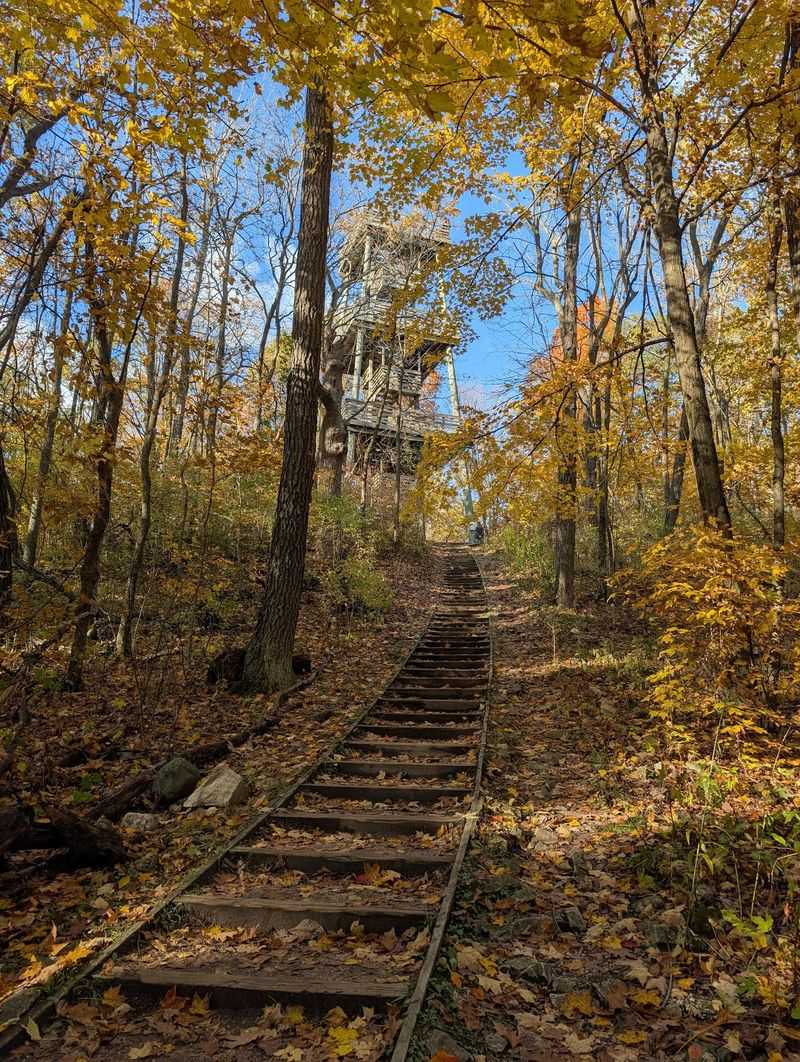
A wooden staircase lifts you from the forest floor toward a view that makes the hills feel much bigger. Near Plymouth, Parnell Tower Trail pairs a woodland hike with a climb above the leaves in the Kettle Moraine State Forest’s Northern Unit.
The 3.5-mile loop crosses rolling ground shaped by glaciers, so expect more effort than a flat park stroll. At the high point, the 60-foot observation tower offers a broad look across the surrounding trees, with autumn color spreading over the uneven landscape.
Wear shoes with reliable grip, especially after rain, when leaves can hide slick roots. Take the tower stairs slowly and keep your hands free for the railing; a small backpack works better than carrying your lunch in a loose shopping bag.
Start early enough to enjoy the loop without racing daylight, then save time for the view. Check current Wisconsin DNR notices before leaving, including tower access and parking requirements.
Even without spending hours at the top, the change from enclosed woods to open sky gives this outing a satisfying finish on a clear fall afternoon.
Follow Water and Old Stories at Scuppernong Springs

The sound of moving water can pull your attention away from the leaves overhead. Along Scuppernong Springs Nature Trail near Dousman, that small distraction leads into a landscape where natural springs and traces of old businesses share the same wooded setting.
The 1.5-mile route includes remnants connected to a marl works, a hotel, and a sawmill. Marl is a lime-rich material once collected here, and the surviving features add a useful reminder that these peaceful woods have not always been so quiet.
Allow more time than the mileage suggests, especially if you like reading signs or studying small details. Bring a camera for the meeting of clear water, fallen leaves, and weathered remains, but stay on the marked route rather than climbing onto historic structures.
A light jacket helps when you pause beside the springs, where standing still can feel cooler than walking. Before visiting, check the Southern Unit’s current trail information and parking rules.
The pleasure here comes from noticing how water keeps moving while the human story settles slowly into the woods, one thoughtful stop at a time.
Take the Slow Route Around Paradise Springs
A pond reflection can hold your attention longer than a distant overlook. At Paradise Springs Nature Trail near Eagle, the small scale is part of the appeal: you can spend time watching the water instead of measuring how far you have walked.
The paved half-mile route passes a historic fieldstone spring house, a dam, and a trout pond, with reminders of a former resort nearby. Stone, water, and changing leaves give the walk several different scenes without requiring a long stretch of trail.
Bring someone who prefers frequent pauses, or tuck a notebook into your bag and sketch the spring house. Pavement makes the surface more predictable than many woodland paths, although wet leaves can still be slippery and current accessibility conditions should be checked beforehand.
Rather than stretching this short route into a major hike, build a relaxed day around it. Pair the visit with another nearby Southern Unit trail, leaving time for lunch between stops.
Keep food away from the pond and watch wildlife without feeding it; the quiet details are enough to make the visit feel pleasantly full.
Read the Landscape at Stute Springs
Old stonework changes the way you look at a hillside. What first seems like ordinary woodland starts to suggest kitchens, chores, and family life when you reach the homestead remains along Stute Springs Nature Trail near Eagle in the Southern Unit.
The 1.5-mile loop has moderate hills, so the walk asks for a little effort without becoming a major expedition. The Stute family’s former home gives the route its human story, while the surrounding woods supply the changing light and scattered autumn color.
For a longer outing, consult the trail map about the option toward Big Hill and decide whether it suits your group. Do not assume every viewpoint will be wide open; tree cover and seasonal conditions can shape what you actually see from higher ground.
Pack water even for the shorter loop, and leave historic stones exactly where they belong. A midday picnic elsewhere in the forest can turn this stop into part of an easy autumn day.
Before heading out, check posted notices and give yourself enough daylight to enjoy both the history and the hills without hurrying.
Watch the Sky From Bald Bluff
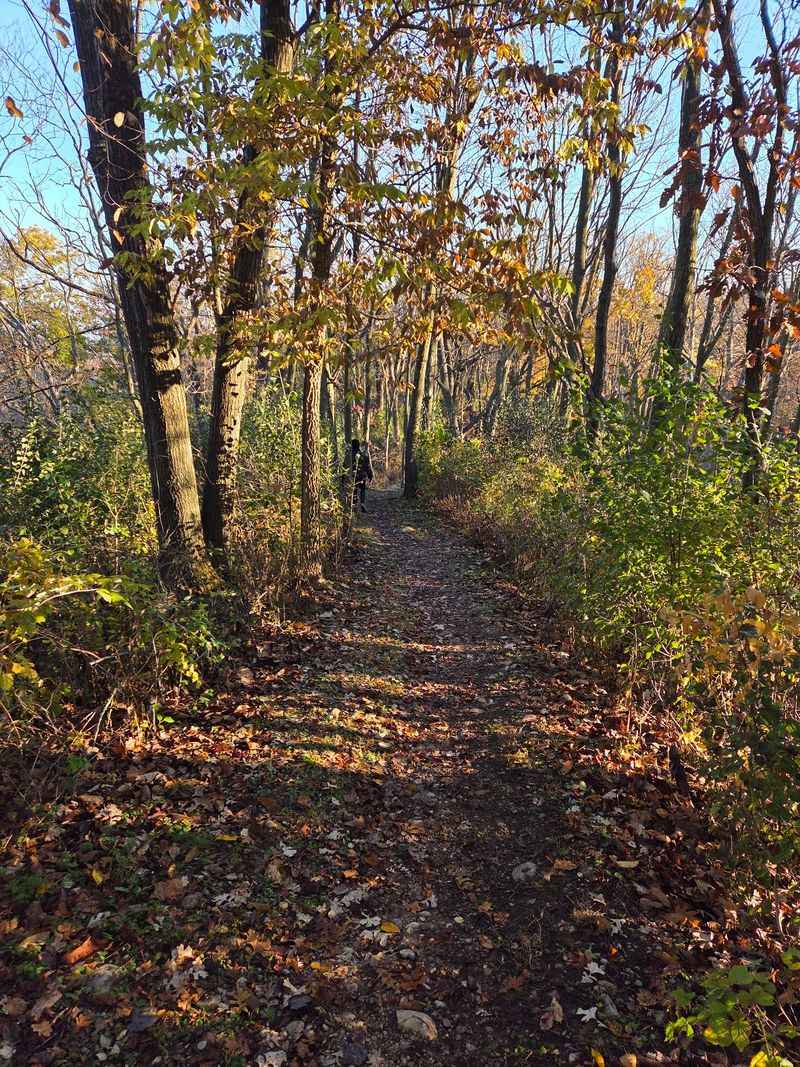
Your legs may notice the climb before your watch notices much time passing. Bald Bluff Nature Trail near Palmyra is only about half a mile long, but its uphill character makes the arrival feel earned rather than handed over at the parking area.
The trail reaches one of Jefferson County’s highest points, a hill historically used as a Native American signal site. That history deserves respect, not guesswork; read available information and avoid treating the summit as simply a backdrop for a quick photograph.
Autumn adds another reason to look upward: migrating hawks may pass overhead. Binoculars can make a brief stop more interesting, although sightings are never guaranteed, and a warm layer helps when the breeze feels stronger above the shelter of the lower woods.
Choose sturdy shoes despite the short distance, and take care descending through loose or damp leaves. Because the walk is compact, it fits nicely beside another nearby forest outing rather than filling a whole day alone.
Leave room to sit quietly at the top, where watching clouds can be just as rewarding as spotting birds.
Settle Into Pondside Quiet on Rice Lake Nature Trail
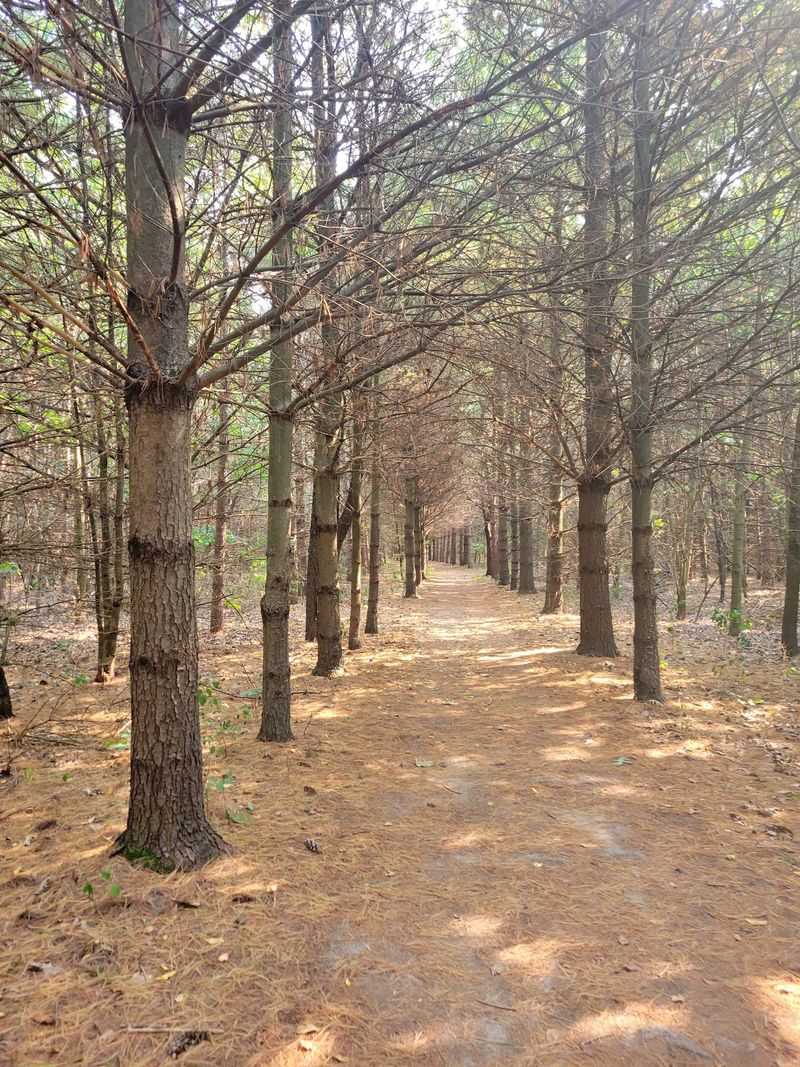
Sometimes the best stop is the one where almost nothing seems to happen. A ripple crosses the pond, a leaf drops, and suddenly you are paying closer attention on Rice Lake Nature Trail near Whitewater in the Kettle Moraine’s Southern Unit.
The half-mile route runs beside a small pond and includes a wildlife blind, giving walkers a place to observe without standing openly at the water’s edge. It is a modest outing, with the interest coming from nearby details rather than a dramatic climb.
Bring binoculars if you have them, then pause quietly before deciding the pond is empty. Birds and other animals may remain hidden, and patient looking is more useful than expecting a guaranteed sighting; children can try counting different leaf shapes while they wait.
Keep voices low around the blind and resist leaving snacks for wildlife. Check the current trail map and conditions before your trip, especially after wet weather.
Combine the walk with a picnic or another forest route if you want a longer day, but give this little waterside stop its own unhurried space in your plans.
Walk a Glacier’s Ridge Above Butler Lake
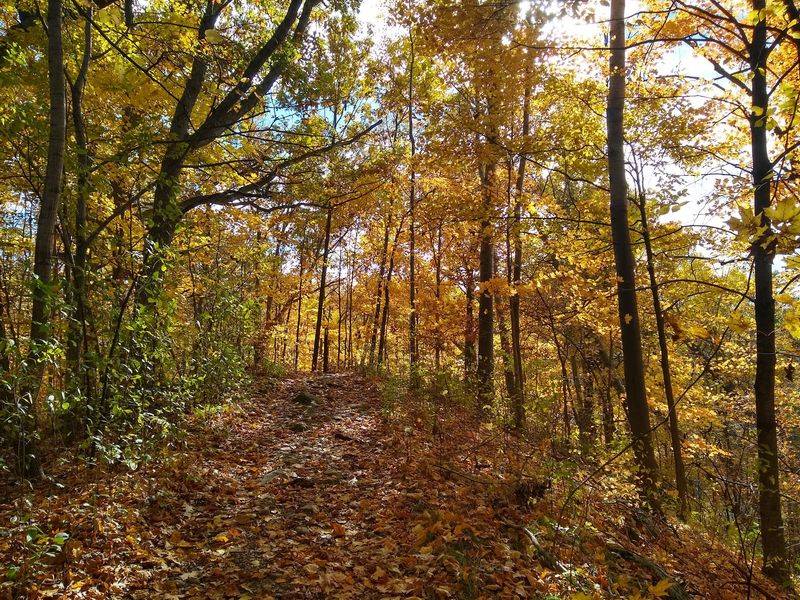
A narrow ridge beneath your boots can carry a surprisingly large story. Near Cascade, Butler Lake Trail crosses glacial terrain that makes the ground itself worth noticing, even when bright leaves and glimpses of water keep trying to steal your attention.
The loop runs more than three miles through the Butler Lake and Flynn’s Spring State Natural Area. An esker, a winding ridge of material left by glacial meltwater, is a notable feature, along with an overlook that gives hikers a view above Butler Lake.
Expect rolling ground rather than a smooth lakeside promenade, and bring water plus a snack for breaks. Shoes with good traction help on slopes covered in leaves; trekking poles may also be useful if you prefer extra support on uneven surfaces.
Study the map at the start so trail connections do not turn a comfortable afternoon into an accidental extension. Keep to the route to protect the natural area, and check Northern Unit notices before traveling.
Between the ridge and the lake, there is enough variety to make a steady pace feel pleasantly slow throughout the whole loop.
Make a Northwoods Day of Escanaba Trail
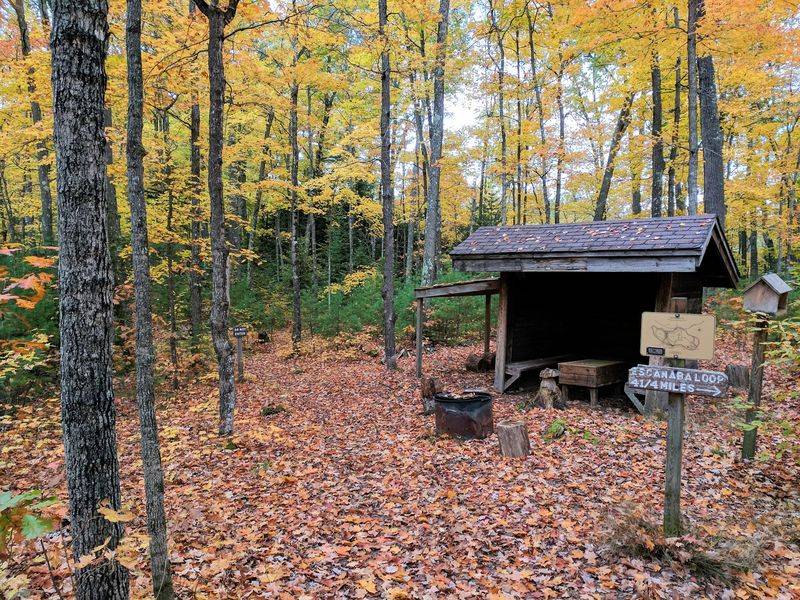
Five lakes give a long forest walk more than one reason to stop. Around Boulder Junction, Escanaba Trail moves through Northwoods scenery where a stretch of enclosed trees can give way to water, then draw you back beneath the branches again.
The roughly 11-mile trail system winds through maple, aspen, and balsam stands in the Northern Highland-American Legion State Forest. Hilly, rolling ground adds effort, while the mix of bright deciduous leaves and steady evergreen color keeps the landscape from feeling visually repetitive.
Choose your route from the official map rather than treating the full mileage as a required hike. For an extended outing, pack lunch, water, a headlamp, and warm layers; autumn afternoons can cool quickly, especially during a long pause beside a lake.
Begin with enough daylight for your chosen distance, and tell someone your plan before entering the woods. Check current trail conditions and seasonal hunting information, wearing visible clothing when appropriate.
A lake break halfway through can turn lunch into the day’s main event, with nothing on the schedule except finishing at a sensible pace before darkness arrives.
Find the Hemlock Hush on Raven Trail
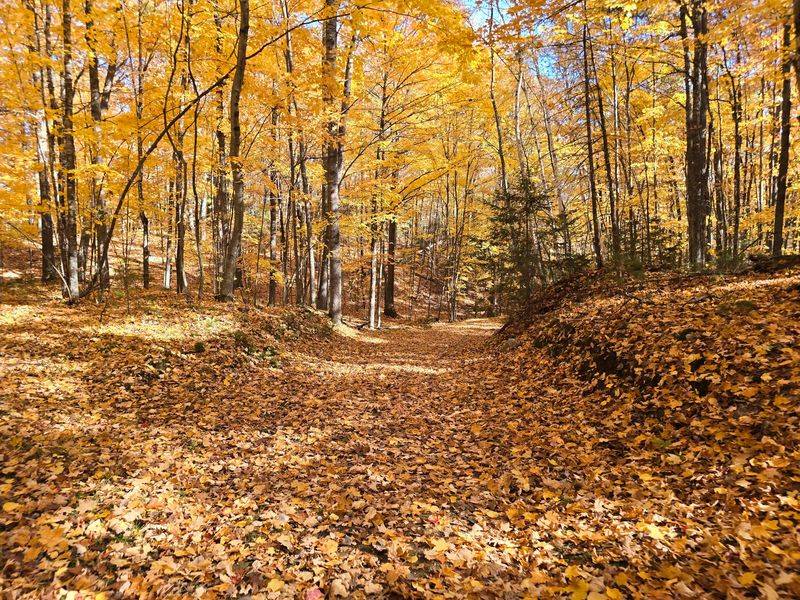
Deep green can be as memorable as bright orange in October. Beneath the hemlocks along Raven Trail near Woodruff, the forest feels shaded and close, offering a different autumn mood from the sunny hardwood scenes that usually fill seasonal photo albums.
The trail system totals about 11 miles and includes several loops, with hills and routes passing Clear and Inkpot lakes. A shorter nature loop explores heavily wooded hemlock habitat, giving visitors an option when a long Northwoods hike does not suit the day.
Select a loop using the current official map, since the system’s total mileage does not mean every visitor must walk that far. Carry an extra layer for shaded breaks and watch for roots beneath fallen leaves, particularly when moving between brighter openings and darker woods.
Leave some room for silence instead of filling every stretch with conversation. You may hear small movements in the branches or notice how evergreen needles soften the color palette around you.
Check posted rules and seasonal notices before setting out, then let your chosen route balance lake views with the sheltered character of the forest.
Climb Toward a Forest Landmark on Quartz Hill
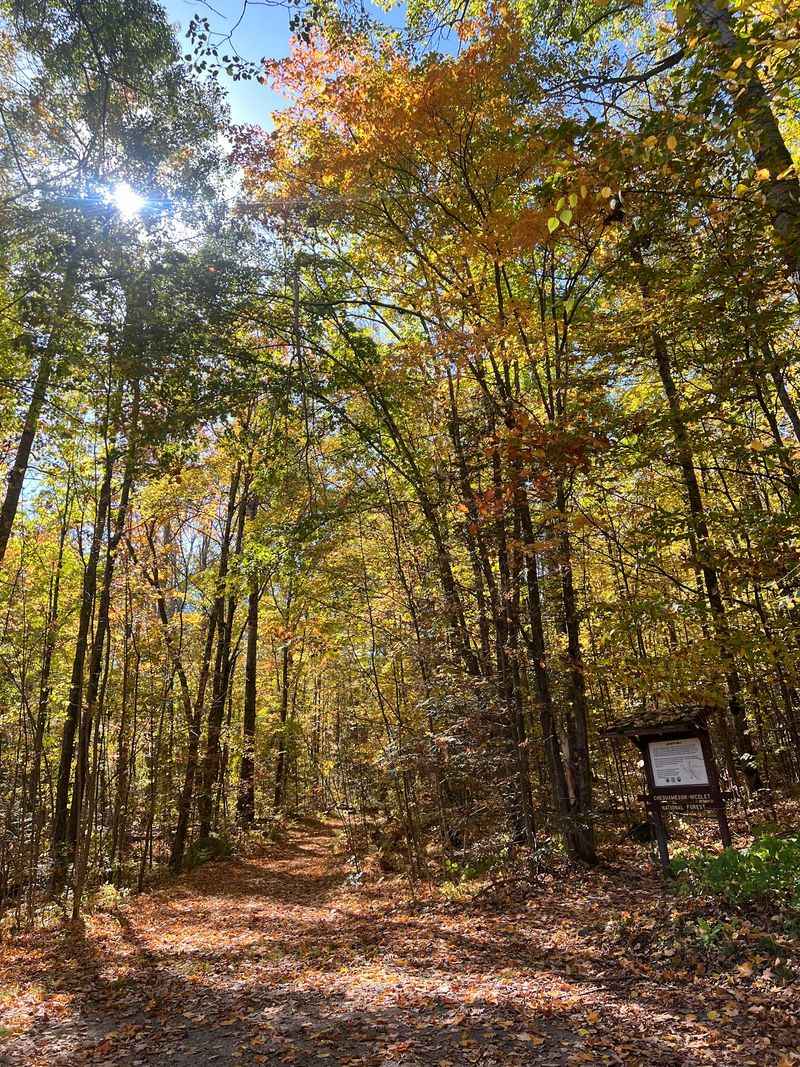
A short climb can still leave you curious about what stood here before. On Quartz Hill Trail near Wabeno, the destination includes the former Carter Fire Tower site, adding a practical piece of forest history to a walk through changing leaves.
The Forest Service map lists approximately 1.3 miles of trail in the Chequamegon-Nicolet National Forest. Northern hardwoods and evergreen woods surround the route, while the climb toward Quartz Hill gives the outing a different shape from a flat interpretive path beside water.
Do not arrive expecting a standing fire tower or a guaranteed sweeping panorama. The interest lies in the hill, its setting, and the former lookout location; consult current Forest Service information so your expectations match what is actually accessible when you visit.
Bring sturdy shoes for uneven ground and download directions before turning onto forest roads. A short route still deserves water, a weather check, and enough daylight for an unhurried return.
If you enjoy geology, look closely at exposed rock without removing anything, then linger over the contrast between warm autumn foliage and the darker evergreen patches around you.
Notice the Small Things at Pigeon Creek
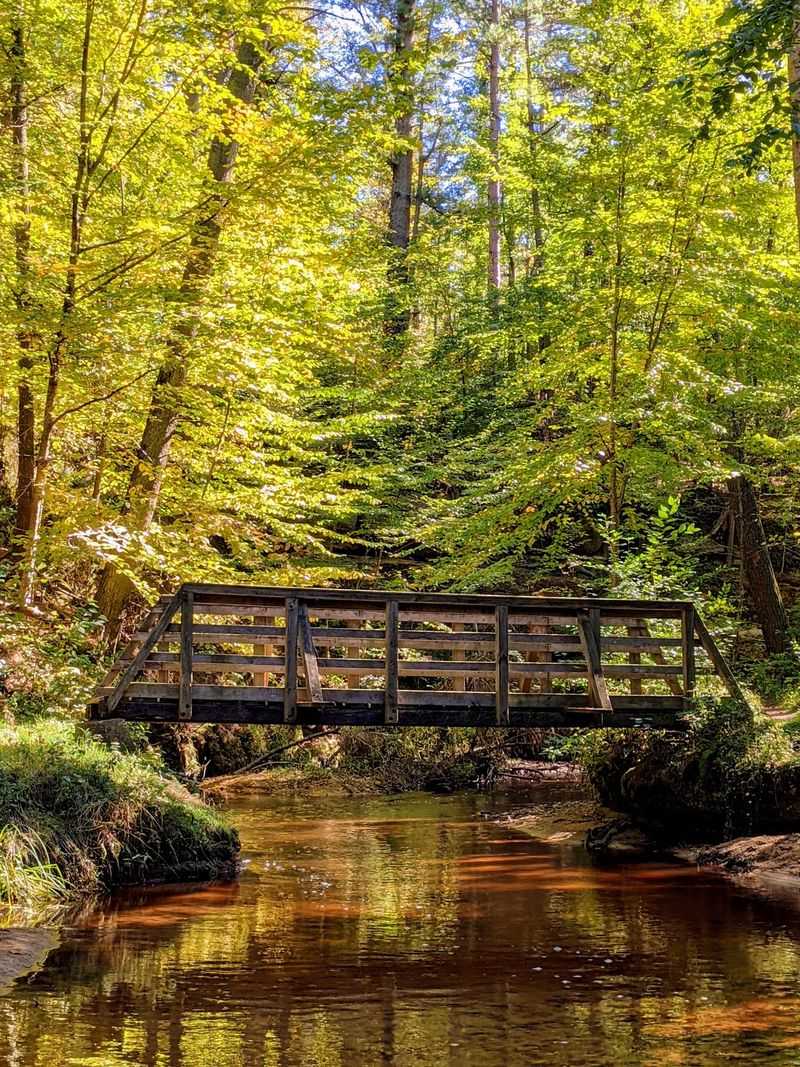
Not every autumn outing needs a tower, a summit, or a long mileage goal. Sometimes a readable sign and an unfamiliar leaf are enough to change your afternoon, especially along Pigeon Creek Nature Trail near Black River Falls in western Wisconsin.
Within Black River State Forest, the nature trail offers interpretive opportunities that encourage a closer look at the surroundings. Rather than hurrying toward one landmark, you can follow the route as a series of small discoveries about the woods and their living details.
Bring a pocket notebook or let children photograph textures, colors, and shapes without collecting them. A simple challenge, such as finding three different kinds of bark, can keep everyone interested while leaving plants, stones, and fallen material where other visitors can enjoy them.
Check the DNR’s current map for the route and confirm conditions before building your day around it. Forest opening hours do not guarantee every facility or trail feature is available.
Add a picnic at a permitted spot, dress for changing temperatures, and appreciate the walk on its own terms rather than expecting a completely empty forest.