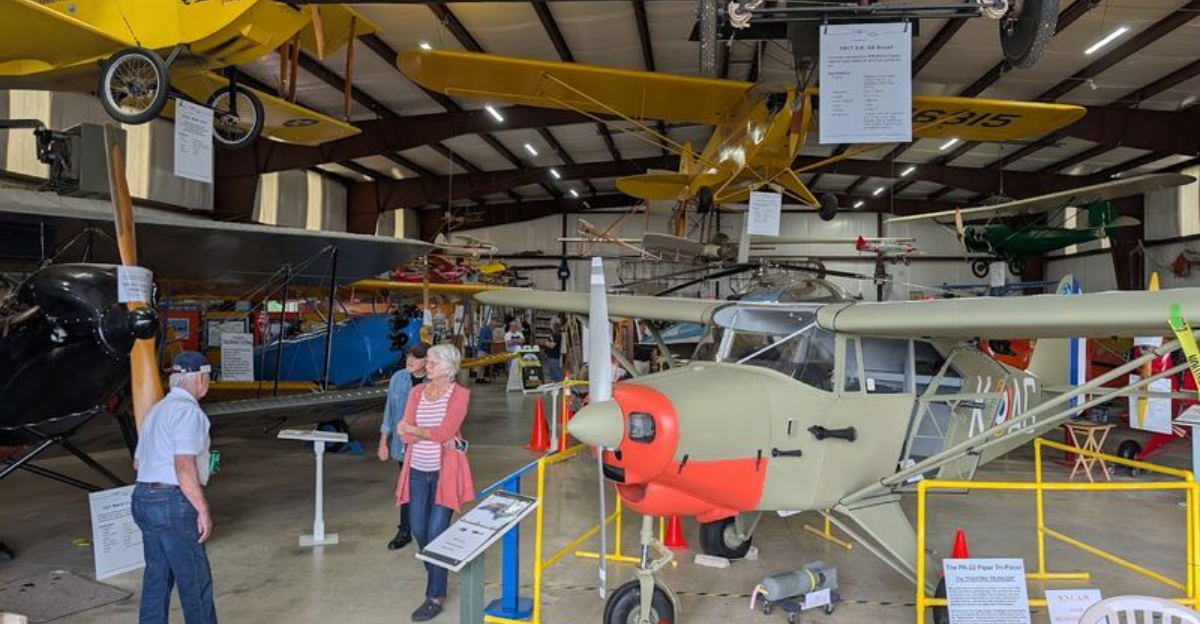
The dream of flight feels surprisingly close in North Carolina, where historic airfields, legendary aircraft, and inspiring museums bring aviation history to life. Standing beneath towering airplanes or beside the replicas of early flying machines, it is easy to imagine the determination and innovation that changed travel forever.
Across North Carolina, aviation museums celebrate everything from the Wright brothers’ groundbreaking achievements to military aviation, space exploration, and modern aircraft. Some feature impressive collections in expansive hangars, while others share personal stories and local history through carefully preserved exhibits.
Together, they offer experiences that appeal to curious travelers, families, and lifelong aviation enthusiasts alike.
Whether you are planning a road trip or looking for an unforgettable stop, these museums deliver history, technology, and plenty of inspiration. Discover 11 North Carolina aviation museums that deserve a place on your bucket list and see how the state’s remarkable aviation legacy continues to soar.
Hangars, Legends, and Local Pride at Asheboro
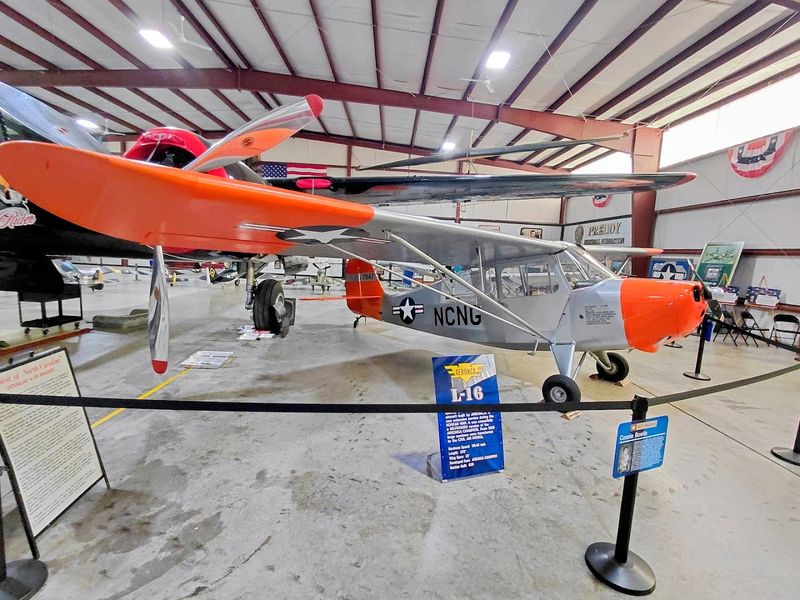
The first thing you notice is the hush of a real hangar, the kind of space where even small sounds seem to float upward. Old aircraft sit under the lights like patient storytellers, and every corner feels tied to a chapter of North Carolina history.
That mood comes together beautifully at the North Carolina Aviation Museum and Hall of Fame in Asheboro. Inside, you can study restored planes, peer at engines and instruments, and learn about pilots whose names shaped the state’s flying legacy.
The exhibits balance big milestones with smaller personal stories, which keeps the visit grounded and easy to follow.
Give yourself time to move slowly, because details reward careful looking. Kids often enjoy the size of the aircraft, while adults tend to linger over the Hall of Fame displays.
Afterward, downtown Asheboro is a good place to grab lunch and keep the day relaxed.
A Powerful Flight Story in Charlotte

Sometimes a museum grabs you before you even read the first sign. A sleek aircraft body, polished floors, and the feeling of standing close to machines built for impossible distances create a quiet thrill that stays with you.
That feeling is strong at the Sullenberger Aviation Museum in Charlotte, where aviation history meets a very human sense of courage. One of the most memorable features is its connection to US Airways Flight 1549, the Miracle on the Hudson.
Seeing that aircraft linked to Captain Sully Sullenberger adds weight to the galleries and makes the story feel immediate, not distant.
Beyond the headline exhibit, the museum does a nice job showing how flight changed over time. Families can pair the visit with nearby airport views and a meal in Charlotte afterward.
It is an easy stop for travelers who like history with a modern edge.
Warbirds and Wide Skies in Hickory

Sunlight on metal gives old military aircraft a certain drama, especially when they sit out in the open with nothing above them but blue Carolina sky. The experience feels less like browsing and more like stepping into a scene built from memories and motion.
At Hickory Aviation Museum in Hickory, many exhibits focus on military aviation, and the outdoor setting makes the planes feel especially real. You can walk near warbirds, study their shapes from different angles, and appreciate just how large and purposeful they are.
Volunteers and displays often add context that helps younger visitors understand the people behind the machines.
Wear comfortable shoes and check the weather, since much of the experience happens outside. Nearby, Hickory offers barbecue spots and small-town charm that fit the visit well.
For travelers who enjoy aircraft without heavy crowds, this museum has a straightforward, memorable appeal.
Mountain Air and Vintage Wings in Hendersonville
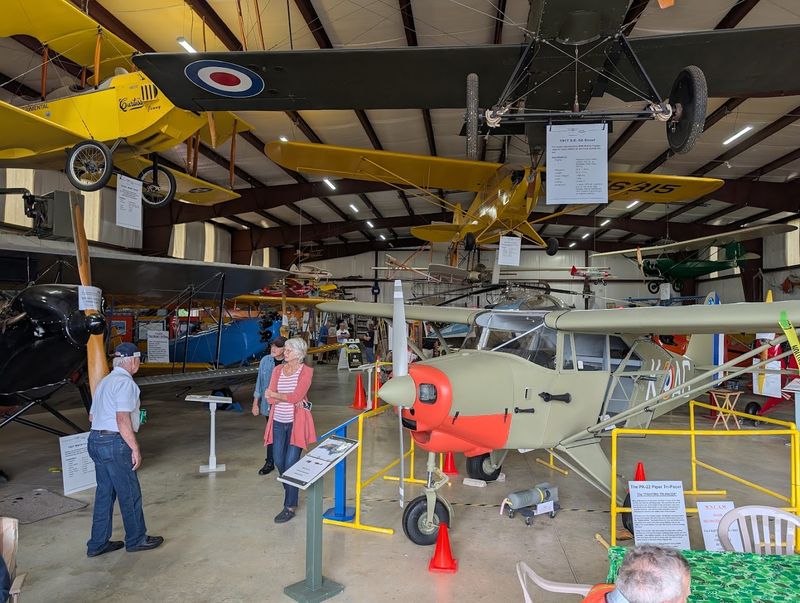
Mountain light has a softer quality, and it gives old airplanes an almost handmade beauty. You look at rounded fuselages, worn metal, and propellers from another era, and suddenly flight seems less digital and more daring.
The Western North Carolina Air Museum in Hendersonville leans into that feeling with vintage aircraft and a local, approachable atmosphere. Instead of racing through galleries, most visitors settle into an easy pace and spend time with the details, from cockpit shapes to period equipment.
The setting helps, too, because the surrounding region adds a sense of open space and adventure.
Bring a camera, since the classic planes photograph well in natural light. If you are building a day around the museum, Hendersonville has bakeries, apple country views, and walkable streets that round things out nicely.
Aviation fans who enjoy quieter places often remember this stop for its personality, not just its collection.
Where Flight Began on the Outer Banks
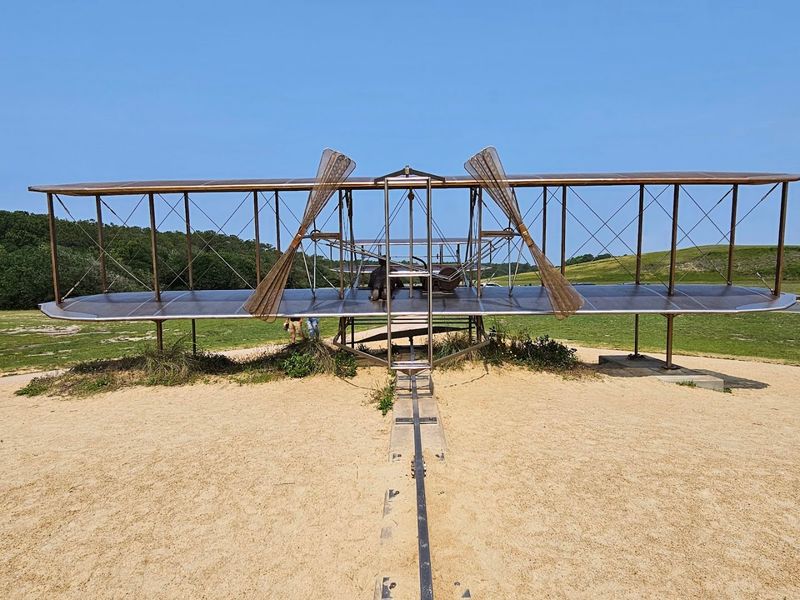
Wind changes everything on the Outer Banks. It tugs at your shirt, fills your ears, and makes it easier to understand why two brothers chose this stretch of sand to test an idea that once sounded impossible.
At Wright Brothers National Memorial in Kill Devil Hills, history feels wonderfully physical. You can walk the grounds where the first powered flights took place, visit reconstructed buildings, and look up toward the memorial on the hill.
The open landscape, marked flight distances, and constant breeze help the story make sense in a way textbooks rarely do.
Come early or later in the day for cooler temperatures and softer light. Nearby beaches, seafood spots, and the long views of the coast make this stop easy to fold into a larger Outer Banks trip.
Even people who do not think of themselves as aviation buffs usually leave with a deeper sense of awe.
A Small Museum with Big Outer Banks Character
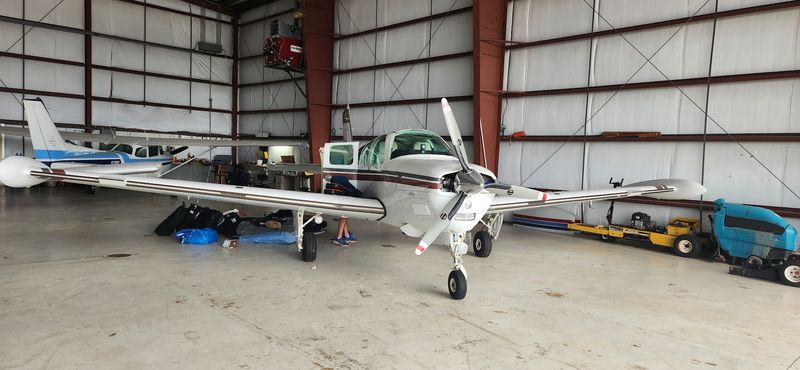
Not every memorable museum is grand. Some win you over with creaky floors, old photographs, and the satisfying feeling that local people cared enough to save stories before they disappeared.
The Dare County Regional Airport Museum in Manteo has exactly that kind of charm. Tucked beside the airport, it shares the aviation history of the Outer Banks in a smaller, more personal way than many big institutions can manage.
Exhibits connect the region’s famous flight legacy with later chapters of air travel, military use, and local life around the airfield.
Because the museum is compact, it works well as part of a day that also includes the Roanoke Island area, waterfront views, or a seafood lunch nearby. Families often appreciate that it feels easy to navigate without being rushed.
It is the kind of stop that adds texture to a trip and makes the wider aviation story feel complete.
Stories of Service in Fayetteville
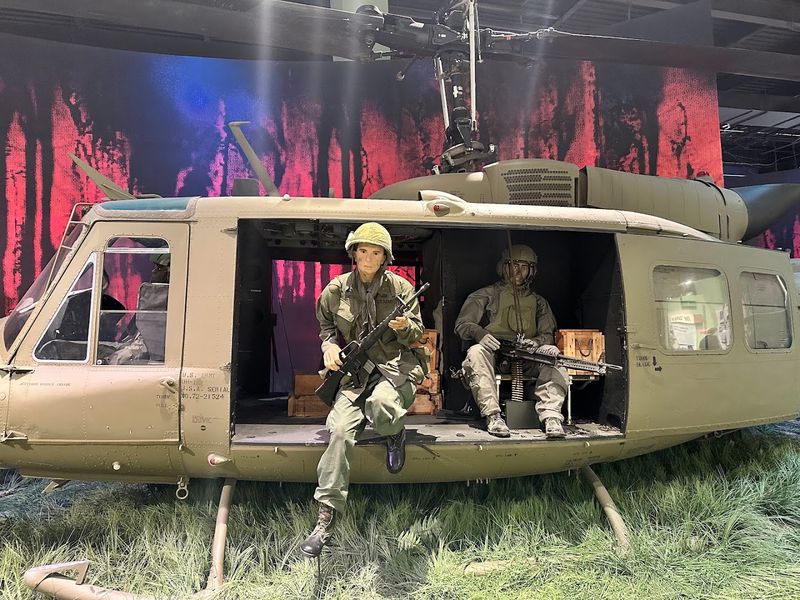
Some museums carry a different emotional weight. The room feels fuller, the stories land harder, and the machines on display seem connected not just to engineering but to sacrifice, training, and nerves under pressure.
The Airborne and Special Operations Museum in Fayetteville offers that deeper tone while still being engaging for casual visitors. Although the museum covers broader military history, its aviation-related exhibits help explain how aircraft supported airborne troops and special missions.
Helicopters, equipment, and personal accounts add a human layer that keeps the experience from feeling abstract.
Plan enough time to read the interpretive panels, because the context matters here. Downtown Fayetteville has restaurants and coffee shops that make it easy to pause afterward and talk about what you saw.
Travelers interested in the link between flight and service will find this museum especially meaningful, even if aviation is only part of what brings them through the door.
Fort Liberty’s Airborne Legacy Up Close
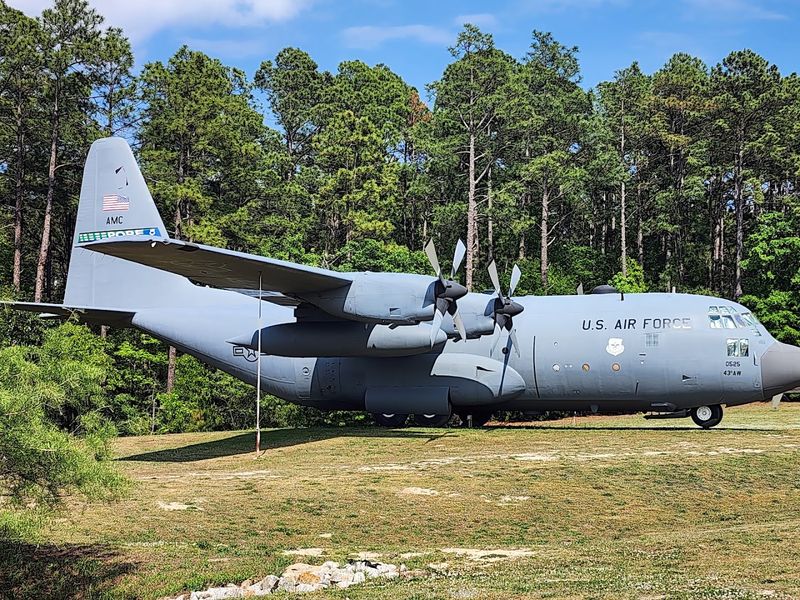
There is a gritty honesty to museums built around soldiers’ lives. Instead of polished wonder alone, you get a sharper sense of purpose, where aircraft, parachutes, and field gear all point back to missions that demanded speed and trust.
The 82nd Airborne Division War Memorial Museum at Fort Liberty brings that perspective into focus. Aviation is part of a wider military story here, especially when exhibits show how airborne operations depended on aircraft and rapid deployment.
For many visitors, the mix of planes, equipment, and division history makes the experience feel vivid and grounded.
Check visitor access details before you go, since entry conditions can change. Once there, take your time with the historical timeline and look for small personal artifacts that reveal daily life behind the headlines.
The museum is a thoughtful stop for anyone curious about how aviation supports troops, not just how aircraft look on a runway.
A Quiet Tribute in Carthage
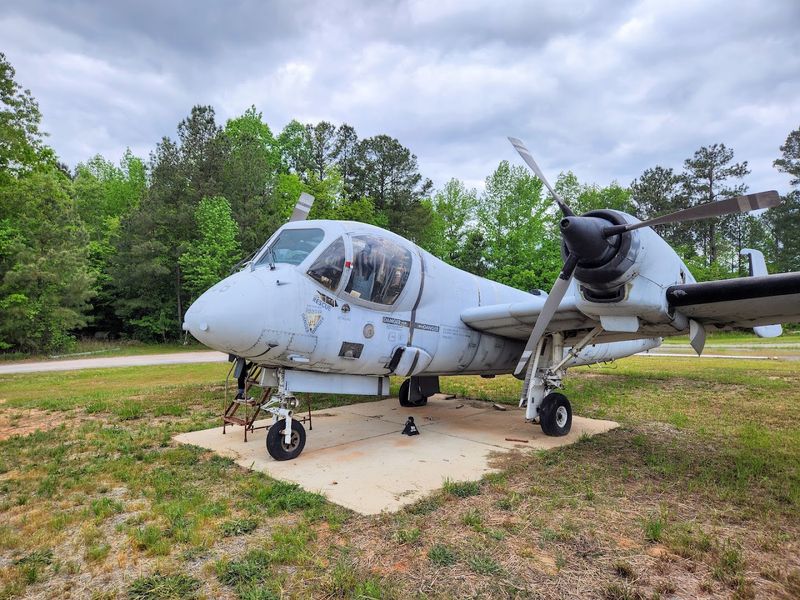
Silence can be its own kind of storytelling. In a smaller museum, you notice framed photographs, faded documents, and the way a single person’s life can open a window onto a much larger period of history.
The James Rogers McConnell Air Museum in Carthage centers on a World War I aviator whose story still resonates. Rather than overwhelming visitors with scale, the museum offers a more intimate encounter with early flight, wartime service, and the personal bravery attached to both.
That narrower focus gives the exhibits a reflective tone that stands apart from larger aviation destinations.
It helps to arrive ready for a slower visit, one where reading and imagining matter as much as seeing objects. Carthage itself adds to the mood with its small-town pace and historic feel.
For travelers who appreciate hidden places and lesser-known aviation stories, this museum has a thoughtful presence that lingers after you leave.
Marine Corps Flight History Near Cherry Point
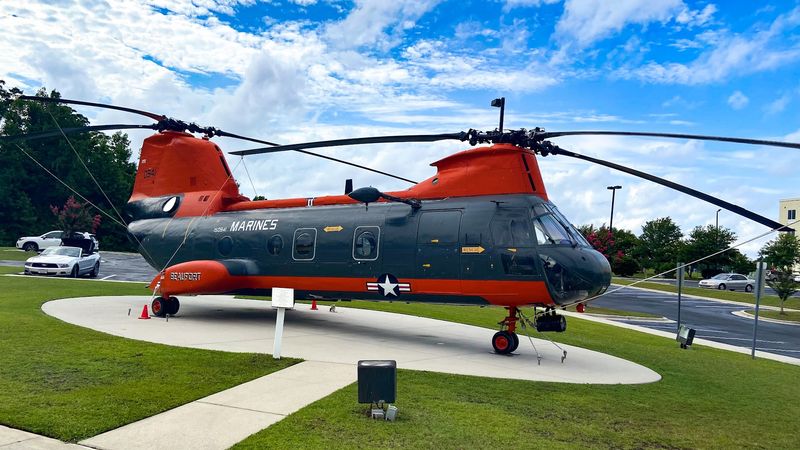
Jet noise has a way of changing the mood of a town. Even when the sky is quiet, you can sense that flying is part of daily life, woven into local routines, pride, and memory.
In Havelock, the Tourist and Event Center helps tell that story through exhibits tied to nearby Marine Corps Air Station Cherry Point. The displays are not a giant museum experience, but they offer a meaningful introduction to the area’s aviation heritage, especially for visitors curious about military flight in eastern North Carolina.
Photographs, artifacts, and local context help connect the community to the aircraft overhead.
This stop works especially well if you are already exploring the coast or heading toward New Bern. Grab local seafood afterward, then keep an eye on the sky if aircraft are active nearby.
The appeal here is subtle but real: you leave understanding not only the machines, but the town shaped by them.
More Than Trains in Spencer
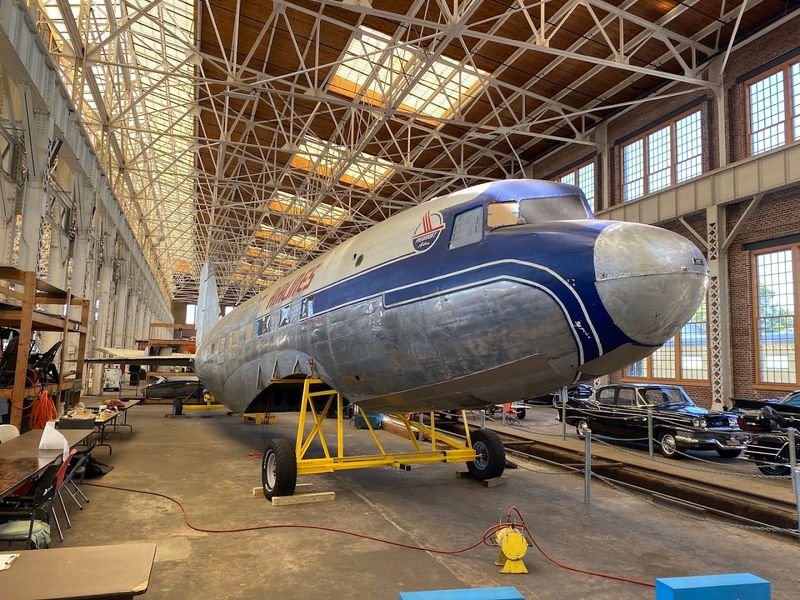
A good transportation museum reminds you that movement changed everything. Even if trains usually get the spotlight, the sight of an aircraft among the exhibits adds a wider sense of how people chased speed, distance, and new possibilities.
The North Carolina Transportation Museum in Spencer is best known for rail history, yet its aviation pieces make it an interesting addition for flight-minded travelers. The variety works in its favor.
You can move from locomotives and railcars to aircraft displays and think about how different forms of travel developed side by side across the state and country.
Because the grounds are spacious, comfortable shoes and a little extra time help. Families often enjoy the mix of indoor and outdoor attractions, and the bigger setting keeps the day from feeling too narrow.
For readers building a bucket list, this stop earns a place by showing aviation as part of a much larger transportation story.