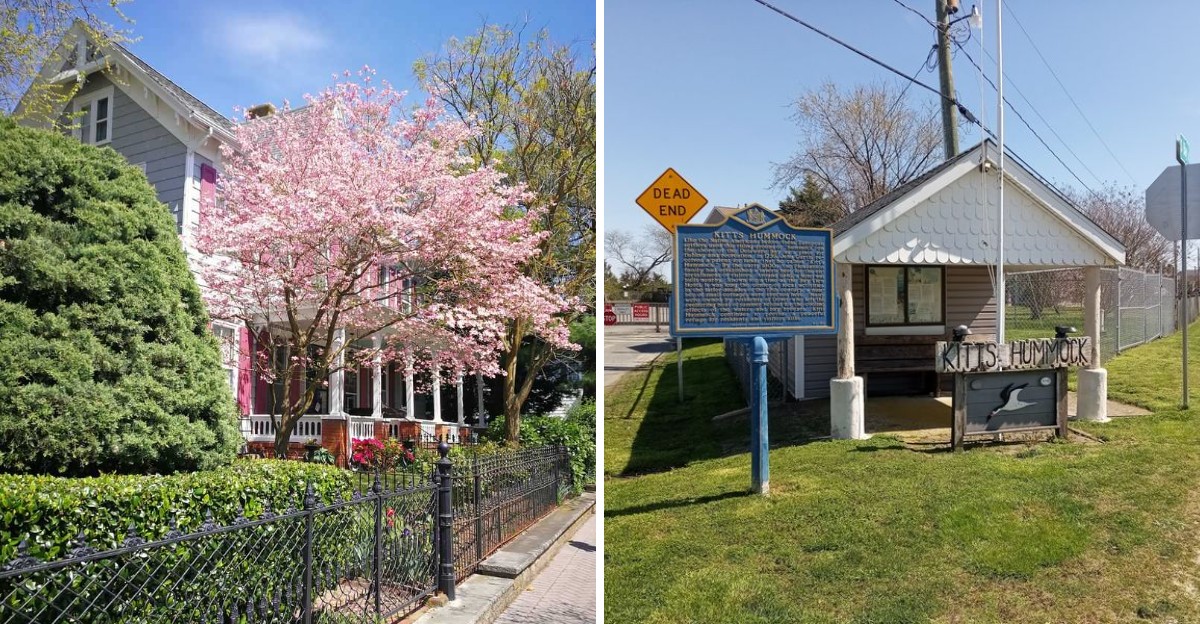
Delaware may be tiny, but its villages know how to make a big impression.
We set out expecting quiet roads, old houses, and perhaps a few charming corners worth photographing.
Instead, we found communities with personalities all their own, from artistic enclaves and historic river towns to sleepy coastal hamlets where time seems to move at its own pace.
Some villages surprised us with remarkable stories hiding behind their peaceful appearances.
Others drew us in with waterfront views, preserved architecture, local traditions, and those little details that make a place feel genuinely special.
By the end of our journey, one thing was clear: Delaware’s small size doesn’t mean a shortage of character.
These ten villages gave us plenty of reasons to slow down, look around, and wonder how we’d never noticed their charm before.
Arden – Delaware’s Quirky Arts Village
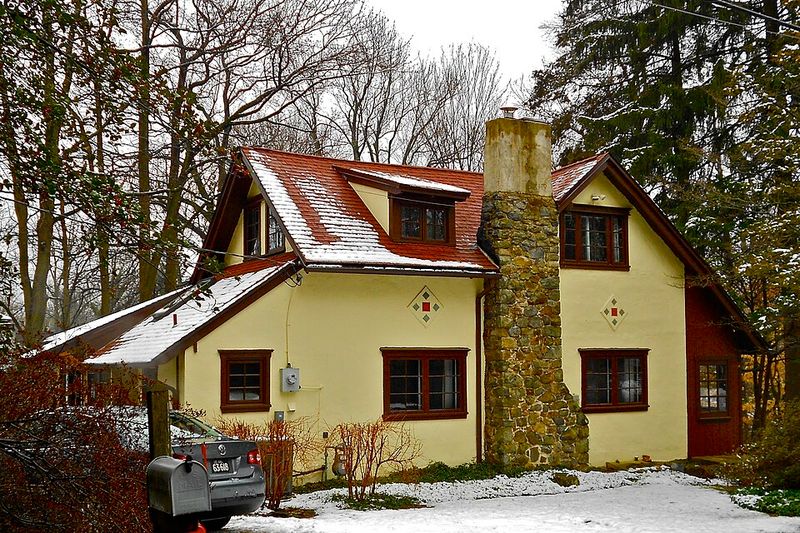
Imagine a place where creativity comes first and neighbors actually know each other by name. Arden started back in 1900 with a radical idea about land ownership and taxation that still shapes the village today.
Walking through its tree-lined paths feels like stepping into a storybook where arts and community matter more than anything else.
The cottages here don’t look like typical suburban homes. Many feature handcrafted details, colorful paint choices, and quirky architectural touches that reflect the independent spirit of their owners.
Gardens spill onto shared pathways, and you might stumble upon outdoor theater performances or craft fairs happening in common spaces.
What makes Arden truly special is how seriously residents take their festivals and traditions. From May Day celebrations to Shakespeare performances, the village keeps alive customs that have disappeared elsewhere.
The whole place operates on cooperative principles, with residents sharing decision-making responsibilities.
Even if you’re just passing through, the welcoming atmosphere and artistic energy make Arden unforgettable.
Ardencroft – A Peaceful Extension of the Arden Community

Right next door to Arden sits its quieter sibling, a place that shares the same unusual founding principles but with an even more residential feel. Ardencroft emerged when people wanted to expand the single-tax experiment without losing the cooperative spirit.
The woods here seem thicker, the streets feel calmer, and the sense of privacy runs deeper.
Only a few dozen families call this tiny village home, which means it maintains an intimate neighborhood atmosphere. The homes blend into the natural surroundings rather than dominating them.
Trees tower overhead on every street, creating a canopy that filters sunlight and keeps the temperature cooler in summer.
Visiting Ardencroft works best when combined with exploring the other Arden villages since they share connected pathways and similar philosophies. The lack of commercial development means you won’t find shops or restaurants here.
What you will find is a glimpse of how communities can organize themselves differently, prioritizing green space and cooperation over conventional suburban development patterns that dominate most of America.
Ardentown – The Third Arden Village
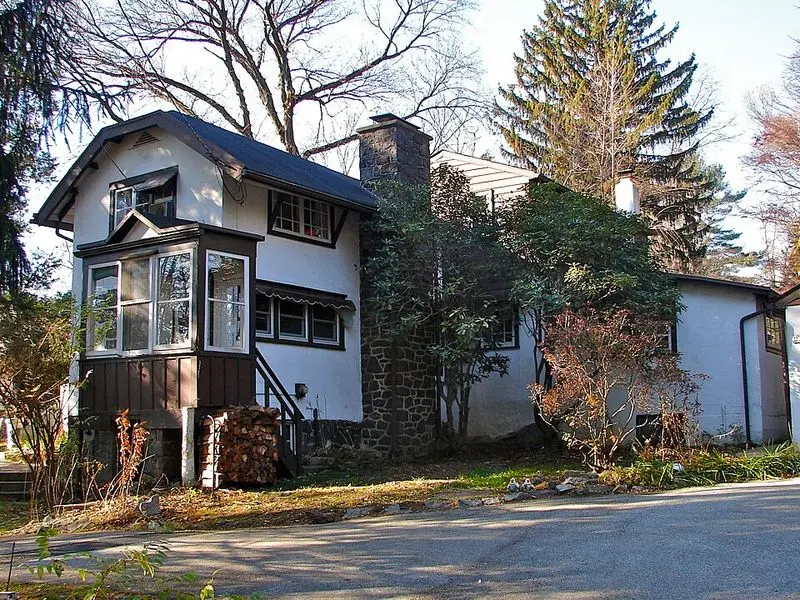
Completing the trio of unconventional villages that share a common origin story, this community rounds out what locals call “the Ardens.” Founded in 1922, it continued the experiment its two neighbors had already started. Architecture here ranges from classic craftsman styles to completely unexpected designs that challenge what a house should look like.
The village green serves as a gathering spot where residents host events throughout the year. Community theater remains particularly strong here, with performances drawing audiences from across northern Delaware.
Kids grow up knowing their neighbors and participating in traditions that would seem old-fashioned anywhere else but feel perfectly natural in this setting.
Artists and creative types have always gravitated toward these three villages, making the area a magnet for people who value individuality. The cooperative land system means residents lease rather than own their plots, which keeps property values more affordable than surrounding areas.
If you’re fascinated by alternative community models or simply enjoy places with distinctive character, exploring all three Arden villages in one trip offers a rewarding afternoon.
New Castle – Cobblestones, Colonial Homes, and Riverfront Charm
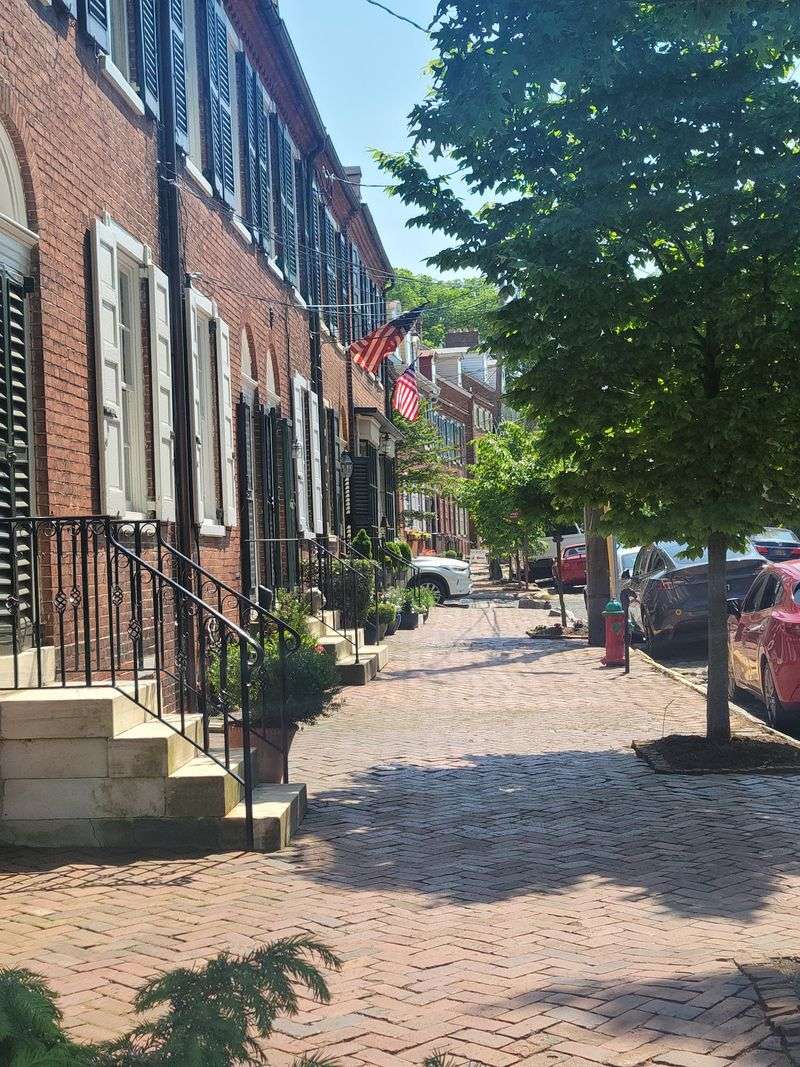
Step onto the brick sidewalks of this riverside town and you might forget what century you’re in. New Castle preserves its colonial past so thoroughly that modern intrusions feel out of place.
Homes dating back to the 1600s and 1700s line streets that still follow their original colonial layouts, complete with cobblestones that make modern cars bounce along at a crawl.
The Delaware River provides a stunning backdrop, especially from the grassy Battery Park area. Historic churches, a colonial courthouse, and elegant Georgian mansions create an architectural treasure chest that history enthusiasts can explore for hours.
Many buildings now house museums, antique shops, and restaurants that respect their historic surroundings.
Unlike some preserved historic towns that feel like outdoor museums, New Castle remains a living community. Residents actually inhabit these centuries-old structures, maintaining them with obvious care and pride.
The annual Separation Day celebration commemorates Delaware’s break from Pennsylvania, drawing crowds who enjoy period costumes and historical reenactments.
Even a simple walk down The Strand offers constantly changing views of the river and passing ships.
Lewes – A Maritime Village With Centuries of History
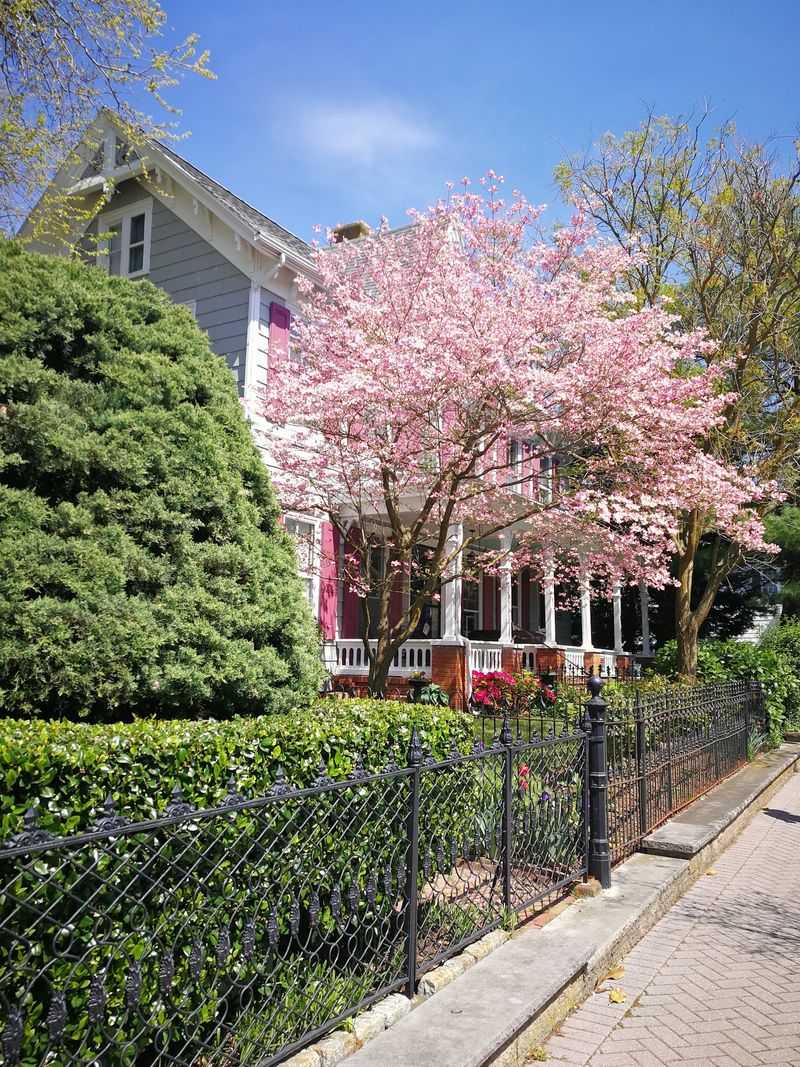
Claiming the title of Delaware’s oldest town comes with serious bragging rights, and this charming community wears its history proudly. Dutch settlers arrived here in 1631, though that first attempt at colonization ended badly.
The town that eventually took root became a prosperous port and remains deeply connected to the sea even today.
Historic homes with plaques noting their construction dates create an outdoor timeline of American architecture. The downtown area balances preservation with modern amenities, offering independent boutiques, seafood restaurants, and ice cream shops alongside historical markers and museums.
The Zwaanendael Museum’s distinctive Dutch architecture stands out immediately, celebrating the area’s earliest European connections.
Cape Henlopen State Park borders the town, providing beach access, hiking trails, and old military fortifications to explore. The ferry to Cape May, New Jersey, departs from here, making Lewes a transportation hub as well as a destination.
Locals maintain strong maritime traditions through fishing, boating, and annual events celebrating the town’s relationship with Delaware Bay.
Unlike the crowded resort beaches nearby, Lewes offers a more relaxed coastal experience.
Milton – A Storybook Town Along the Broadkill River
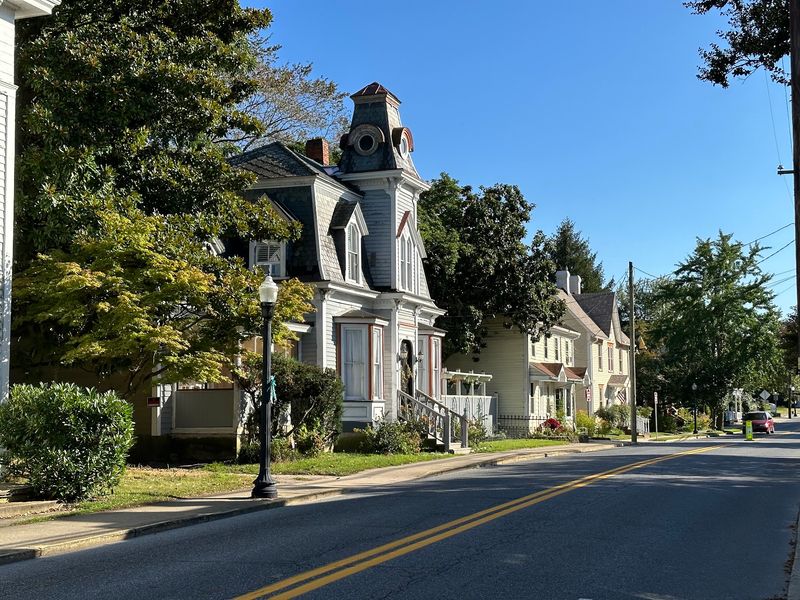
Victorian-era prosperity left its mark beautifully on this riverside community, where ornate homes and commercial buildings transport visitors to the late 1800s. Shipbuilding once drove the local economy, bringing wealth that funded the elaborate architecture still standing today.
The Broadkill River winds through town, offering peaceful water views and reminding everyone of the source of Milton’s historical importance.
Downtown features dozens of antique shops, art galleries, and specialty stores housed in carefully maintained historic structures. The density of preserved buildings earned the entire downtown area a spot on the National Register of Historic Places.
Walking tours let visitors appreciate architectural details like wraparound porches, decorative brackets, and intricate woodwork that modern construction rarely includes.
The annual Horseshoe Crab and Shorebird Festival celebrates the natural world alongside human history, drawing nature lovers and families each May. Prime Hook National Wildlife Refuge sits nearby, extending outdoor opportunities beyond the town’s borders.
Despite its growth in recent years, Milton maintains a friendly small-town atmosphere where shopkeepers chat with customers and neighbors gather at community events throughout the year.
Odessa – A Tiny Village Packed With Colonial Character
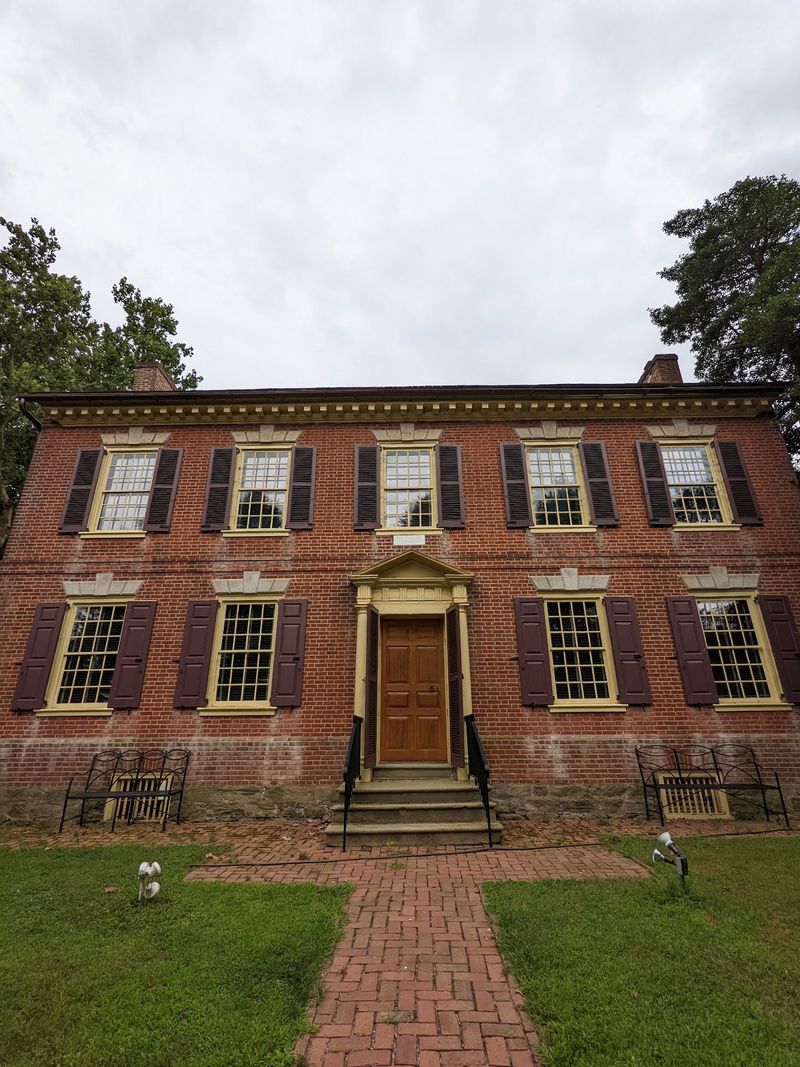
Size doesn’t determine charm, and this miniature community proves that point convincingly. Once known as Cantwell’s Bridge, Odessa thrived as a grain-shipping center during colonial times and into the early American period.
When railroads shifted transportation patterns, the town’s growth essentially stopped, accidentally preserving an exceptional collection of 18th and 19th-century buildings.
Several historic house museums operated by Winterthur give visitors intimate looks at different periods and social classes. The Corbit-Sharp House showcases Georgian architecture at its finest, while other properties represent merchant and working-class life.
The brick and frame structures create a visual harmony that seems almost too perfect, like a movie set designed to represent early America.
Today’s population numbers in the hundreds, making Odessa genuinely tiny compared to most towns. Main Street contains the bulk of the historic structures, allowing visitors to see everything on a leisurely walk.
The quiet atmosphere lets you imagine what life was like when horses and wagons filled these streets.
Photographers particularly love Odessa for its unspoiled historic character and excellent natural light filtering through old trees.
Bowers Beach – A Quiet Bayfront Fishing Community
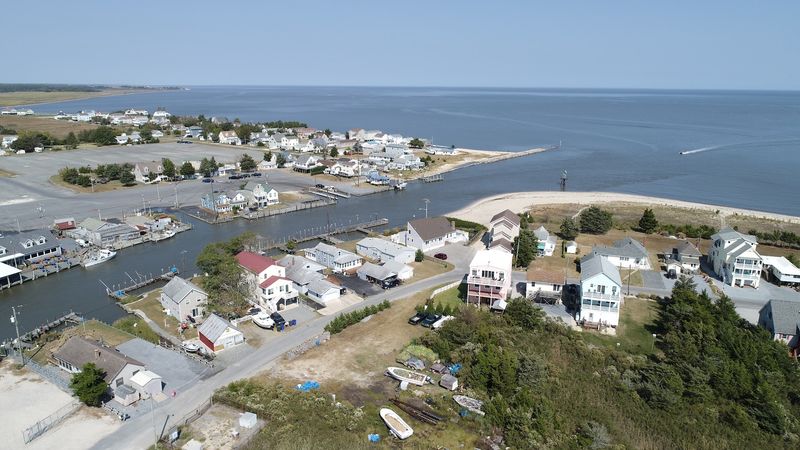
Horseshoe crabs outnumber tourists at this authentic fishing village, where Delaware Bay life continues much as it has for generations. Commercial fishing boats tie up at docks where watermen still make their living from the bay’s bounty.
The beach here faces the bay rather than the ocean, creating calmer waters and a completely different atmosphere from Delaware’s Atlantic coast resorts.
A maritime museum tells stories of local fishing traditions and the bay’s ecology. The annual Bowers Beach Day celebrates the community’s heritage with crab feasts, boat docking contests, and displays honoring the fishing industry.
Restaurants serve incredibly fresh seafood caught by local boats, often within sight of where you’re eating.
May brings masses of horseshoe crabs to spawn on the beach, attracting migrating shorebirds that feed on the eggs. Bird watchers and nature photographers time visits to witness this remarkable natural spectacle.
The lack of commercial development means Bowers Beach stays wonderfully low-key.
A few simple homes, working docks, and that peaceful bay view create the perfect escape for anyone tired of crowded beaches and tourist attractions.
Ocean View – A Small Sussex County Community Near the Coast
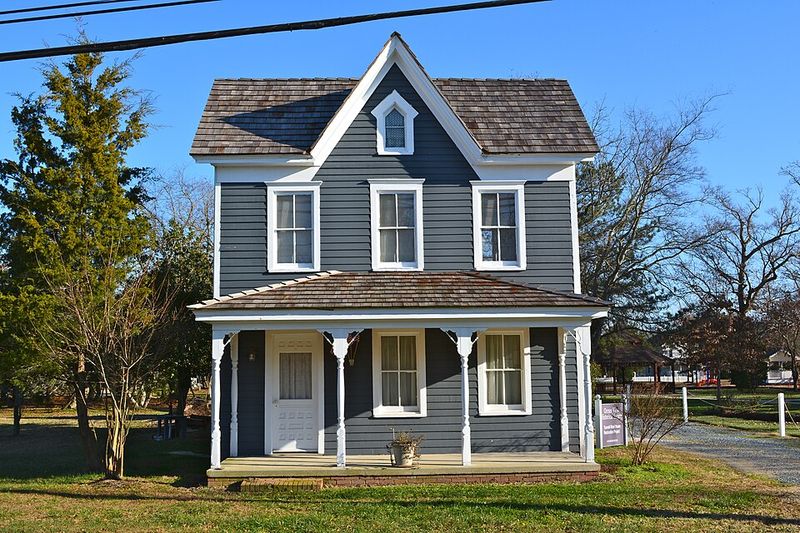
Escape the beach resort madness without sacrificing coastal access in this understated community that balances residential calm with proximity to the shore. Located inland from the ocean itself despite its name, the town offers a more affordable and peaceful alternative to staying directly on the beach.
Local shops and restaurants cater to year-round residents rather than seasonal tourists, creating authentic small-town interactions.
The town’s history includes agricultural roots and railroad connections that brought early development. Today it serves as a gateway to nearby Bethany Beach and other coastal destinations while maintaining its own distinct identity.
Tree-lined streets, local parks, and a slower pace make it appealing to families and retirees seeking coastal living without resort-town intensity.
Antique stores, farm markets, and local eateries give visitors reasons to explore beyond just using the town as a beach base. The surrounding area includes nature preserves and quiet backroads perfect for cycling or driving tours.
Ocean View represents a different kind of Delaware coastal experience, proving you don’t need ocean views from your window to enjoy everything the region offers year-round.
Kitts Hummock – A Tiny Delaware Bay Hamlet With Local Lore
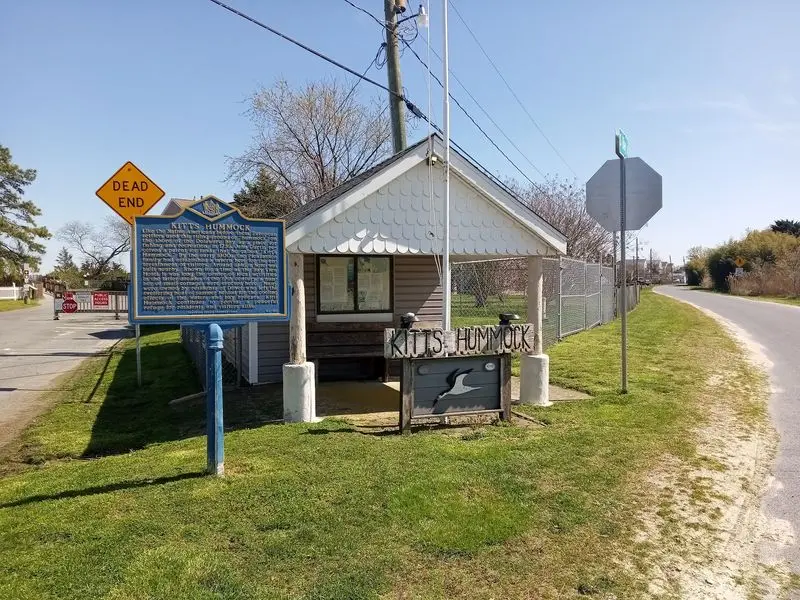
Local legends link this tiny bayfront spot to the infamous Captain William Kidd, though historical evidence remains murky at best. Regardless of the truth behind pirate tales, the name alone sparks imagination and adds mystery to what is already one of Delaware’s most secluded communities.
Only a handful of streets make up the entire hamlet, ending at a small beach that faces the bay.
Summer cottages and permanent homes sit shoulder to shoulder on narrow lots, creating the kind of tight-knit community where everyone recognizes their neighbors. The beach here attracts locals who prefer solitude over the crowds and commercialization of ocean resorts.
Fishing remains popular, and the sunsets over Delaware Bay create stunning evening shows.
Getting here requires intention since no major roads pass through, making it a true hidden destination. The South Bowers Beach area nearby provides additional waterfront access and connects to broader coastal exploration routes.
Kitts Hummock perfectly captures the hidden village concept, offering a glimpse of Delaware coastal life that hasn’t been polished for tourists or changed to accommodate modern expectations of what a beach community should be.