Pennsylvania has a way of surprising people who assume they already know what it looks like.
Beyond the cities, the state holds a quiet collection of places so visually stunning that photographers keep coming back year after year to try to do them justice.
From a masterpiece of architecture cantilevered over a waterfall to canyon roads lined with fall color that seems almost overdone, these destinations have built genuine reputations for stopping people mid-drive.
Some of them require a hike or a detour off the highway; others are visible from the road and still manage to make your jaw drop.
If you haven’t been to any of these yet, consider this your sign to stop putting it off.
1. Fallingwater – Mill Run, Fayette County
Before you even see the house, you hear the water working below the trees and feel the whole hillside tighten with anticipation.
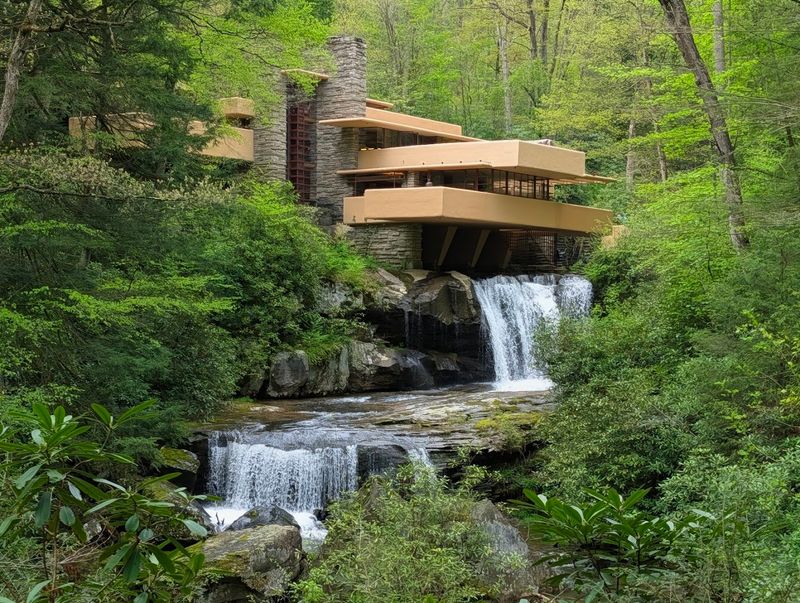
That slow reveal is part of the magic at Fallingwater in Mill Run, Fayette County.
Frank Lloyd Wright designed it in 1935 for the Kaufmann family, and somehow it still looks futuristic while feeling completely rooted in the forest.
The famous cantilevered terraces stretch over Bear Run like shelves of warm stone, making the building seem less placed here than grown here.
Every angle gives you another reason to stop, especially when morning light catches the concrete and the stream flashes silver beneath it.
I was surprised by how intimate it feels in person, not like a monument but like a bold private idea made visible.
Inside, the low ceilings and built in furnishings pull your attention outward to the trees, rocks, and moving water.
Outside, the classic viewpoint across the run delivers the photograph everyone wants, and yes, it is worth waiting for.
If you visit in fall, the ochre leaves amplify the sandstone tones and make the whole composition glow.
Even if you know the images by heart, standing there finally explains why nobody drives past this corner of Pennsylvania without stopping.
2. Ricketts Glen State Park – Benton, Luzerne County
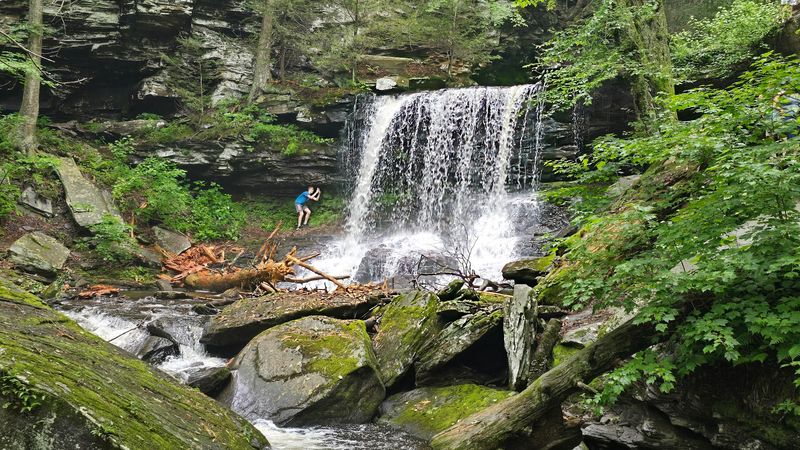
Cool air, wet stone, and the steady rush of water make this trail feel cinematic almost immediately.
That is the mood waiting at Ricketts Glen State Park near Benton, in Luzerne County.
The park is famous for its Falls Trail, where more than twenty named waterfalls tumble through a rugged old growth style gorge shaped by shale and sandstone.
What looks beautiful in photos becomes even more dramatic when you are navigating stone stairs, narrow ledges, and misty overlooks between the cascades.
Ganoga Falls gets the most attention at ninety four feet, but the sequence of smaller drops keeps the experience from ever feeling repetitive.
I loved how the trail alternates between intimate creekside details and broad frames where multiple layers of rock, trees, and water line up perfectly.
After rain, everything intensifies, including the sound and the green moss that seems to glow against darker rock walls.
Fall brings color, but summer has its own appeal when the gorge feels cool and sheltered from the heat.
You will want sturdy shoes, patience, and enough storage on your phone for far too many waterfall shots.
Once you have worked your way through this canyon of cascades, it becomes obvious why photographers treat it like a Pennsylvania rite of passage.
3. Ohiopyle State Park – Ohiopyle, Fayette County
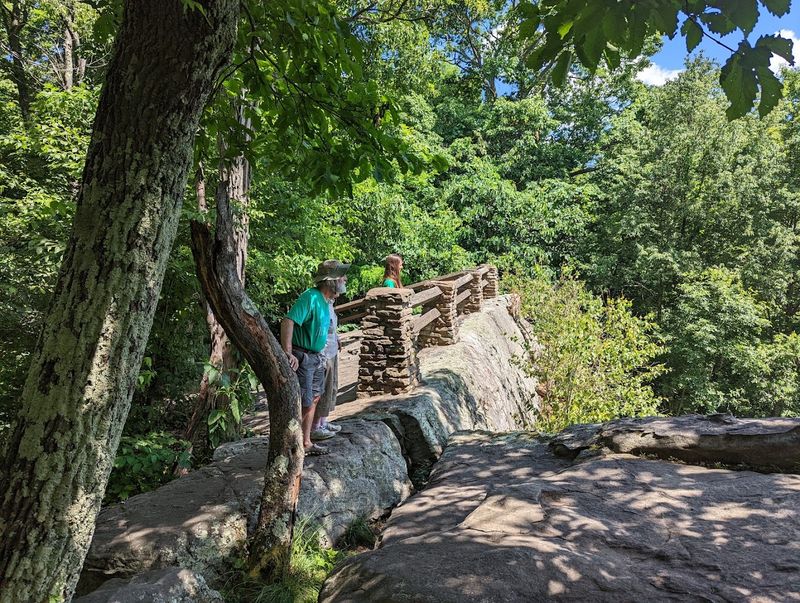
There is a restless energy here that you can feel before you even reach the overlook.
It comes from moving water, bike traffic, and the constant sense that Ohiopyle State Park in Ohiopyle, Fayette County, is built for adventure.
Set along the Youghiogheny River, the park combines dramatic scenery with whitewater culture, making it one of the state’s easiest places to both photograph and actively explore.
Ohiopyle Falls is the star because it is accessible, broad, and powerful, with rock ledges that frame the water perfectly.
Just upstream and downstream, the river twists through a gorge that adds texture, motion, and scale to almost every shot.
I also liked how the town itself contributes to the atmosphere, with outfitters, rail trail riders, and river sounds blending into the experience.
Nearby Cucumber Falls offers a softer, more enclosed scene, especially beautiful when the surrounding trees are lush or turning color.
If you head to Baughman Rock Overlook, you get a different perspective entirely, with sweeping forest views that feel expansive and calm.
That contrast between adrenaline and quiet scenery is what makes this park so memorable.
After visiting, it was easy to understand why so many Pennsylvania road trips pause here longer than planned.
4. Bushkill Falls – Bushkill, Pike County
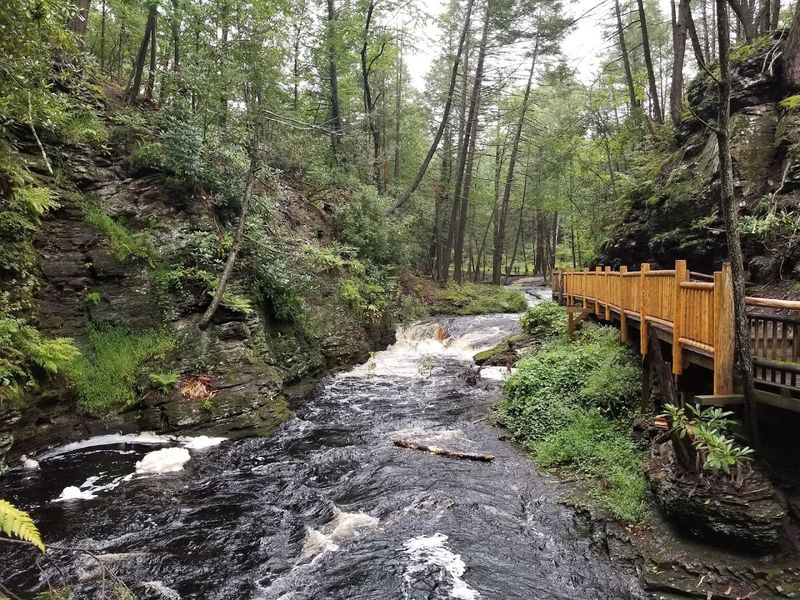
Wooden walkways, damp hemlock shade, and the constant echo of falling water give this place immediate storybook appeal.
That atmosphere is exactly why Bushkill Falls in Bushkill, Pike County, remains one of the Poconos’ most photographed stops.
Often called the Niagara of Pennsylvania, it is not one waterfall but a collection of cascades linked by trails, bridges, and elevated viewing platforms.
The Main Falls drops dramatically through a narrow rock cleft, creating the classic image most visitors recognize at once.
What surprised me was how many strong compositions appear beyond that signature viewpoint, especially where stairs, railings, and layered trees guide your eye toward smaller falls.
The infrastructure makes the landscape accessible without completely softening its rugged feel, which is a hard balance to strike.
Different trail options let you choose between a quick scenic visit and a longer route with more secluded angles.
On humid days, the mist catches light beautifully, while autumn adds orange and red tones that make every overlook pop.
You can tell generations have stopped here with the same instinct to lean over a railing and stare.
Once we made the circuit ourselves, the popularity no longer felt like hype and more like a natural response to a place built for memorable photos.
5. Jim Thorpe Borough – Jim Thorpe, Carbon County
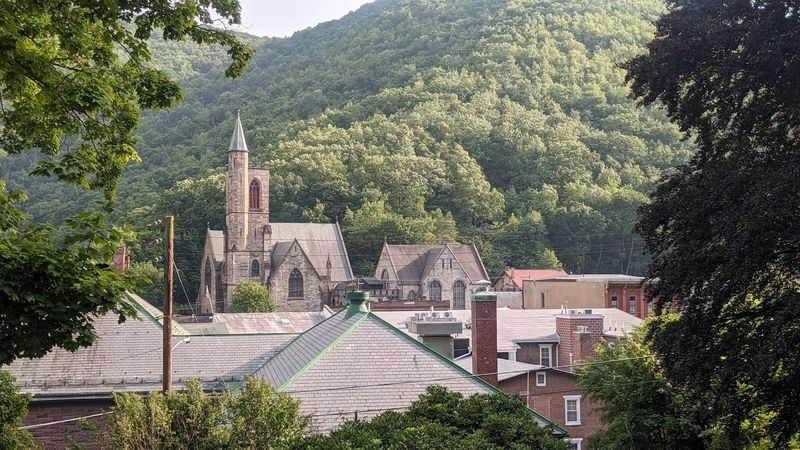
Steep hills, church spires, and ornate old buildings make this mountain town look staged for a period film.
That visual charm defines Jim Thorpe Borough in Jim Thorpe, Carbon County.
Often called the Switzerland of America, the town developed with coal era wealth, and its compact streets still carry a striking concentration of Victorian architecture.
The Asa Packer Mansion gives you one of the clearest links to that history, while the surrounding blocks offer porches, cornices, and brick facades that seem made for slow wandering.
I noticed that even casual corners look photogenic here because the topography keeps revealing layered views of rooftops against steep green ridges.
The Lehigh Gorge Scenic Railway adds movement and nostalgia, especially when trains curve through town or into autumn color.
Broadway is the heart of the postcard image, but the side streets are where you catch the quieter details that make the borough feel lived in.
Cafes, antique shops, and old signage help the place avoid feeling preserved under glass.
If you head to nearby overlooks, the entire town compresses into a dramatic valley scene that explains its reputation instantly.
The end of our visit felt like this is one of Pennsylvania’s most naturally photogenic settings.
6. Pine Creek Gorge – Wellsboro, Tioga County
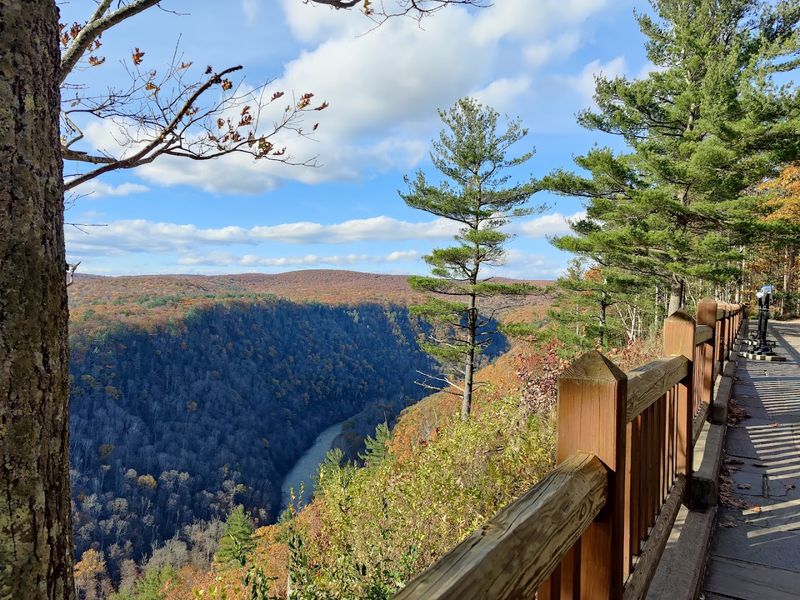
Wide open space is the surprise here, because Pennsylvania does not always advertise scenery on this scale.
Then you reach Pine Creek Gorge near Wellsboro, Tioga County, and the nickname Grand Canyon of Pennsylvania suddenly feels earned.
The gorge stretches for nearly fifty miles, carved by Pine Creek through the Allegheny Plateau, with steep forested walls and a depth that creates genuinely dramatic overlooks.
Leonard Harrison and Colton Point state parks offer the most famous viewpoints, and each gives a slightly different sense of the canyon’s width and layered ridgelines.
I found the appeal strongest when weather moved through, because shifting clouds and angled light added shape to what could otherwise seem too vast to photograph well.
Autumn is the showstopper, with hardwood forests turning the canyon into bands of orange, red, and gold.
Still, summer greens and winter snow can be just as compelling if you like clean contrast and fewer crowds.
Down below, the Pine Creek Rail Trail and water access add a different perspective, grounding the grand views in quieter details.
It is a place that makes you pause, breathe, and instinctively widen your camera frame.
After standing at the rim ourselves, we understood why so many travelers pull over here and linger much longer than expected.
7. Lancaster County Amish Country – Intercourse, Lancaster County
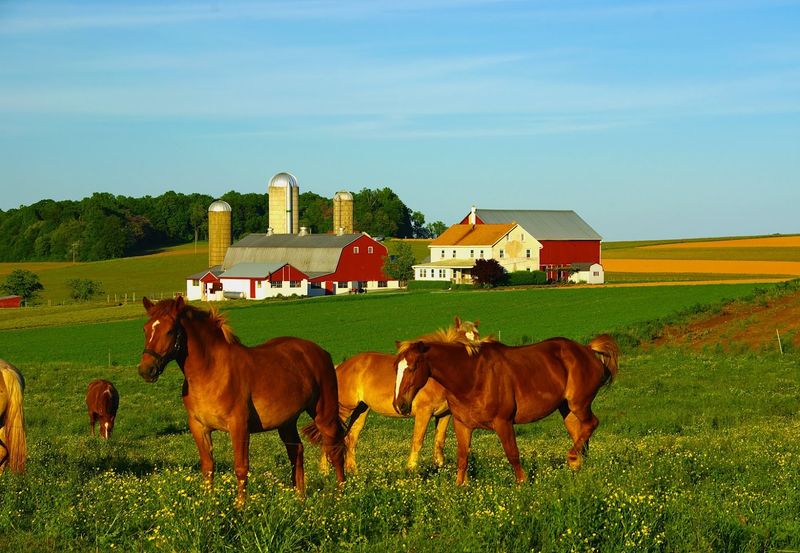
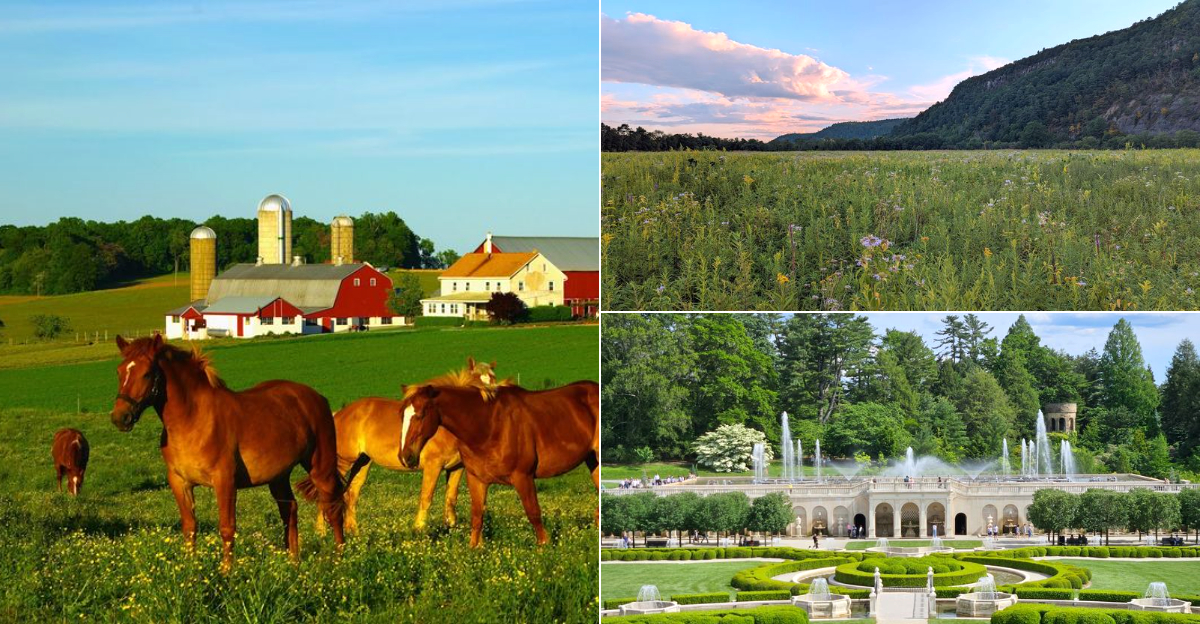
Soft rolling fields, white farmhouses, and the occasional clip clop of a buggy create a landscape that feels calm by design.
That quiet rhythm is what draws people into Lancaster County Amish Country around Intercourse, in Lancaster County.
This is less a single attraction than a patchwork of working farms, covered bridges, roadside stands, and back roads where simple daily scenes become unexpectedly memorable.
The beauty comes from order and texture, from neat rows of crops, weathered barns, laundry lines, and broad skies changing with the hour.
I appreciated that the best photographs often come from slowing down rather than chasing one famous viewpoint.
That means sunrise over fields, a winding road bordered by corn, or a quiet bridge framed by summer green or winter frost.
Because this is a living community, respectful travel matters, especially around private property and photographs of people.
When approached thoughtfully, the region offers an authentic sense of place that feels very different from more theatrical tourist stops.
Markets, farm stores, and small towns add warmth without interrupting the countryside’s visual simplicity.
It was clear why so many visitors keep stopping here, not for one landmark, but for a whole landscape that photographs beautifully in every season.
8. Longwood Gardens – Kennett Square, Chester County
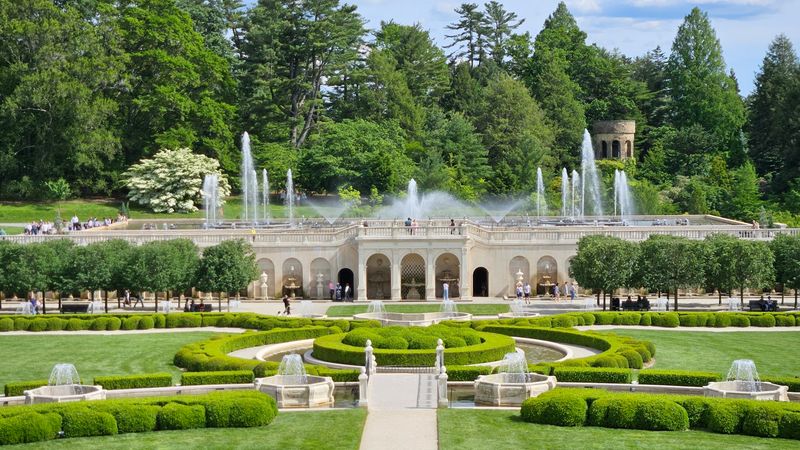
The first thing that hits you here is scale, because every path seems to open into another polished garden room.
That sense of abundance defines Longwood Gardens in Kennett Square, Chester County.
Created from the former Peirce farm and expanded by Pierre S. du Pont beginning in 1906, it has grown into one of America’s great horticultural showplaces.
The Fountain Garden is the obvious crowd magnet, especially when jets leap in choreographed patterns and evening lights turn water into theater.
Still, I found just as many camera worthy pauses inside the Conservatory, where orchids, palms, and seasonal displays make every corridor feel curated.
There is a satisfying balance here between precision and softness, with clipped hedges framing bursts of color that never feel stiff.
Spring tulips, summer roses, autumn chrysanthemums, and winter displays each give the gardens a completely different personality.
If you like photos with reflections, the Italian Water Garden and broad pools deliver symmetry without trying too hard.
Even on a busy day, there are quieter corners where benches, tree canopies, and greenhouse glass create unexpectedly calm compositions.
By the time we left, it made perfect sense that so many Pennsylvania itineraries revolve around this place and its endlessly photogenic perfection.
9. Gettysburg National Military Park – Gettysburg, Adams County
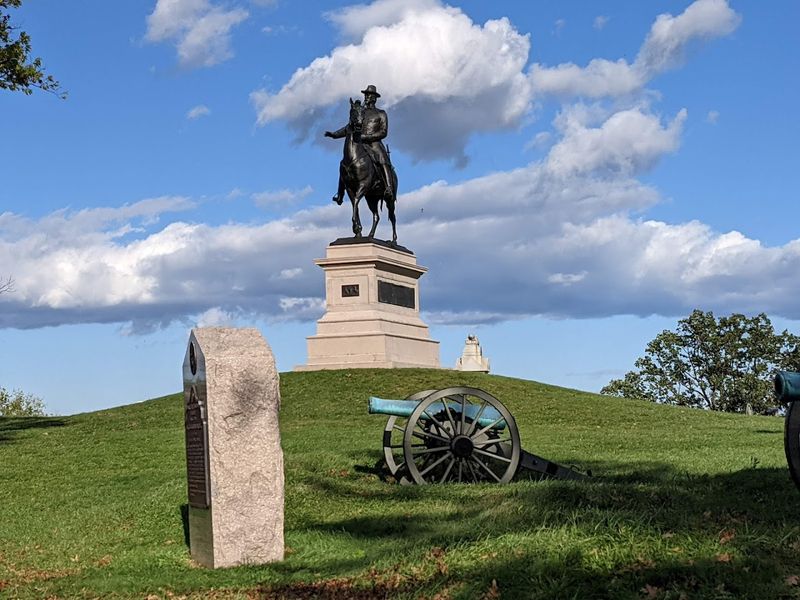
Open fields and stone monuments create a kind of stillness here that feels heavier than ordinary quiet.
That emotional weight is central to Gettysburg National Military Park in Gettysburg, Adams County.
As the site of the pivotal 1863 Civil War battle, the landscape is inseparable from American history, yet it is also undeniably photogenic in a restrained, powerful way.
Little Round Top, Cemetery Ridge, and the Pennsylvania Memorial offer some of the most recognizable views, with rolling farmland and memorial silhouettes stretching under huge skies.
I found that the park photographs best when you let the terrain speak, because the ridges, fences, and tree lines still reveal how the battle unfolded.
Sachs Covered Bridge adds a more intimate image, while the endless monuments provide texture and focal points without overpowering the setting.
Sunrise and late afternoon are especially moving, when long shadows soften the fields and the park feels reflective rather than busy.
Even if you come mainly for history, you quickly notice how often people stop simply to absorb the scene.
There is beauty here, but it is never detached from remembrance, which gives every photograph more depth.
After visiting, we understood why this place stays with people long after the camera is put away and the road trip continues.
10. Brandywine Valley – Chadds Ford, Delaware County
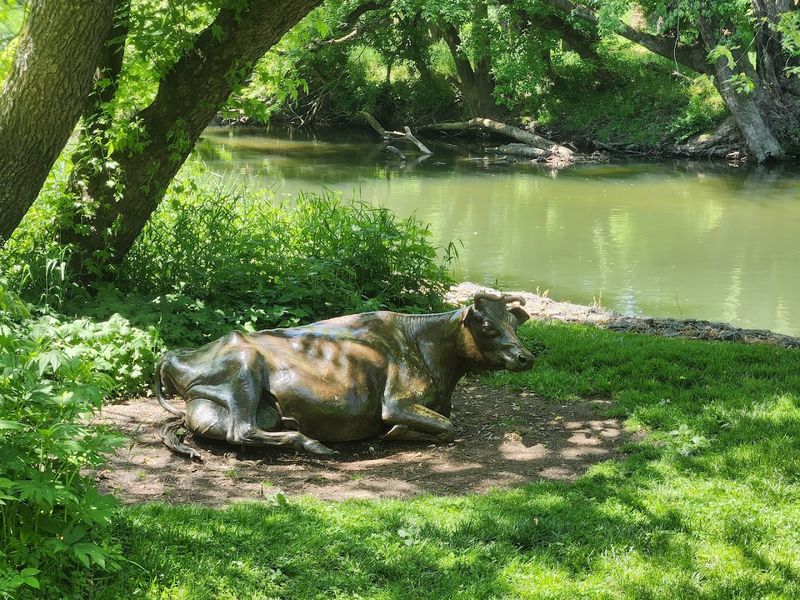
Gentle hills, old stone buildings, and painterly light make this region feel composed even before you point a camera.
That artistic atmosphere defines the Brandywine Valley around Chadds Ford, Delaware County.
Known for its gardens, estates, and deep connection to the Wyeth family, the valley blends natural scenery with cultural history in a way that feels distinctly refined.
Brandywine Creek threads through the landscape, adding reflective water, wooded banks, and the kind of soft movement that balances the area’s rolling fields.
I kept noticing how often the scenery resembled an American landscape painting, especially when weathered fences and stone walls cut across broad green meadows.
Longwood Gardens may be the headline stop nearby, but the wider valley rewards slower drives and detours through historic villages and preserved countryside.
Spring blossoms brighten the roadsides, while fall deepens everything with copper leaves and low golden light.
Sites like Brandywine Battlefield Park and the Brandywine Museum of Art add context, making the scenery feel storied rather than merely pretty.
The region is especially satisfying if you like photos that mix architecture, trees, water, and understated elegance.
By the time we left, it made complete sense why this corner of Pennsylvania keeps attracting artists, gardeners, and travelers who instinctively stop for one more look.
11. Delaware Water Gap – Delaware Water Gap, Monroe County
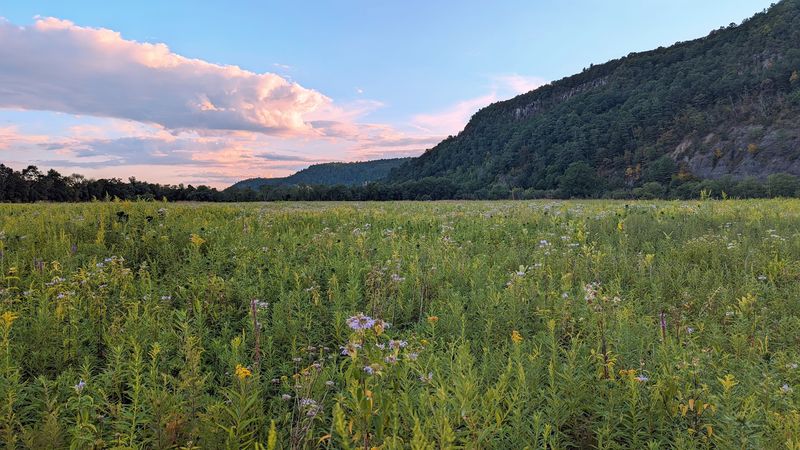
Few landscapes announce themselves so clearly, with a river slicing between mountain walls like a map brought to life.
That striking geology is the heart of the Delaware Water Gap in Delaware Water Gap, Monroe County.
Here the Delaware River cuts through Kittatinny Ridge, creating one of the Northeast’s most recognizable scenic corridors and an easy favorite for wide dramatic photographs.
From overlooks such as Mount Tammany and nearby viewpoints in the recreation area, you get the classic composition of water, forest, and steep ridges converging in a single frame.
I liked that the area can feel both grand and approachable, whether you are hiking for a higher angle or simply stopping at river level.
The landscape changes constantly with season and weather, from summer haze to brilliant fall color and crisp winter contour lines.
Paddlers on the river, winding roads, and occasional trains add scale without distracting from the natural architecture of the gap.
If you prefer layered vistas, early morning and late day give the ridges more depth and mood.
Even smaller pull offs can surprise you here with strong compositions that look much bigger than they are.
After finally seeing it ourselves, we understood why so many travelers pause here and immediately start reaching for their cameras.
12. Hawk Mountain Sanctuary – Kempton, Berks County
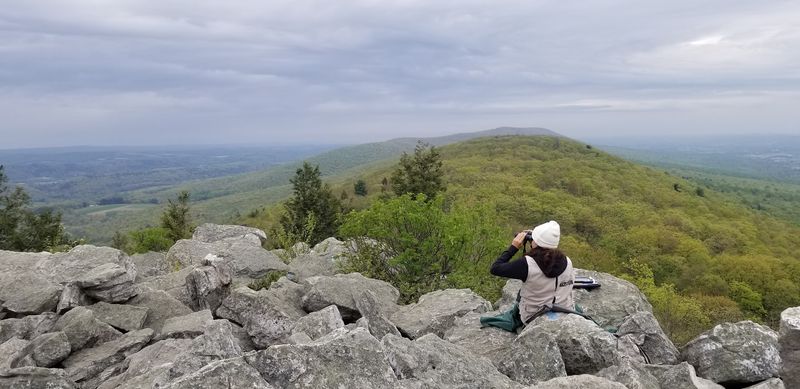
Wind, ridgelines, and the possibility of seeing a raptor glide past at eye level create an instant sense of drama.
That is the experience waiting at Hawk Mountain Sanctuary near Kempton, Berks County.
Established in 1934 as the world’s first refuge for birds of prey, the sanctuary combines conservation history with some of eastern Pennsylvania’s most rewarding overlooks.
The trails climb to rocky viewpoints where layered Blue Mountain scenery unfolds in long folds of forest and sky.
I found the photographs here especially satisfying because they can go in two directions at once, broad landscapes on one hand and intimate wildlife moments on the other.
Autumn migration season is the big draw, when hawks, eagles, and falcons ride thermals above turning leaves.
Even if the birds are not abundant during your visit, the lookouts themselves are worth the effort, especially North Lookout and the higher trails.
The stone, scrub, and distant valleys give the place a slightly wilder feel than more manicured scenic stops.
Bring binoculars if you can, but also give yourself time just to sit and scan the horizon.
As we watched the light move across those ridges and caught a hawk banking overhead, the nonstop photography made perfect sense.