A quiet path can lead somewhere much older than it first appears. Beyond the trees and river views, you may find weathered stone, historic buildings, old fields, or the remains of places where Delaware communities once worked, gathered, and faced defining moments.
Across Delaware, historic parks preserve pieces of that story in landscapes you can explore on foot. Forts reveal the state’s military past, estates offer glimpses into earlier daily life, and working landscapes show how people shaped the land over generations.
These places make history easier to picture because you are walking through the same surroundings where those stories unfolded.
Following that trail also brings plenty of room to slow down, look closely, and appreciate details that might otherwise be overlooked. We followed the history trail through Delaware and found 10 parks with stories worth remembering.
Where Delaware Became the First State
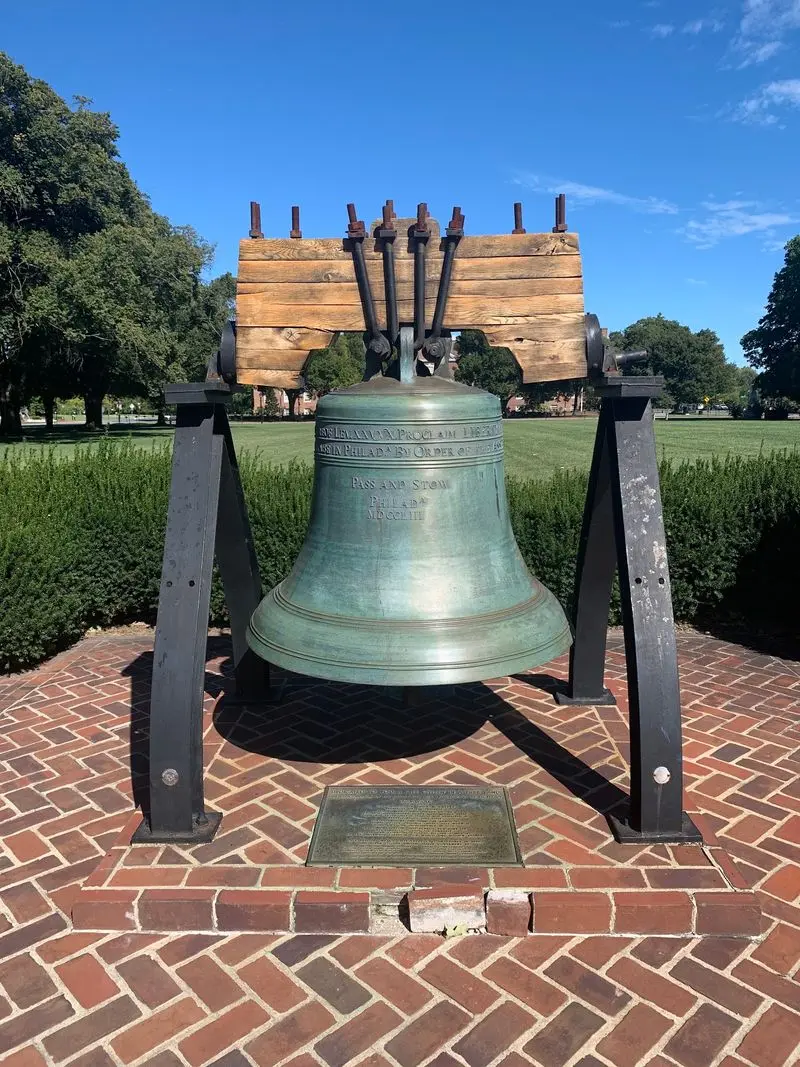
Morning light makes old brick glow in a way that feels almost ceremonial, and the broad lawn seems to hold its breath. A walk here feels less like entering a park and more like stepping into a story that still shapes Delaware.
In Dover, First State Heritage Park connects landmarks across the capital instead of staying inside one fenced space. The Green is the heart of it, and that open square matters because Delaware ratified the Constitution nearby in 1787, earning its place as the First State.
As you move from the Green to museums, historic homes, and government buildings, the city starts reading like a timeline. Look for benches under large trees, church spires above the street, and local cafes where you can pause before the next stop.
Families who visit should wear comfortable shoes because this park is best explored slowly, block by block. The reward is simple but lasting: you do not just learn names and dates here, you begin to understand how public spaces can carry the memory of a whole state.
Brick Walls, River Wind, and Civil War Echoes
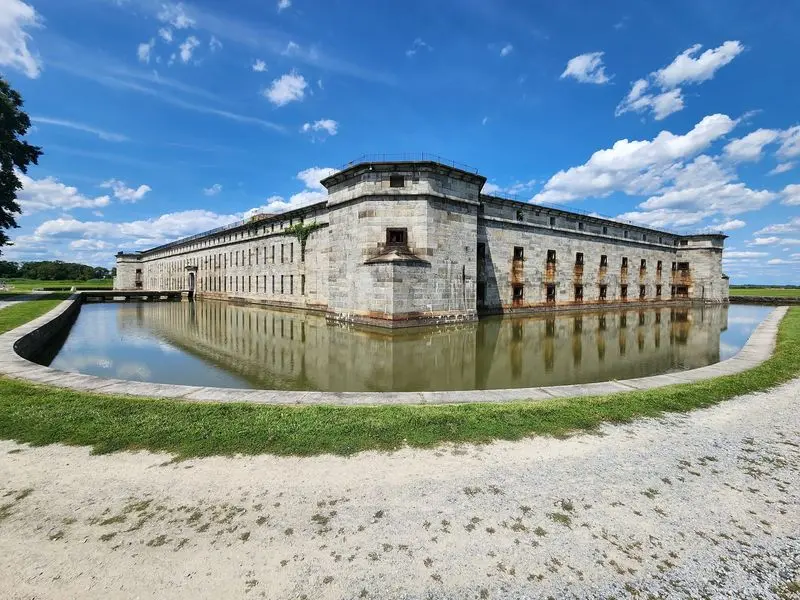
The trip starts with water, wind, and that little thrill you get when a place cannot be reached by road. By the time the ferry nears shore, the fort rises from Pea Patch Island like a red brick warning from another century.
Fort Delaware State Park in Delaware City carries heavy Civil War history. Built as a major defense site on the Delaware River, it later held Confederate prisoners, and the thick walls, arched rooms, and open parade ground make that past feel close enough to picture.
Inside, the scale surprises many visitors. You can notice iron details, shadowy casemates, and long views across the river that help explain why this location mattered so much when protecting nearby shipping routes and northern cities.
It helps to bring water, sun protection, and a little patience for the ferry schedule, since the journey is part of the experience. The island setting gives the fort an unforgettable mood, and that sense of separation makes its hard history land more deeply than a roadside stop ever could.
Old Guns, Quiet Grass, Strange Calm
Silence can feel surprisingly loud when it settles over old military ground. Grass now grows where soldiers once trained, and the remains of concrete defenses create an odd mix of peace and tension that stays with you long after the visit.
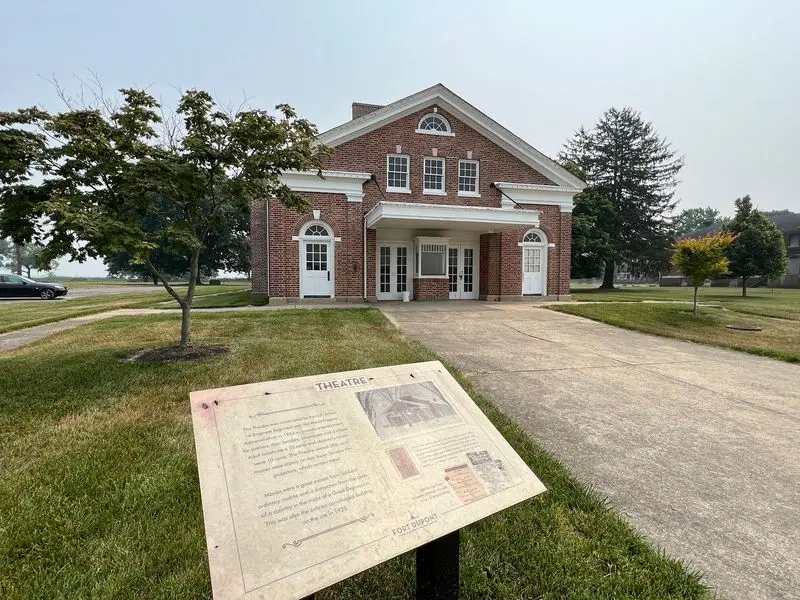
That feeling defines Fort DuPont State Park in Delaware City. The site served in different forms from the Civil War period into the twentieth century, helping protect the Delaware River with batteries, roads, and military buildings spread across a broad strategic landscape.
Walking here is different from touring a polished museum. You notice fragments instead of neat displays, a roadway leading nowhere, weathered structures, and the shape of a former post slowly being reclaimed by open sky, trees, and neighborhood life around the edges.
A little background reading before you go makes the place easier to understand, because the clues are subtle. Bring curiosity more than a checklist.
Fort DuPont is worth remembering for the way it shows history changing form, from an active defense network into a public space where the past survives in outlines, textures, and quiet imagination.
Beach Day with a Hidden Wartime Side

Salt air, gull calls, and bright sand usually promise a carefree day, yet parts of this coastline tell a sterner story. Rising above the dunes are structures that remind you the beach once stood on alert, watching the Atlantic with wartime purpose.
At Cape Henlopen State Park in Lewes, the remains of Fort Miles give the landscape an unexpected edge. World War II bunkers and fire control towers still stand here, showing how Delaware helped guard the coast during a period when invasion felt possible.
What makes the park memorable is the contrast. One minute you are looking at wide water and bike trails, and the next you are standing beside thick concrete walls built for defense, trying to imagine soldiers scanning the horizon instead of vacationers carrying towels.
If you go, combine the history stops with time on the beach or a climb for better views. That mix helps the story click.
Cape Henlopen is not only scenic, it also shows how places people now visit for fun can hold traces of fear, readiness, and national duty beneath the sand.
Mills, Mansion Rooms, and Creekside Industry
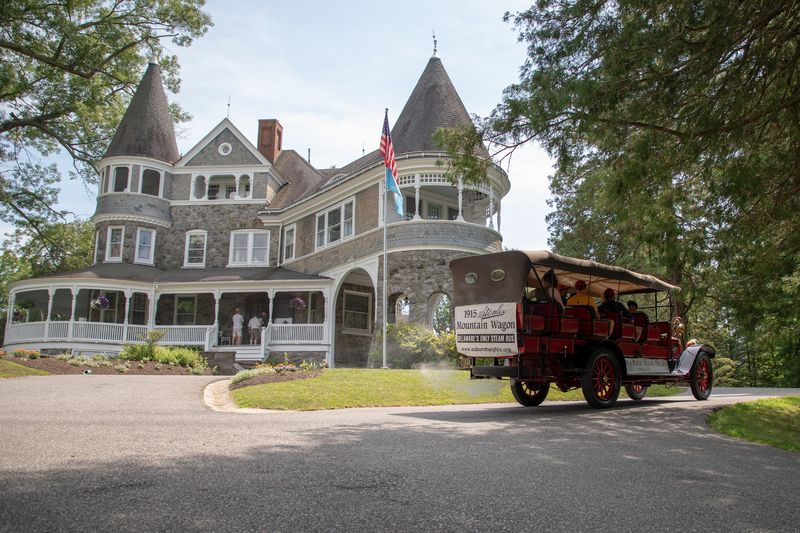
Some places carry elegance and hard work at the same time, and that mix gives them real character. Here, a mansion sits near a landscape shaped by industry, so the story feels bigger than one family home or one scenic trail.
Auburn Valley State Park in Hockessin centers on the Marshall family estate, but the surrounding ground matters just as much. Along Red Clay Creek, traces of mills, bridges, and older structures show how this corner of Delaware once depended on movement, machinery, and waterpower.
The setting feels layered rather than frozen. You can admire the Marshall Mansion, then turn your attention to the working landscape around it, where creek crossings and industrial remnants explain how wealth, labor, and invention were tied together in everyday life.
Try slowing down instead of rushing to the most obvious landmark. Notice the change in sound near the water, the shape of old buildings, and the relationship between home and industry.
Auburn Valley is worth the trip because it reveals how Delaware history was built not only in capitals and forts, but also in places where people lived and made things.
A Grand Estate Opened to Everyone
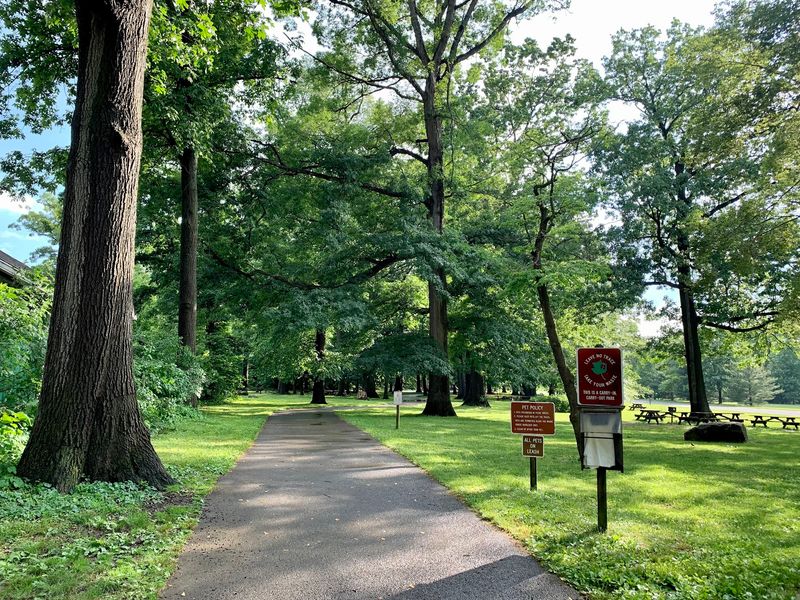
Wide lawns and stately buildings can make a visitor feel small in the best possible way. There is a polished calm here, the kind that hints at carriage drives, formal gatherings, and a time when private estates were worlds of their own.
That old-world feeling defines Bellevue State Park near Wilmington. Once a DuPont family estate, it still centers on Bellevue Hall, surrounded by barns, gardens, and equestrian features that help tell the story of wealth, taste, and leisure in northern Delaware.
Yet the most interesting part may be the change in purpose. What used to belong to one prominent family is now a public park where runners, dog walkers, and families move across grounds once shaped for a much narrower circle of people.
Plan enough time to wander beyond the mansion itself, because the supporting details bring the history into focus. A barn doorway, a garden path, or the open sweep of the property can say as much as any sign.
Bellevue stays with people because it shows how a formal estate can keep its grace while becoming part of everyday community life.
Stone Walls That Still Remember Farm Life
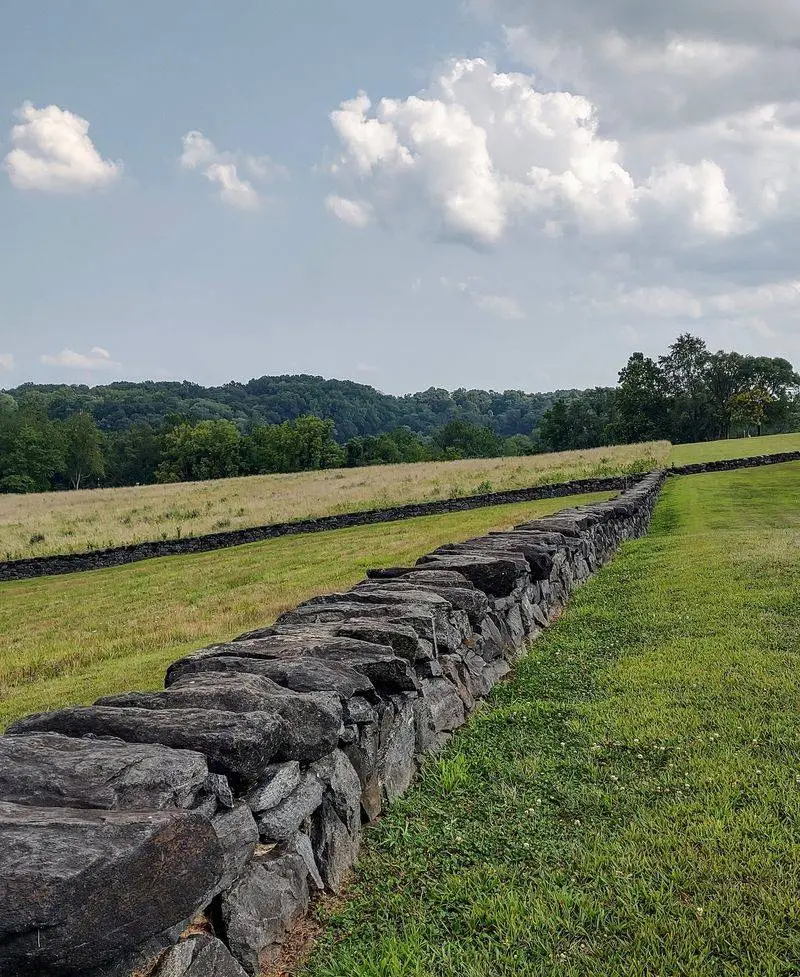
Long before trail maps and parking lots, this land was measured by fences, fields, and chores. The old stone walls still cross the hills with quiet confidence, as if they expect sheep and wagons to return at any moment.
Brandywine Creek State Park preserves that rural feeling better than many modern parks do. Near Wilmington, its landscape includes historic barns, stone boundaries, and features around Wilsons Run that reflect the agricultural life once common across this part of Delaware.
Nothing here feels staged. The worn lines in the land, the bridge, and the farm remnants suggest a working countryside that slowly changed instead of disappearing all at once, which makes the history easier to connect to on a human level.
Bring binoculars if you like details, because this is a place for noticing rather than rushing. The best moments often come between major stops, when a wall curves through a field or an old structure appears beside a trail.
Brandywine Creek is worth remembering because it protects more than scenery. It keeps the shape and rhythm of older Delaware farm life visible.
Hidden Houses Along the Trails
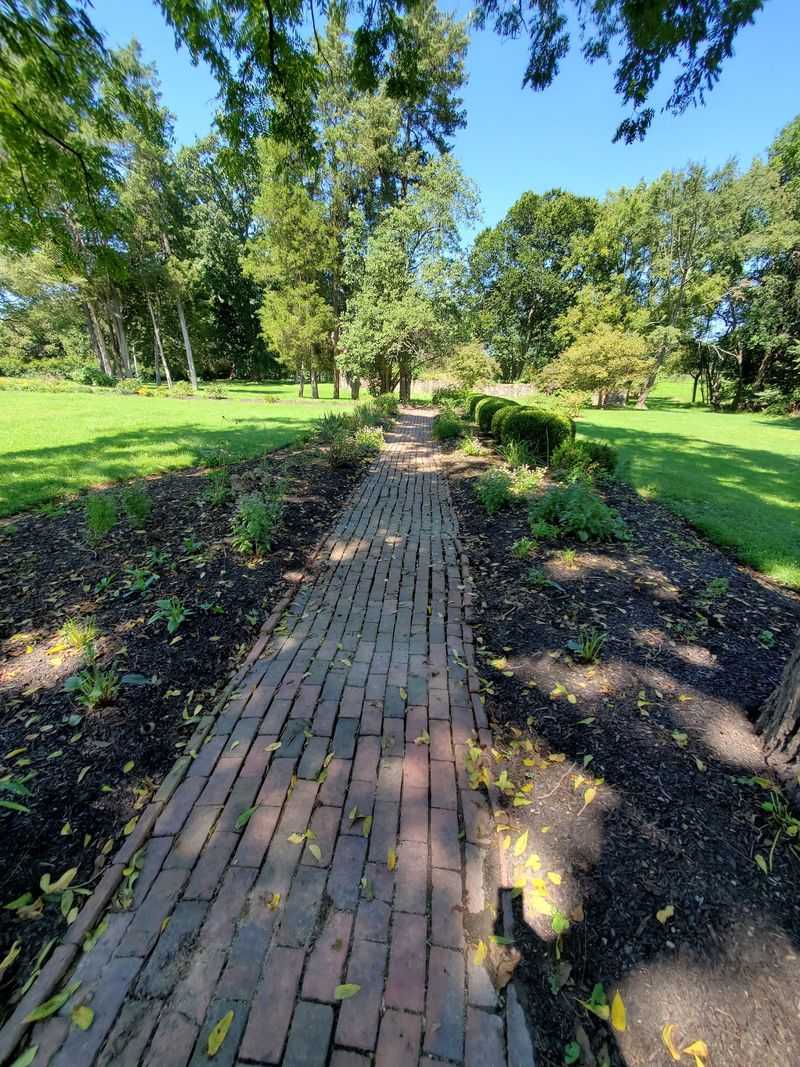
A forest walk feels different when an old house appears where you least expect it. Suddenly the trees seem less empty, and the land starts to feel lived in, shaped by families whose routines once followed the creek instead of a trail map.
White Clay Creek State Park near Newark holds that kind of surprise well. Beyond its miles of outdoor paths, the park protects cultural sites such as the Chambers House and the Judge Morris Estate, linking the natural setting to Delaware farm and estate history.
The shift between woods and history is what makes the visit memorable. You can spend part of the day listening to birds and water, then stand near a building from another era and imagine cooking fires, planted fields, and wagon wheels crossing uneven ground.
Good walking shoes matter here because the park invites exploring. It also helps to pause when you reach the historic structures instead of treating them as quick photo stops.
White Clay Creek rewards patient visitors with a fuller picture of the landscape, one where nature and human history sit side by side without competing for attention.
City Parks with Tower Views and Big Civic Dreams
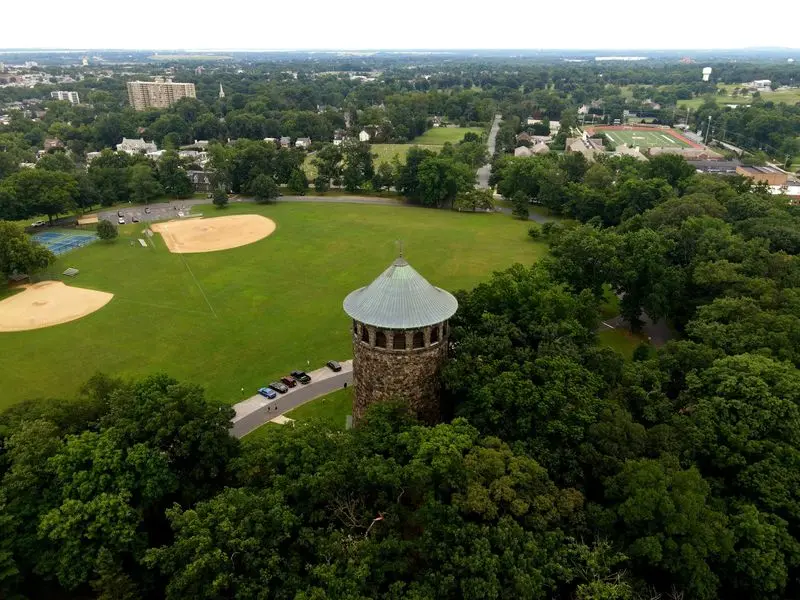
Every city needs breathing room, and some of the best green spaces come from old civic ambition. In Wilmington, that ambition still rises in stone, lawns, and winding drives that were meant to give residents beauty as well as relief.
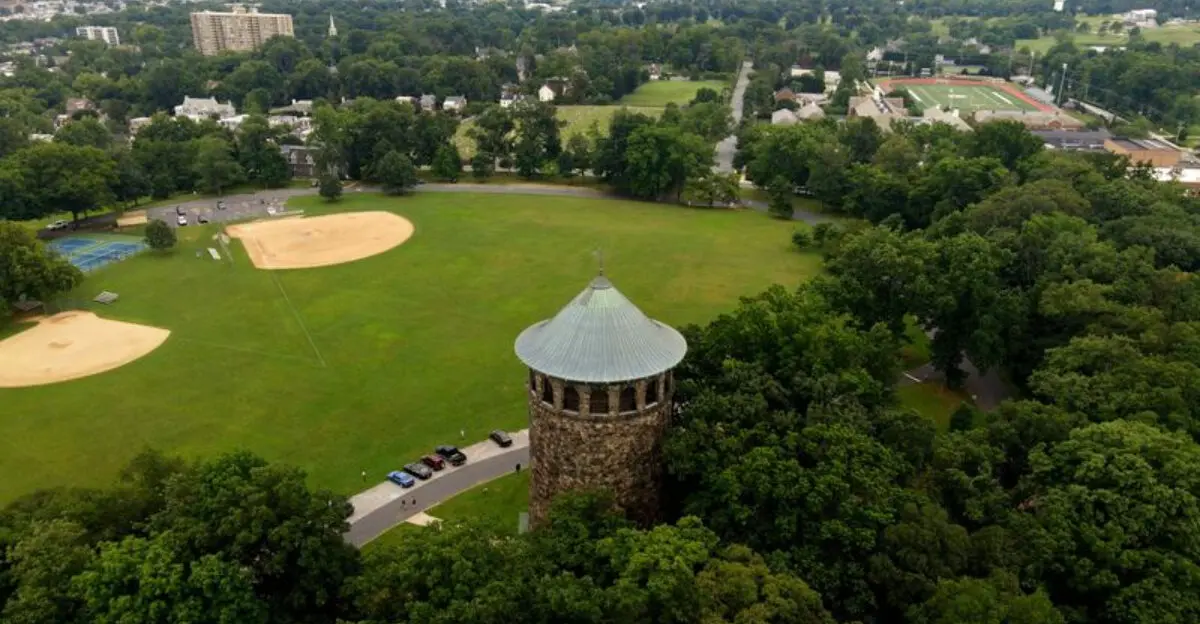
Wilmington State Parks brings several historic parks together, with Rockford Park standing out as a favorite. Established in the late nineteenth century, it includes Rockford Tower, completed in 1901, plus nearby landscapes that reflect the early public-park movement in an industrial city.
The appeal is not only visual, though the views are excellent. These parks tell a bigger story about how communities decided that fresh air, open ground, and public access mattered, even when factories and development were changing the look and pace of city life.
Spend time looking outward as much as inward here. A tower climb, a hillside view, or a walk through Brandywine Park helps explain why these spaces were created in the first place.
Wilmington State Parks deserves attention because it preserves both scenery and a thoughtful idea about what a city should offer its people.
Where the River Still Works for a Living

Not every historic place feels old in the usual way. At this riverfront park, the past keeps moving in real time through train sounds, ship traffic, and the steady industrial rhythm that has shaped northern Delaware for generations.
Fox Point State Park near Wilmington sits beside the Delaware River, where transportation history is impossible to miss. Rail lines, waterways, and port activity explain how commerce transformed the region, connecting local industry to much larger networks beyond the state.
That constant motion gives the park its own personality. Instead of hiding the working landscape, Fox Point lets visitors watch it and think about how rivers serve as both natural borders and busy corridors for goods, jobs, and growth.
Bring a camera or simply take time to stand still and observe. The most memorable part may be the contrast between a calm patch of grass and a freight train passing in the background.
Fox Point is worth including on a history trail because it shows that heritage is not always frozen behind glass. Sometimes it keeps rolling right past you.