Ohio surprises you, especially if you go looking for it in the right places.
Most people pass through the state with a specific destination in mind, never suspecting that the Hocking Hills region or the edge of the Appalachian foothills hold landscapes that rival anything further east.
These ten overlooks were the kind of finds that made us pull over without a plan, sit down on a boulder, and just stare for a while.
From dramatic gorge rims to sandstone ledges rising above ancient hemlocks, each spot felt genuinely apart from the Ohio most people think they know.
Pack a picnic, bring comfortable shoes, and let Ohio’s overlooked wild side prove you didn’t need to drive further after all.
1. Grandma Gatewood Trail, Logan, Hocking County
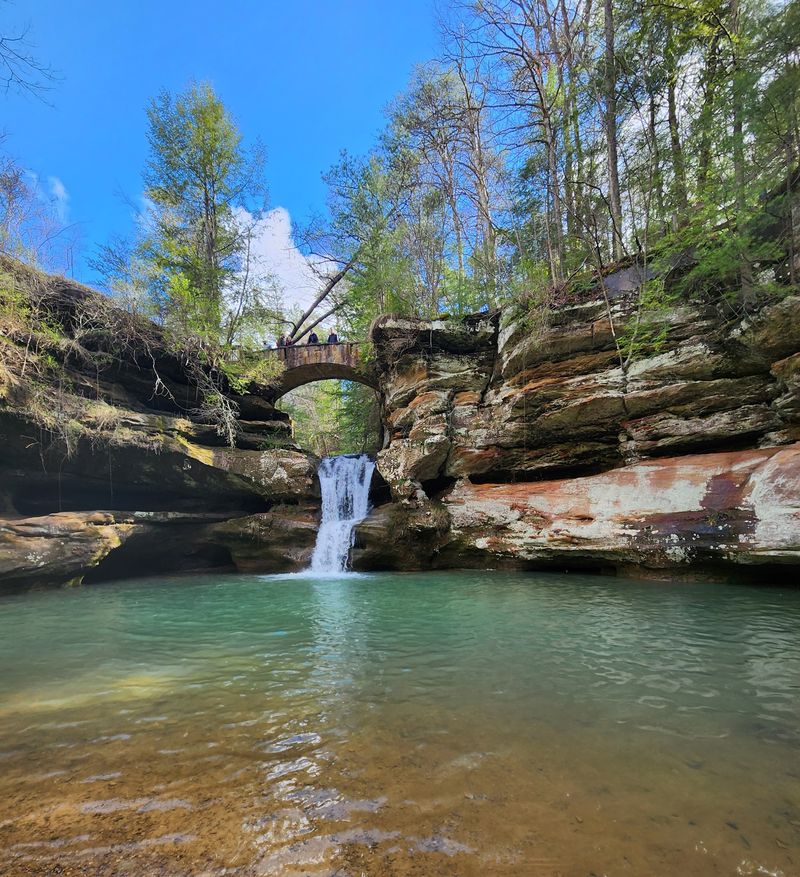
The trail feels like a secret hallway cut through stone, with roots, stairs, and cliff walls guiding every step.
Along the Grandma Gatewood Trail in Hocking Hills, the best views often appear after a bend, when the forest suddenly opens.
Named for Emma Gatewood, the famous Ohio hiker who became the first woman to solo thru-hike the Appalachian Trail, this path carries a strong sense of grit.
Her story makes each climb feel more meaningful, especially when you pause above a gorge and hear water moving below.
Start early if you want quieter overlooks and softer light on the rock faces.
Wear shoes with grip, because damp leaves and sandstone can be slick after rain.
The route connects popular Hocking Hills sights, so watch trail signs and bring a map, even if the path seems clear.
Families can enjoy shorter sections, while stronger hikers can link longer stretches for a fuller day.
Look for ferns, hemlocks, small caves, and ledges that frame the valley like a picture.
By the time you reach a high spot, Ohio feels larger, older, and far wilder than expected.
2. Rock House, Logan, Hocking County
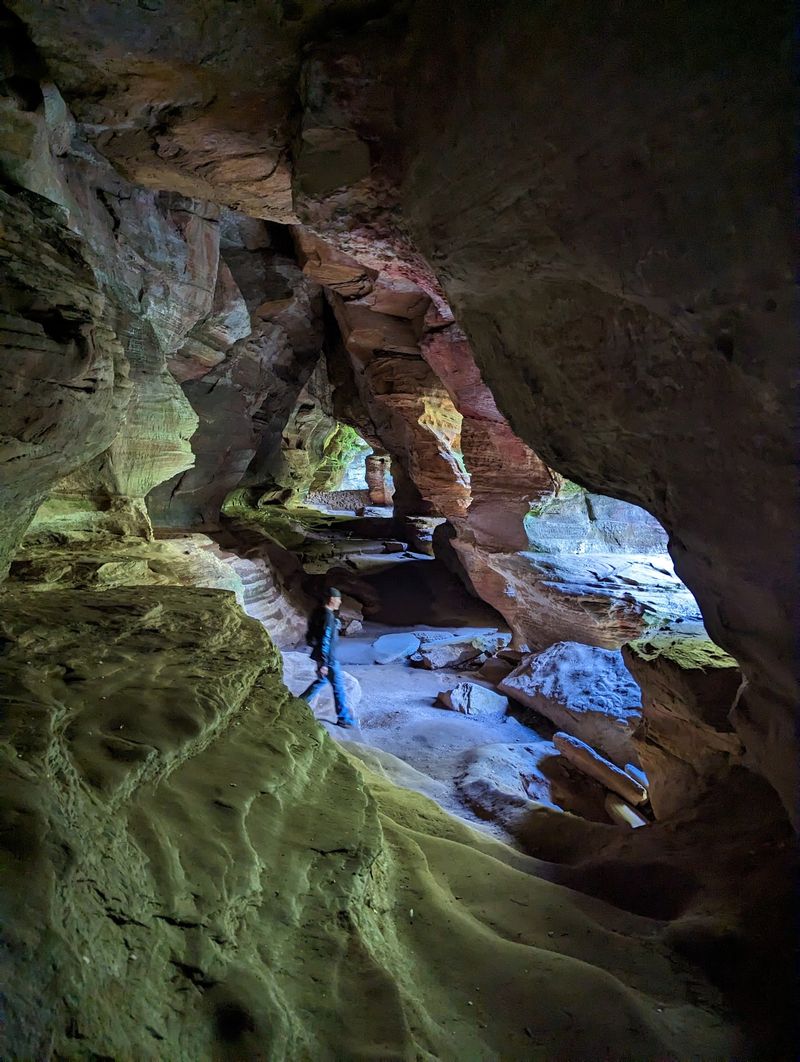
A cave with windows sounds like something from a storybook, yet the Rock House makes it real in the Hocking Hills.
As you step into the long sandstone chamber, dark walls surround you while bright forest views shine through natural openings.
Those openings work like overlook frames, giving small, dramatic views instead of one wide panorama.
The walk is short but steep, so take your time on the stairs and uneven stone.
Children usually love the mystery of the place, but adults should stay close because edges and slick spots appear quickly.
Early morning brings fewer people and cooler air inside the cave.
A small flashlight can help you notice textures, but avoid touching delicate rock more than needed.
Long ago, the shelter was used by travelers and possibly by people hiding from the law, which adds a playful chill to the visit.
Outside, the trail loops through tall trees before dropping back toward the parking area.
Bring a camera that handles low light, because the contrast between cave shadow and green hillside can be tricky.
From inside the Rock House, Ohio looks less like a state park and more like an ancient stone castle.
3. Old Man’s Cave, Logan, Hocking County
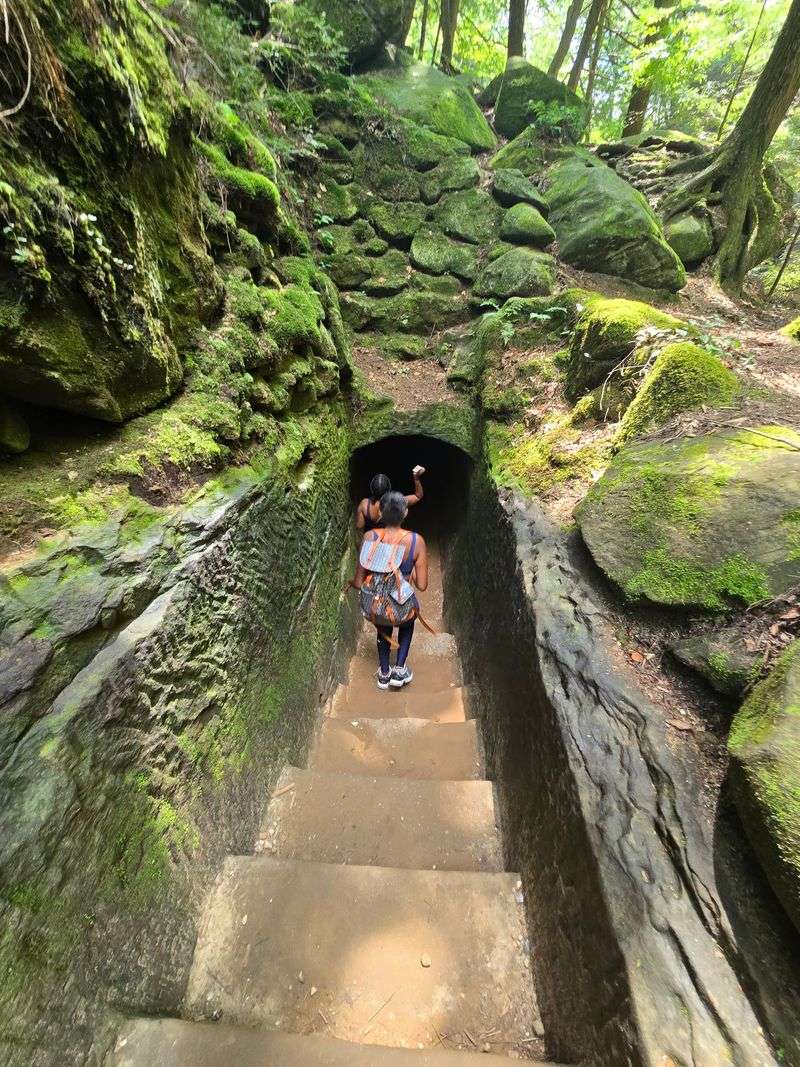
Water talks here, tapping over ledges, sliding through pools, and echoing between tall sandstone walls.
Old Man’s Cave may be famous, but some of its best overlooks still feel hidden when you leave the busiest corners behind.
The gorge has upper and lower falls, stone bridges, tunnels, and high edges where the trees part just enough for a grand view.
Every level feels different, so slow walking is better than rushing from photo spot to photo spot.
The name comes from a hermit, Richard Rowe, who reportedly lived in the cave area in the 1800s.
That small bit of history makes the hollow feel both lonely and magical.
Use the marked paths only, since sandstone edges can crumble and shortcuts damage plants.
After rain, waterfalls are stronger, but steps and rocks become slippery, so handrails matter.
Weekdays are best if you want space to listen to the creek instead of crowds.
Pack water, keep dogs leashed where allowed, and plan extra time for climbing back out.
When mist hangs near the falls and sunlight hits the gorge rim, this corner of Ohio feels closer to the mountains than the Midwest.
4. Buzzardroost Rock, Lynx, Adams County
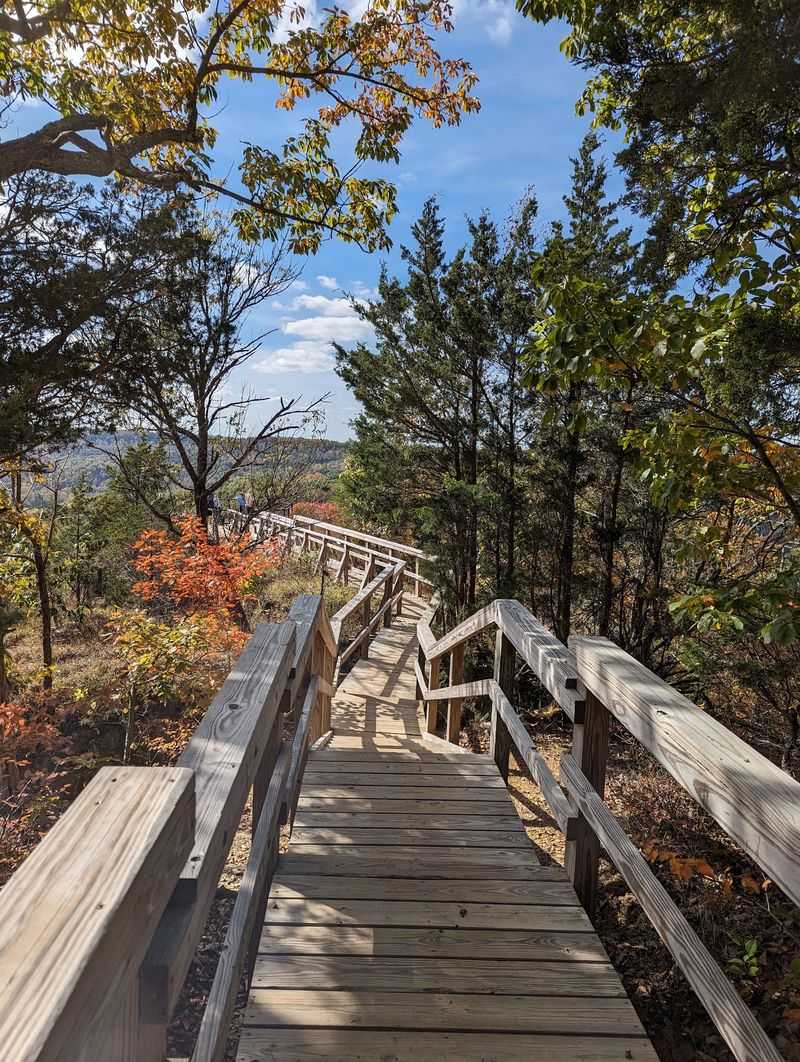
Wide sky takes over before you even reach the final rock, and the trail seems to climb toward open air.
Buzzardroost Rock, inside the Edge of Appalachia Preserve in Adams County, gives one of Ohio’s biggest, boldest views.
The overlook sits above a rolling mix of forest, prairie, and distant ridges that look especially rich in fall.
On clear days, the land spreads so far that it almost feels like you have crossed into another region.
The hike is moderate, with steady uphill stretches that can feel warm in summer.
Bring water, sunscreen, and sturdy shoes, because the open sections offer less shade than a deep forest trail.
Stay behind safe edges and respect preserve rules, since rare plants and animals live in this protected area.
Bird watchers should bring binoculars, as hawks, vultures, and songbirds often ride the air currents.
Spring wildflowers add color near the path, while autumn turns the valley into layers of gold and red.
Sunset can be stunning, but only go late if you are prepared for the walk back.
For visitors who think Ohio is flat, Buzzardroost Rock answers with a huge, quiet, unforgettable no.
5. Dundee Falls, Dundee, Tuscarawas County
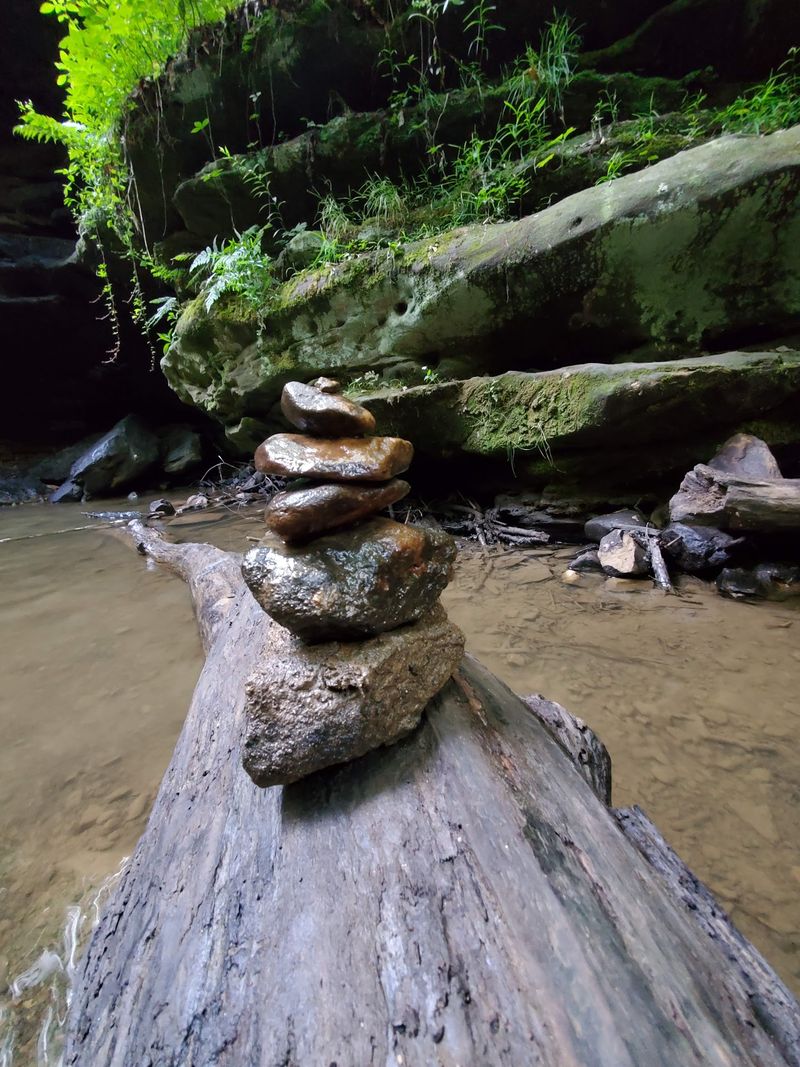
The sound arrives first, a soft rush tucked behind trees and country roads.
Dundee Falls in Tuscarawas County is not a towering mountain lookout, but its cliffside view over the water feels wonderfully tucked away.
The waterfall drops over layered stone into a quiet creek bed, creating a scene that feels bigger than the short hike suggests.
From safe spots near the rim, you can look across the gorge and watch the water carve through rock.
Trails may be muddy, narrow, or uneven, especially after storms.
Wear shoes you do not mind getting dirty, and keep a safe distance from wet ledges.
This area is popular with locals, yet it still has a hidden feel because the setting is simple and unpolished.
There are no big gift shops or flashy signs, just woods, water, and stone doing their work.
Visit after a rainy period for stronger flow, but avoid climbing close to the falls.
In dry weather, the stream may shrink, though the rock layers remain beautiful.
Bring a trash bag if you can, because small natural places need extra care from visitors.
Dundee Falls proves that an overlook does not need height alone to make you stop and stare.
6. Conkle’s Hollow State Nature Preserve, Rockbridge, Hocking County
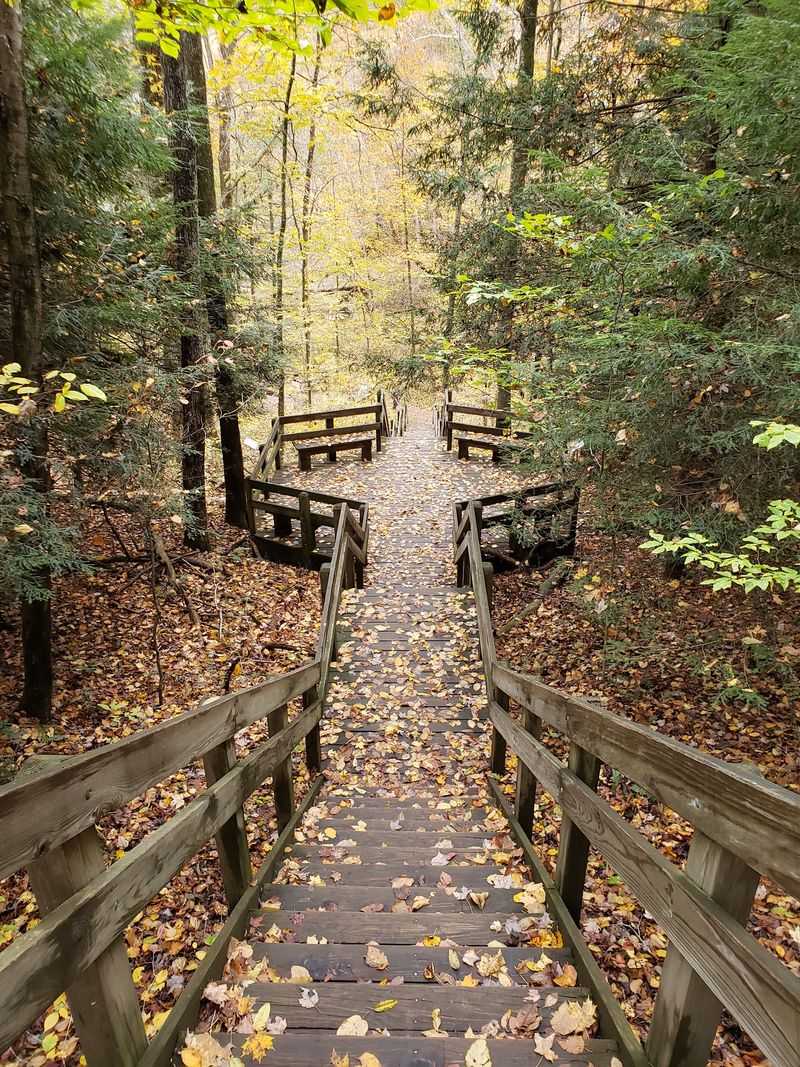
Some places make you lower your voice without anyone asking, and Conkle’s Hollow is one of them.
The preserve protects a deep, narrow gorge where cliffs rise high above a shaded forest floor.
Visitors can choose the easy lower trail or the harder rim trail, and each gives a different kind of wonder.
The lower path feels cool and close, while the rim offers overlooks that look down into a green stone corridor.
Because this is a state nature preserve, pets are not allowed, and staying on the trail is very important.
Rare plants grow here, helped by the cool, damp conditions along the rock walls.
The rim trail is not a casual stroll, with steep drop-offs and rough footing in places.
Save it for dry weather, wear dependable shoes, and keep children carefully supervised.
Autumn brings bright color across the hollow, while winter can reveal cliff shapes hidden by leaves.
Spring adds fresh green growth and trickling water, making the gorge feel newly awake.
Arrive early, move slowly, and let faster hikers pass when the trail narrows.
From the high edge at Conkle’s Hollow, Ohio seems deep, secret, and surprisingly dramatic.
7. Nelson Kennedy Ledges State Park, Garrettsville, Portage County
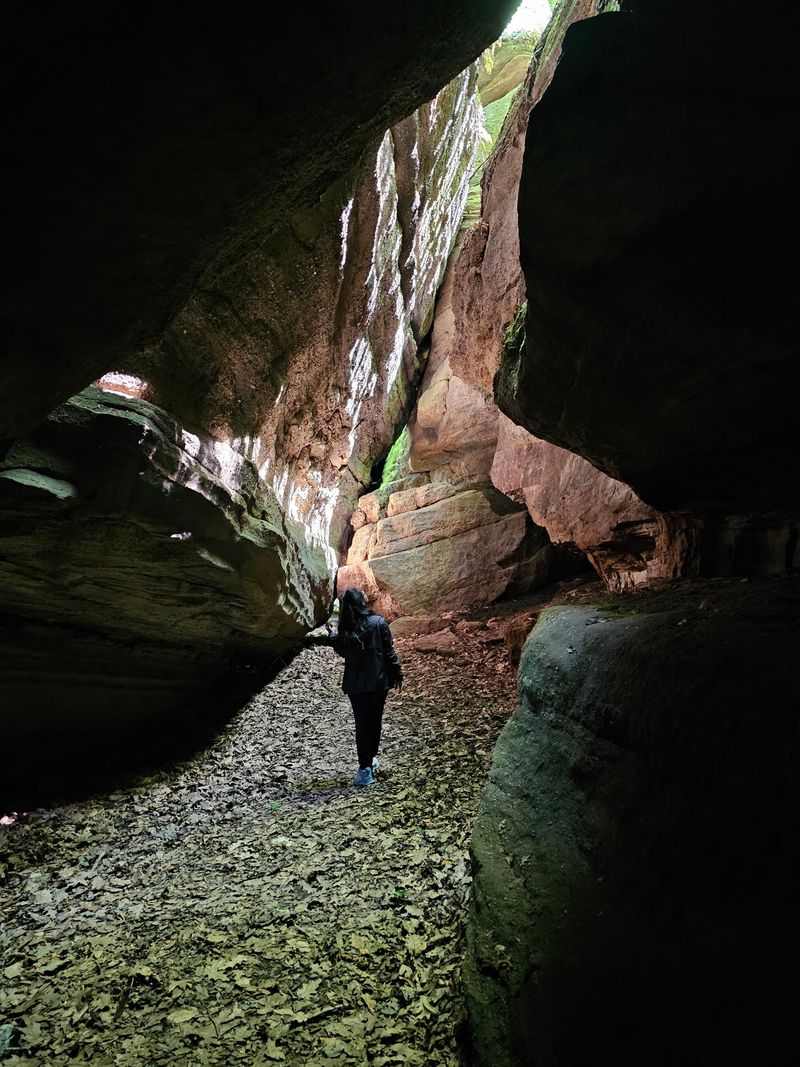
Rocks twist, split, and stack here like a giant dropped building blocks in the woods.
Nelson Kennedy Ledges State Park in Portage County turns a short walk into a maze of cliffs, slots, caves, and sudden views.
The overlooks are not always wide open, but they feel exciting because they appear between mossy walls and narrow passages.
One minute you are squeezing past stone, and the next you are looking across treetops from a ledge.
Trail names and colors matter here, so pay attention before wandering too far.
Some routes are easy, while others pass close to drops or require careful steps over roots and rocks.
After rain, the ledges can become very slippery, and puddles collect in shaded places.
Choose dry days if you are visiting with younger kids or anyone unsure on rough ground.
The park is especially fun for curious hikers who like small discoveries more than long mileage.
Look for ferns, hidden crevices, chunky boulders, and shadows that make the cliffs feel almost enchanted.
Bring snacks, water, and patience, because exploring slowly is part of the fun.
At Nelson Kennedy Ledges, northeastern Ohio suddenly feels rugged, strange, and full of little surprises.
8. Mohican State Park Overlook, Loudonville, Ashland County
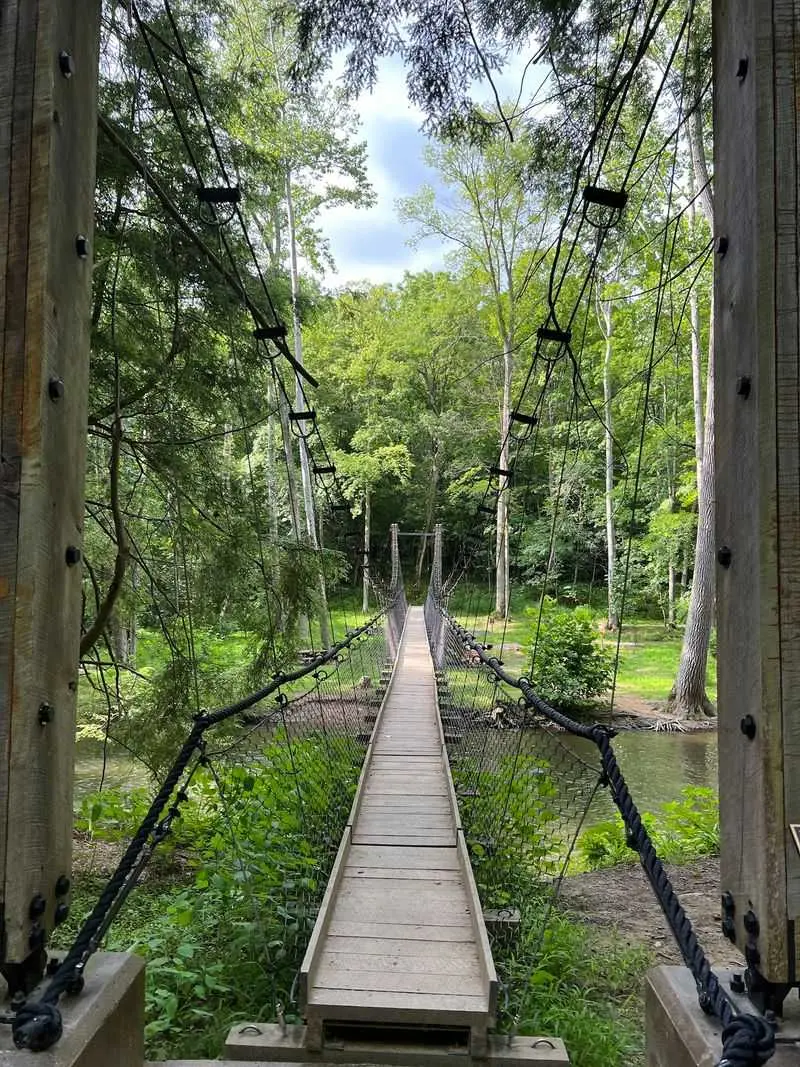
One look over the Clear Fork Gorge can make the drive feel like a small vacation.
The Mohican State Park Overlook near Loudonville gives a broad view of wooded hills, river bends, and deep valley land.
Unlike some hidden overlooks, this one is fairly easy to reach, which makes it great for mixed groups.
Grandparents, kids, and tired hikers can all enjoy a big scene without a long climb.
The best color often comes in October, when the hills turn orange, yellow, and red.
Summer brings thick green views, while winter opens sightlines through bare branches.
Pair the overlook with a walk on nearby trails or a visit to the covered bridge area.
If you have more time, canoeing and camping nearby can turn a quick stop into a full weekend.
Use the viewing area carefully and do not step beyond barriers for photos.
The drop is serious, and the safest view is still the best view.
Morning fog sometimes settles in the valley, making the forest look like islands in a pale sea.
For a place so close to busy roads and small towns, the Mohican overlook feels calm, high, and wonderfully far away.
9. Blue Rock State Park, Blue Rock, Muskingum County
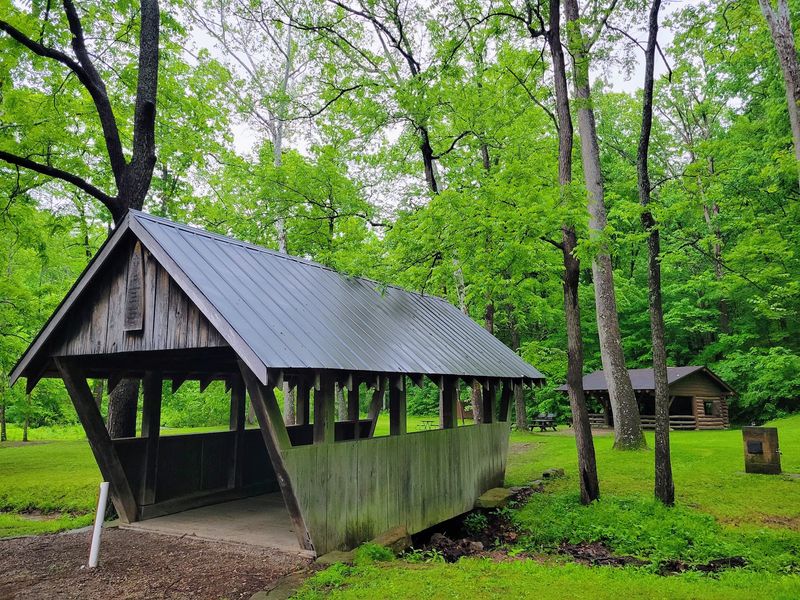
Quiet is the main attraction here, the kind that settles around you before you notice it.
Blue Rock State Park in Muskingum County sits among wooded hills that feel softer and lonelier than busier Ohio destinations.
The park surrounds a small lake, but the higher trails and nearby ridges give the real overlook feeling.
From above, you can see folds of forest, patches of water, and the gentle shape of the Appalachian foothills.
This is a good choice when you want space instead of crowds.
Pack a picnic, bring extra water, and expect a slower, more peaceful visit than at famous cliff parks.
Trails can be less traveled, so check current maps and conditions before heading out.
Cell service may be spotty, making a downloaded map or paper copy a smart backup.
Fishing, camping, and boating add easy ways to stretch the day.
Bird calls, leaf shadows, and lake reflections give the park a simple charm that rewards patient visitors.
Fall is beautiful, but late spring and early summer bring rich greens and blooming plants.
Blue Rock does not shout for attention, yet its overlook moments can make Ohio feel open, hushed, and far from routine.
10. Leo Petroglyph, Ray, Jackson County
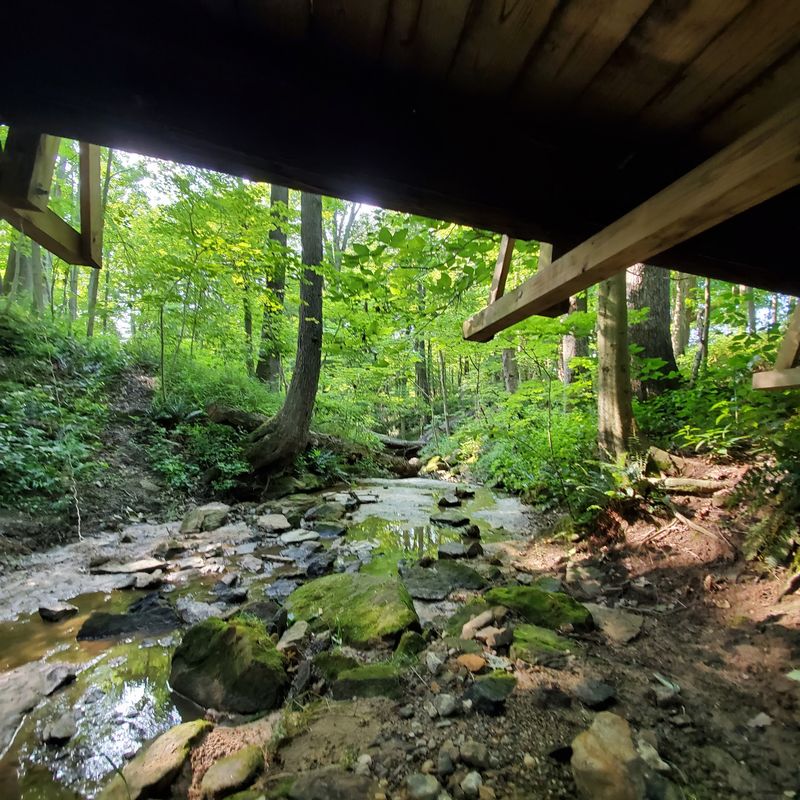
History feels close enough to touch here, though the carvings should only be admired with your eyes.
Leo Petroglyph in Jackson County is known for ancient designs cut into sandstone by Indigenous people long before modern Ohio existed.
The site is not a grand cliff overlook in the usual sense, but it offers a powerful look across time.
Standing near the protected rock, you may find yourself imagining the people, stories, and landscapes connected to each symbol.
A shelter helps protect the carvings, and signs explain what visitors are seeing.
Read them slowly, because the meaning of some figures is still studied and respected, not treated like a simple puzzle.
The nearby nature preserve adds a short, quiet outdoor stop with woods and rock features.
Wear comfortable shoes, especially if paths are damp or covered with leaves.
Never trace, chalk, climb on, or pour water over petroglyphs, since even small actions can harm them.
Photos are fine when allowed, but care matters more than the perfect shot.
This place asks for a different pace than a waterfall or high ridge.
At Leo Petroglyph, the overlook is partly outward and partly inward, showing an Ohio shaped by deep memory.