
A trail can pass a weathered stone wall, climb toward an old estate, or wind through a landscape shaped by events centuries ago. In Connecticut, even an ordinary walk can reveal clues to people and stories that might otherwise feel distant, from Revolutionary War history to fossils and traces of a much older world.
Across Connecticut, historic parks preserve battlefields, estates, ruins, monuments, and trails that invite visitors to explore history at their own pace. Some places connect you with the people who shaped the state, while others reach far deeper into the past, offering a glimpse of Connecticut as it existed millions of years ago.
The result is a collection of parks where scenery and memory naturally meet. Here are 12 historic parks in Connecticut where every path seemed to have a story.
Fort Griswold Battlefield State Park
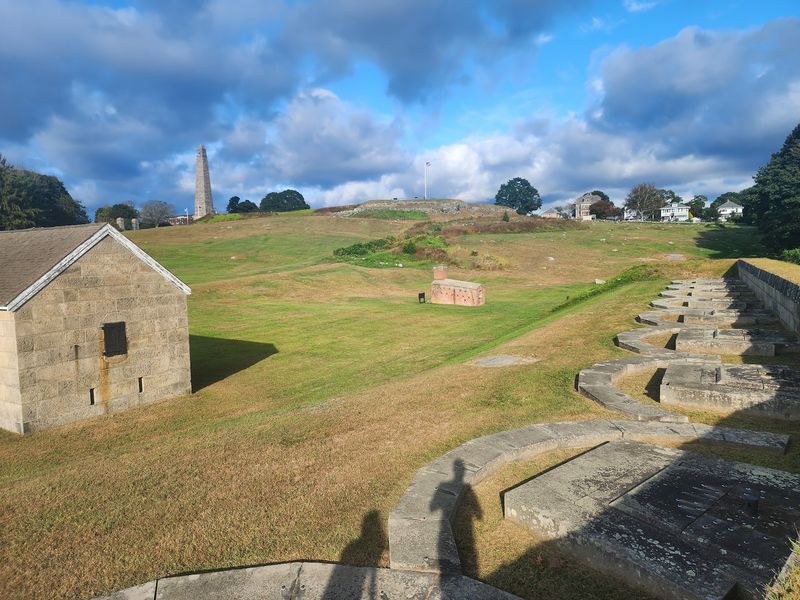
Wind moves differently on a battlefield. It slips over the grass and stone with a hush that makes ordinary footsteps feel careful, almost respectful.
Standing here, it is easy to sense that something important happened on this high ground above the Thames River.
Fort Griswold Battlefield State Park in Groton preserves the site of the Battle of Groton Heights, fought in 1781. The fort walls, old cannons, and the soaring Groton Monument give shape to a story many people only know from textbooks.
Climbing the monument, if it is open, adds a wider view and a stronger feeling for why this location mattered.
Bring water, wear shoes with grip, and take time to read the markers instead of rushing past them. The small details, like the layout of the fort and the slope of the land, help the past make sense.
Nearby views across the river toward New London add another layer, reminding you that war and daily life once stood uncomfortably close together here.
Fort Trumbull State Park and Museum

Salt air gives the whole place a sharp, alert feeling. Even before you learn the history, the wide water views suggest why people kept building defenses here for generations.
The harbor seems calm now, but the setting still feels strategic.
Fort Trumbull State Park and Museum in New London carries more than one chapter of military life. The granite fort, the museum exhibits, and the historic blockhouse show how the site changed from the Revolutionary era through later coastal defense periods.
Walking through the casemates and open grounds helps visitors picture soldiers working, waiting, and watching the river traffic.
Plan enough time for both the outdoor paths and the museum displays, because each explains the other. Families often like the easy paved areas, while history fans can spend longer studying the fort design and harbor position.
After your visit, pause by the waterfront and look back at the walls. From that angle, the park feels less like a museum piece and more like a working part of Connecticut’s long relationship with the sea.
Putnam Memorial State Park
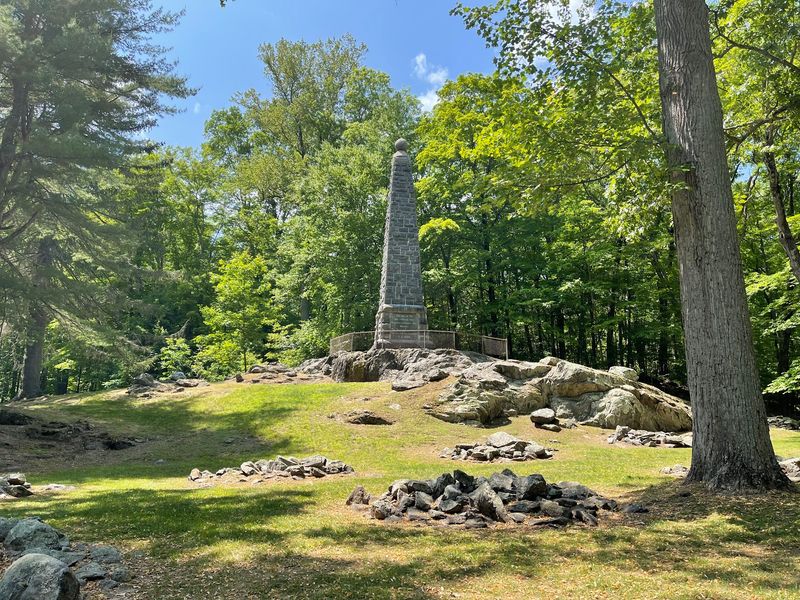
Some woods hold a deep kind of quiet, the sort that makes you lower your voice without thinking. In winter, the bare trees and cold air can make the landscape feel especially honest.
That mood fits a place shaped by hardship more than comfort.
Putnam Memorial State Park in Redding marks the site of a Continental Army winter encampment under General Israel Putnam. Reconstructed huts, monuments, and a museum help explain why the park is often called Connecticut’s Valley Forge.
Instead of grand scenery alone, the power here comes from imagining hungry, tired soldiers trying to endure another freezing day.
Kids usually connect with the simple log structures because they make history feel real fast. Adults may notice the terrain, the distance between features, and the practical choices soldiers had to make with limited supplies.
Visit with a jacket even in cool spring or fall weather, since the shady woods can feel chilly. A slow walk works best here, giving you time to picture campfires, rough blankets, and the stubborn resolve that helped hold an army together.
Gillette Castle State Park
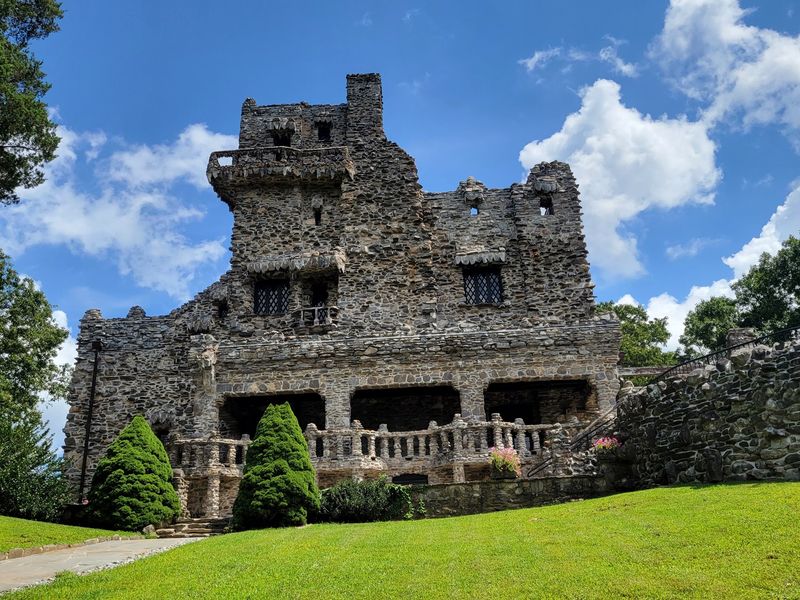
At first glance, it looks like a fairy tale took a sharp, slightly odd turn. Stone walls rise above the trees, and the whole scene feels playful, mysterious, and a little theatrical.
That mood makes perfect sense once you learn who built it.
Gillette Castle State Park in East Haddam was the home of actor William Gillette, famous for playing Sherlock Holmes. The castle is full of unusual details, and the grounds include trails that follow parts of his miniature railroad route.
River overlooks, twisting paths, and the handmade feeling of the estate give every walk a bit of personality.
If you tour the interior, notice the doors, locks, and built in features that show Gillette’s love of design and surprise. Outside, save time for the Connecticut River views, especially when leaves change color or evening light softens the stone.
Comfortable shoes matter because you will want to wander more than planned. Few parks blend architecture, imagination, and landscape so naturally, and that is why the stories here feel personal instead of distant, as if the owner just stepped inside for a moment.
Harkness Memorial State Park
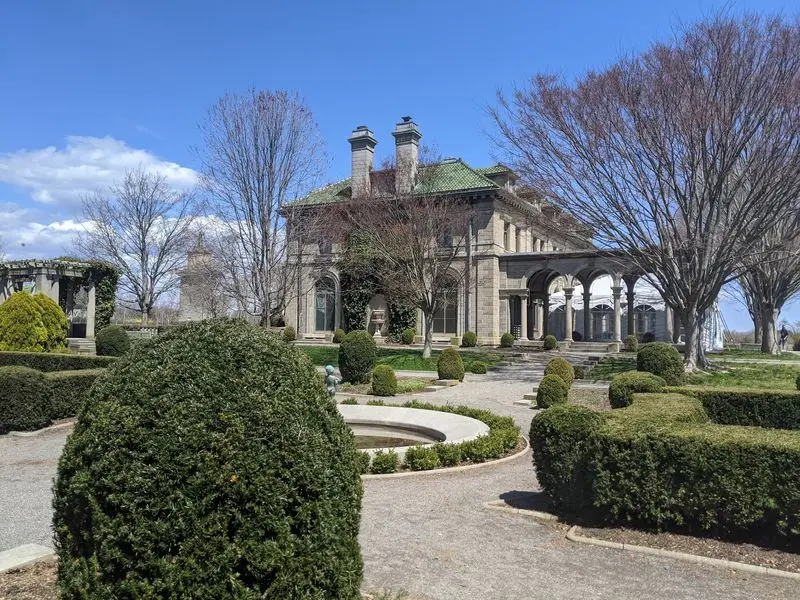
There is a polished calm here that feels almost cinematic. Waves roll in beyond clipped lawns, flowers frame the paths, and the mansion seems placed to catch every bit of coastal light.
It is easy to imagine another era lingering just under the surface.
Harkness Memorial State Park in Waterford preserves the former Harkness estate, centered on Eolia, a grand mansion built in 1906. The formal gardens, shaped in part by landscape designer Beatrix Jones Farrand, are as memorable as the building itself.
One path may lead you past roses and hedges, while another opens toward Long Island Sound and a salty breeze.
Bring a picnic if the weather is good, because the lawns invite a slower visit. Garden lovers should look closely at how the plantings frame views instead of simply filling space.
The park can feel very different by season, from bright summer color to a quieter winter shoreline. Even if you are not usually drawn to estates, this one makes history easy to enjoy because it connects design, ocean air, and daily beauty in a way that still feels lived in.
Dinosaur State Park
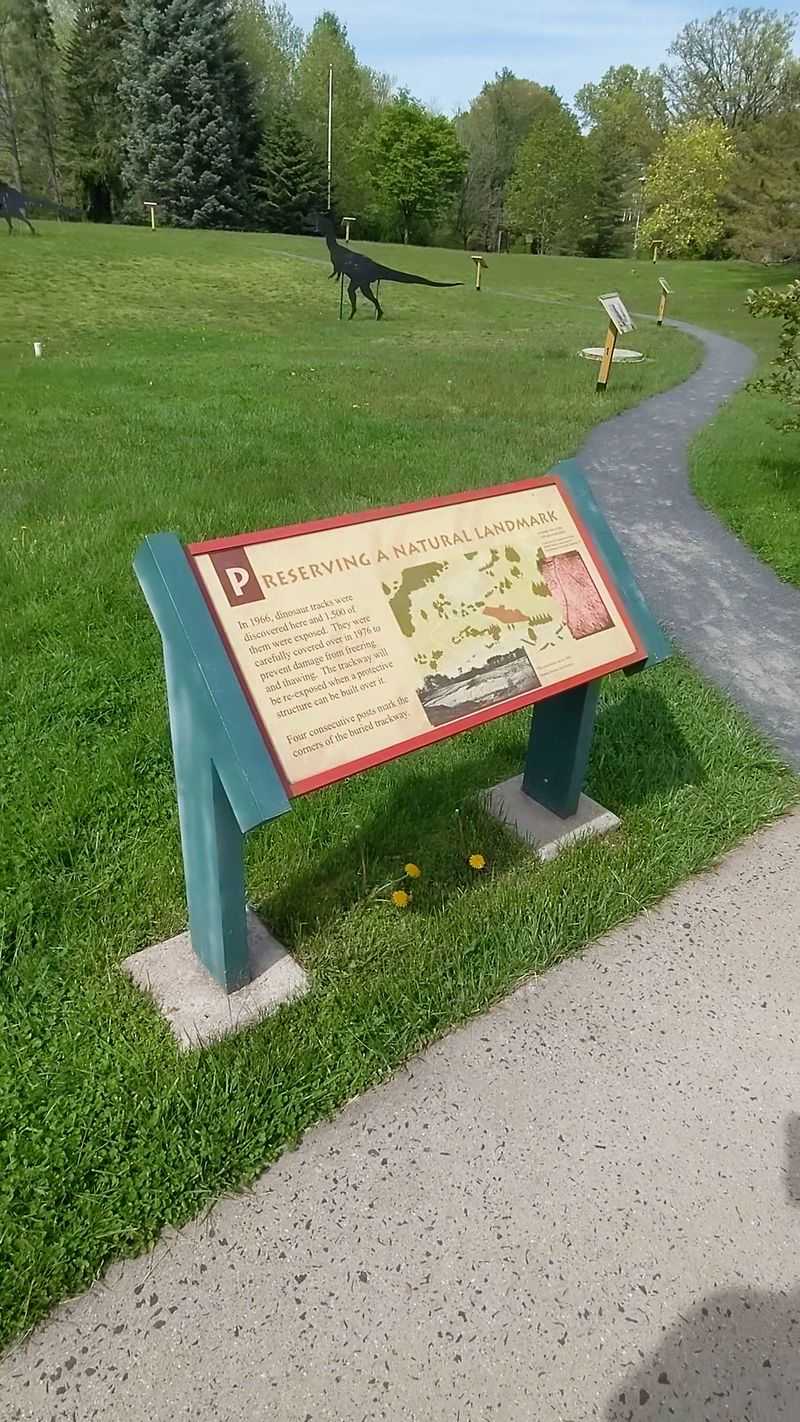
Few places make time feel as strange as this one. A simple walk suddenly turns into a reminder that giant creatures crossed this ground millions of years before any road, town, or state existed.
That surprise gives the whole visit a spark of wonder.
Dinosaur State Park in Rocky Hill protects one of Connecticut’s most unusual historic sites. Inside the dome, preserved dinosaur tracks show clear three toed prints that stop many visitors in their tracks too.
Outside, trails and an arboretum offer a calmer pace, letting you move from deep prehistory to present day woods in a matter of minutes.
Children often love the hands on feel of the exhibits, but adults tend to enjoy the scale of the story just as much. Try pairing the indoor displays with a short trail walk so the visit does not end at the museum door.
On warm days, the shaded paths are a nice break after time under the dome. The park proves that history is not only about human events.
Sometimes the oldest stories are written in stone, long before anybody thought to write them down.
Gay City State Park
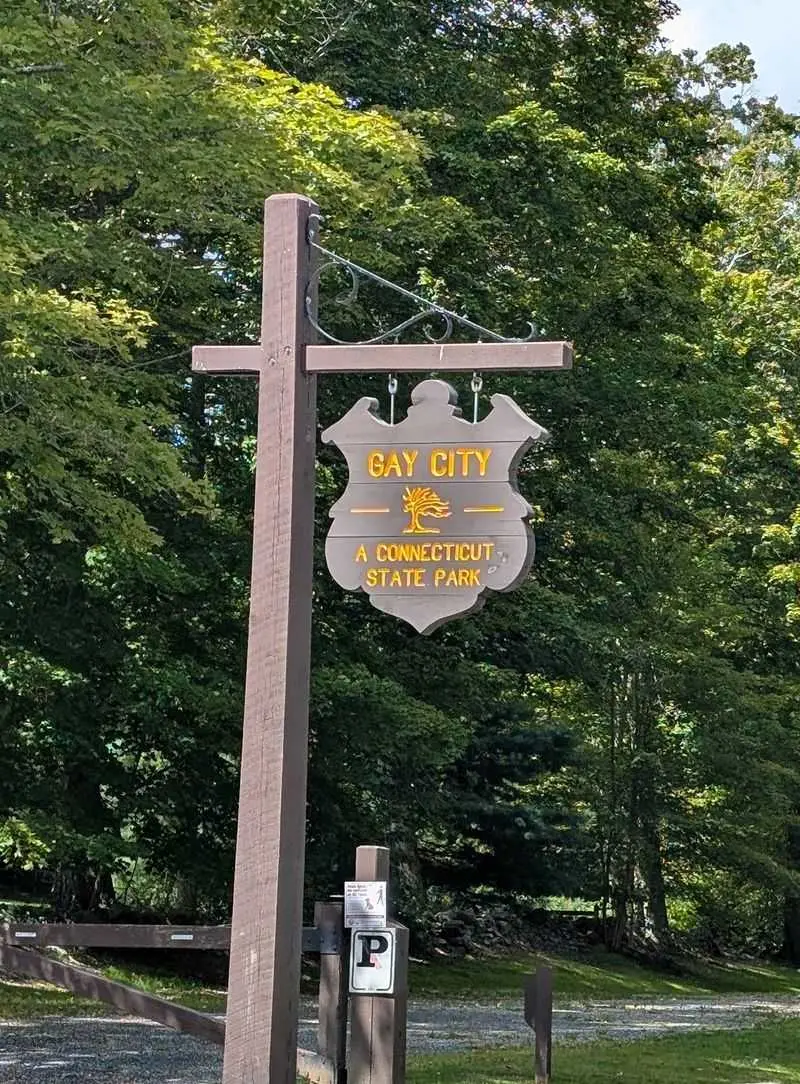
The forest seems ordinary until the stones begin to appear. A wall here, a foundation there, and suddenly the trees feel less like wilderness and more like witnesses.
Nature has softened the edges, but it has not erased the town that once stood here.
Gay City State Park in Hebron is known for the remains of an abandoned mill community tucked among woods and trails. Hikers can spot cellar holes, stonework, and traces of daily life that would be easy to miss without slowing down.
The park also offers a pond, fishing areas, and pleasant walking routes, which creates an unusual mix of recreation and quiet reflection.
Go with curiosity instead of a checklist. You do not need a giant monument to feel the history here, because the most memorable parts are often small and half hidden.
A camera helps if you like texture, since mossy stones and old walls photograph beautifully in soft light. Bug spray is smart in warmer months, especially near the water.
More than many parks, this one invites you to imagine ordinary people, their homes, jobs, and routines, before the forest slowly folded over everything again.
Osbornedale State Park
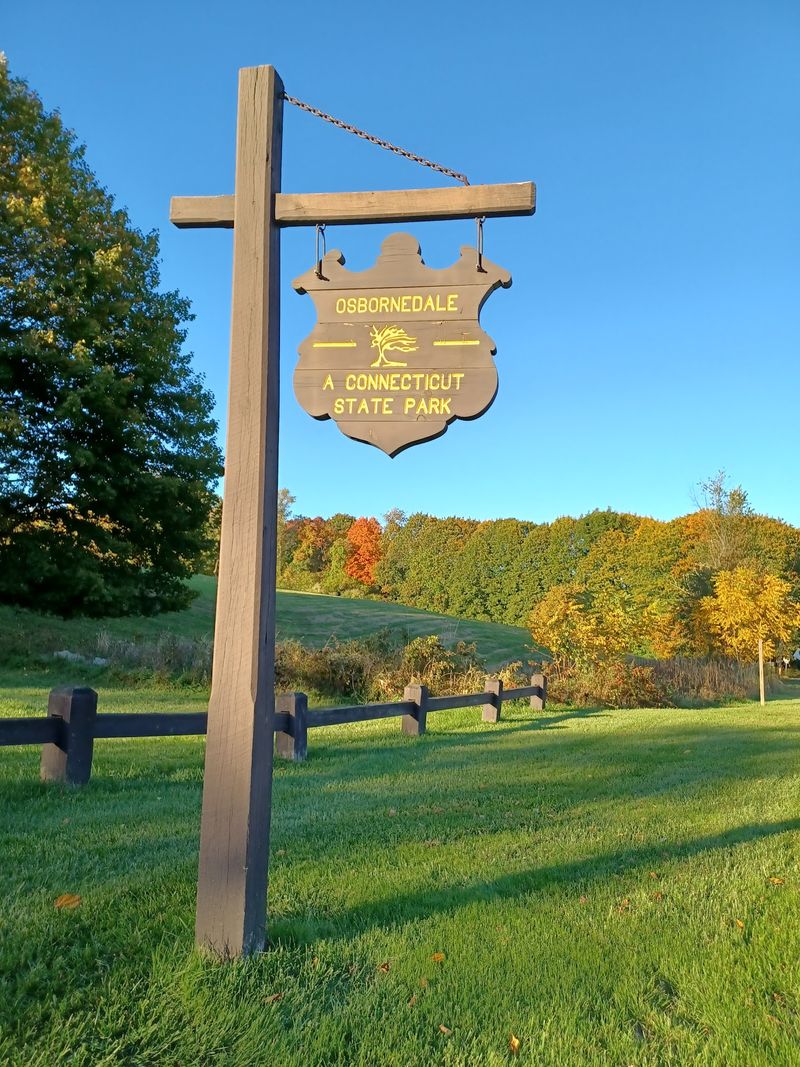
There is a gracious feeling to this landscape, but it is not delicate. Open grounds, wooded sections, and rougher stone features all share the same space, as if estate life and working land never fully parted ways.
That mix gives every walk a little contrast.
Osbornedale State Park in Derby grew from the former estate of Frances Osborne Kellogg, and the nearby Osborne Homestead Museum adds family context to the visit. On the trails, you may come across old quarries, rocky outcrops, and hints of abandoned mining activity.
Those details make the park feel less polished than a formal estate and more layered, which is part of its charm.
It helps to pair your walk with a museum stop if hours allow, since the two places enrich each other. Birdsong, ponds, and shaded paths keep the setting pleasant even if you are not focused on history every minute.
Good walking shoes are useful because some areas shift from smooth to rocky without much warning. For visitors who enjoy parks with more than one identity, this one quietly delivers, blending family legacy, industrial traces, and everyday natural beauty in a very Connecticut way.
Camp Columbia State Park
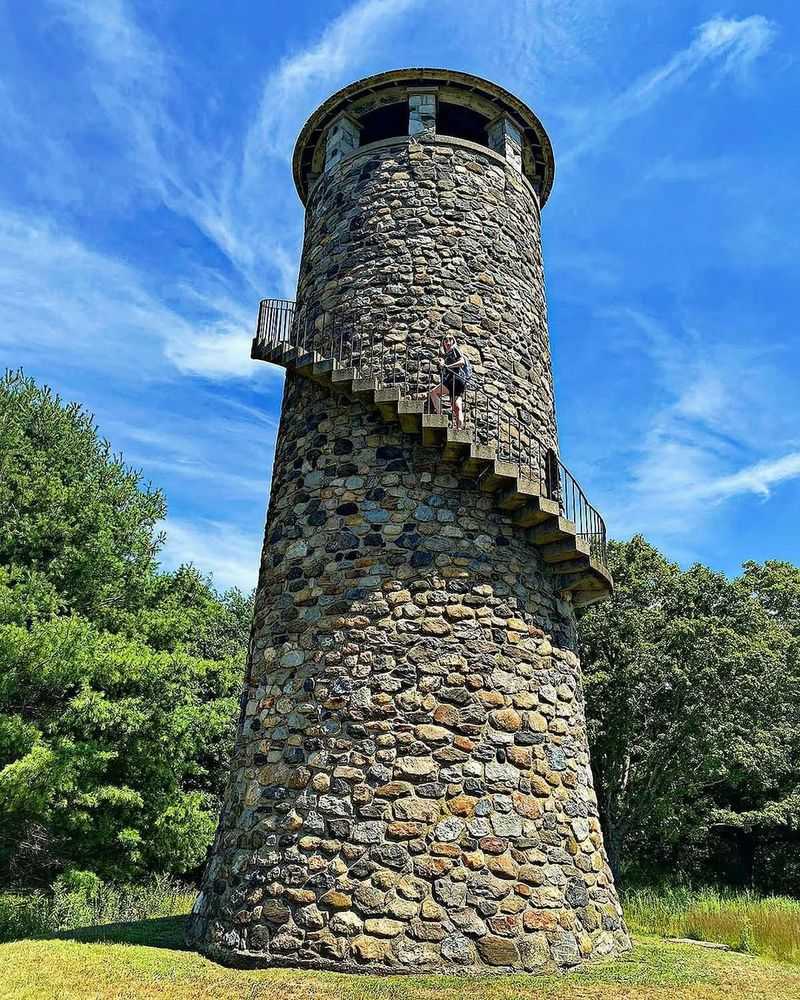
Some places feel like they are still deciding what they used to be. In one corner you notice traces of student life, and in another, the land suddenly hints at military drills and wartime purpose.
That tension makes the woods unusually intriguing.
Camp Columbia State Park in Morris has a layered history that includes use by Columbia University for summer engineering and surveying programs. During World War I, the site also served military training needs, and remnants of trenches can still be found.
Few Connecticut parks combine academic history and military history in such a direct, visible way.
This is a good destination for curious walkers who enjoy looking for clues in the landscape. Old building remains and uneven ground reward slow exploration more than fast hiking, so take your time and keep your eyes open.
A trail map can help you understand how the property spreads out, especially on a first visit. The park may not have the instant drama of a castle or monument, but its quieter details stay with you.
It feels like an outdoor archive, where ideas, labor, and wartime urgency all left marks in the same forest.
Dennis Hill State Park
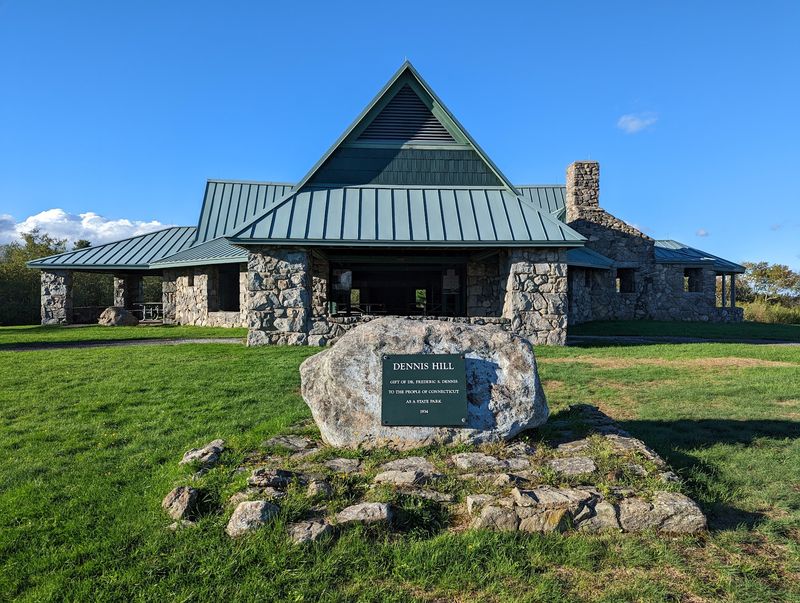
The climb feels modest, but the payoff arrives with a sudden sense of space. Sky opens wide, the hills roll away, and the top carries faint reminders that people once came here not only for scenery, but for a social outing.
That older rhythm still lingers.
Dennis Hill State Park in Norfolk preserves a hilltop setting linked to an earlier era of leisure and resort style travel. Remains of a pavilion and related structures suggest a time when elevated viewpoints drew visitors looking for fresh air and memorable views.
Today, the trails and summit still deliver that same simple pleasure, just with quieter company.
Bring a camera or binoculars if visibility is good, because the broad outlook is part of the whole experience. Families can keep the visit easy, while walkers who like history will appreciate the surviving signs of the park’s past life.
Wind can be stronger at the top than it seems below, so a light layer is useful even on mild days. What makes this park special is its gentle reminder that recreation has its own history.
People have long climbed hills to clear their heads, share a view, and feel briefly lifted above routine.
West Rock Ridge State Park
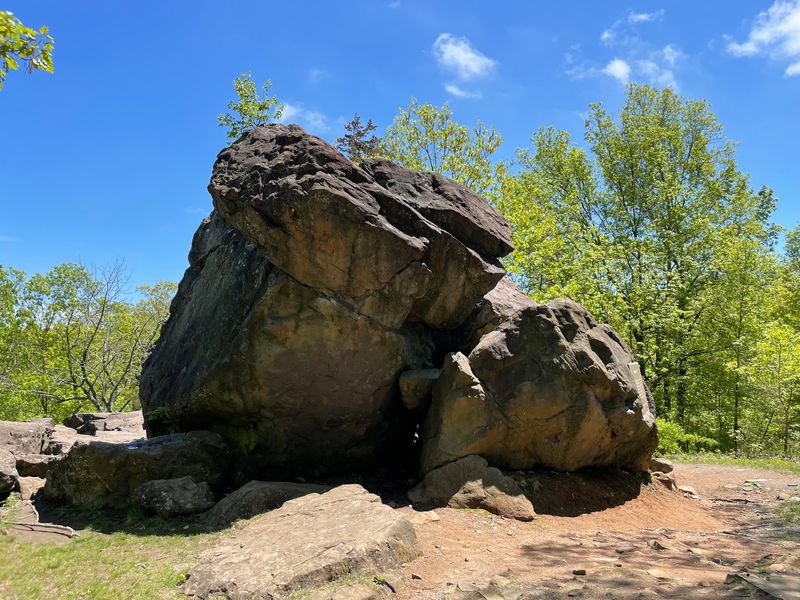
Rock can make a story feel tougher, sharper, and harder to forget. Along this ridge, the cliffs and caves already look dramatic before you hear about the men who once hid here.
After that, every turn seems to carry a little suspense.
West Rock Ridge State Park in New Haven is tied to the story of the Regicides, English judges who fled after the Restoration. The well known Judges Cave gives visitors a direct link to that strange colonial episode, while the Regicides Trail adds both exercise and context.
Beyond the history, the ridge offers strong views and striking geology that make the setting memorable on its own.
Expect some steeper ground and plan for a hike rather than a casual stroll in certain areas. The best visits happen when you combine the human drama with the natural one, pausing to notice how the land itself provided cover, height, and escape routes.
Early or late light can make the rock faces especially beautiful. Even people who arrive mainly for the overlook often leave talking about the story.
That blend of cliffside scenery and political intrigue gives the park an energy that feels different from anywhere else in the state.
Haley Farm State Park
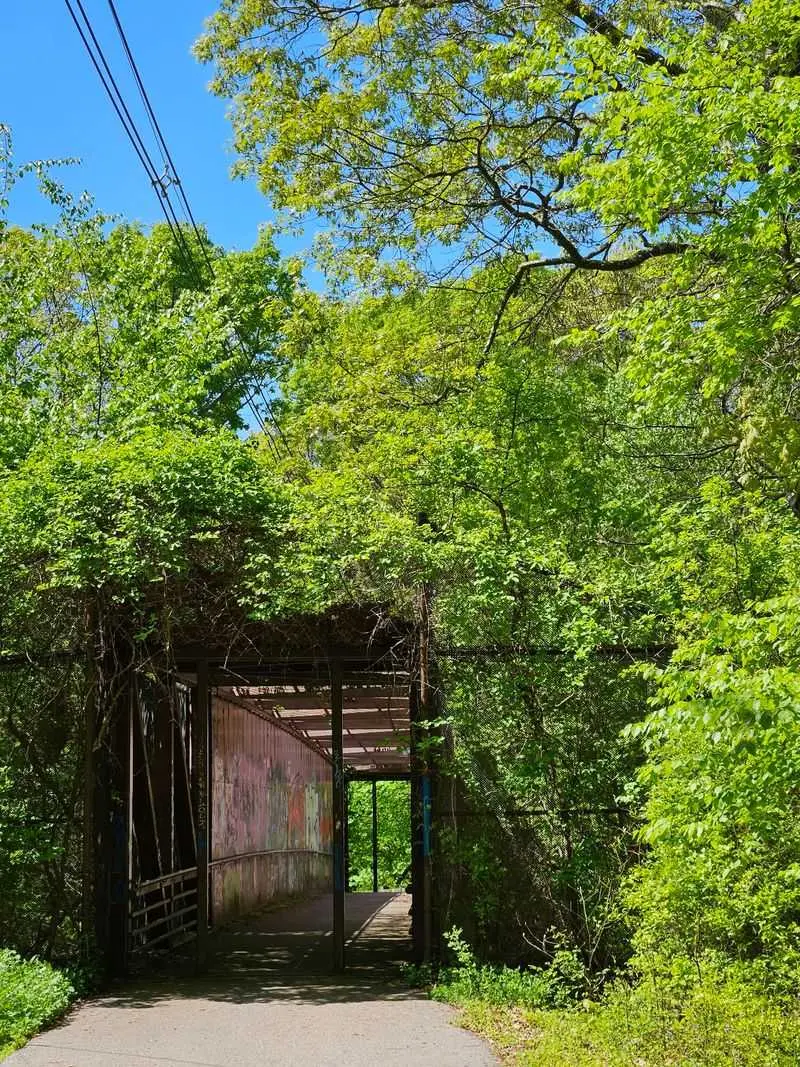
Quiet can be its own kind of storyteller. Here, long stone walls run through fields and trees like old sentences still holding together after the people who built them are gone.
The land feels worked, rested, and remembered all at once.
Haley Farm State Park in Groton was once a colonial era working farm, and that agricultural past remains visible across the property. Walking trails pass old field patterns, woods, and many stretches of stone wall that help visitors picture boundaries, labor, and daily routines from another time.
The coastal setting adds fresh air and open views without distracting from the history underfoot.
This is a fine park for people who prefer reflection over spectacle. You will not find a towering monument here, but the subtle details reward patience, especially in late afternoon when light catches the stone and grass.
Bring water and bug spray, and consider visiting in cooler seasons if you want a calmer walk. The paths are gentle enough for a relaxed outing, yet the place never feels empty of meaning.
It shows how ordinary land can hold deep history, especially when human effort was repeated year after year in the same beautiful spot.