A soft pretzel twisted by hand, a flaky pie cooling behind a bakery counter, or a beloved family recipe passed down through generations can tell you a lot about a place. In Pennsylvania, food is more than something to enjoy at the table.
It reflects the communities, cultures, and everyday traditions that have shaped the state for generations.
Across Pennsylvania, familiar flavors carry stories of immigrant families, hardworking neighborhoods, and local businesses that have kept cherished recipes alive. You might find yourself watching candy being made, stepping into a bakery where old favorites still draw a crowd, or sitting down to a regional specialty that locals have enjoyed for decades.
These experiences offer a delicious way to connect with the state’s history and people.
Ready to discover the stories behind the flavors? Here are 11 Pennsylvania food traditions that are still worth celebrating, one memorable stop at a time.
Martin’s Pretzel Bakery: Celebrating the Hand-Twisted Crunch
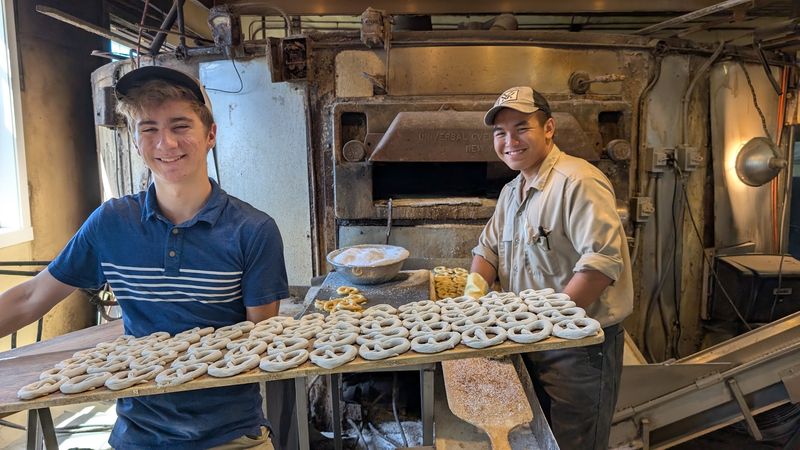
A quick twist of dough can hide years of practice. Watch a skilled pretzel maker, and the familiar loops seem to appear almost without effort.
At Martin’s Pretzel Bakery in Akron, that small movement connects a simple snack to a family business whose story began in 1932, when handwork shaped the rhythm of production.
The tradition here centers on pretzels still rolled and twisted by hand. Unlike a soft ballpark pretzel, a traditional hard pretzel delivers a firm crunch that makes you slow down between bites.
Salt and toasted dough do most of the talking, proving that a short ingredient list can still produce plenty of character.
Check current visitor hours before heading to Diamond Street, especially if seeing the work is your main goal. Production and public access do not always follow the same schedule.
Pick up a bag for the road, then try serving the pretzels with mustard or local cheese back home. Sharing them gives you an easy way to explain why Pennsylvania pretzel making deserves attention beyond the snack aisle at your usual grocery store.
Gaeta’s Italian Bakery: Giving Tomato Pie Its Due
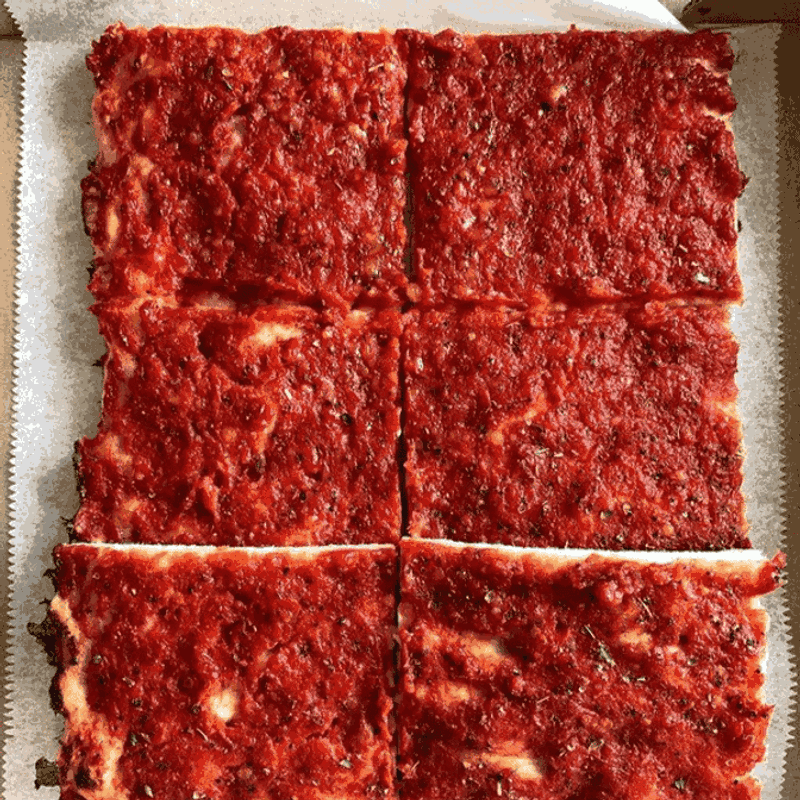
No stretchy cheese pull announces this Philadelphia favorite. Instead, a bright layer of tomato sauce rests on a thick bakery crust, ready to be cut into squares.
At Gaeta’s Italian Bakery on Castor Avenue, tomato pie offers a different way to understand the city’s Italian American food traditions, one built around bread and sauce.
Philadelphia tomato pie is often enjoyed at room temperature, which makes it handy for gatherings and leisurely lunches. The crust should support the topping without stealing the whole show.
Depending on the bakery, a little grated cheese may finish the surface, but a heavy blanket of melted mozzarella is not the point of the dish.
Check the current menu and ordering options before visiting, particularly when buying for a group. Ask about portion sizes rather than assuming a pie feeds the same number as your usual pizza order.
Take your first bite without extra toppings so you can notice the balance of tangy tomato and bread. It is an easy food to share, and that simple quality helps explain its lasting place at neighborhood tables.
Pat’s King of Steaks: Joining the Cheesesteak Ritual
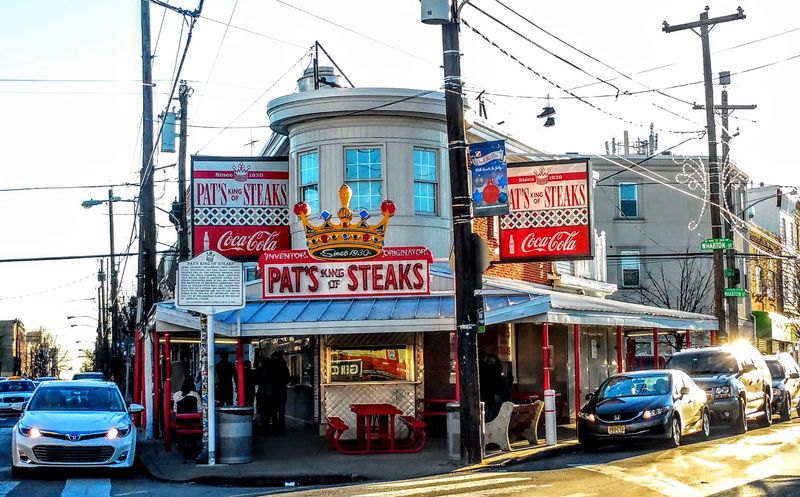
Before the first bite comes a small decision: onions or no onions? Around the ordering window at Pat’s King of Steaks in South Philadelphia, personal preference becomes part of a shared routine.
Thinly sliced beef, a long roll, and cheese sound simple enough, yet locals can spend an entire lunch discussing the right combination.
Pat’s traces its story to Pat Olivieri’s steak sandwich in 1930. Cheese became part of the sandwich later, a useful detail when separating the original steak sandwich from the cheesesteak people know today.
The shop’s place in that history makes the corner interesting even before your order reaches the counter.
Look over the menu before joining the line and decide on cheese and onions ahead of time. Local shorthand can be fun, but clear, polite ordering works perfectly well.
Find a spot to eat while the sandwich is hot, and keep napkins close. You do not need to settle Philadelphia’s endless best cheesesteak debate.
Simply noticing the beef, bread, and neighborhood bustle offers a better introduction than trying to crown a winner after one lunch.
Lancaster Central Market: Keeping Pennsylvania Dutch Market Days Alive
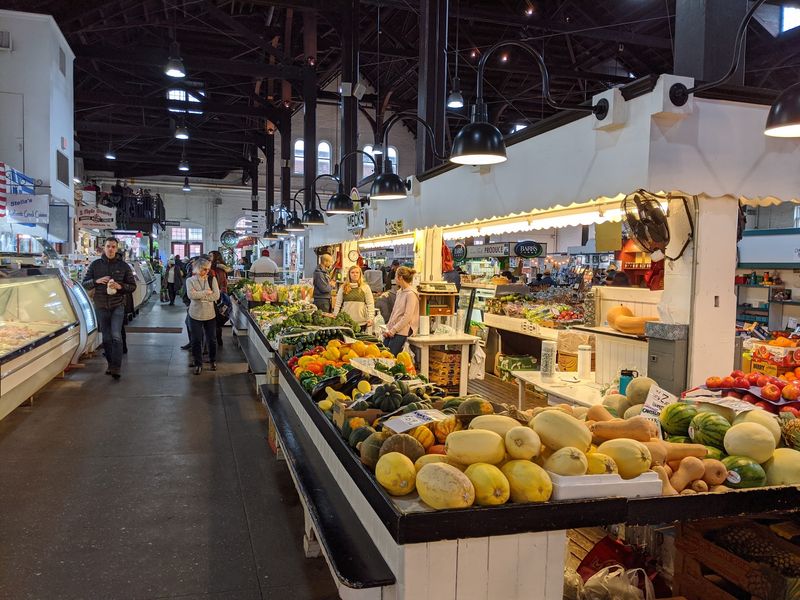
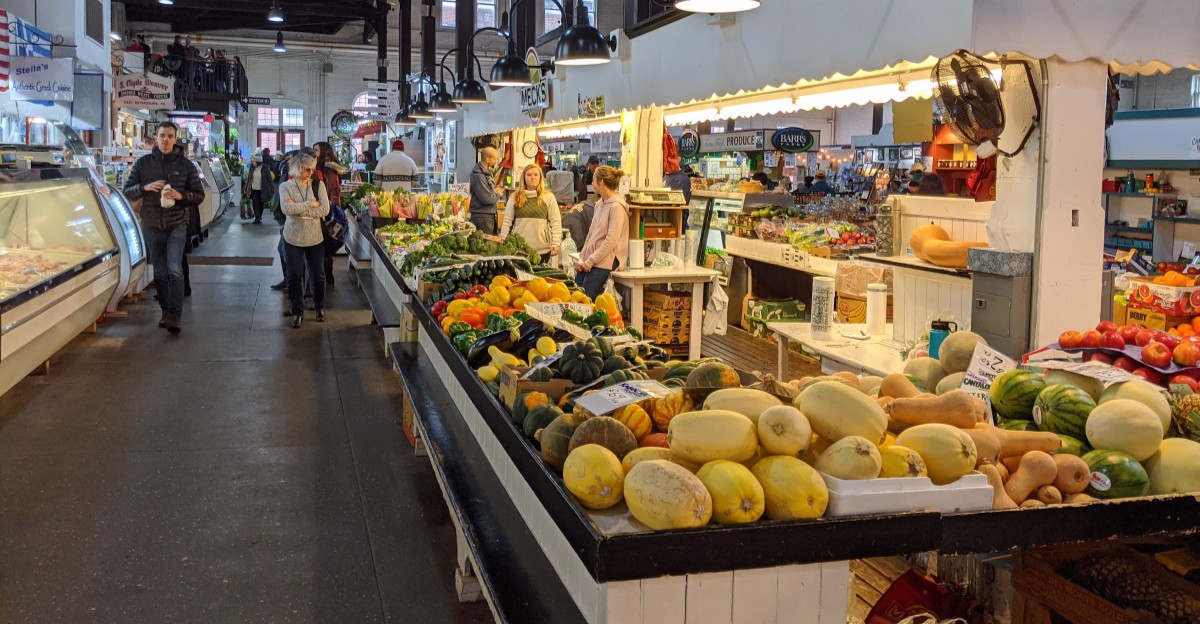
A paper bag grows heavier with every stop, and somehow there is still room for pie. Inside Lancaster Central Market, shopping feels like a conversation between the farm, the kitchen, and the dinner table.
The market tradition dates to 1730, long before groceries came with self checkout machines and parking lots stretching toward the highway.
Pennsylvania Dutch favorites give the aisles a strong local flavor. Look for scrapple, preserves, regional cheeses, and baked goods, then ask vendors how they like to serve them.
A slice of shoofly pie introduces the deep sweetness of molasses, while seasonal produce shows what nearby farms are bringing in that week.
Plan around the usual Tuesday, Friday, and Saturday schedule, checking the official website before leaving. Arriving early gives you more time to browse before the busiest stretch.
Bring a reusable bag and a cooler if you plan to buy cheese or meat. Rather than treating the market as a quick sightseeing stop, choose something for a picnic or supper.
That small purchase keeps an old food custom part of ordinary daily life.
Primanti Bros.: Putting the Sides Inside
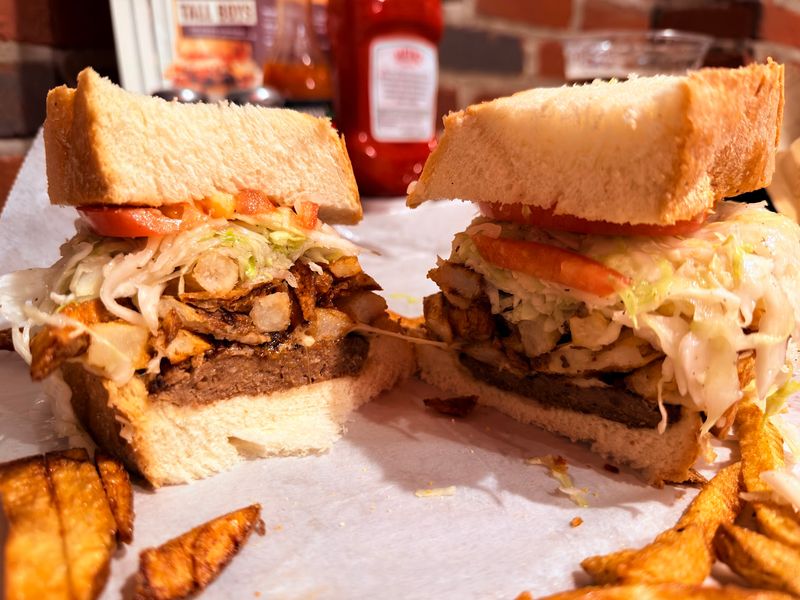
The fries are not missing from your plate. They are tucked inside the sandwich, right beside the coleslaw.
At the original Primanti Bros. location on 18th Street in Pittsburgh’s Strip District, that arrangement turns an ordinary lunch into a cheerful balancing act, with thick bread holding together more than you first thought possible.
The sandwich belongs to the city’s working food culture, where filling meals mattered more than fancy presentation. Stories connect its rise to the hungry workers and drivers around the district’s produce businesses.
Whatever version of the origin story you hear, the finished result makes its practical appeal easy to understand at lunchtime.
Choose a filling you already enjoy, then give the full combination a chance before asking to change it. The vinegar slaw brings brightness, while the fries add warmth and weight.
Expect a hearty meal, and consider your appetite before adding extras. Afterward, walk through the surrounding Strip District to connect the sandwich with the neighborhood that shaped it.
Food shops and street activity help explain why this particular Pittsburgh tradition feels so firmly rooted in place.
Pierogies Plus: Folding Comfort Into Every Dumpling
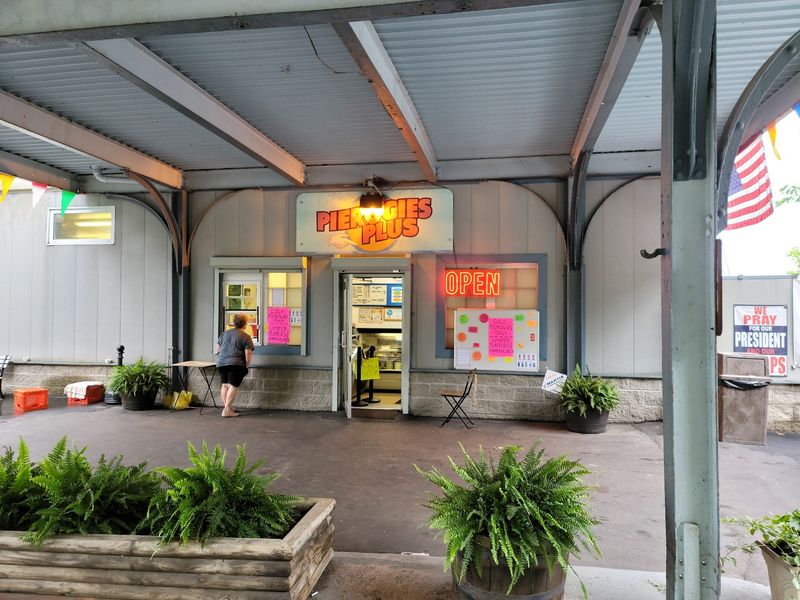
Butter shines along the folded edges, and sweet onions settle into the spaces between dumplings. A plate of pierogi does not need much decoration to feel welcoming.
In McKees Rocks, just outside Pittsburgh, Pierogies Plus carries on a food tradition closely tied to Polish and other Eastern European communities across the region.
Potato and cheese is a familiar starting point, while sauerkraut offers a sharper flavor. The pleasure comes from the balance between tender dough and a filling that tastes comforting rather than complicated.
Making pierogi by hand also takes time, which helps explain why they often belong to family gatherings, church kitchens, and shared work.
Check ordering details before visiting, especially if you want a large quantity or plan to take some home. Ask which items are ready to eat and which need cooking, since that changes your travel plans.
For a first taste, keep the toppings simple and notice the texture of the dough. A cooler can be useful for purchases that require refrigeration.
Bringing a batch home lets the experience continue around your own kitchen table later.
Reading Terminal Market: Sharing a City Through Its Food
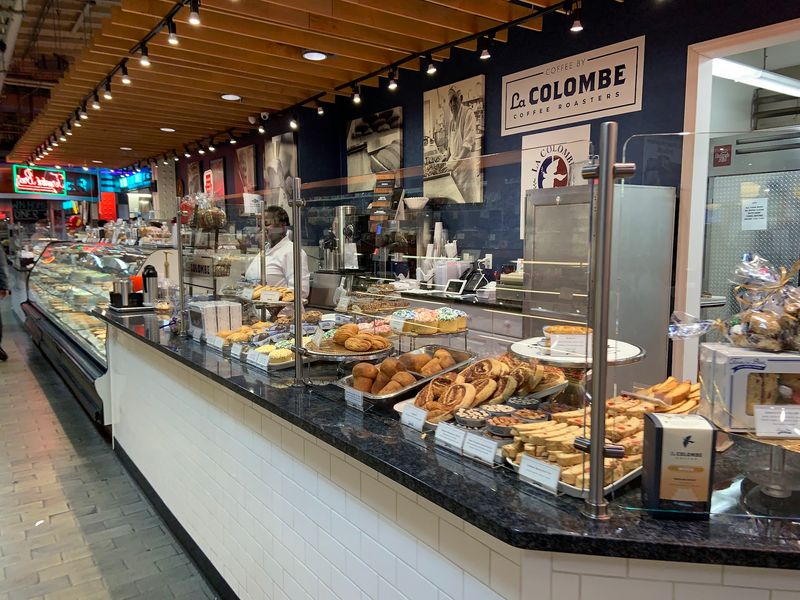
One aisle smells like fresh pastry; the next sends you looking for whatever is roasting nearby. Following your appetite through Reading Terminal Market in Philadelphia can feel like reading several family histories at once.
Since opening in 1893, the market has brought local food traditions and the cooking of different communities under one roof.
Pennsylvania Dutch baked goods sit within a much wider mix of prepared foods and ingredients. A sticky bun or whoopie pie might be your first stop, followed by something from another regional or immigrant tradition.
The point is not to fit every counter into a single story, but to notice how many stories share the space.
Arrive with a loose plan rather than a long checklist. Browse before ordering, and consider splitting a few dishes with a companion so you can taste more without wasting food.
Check individual merchant hours, since they can differ from the market’s general schedule. Weekday mornings may offer an easier pace than busy lunch periods.
Leave time to buy an ingredient or baked treat for later, keeping the market connected to everyday eating as well.
Hershey’s Chocolate World: Following Pennsylvania’s Sweet Legacy
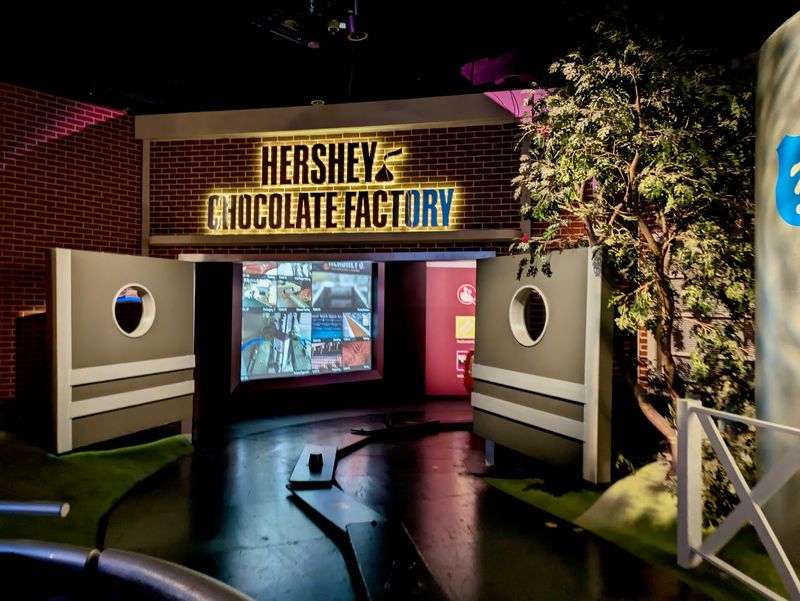
A familiar candy wrapper can hold more history than you expect. In Hershey, Pennsylvania, the name on that wrapper belongs to a town shaped by chocolate making and Milton Hershey’s business vision.
Hershey’s Chocolate World turns that connection into a visitor experience, mixing a lesson about production with plenty of opportunities to satisfy curiosity.
The chocolate tour ride explains the journey from cocoa beans to finished candy through a staged attraction. It is not a walk through the working chocolate factory, an important distinction when planning expectations.
Other experiences may include candy making or tastings, giving visitors different ways to explore the same sweet subject at their own pace.
Review current tickets and reservations before arriving, because some activities cost extra and may fill up. The tour ride and paid experiences should be planned separately.
If traveling with children, choose one main activity rather than rushing between every option. A small chocolate purchase can make a useful souvenir, especially when you connect it to the story behind the town.
Allow for warm weather, too, since chocolate left in a parked car melts quickly.
Shady Maple Smorgasbord: Making Room for the Family Feast
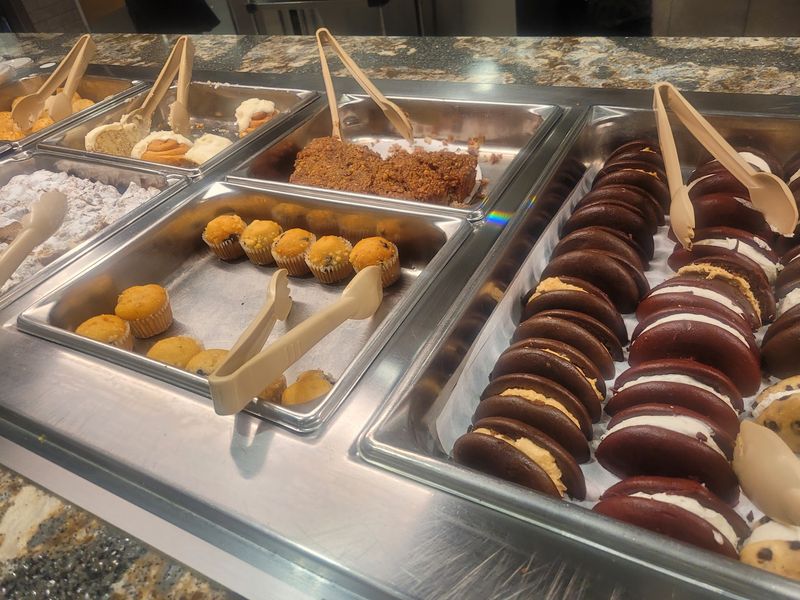
The hardest part may be choosing what not to put on your plate. A Pennsylvania Dutch smorgasbord invites you to sample a little, compare favorites, and return for the dish you liked best.
At Shady Maple Smorgasbord in East Earl, the scale turns that familiar family meal spirit into a much larger gathering.
Hearty main dishes, vegetables, breads, soups, and desserts make room for different tastes at the same table. Regional favorites can help you explore beyond the foods you already order at home.
Since selections change with the meal and schedule, treat the buffet as an opportunity to discover rather than a promise of one particular dish.
Check current hours, pricing, and meal details before traveling, including the Sunday closure. Start with small portions so you can try unfamiliar foods without leaving a pile behind.
Pause between trips and save room for a dessert that reflects the region, such as shoofly pie when available. For families, the real pleasure may be comparing plates and swapping opinions.
A generous meal becomes more memorable when everyone has time to enjoy it together.
Traditions Restaurant and Bakery: Preserving the Scratch-Cooked Supper
Sometimes the surprise is what a dish does not have. Pennsylvania Dutch pot pie often arrives without a pastry lid, offering squares of dough cooked in broth instead.
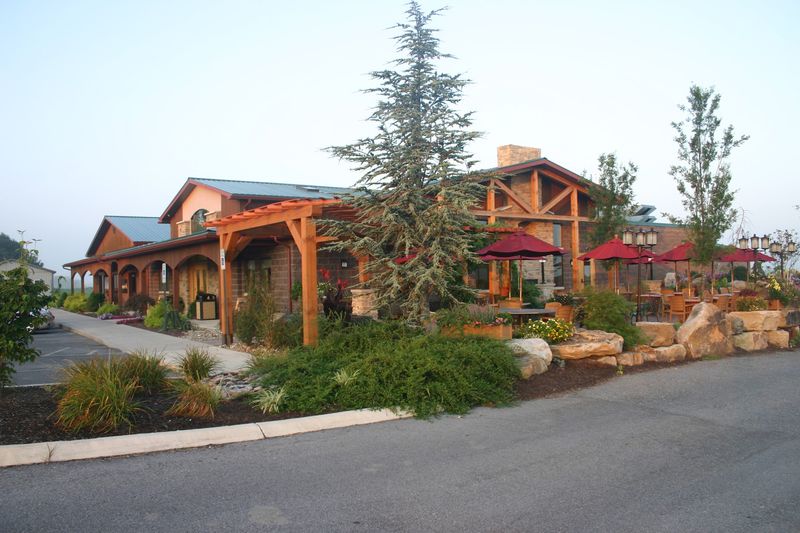
At Traditions Restaurant and Bakery in Martinsburg, that style of home cooking connects a restaurant meal with the practical recipes passed between kitchens across the region.
Ham pot pie is a useful example of how familiar ingredients can become something deeply local. Broth, meat, and dough make a filling meal without needing much decoration.
Fresh bread and traditional baked goods carry the same message: careful preparation matters more than a complicated presentation or a long list of fashionable additions on the menu.
Check the current menu and specials before setting your heart on a particular dish. Ask how the pot pie is prepared if your only reference is the baked version sold elsewhere.
Leave a little time to browse the bakery, and consider taking bread or a pastry for the next morning. Martinsburg also offers a different setting from the better known Lancaster County food stops, showing how Pennsylvania Dutch cooking reaches beyond one familiar travel route.
Landis Valley Village & Farm Museum: Remembering the Work Before Dinner
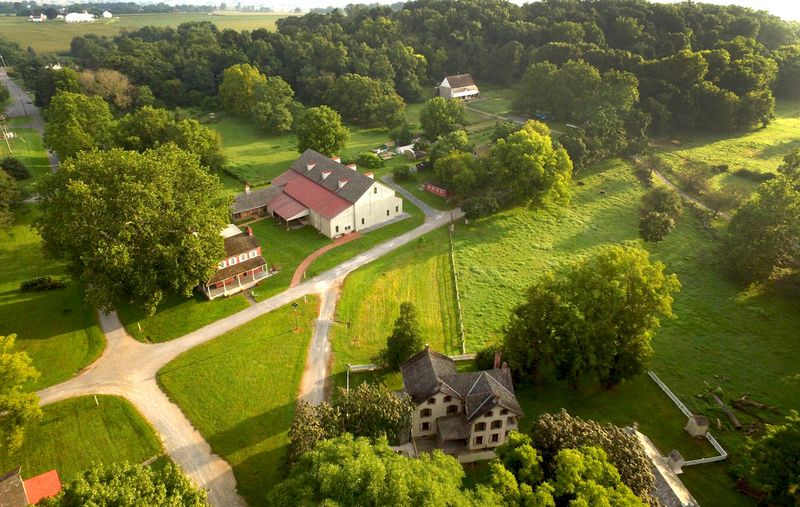
Before dinner could simmer, someone had to grow it, harvest it, and make it last. That chain of work becomes easier to picture at Landis Valley Village & Farm Museum in Lancaster.
Here, Pennsylvania German food history reaches beyond recipes to the fields, tools, gardens, and household choices that made those recipes possible every year.
Seasonal harvests shaped the menu, while drying, pickling, and other preservation methods helped families prepare for leaner months. The museum’s agricultural collections and Heirloom Seed Project offer ways to understand that connection.
A garden can explain a traditional dish just as clearly as a cookbook when you begin noticing which ingredients people could reliably grow.
Look at the event calendar before visiting if cooking demonstrations or special programs matter to you. Activities vary, and this is a history museum rather than a restaurant with guaranteed tastings.
Wear comfortable shoes and allow time to move between buildings and outdoor areas. Afterward, familiar foods such as pickled vegetables or fruit preserves may seem less ordinary.
They represent generations of planning, skill, and careful use of what the land could provide each season.