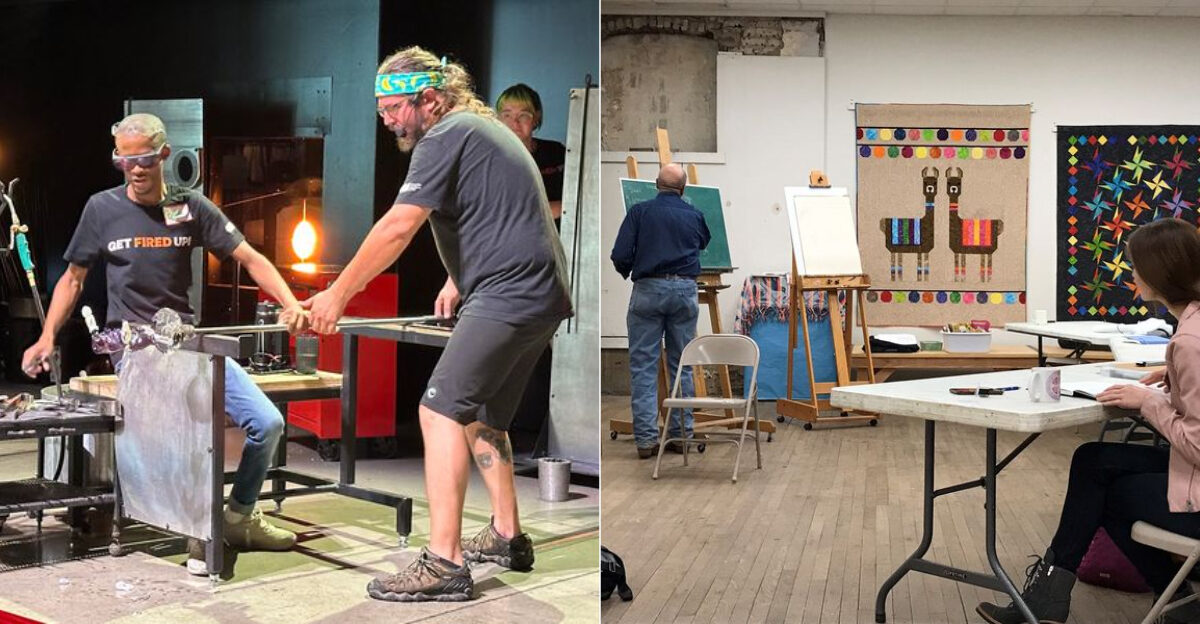
A piece of hot glass turns slowly on a pipe, a chisel leaves a fresh mark in wood, and a lump of clay begins to resemble something useful. Watching that transformation makes it easy to understand why handmade work has a pull that mass-produced objects simply cannot match.
Across Virginia, craft schools open the door to that process. These hands-on places teach skills rooted in tradition while giving visitors the chance to work with clay, glass, wood, metal, fibers, and other materials.
You do not have to arrive as an expert; the experience is often about trying, learning, and appreciating the patience behind the finished piece.
For travelers who enjoy creative experiences, local traditions, and seeing how things are made, these schools offer a memorable way to spend a day.
Here are 11 craft schools in Virginia that left us with a deeper appreciation for handmade work.
Waterford Craft School – Waterford, Virginia
The first clue was the quiet. Birds, old trees, and weathered buildings made the whole village feel like a place where hands still know what to do before a machine ever gets involved.
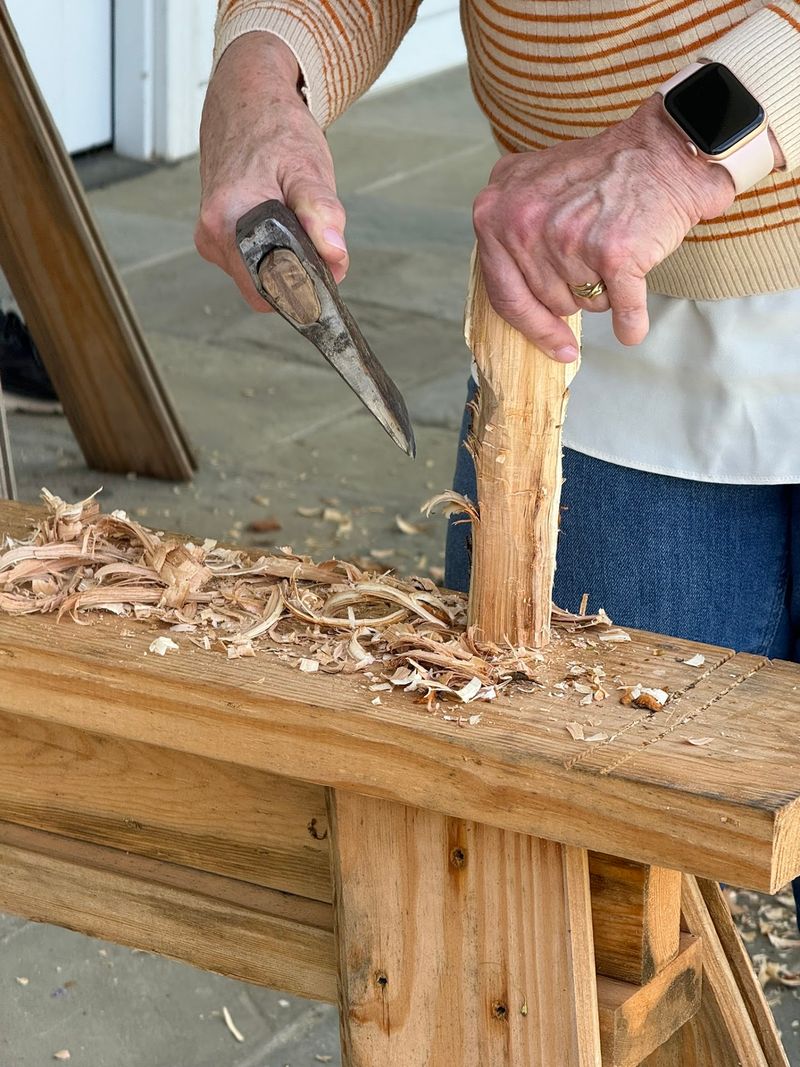
Later, inside Waterford Craft School in Waterford, that feeling became real. Workshops focus on traditional skills like fiber arts, woodworking, basketry, jewelry, and building crafts, and the setting helps everything land more deeply.
You are not just learning a project for the day. You are seeing how a handmade object grows from patience, attention, and a lot of practice.
One room may hold strips of reed for basket making, while another smells faintly of fresh wood shavings. After class, a walk through the National Historic Landmark village adds another layer, with stone walls, old houses, and quiet lanes that make the lessons feel connected to real life.
It is a meaningful stop for anyone who wants more than a souvenir. You leave with a better sense of why older craft traditions still matter, and why they deserve to be kept alive.
Clifton Forge School of the Arts – Clifton Forge, Virginia
You can hear creativity before you see it here. A wheel hums in one studio, glass catches the light in another, and somewhere nearby wood is being shaped into something useful and beautiful.
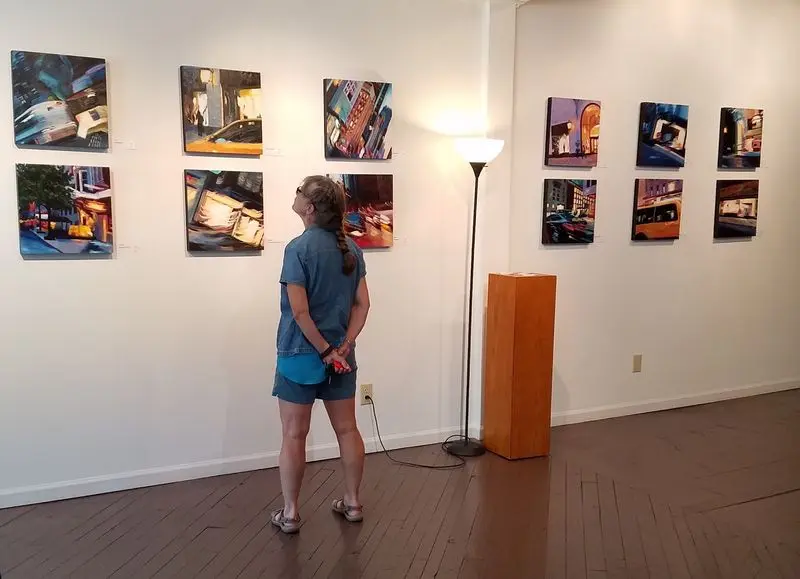
That mix of energy defines Clifton Forge School of the Arts in Clifton Forge. The school offers hands-on classes in pottery, stained glass, woodworking, blacksmithing, quilting, jewelry, and glass arts, so visitors can try a skill that feels both new and grounded.
Nothing about it feels stiff or distant. The rooms invite beginners in, while still showing respect for the serious work behind every finished piece.
Outside, the Allegheny Mountain setting gives the town a calm backdrop that pairs nicely with the busy studios. It is easy to imagine spending a morning at the bench and then grabbing lunch nearby before going back for another round of making.
What stays with you is the honest effort behind each craft. Even a small project teaches how much focus, planning, and problem solving are hiding inside handmade work that many people usually notice only at the very end.
Chestnut Creek School of the Arts – Galax, Virginia
Mountain towns often hold their stories in music, porches, and old storefronts, but here the story also lives in studios. The feeling is creative without trying too hard, as if making things by hand is simply part of the local rhythm.
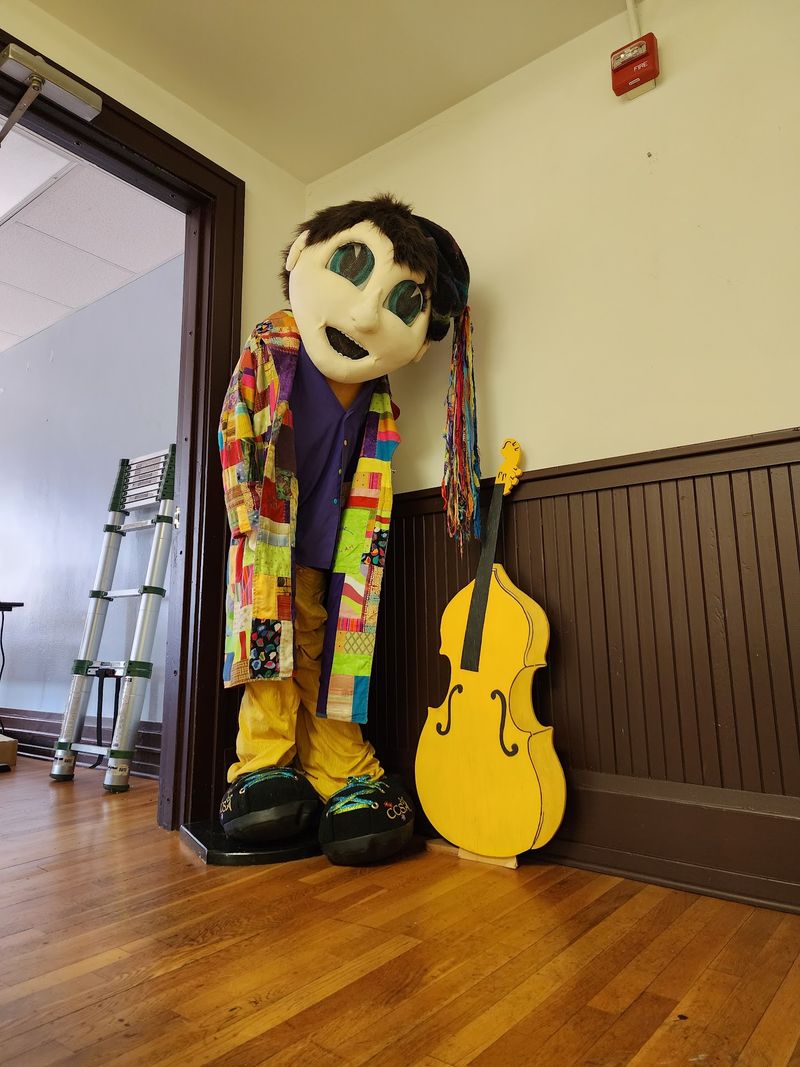
That is what makes Chestnut Creek School of the Arts in Galax so memorable. The school offers hands-on learning in glass, woodworking, fiber arts, metalsmithing, and other mediums, and each studio has its own mood.
Glass catches your eye first, but wood grain, woven texture, and hammered metal quickly make a case for slowing down and looking closer.
Downtown Galax adds charm to the visit, especially if you pair a class with time on Main Street or a stop to hear local music. The Blue Ridge setting gives everything a little more texture, as if the landscape itself understands tradition.
By the time you leave, the materials no longer feel ordinary. A sheet of glass, a block of wood, or a length of fiber starts to look full of possibility, and that shift in perspective is part of what makes the school stand out.
Wayne C. Henderson School of Appalachian Arts – Marion, Virginia
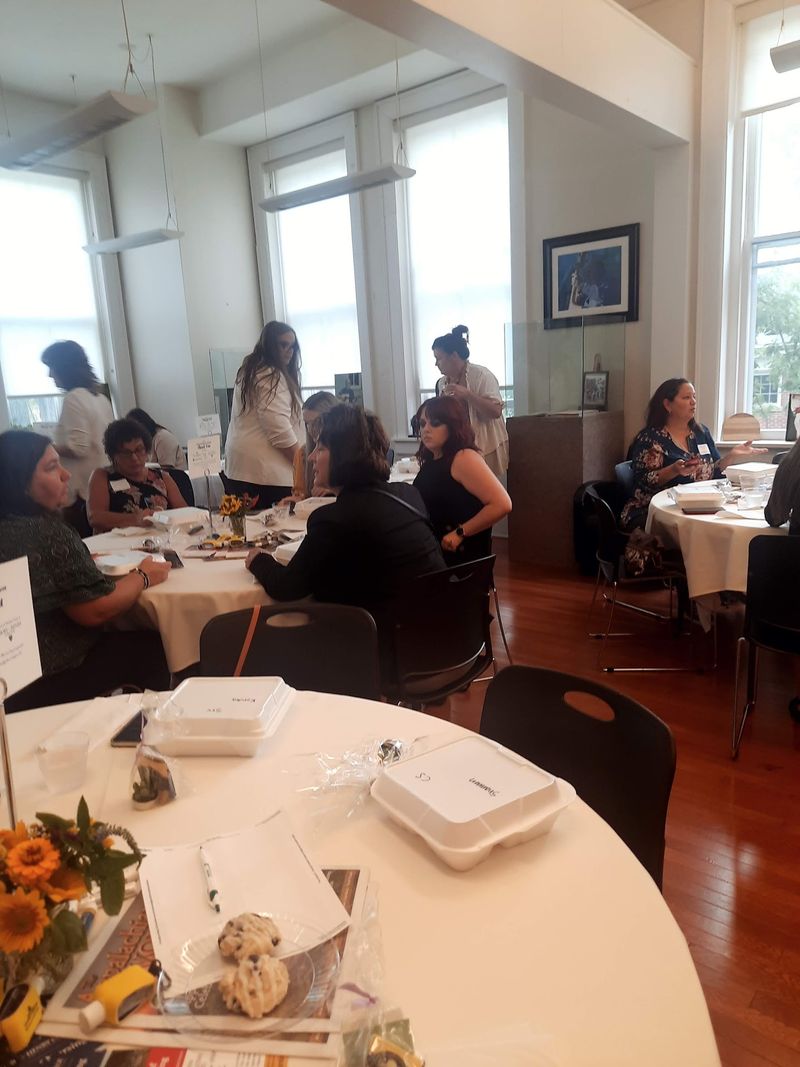
Some places teach technique. Others carry a whole culture in the room, and you can feel it as soon as you walk through the door.
The old building seems to hold decades of songs, stories, and careful work.
At the Wayne C. Henderson School of Appalachian Arts in Marion, craft is treated as something living, not frozen behind glass.
Programs reflect Southern Appalachian traditions and often include woodworking, quilting, pottery, printmaking, and other hands-on arts tied to the region. That makes a class feel bigger than a hobby.
You start to see each object as part of a line of knowledge passed from one person to another.
The schoolhouse setting adds weight to the experience, and Marion’s small-town streets make it easy to imagine older craft traditions still moving through daily life. A simple lunch downtown or a walk past brick storefronts fits naturally into the day.
Visitors often come away with more than a project or a few new skills. They leave with a clearer understanding that handmade work can protect memory, connect neighbors, and keep local identity strong in a fast-moving world.
Virginia Institute of Blacksmithing – Waynesboro, Virginia
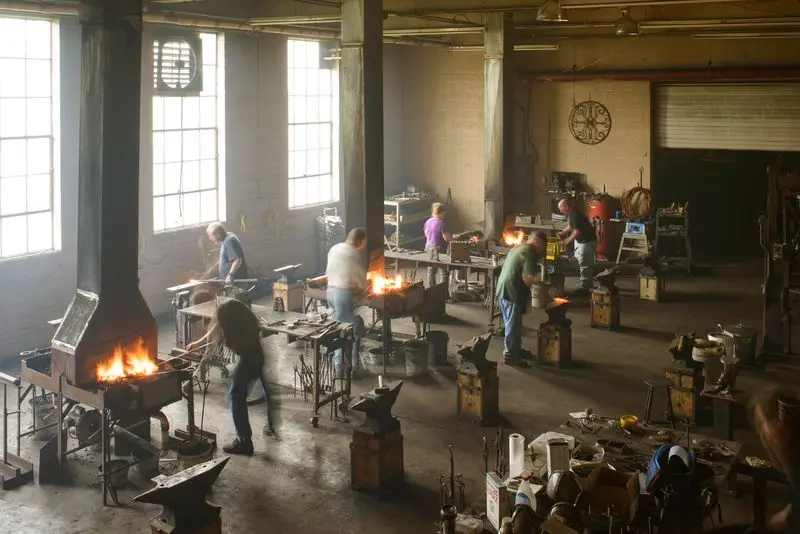
Heat changes the whole mood of a room. The forge glows, metal brightens, and every hammer strike sounds like a clear reminder that useful things can still begin with fire and muscle.
That is the draw of the Virginia Institute of Blacksmithing in Waynesboro. It focuses on blacksmithing and related metalworking, offering workshops that let students make knives, hooks, tools, and decorative pieces while learning the basics of forging, shaping, and finishing steel.
Watching raw metal soften and respond is oddly satisfying. So is realizing how much control a skilled smith has to build through repetition.
The sounds stay with you, but so do the details, like the hiss of hot steel in water and the dark dust near the anvil. Even people who arrive mostly curious often get pulled in by the mix of problem solving, strength, and design.
Few places explain handmade labor as clearly as this one. After a session, mass-produced metal goods can seem strangely empty, because now you know what it means to shape an object one strike at a time.
Virginia Commonwealth University Department of Craft and Material Studies – Richmond, Virginia
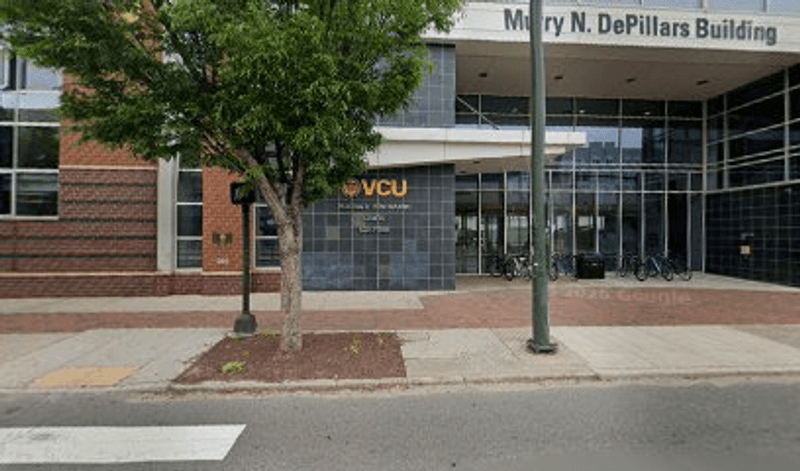
The FAB: Craft and Material Studies
Not every craft space feels old-fashioned. Some feel bold, experimental, and deeply thoughtful, where a chair, a bowl, or a woven form can carry just as much meaning as a painting on a gallery wall.
That spirit defines the Department of Craft and Material Studies at Virginia Commonwealth University in Richmond. Here, ceramics, fiber, furniture and wood, glass, and jewelry and metalsmithing are studied with real academic depth.
Students are not only learning techniques. They are also asking what materials mean, how form shapes experience, and why handmade work still matters in modern art and daily life.
Richmond adds to the appeal because the city already has a strong creative pulse, with galleries, murals, and lively neighborhoods nearby. Spending time around campus makes it easy to see how serious craft can also feel fresh and current.
For visitors, the big takeaway is respect. A crafted object may look simple at first glance, but this program reveals the planning, research, and skill behind it.
That makes handmade work feel less like a trend and more like a language.
The Art League School – Alexandria, Virginia
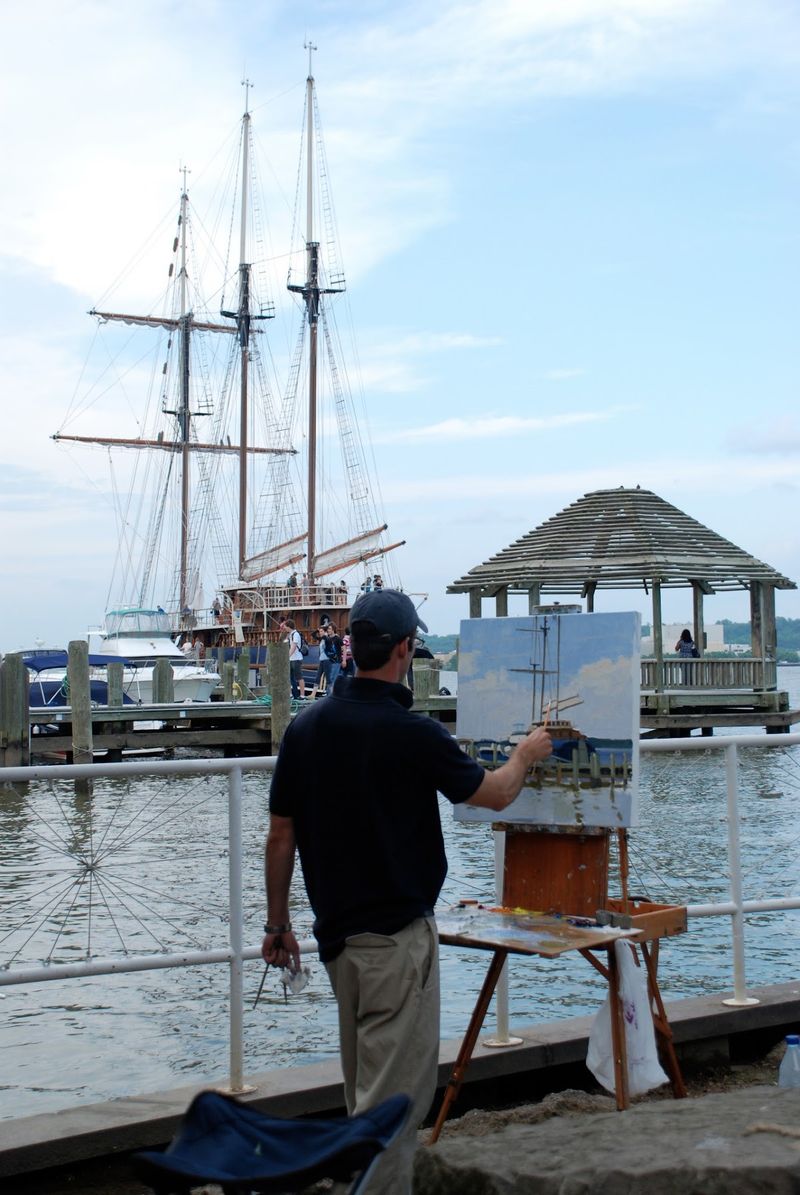
Cobblestone streets and river light set the stage, but the real surprise is upstairs, where quiet concentration turns clay, glass, and metal into objects with personality. It feels both polished and welcoming, like a place that takes art seriously without making newcomers feel small.
The Art League School in Alexandria offers a wide range of hands-on classes, including pottery, jewelry, stained glass, mosaics, fiber arts, and sculpture. Because the school sits in Old Town, the creative work inside plays nicely against the historic streets outside.
You can spend part of the day shaping clay or learning soldering basics, then step out for a waterfront walk or an easy lunch nearby.
There is also something appealing about the variety. One classroom may be full of color and broken tile, while another centers on the calm, steady rhythm of the pottery wheel.
That mix makes the school feel lively rather than predictable.
Visitors leave with a stronger sense that handmade work belongs in everyday life, not only in museums. A bowl, pendant, or glass panel becomes more meaningful when you have watched the process unfold piece by piece.
Workhouse Arts Center – Lorton, Virginia
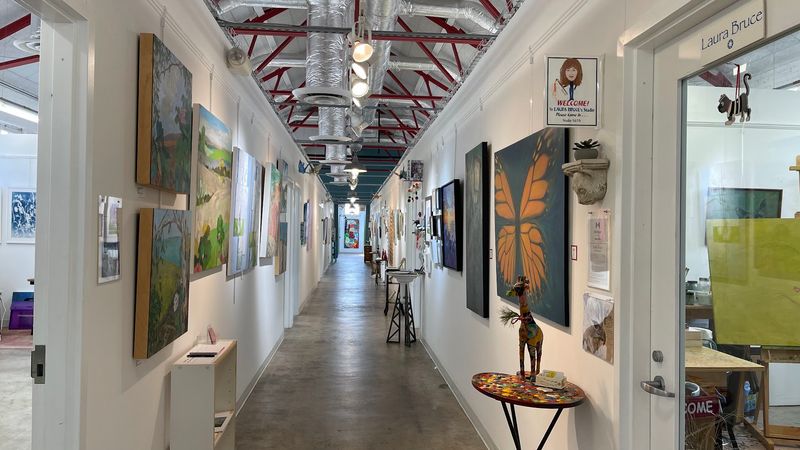
Few creative places begin with such a heavy past. Old walls and long hallways could have felt gloomy, yet the campus now buzzes with color, conversation, and the satisfying mess that comes from people making things by hand.
Workhouse Arts Center in Lorton turns that contrast into part of its power. Set on the grounds of a former prison complex, it now offers classes and programs in ceramics, glass, fiber arts, paper crafts, stained glass, flameworking, and more.
The setting gives each studio extra character. Watching molten glass gather at the end of a pipe in a place once built for confinement makes creativity feel especially hard won.
The campus is large enough to wander, and that matters. You might spot an exhibit, pass another classroom in session, or pause outside between buildings before heading back in for a different kind of workshop.
What makes it memorable is not just the class list. It is the sense of transformation, both personal and physical.
Handmade work here feels tied to resilience, imagination, and the simple human need to build something better from what already exists.
Chrysler Museum Glass Studio – Norfolk, Virginia
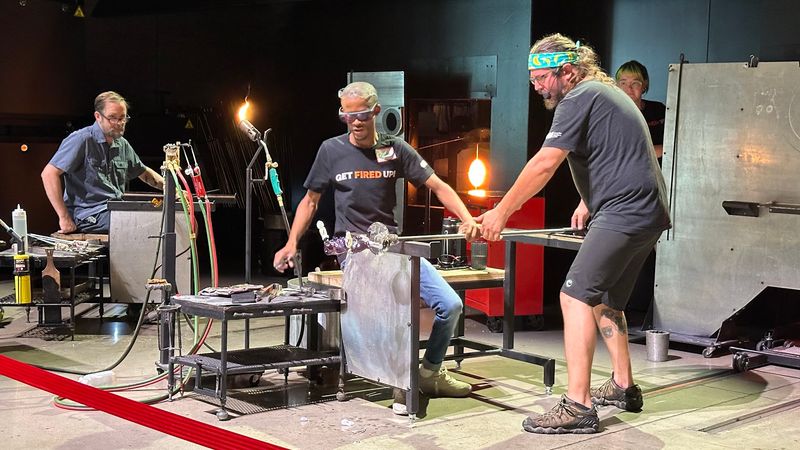
Glass has a way of stopping people mid-step. One second it looks dangerous and unruly, the next it bends into a clean curve, a flower, or a small glowing bowl under careful hands.
At the Chrysler Museum Glass Studio in Norfolk, that transformation happens right in front of you. The studio offers public classes and demonstrations focused on glassmaking, giving visitors a rare close look at how heat, timing, teamwork, and steady movement all come together.
A furnace burns hot enough to make the room feel almost theatrical, and the tools look simple until you see how precisely they have to be used.
Because it sits alongside the larger museum, the experience works on two levels. You can watch live making in the studio, then connect it to finished glass art nearby.
Norfolk’s waterfront setting adds another nice layer, especially if you make a day of the visit.
After spending time here, glass stops seeming delicate in a distant way. It becomes a material shaped through courage, control, and repeated practice, which gives every finished piece a deeper sense of effort and wonder.
Visual Arts Center of Richmond – Richmond, Virginia
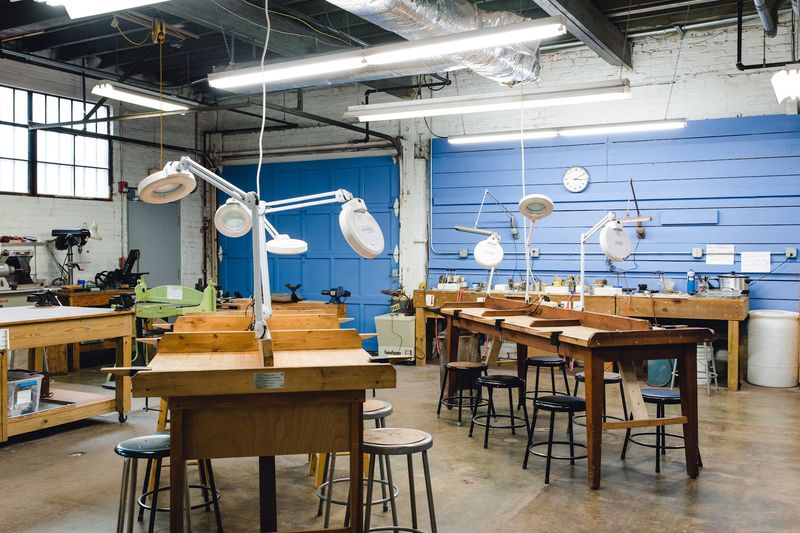
Some schools feel specialized and quiet. Others feel like a creative city packed into one building, where every hallway suggests a new material, a new skill, or a new reason to get your hands moving.
The Visual Arts Center of Richmond has that generous kind of energy. With classes across clay, wood, fiber, glass, metal, and decorative arts, it gives beginners and experienced makers plenty of ways to experiment.
The range matters because it helps visitors notice connections between crafts. A lesson in weaving can sharpen your eye for texture, while a clay class can change how you think about form and balance.
The neighborhood adds momentum too. Richmond is already a strong arts city, so a class here can easily become part of a larger day that includes murals, coffee shops, bookstores, or gallery stops along the way.
What stands out most is access. Handmade work can sometimes seem reserved for experts, yet this center makes it feel approachable without watering it down.
You leave with a renewed respect for the skill involved and a useful reminder that creativity grows through practice, not perfection.
The Arts Center in Orange – Orange, Virginia
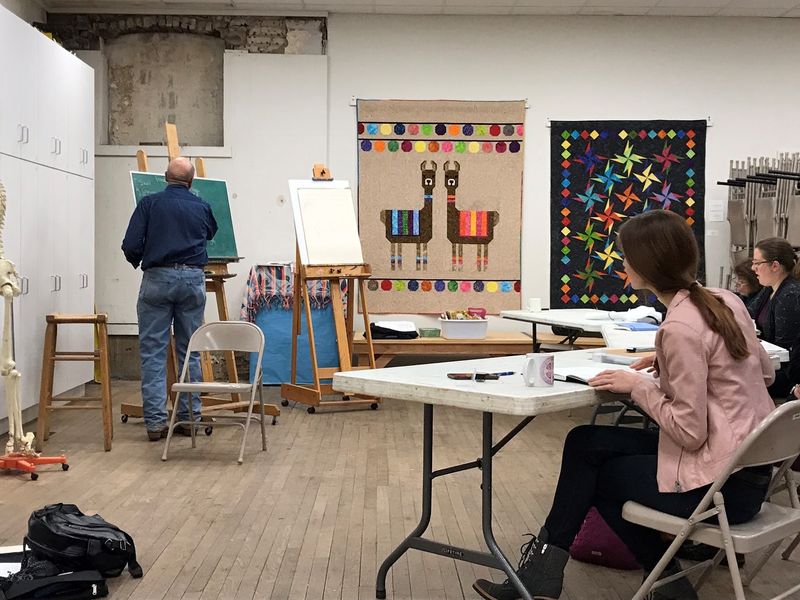
Small towns often surprise you with the places where people gather, learn, and make something lasting. Here, the creative heart beats inside a friendly space where beginners can relax and start before they feel fully ready.
The Arts Center in Orange brings that kind of welcome to downtown Orange. Known for its ceramics studio and hands-on workshops, it offers chances to try wheel throwing, hand-building, fiber arts, and other crafts in a setting that feels personal instead of intimidating.
There is something memorable about watching a lump of clay wobble on the wheel and slowly become a bowl, even if it leans a little on the first try.
Main Street gives the visit an easy pace. You can step out after class, look around town, and carry that quiet feeling of concentration with you.
The center’s local focus also means the experience feels tied to the community, not dropped in from somewhere else.
That connection is what makes the place worth seeking out. Handmade work feels more human here, because you can see neighbors teaching neighbors and simple materials turning into objects that carry time, effort, and care.