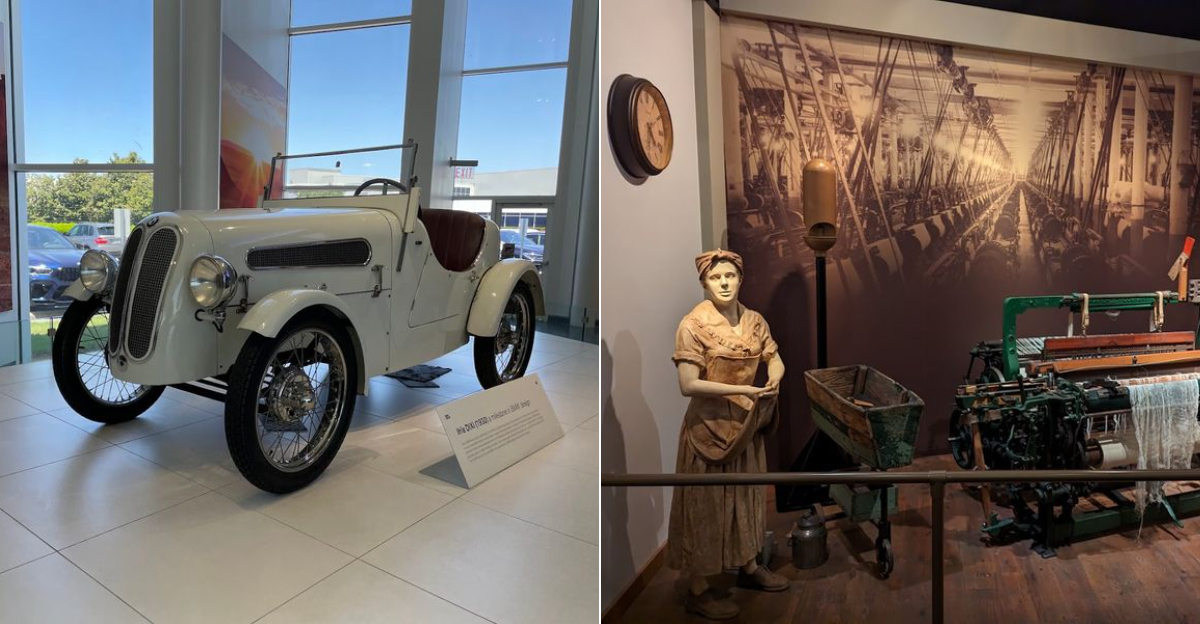
Confession time: we expected a few polite plaques, some hushed galleries, and maybe one decent gift shop, but South Carolina’s museums completely upended that lazy stereotype and turned our day trips into stories worth retelling.
Across Columbia, Charleston, Greenville, Rock Hill, Greer, Mount Pleasant, and Parris Island, these places delivered giant locomotives, aircraft carriers, bold art, hands-on science, military history, and cultural storytelling that hit harder than any brochure promised.
Some stops made us laugh, some made us think, and a few had us lingering far longer than planned because every room kept pulling us forward.
If you’re ready to trade one more predictable outing for spaces that surprise, entertain, and genuinely teach you something, start with these 11 South Carolina museums and let your itinerary get wonderfully smarter, weirder, and a whole lot more fun.
1. South Carolina State Museum
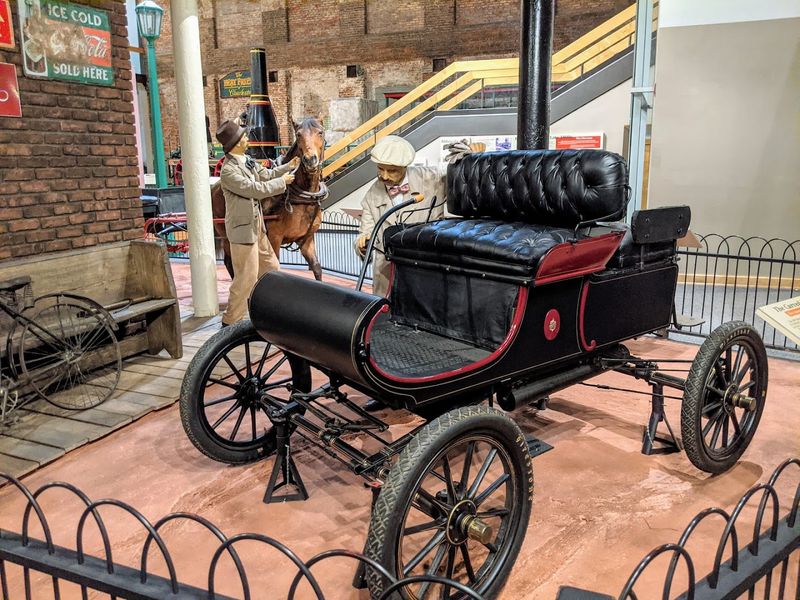
From the outside, the South Carolina State Museum in Columbia looks impressively serious.
Step inside, though, and the place starts showing off with four floors of science, art, history, and technology.
Housed in a former textile mill on Gervais Street, it feels big enough to swallow an entire rainy afternoon in the best possible way.
The variety is what makes this museum such a crowd pleaser.
One minute you are staring at a massive prehistoric skeleton, and the next you are deep into South Carolina art, space exhibits, or old machinery that reminds you how hard people used to work before touchscreens existed.
The planetarium and observatory add extra star power if you want your visit to stretch into something even more memorable.
I especially liked how easy it is to build your own pace here.
Families can bounce toward hands-on galleries, while history lovers can slow down with Civil War objects, regional artifacts, and changing exhibitions.
Nothing feels overly stuffy, which is a minor miracle for a museum this comprehensive.
If you are spending time in downtown Columbia, this is the museum I would tell you not to skip.
It is smart, accessible, and packed with enough surprises to keep your inner nerd cheerfully occupied.
Bring comfortable shoes and a little curiosity, because both will get a workout.
2. Patriots Point Naval & Maritime Museum

Nothing says memorable museum day quite like walking onto an aircraft carrier.
At Patriots Point Naval & Maritime Museum in Mount Pleasant, the headline act is the USS Yorktown, and yes, it is every bit as massive and cinematic as you hope.
Docked across the harbor from Charleston, this site delivers sea breezes, steel corridors, and enough naval history to make your sneakers feel patriotic.
The experience works because it is not just about reading signs.
You move through sleeping quarters, command areas, flight deck spaces, and narrow passages that instantly make modern apartments seem absurdly roomy.
The shipboard perspective gives military history a human scale, especially when you imagine daily life for the crew who served here.
Beyond the carrier, you can explore additional vessels and aircraft displays that expand the story.
Families tend to love the sense of adventure, while history buffs can lose track of time studying the details of aviation, combat, and maritime operations.
The setting on Charleston Harbor adds a dramatic backdrop that never hurts.
If you want a museum that feels part history lesson and part giant floating time capsule, this is your stop.
Go early, wear breathable clothes, and give yourself plenty of time.
This place is enormous, and rushing it would be like speed-reading an action movie.
3. The Charleston Museum
Charleston has plenty of beautiful distractions, yet The Charleston Museum earns your attention fast.
Often called America’s first museum, it sits on Meeting Street and balances deep history with a surprisingly approachable vibe.
Instead of feeling dusty or distant, it feels like Charleston decided to tell you its life story room by room.
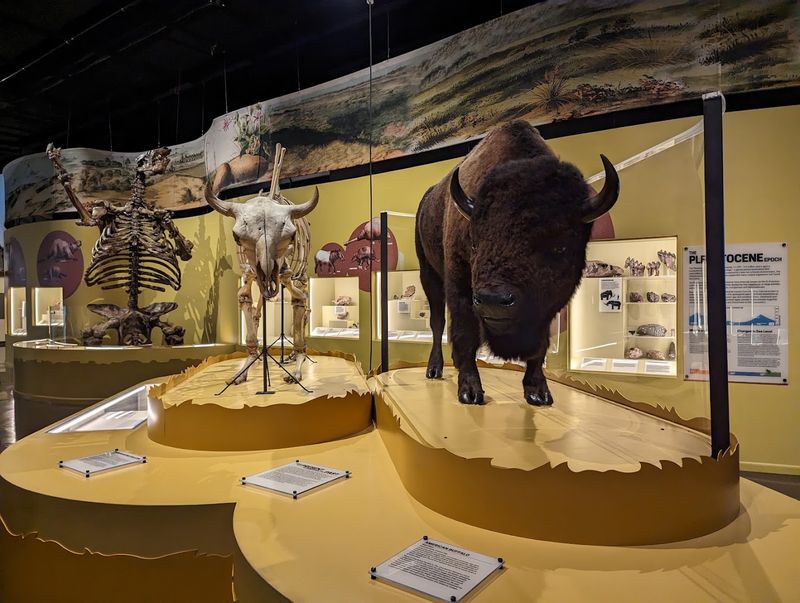
The collections span natural history, decorative arts, archaeology, and regional culture, so your brain never settles into autopilot.
One gallery might bring fossils and wildlife into view, while another plunges you into furniture, textiles, silver, and objects tied to Lowcountry life.
That range keeps the visit lively, especially if your travel group can never agree on what counts as interesting.
I liked how the museum connects big history to local texture.
You start noticing how Charleston’s architecture, trade, environment, and social history all overlap in ways that make the city outside feel more legible.
It is the kind of place that upgrades the rest of your trip simply by giving everything more context.
If you love museums that reward curiosity without demanding a graduate seminar, this one lands beautifully.
Its central Charleston location also makes it an easy add between meals, walks, and historic house visits.
Consider it the intellectual appetizer that somehow turns into a very satisfying main course.
4. Gibbes Museum of Art
Art museums can sometimes feel like they are daring you to be intimidated.
The Gibbes Museum of Art in downtown Charleston does the opposite, welcoming you in with graceful architecture and galleries that feel polished but never cold.
Set along Meeting Street, it is one of those places where you instantly stand a little straighter without becoming remotely bored.
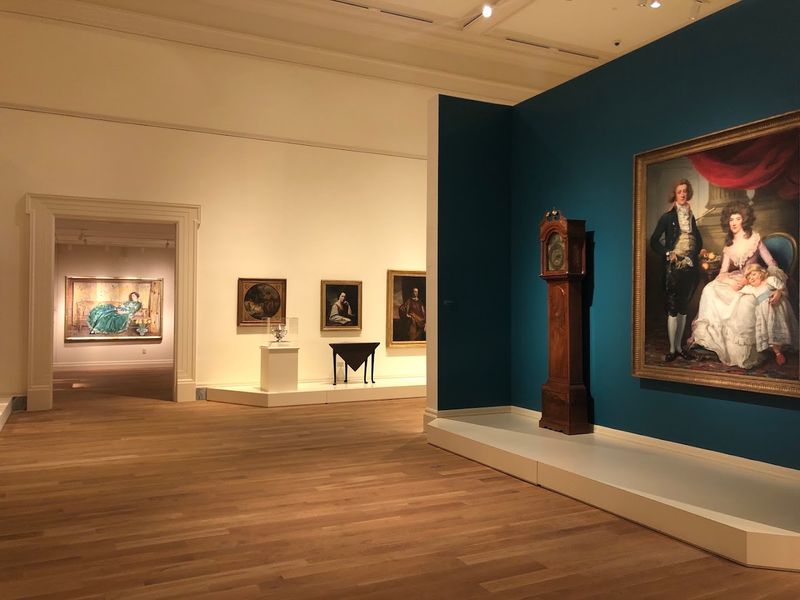
The museum focuses on American art with strong connections to the South and Charleston in particular.
That local grounding gives the collection personality, whether you are looking at portraits, landscapes, modern works, or temporary exhibitions that shift the tone from room to room.
You do not need an art history degree to enjoy the mix, which is always a nice ego boost.
What stayed with me most was how the museum reflects Charleston beyond postcard charm.
Its galleries reveal the city’s beauty, complexity, and evolving artistic voice rather than serving up pretty images alone.
That makes the visit feel richer than a quick visual snack.
This is an ideal stop if you want culture with a side of air conditioning and calm.
The scale is manageable, the setting is lovely, and the artwork gives you plenty to discuss afterward over coffee or a very justified pastry.
For a Charleston museum day, the Gibbes adds elegance without any stiffness.
5. Upcountry History Museum
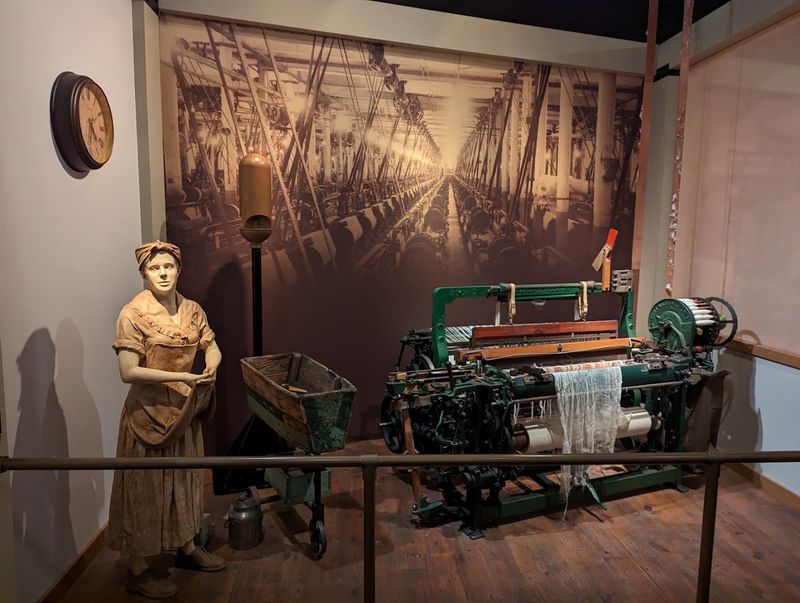
Greenville knows how to charm people outdoors, but the Upcountry History Museum proves the city has indoor game too.
Located near Heritage Green, this Smithsonian Affiliate explores the people and stories that shaped the Upcountry region of South Carolina.
It is compact enough to feel friendly and focused, yet layered enough to keep you reading just one more panel.
The museum covers regional culture, industry, change, and everyday life with exhibits that connect broad events to real communities.
You get a clearer sense of how the Upcountry developed, from early settlement and work life to social change and civic identity.
That regional emphasis makes the experience feel more intimate than a giant statewide survey.
I appreciated the way the exhibits make local history feel relevant instead of trapped behind glass.
Objects, photographs, and rotating displays help you see how Greenville and surrounding areas became what they are today.
If you like learning the backstory of a place while actually enjoying yourself, this museum delivers.
It is also an easy stop to pair with downtown Greenville’s restaurants, parks, and walkable streets.
Families, casual visitors, and dedicated history lovers can all find something here without feeling overwhelmed.
Think of it as a sharp, well-paced conversation with the Upcountry, minus the awkward small talk.
6. EdVenture
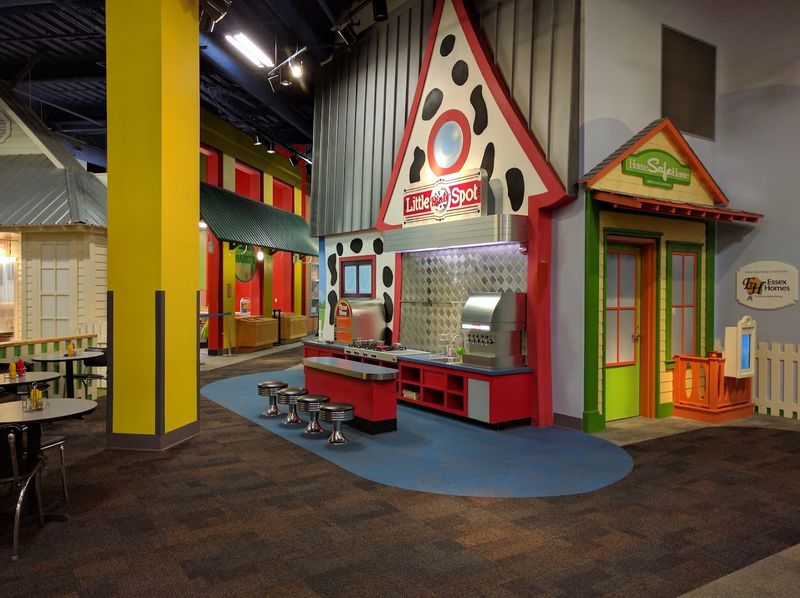
The noise level at EdVenture in Columbia tells you everything you need to know.
Kids are not being politely entertained here.
They are climbing, experimenting, splashing, building, and generally having the kind of educational fun that makes adults wish their own field trips had been this cool.
Located near the South Carolina State Museum, EdVenture is one of the largest children’s museums in the Southeast.
Its giant EDDIE sculpture is the star attraction, letting visitors explore the human body in a way that is equal parts weird, brilliant, and unforgettable.
If your child has ever asked a question at full volume in public, this place was built for that energy.
The exhibits encourage movement and curiosity rather than passive looking.
Science, health, nature, and everyday problem solving all get hands-on treatment, which means children can learn without realizing anyone has hidden vegetables in the pasta.
Parents usually appreciate that trick almost as much as the kids appreciate the climbing spaces.
This museum is best for families, but even adults can admire how thoughtfully the experience is designed.
It turns learning into active play and keeps little minds engaged longer than most restaurants manage with crayons.
For a Columbia outing with genuine wow factor, EdVenture earns its very enthusiastic fan club.
7. BMW Zentrum
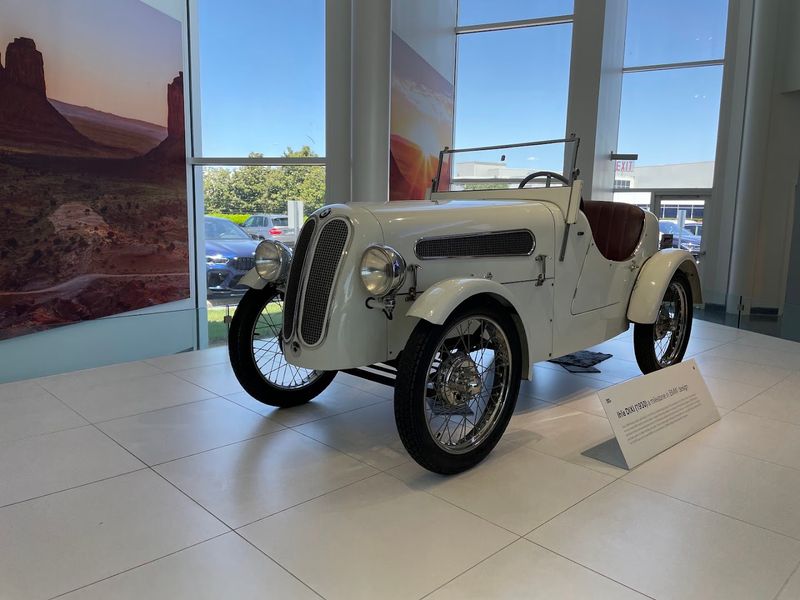
The first thing you notice at BMW Zentrum in Greer is the shine.
Everything gleams, from the cars to the architecture to the dreams of anyone who has ever pretended a highway on-ramp was a racetrack.
Located beside the BMW manufacturing plant, this museum delivers a sleek, high-design look at the brand’s engineering and story in the Upstate.
You do not have to be a car obsessive to enjoy it, although the obsessives will absolutely be in their element.
The displays highlight classic models, performance details, design evolution, and the company’s local manufacturing connection in South Carolina.
That mix gives the space more depth than a simple showroom, and far more personality than a parking lot full of beige sedans.
I liked how the museum balances polished style with actual substance.
You come away with a better sense of how BMW thinks about innovation, speed, branding, and production, especially in relation to its Greer operations.
It feels aspirational, but still informative enough for curious visitors who just wandered in off Interstate 85.
If your road trip group includes even one car person, this stop is an easy yes.
It is modern, manageable, and refreshingly different from the usual historic-house circuit.
Consider it a museum where horsepower gets treated like fine art, and honestly, that is pretty fun.
8. South Carolina Military Museum
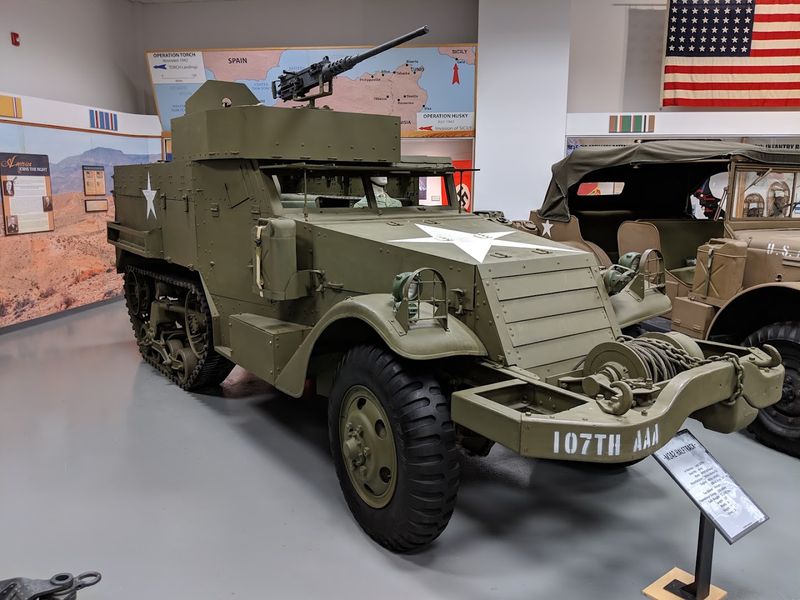
Tucked into Columbia, the South Carolina Military Museum packs far more punch than many first-time visitors expect.
Located in the historic Crackerneck Barracks area on Bluff Road, it traces the state’s military story from the colonial era through modern conflicts.
The result is a focused museum that gives context, scale, and human detail to a subject that can easily become too abstract elsewhere.
Exhibits include uniforms, weapons, photographs, documents, and vehicles that help anchor the narrative in real people and real service.
Instead of treating history like a parade of dates, the museum shows how South Carolinians were shaped by wars, deployments, and military institutions over time.
That makes the visit feel grounded and surprisingly personal.
I found the museum especially effective because it is clear and direct.
You do not need prior military knowledge to follow the story, and you can still appreciate the depth if you already know the broad outlines.
There is a seriousness here, but not a coldness.
If you are building a Columbia itinerary around places that teach without overwhelming, this museum deserves a slot.
It offers a strong overview in a manageable space and leaves you with a better understanding of the state’s role in national events.
Sometimes the quieter museums are the ones that linger longest afterward.
9. Parris Island Museum
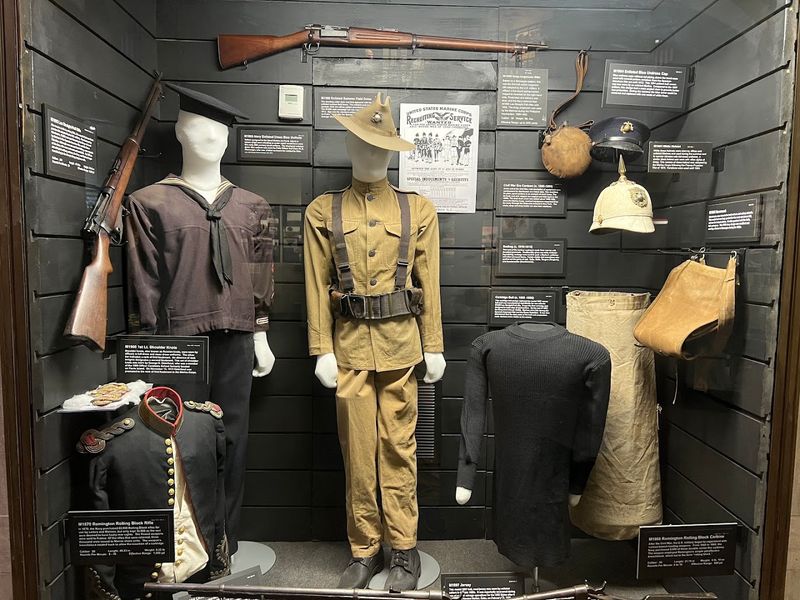
At Parris Island Museum, the setting adds gravity before you even read the first exhibit label.
Located at Marine Corps Recruit Depot Parris Island near Beaufort, the museum explores the history of the Marine Corps, the depot, and the surrounding region.
That combination gives the visit both military weight and a broader sense of place.
Inside, you will find artifacts, uniforms, photographs, and displays that trace the development of Marine training and service.
The exhibits also touch on local history, including the cultural and geographic story of the Sea Islands, which gives the museum a wider lens than many expect.
It is not all drill-field intensity, though that legacy is certainly present.
What makes this museum memorable is the feeling that you are standing close to a living tradition.
Parris Island is still synonymous with Marine training, so the historical material carries an immediacy that static galleries often lack.
Even visitors without military ties can sense that this place matters deeply to many people.
If you are exploring the Beaufort area and want a museum with substance and perspective, this one is worth the detour.
Check access details before visiting, since it is on a military installation.
Once there, expect a thoughtful stop that is more reflective than flashy and all the better for it.
10. International African American Museum
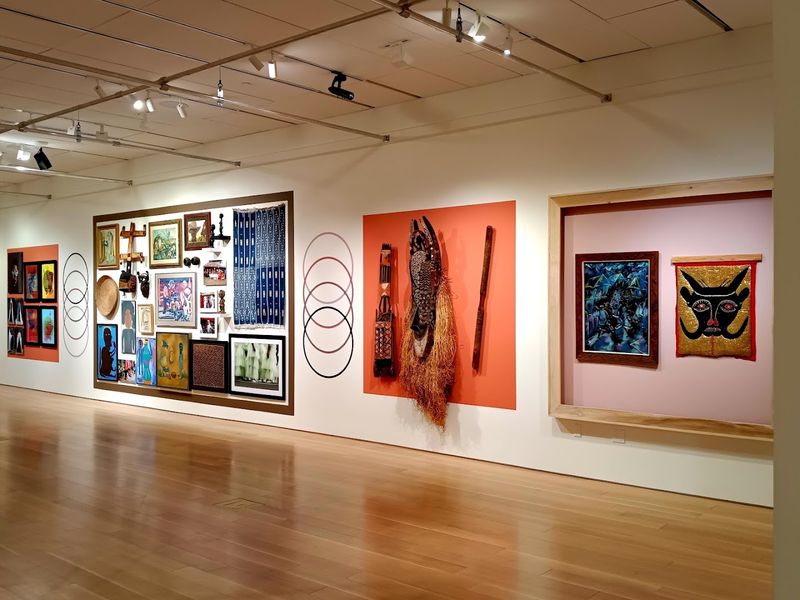
Some museums entertain you, and some change the emotional temperature of your entire trip.
The International African American Museum in Charleston does both with remarkable power.
Located at Gadsden’s Wharf, where many enslaved Africans first entered this country, the site carries a significance that is impossible to ignore.
Inside, the museum presents African American history and culture with depth, clarity, and human focus.
The exhibitions move through stories of resilience, memory, creativity, family, faith, resistance, and legacy in ways that feel immersive rather than distant.
You do not simply consume information here.
You absorb it.
I was struck by how thoughtfully the museum balances pain and perseverance.
It tells difficult truths without reducing people to suffering alone, and it creates space for reflection without losing narrative momentum.
That is a hard line to walk, and this institution handles it with extraordinary care.
This is one of Charleston’s most essential cultural experiences, not just another item to tick off a sightseeing list.
Give yourself time, move slowly, and expect to leave with more than facts.
You may walk out quieter, wiser, and more aware of how history lives in landscapes, families, and the stories a nation still needs to hear.
11. Museum of York County
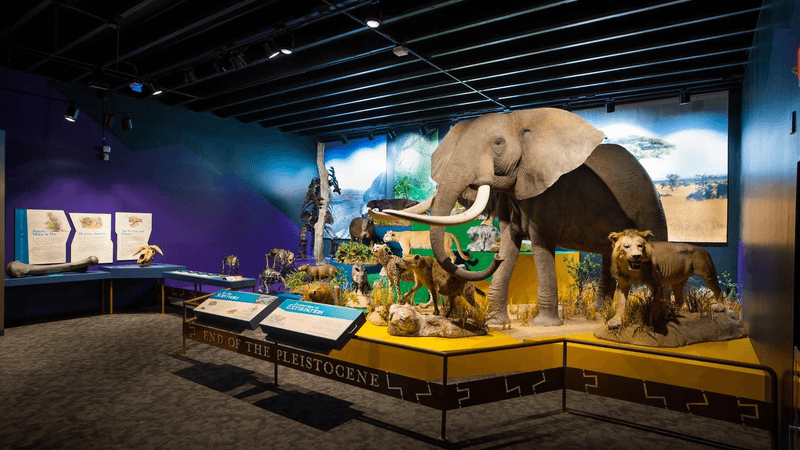
Rock Hill’s Museum of York County is the kind of place that sneaks up on you.
You might expect a modest local museum, then suddenly you are face to face with impressive natural history exhibits, regional artifacts, and enough visual interest to keep everyone awake and engaged.
Part of Culture and Heritage Museums, it gives York County a remarkably lively introduction.
The museum is especially strong in natural history.
Fossils, mounted specimens, and environmental displays help explain the region’s landscapes and creatures in a way that feels accessible rather than overly technical.
If you have ever wanted your geology and wildlife with a side of regional personality, this is your moment.
I also liked the broader community context woven into the visit.
The museum helps connect local identity to the land itself, which gives the experience more texture than a standard science stop.
Families often appreciate the educational value, while adults quietly enjoy learning things they definitely should have known already.
Located in Rock Hill, it is an easy and worthwhile destination for curious travelers in the northern part of the state.
The museum’s scale makes it manageable, but the content still feels rich and varied.
Think of it as a smart, low-stress outing that leaves you with better trivia and a renewed respect for ancient bones.