Iowa hides some of the Midwest’s most unforgettable wildlife escapes.
Step beyond the highways and you’ll find bison grazing across open prairie, quiet marshes alive with birdsong, and wooded trails where every bend brings the chance to spot something wild. These peaceful places slow you down in the best possible way.
Some sanctuaries are famous for bald eagles and migrating waterfowl. Others invite you to wander through restored grasslands, paddle calm backwaters, or simply soak in the sounds of nature.
Every stop offers a different glimpse of Iowa’s rich natural beauty.
We expected a few scenic walks. What we found were places that made us linger long after we planned to leave.
If you’re craving fresh air, beautiful views, and unforgettable wildlife encounters, these 10 Iowa sanctuaries deserve a spot on your travel list.
Neal Smith National Wildlife Refuge (Prairie City)
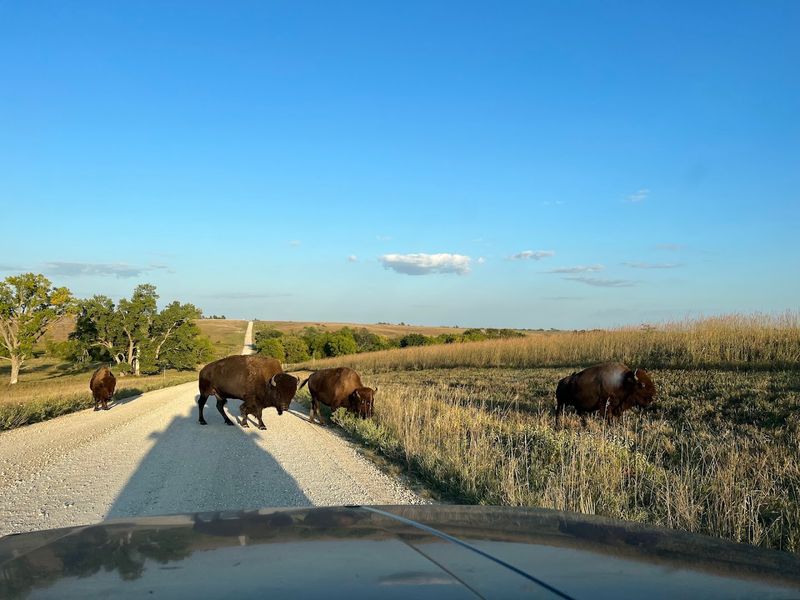
Watching a herd of bison thunder across restored prairie grasslands creates memories that stick with you forever. Neal Smith National Wildlife Refuge brings back the landscape that once covered Iowa, complete with shaggy bison and majestic elk roaming exactly as they did centuries ago.
The 8,654-acre refuge represents one of the largest prairie reconstruction projects in the nation.
Drive the auto tour route at your own pace, stopping whenever wildlife appears or wildflowers catch your attention. Miles of hiking trails wind through different habitats, from prairie ridges to oak savannas.
The Prairie Learning Center provides fascinating exhibits about restoration efforts and the animals that call this place home.
Spring brings baby bison calves and vibrant wildflowers painting the hills purple, yellow, and white. Fall transforms the grasses into golden waves that ripple in the wind.
Early morning visits often reward patient observers with the best wildlife sightings when animals are most active and the light creates perfect photography conditions throughout the refuge.
Port Louisa National Wildlife Refuge (Wapello & Louisa Counties)
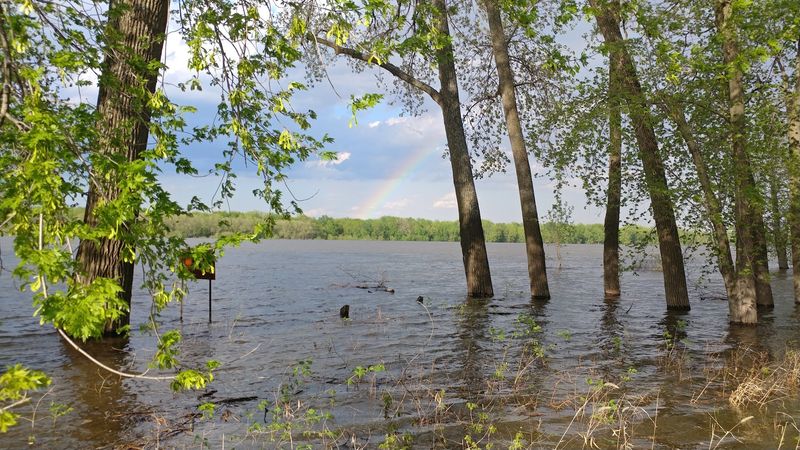
Bird enthusiasts mark their calendars for migration seasons at Port Louisa, where the Mississippi River creates perfect conditions for thousands of traveling waterfowl. This 11,000-acre refuge stretches along backwater lakes and bottomland forests that serve as essential rest stops for birds journeying between breeding and wintering grounds.
Spotting your first American white pelican or hearing the calls of sandhill cranes overhead becomes absolutely addicting.
Several distinct units offer different experiences, from easy walking trails to secluded spots accessible only by boat. The Big Timber Unit features a levee trail perfect for beginners, while adventurous visitors can explore deeper into wetland areas.
Spring migration peaks in March and April when ducks, geese, and shorebirds arrive by the thousands.
Bring binoculars and a bird identification guide because you’ll want to document everything you see. Photographers find endless subjects here, from great blue herons fishing in shallow water to turtles sunning on logs.
The refuge truly shines during fall migration when waterfowl numbers reach their spectacular peak.
DeSoto National Wildlife Refuge (Missouri Valley)
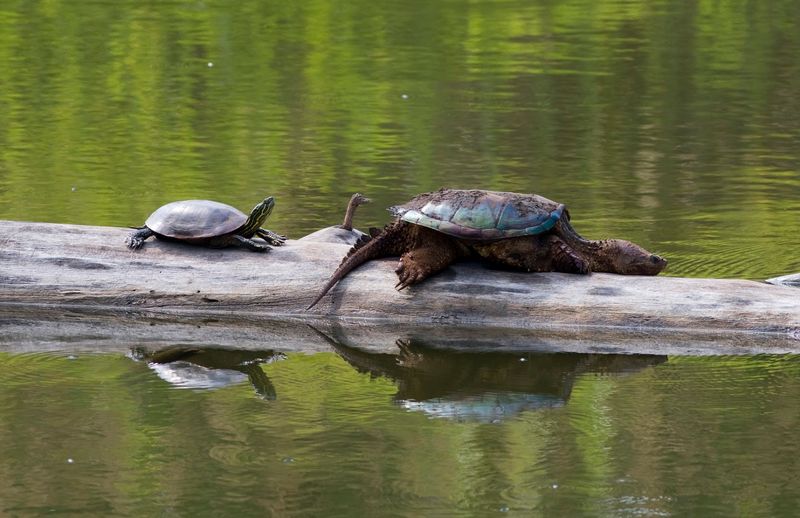
History and nature combine beautifully at DeSoto, where you can explore a wildlife refuge and discover treasures from a 19th-century steamboat all in one visit. The visitor center houses an impressive collection of artifacts recovered from the steamboat Bertrand, which sank in 1865 carrying supplies to Montana gold miners.
After browsing pickles still preserved in glass jars and old whiskey bottles, head outside to witness one of nature’s greatest shows.
Peak migration times transform DeSoto Lake into a staging area for hundreds of thousands of snow geese and ducks. The sound of countless wings filling the air creates an experience you’ll never forget.
Bald eagles arrive in winter, sometimes gathering in groups of fifty or more to hunt waterfowl in the lake’s open water.
The 12-mile auto tour route circles the lake, providing excellent viewing opportunities from your vehicle. Walking trails offer closer encounters with songbirds and small mammals.
Visit in November for the absolute best waterfowl numbers and eagle sightings.
Union Slough National Wildlife Refuge (Titonka)
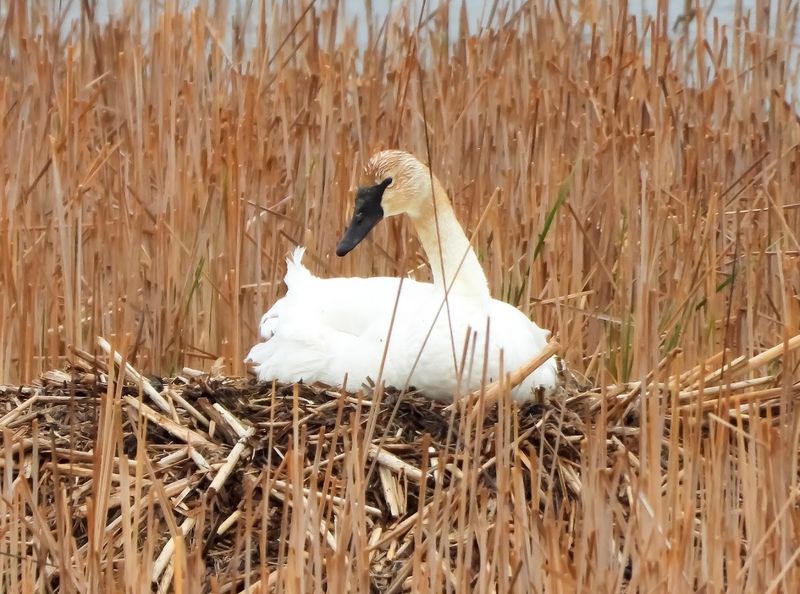
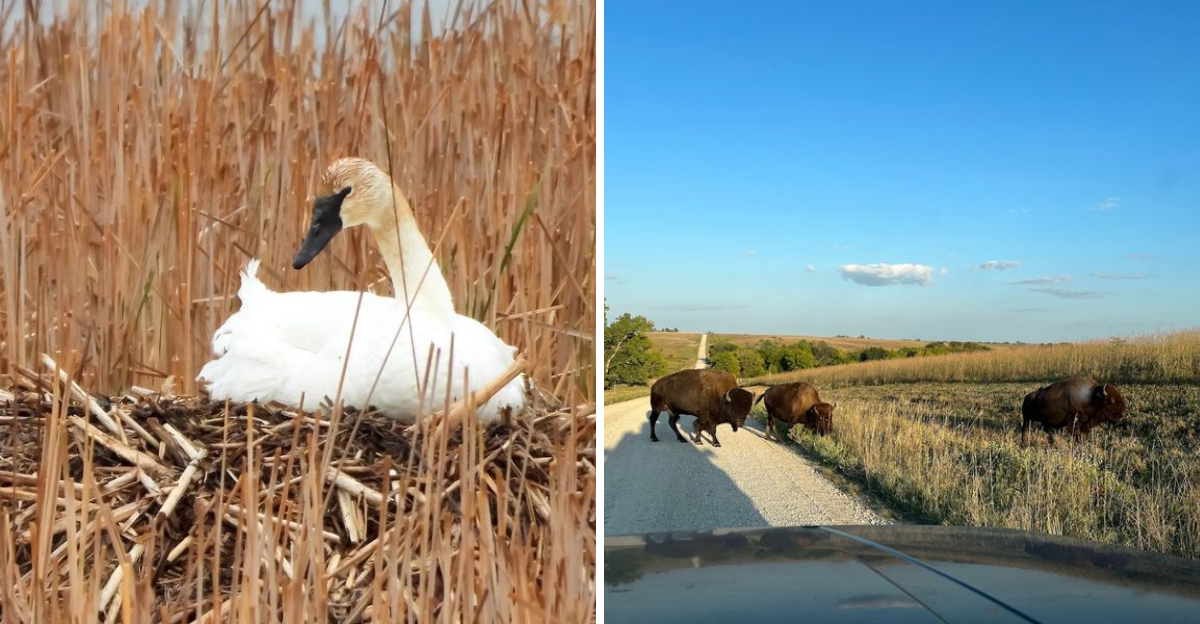
Nothing quite matches the elegance of trumpeter swans gliding across the water, and Union Slough provides front-row seats to these magnificent birds. As one of northern Iowa’s last remaining large wetlands, this 3,334-acre refuge protects critical habitat that almost disappeared entirely.
Conservation efforts here helped bring trumpeter swans back from near extinction in the Midwest.
Boardwalks and observation platforms let visitors explore without disturbing sensitive wetland areas. The refuge supports an amazing variety of marsh birds including American bitterns, sora rails, and Virginia rails that hide expertly in cattail stands.
Spring and fall bring waves of migrating waterfowl that use the wetland as a vital stopover point.
Summer transforms the refuge into a nursery where ducklings paddle behind their mothers and red-winged blackbirds defend their territories with energetic displays. Dragonflies dart across the water surface while frogs provide a constant background chorus.
The peace you feel here comes from experiencing nature operating exactly as it should, undisturbed and thriving beautifully.
Upper Mississippi River National Wildlife and Fish Refuge (McGregor District)
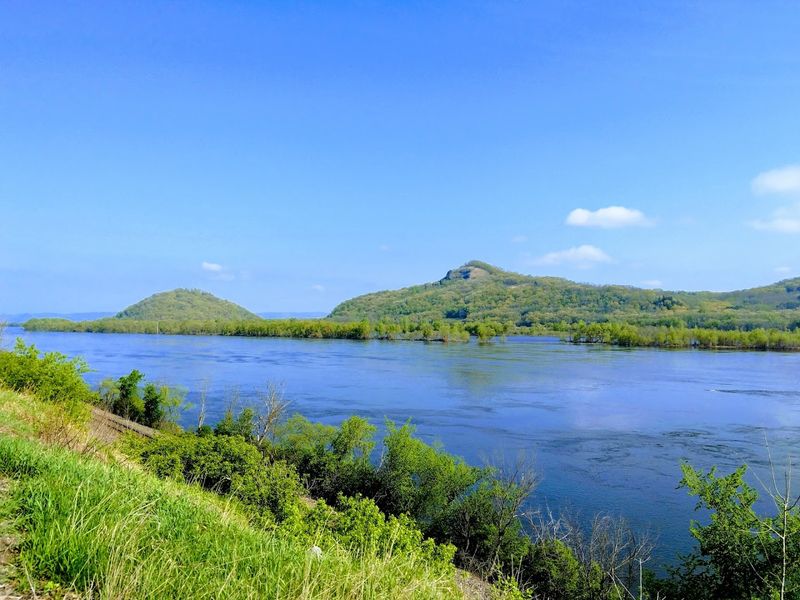
Towering limestone bluffs rise dramatically above the Mississippi River, creating scenery so stunning it belongs on postcards. The McGregor District offers some of Iowa’s most spectacular river views combined with wildlife watching that ranks among the best anywhere.
Backwater sloughs create quiet channels where great blue herons hunt patiently and wood ducks nest in tree cavities.
Bald eagles congregate here year-round, but winter concentrations near open water below Lock and Dam 9 can reach truly impressive numbers. Patient observers often spot dozens in a single afternoon.
The refuge protects 240,000 acres of habitat along 261 miles of river, providing homes for over 300 bird species.
Explore by boat for the ultimate experience, paddling through peaceful sloughs where river otters play and beavers build their lodges. Land-based visitors can access observation areas and hiking trails that climb bluffs for breathtaking views.
Spring wildflowers carpet the forest floor while fall foliage transforms the bluffs into tapestries of red, orange, and gold colors.
Iowa Raptor Project at Lake Macbride State Park (Solon)
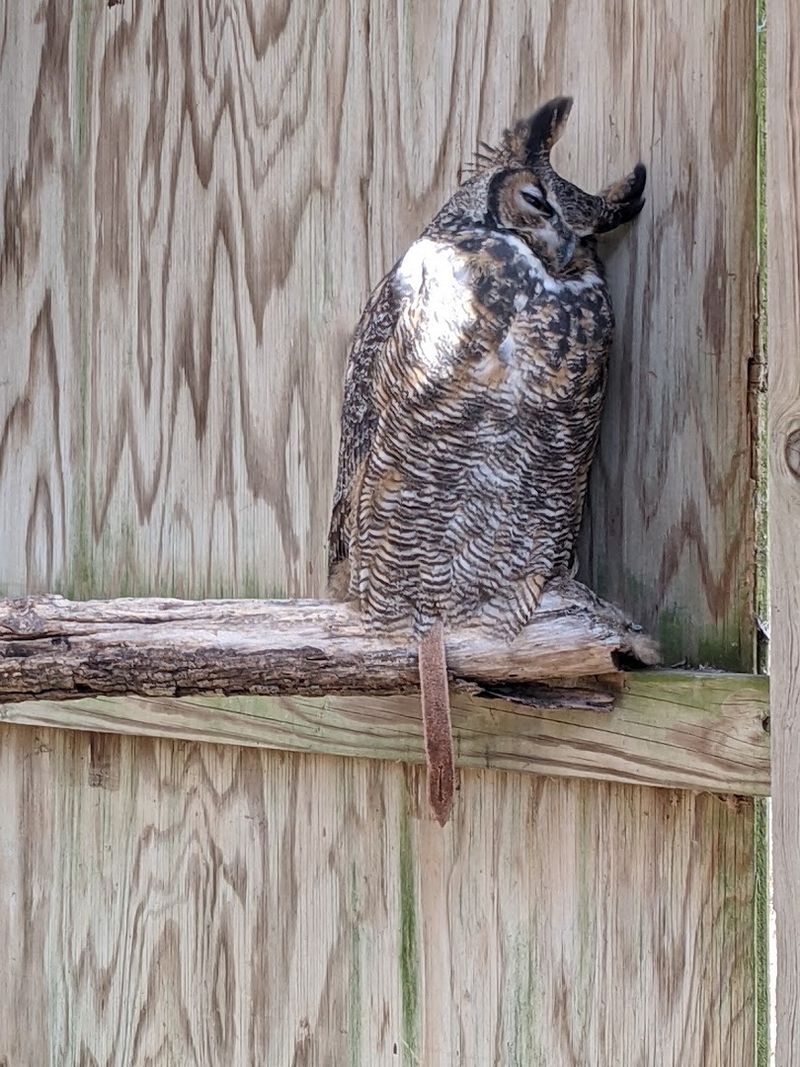
Meeting a hawk up close changes how you see these incredible hunters forever. The Iowa Raptor Project operates as both a rehabilitation center and educational facility, giving injured birds of prey a second chance while teaching visitors about raptor conservation.
Permanent resident birds that cannot return to the wild serve as ambassadors for their species.
Staff and volunteers share fascinating stories about each bird’s rescue and recovery journey. You might meet owls injured in collisions, hawks recovering from broken wings, or falcons learning to hunt again before release.
The dedication shown to helping these magnificent creatures really inspires appreciation for wildlife rehabilitation work.
Combined with Lake Macbride State Park’s excellent trails and natural areas, this becomes a perfect day trip destination. Walk the park’s wooded paths after visiting the raptor center to practice spotting wild raptors in their natural habitat.
Educational programs run regularly, offering deeper understanding of raptor biology, migration patterns, and conservation challenges. Many visitors return multiple times to check on favorite birds progressing through rehabilitation.
Big Marsh Wildlife Management Area (Butler County)
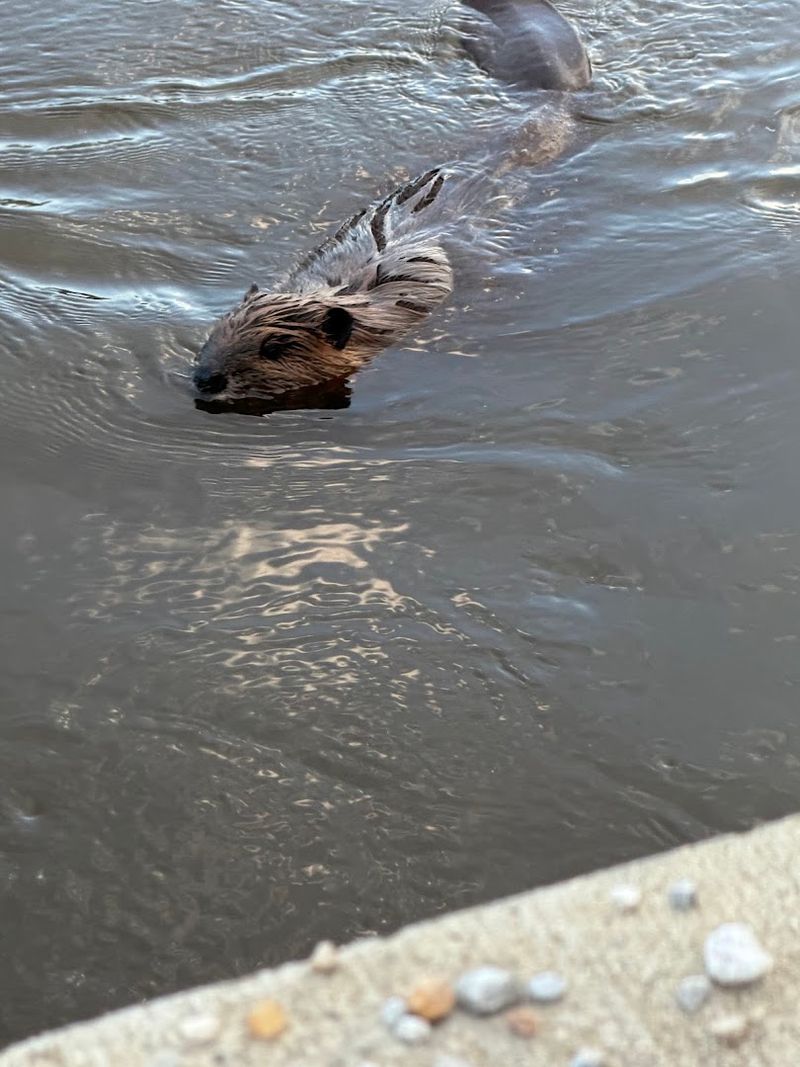
Serious wildlife photographers consider Big Marsh one of Iowa’s best-kept secrets for capturing stunning images. The 2,000-acre wetland complex attracts incredible diversity during migration seasons when ducks, geese, and shorebirds pack into shallow marsh areas.
Sandhill cranes perform their elegant courtship dances here in spring, creating unforgettable photography opportunities.
Unlike busier refuges, Big Marsh maintains a quieter atmosphere that photographers deeply appreciate. Observation blinds provide concealment for getting closer shots without disturbing wildlife.
Early morning light reflecting off calm water creates perfect conditions for dramatic images of birds taking flight or feeding in golden hour glow.
The shallow marsh habitat particularly attracts shorebirds that wade through mudflats searching for food. Species like yellowlegs, sandpipers, and plovers appear during spring migration, while fall brings huge flocks of ducks building energy reserves for their southern journey.
Patient observers discover that sitting still often brings wildlife surprisingly close. Bring waterproof boots because the best vantage points sometimes require walking through wet areas to reach optimal shooting positions.
Robertson Bird Sanctuary (Waterloo)
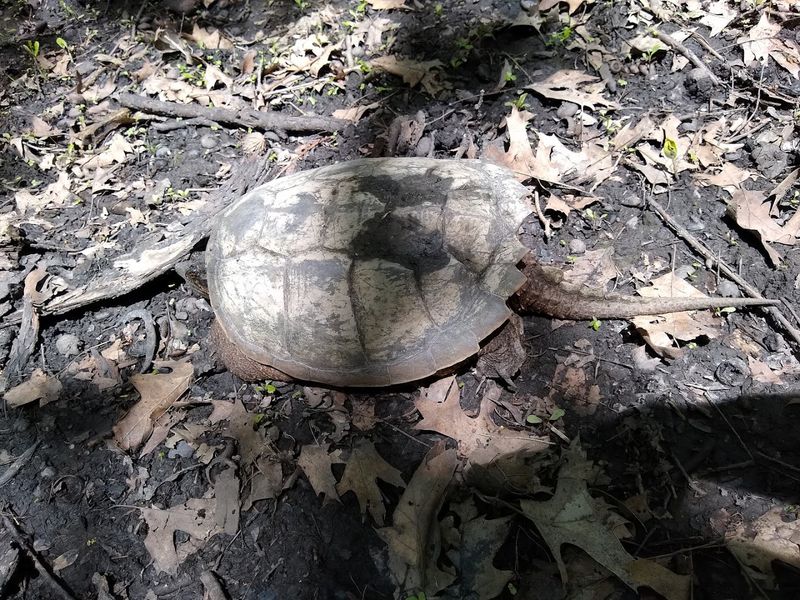
Just minutes from downtown Waterloo lies a peaceful 35-acre woodland that feels worlds away from city life. Robertson Bird Sanctuary proves you don’t need to travel far for quality nature experiences when local communities protect special places.
Quiet trails wind through mature forest where oak and hickory trees provide homes for cavity-nesting birds.
Songbird diversity really shines here during spring migration when warblers, vireos, and thrushes stop to rest and refuel. Patient birders can spot over 20 warbler species throughout the season, their colorful plumage flashing through the canopy.
Native wildflowers carpet the forest floor, attracting butterflies and providing seeds for ground-feeding birds.
The sanctuary’s accessibility makes it perfect for introducing children to birdwatching or enjoying a peaceful lunch break surrounded by nature sounds instead of traffic noise. Well-maintained trails accommodate all fitness levels, from short strolls to longer explorations.
Visit during fall migration for different species heading south, or enjoy winter’s quiet beauty when chickadees and woodpeckers remain active. This community treasure demonstrates how protecting natural spaces enriches everyone’s quality of life.
Wildthunder Wildlife and Animal Rehabilitation (Independence)
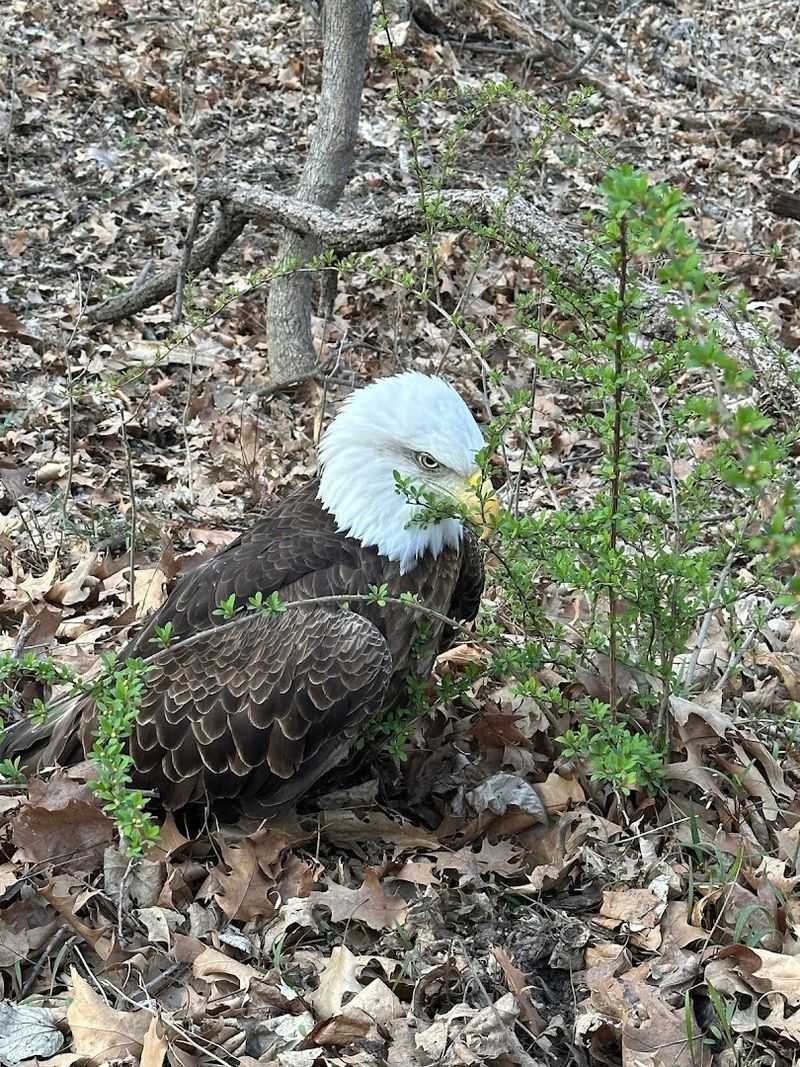
Every animal arrives at Wildthunder with a story, and the dedicated team works tirelessly to give each one a happy ending. This state and federally licensed rehabilitation center operates as a 501(c)(3) nonprofit, depending entirely on donations and volunteers to rescue, rehabilitate, and release injured wildlife.
From orphaned fawns to injured raptors, the facility handles cases that would otherwise end tragically.
The master class wildlife rehabilitation license reflects years of experience and extensive training in treating diverse species. Staff members combine veterinary skills with deep understanding of animal behavior to provide appropriate care for each unique patient.
Success stories include eagles released back to the sky and fox kits returned to the wild.
Educational programs help visitors understand why rehabilitation centers serve such vital roles in conservation. Learning about common threats like vehicle collisions, window strikes, and habitat loss inspires people to make wildlife-friendly choices.
The sanctuary also cares for animals that cannot be released, giving them comfortable permanent homes. Supporting facilities like Wildthunder through donations or volunteering directly helps Iowa’s wildlife populations survive and thrive.
Lon Whitney Wildlife Sanctuary (Clear Lake)
Escaping the crowds becomes effortless at this quiet 25-acre sanctuary where wooded trails meet restored prairie overlooking Clear Lake. Lon Whitney Wildlife Sanctuary offers exactly what nature lovers crave: peaceful solitude, diverse habitats, and excellent wildlife viewing without commercialization or noise.
The combination of forest, prairie, and lakefront creates edge habitat that attracts remarkable species diversity.
Waterfowl use the lake throughout the year, from spring-nesting wood ducks to winter flocks of canvasbacks and redheads. Walking trails provide changing scenery as you move between habitat types, spotting different birds in each area.
Woodland sections shelter migrating songbirds while prairie areas attract sparrows and grassland specialists.
The sanctuary’s smaller size actually enhances the experience by making wildlife encounters more intimate and memorable. You won’t find huge crowds or tour buses here, just genuine connections with nature at whatever pace feels right.
Sunset visits prove especially magical when golden light washes across the prairie and waterfowl fly in to roost. This hidden treasure reminds us that sometimes the best sanctuaries are the quiet ones.