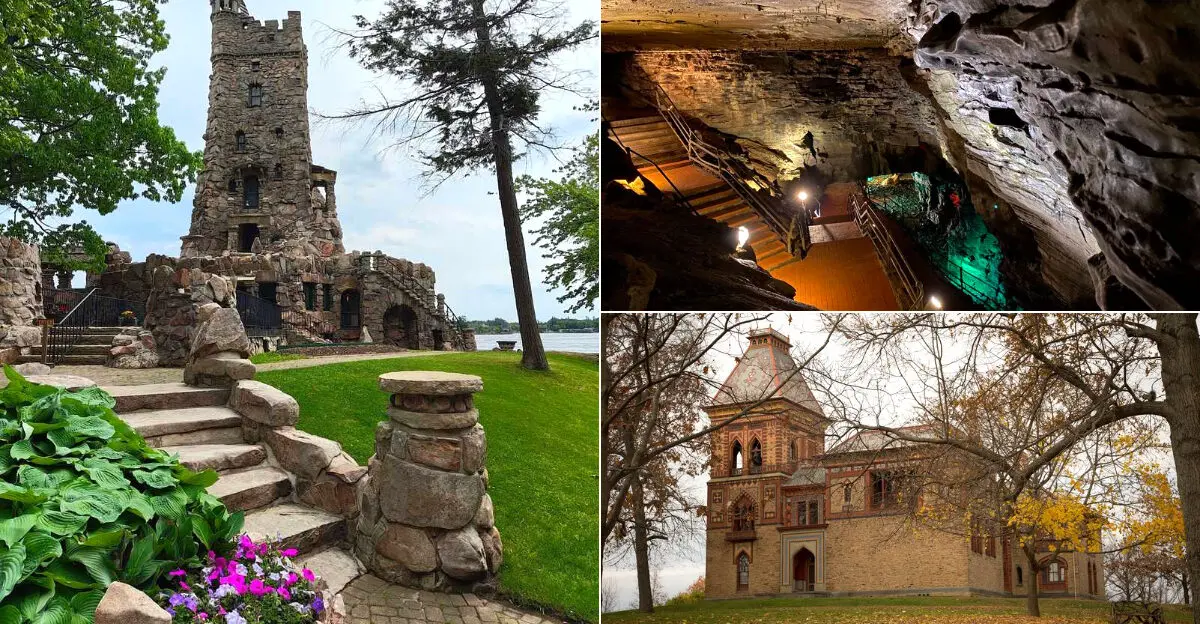
New York State has a way of surprising you once you get past the famous skyline and the crowded boardwalks.
Tucked into small towns and quiet countryside, there’s a whole layer of the state that rarely makes the postcards.
These are the kind of places locals love to mention almost as a secret, the ones that make a road trip feel like a discovery.
Whether you’re chasing waterfalls, caverns, or curious little museums, there’s something here for every kind of traveler.
Here are ten unexpected New York stops that prove the obvious attractions aren’t the only ones worth your time.
1. Secret Caverns, Cobleskill, Schoharie County
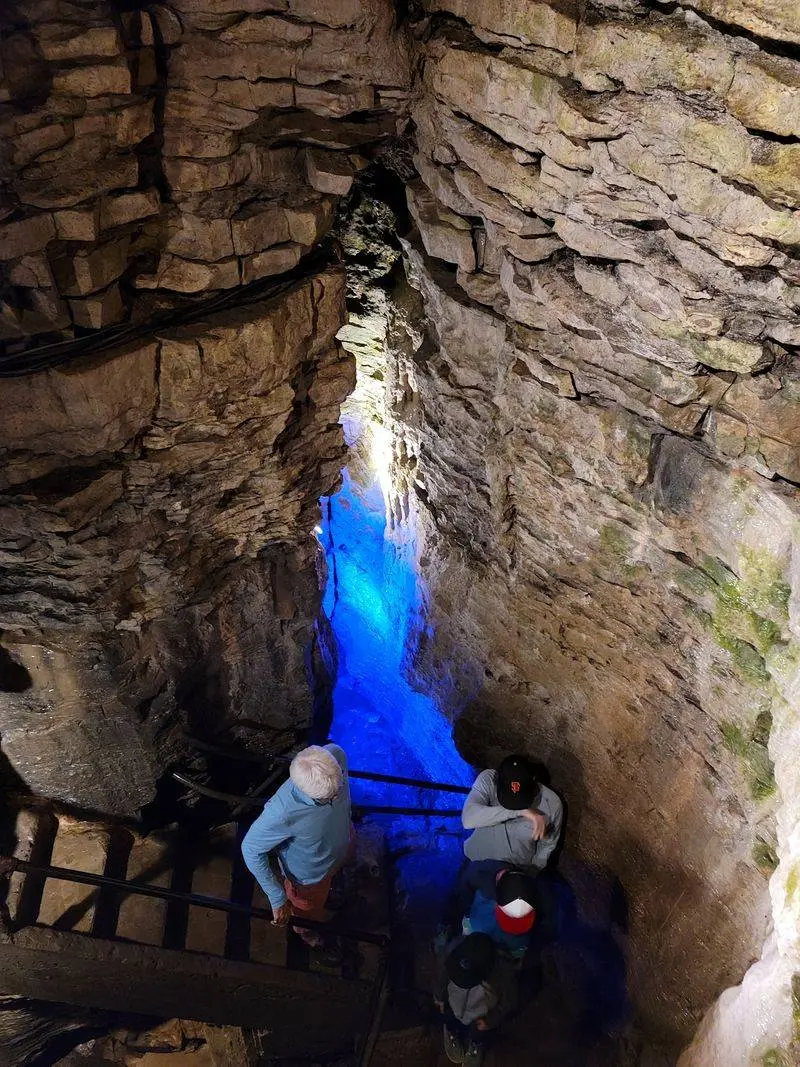
A painted roadside sign and a little bit of mystery set the mood before anyone steps underground.
Secret Caverns in Cobleskill feels playful, odd, and wonderfully old-school, like a family trip from another decade.
The big surprise waits deep inside, where a 100-foot underground waterfall crashes in a rocky chamber.
Guided tours explain how water shaped the cave, while also keeping the visit light and easy to follow.
Bring a jacket, because caves stay cool even when summer is warm above ground.
Wear shoes with good grip, since the path can be damp in places.
Kids who enjoy science will like seeing stalactites and stalagmites up close, but the colorful folk-art signs may be just as memorable.
Photos are fun here, though low light means you should hold your camera steady.
This stop works well with nearby Howe Caverns, but it has a very different personality.
Plan about an hour, leave time for the gift shop, and enjoy a New York attraction that refuses to feel ordinary or polished.
2. Griffis Sculpture Park, East Otto, Cattaraugus County
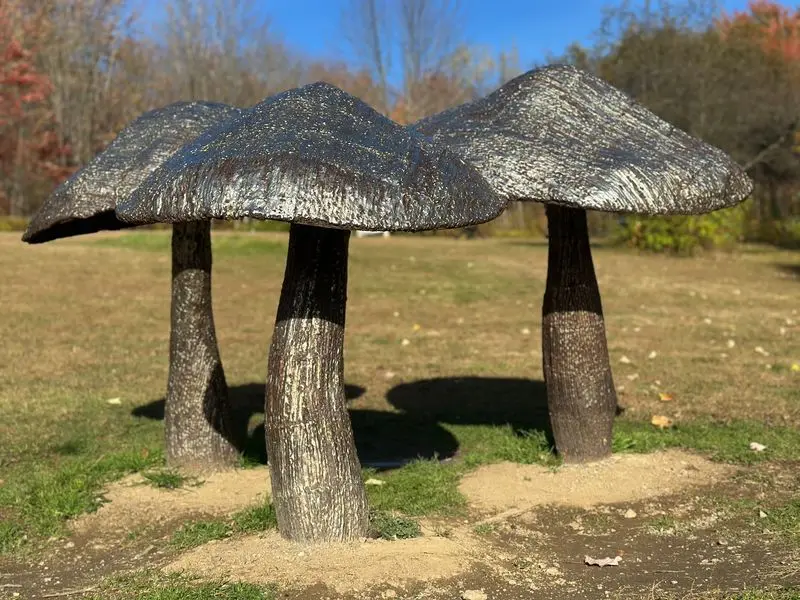
Giant metal creatures seem to appear from the grass as if a dream landed in the hills.
Griffis Sculpture Park in East Otto turns a walk outside into a strange, funny, and creative treasure hunt.
The park covers hundreds of acres, with trails leading past towering figures, abstract shapes, and playful pieces that invite slow looking.
Unlike a quiet indoor gallery, this place lets visitors move around, picnic, climb hills, and see art from every angle.
Comfortable shoes matter, because the grounds are spread out and some paths cross uneven grass.
Families can make a simple game of spotting favorite sculptures or guessing what each one might mean.
Artists Larry Griffis Jr. and others helped shape the park into one of the oldest and largest sculpture parks in the country.
That history gives the site a proud local spirit.
Go on a clear day if possible, since the open fields and wooded paths are part of the fun.
Pack water, check seasonal hours, and bring curiosity rather than strict expectations.
The best moments often happen when a huge, odd shape suddenly surprises you around a bend.
3. Herkimer Diamond Mines, Herkimer, Herkimer County
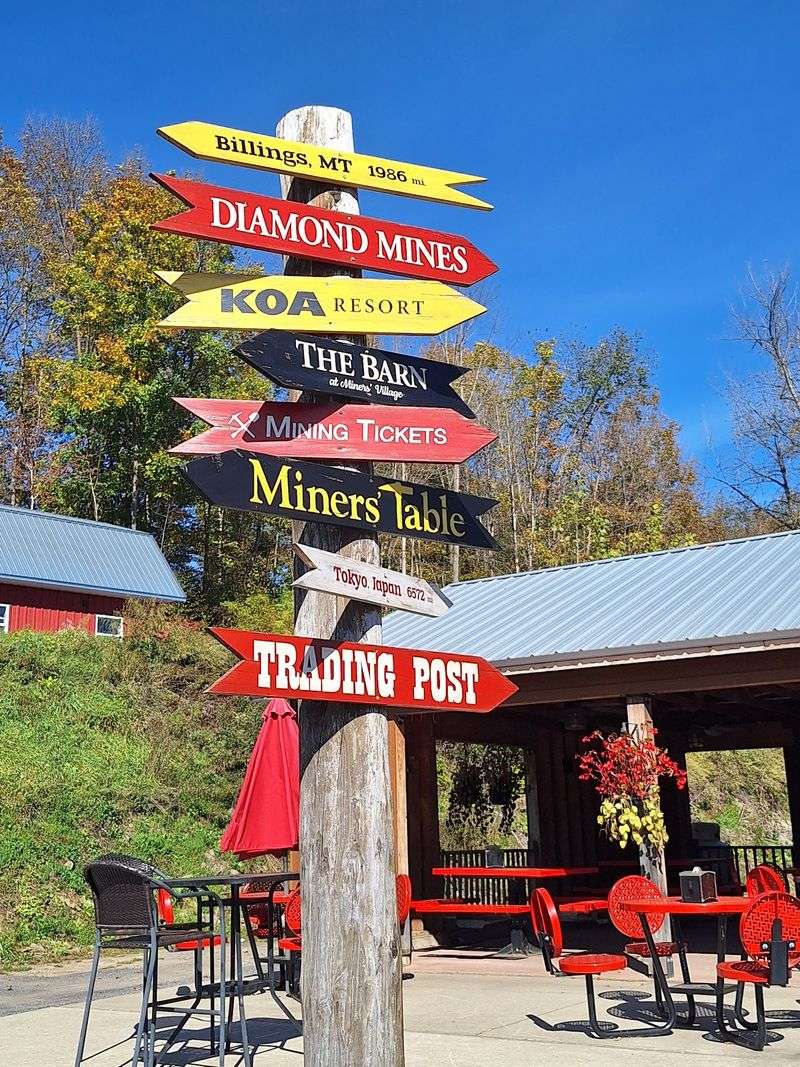
There is real joy in cracking a rock and wondering if something shiny is hiding inside.
At Herkimer Diamond Mines in Herkimer, visitors search for clear quartz crystals known as Herkimer diamonds.
They are not true diamonds, but their natural points and bright sparkle make them exciting to find.
The mine provides a hands-on break from regular sightseeing, especially for kids who like collecting, geology, or messy outdoor adventures.
Rent or bring safety glasses and gloves, because rock chips can fly while hammering.
Patience helps more than strength, so take your time and look carefully through broken stone.
Some people find tiny crystals quickly, while others work longer for a special piece.
Either way, the fun comes from the hunt.
Wear clothes that can get dusty, and choose closed-toe shoes for safer walking.
A small container or bag is useful for carrying finds home.
Nearby shops and displays can help explain how these crystals formed millions of years ago in dolostone.
For a trip that feels active instead of rushed, this stop delivers a souvenir you actually earned with your own hands.
4. The Wild Center, Tupper Lake, Franklin County
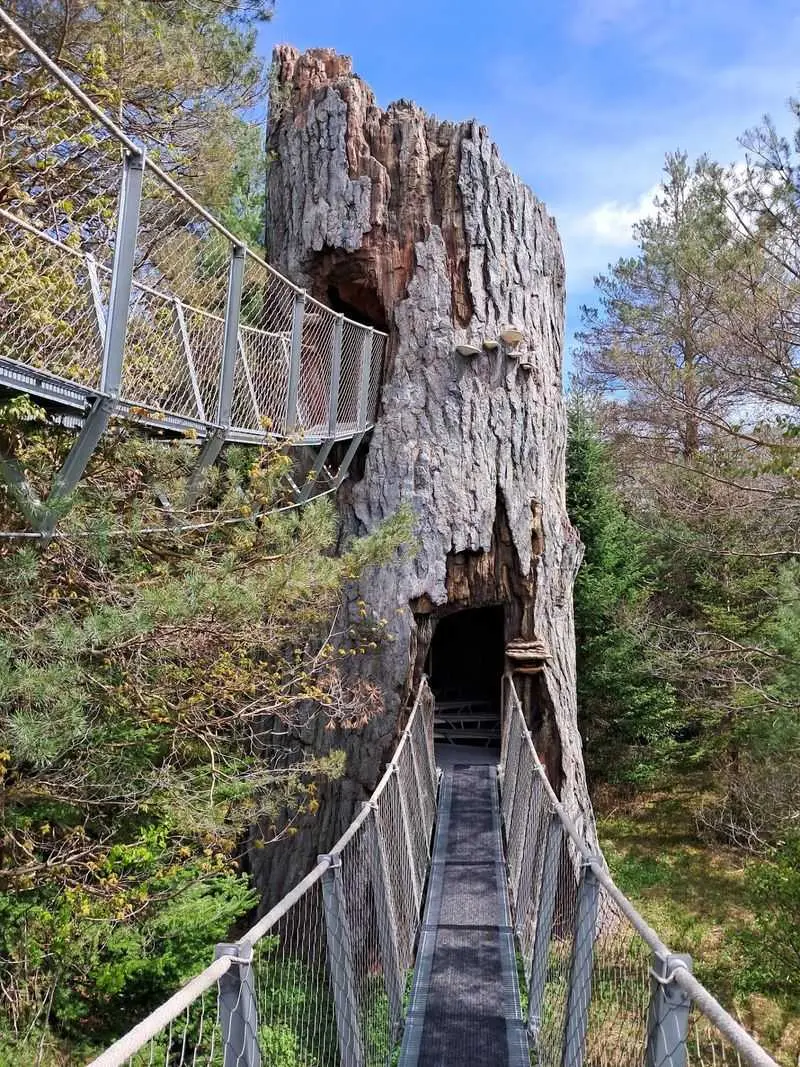
Fresh mountain air, curious otters, and a walkway above the trees make learning feel like play.
The Wild Center in Tupper Lake is part museum, part nature adventure, and part Adirondack welcome mat.
Inside, exhibits explain local wildlife, water, forests, and climate in ways that are clear without feeling dull.
The live animal areas are favorites, especially the otters, which often steal attention with their quick moves and bright personalities.
Outside, the Wild Walk lifts visitors onto bridges and platforms among the treetops.
Look for the giant spider web, eagle nest, and wide views that help kids understand how forests connect.
Trails around the center offer quieter moments, so leave time beyond the main building.
Weather can change fast in the Adirondacks, so layers are smart.
This is a strong stop for families because it mixes movement with facts.
It also works for adults who want a deeper look at the region before hiking, paddling, or driving farther north.
Buy tickets ahead during busy seasons, bring a reusable water bottle, and let curiosity guide the visit.
5. Chittenango Falls State Park, Cazenovia, Madison County
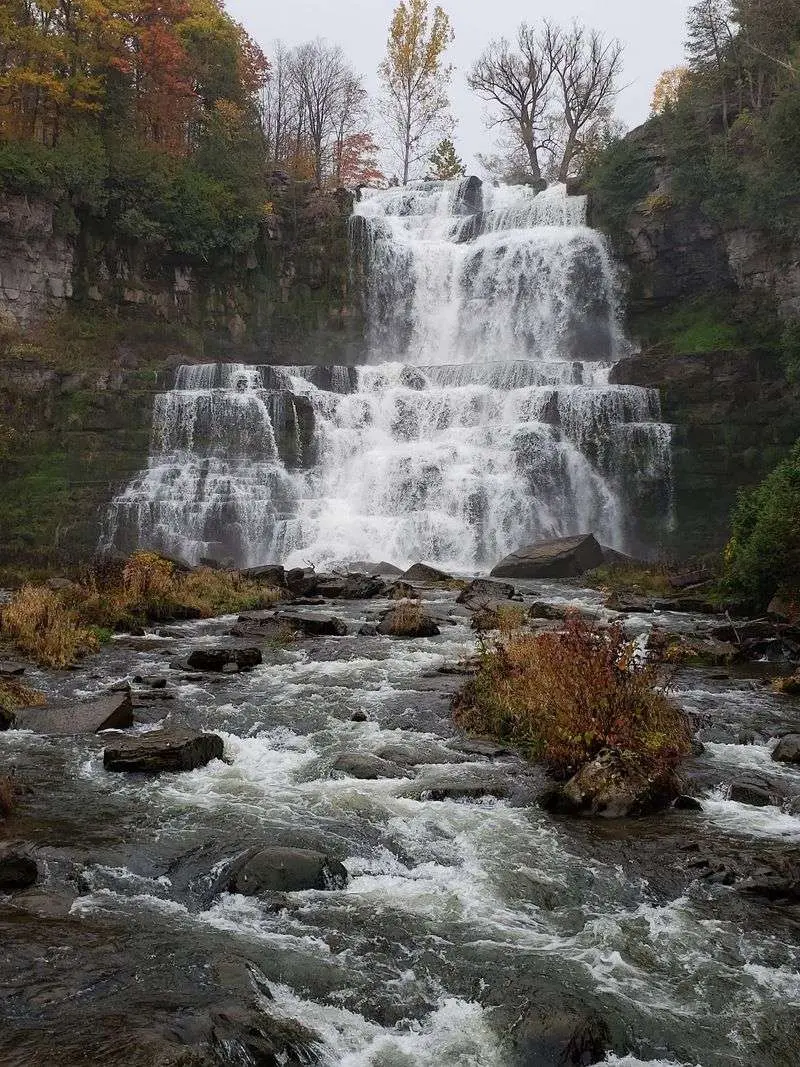
A curtain of water drops over ancient stone, and the sound reaches you before the full view does.
Chittenango Falls State Park near Cazenovia offers a beautiful waterfall without the crowds of New York’s most famous cascades.
The main overlook is easy to reach, making it friendly for travelers who want a quick but rewarding stop.
For a closer look, follow the trail into the gorge, where the falls tumble about 167 feet over layered rock.
Steps and wet areas can be tricky, so sturdy shoes are a good idea.
The park is also known for the rare Chittenango ovate amber snail, a tiny species found only in this special habitat.
That fact makes the place feel more than pretty, since it reminds visitors how small creatures can depend on one exact environment.
Stay on marked paths to protect the gorge.
Picnic tables and open lawns make it easy to turn the stop into a relaxed lunch break.
Spring brings strong water flow, while fall adds bright leaves around the cliffs.
Bring a camera, but also pause and simply listen.
6. Buffalo Central Terminal, Buffalo, Erie County
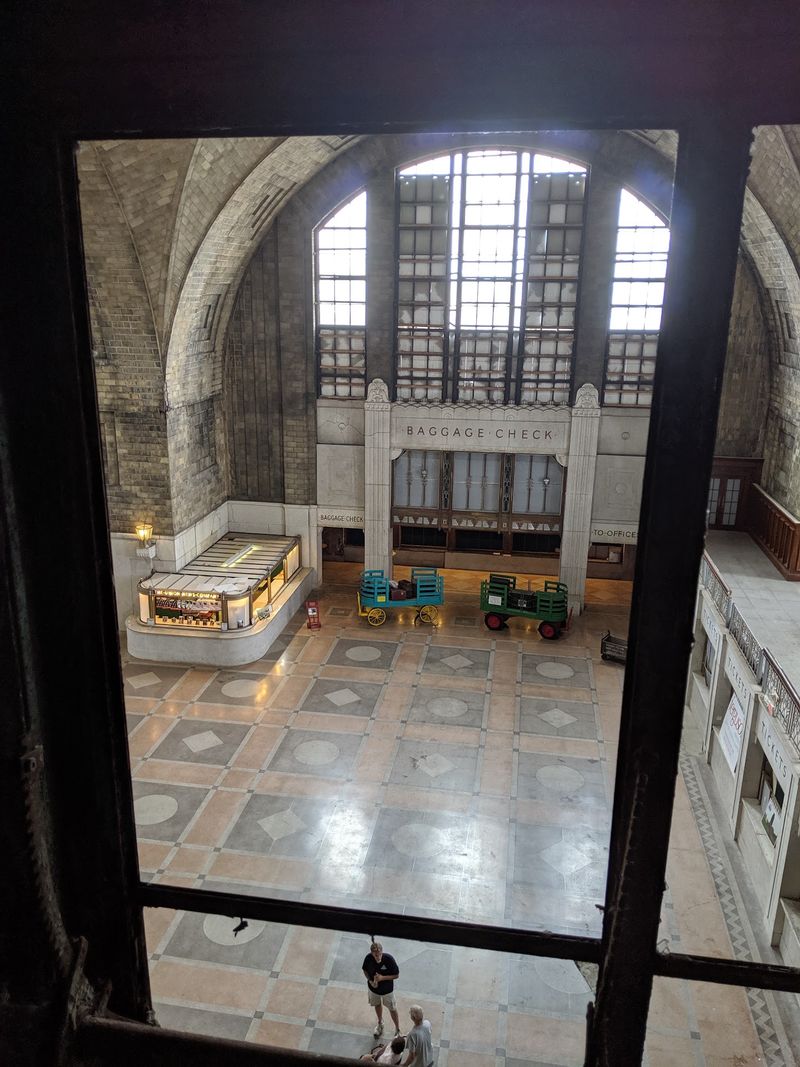
Old train stations can feel like time machines, especially when their empty halls still seem to echo.
Buffalo Central Terminal in Buffalo is a grand Art Deco landmark that once welcomed thousands of travelers every day.
Opened in 1929, the terminal was built for a busy rail age, with a tall tower, broad concourse, and details meant to impress.
Passenger service ended decades ago, but preservation groups have worked hard to bring attention and care back to the building.
Today, special tours and events let visitors see parts of its dramatic interior.
Check the official schedule before going, because access is not the same as a regular museum.
When tours are offered, guides often share stories about architecture, immigration, rail travel, and Buffalo’s changing neighborhoods.
Those stories help the huge building feel human.
Photographers love the mix of worn surfaces, strong lines, and hopeful restoration work.
Respect closed areas, wear comfortable shoes, and arrive with patience, since old buildings need careful handling.
For travelers tired of polished attractions, this stop gives a powerful look at New York history still being saved.
7. Boldt Castle, Alexandria Bay, Jefferson County
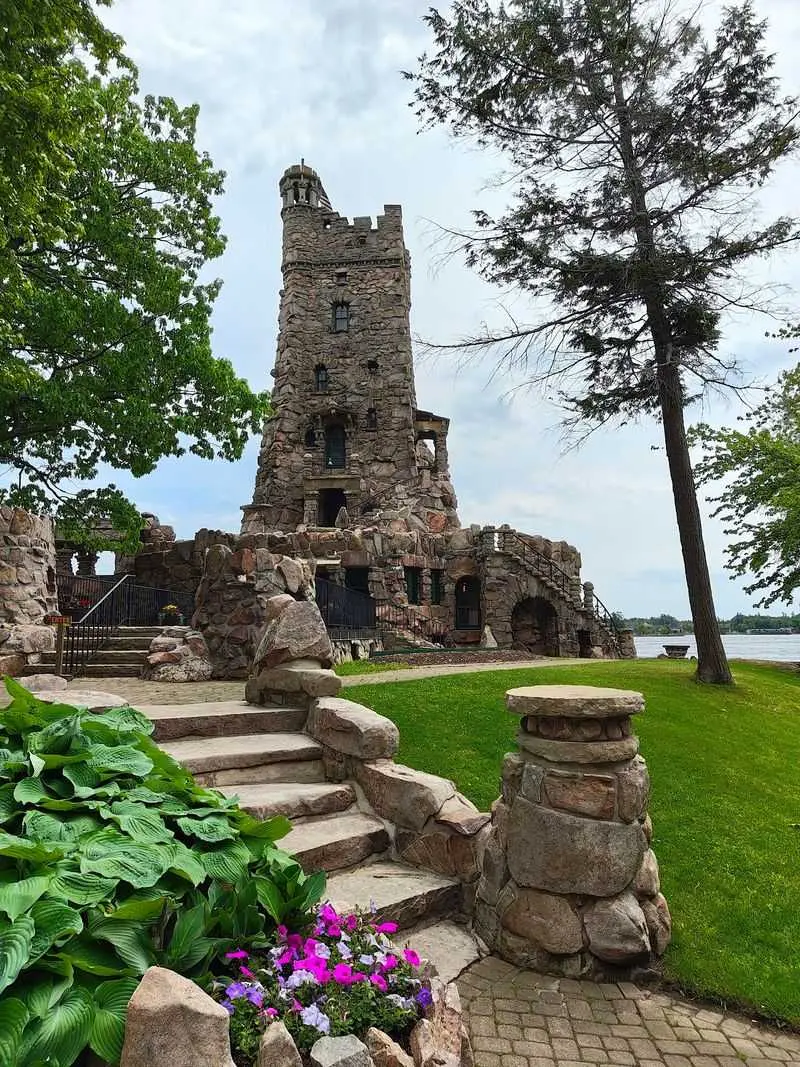
Romance, river views, and a half-finished dream give this castle a storybook feeling with a sad twist.
Boldt Castle in Alexandria Bay sits on Heart Island in the Thousand Islands region.
Hotel owner George C. Boldt began building it as a gift for his wife, Louise, in the early 1900s.
When she died suddenly, work stopped, and the property sat unfinished for many years.
Restoration later turned it into one of northern New York’s most memorable visits.
You reach the island by boat, which makes the trip feel special before you even arrive.
Inside, rooms show grand plans, restored details, and views of the St. Lawrence River through tall windows.
Outside, gardens, stone arches, and walkways offer plenty of places to pause.
Bring a passport if your boat tour crosses into Canadian waters, and always check route details ahead of time.
Comfortable walking shoes help, since there is more ground to cover than many visitors expect.
A sunny day is lovely, but misty weather can make the castle look even more dramatic.
This stop blends beauty, loss, and imagination in a way that stays with you.
8. Olana State Historic Site, Hudson, Columbia County
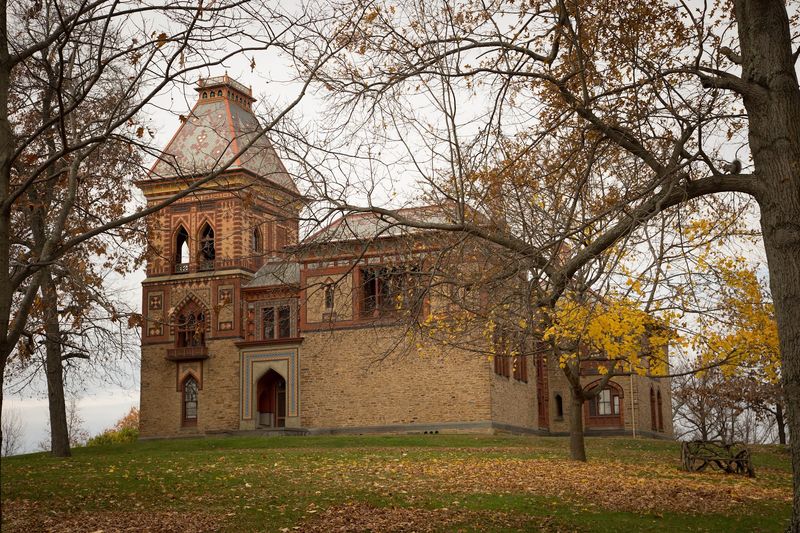
High above the Hudson River, a house with bright patterns and sweeping views seems made for daydreaming.
Olana State Historic Site in Hudson was the home of artist Frederic Edwin Church.
Church was a major painter of the Hudson River School, and he treated the land around his home almost like a living painting.
The house mixes Victorian design with Middle Eastern-inspired details, giving it a look unlike most historic homes in New York.
Guided tours explain the art, rooms, and choices behind the design.
The grounds are just as important as the building.
Carriage roads wind through fields, woods, and viewpoints that frame the river and Catskill Mountains.
You can enjoy much of the landscape even without taking a house tour.
Reserve tickets early if you want to go inside, especially on weekends.
Bring walking shoes and allow time to wander slowly, because the views change with each turn.
Autumn is especially popular, but spring and summer have their own soft colors.
For travelers who like art, history, and outdoor space in one stop, Olana feels thoughtful, peaceful, and quietly grand.
9. Howe Caverns, Howes Cave, Schoharie County
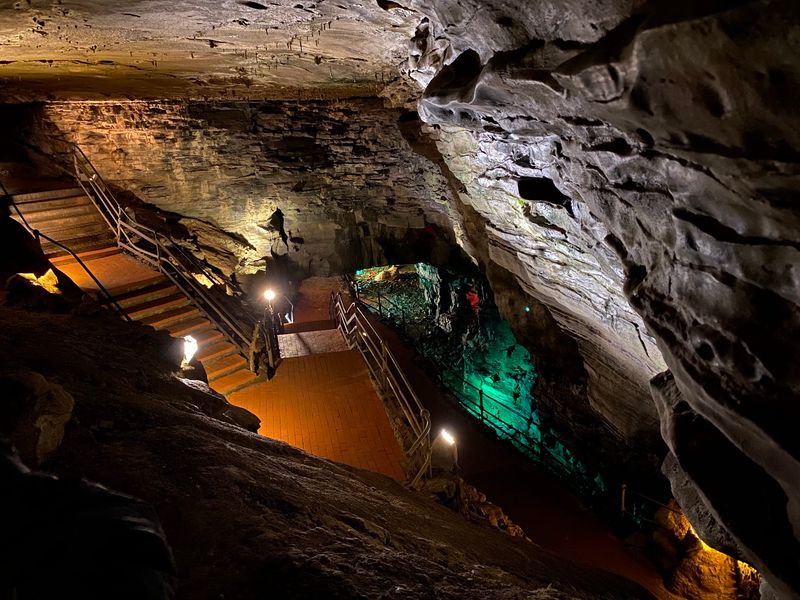
Far below farm fields and quiet roads, a hidden world of stone waits in cool silence.
Howe Caverns in Howes Cave is one of New York’s classic underground adventures, yet it still feels surprising.
The guided tour takes visitors down by elevator into limestone passages shaped by water over long stretches of time.
Smooth paths, dramatic lighting, and strange formations make the cave easy to enjoy even if geology is not your favorite subject.
One memorable part is the underground boat ride, when water carries you through a narrow section.
Expect the temperature to stay around 52 degrees, so a sweatshirt helps in every season.
Shoes with traction are useful because cave floors may be damp.
Guides usually explain names of formations, cave history, and how the site became a tourist attraction in the 1800s.
Book ahead during school breaks or summer weekends, because tours can fill.
The attraction is organized and family-friendly, with extra activities above ground depending on the season.
Pairing Howe Caverns with nearby Secret Caverns creates a fun comparison between polished tradition and quirky roadside charm.
Both prove New York has wonders underfoot.
10. Salt Museum, Liverpool, Onondaga County
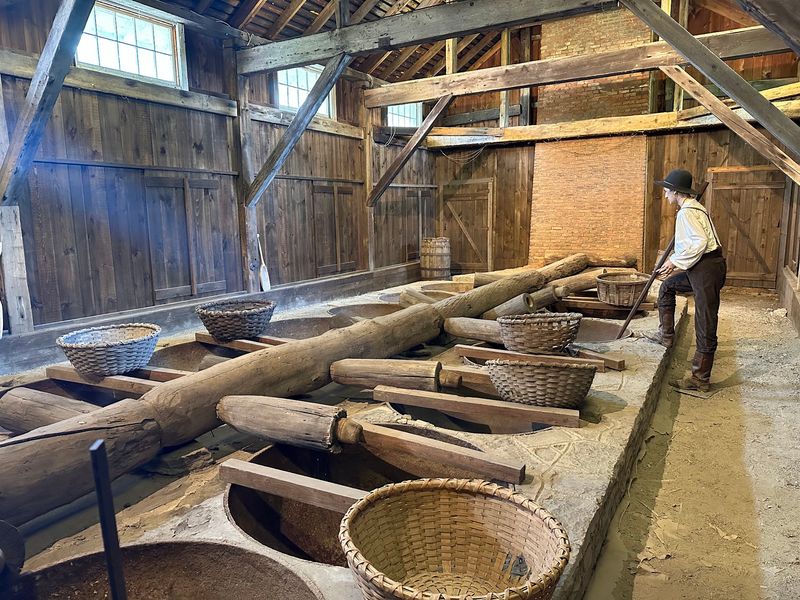
A small museum near a lake can tell a surprisingly big story about work, water, and everyday life.
The Salt Museum in Liverpool explains how salt helped shape the Syracuse area for generations.
Long before modern factories, brine from local springs was boiled to make salt used for food, trade, and preservation.
The museum displays kettles, barrels, tools, and simple exhibits that show how hard the work could be.
It is not flashy, which is part of its charm.
Visitors can connect the displays to Onondaga Lake and the larger history of Central New York.
The stop is quick, often fitting well before or after a walk in nearby Onondaga Lake Park.
That makes it useful for families who want a short learning break without spending a whole day indoors.
Check seasonal hours before visiting, since small museums may not be open every day.
Read the signs slowly, because the best details are easy to miss.
Kids may be surprised to learn that a common kitchen ingredient once powered a major local industry.
For curious travelers, this humble stop adds flavor to the region in the most literal way.