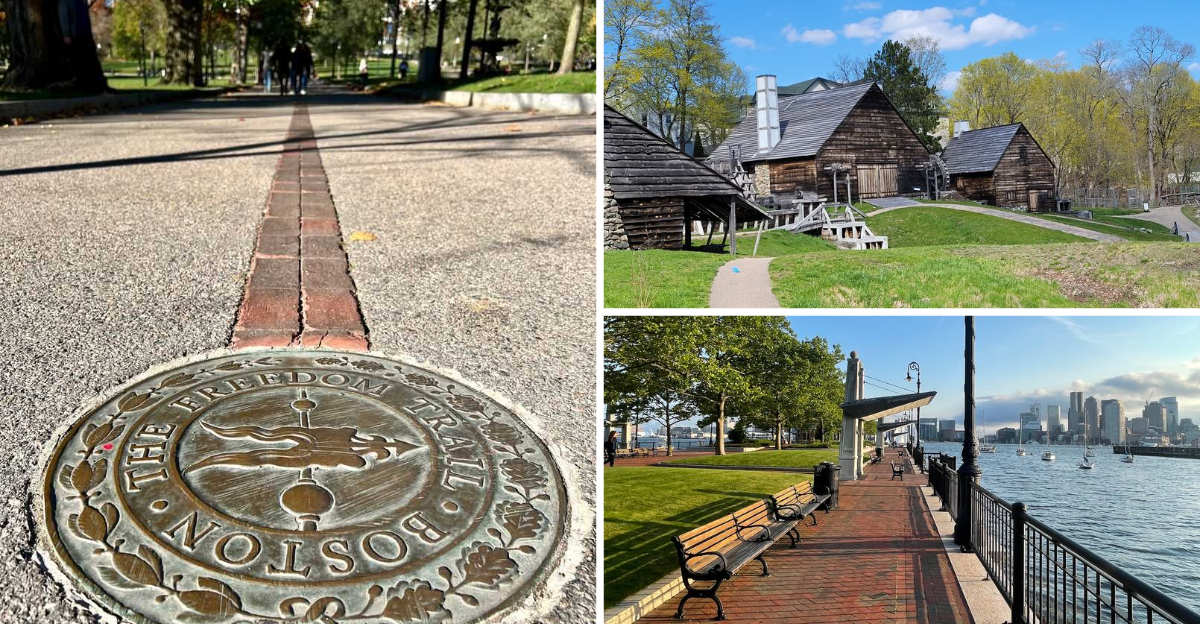
A memorable day in Massachusetts does not have to come with a memorable price tag. You can wander a coastal path with salt air in your face, explore a historic corner of town, or spend a quiet afternoon in a park without watching the costs add up.
We found that the same is true across Massachusetts, where plenty of experiences offer beauty, history, and a genuine sense of place for little or no money. Some invite you outside beneath wide summer skies, while others offer a cool museum or historic setting when you need a break from the heat.
The best part is having room in the day to linger.
If you want to explore more while spending less, these Massachusetts experiences are worth knowing. Here are 11 places where we spent almost nothing and still came away feeling like we had enjoyed a full day out.
Following the Red Brick Story in Boston
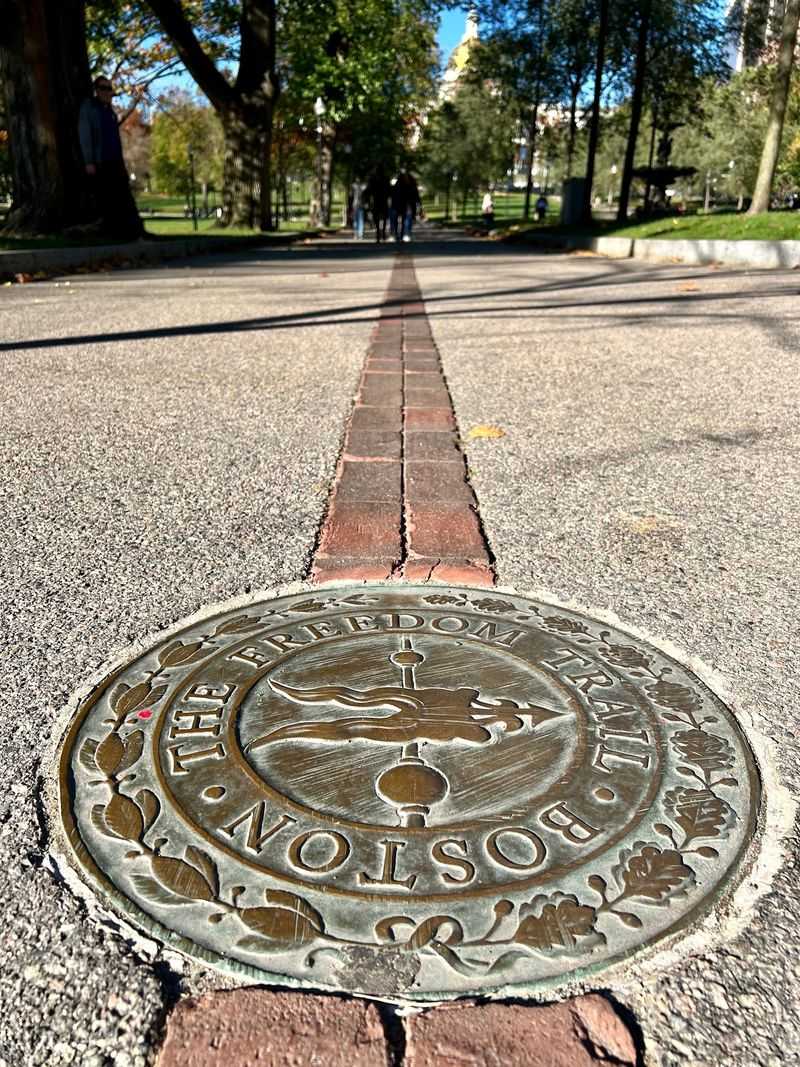
Some walks feel like errands, but this one felt like opening a history book that stretched across the city. We kept spotting the red brick line under our feet, and every turn seemed to reveal another old church, meeting house, or graveyard tucked between modern streets.
The Freedom Trail in Boston is free to follow on your own, which makes it one of the smartest low-cost outings in the state. Over 2.5 miles, you pass places like Faneuil Hall, Paul Revere House from the outside, and the tall steeple of Old North Church, all while learning pieces of the Revolution at your own pace.
Bring water, wear good shoes, and download a self-guided audio tour before you start. Morning light makes the brick line easy to follow, and the city feels calmer before the crowds grow.
What stayed with us most was how easy it was to turn an ordinary afternoon into something richer. You are not just seeing landmarks.
You are moving through the same streets where early American history actually happened.
A Quiet Pause on America’s Oldest Parkland
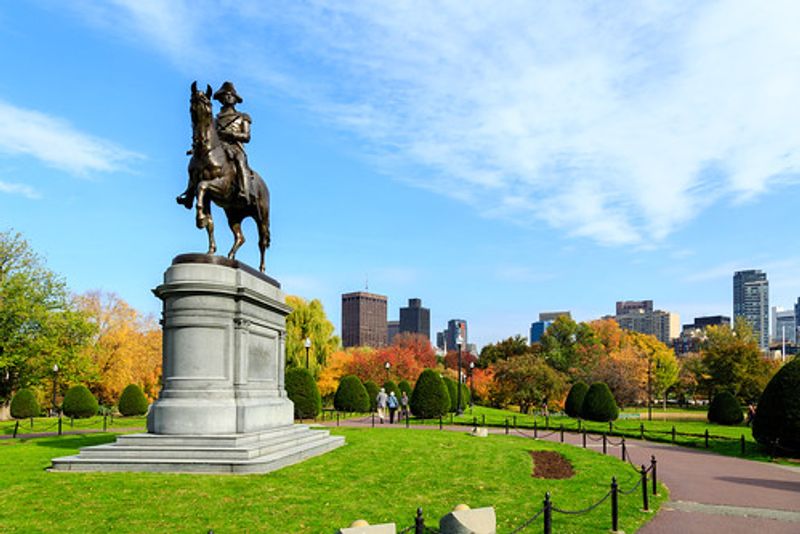
City noise softened the second we stepped under the trees, and that change alone felt like a gift. Pigeons wandered near the paths, people stretched out on the grass, and the whole place had the easy rhythm of somewhere locals actually use, not just photograph.
Boston Common sits right in the middle of downtown, yet it gives you room to breathe without asking for a ticket. The park is free, full of history, and connected to the Freedom Trail, so it works well as either a starting point or a break between busier stops.
We liked watching the Frog Pond area, passing old monuments, and finding shady benches near Tremont Street.
A snack from a nearby cafe makes the visit even better, especially if you want a cheap lunch outdoors. Early evening is lovely here, when the light turns warm and office crowds begin to thin.
What makes the Common memorable is not one big attraction. It is the simple feeling of being in a place that has seen generations come and go, while still welcoming anyone who wants to slow down for a while.
Sea Air, Wide Paths, and a Fort by the Harbor
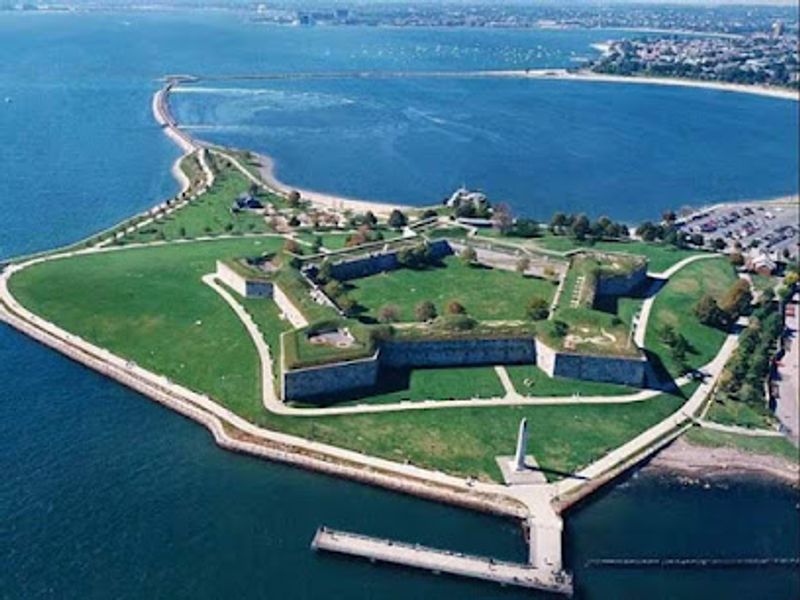
Salt air has a way of making a simple walk feel bigger than it is. At one point we stopped talking just to watch the light hit the water, and for a few minutes the city felt far away even though Boston was right behind us.
Castle Island is one of those rare places where almost everything people want from a summer outing comes free. There is a broad path along the harbor, open space to sit, views of boats crossing the water, and Fort Independence rising from the edge like something pulled from another century.
The whole area feels casual and easy, whether you stay twenty minutes or half a day.
Bring a light jacket if the breeze picks up, and consider visiting around sunset when the shoreline glows. We also liked seeing planes approach in the distance, which gave the view an unexpected energy.
The best part was how little planning it took. Castle Island offered movement, fresh air, and history in one stop, and none of it depended on tickets, reservations, or fancy gear.
Sometimes a waterfront loop is enough to make a day feel full.
Skyline Views Without the Harbor Cruise Price
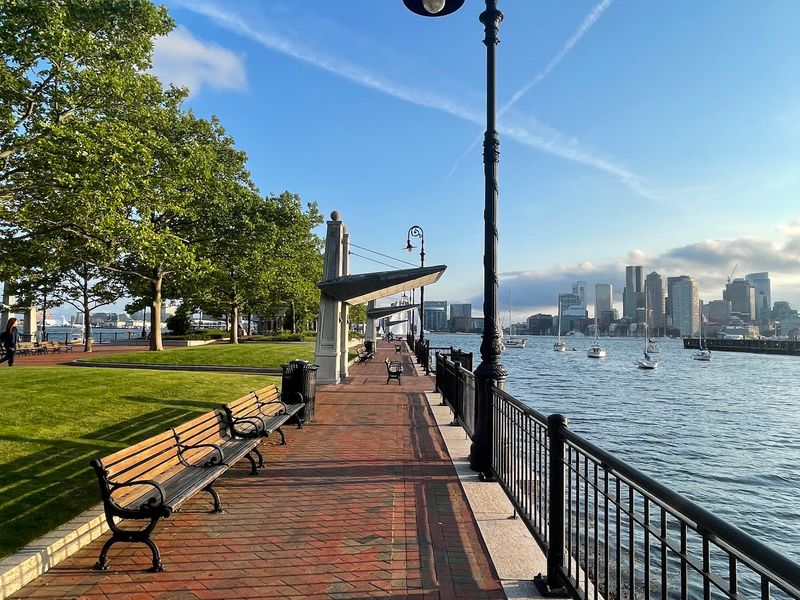
There is something oddly thrilling about finding a view that looks expensive and realizing it costs nothing. The skyline across the water seemed almost staged, with towers, boats, and shifting reflections all lined up as if someone planned them just for sunset.
Piers Park in East Boston gave us one of our favorite city scenes of the whole trip. The paths are free to walk, the gardens add color without feeling fussy, and the harbor opens wide enough that Boston looks dramatic from nearly every angle.
We saw people fishing, couples sitting on benches, and kids racing along the walkway while planes moved overhead toward Logan.
If you have a camera, go later in the day when the buildings catch warmer light. A takeaway coffee works well here because the pace is slow and the benches invite you to stay longer than expected.
What made the stop special was how relaxed it felt. No museum clock, no line, no pressure to do anything except look out at the water and let the city reveal itself from a quieter side than usual.
Cooling Off With Massachusetts History Indoors
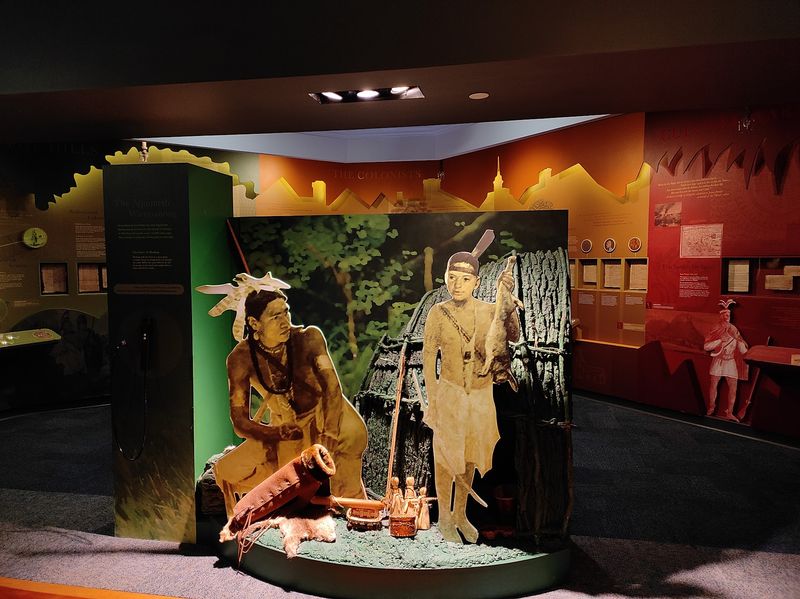
By the time the afternoon heat started sticking to our shirts, an indoor stop sounded better than any grand plan. Walking into a cool, quiet museum felt like stepping into a reset button, and suddenly we had the energy to pay attention again.
The Commonwealth Museum in Boston is free, which makes it especially helpful on a budget trip. Inside, the exhibits cover Massachusetts history through documents, artifacts, and stories that connect government, daily life, and major turning points.
We liked seeing how serious objects could still feel personal, especially when old papers and photographs hinted at real people behind the dates.
Free parking is another small gift here, especially if you are driving around the city and trying to avoid extra costs. Plan for a slower visit rather than a rush, because some displays reward careful reading.
This stop worked because it balanced the trip. After waterfront walks and busy streets, the museum gave us a calmer hour with air conditioning, context, and a better sense of the state beyond its postcard spots.
It felt useful, not just informational, and easy to recommend.
Where the First Shots Still Echo Through the Fields
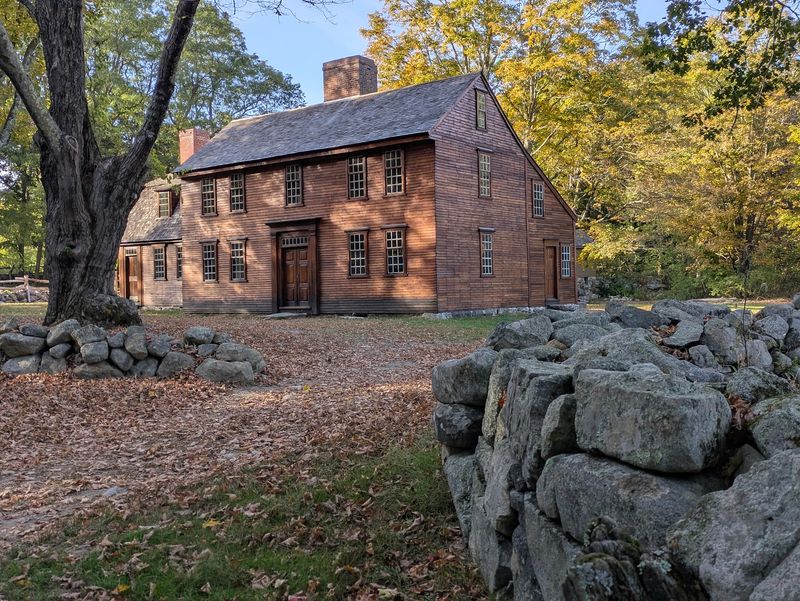
Some historic places feel boxed in by glass cases, but this one breathes. Wind moved through the fields, birds cut across the sky, and the open land made it easier to imagine how confusion, fear, and courage might have looked on an ordinary April morning.
Minute Man National Historical Park in the Concord and Lincoln area is free to enter, and it offers much more than a quick roadside marker. You can walk trails, see battle-related sites, and move through landscapes tied to the opening fights of the American Revolution.
We especially liked how the road, the trees, and the stone walls made the story feel grounded in real places instead of classroom summaries.
Wear comfortable shoes and give yourself time to stop often. The appeal here is not speed but the way small details, like a bridge view or a stretch of quiet road, slowly build a bigger picture.
By the end, we understood why people return to this park more than once. It combines space, reflection, and major American history in a way that feels accessible, thoughtful, and surprisingly personal for a free visit.
Old Salem, Salt Water, and Wooden Wharves
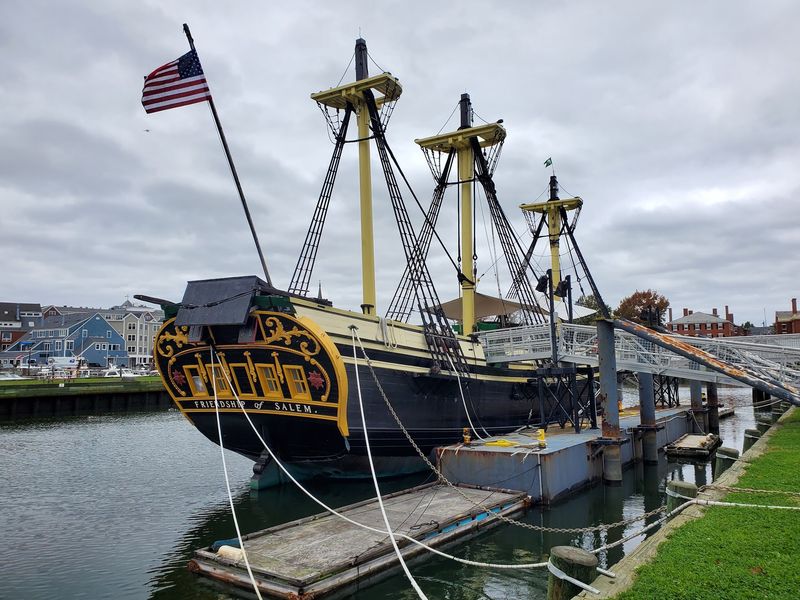
The harbor smelled faintly of salt and old wood, and the mood felt different from the Salem many people expect. Instead of crowds chasing spooky stories, we found a waterfront with room to wander, hear gulls, and think about ships, trade, and lives tied to the sea.
Salem Maritime National Historical Park is free to enter, which makes it an easy choice for a low-cost day on the North Shore. The historic buildings, open grounds, and wharf area let you explore Salem’s shipping past without paying just to be there.
We liked strolling near Derby Wharf, peeking at the harbor views, and noticing how the site mixes weathered textures with a clear sense of purpose.
A good strategy is to pair this stop with a simple snack from town and keep your pace unhurried. Morning can be especially pleasant before busier visitors spread through Salem’s central streets.
What stayed with us was the atmosphere. The place does not shout for attention, yet it quietly tells a story about how Massachusetts connected to the wider world, one ship and one shoreline at a time.
Waterwheels, Iron, and an Unexpected Riverside Walk
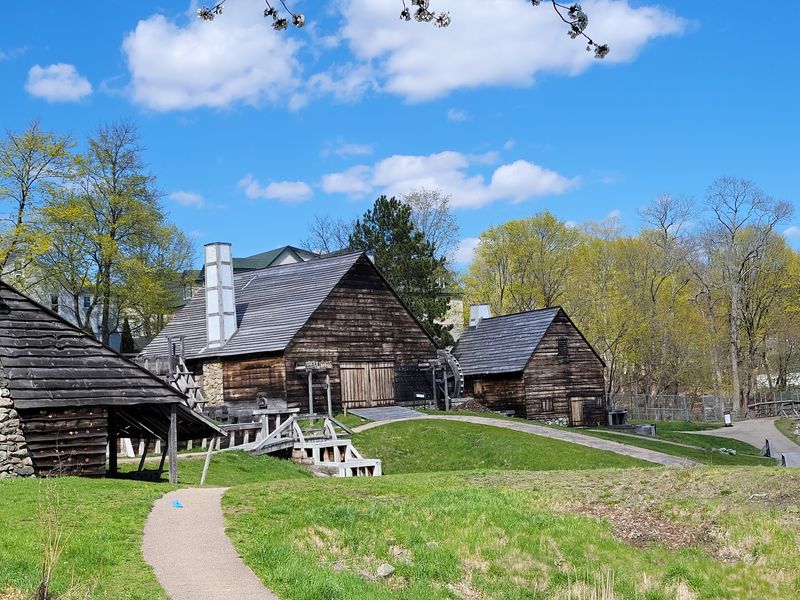
Not every memorable stop begins with a postcard view. Sometimes the surprise is the point, and this place caught us off guard with its mix of moving water, early industry, and a setting that felt both rough-edged and peaceful at once.
Saugus Iron Works National Historic Site preserves a remarkable piece of colonial industrial history, and visiting the grounds is free. Along the Saugus River, you can see reconstructed buildings, water-powered features, and a short nature trail that softens the harder story of iron production.
We were especially drawn to the waterwheel and the way the site shows that American history was built not only in meeting halls, but also in loud, practical workplaces.
Check seasonal hours if you want interior exhibits, but the outdoor areas already give plenty to enjoy. It is a nice stop when you want something unusual instead of another standard museum or town center.
What makes this site linger in your mind is its character. It feels inventive, grounded, and a little overlooked, which may be exactly why the experience feels so rewarding for almost no money.
A Small House With a Very Large Story
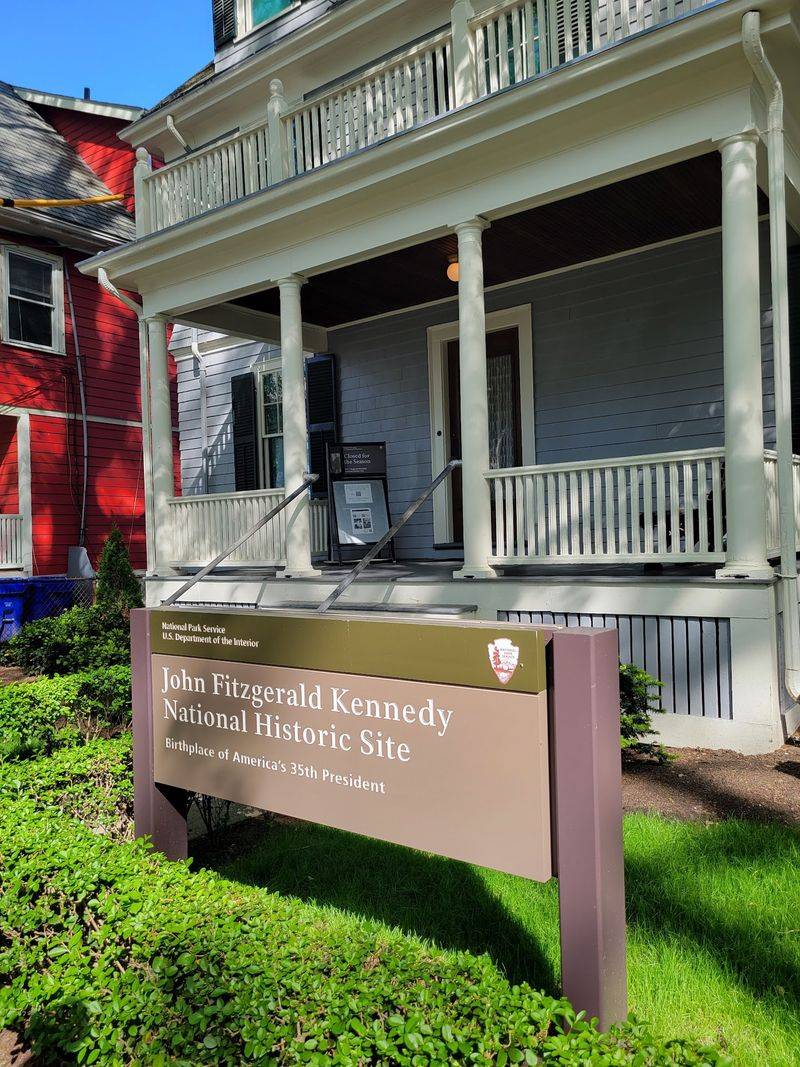
Great stories do not always begin in grand buildings. Standing on a quiet residential street, we were reminded that national history can start in an ordinary-looking home, with simple rooms and family routines that nobody outside could have predicted.
The John Fitzgerald Kennedy National Historic Site in Brookline is free, and the modest scale is part of its power. This is the birthplace of JFK, and visiting helps connect the famous public figure to a more personal beginning.
The guided experience and preserved setting give shape to family life, neighborhood context, and the early world that shaped a future president.
Because the site operates seasonally, it helps to check open days and times before setting out. Once there, take a moment to notice the street itself, because the surrounding neighborhood adds to the feeling that history often grows from everyday places.
We appreciated how intimate the visit felt. Instead of flashy displays, the site offers a chance to slow down and picture a young family in Brookline, long before headlines, campaigns, and the immense weight of public life entered the frame.
Garden Paths Shaped by a Master of Public Spaces
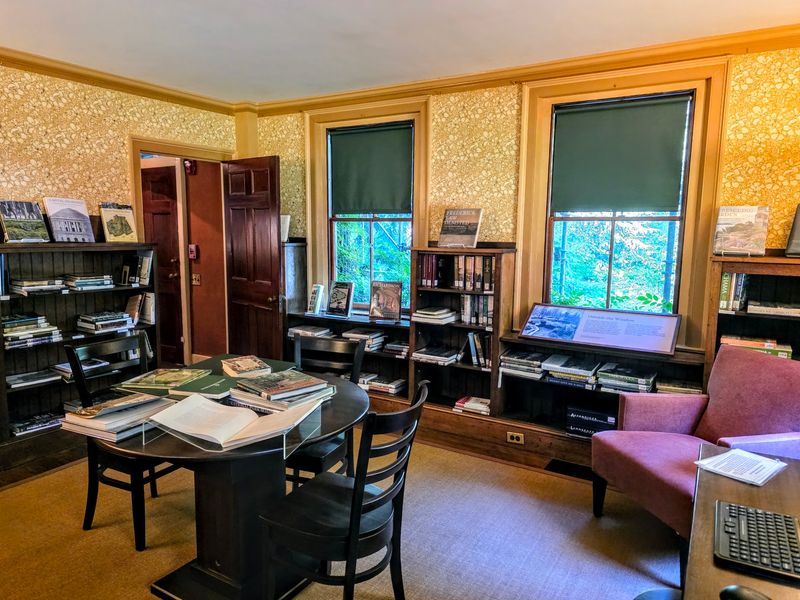
Some places make you notice how land is arranged, where shade falls, and why a path curves instead of running straight. That subtle kind of beauty can be easy to miss until you visit somewhere shaped by a person who understood how outdoor spaces affect mood.
The Frederick Law Olmsted National Historic Site in Brookline offers free access to its grounds, and even a quiet wander feels meaningful. Olmsted helped shape some of America’s best-known public landscapes, so being at his home and design office adds depth to parks many people already love.
Trees, layered greenery, and carefully planned views create a setting that feels thoughtful without being stiff.
Go when you want a calmer experience rather than a packed schedule. Dawn to dusk access to the grounds makes this a good stop for travelers who like walking, sketching, or simply sitting somewhere that rewards careful observation.
We left with a stronger sense that good design can change how a day feels. For almost no money, the site gives you history, fresh air, and a new appreciation for the parks and parkways that shape daily life far beyond Brookline.
An Old Mill, River Stories, and a Trail Outside
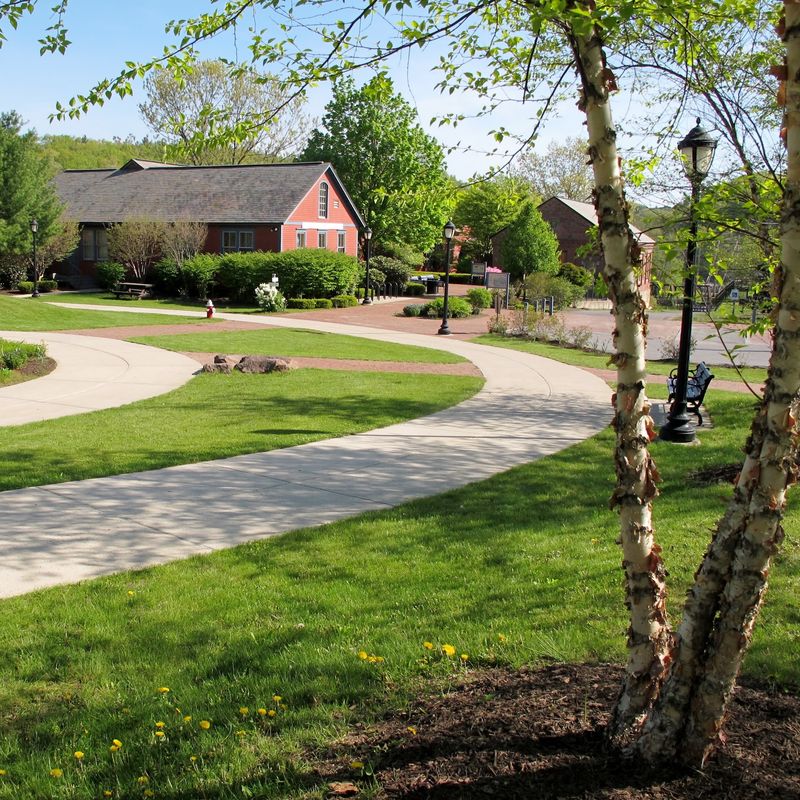
Brick mills can seem quiet from the outside, but this one holds a lot of life inside. We walked in expecting a quick look around and ended up lingering over river exhibits, local wildlife displays, and stories that tied nature and industry together in a way that felt easy to follow.
The Great Falls Discovery Center in Turners Falls is free year-round, and that makes it a wonderful stop for travelers exploring western Massachusetts on a budget. Housed in a preserved historic mill, it covers the Connecticut River watershed, regional culture, and the working history of the area.
We liked the mix of educational displays and the chance to step back outside onto the nearby Canalside Rail Trail.
Free parking nearby keeps the visit simple, which matters more than people admit on a road trip. If you are traveling with kids, this is the kind of place where learning sneaks in through hands-on curiosity rather than pressure.
What stood out most was the balance. The center offers indoor comfort, local depth, and an easy outdoor follow-up, making it feel fuller than many attractions that charge far more.