We thought this Virginia getaway would be a neat little sampler plate, the kind of trip where you snap a few photos, eat something fried, and head home feeling accomplished.
Then the mountains kept showing off, the history sites pulled us into stories bigger than the road map, and the waterfront stops made every detour feel suspiciously like a brilliant idea.
By the time we reached the last attraction, our so-called finished itinerary had turned into a scribbled list of places we still needed to see, snacks we wanted to repeat, and overlooks we were already missing.
If you have ever taken one innocent day trip and somehow ended up researching cabins, checking park hours, and debating whether you can fit one more stop before sunset, you are very much our kind of traveler.
These ten Virginia attractions delivered scenery, substance, and just enough surprise to make us start plotting a return before the car even cooled off in the driveway.
1. Virginia Aquarium & Marine Science Center – Virginia Beach
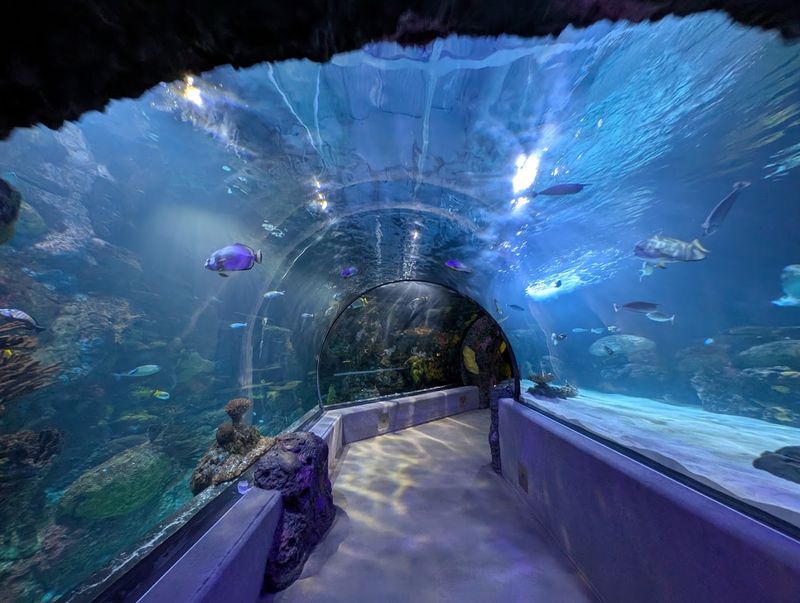
Right away, the tunnel made me feel like I had wandered into Neptune’s living room.
At the Virginia Aquarium & Marine Science Center in Virginia Beach, sharks glide overhead, sea turtles drift past, and every corner seems designed to keep you pleasantly distracted.
It is big enough to fill a morning, but lively enough that you never feel stuck reading plaques like homework.
One building focuses on ocean life, while the other expands into marshes, river habitats, and hands-on exhibits that younger visitors practically magnetize toward.
I loved how the aquarium balances spectacle with substance, explaining conservation, rescue work, and local ecosystems without sounding preachy.
If you want a bonus adventure, the nearby boat trips often feature dolphins, which feels like Virginia Beach showing off a little.
Location-wise, it sits at 717 General Booth Boulevard, just a short drive from the boardwalk and beach hotels.
That makes it perfect for a weather-proof stop when the coast gets moody, or when everyone needs a break from sunscreen and sand in strange places.
Come early, wear comfortable shoes, and leave room in your day, because this stop has a sneaky way of turning a quick visit into an all-day aquatic detour.
2. Breaks Interstate Park – Breaks
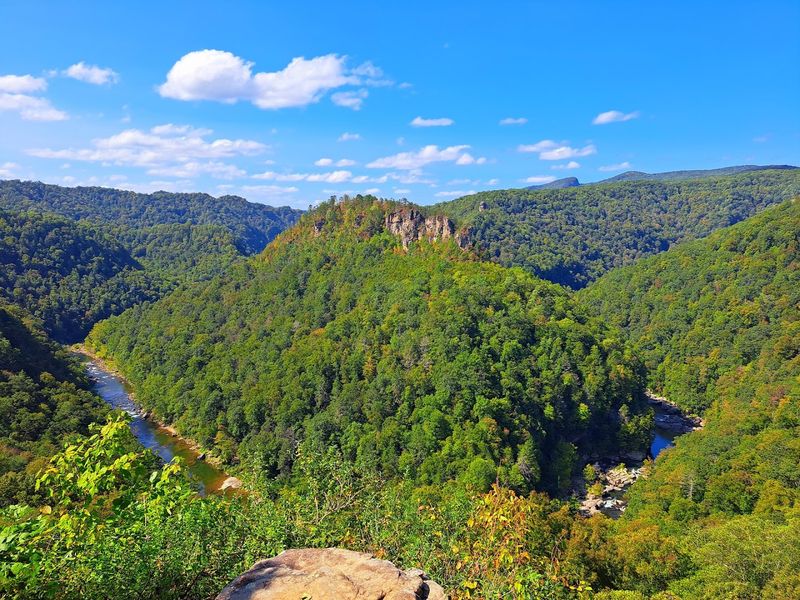
Then the landscape changed its voice, and suddenly Virginia sounded like thunder rolling through a canyon.
Breaks Interstate Park in Breaks straddles the Virginia-Kentucky line and delivers jaw-dropping views of the Breaks Gorge, often called the Grand Canyon of the South.
The overlooks hit fast and hard, the kind that make casual phone photos feel hilariously inadequate.
Hiking here ranges from easy scenic strolls to tougher trails that drop into wild, rocky terrain, so you can choose your own level of leg complaint.
I appreciated that the park does not rely on one signature viewpoint, because each turn reveals a slightly different mix of cliffs, forest, and river drama.
There is also a lodge, cabins, and seasonal activities, which means this can be more than a quick roadside gasp.
You will find the park near 627 Commission Circle in Breaks, making it a rewarding destination in far Southwest Virginia.
Because it sits away from Virginia’s busier tourism corridors, the place feels wonderfully untamed, like nature forgot to install a gift shop every ten feet.
Go around sunrise or late afternoon for the best light, pack water, and prepare to start casually saying things like, we should really come back in fall, spring, and maybe every weekend forever.
3. Great Falls Park – McLean
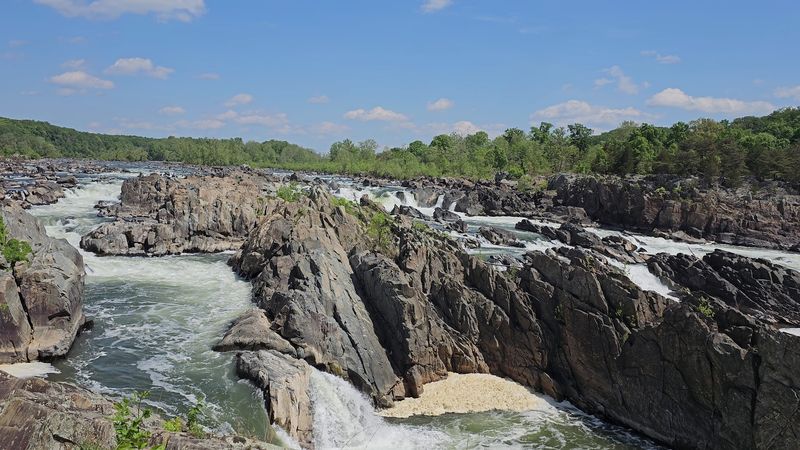
You hear Great Falls Park before you fully see it, which is a pretty confident move for a river.
In McLean, along the Potomac, this national park site turns churning water, jagged rocks, and dramatic overlooks into one of Northern Virginia’s easiest wow moments.
It feels rugged and cinematic, yet somehow sits only a short drive from Washington, D.C.
The main overlook area is ideal if you want maximum scenery with minimal planning, but trails add more texture if you have extra time.
I liked walking the paths beside the river, where every opening in the trees framed another stretch of foaming rapids and weathered stone.
Kayakers sometimes appear in the distance on calmer sections, which only increases your respect for people who treat wild water like a hobby.
The park entrance is at 9200 Old Dominion Drive in McLean, making it a smart stop for visitors exploring the capital region.
Bring sturdy shoes, because the terrain can be uneven, and keep a close eye on children near railings and rock edges.
This is the kind of place that rescues an itinerary from feeling too urban, replacing museum feet and traffic fog with river spray, fresh air, and a reminder that Mid-Atlantic nature can still absolutely steal the show.
4. Booker T. Washington National Monument – Hardy
Quiet places can say plenty, and Booker T.
Washington National Monument in Hardy proves it beautifully.
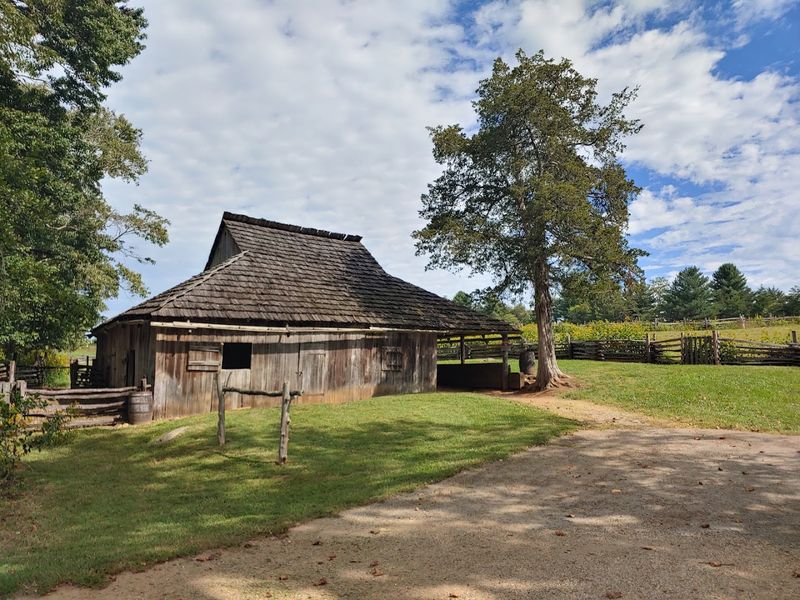
Set on the tobacco farm where Washington was born in 1856, this site uses landscape, reconstructed buildings, and careful interpretation to tell a deeply American story.
Instead of overwhelming you, it invites you to slow down and actually absorb what resilience looked like here.
The visitor center does an excellent job laying out Washington’s life from enslavement to educator, author, and national figure.
Outside, the farm setting adds emotional clarity, because the fields, cabins, and working landscape connect biography to place in a way textbooks rarely can.
I found the walking trails especially effective, giving room to reflect without turning the experience into a solemn lecture.
The monument is located at 12130 Booker T.
Washington Highway in Hardy, east of Roanoke in the Blue Ridge foothills.
Because it is not as crowded as Virginia’s headline attractions, you can move at your own pace and have the kind of thoughtful visit that lingers after you leave.
If your trip needs one stop with historical weight, natural beauty, and zero gimmicks, this is it, and honestly, that refreshing lack of fuss is part of what makes the place so memorable.
5. Appomattox Court House National Historical Park – Appomattox
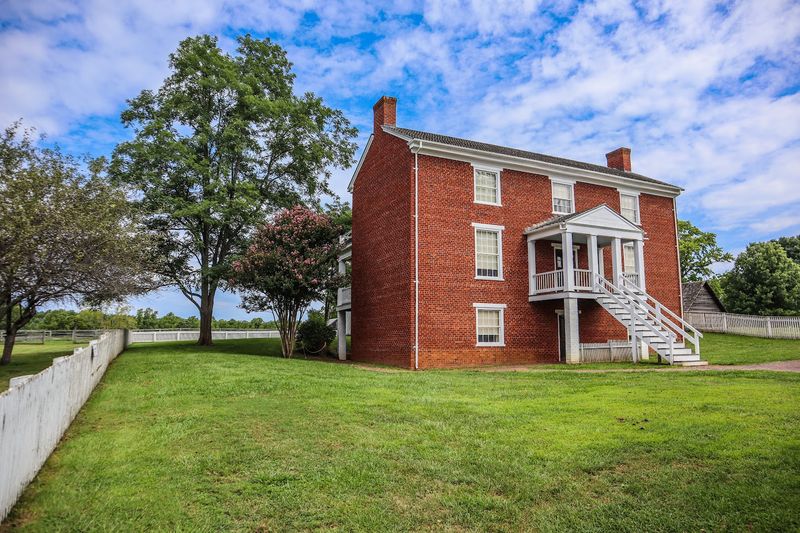
History feels startlingly close at Appomattox Court House National Historical Park, and not in a dusty, distant way.
In Appomattox, this preserved village marks the place where General Robert E.
Lee surrendered to Ulysses S.
Grant on April 9, 1865.
That moment effectively ended the Civil War, but the site also explores what came next, which gives the visit real depth.
Walking among restored buildings, open fields, and dirt roads, I felt less like I was entering a museum and more like I had stepped into a paused story.
The McLean House is the emotional center, yet the broader village matters just as much because it shows the community surrounding that famous event.
Rangers and exhibits provide solid context without draining the place of its human scale.
You will find the park at 111 National Park Drive in Appomattox, making it an easy historical anchor for a Central Virginia road trip.
Give yourself time to drive the grounds, walk the trails, and read more than just the headlines, because this is not a one-photo stop.
It is reflective, beautifully maintained, and unexpectedly moving, the kind of place that replaces vague classroom memories with something vivid, grounded, and far more meaningful than many travelers expect.
6. Smith Mountain Lake – Bedford/Moneta
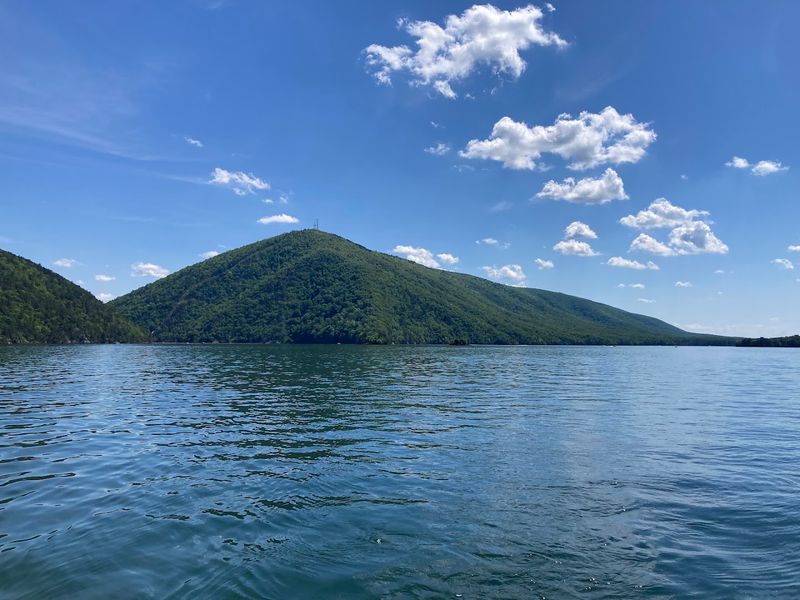
After a run of big scenery and serious history, Smith Mountain Lake arrived like Virginia’s answer to a deep exhale.
Stretching across Bedford, Franklin, and Pittsylvania counties near Bedford and Moneta, this large reservoir mixes mountain views with marinas, swimming coves, and easygoing vacation energy.
It is the sort of place where a simple afternoon can slip into sunset plans and a casual dinner on the water.
Boating is the headline act, but kayaking, fishing, paddleboarding, and lakeside lounging all make strong supporting cases.
I liked that the area offers both polished resort comforts and quieter public access spots, so the experience can be as social or as laid-back as you want.
Smith Mountain Lake State Park is a smart choice if you want trails, beach access, and picnic space in one convenient stop.
Moneta serves as a common base for dining and lodging, while Bedford gives you easy connections to the National D-Day Memorial and the Blue Ridge region.
If you are driving in summer, book rentals early, because plenty of other travelers have already discovered this watery little trap for extended stays.
Pack sunscreen, patience for scenic backroads, and maybe one extra day, because this is exactly where many careful itineraries drift wonderfully off course.
7. Manassas National Battlefield Park – Manassas
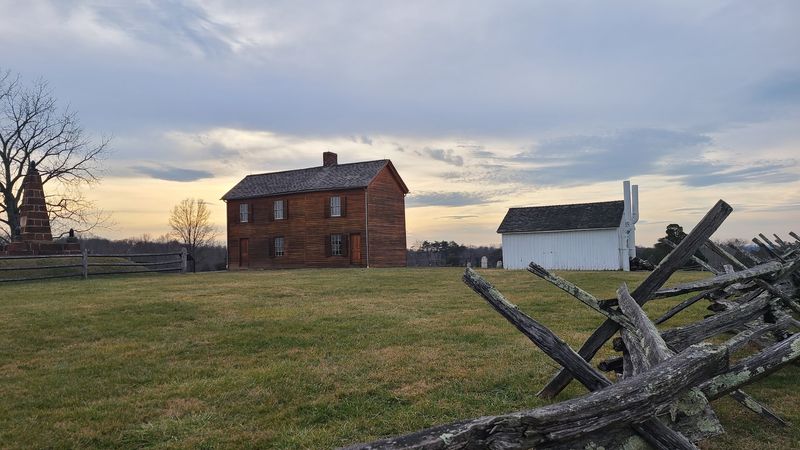
Fields can look peaceful and still carry an enormous echo, which is exactly what happens at Manassas National Battlefield Park.
Located in Manassas, this park preserves the ground of the First and Second Battles of Bull Run, two major Civil War clashes with lasting consequences.
The setting is broad and pastoral now, but that contrast only sharpens the weight of what happened here.
The visitor center lays out timelines, troop movements, and artifacts clearly, making the landscape easier to read once you head outside.
I found the walking trails and driving tour especially helpful, because they let the battlefield unfold in sections rather than as one abstract historical blob.
Henry Hill, the Stone House, and key viewpoints give structure to a story that could otherwise feel overwhelming.
The park sits at 12521 Lee Highway in Manassas, within day-trip range of Washington, D.C., Northern Virginia suburbs, and road trippers heading west.
Wear good shoes, bring water, and give yourself more time than you think, because the grounds are larger and more absorbing than many first-time visitors expect.
If you enjoy places where geography and history lock together, this battlefield delivers a vivid lesson without gimmicks, and yes, it may quietly turn even casual visitors into map-reading strategy enthusiasts.
8. The Mariners’ Museum and Park – Newport News
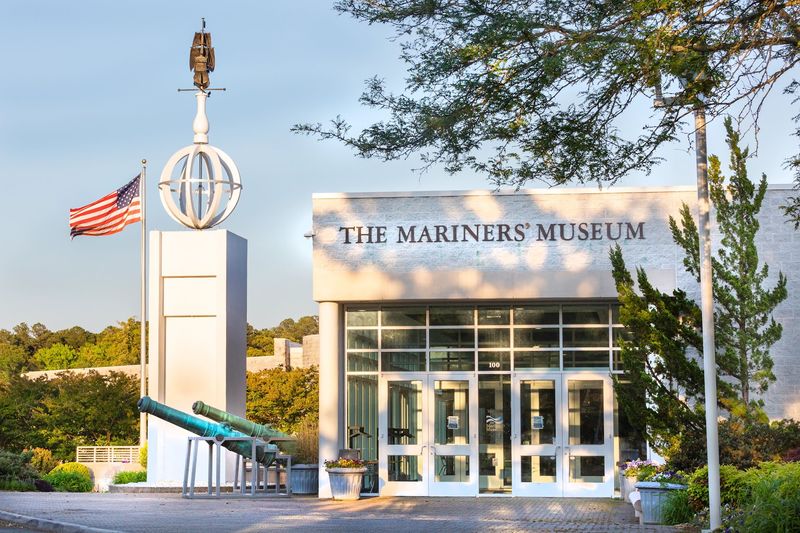
Few museums know how to make water feel important even when you are standing on dry carpet, but this one does.
The Mariners’ Museum and Park in Newport News dives into seafaring history with ship models, figureheads, navigational artifacts, and the famous USS Monitor collection.
It manages to feel both grand and approachable, which is not always easy when your subject involves centuries of naval ambition.
The Monitor Center is the knockout feature, presenting recovered artifacts from the Civil War ironclad in a way that is dramatic without becoming theatrical.
I also loved the broader galleries, because they move beyond war stories into trade, exploration, craftsmanship, and daily life connected to the sea.
Outside, the surrounding park trails and lake create a lovely contrast, especially if you want fresh air after a deep museum session.
You will find the museum at 100 Museum Drive in Newport News, a convenient stop for anyone exploring the Virginia Peninsula.
Its location also pairs nicely with Williamsburg, Jamestown, and Yorktown, making it an easy addition to a history-heavy route that needs something slightly different.
Come curious and maybe a little skeptical, because even if maritime history is not usually your thing, this place has a sneaky talent for reeling you in and refusing to let go.
9. Historic Jamestowne – Jamestown
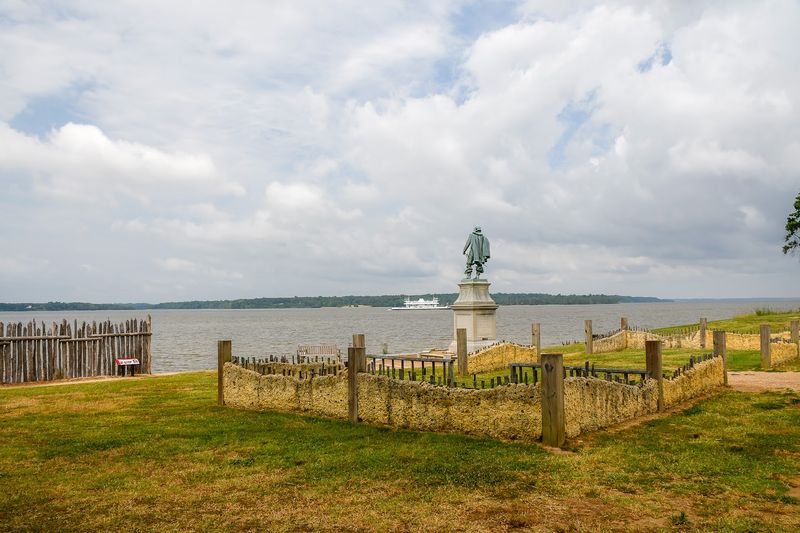
Dirt becomes a headline at Historic Jamestowne, which sounds unlikely until you see archaeology happening where English America began.
Located in Jamestown on the James River, this site preserves the original 1607 settlement and continues to reveal discoveries through active excavation.
That blend of deep history and real-time research gives the visit an energy many older sites simply cannot fake.
The standing brick church tower is iconic, but the real thrill comes from the archaeological areas, where artifacts connect broad national narratives to ordinary lives.
I appreciated how the exhibits do not flatten the story into a triumph speech, instead addressing hardship, conflict, and the Powhatan world with needed complexity.
Views of the river, the fort area, and the landscape itself help explain why this fragile place mattered so much.
Historic Jamestowne is at 1368 Colonial Parkway in Jamestown, with easy links to Williamsburg and Yorktown along Virginia’s historic triangle.
Plan for walking, sun, and a bit of humidity, because tidewater weather likes to keep things authentic.
If you enjoy history that still feels unfinished, where each unearthed object can sharpen or complicate the story, this site absolutely earns its place on your itinerary and may send you home googling seventeenth-century trade goods for fun.
10. Skyline Drive – Front Royal to Rockfish Gap
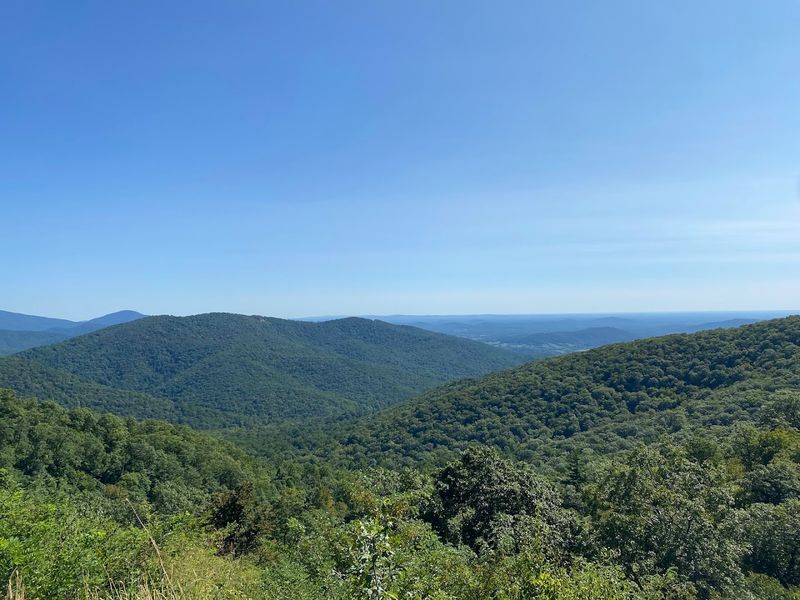
Finally, there is Skyline Drive, where the road itself acts like the attraction and the scenery keeps raising the stakes.
Running 105 miles through Shenandoah National Park from Front Royal to Rockfish Gap, this route strings together overlooks, trailheads, picnic spots, and Blue Ridge views that seem almost suspiciously pretty.
Even a short segment feels cinematic, but driving the whole thing turns a day into a rolling postcard.
The magic here is variety.
One overlook gives you hazy mountain layers, the next opens onto a valley, and soon after you are stopping again because a deer has decided to pose like it understands tourism.
I liked balancing scenic pull-offs with short hikes, especially to waterfalls or ridge viewpoints that made the drive feel even more earned.
Front Royal is the northern entrance, while Rockfish Gap near Waynesboro anchors the southern end, so you can shape the route around your broader Virginia plans.
Check weather, fuel up beforehand, and start early if you want room for spontaneous stops, because this is not a place to rush like you are late for blandness.
By the final overlook, we were already discussing leaf season, spring wildflowers, and a return trip, which tells you everything about how powerfully this road gets under your skin.