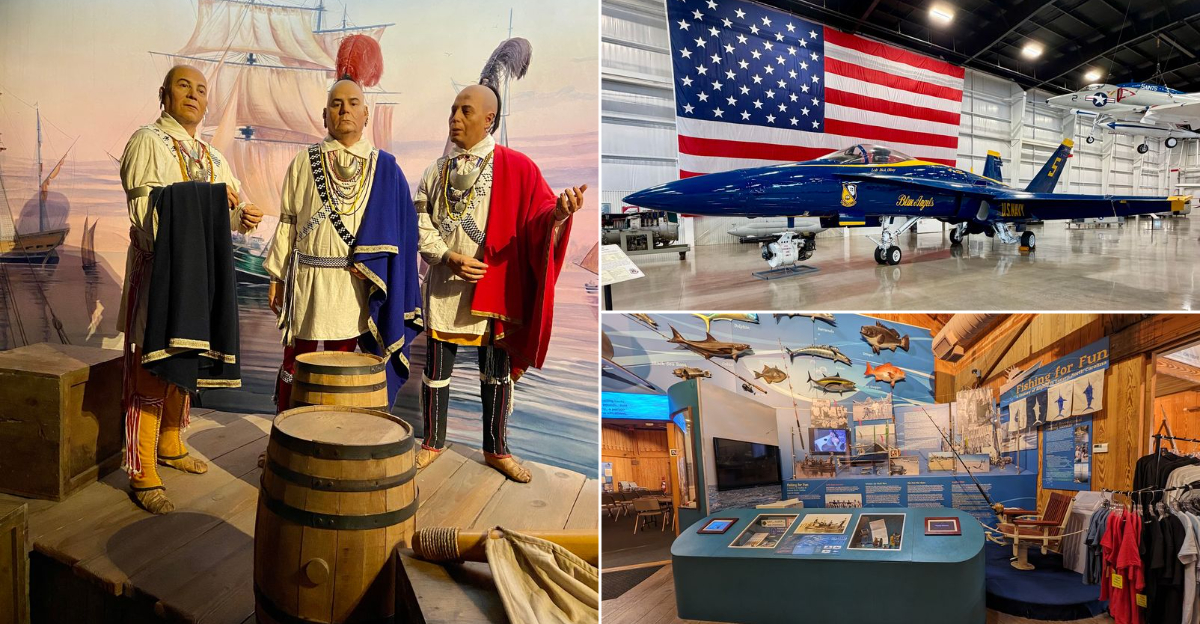
An hour sounded like more than enough time—until one fascinating exhibit led to another, and leaving suddenly became the hardest part of the visit. The best museums have a way of making time disappear without you even noticing.
North Carolina museums offer far more than a quick look at history. Across the state, visitors can explore towering dinosaur skeletons, maritime treasures, hands-on science exhibits, and powerful stories that celebrate the people, cultures, and events that shaped North Carolina.
Each destination invites you to slow down, look closer, and discover something unexpected.
These are the kinds of places that reward curiosity, whether you’re traveling with family, planning a weekend getaway, or simply looking to learn something new. Discover 10 North Carolina museums that turned what we thought would be a short stop into one of the most memorable parts of the trip.
Bones, Labs, and Hours Gone Missing
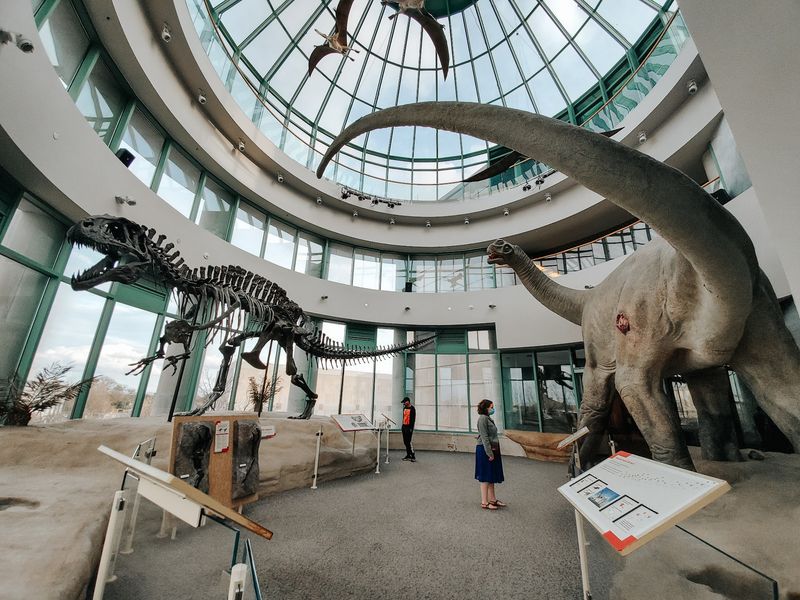
The first thing that stops you is the size of a whale hanging overhead, followed by the happy noise of families pointing in every direction. What seemed like a quick indoor stop suddenly feels huge.
Every hallway hints at another surprise, so your sense of time starts slipping fast inside.
In Raleigh, the North Carolina Museum of Natural Sciences keeps pulling visitors onward with dinosaur skeletons, live animals, and glowing ocean displays. Kids crowd around touchable exhibits, while adults linger by fossils and nature films.
If you can, wear comfortable shoes, because one floor easily turns into several more levels.
Near the windows, you might catch a view of downtown before heading back to another lab or interactive corner. The museum works best when you let curiosity lead instead of rushing.
Plan a snack break nearby, then return for the sections you skipped, because there will almost always be one.
Where the Gallery Walls Give Way to Trails
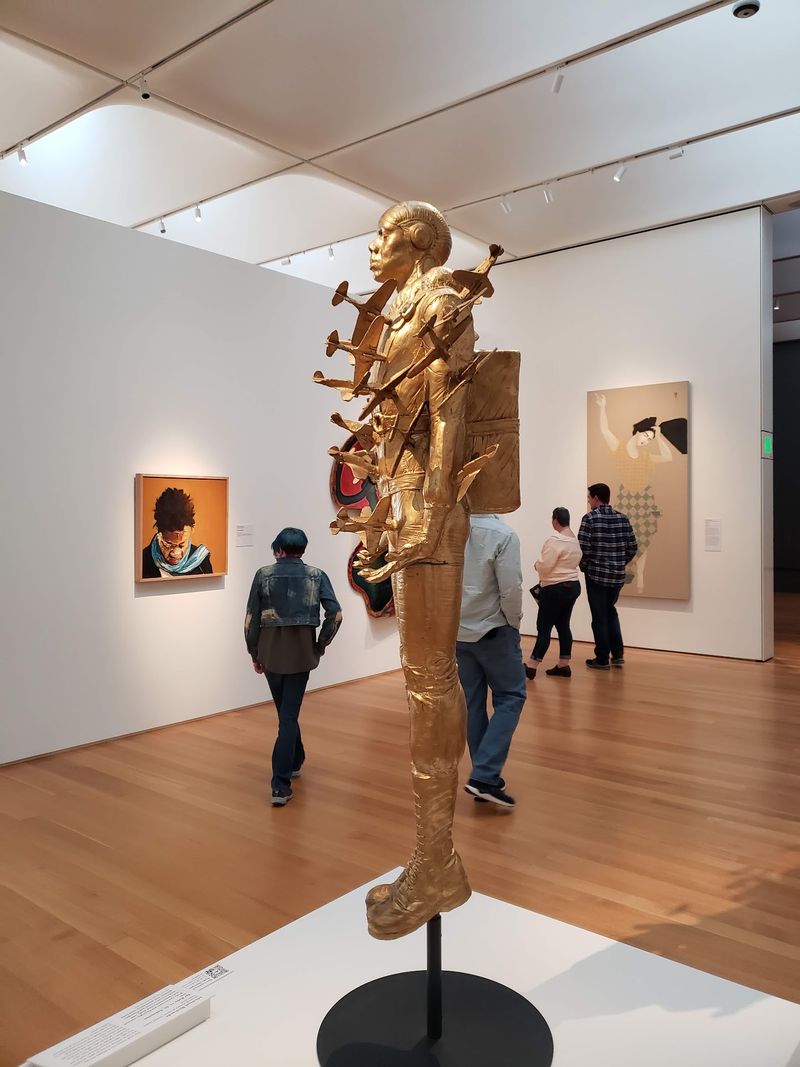
Soft light, quiet rooms, and one painting after another can make an afternoon stretch in the nicest way. You enter expecting a calm lap through a few galleries.
Then a sculpture catches your eye, a bench invites a pause, and the visit starts feeling less scheduled, more like wandering outside.
At the North Carolina Museum of Art in Raleigh, the surprise is not only inside. Large galleries hold works from many periods, but the outdoor park keeps the experience going with trails, open fields, and sculptures tucked beside trees.
Bring water, because a museum stop can turn into hours outdoors.
Families often split up here, meeting again after someone finds a favorite piece or a hidden path. A cafe break helps if younger travelers need to reset.
What stays with you is the balance: serious art, fresh air, and room to move, all in one place for everyone to enjoy.
Stories That Ask You to Slow Down
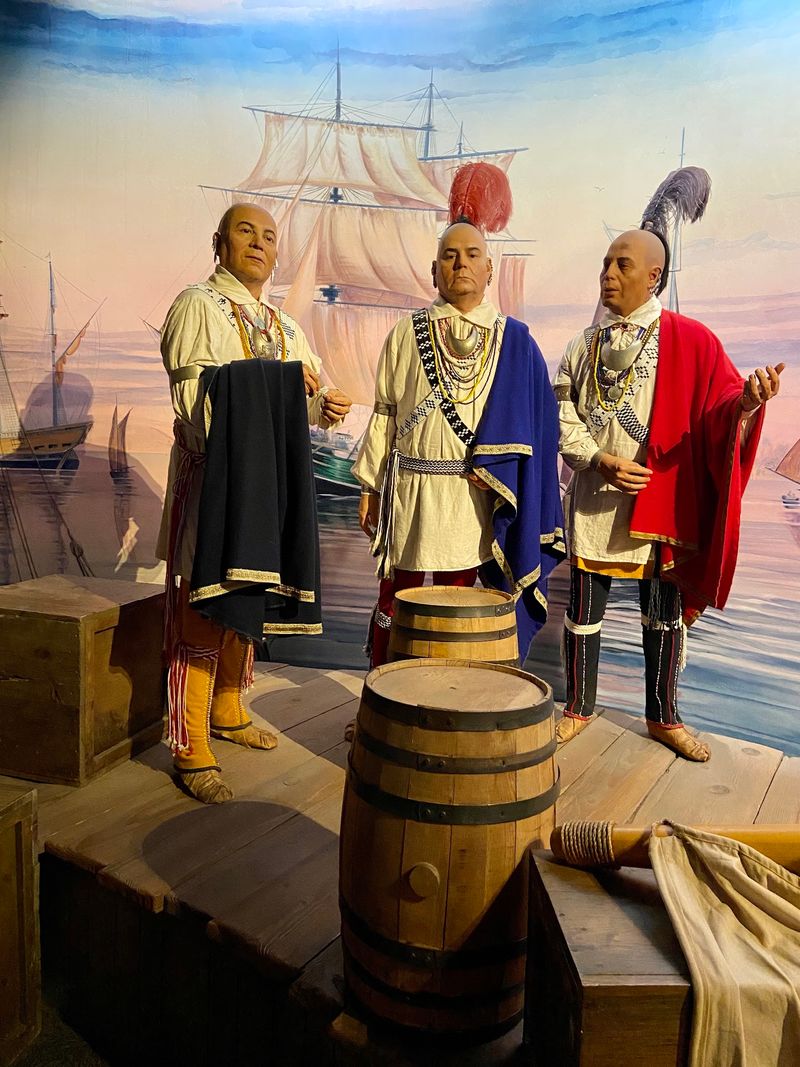
Some rooms do not ask for speed. They ask you to slow down, read every line, and listen to the weight behind each story.
That feeling arrives early here. By the time you reach the next gallery, a short visit no longer seems possible or even right at all today.
In Cherokee, the Museum of the Cherokee People shares history and culture through objects, art, and thoughtful storytelling. The exhibits move from deep roots to painful losses, then toward resilience and living tradition.
You may notice how quiet visitors become, especially near the pieces that connect family, language, and land.
Afterward, step outside and take a moment before rushing to the next stop in town. The museum leaves many people reflective, not drained, which is rare.
If you are traveling with kids, ask them what they remember most. Their answers often turn a lesson from the past into something personal.
An Aquarium, a Zoo, and a Museum in One Day
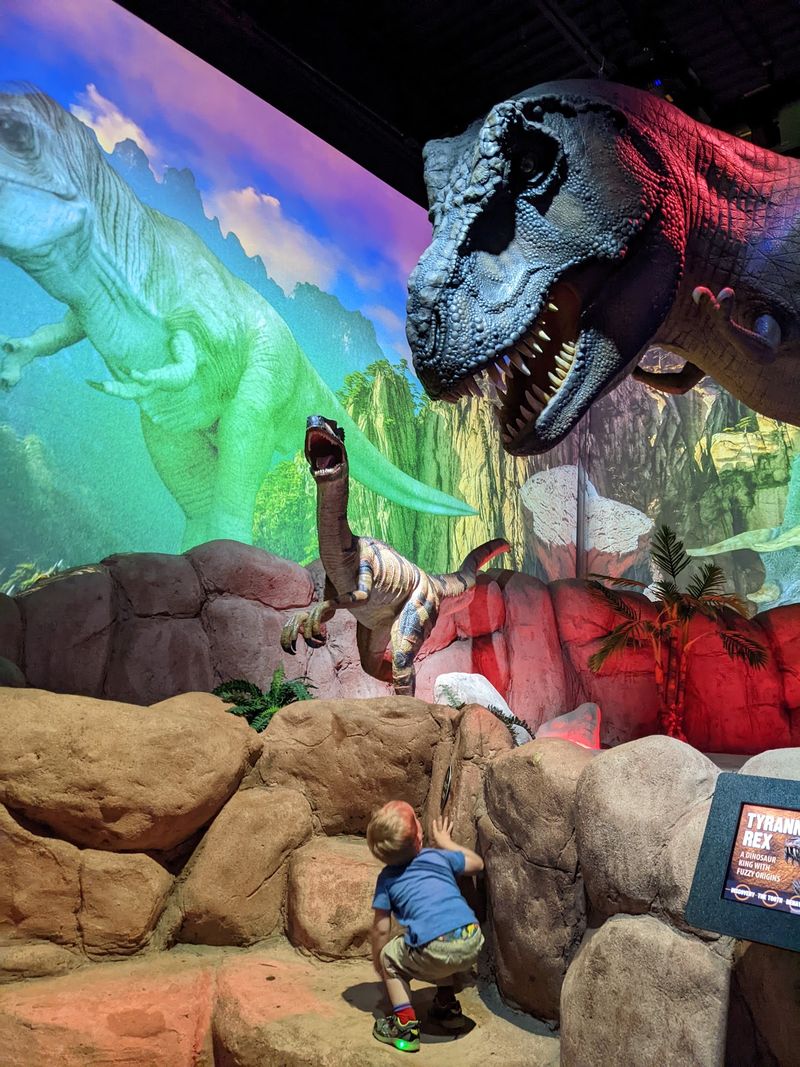
You hear splashing, see a shark glide past glass, and then notice a family hurrying toward a zoo path outside. That mix is the trick.
What feels like one museum stop keeps changing shape. Just when you think you understand the place, another building or animal encounter resets the day.
Greensboro Science Center bundles an aquarium, science museum, and zoo into one surprisingly big experience. Children bounce between touch tanks and hands on exhibits, while grownups get pulled into penguin watching or educational shows.
Check the schedule when you arrive, because feeding times and programs often shape your route there.
By late afternoon, nobody is moving as quickly as they planned that morning. There is always one more exhibit, one more habitat, one more photo near the water.
Pack a snack or budget for food on site, since leaving for lunch can break the rhythm of a very full visit.
The Kind of History That Changes the Room
The room feels still in a way that makes people lower their voices without being told. History here is not distant or tidy.
It presses close. A quick walk through becomes impossible once you realize the seats, counters, and names around you changed the country through ordinary courage for good.
Inside Greensboro, the International Civil Rights Center and Museum stands in the former Woolworth building where the 1960 sit ins began. Guided visits often deepen the experience, especially when a staff member explains what happened at the lunch counter.
The details stay with you long after you leave downtown there.
Plan extra time, not because the museum is flashy, but because it asks for reflection. Nearby cafes on Elm Street can help you process what you saw over a lunch or coffee.
For older kids, this stop can open meaningful conversations that continue for miles after the car ride begins.
Sea Air, Shipwrecks, and a Longer Than Planned Stop
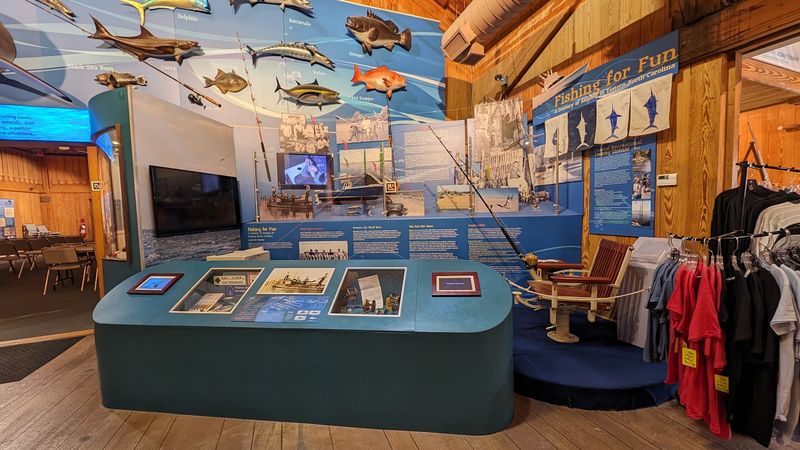
Salt air outside somehow makes the stories indoors feel even stronger. You come in expecting boats and maybe a pirate display.
Instead, the coast opens up as a whole way of life, full of storms, work, risk, and strange things pulled from deep water over many generations for local families.
At the North Carolina Maritime Museum in Beaufort, shipwreck artifacts sit alongside tales of fishing crews, traders, and Blackbeard lore. One minute you are studying recovered objects, the next you are thinking about weather and survival.
The waterfront location helps, since the harbor remains part of the story outside too.
After your visit, walk Front Street and look at the boats with fresh eyes. A cup of chowder or shrimp nearby fits the mood better than rushing off.
Families who thought they had made a short stop often end up turning the museum into the anchor for a Beaufort afternoon.
A Regional Museum With a Much Bigger Story
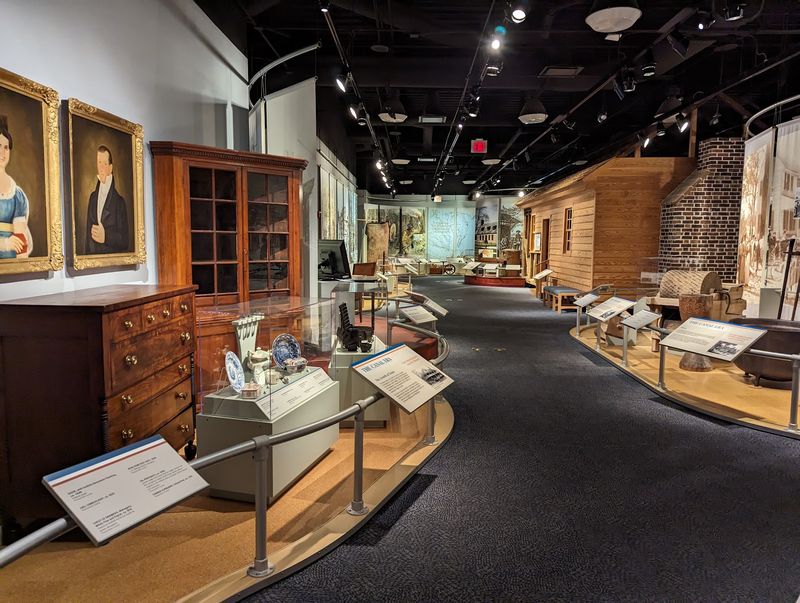
From the outside, it can seem like a pleasant regional museum beside the water, maybe good for a brief stroll. Then the layers start piling up.
Everyday objects, local struggles, and old photographs build a bigger story, one that quietly explains how a whole corner of the state took shape.
In Elizabeth City, the Museum of the Albemarle covers centuries of life in northeastern North Carolina with more depth than visitors expect. Maritime trade, community life, and wartime history all appear in ways that feel close to home.
Large windows facing the water give the visit a sense of place.
It is a good stop for travelers who like learning the story behind a landscape, not just seeing it. Children often connect with the recreated spaces and simple artifacts.
Leave time to wander the nearby waterfront afterward, because the museum makes the river, streets, and old buildings feel newly connected.
Where Outer Banks Water Feels a Little Wilder
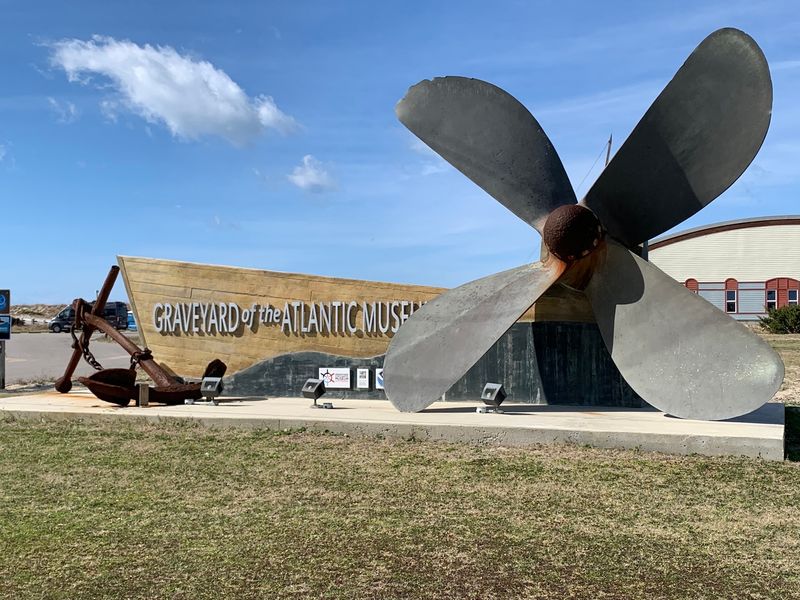
Wind, sand, and the idea of ships disappearing just offshore give this place a restless feeling before you even walk in. Once inside, the sea becomes a storyteller.
Every wreck, rescue, and storm adds another chapter, and suddenly the museum seems much larger than the building itself from outside alone.
The Graveyard of the Atlantic Museum in Hatteras explores Outer Banks shipwrecks, pirate legends, war history, and dangerous coastal waters. Maps, recovered items, and survival stories keep the exhibits grounded.
Many visitors arrive after a beach morning and end up staying longer, partly because the subject feels immediate there.
A ferry ride, a lighthouse view, or fish tacos later in the day all pair well with what you learn here. The museum gives context to the coastline, turning pretty scenery into human history.
If weather changes your plans, this is the kind of detour that can become the memory.
Hands On Science That Refuses to Be a Quick Stop
Nothing wakes up a tired road trip brain like a place where you are invited to push buttons, test balance, and see how your body works. Energy changes fast here.
Adults stop pretending they are only supervising, and kids forget they are learning because everything asks them to try it.
In Asheville, The Health Adventure turns health and science into something active rather than passive. Exhibits often ask visitors to move, compare, measure, or react, which makes time pass almost accidentally.
It works especially well on a rainy day downtown, when families want something lively but still meaningful for everyone.
Because the experience is hands on, it helps to let children lead a little instead of hurrying them along. You may notice which challenge makes them laugh and which fact lands.
Afterward, a walk around Pack Square or a snack gives everyone time to talk about what surprised them most.
The Fossil Stop That Turns Adults Into Treasure Hunters
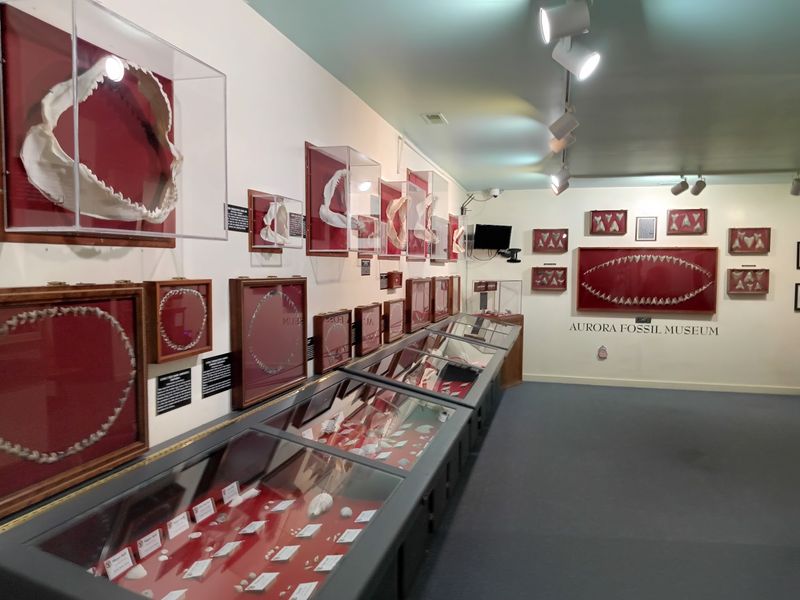
A small town stop does not usually come with the chance of finding something millions of years old in your own hand. That surprise is the charm.
The excitement starts with cases and exhibits, then jumps outdoors when visitors begin scanning gravel with sudden, very serious concentration for tiny fossils.
The Aurora Fossil Museum explains prehistoric life in eastern North Carolina, but the real hook is how personal the search can feel. Fossils from ancient sea creatures are part of the local identity here.
Bring a small bag and patience, since kids and adults alike love checking each find twice.
There is something old fashioned and joyful about kneeling over a fossil pile while someone nearby celebrates a shark tooth. The museum turns science into a treasure hunt without losing the facts.
If you are driving the coast or heading inland, it makes an story rich stop between bigger destinations.
Runways, Old Planes, and Unexpected Heart
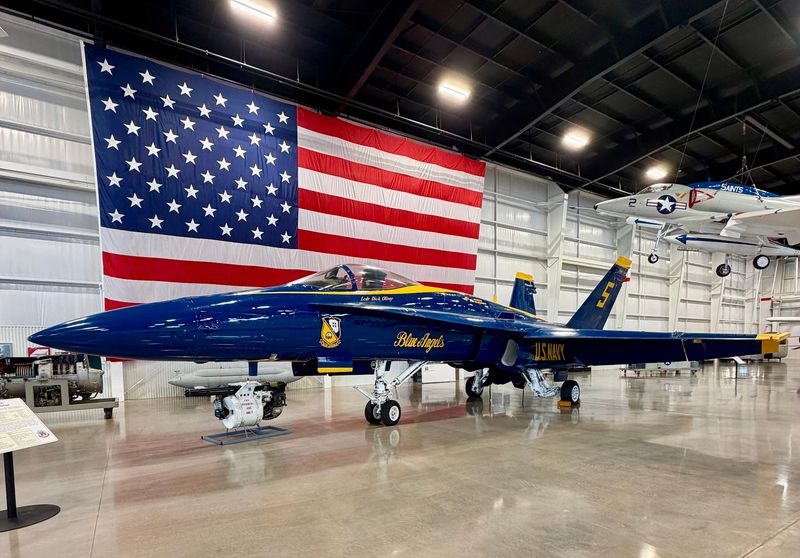
A quiet runway nearby adds a little thrill before you even step inside. Then the shapes of old planes take over, all metal lines and cockpit windows that seem ready for another mission.
What surprises many visitors is how personal the place feels, not just technical or mechanical at all.
At Hickory Aviation Museum, historic aircraft sit alongside artifacts and stories that connect flight to local memory. Veterans and aviation fans often find plenty to study, but even casual visitors get drawn in by the scale of the machines.
Sunlight on the tarmac outside adds to the experience for sure.
Try visiting when you are not in a rush, because details reward slow looking here. Kids often love spotting insignias and imagining the people who flew each plane.
Afterward, grab a simple meal in Hickory and you may find the conversation still circling back to wings, engines, and brave decisions.
The Motorcycle Museum That Wins Over Non Fans
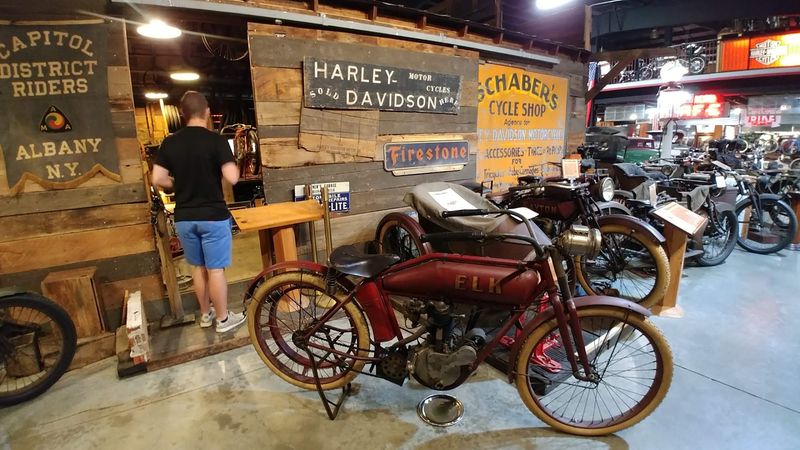
The smell of oil and old leather can turn skepticism into interest within minutes. Even people who do not care much about motorcycles start leaning closer here.
Each machine has a face, almost a personality, and the stories around them make the building feel lively instead of frozen in time.
Wheels Through Time Motorcycle Museum in Maggie Valley focuses on rare American motorcycles, many still able to run. That detail matters, because working machines feel more human than silent ones behind glass.
The mountain setting adds character too, especially if you arrive after a scenic drive on winding roads nearby.
You do not need expert knowledge to enjoy the place. Listen for the names, dates, and odd little engineering choices that give each bike its own story.
Maggie Valley has plenty of spots for barbecue or pie afterward, and that kind of meal matches the museum’s warm, unpolished spirit well.
A History Complex That Keeps Opening Up
One doorway leads to another here, and that simple fact changes your pace right away. Instead of a single gallery, you start moving through a broader story with separate spaces and different moods.
What looked like a brief history stop becomes a small campus that rewards patient curiosity for visitors.
In Fayetteville, the Museum of the Cape Fear Historical Complex explores regional life, war, industry, and community change across multiple buildings. The setting itself helps tell the story, especially when you step outside between exhibits.
Visitors often underestimate how much ground there is to cover, both literally and historically there.
If you like museums that connect local details to larger American history, this one stays with you. Old structures and changing exhibits keep the visit from feeling flat.
Pair it with a walk through nearby Fayetteville neighborhoods, and the past starts appearing not just in cases, but on the streets.