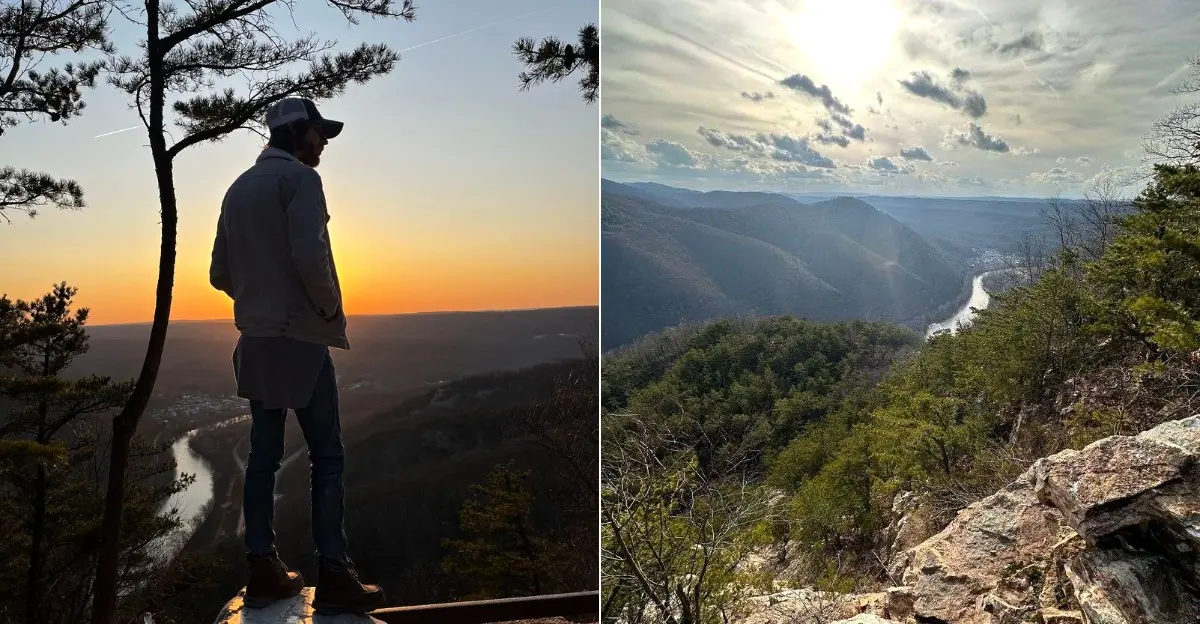
Not every great road trip needs a destination, sometimes the drive itself is the whole point.
Rolling hills rise and fall in every direction, with ridgelines stacking up like waves on the horizon.
Farmland gives way to forest, then opens again to reveal another sweeping valley view.
There’s a rhythm to roads like this, one that makes you want to roll the windows down and just keep going.
Every bend seems to hide a new overlook you didn’t expect.
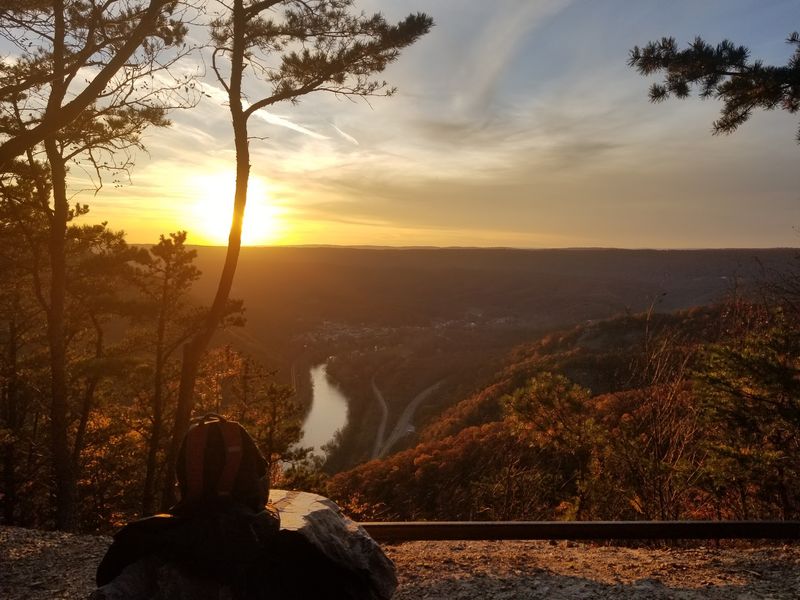
We took the scenic route through Pennsylvania along William Penn Highway near Mapleton, and found mountain views around every unexpected turn.
Sometimes the best trips are the ones you didn’t fully plan.
A Road That Rewards Slow Travel
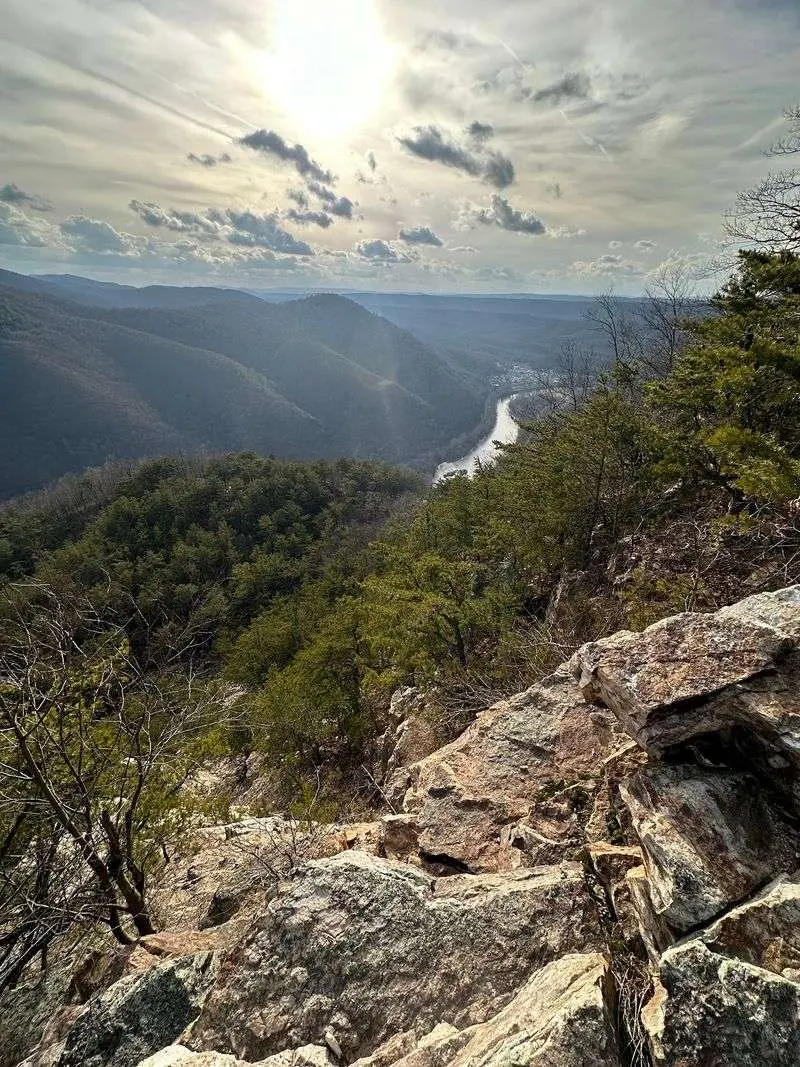
The best views often appear when nobody in the car is rushing.
Along William Penn Hwy, Mapleton, PA 17052, the road feels like a quiet invitation to slow down and notice the land around you.
Instead of treating the drive like a shortcut, give it the same care you would give a small trail or overlook.
Rolling hills rise and fall near the highway, and the scenery changes with each turn.
A stand of trees may open to a hillside, then the next bend may bring a long look toward layered ridges.
Drivers should keep both hands ready because the road can feel calm while still asking for attention.
Plan extra minutes into your trip so nobody feels hurried.
Pull off only where it is safe, legal, and wide enough for your vehicle.
Bring water, charge your phone, and check the weather before you go.
For families, this route can be a simple lesson in Pennsylvania geography.
Kids can spot slopes, valleys, farms, and forest edges from the window.
That makes the drive more than transportation, turning it into a moving classroom with mountain views included.
Mountain Lines Around the Bends
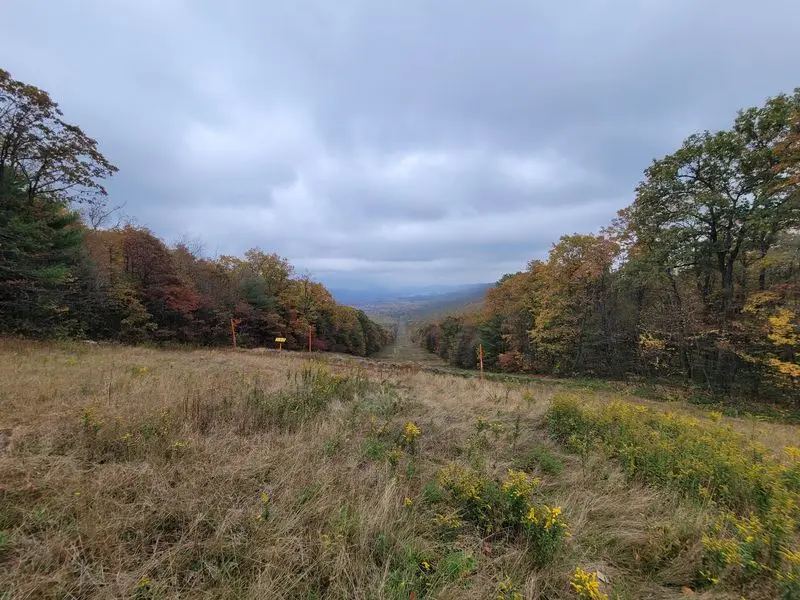
A bend in the road can feel like opening a new page in a travel story.
One moment, trees frame the windshield like a green tunnel, and the next, the view stretches outward toward soft mountain lines.
That changing rhythm is what makes this drive feel alive.
The surrounding ridges are part of the larger Appalachian landscape, where folded land creates long, graceful shapes across the horizon.
You do not need to be a geology expert to enjoy it.
Simply notice how the hills seem to stack behind one another, especially when the light is low.
Morning and late afternoon are often the best times for scenery.
Shadows add depth to the slopes, and the sky can make the ridgelines stand out more clearly.
If clouds are moving, the mountains may look different every few minutes.
Passengers should keep cameras ready, but drivers should leave photos to someone else.
A safer plan is to enjoy the road first and take pictures only from a proper stop.
The real charm is not one perfect view, but the way small views keep arriving around unexpected turns again and again.
Quiet Woods Beside the Pavement
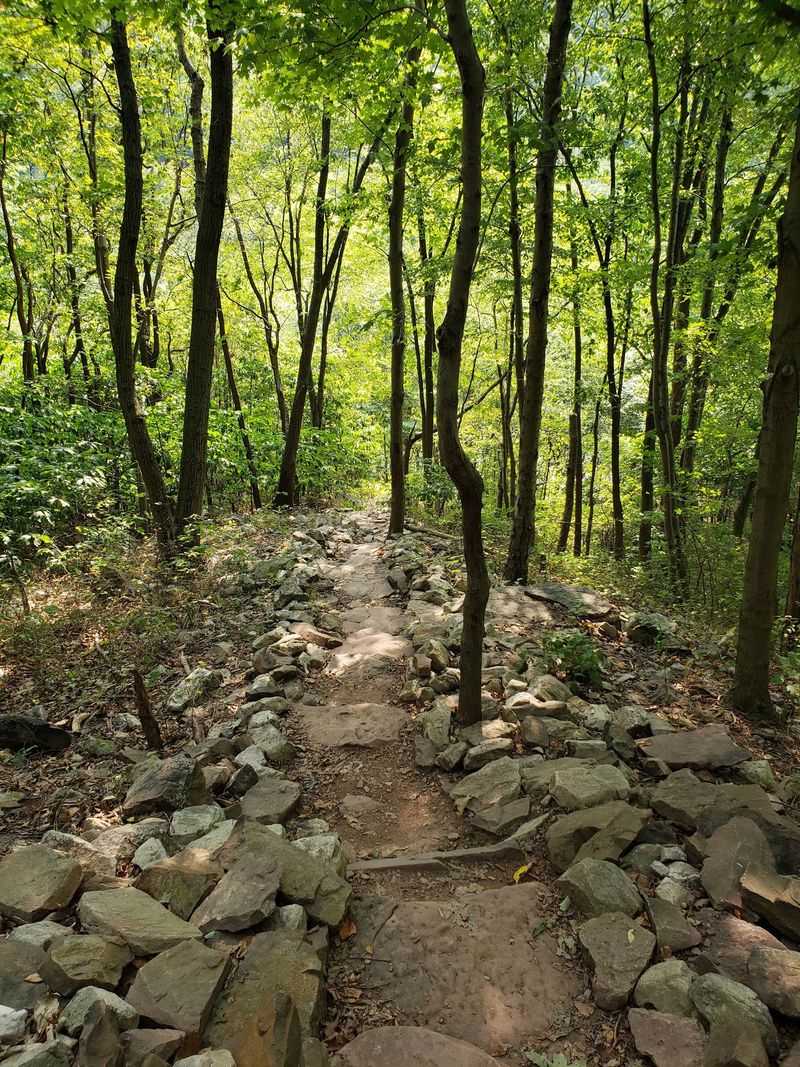
There is a special calm that comes from driving beside trees for miles.
The wooded sections along this route soften the noise of travel and make the ride feel tucked away from busy places.
Even without leaving the car, visitors can sense the steady pull of the forest.
In spring, new leaves can brighten the roadside with fresh green color.
Summer brings deeper shade, which can make the road feel cooler and more private.
Autumn is especially striking, with gold, orange, and red leaves adding color to the hillsides.
Wildlife may appear near the edge of the road, so drivers should stay alert.
Deer are most active near dawn and dusk, and smaller animals can cross without warning.
Keeping a steady speed and watching the shoulders helps protect both travelers and animals.
The woods also remind visitors that scenic roads deserve respect.
Do not throw trash from the car, and secure loose items before opening doors at any stop.
A clean roadside helps everyone enjoy the same peaceful feeling later.
For a simple travel game, ask passengers to count different tree shapes.
It keeps young riders interested while helping them notice the living landscape outside.
Small-Town Edges and Country Details
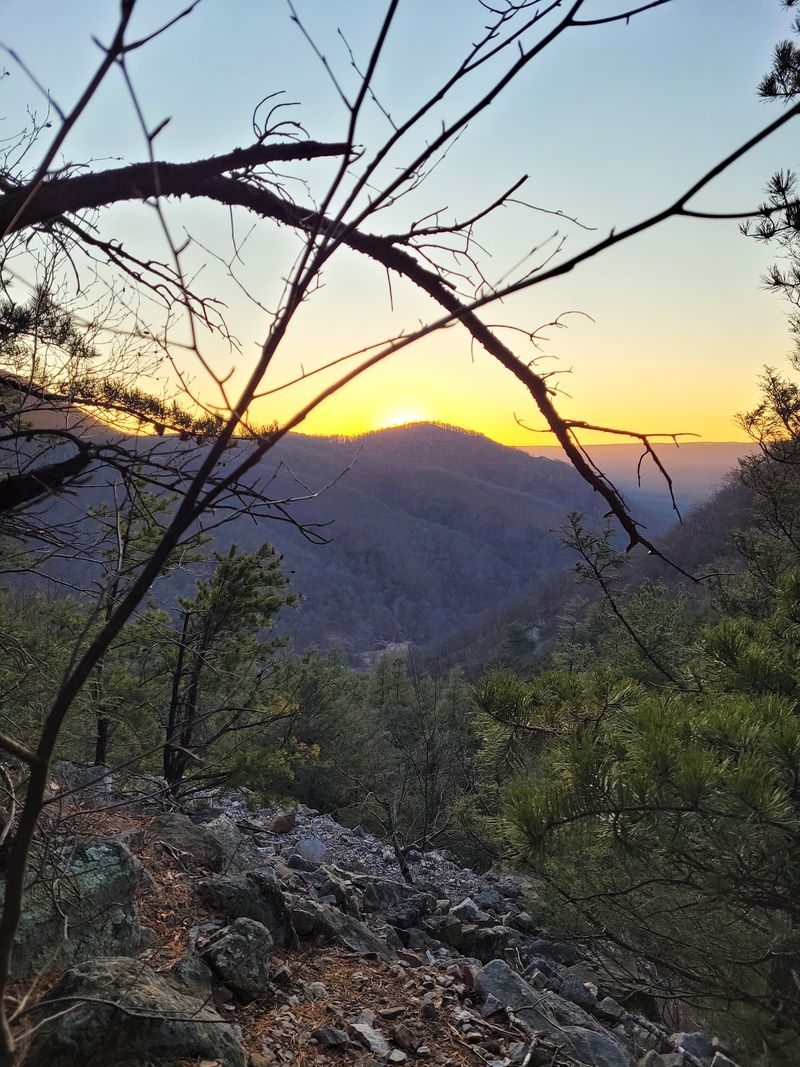
Not every scenic view has to be wild or dramatic.
Sometimes the sweetest parts of a drive are the small signs of everyday life along the road.
Mailboxes, fences, porches, barns, and side lanes can tell their own quiet story.
This stretch passes through a setting where hills and human routines sit close together.
You may see homes tucked near tree lines, open patches of land, or driveways climbing gently from the pavement.
Those details give the route a lived-in feeling, not just a postcard look.
Travelers should remember that scenic roads often pass real neighborhoods.
Drive politely, avoid blocking private entrances, and never walk onto private land for a photo.
Respect makes it easier for visitors and residents to share the same beautiful place.
A good tip is to look for patterns rather than landmarks.
Notice how houses face the road, how fields follow the slope, and how wooded ridges rise behind simple buildings.
These small observations help the trip feel richer.
Children can sketch what they see after the ride.
A barn roof, a curving lane, or a hillside fence can become a fun memory from a road that many people might otherwise pass too quickly.
Weather That Changes the View
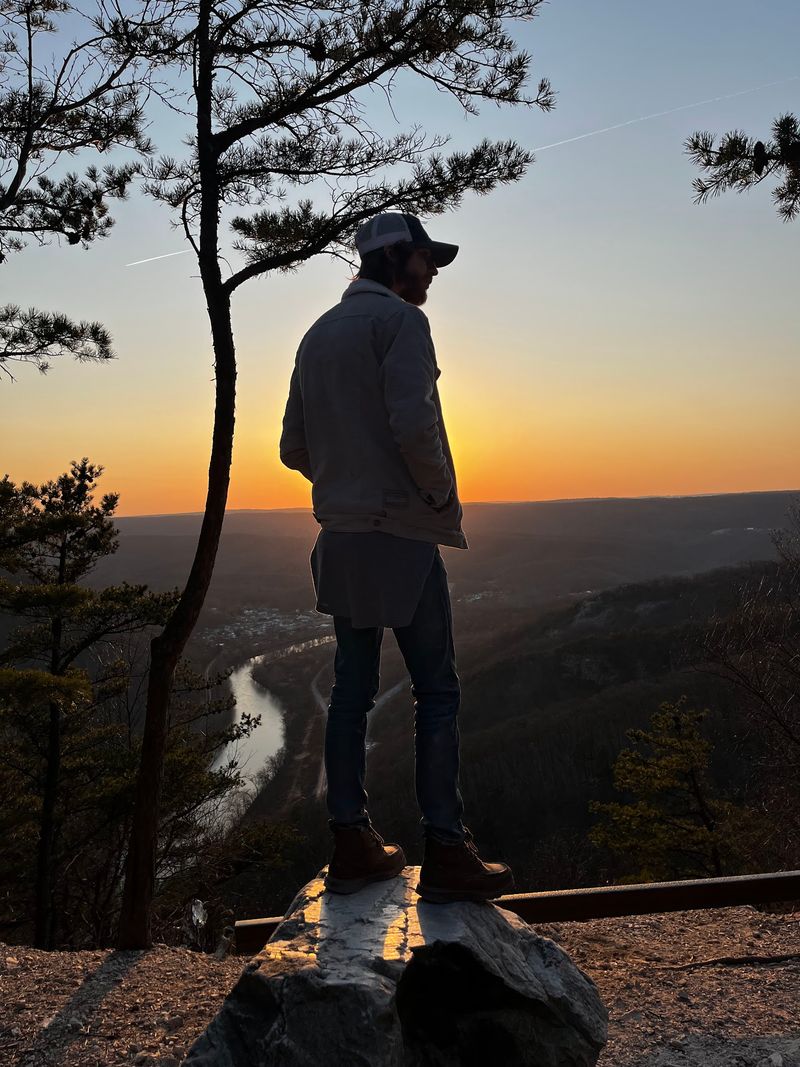
Clouds can turn an ordinary drive into a moving show.
On this route, weather changes the way the hills look, sometimes making them bright and sharp, then soft and misty a little later.
That variety is part of the fun, as long as travelers prepare well.
Rain can darken the tree trunks and make leaves shine, but it can also reduce visibility.
Fog may settle near low areas and blur the ridges ahead.
Snow or ice, when present in colder months, can make curves and shaded sections more serious for drivers.
Before leaving, check a reliable forecast and road conditions.
Pack a light jacket, especially in cooler seasons, because mountain areas can feel different from towns nearby.
Keep windshield wipers in good shape and make sure headlights work.
If the sky looks dramatic, resist the urge to stop suddenly.
Find a safe pull-off or continue until there is a proper place to pause.
The view is never worth risking a roadside accident.
Many travelers love partly cloudy days best.
Patches of sunlight move across the hills, creating changing patterns that feel almost like a nature film outside the window.
A Better Drive With a Simple Plan
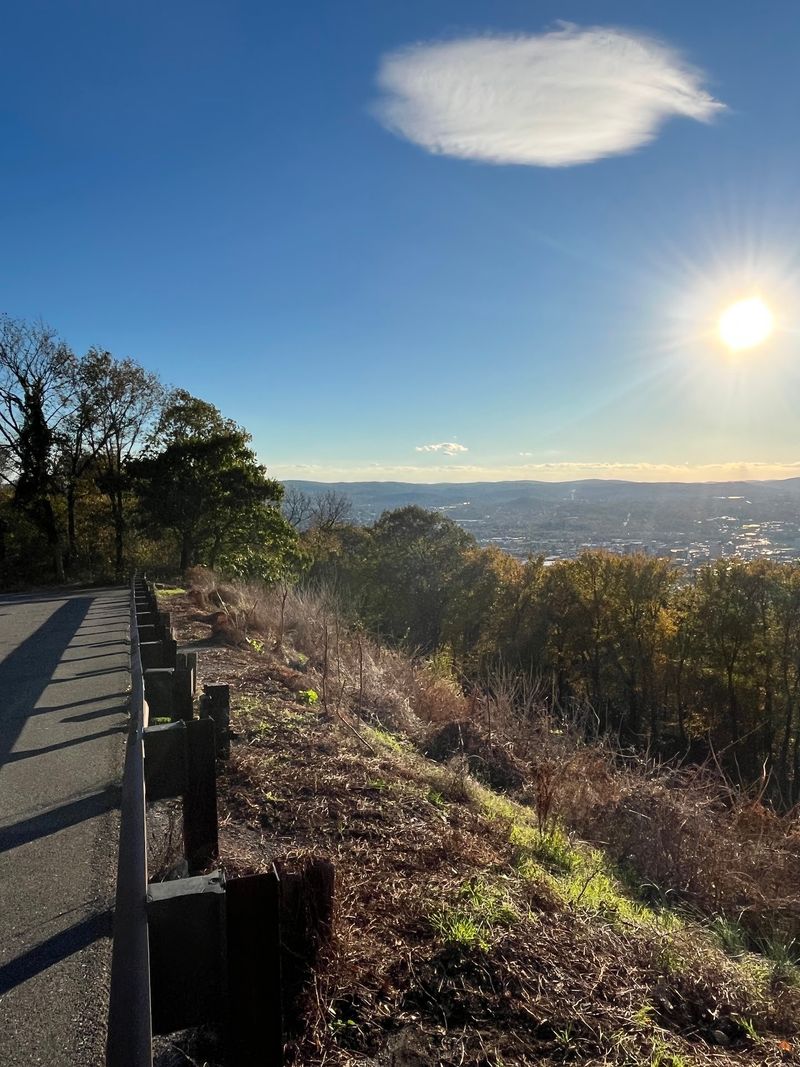
A scenic drive works better when the little things are handled before the engine starts.
Good planning does not make the trip boring.
It actually gives everyone more freedom to enjoy the mountains, trees, and turns without stress.
Start by checking your fuel level, tire pressure, and phone battery.
Some rural stretches can feel quiet, so it helps to be ready rather than hoping everything works out.
Download maps ahead of time if your phone allows it.
Snacks are useful, especially for families or anyone traveling with kids.
Choose simple foods that do not spill easily, and keep a trash bag in the car.
Water is more helpful than sugary drinks on a longer ride.
Set expectations before you go.
Tell passengers that the goal is not speed, but scenery, calm, and discovery.
If someone gets carsick, let them sit where they can see forward and take breaks when possible.
A playlist can add personality to the trip, but leave room for quiet too.
Sometimes the best sound is tires on pavement, wind through a cracked window, and someone saying they just saw another beautiful hillside appear.
Photo Moments Without the Rush
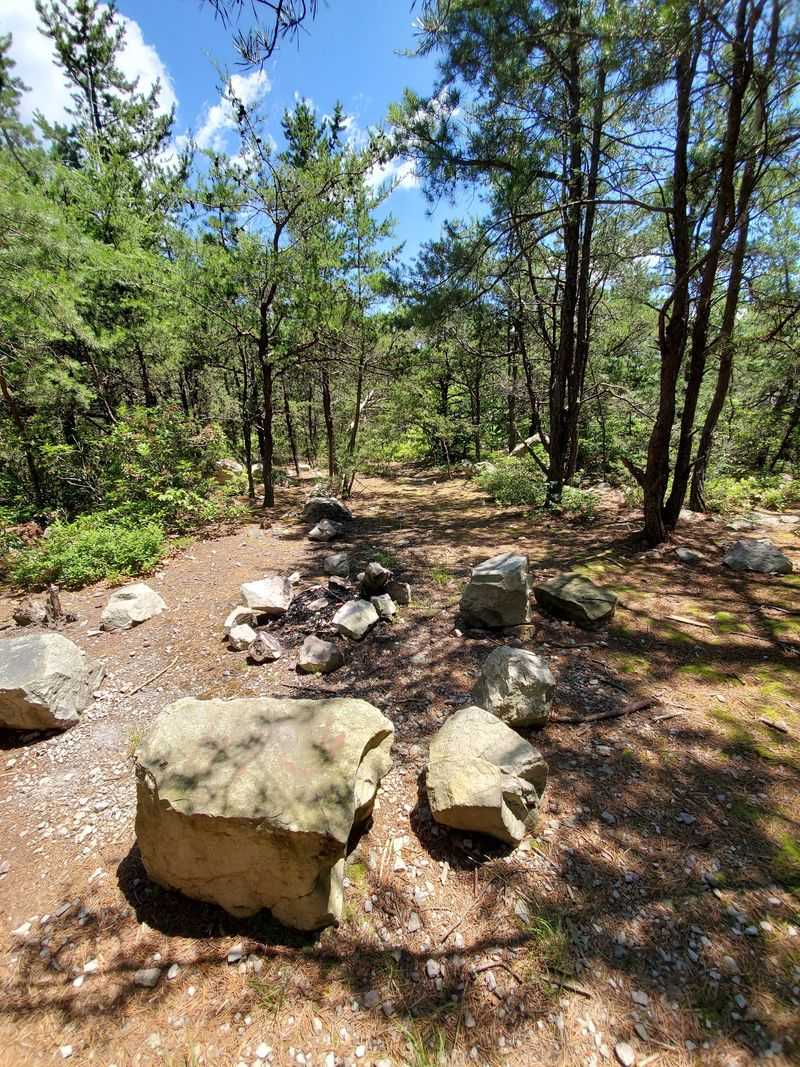
Great pictures can happen quickly on a road like this, but patience usually leads to better memories.
A rushing photographer may miss the feeling of the place while trying to catch every hill and curve.
The trick is to balance safety, timing, and attention.
Passengers have the easiest job because they can watch the scenery without controlling the car.
They should keep the camera or phone ready, but avoid leaning out windows or distracting the driver.
Clear windshield glass helps, so wiping it before the trip can improve quick shots.
Drivers should never stop in a travel lane for a picture.
Use only safe pull-off areas, parking spaces, or wide spots where stopping is allowed.
Turn on signals early, move carefully, and check traffic before getting out.
For better photos, look for layers.
A road edge in front, trees in the middle, and hills in the distance can make a simple image feel deep.
Clouds, sunlight, and shadows also add interest.
Do not forget people in your pictures.
A child pointing at a ridge or a friend smiling beside the car can tell the story of the day better than scenery alone.
Why the Route Stays With You
Some trips stay in your mind because they are loud, crowded, or full of famous stops.
Others linger because they are simple.
A quiet highway, a few good views, and time with people you like can be enough.
The charm of this drive comes from its steady surprises.
A curve may reveal a new slope, a gap in the trees may show a ridge, and a plain roadside moment may suddenly feel beautiful.
Nothing needs to be forced.
That is why scenic routes matter.
They remind travelers that places between destinations have value too.
A road can teach patience, attention, and respect for land that many people pass without seeing.
Before heading home, take a minute to remember one favorite moment.
Maybe it was a shadow moving across a hill, a bright patch of leaves, or the way the road seemed to bend toward the mountains.
Small memories often last longest.
If you return in another season, the same drive may feel new again.
Winter branches, spring green, summer shade, and fall color each bring a different mood, proving that a familiar road can still surprise careful travelers.