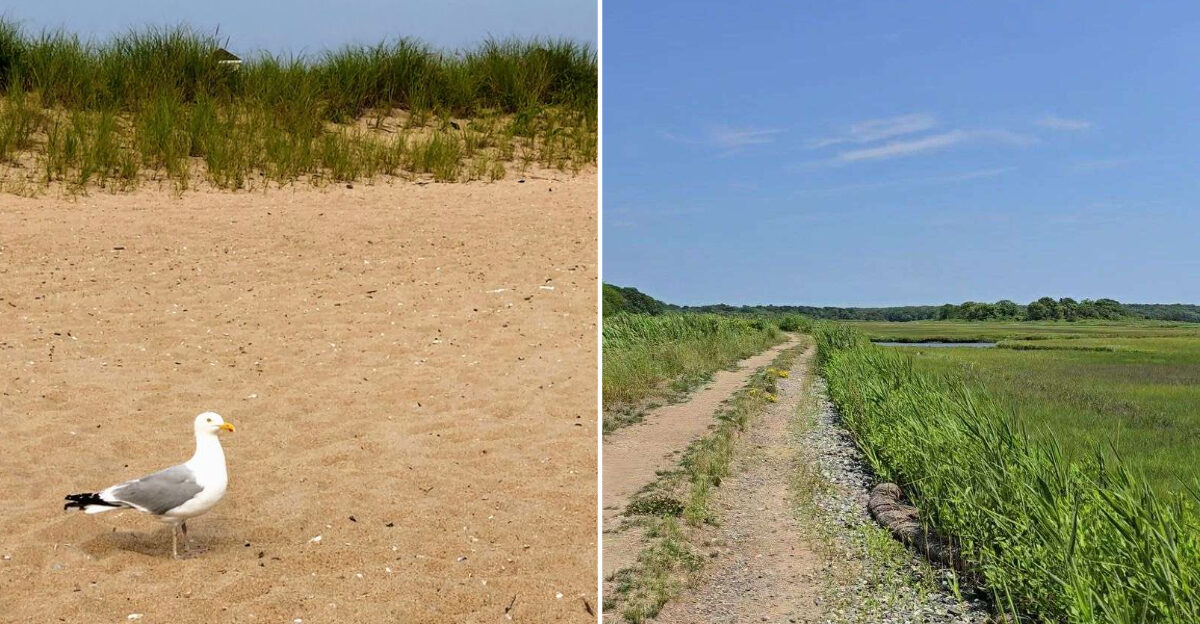
The quietest trail can sometimes have the most going on. A frog rustles through the reeds, a fox slips between the trees, or deer tracks appear in the soft earth, reminding you that the woods are busy even when the path feels still.
Connecticut has plenty of hikes where wildlife is part of the experience. Beyond the more crowded routes, protected marshes, forests, ponds, and meadows provide shelter for birds, deer, frogs, foxes, and countless smaller creatures.
These landscapes offer hikers something more rewarding than a scenic backdrop: the chance to slow down, listen carefully, and notice the signs of life around them.
For anyone who enjoys nature with a little discovery woven into the walk, these trails are worth seeking out. We found 12 Connecticut hikes full of wildlife, each offering its own reason to leave the busiest paths behind and look a little closer.
Birdsong and River Bends at Belding Wildlife Management Area
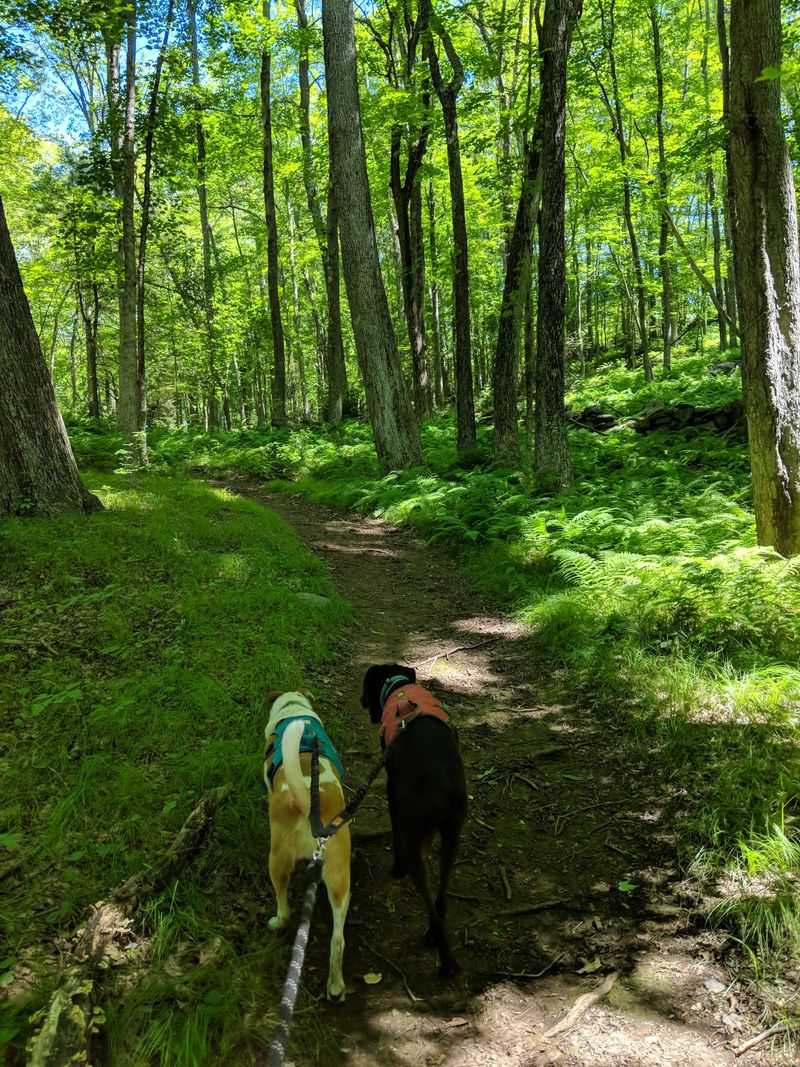
Before you even settle into your pace, the woods begin talking. Chirps bounce from the trees, reeds shake near the water, and every little sound makes you glance around for movement.
It feels less like a workout and more like being invited into a busy outdoor neighborhood.
In Vernon, Belding Wildlife Management Area packs a surprising mix of habitats into one outing. Trails pass fields, forest, wetlands, and stretches near the Tankerhoosen River, so the scenery changes often without feeling forced.
Bring binoculars if you have them, because more than 100 bird species have been documented here.
Spring is especially fun when vernal pools wake up with frogs and salamanders. In warmer months, butterflies and dragonflies add color along the edges of the trail, while turtles sometimes appear near quieter water.
Go slowly instead of chasing miles here. A soft step and a few patient pauses can turn an ordinary walk into a string of small discoveries, and that is exactly what makes Belding memorable for wildlife lovers in Connecticut.
Beaver Ponds and Forest Trails at Sessions Woods
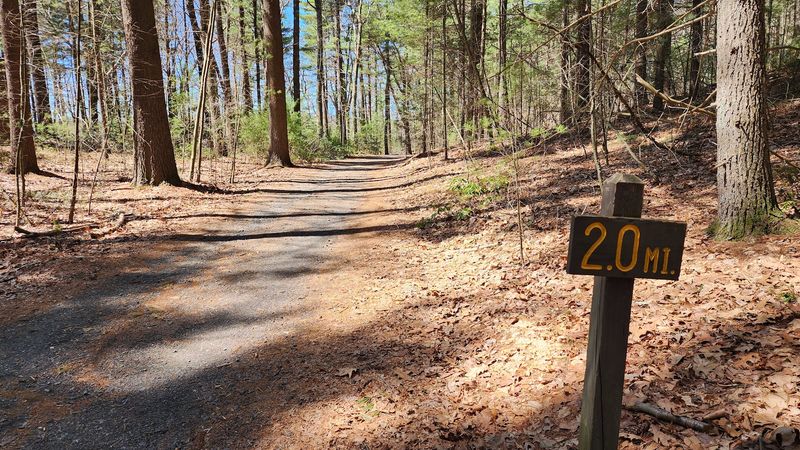
A hush settles over the trail, then breaks with a splash from the pond. Somewhere ahead, a woodpecker taps like a tiny hammer, and the wet ground near the water hints that busy animals worked all night.
That first stretch tells you this place is built around wildlife, not just scenery.
Sessions Woods Wildlife Management Area in Burlington gives hikers a close look at forests, meadows, and wetlands that support a wide range of animals. Trails like Beaver Pond and Forest Meadow make it easy to notice how one habitat flows into the next.
Keep your eyes open for deer, wild turkeys, hawks, and herons.
Signs of beavers are part of the fun here. Look for gnawed trunks, muddy edges, and still water reflecting the trees, especially in quieter morning light.
If you visit in cooler weather, you may hear less insect noise and more birds calling across the open spaces.
Wear shoes that can handle damp patches after rain. Sessions Woods rewards calm walkers, curious kids, and anyone who likes a trail where the wild residents feel like the main characters from start to finish.
Salt Air and Shorebirds at Barn Island
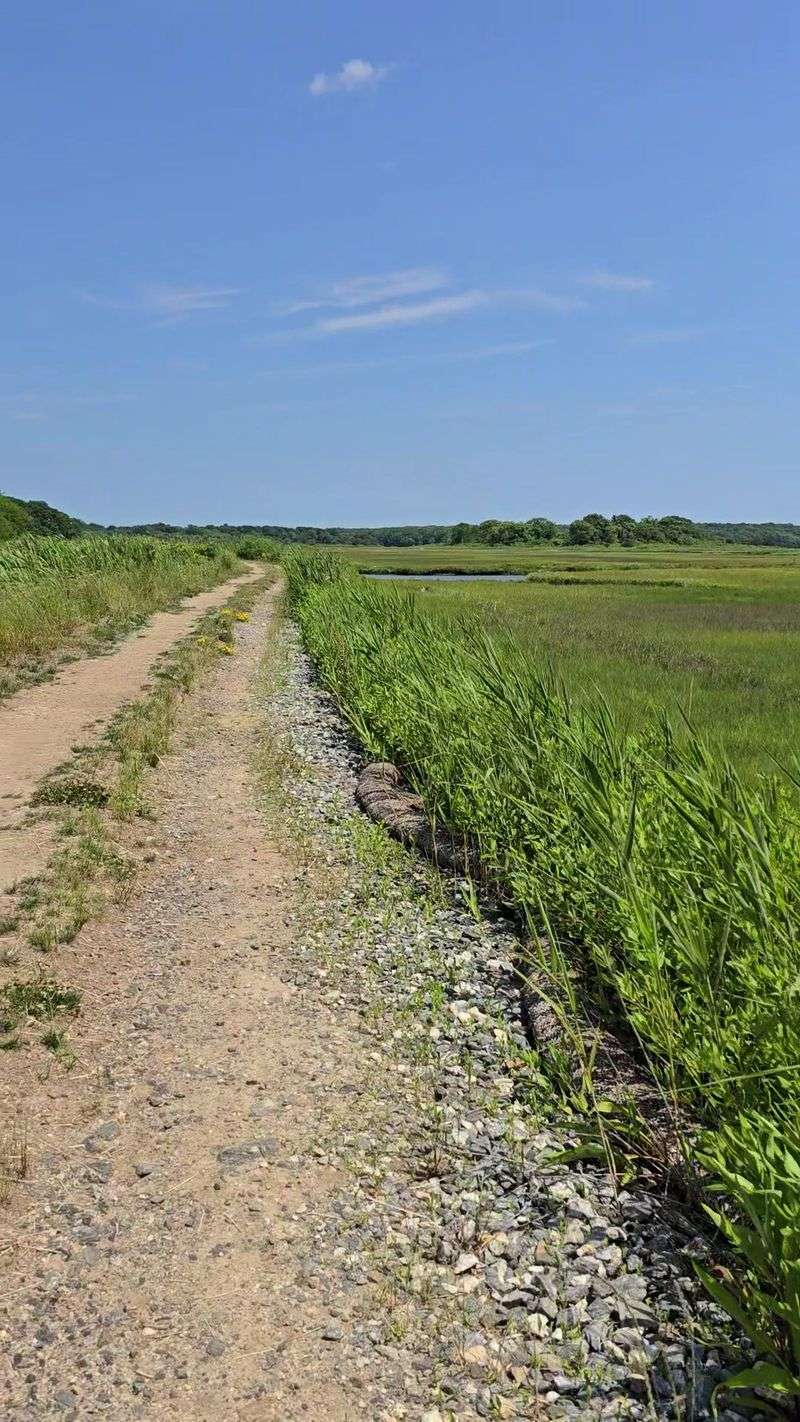
The breeze tastes faintly of salt, and the open marsh seems to stretch forever. Instead of deep forest shadows, you get broad skies, waving grasses, and the kind of silence that is broken by wings, not traffic.
It feels wide open in the best possible way.
Later along the route, Barn Island Wildlife Management Area in Stonington reveals why coastal hikes can be such rich wildlife walks. The main trail runs through marsh, woodland, and shoreline habitat, which means birdwatching happens naturally even if you did not come with a checklist.
Osprey, waterfowl, and shorebirds are common reasons people keep stopping here.
Low tide can be especially interesting because mudflats and shallow water pull in feeding birds. Bring a hat, sunscreen, and maybe a snack, since the sun feels stronger in these open spaces than it does under trees.
There is a peaceful rhythm to Barn Island that sticks with you after the hike. One minute you are studying tracks near the path, and the next you are watching the sky, reminded how much life gathers where land and water meet.
Long Miles, Quiet Meadows at Deer Pond Farm
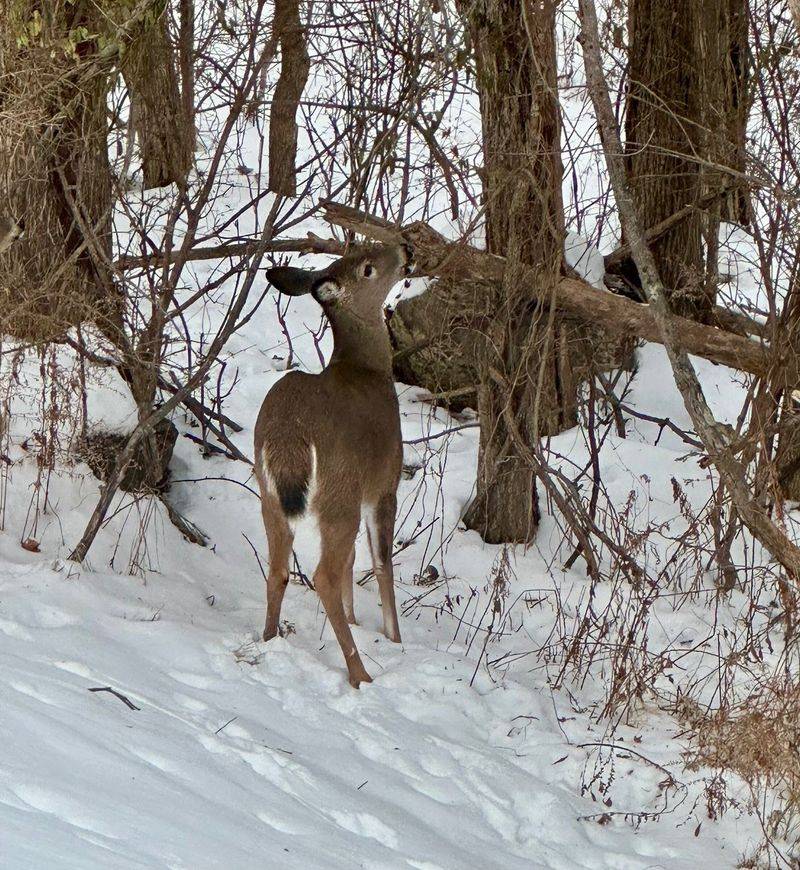
Some trails make you want to speed up, but this one does the opposite. The quiet feels deep, the meadows seem almost stitched into the forest, and every turn suggests another hidden pocket of life just ahead.
You begin to notice small things, like a flash of bluebird color or reeds moving without wind.
That slow, observant mood fits Deer Pond Farm in Sherman perfectly. The sanctuary has miles of trails through forest, wetlands, meadows, and shrubland, giving wildlife room to thrive and visitors room to wander.
Birders especially love it, with well over 150 species recorded, but the appeal goes beyond birds alone.
Bobcats, beavers, coyotes, deer, and even black bears are part of the larger story here, though most stay out of sight. Bring water and allow extra time, because this is the sort of place where a half-hour plan easily becomes a longer, happier ramble.
Deer Pond Farm feels thoughtful rather than flashy. You come for a hike, then leave remembering the layered habitats, the changing sounds, and the sense that Connecticut still holds wild corners big enough to surprise you.
Changing Coastline at Bluff Point State Park
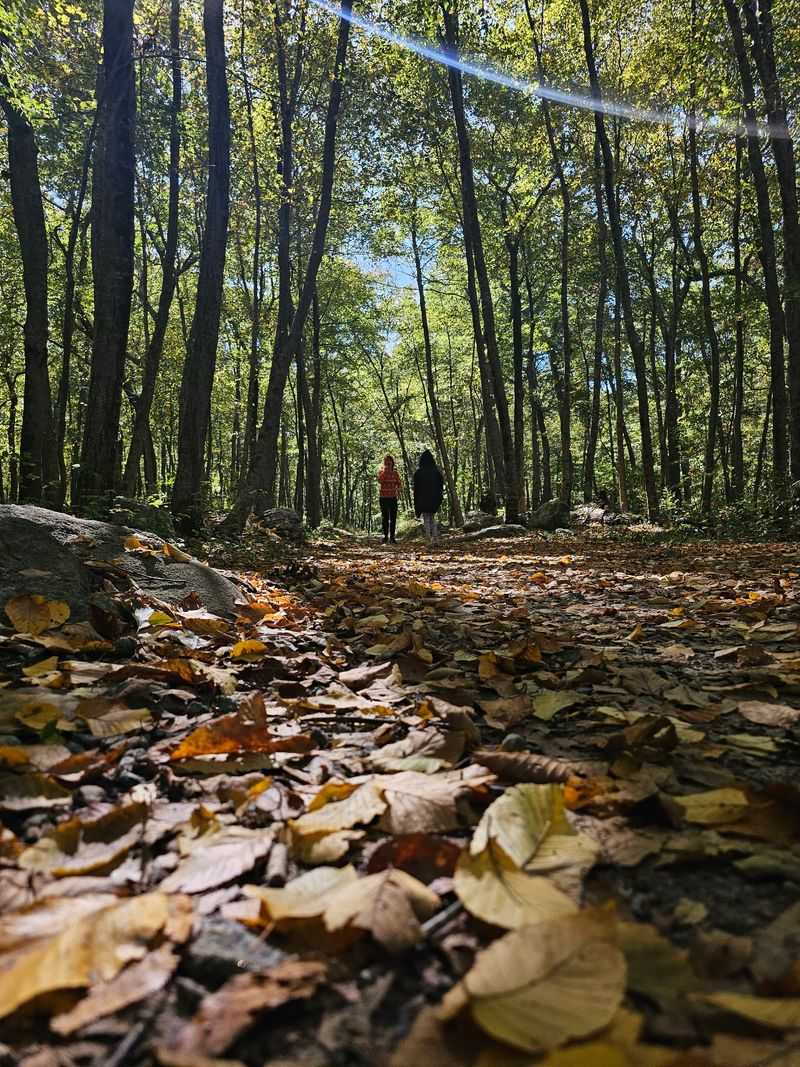
One minute you are walking through coastal woods, and the next the view blows open to water and sky. That quick change keeps the hike lively, almost like moving through several different parks in a single trip.
Even the smells shift from pine and earth to salt and sea air.
Bluff Point State Park in Groton is one of those places where habitat variety does the storytelling for you. Trails pass woods, dunes, wetlands, ponds, mudflats, and beach, helping explain why so many birds use the area.
More than 200 species have been reported, and mammals like deer, foxes, and coyotes also call this landscape home.
Bring a camera or just make time to stop often. Mudflat areas can be busy with feeding birds, while the shoreline gives you big views across Long Island Sound that make even a short break feel special.
Because conditions can change with wind and season, every visit feels a little different. Bluff Point works well for hikers who want wildlife, open scenery, and that refreshing sense that the edge of Connecticut still has room to feel untamed.
Young Woods and Butterflies at H. Smith Richardson Preserve
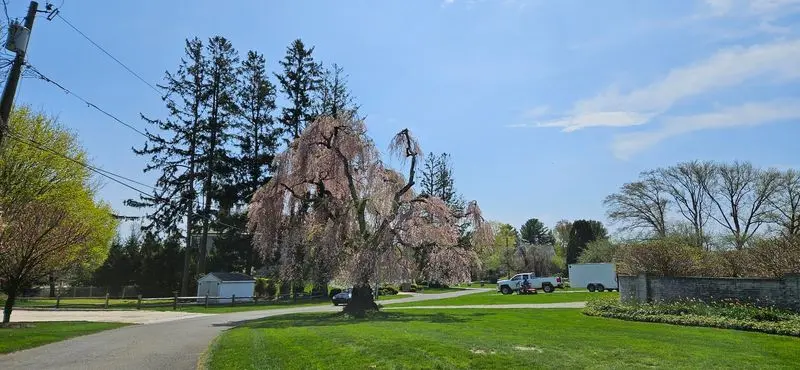
The first thing you notice is not drama but detail. Grasses flicker in the light, butterflies move across open patches, and birds seem to pop out of shrubs you almost missed.
The place feels gentle, observant, and quietly busy, which is part of its charm.
H. Smith Richardson Wildlife Preserve in Westport is a good reminder that younger habitats matter.
Its trails pass through early successional areas, where fields and young woodland create the kind of structure many birds and insects need. That is one reason the preserve is recognized as an eBird hotspot.
Because the paths are well maintained, it is easy to focus on what is around you instead of watching every step. Look for butterflies on warmer days and listen for quick bird calls coming from thickets near the trail edge.
This is not a grand mountain walk, and it does not need to be. The reward comes from noticing how much life thrives in a landscape built on renewal, making it a satisfying stop for hikers who enjoy wildlife in smaller, more intimate scenes.
Wetlands, Bogs, and Backcountry Feel at Avery Farm
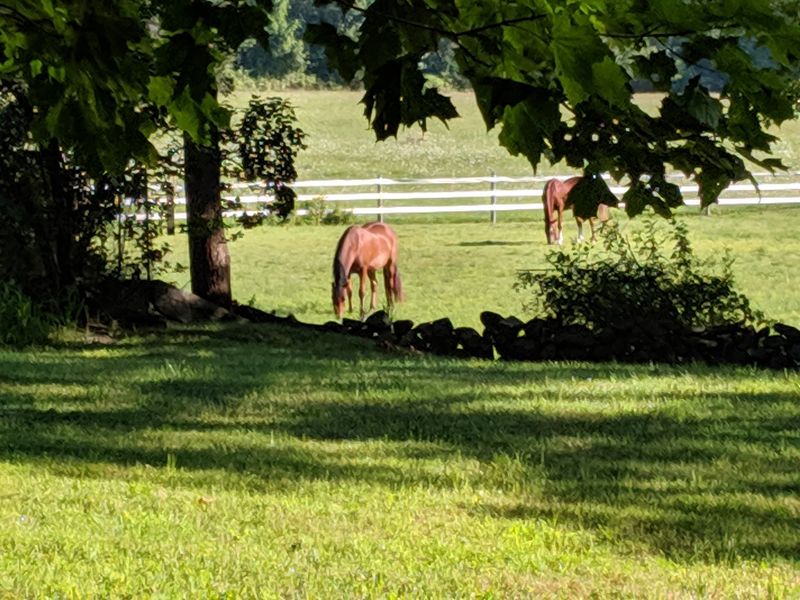
It starts with a path that seems simple enough, then the landscape keeps changing on you. Trees close in, a stream appears, the ground turns softer near wet spots, and suddenly the hike feels like a sampler of half the habitats in eastern Connecticut.
That constant variety keeps your attention sharp.
Avery Farm Nature Preserve, on the Ledyard and Groton line, has more than five miles of trails through grasslands, forest, wetlands, bogs, vernal pools, and a large marsh. Because the preserve connects to a broader habitat network, it feels bigger than a single property.
Wildlife can move through these linked spaces, and hikers benefit from that richness.
Early morning is a smart time to visit if you enjoy birdsong and cooler air. Waterproof shoes are also helpful after rain, especially around low spots where wetland life becomes part of the scene.
Avery Farm has a slightly rugged, exploratory mood that makes it memorable. You are not just checking off miles.
You are moving through one living system after another, noticing how each piece supports the next.
Deep Woodland Calm at Morgan R. Chaney Sanctuary
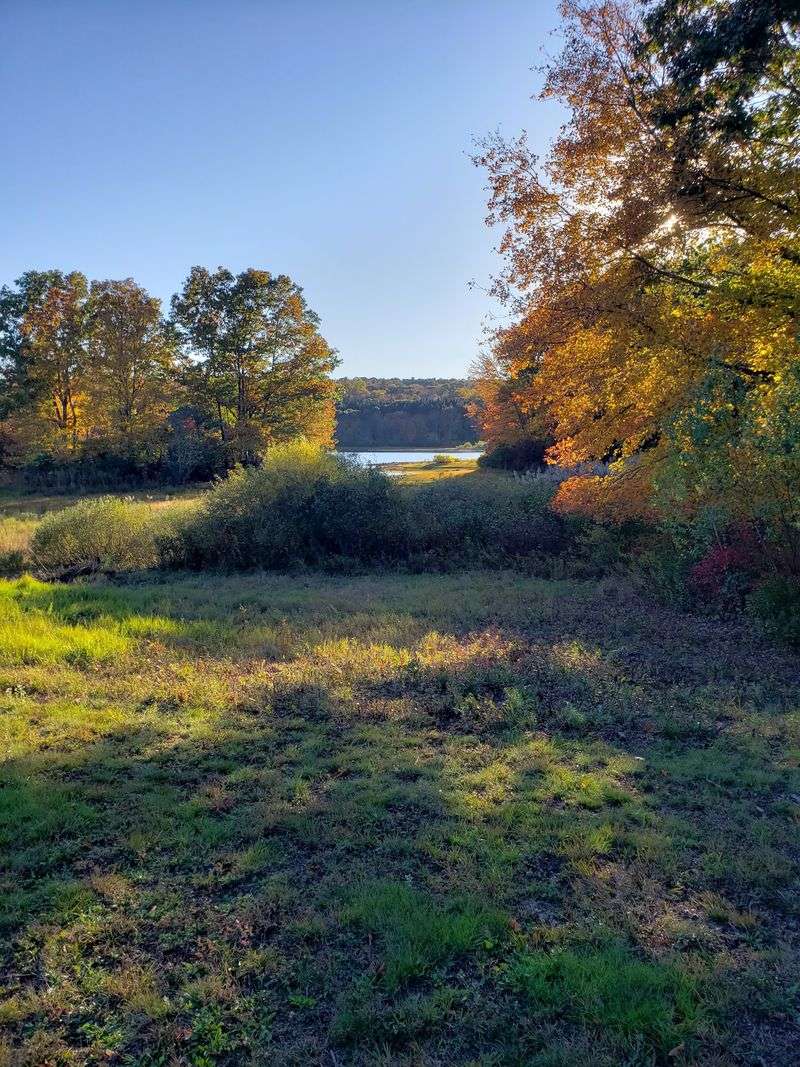
There is a certain kind of trail that lowers your voice without asking. The air smells damp and leafy, the canopy softens the light, and each bird call seems clearer because the rest of the world has dropped away.
It is the sort of setting where your attention naturally settles.
That feeling defines the Morgan R. Chaney Sanctuary in Oakdale.
The trails move through second growth and successional forest, a mix that creates useful habitat for many bird species and keeps the woods from feeling one-note. Birders know it as an eBird hotspot, but you do not need a life list to enjoy what is happening here.
Watch the edges where younger growth meets taller trees. Those transition zones often hold the most activity, and even a short stop can reward you with movement in the branches or rustling near the ground.
What stands out most is the sense of quiet discovery. The sanctuary does not overwhelm you with giant views or crowds.
Instead, it offers something steadier and maybe more lasting, a chance to walk slowly through living forest and notice how much is going on above and below eye level.
River Corridor Wandering in Pequonnock Valley
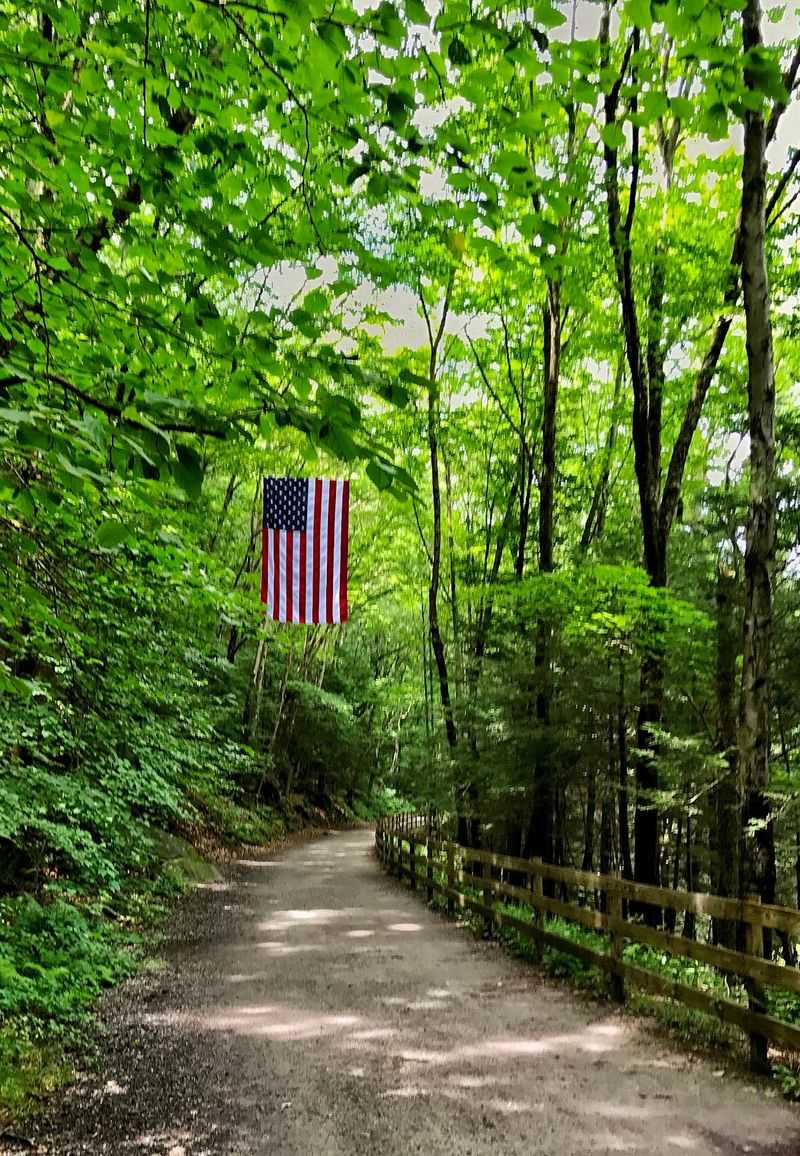
Water changes the feel of a hike right away. The air is cooler, the sounds are softer, and the trail seems to pull you forward with the promise of another bend along the river.
Even on a warm day, that steady ribbon of moving water gives the woods a fresh, shaded energy.
Pequonnock Valley Wildlife Management Area in Trumbull follows an important corridor where woodland and wetland habitats meet. The nearby river helps create shelter, food, and travel routes for many animals, which is why the area feels so alive even when sightings are subtle.
You may notice birds near the banks, deer sign in softer ground, or flashes of movement in the understory.
After rain, the smells of leaves, mud, and river water become stronger, adding to the sense of being tucked inside a living system. Good walking shoes help, since some sections can feel rooted or uneven.
This is a fine choice for hikers who like atmosphere as much as a destination. Pequonnock Valley is less about a single big moment and more about spending time inside a green passage where wildlife and water shape the entire experience.
Dunes, Marsh, and Sea Light at Hammonasset Natural Area Preserve
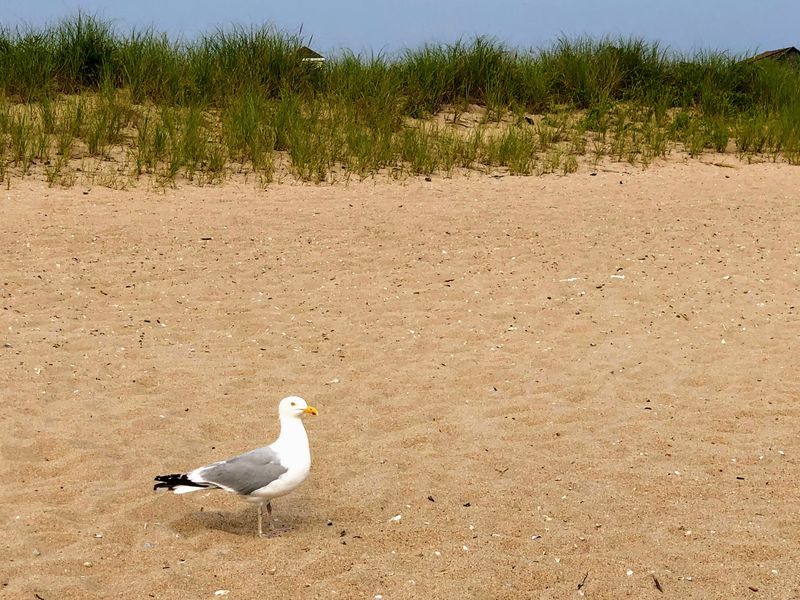
The coast can feel bright and restless one minute, then calm and almost delicate the next. Waves murmur beyond the grass, gulls call overhead, and the shifting light on sand and water makes even a slow walk feel cinematic.
It is easy to forget how much wildlife depends on these fragile edges.
Hammonasset Natural Area Preserve in Madison brings together shoreline, wetlands, and dunes in a way that feels both scenic and important. These habitats support coastal species and connect to the larger protected Hammonasset landscape, giving birds and other wildlife room to feed, rest, and move.
For visitors, that means a simple nature walk can carry real ecological depth.
Wind can be strong here, so an extra layer helps even on mild days. Scan the marsh and open shoreline carefully, because some of the best wildlife moments happen at a distance and reward patient looking.
What lingers after the walk is the contrast between beauty and toughness. The preserve looks graceful, but it also shows how hard working coastal habitat is, supporting life in conditions shaped by tide, weather, and constant motion.
Forest Escape at McLean Game Refuge
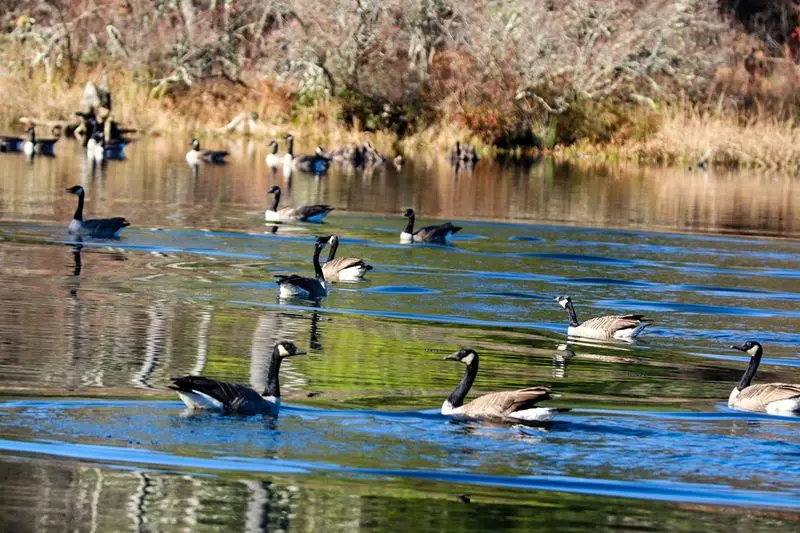
The road noise disappears fast here, and with it goes the feeling of being anywhere near a busy state. Tall trees, cool shade, and long stretches of woods create a mood that is more retreat than quick errand.
If you crave a real forest reset, this place gets there quickly.
McLean Game Refuge in Granby covers a broad protected landscape with trails that let you settle into the rhythm of the woods. Wildlife preservation is part of its identity, and that gives the forest a healthy, lived-in feeling even when animals stay mostly hidden.
Sometimes the evidence is indirect, like tracks, scratch marks, or sudden movement in the brush.
Bring water and give yourself time, because this is a good place to wander without rushing. In fall, the changing leaves add color, while cooler temperatures make longer walks more comfortable and quiet observation easier.
What makes McLean stand out is its sense of separation. You are not chasing a single overlook or landmark.
You are stepping into a roomy woodland where the value comes from immersion, silence, and the steady possibility that something wild is just beyond the next stand of trees.
Big Woods Possibility in Pachaug State Forest
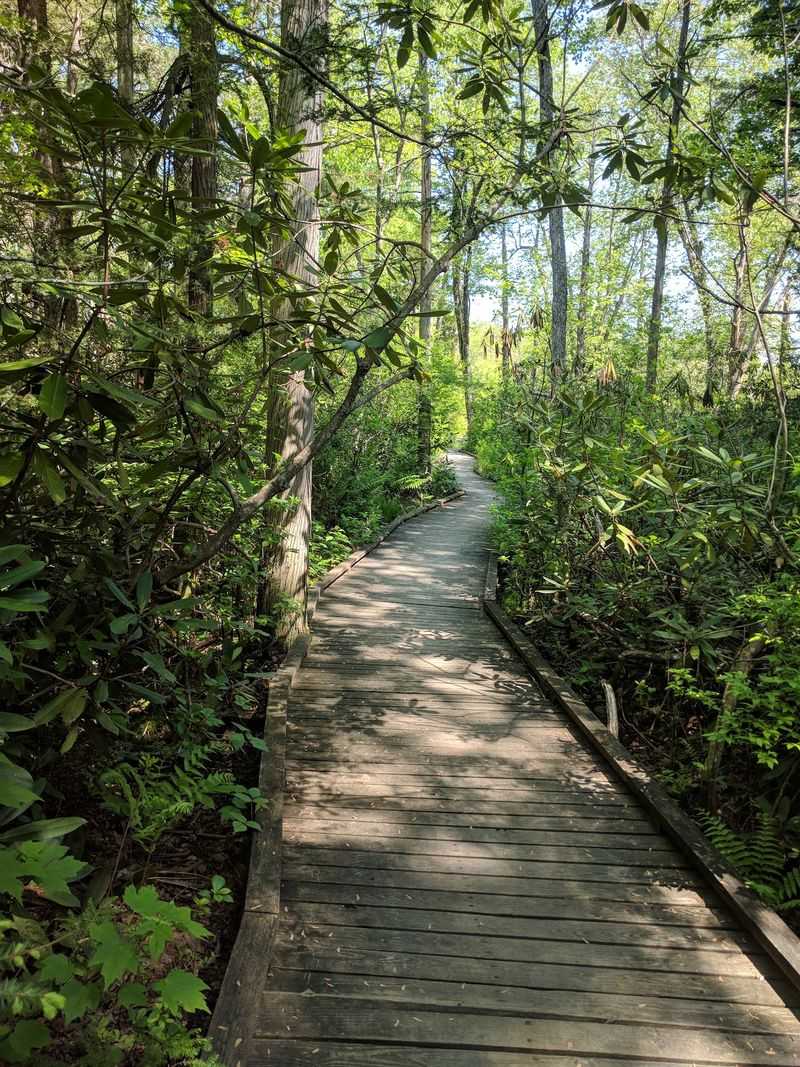
Some forests feel neat and contained. Pachaug feels sprawling, a little mysterious, and large enough to make you wonder what is moving through the trees when you are not there.
That size changes your mindset right away. You stop expecting quick rewards and start appreciating the scale of the place.
In Voluntown, Pachaug State Forest offers a huge network of trails, including routes near Green Falls and sections of the Narragansett, Nehantic, and Pachaug trails. This broad eastern Connecticut landscape supports black bears, bobcats, fishers, coyotes, foxes, and porcupines, along with the smaller creatures that keep the forest busy.
Even when the wildlife stays out of sight, the possibility of it sharpens every walk.
Plan ahead here more than you would for a shorter preserve. Carry water, know your route, and expect a more rugged, backcountry feel in some sections, especially if you head deeper into the woods.
Pachaug is worth visiting because it offers space, not polish. The trails feel honest and untamed, and the experience stays with you because it reminds you how wild Connecticut can still feel when the forest really stretches out.