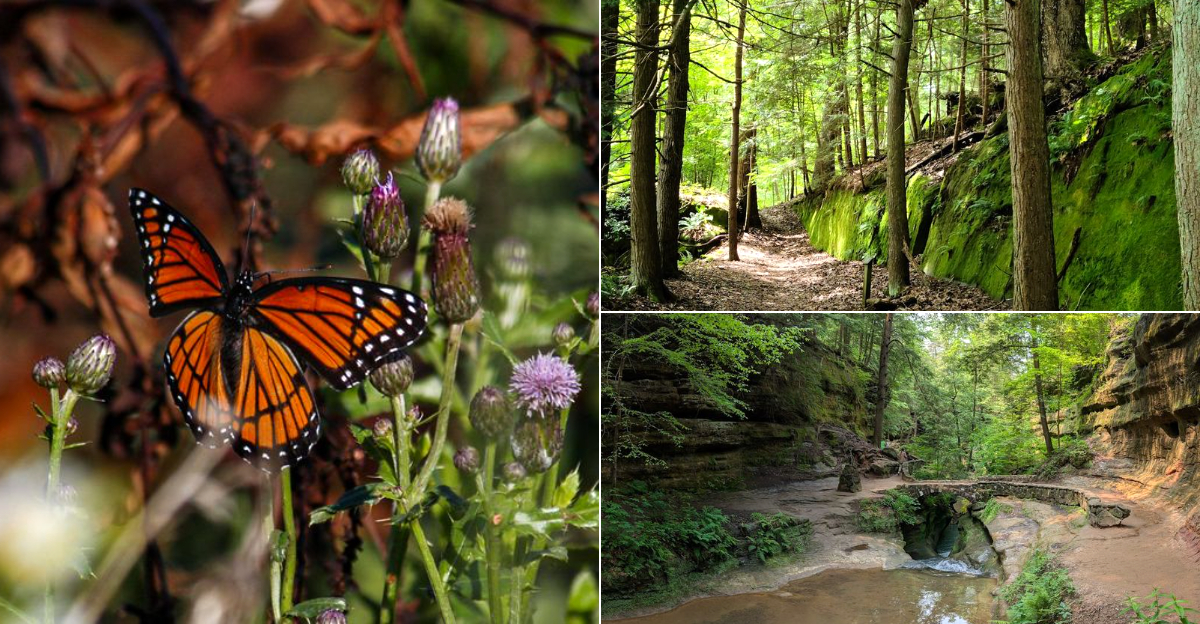
Ohio has a reputation as an industrial state, but spend a day at one of its wildlife parks and that image falls away completely.
The state sits at the crossroads of major bird migration routes, making it one of the best places in the entire country to watch species move through in spring and fall.
Beyond birdwatching, Ohio’s parks shelter black bears, river otters, painted turtles, and meadows filled with wildflowers that bloom in waves through the warmer months.
From glacially formed bogs to sandstone gorges and lakeside marshes, Ohio’s natural variety is genuinely underappreciated.
Here are ten Ohio wildlife parks that we visited and simply couldn’t stop talking about.
1. Magee Marsh Wildlife Area – Oak Harbor, Ottawa County, Ohio
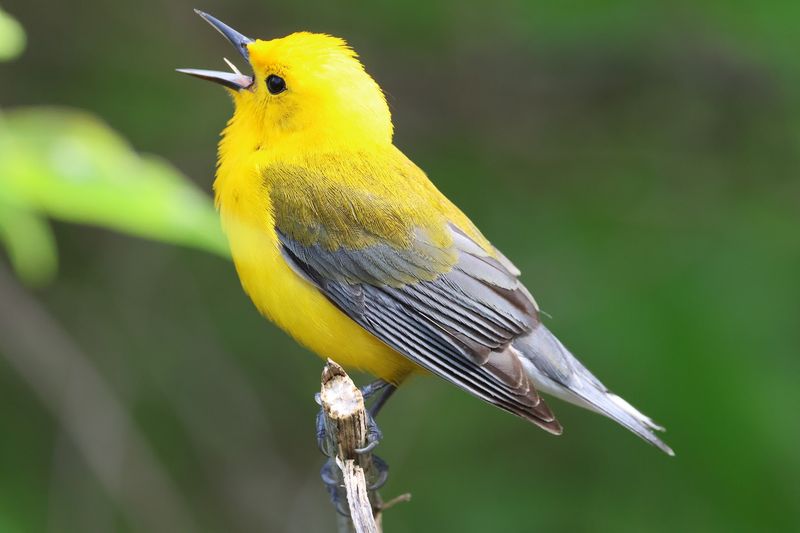
The first thing you notice is the soundscape – warblers chipping overhead, red-winged blackbirds calling from the reeds, and the soft creak of the famous boardwalk beneath your feet.
Every turn feels electric during migration, when tiny birds seem to appear on every branch at eye level.
That sense of closeness is exactly why Magee Marsh Wildlife Area became one of our most talked-about stops in Ohio.
Set along Lake Erie near Oak Harbor, this hotspot is legendary for spring birding, but it is not only for experts with long lenses and life lists.
You can come here as a complete beginner and still feel the thrill of spotting Blackburnian, Magnolia, and Cape May warblers glowing in fresh leaves.
The accessible boardwalk makes the experience easy, immersive, and surprisingly intimate.
Beyond migration, the marsh itself is worth slowing down for, with frogs, herons, and shifting light over open water.
Sunrise adds a gold wash to the habitat and makes the whole place feel cinematic.
If you want one Ohio wildlife destination that delivers instant wonder, this is the one that earns the hype.
2. Ottawa National Wildlife Refuge – Oak Harbor, Ottawa County, Ohio
Wide skies, mirror-like pools, and long bands of marsh grass make this place feel instantly expansive.
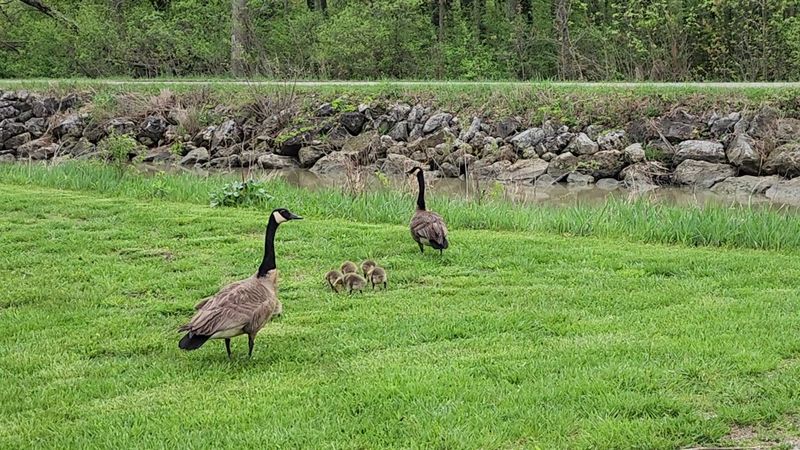
You are never far from motion here – ducks lifting off, shorebirds stitching the mudflats, or a bald eagle crossing the horizon with no warning.
That open, breathing-room atmosphere is what made Ottawa National Wildlife Refuge one of the places we kept replaying in our minds.
Near Oak Harbor on the Lake Erie shore, this refuge protects an enormous stretch of wetland habitat that matters deeply for migratory birds.
The beauty is that you can experience it in several ways, from walking trails and overlooks to seasonal auto tours that bring you close to the marsh without rushing the moment.
It feels both peaceful and alive, which is not always easy to find in one destination.
Birders come for spring and fall migration, but you do not need a checklist to appreciate this landscape. Turtles bask along channels, herons hunt in plain view, and the changing light can make an ordinary stop feel unforgettable.
If you want a park that shows off Ohio’s wild Lake Erie coast with quiet confidence, this refuge absolutely delivers.
3. Killdeer Plains Wildlife Area – Harpster, Wyandot County, Ohio
There is a kind of stillness here that feels bigger than quiet.
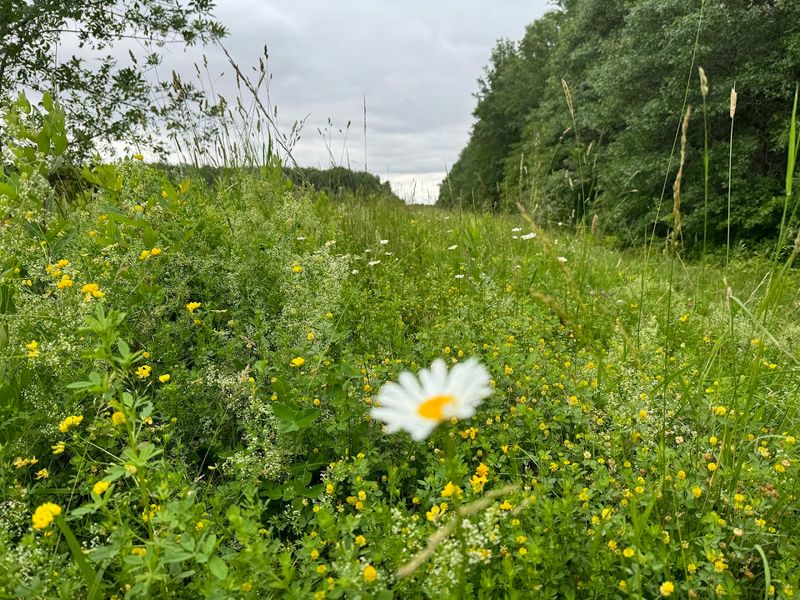
Wind moves through the grasses, distant water reflects the sky, and raptors seem to hang in the air longer than logic says they should.
That wide-open drama is what hooked us at Killdeer Plains Wildlife Area and kept it in our conversations long after the visit ended.
Near Harpster in north central Ohio, this restored prairie and wetland complex offers a landscape that feels unusual for the state in the best possible way.
Observation platforms and pull-offs make it easy to scan for waterfowl, shorebirds, Northern Harriers, and short-eared owls when conditions line up.
It rewards patience, but it also gives casual visitors plenty to admire without needing deep field knowledge.
The light here matters, especially around sunrise and sunset, when the plains glow and every movement stands out against the horizon.
Seasonal changes keep the experience fresh, from spring migration to autumn skies full of birds.
If you want an Ohio wildlife stop that trades dense forest for openness, distance, and a real sense of ecological recovery, this one feels both grounding and memorable.
4. Cuyahoga Valley National Park – Brecksville, Cuyahoga County, Ohio
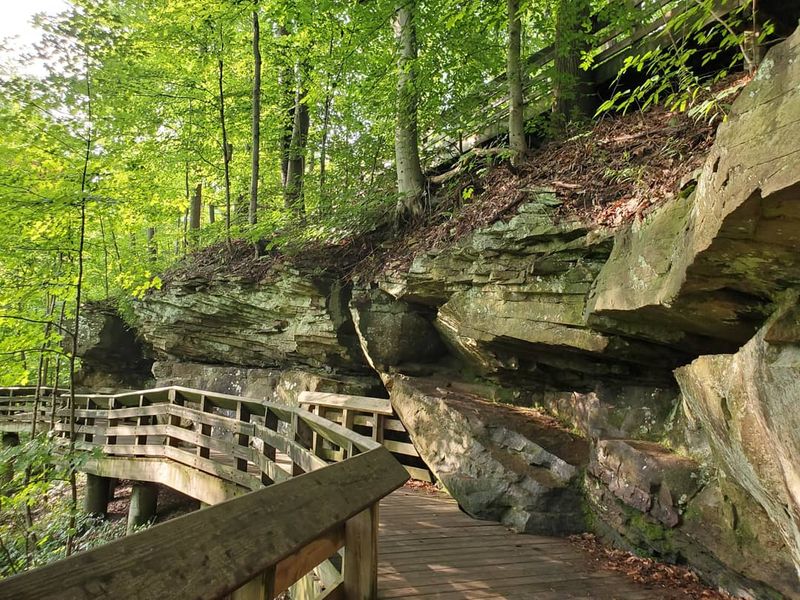
Some parks impress you with one big moment, but this one keeps unfolding in layers.
A shaded trail becomes a rushing creek, the creek opens toward a waterfall, and then a quiet meadow suddenly fills with birdsong.
That variety is exactly why Cuyahoga Valley National Park became one of the Ohio places we could not stop recommending.
Stretching between Cleveland and Akron, with many visitors entering near Brecksville, the park blends accessible adventure with real ecological richness.
You can walk to Brandywine Falls, bike the Towpath Trail, ride the scenic railroad, or wander lesser-known woodland paths where deer, woodpeckers, and spring wildflowers steal the show.
It feels welcoming for first-timers while still rewarding anyone who wants to explore deeper.
What stayed with us most was how balanced the experience felt.
The valley carries history, river scenery, forest habitat, and enough changing terrain to make every stop feel distinct.
It is not a remote wilderness, and that is part of its charm, because you get meaningful contact with nature without needing a huge expedition.
5. Hocking Hills State Park – Logan, Hocking County, Ohio
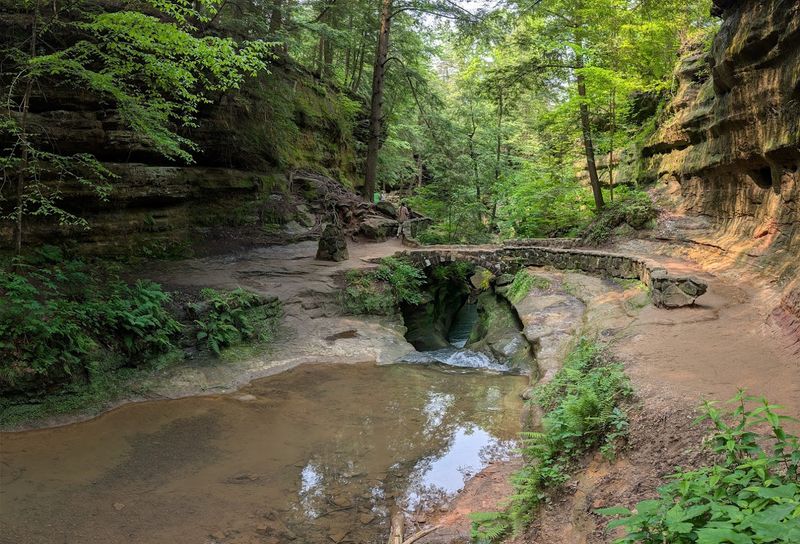
Cool air spills out of the gorge before you even see the rock walls, and that first sensation sets the tone. Everything feels textured here – moss, sandstone, roots, water, and the echo of footsteps under towering cliffs.
That immersive, almost storybook atmosphere is why Hocking Hills State Park instantly earned a place on our most-discussed Ohio list.
Centered near Logan, this park is famous for geological drama, but the wildlife and habitat are part of what make the scenery feel so alive.
Trails to Old Man’s Cave, Ash Cave, Cedar Falls, and Conkle’s Hollow reveal hemlock groves, shaded ravines, and sheltered pockets where birds and amphibians thrive.
Even when it is popular, the landscape still manages to feel intimate and transportive.
The best approach is to give yourself time rather than rush through the headline spots.
Light shifts constantly in the gorges, and small details – a salamander near a wet rock, a wood thrush song overhead, ferns glowing after rain – become part of the memory.
Those who want a park that combines spectacle with sensory richness, Hocking Hills delivers a deeper experience than its postcard reputation suggests.
6. Oak Openings Preserve Metropark – Swanton, Lucas County, Ohio
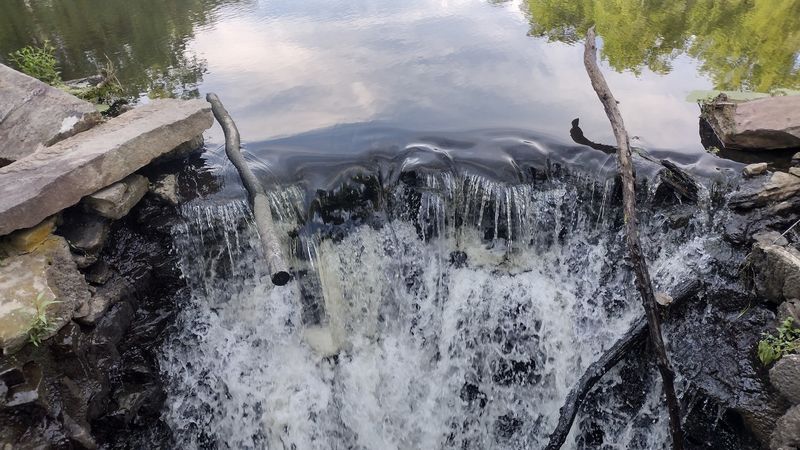
The ground changes under your feet here, and so does the mood of the landscape.
One minute you are in open oak savanna with sunlight pouring in, and the next you are passing through pine forest, wet prairie, or a quiet patch of swamp.
That constant ecological variety is what made Oak Openings Preserve Metropark feel so different from anywhere else we visited in Ohio.
Near Swanton outside Toledo, this preserve protects one of the most biologically significant regions in the state.
Rare plants, butterflies, birds, and distinct habitat communities give every trail a sense of discovery, especially in spring and early summer when blooms and insect life are at their best.
It is the kind of place that rewards both slow walking and repeat visits.
What impressed us most was how educational the experience felt without losing its sense of wonder. Interpretive signs help explain why sandy soils and fire-shaped ecosystems matter, but the real lesson comes from seeing the diversity around you.
This park absolutely deserves a top spot. It is thoughtful, beautiful, and surprisingly unforgettable.
7. Big Island Wildlife Area – Marion, Marion County, Ohio
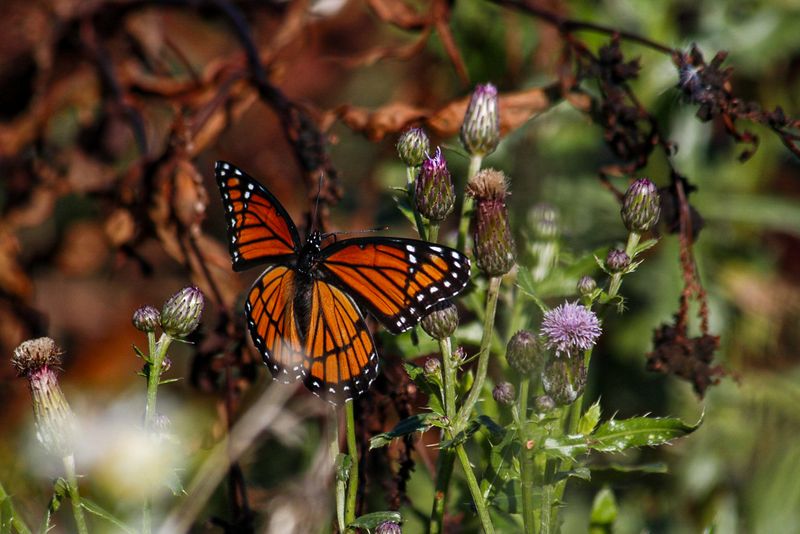
At first glance, the landscape seems understated, but give it a few minutes and everything starts revealing itself.
Ripples in the wetland become feeding birds, distant silhouettes turn into hunting raptors, and the broad horizon begins to feel like part of the attraction.
That quiet payoff is why Big Island Wildlife Area became one of the places we kept mentioning after the trip.
Located near Marion, this wildlife area combines restored wetlands, grasslands, and woodlots in a way that supports a surprising range of species.
It is especially appealing if you like birding from pull-offs and observation points without fighting heavy crowds or overstimulating trail traffic.
The setting feels approachable, unpolished, and refreshingly local in the best sense.
There is also something satisfying about visiting a place that does not rely on dramatic branding to make an impression.
Seasonal water levels, migration patterns, and changing vegetation give each visit a different tone, and patient watchers can be rewarded with waterfowl, waders, songbirds, and more.
In case you appreciate wildlife areas that let nature do the talking quietly, this stop has a grounded charm that lingers longer than you expect.
8. Crane Creek State Park – Oak Harbor, Ottawa County, Ohio
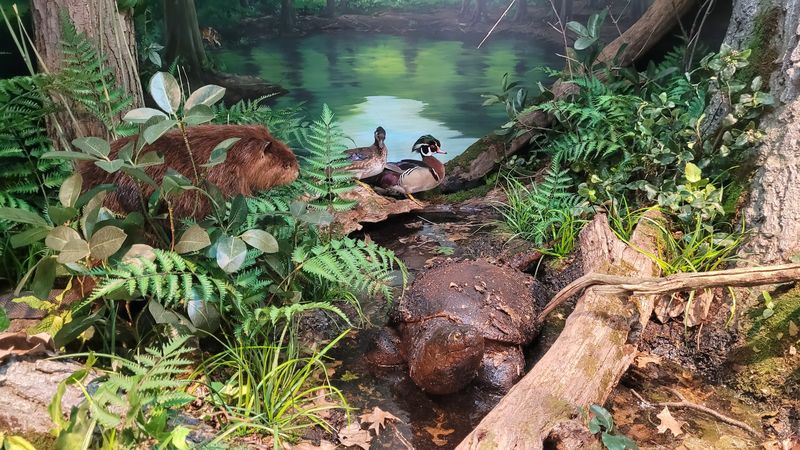
Where marsh meets shoreline, the feeling changes from sheltered to wide open in a matter of steps.
You get the hush of wetland edges, then the brighter pull of Lake Erie, all wrapped into one compact coastal experience.
That contrast is exactly what made Crane Creek State Park such a memorable stop for us.
Near Oak Harbor, this park is smaller than some of the state’s blockbuster destinations, but its position on the Lake Erie coast gives it real personality.
Birders often pair it with nearby migration hotspots, and that makes sense, yet the beach, picnic areas, and easy access also make it appealing if you simply want a scenic wildlife break.
It has a relaxed, unpretentious quality that works in every season.
What we liked most was how quickly the park delivered a sense of place.
Gulls move along the shoreline, marsh birds call from inland pockets, and changing weather over the lake adds drama even on a short visit.
If you love coastal parks with simple access and strong birding potential, this Lake Erie gem is worth your time.
It is the kind of stop that might not dominate every itinerary, but it absolutely enriches one.
9. Cedar Bog Nature Preserve – Urbana, Champaign County, Ohio
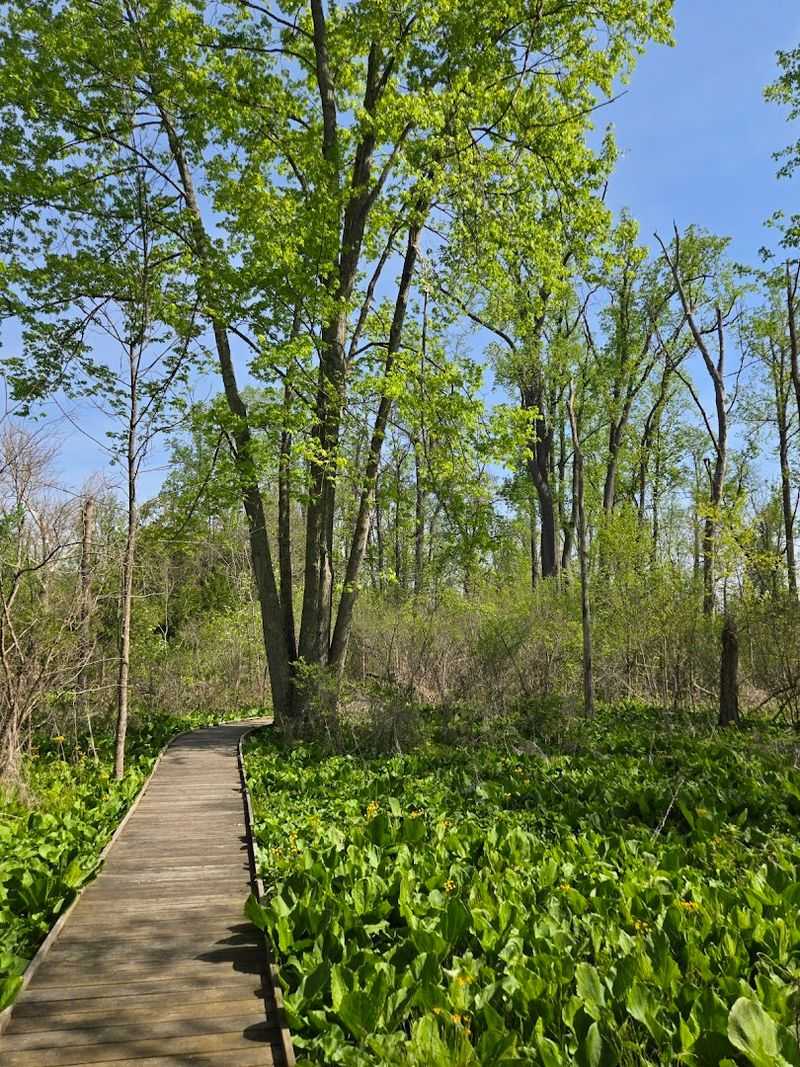
The boardwalk draws you in gently, but the science and beauty hit almost immediately.
Water moves beneath a tangle of unusual plant life, dragonflies patrol the air, and every sign hints that this is not an ordinary wetland.
That sense of hidden complexity is why Cedar Bog Nature Preserve stayed with us so strongly.
Near Urbana, this site is actually a fen rather than a true bog, and that distinction helps explain its remarkable biodiversity.
The preserve protects rare plants, orchids, sedges, insects, and birdlife in a habitat shaped by cold groundwater and very specific ecological conditions.
Visiting feels a little like stepping into an outdoor classroom, except the lesson is genuinely fascinating rather than dry.
Because the boardwalk keeps you close to the landscape without damaging it, the experience feels both respectful and immersive.
It is easy to move slowly here, notice small details, and appreciate how much life can exist in what looks subtle from a distance.
If you enjoy places that reward curiosity more than adrenaline, this preserve is a standout.
It may not have cliffs or huge vistas, but its quiet rarity gives it a depth that many larger parks never reach.
10. Wahkeena Nature Preserve – Sugar Grove, Fairfield County, Ohio
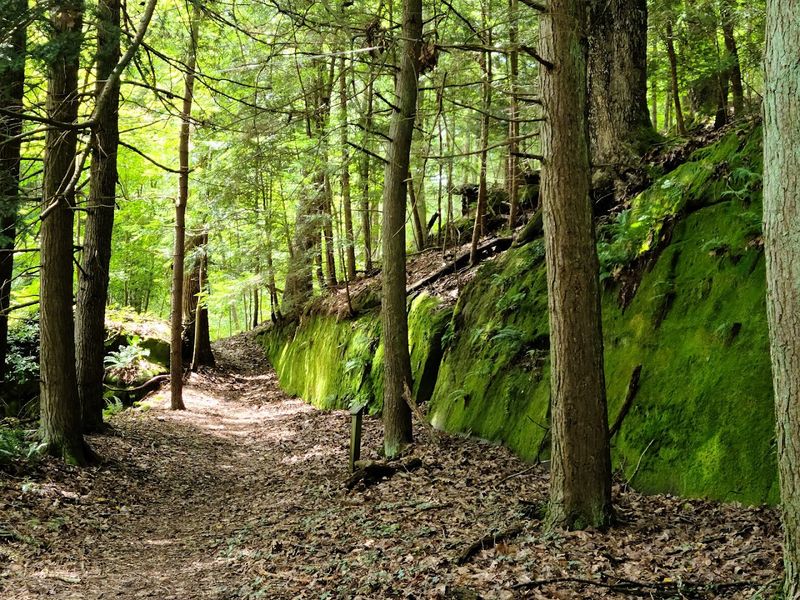
A smaller preserve can sometimes surprise you more than the headline destinations, especially when the setting feels so carefully protected.
Forest shade, layered rock, and the steady sound of water create an immediate sense of calm that invites you to slow down.
That was our experience at Wahkeena Nature Preserve, and it made this stop much more memorable than we expected.
Near Sugar Grove in the Hocking foothills region, the preserve offers a compact but rewarding network of trails with ravines, rock formations, and a picturesque waterfall.
The terrain gives you a taste of southeastern Ohio’s rugged beauty without requiring a huge day of hiking, which makes it ideal if you want a shorter nature outing with real atmosphere.
It feels intimate rather than grand, and that intimacy is part of the appeal.
What stood out to us most was the preserve’s quiet balance between scenery and habitat.
Birds move through the woods, moisture keeps the understory lush, and the trail experience stays grounded in observation rather than spectacle.
If you like places that feel local, thoughtful, and genuinely restorative, this preserve deserves attention.
This is the kind of hidden-feeling stop that turns an already good trip into a much richer one.