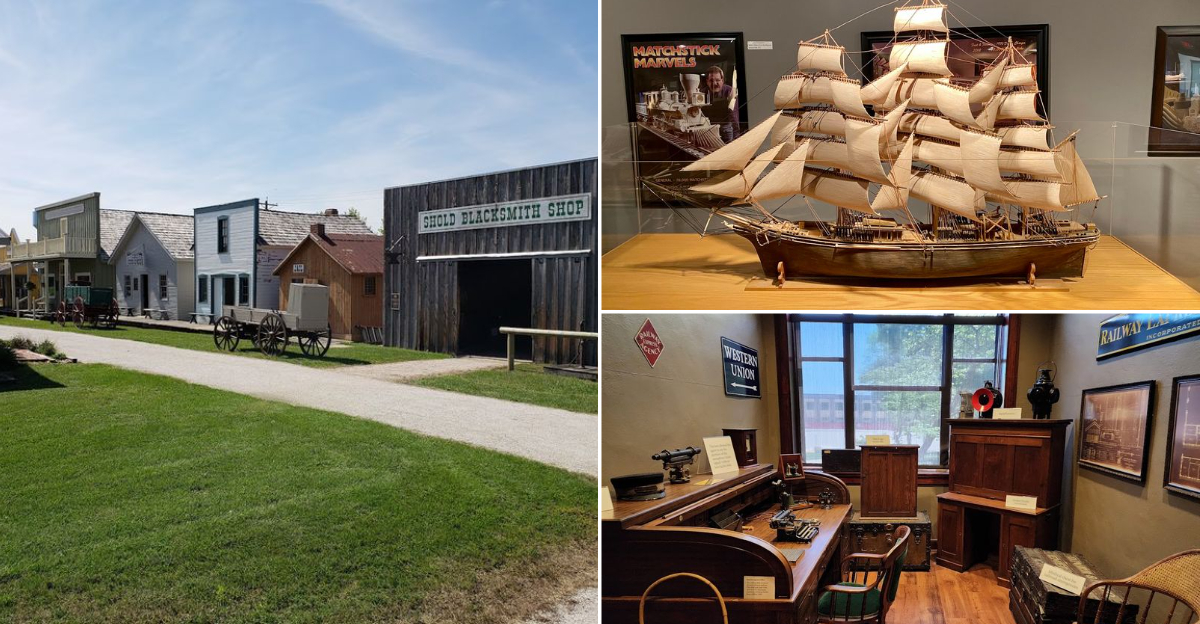
We expected a pleasant museum day in Iowa, maybe a few nice exhibits, a snack break, and the usual promise to read every plaque that quickly falls apart by room three.
Instead, these stops pulled us in with river creatures, towering tractors, immigrant stories, rail legends, grand estates, and enough hands-on fun to make the hours vanish without mercy.
Every place on this list gave us something different, from quiet beauty to full-on kid energy, and somehow each one made us linger longer than planned.
If you love trips that mix learning, surprise, local character, and the kind of memory that follows you home, keep reading because these 11 Iowa museums turned an ordinary day into the sort of adventure you start recommending before you even leave the parking lot, and yes, you may want extra phone storage for photos, notes, and impulsive gift shop treasures too.
1. National Mississippi River Museum & Aquarium — Dubuque
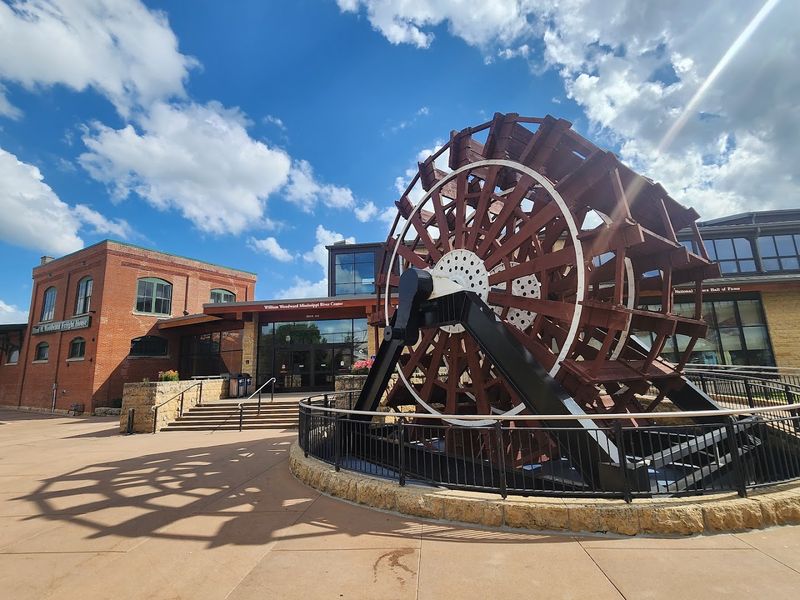
The river grabbed our attention before the front doors even did.
Set on Dubuque’s waterfront, the National Mississippi River Museum & Aquarium blends working river history with live animal encounters in a way that feels lively, not lecture heavy.
You can move from steamboat stories to stingrays, otters, and massive fish without ever feeling like the energy drops.
One minute, you are studying how commerce shaped the Mississippi.
The next, you are face to face with creatures that make the river system feel vivid and immediate.
I loved how the campus layout encourages wandering, because every building seems to hold a new surprise, from touch tanks to immersive displays about wetlands and conservation.
Families have plenty to do here, but adults will not feel like tagalongs.
The museum treats regional history with real depth, and the aquarium side adds movement, color, and a little splashy drama to the day.
If you are planning a Dubuque visit, give yourself extra time, wear comfortable shoes, and expect to leave with a stronger appreciation for the Mississippi and its many stories.
2. Figge Art Museum — Davenport
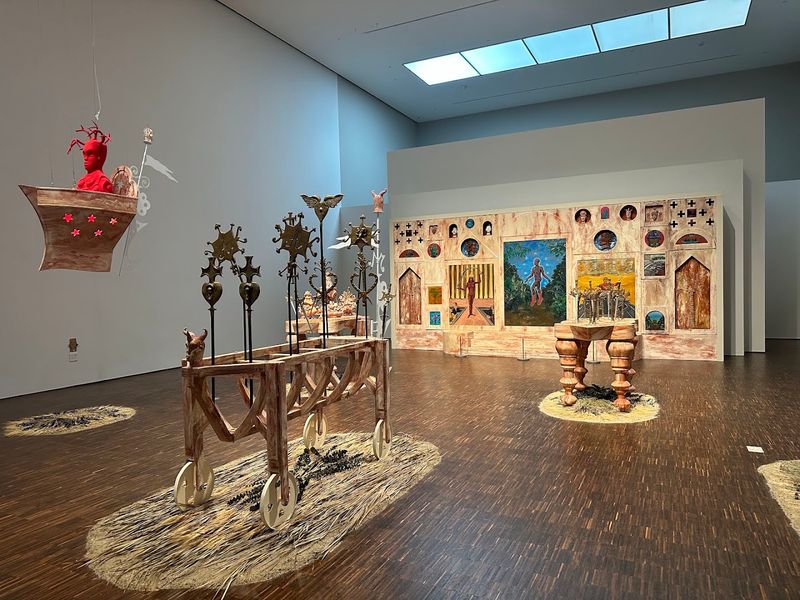
Glass, light, and quiet confidence set the tone at the Figge Art Museum in Davenport.
This riverfront museum feels polished without being stiff, which makes it easy to settle in and actually enjoy the art instead of pretending to understand every brushstroke.
Its collection ranges widely, so you can spend one gallery admiring American works and another discovering pieces that catch you completely off guard.
The building itself adds to the experience.
Sunlight moves beautifully through the space, and the clean design gives each gallery room to breathe.
I appreciated how approachable the museum feels, whether you know art history by heart or simply want a calm place to look closely and let a few favorite works choose you.
Davenport has several worthwhile stops, but the Figge earns its place by making art feel inviting and memorable.
Temporary exhibitions often keep things fresh, and the Mississippi River location adds another layer of atmosphere to the visit.
If you want a museum day with less noise, more beauty, and just enough inspiration to make you consider becoming a sketchbook person for approximately forty minutes, start here.
3. State Historical Museum of Iowa — Des Moines
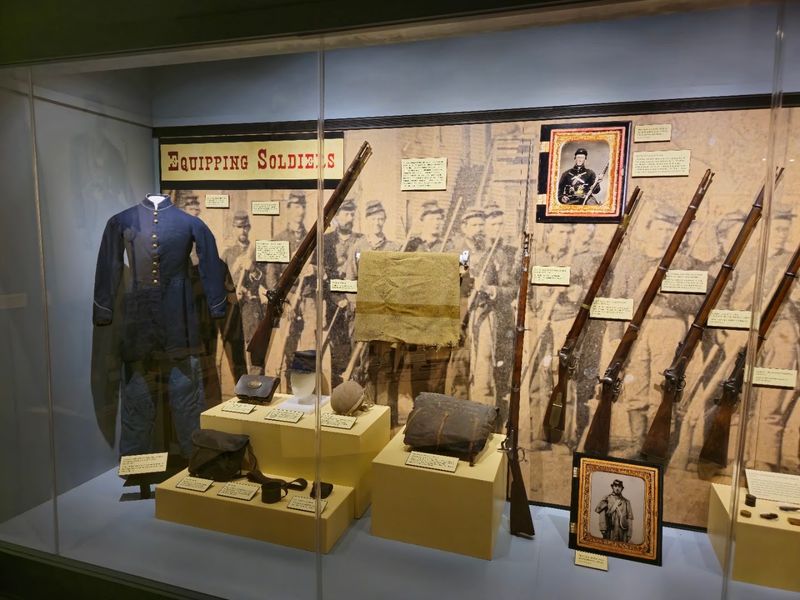
History can feel dry, but this museum in Des Moines absolutely refused to behave that way.
The State Historical Museum of Iowa takes big statewide stories and turns them into something personal, visual, and surprisingly easy to connect with.
Instead of flooding you with dates, it uses artifacts, photographs, and thoughtful interpretation to show how Iowa changed across generations.
I liked the range here.
You can explore Indigenous history, settlement, industry, politics, military service, and everyday life without the experience feeling scattered.
The exhibits create a strong sense of place, which is exactly what a good state museum should do when you want context, not just a collection of old objects in careful lighting.
Because it sits in Des Moines, it also works beautifully as part of a larger downtown day.
The museum is family friendly, well organized, and especially useful if you enjoy learning how a state’s identity is built over time.
Come curious, take your time with the details, and do not be surprised if you leave wanting to read more about Iowa on the drive to your next stop.
4. Brucemore — Cedar Rapids
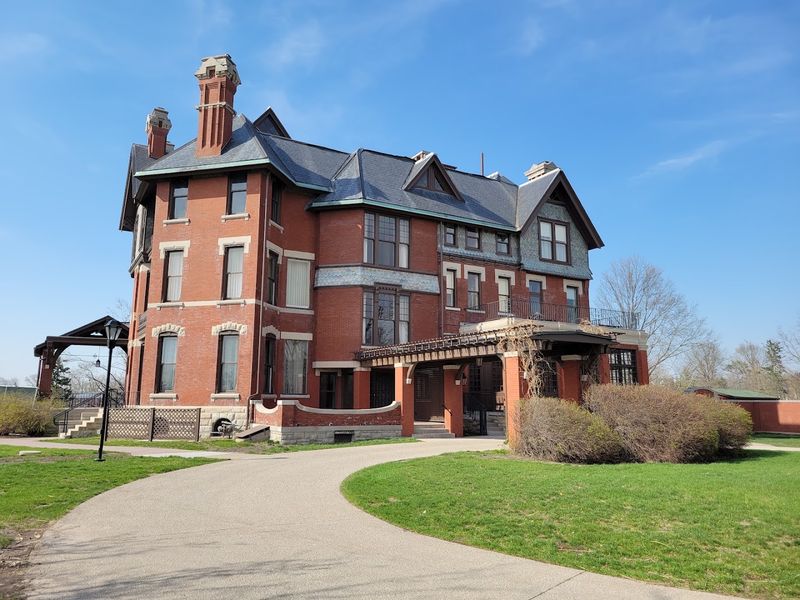
Walking onto the Brucemore grounds in Cedar Rapids felt like stumbling into a novel with better landscaping.
This 19th century estate combines mansion tours, local history, and beautifully maintained gardens, making the whole visit feel equal parts elegant and approachable.
You are not just looking at a fancy house here.
You are stepping into the lives, tastes, and changing fortunes of the families who shaped it.
The architecture is gorgeous, of course, but the storytelling is what gives Brucemore staying power.
Rooms reveal social history, design trends, and the practical realities of maintaining a property this large.
I especially enjoyed how the estate connects personal stories to broader Cedar Rapids history, so the place never feels sealed off from the city around it.
If the weather cooperates, build in time to wander the grounds after your tour.
The setting adds a peaceful rhythm to the visit, and seasonal events can give repeat visitors something new to enjoy.
For anyone who loves historic homes, layered interpretation, and the chance to imagine life with significantly more square footage than necessary, Brucemore is a very satisfying stop.
5. The Putnam Museum and Science Center — Davenport
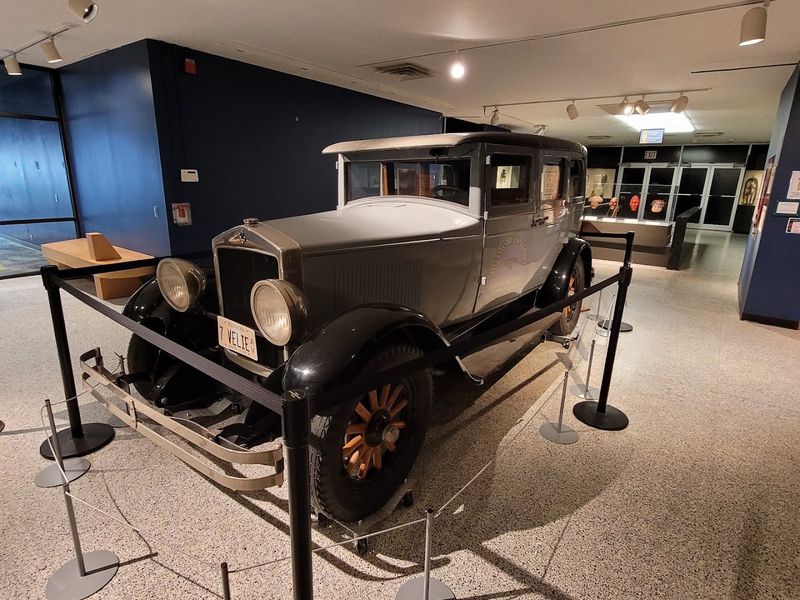
Dinosaurs, science, and a little natural history swagger make the Putnam in Davenport an easy crowd pleaser.
The Putnam Museum and Science Center balances education with hands-on curiosity, so the visit never slips into that slow, shoe-squeaking museum fatigue.
You can explore regional history, ancient life, world cultures, and scientific concepts in a single afternoon without feeling like the themes are fighting each other.
The variety is the secret sauce.
Kids find interactive elements that keep them moving, while adults get enough substance to stay genuinely engaged.
I liked how the museum mixes broad subjects with local relevance, because it helps anchor bigger ideas in the Quad Cities and the surrounding Iowa landscape.
If you are traveling with family, this is the kind of place where everyone can claim a favorite section and be correct.
It is also useful on days when the weather refuses to cooperate, since there is enough inside to fill several happy hours.
Add the giant-screen or science programming if available, pace yourself through the galleries, and prepare for at least one person in your group to become temporarily obsessed with fossils.
6. John Deere Tractor & Engine Museum — Waterloo
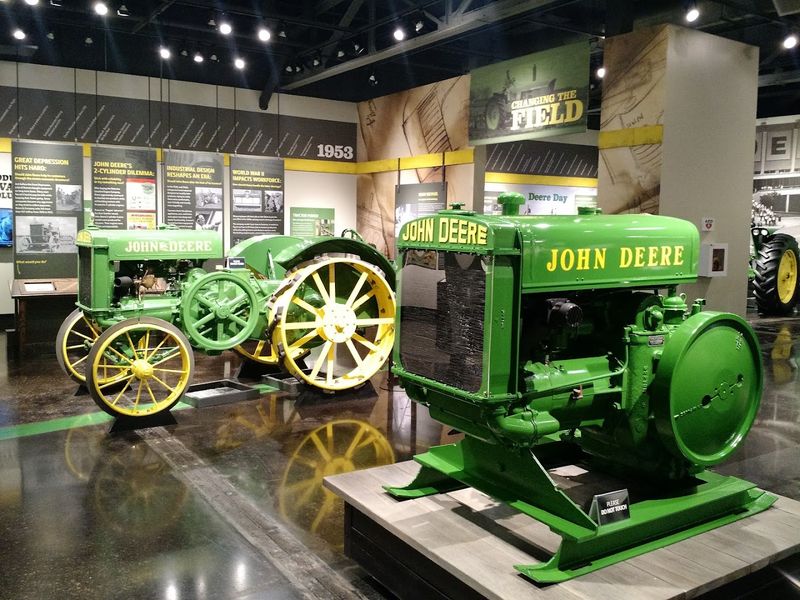
Even if you have never used a tractor, this Waterloo museum makes agricultural machinery feel unexpectedly fascinating.
The John Deere Tractor & Engine Museum tells the story of innovation, labor, and farming power with polished exhibits and beautifully restored equipment.
There is something undeniably fun about standing next to machines that look ready to roll straight through a cornfield and into legend.
The museum does a smart job connecting mechanical details to real human lives.
You get a clearer sense of how farming changed, how engines evolved, and why John Deere became such a powerful name in American industry.
I appreciated that it never assumes only dedicated gearheads will care, because the interpretation welcomes casual visitors just as warmly.
Waterloo has deep manufacturing roots, and this museum captures that heritage in a way that feels proud rather than nostalgic for nostalgia’s sake.
Interactive features help break up the displays, and the scale of the equipment keeps the visual interest high from start to finish.
If you enjoy history with horsepower, or simply want to understand how technology reshaped the Midwest, this stop earns every minute you give it.
7. Matchstick Marvels Museum — Gladbrook
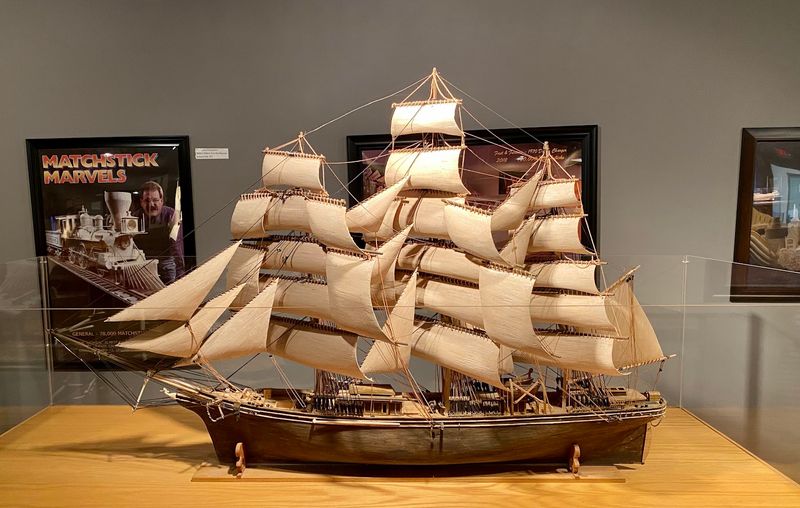
Tiny sticks, enormous patience, and jaw-dropping precision define this unforgettable stop in Gladbrook.
The Matchstick Marvels Museum showcases elaborate structures built from ordinary matchsticks, and the result is far more impressive in person than any photo can fully explain.
You walk in expecting a quirky roadside detour.
You walk out wondering how one person had the focus to create such wildly detailed work.
The craftsmanship is the whole show, and that is more than enough.
Every model rewards slow looking, because small details keep revealing themselves the longer you stand there.
I found the scale especially surprising, since some pieces feel almost architectural, turning a humble material into something that borders on impossible.
Gladbrook is not a giant city, which makes this museum feel even more like a delightful discovery.
It is the kind of place that sparks conversation immediately, especially if your group enjoys unusual attractions with real artistry behind the novelty.
Go with a little extra time, read about the building process, and let yourself appreciate the sort of dedication that makes your unfinished household projects feel personally judged.
8. Vesterheim Norwegian-American Museum — Decorah
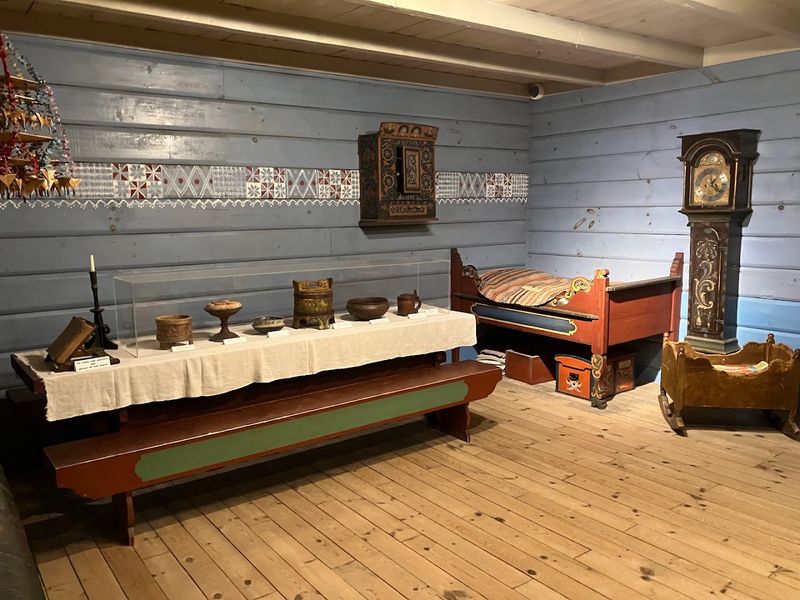
Decorah already has charm to spare, and Vesterheim gives that charm remarkable depth.
The Vesterheim Norwegian-American Museum explores immigration, craft, identity, and community with a richness that feels both scholarly and deeply human.
Rather than treating heritage as something frozen in the past, the museum shows how traditions traveled, adapted, and kept meaning across generations in the Midwest.
The decorative arts and folk traditions stand out beautifully.
Textiles, woodwork, rosemaling, and domestic objects tell stories that go far beyond aesthetics.
I loved how the museum makes skill and culture feel inseparable, revealing how everyday objects carried memory, pride, and belonging for families building new lives in Iowa and beyond.
Decorah is a wonderful town for a slower paced visit, and Vesterheim fits that rhythm perfectly.
Historic buildings, thoughtful exhibitions, and a strong sense of place make it easy to stay longer than planned.
If you enjoy museums that combine art, history, and ancestry in a way that feels personal rather than distant, this one will absolutely reward your curiosity and maybe inspire a sudden interest in Scandinavian design.
9. Fort Museum and Frontier Village — Fort Dodge
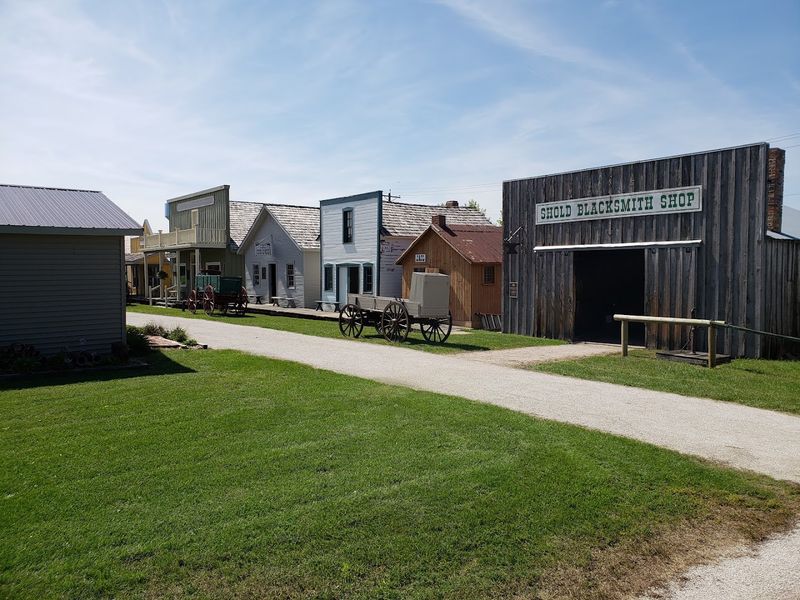
Wooden buildings and frontier atmosphere give this Fort Dodge museum a strong sense of stepping sideways in time.
The Fort Museum and Frontier Village combines reconstructed spaces, local history, and open-air exploration in a way that feels immersive without trying too hard.
Instead of staring at one room after another behind ropes, you move through a setting that invites you to imagine daily life on the edge of settlement.
That physical layout matters.
Walking between structures helps history land differently, especially when the exhibits connect military presence, pioneer life, and regional development.
I liked that the site offers both broad frontier themes and specific local context, so the experience feels rooted in Fort Dodge rather than copied from a generic history template.
This is a good museum for visitors who want a little fresh air mixed into their learning.
The village format keeps things visually varied, and families often find it easier to stay engaged when history unfolds across a landscape instead of a single hallway.
Bring comfortable shoes, allow time to wander, and expect at least one moment when you realize modern conveniences have made you extremely soft.
10. Union Pacific Railroad Museum — Council Bluffs
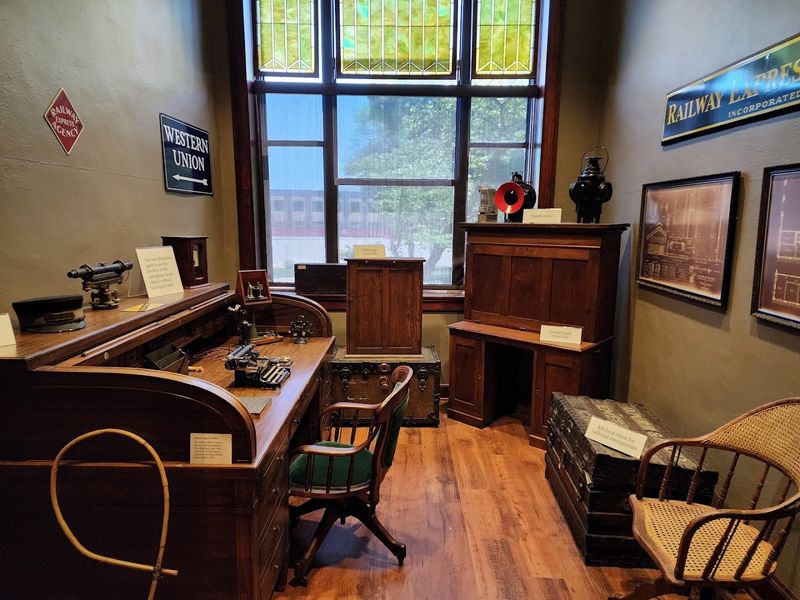
The whistle of railroad history feels especially strong in Council Bluffs.
The Union Pacific Railroad Museum explores the people, technology, and ambition behind one of America’s most important rail stories, and it does so with impressive clarity.
Because Council Bluffs played a major role in western expansion and rail development, the location adds real weight to everything you see inside.
Exhibits cover more than locomotives.
They dig into engineering, communication, labor, and the larger national transformation that railroads helped power.
I appreciated how the museum balances sweeping history with personal stories, because that keeps the subject from becoming just a parade of hardware and corporate milestones.
The galleries are well organized, making it easy to follow the narrative even if you arrived with only a vague sense that trains are, in fact, large.
Rail fans will find plenty to admire, but general visitors should enjoy the broader American story here just as much.
If you like transportation history that connects local geography to national change, this museum delivers a thoughtful visit with enough momentum to keep your curiosity rolling right along.
11. The Iowa Children’s Museum — Coralville
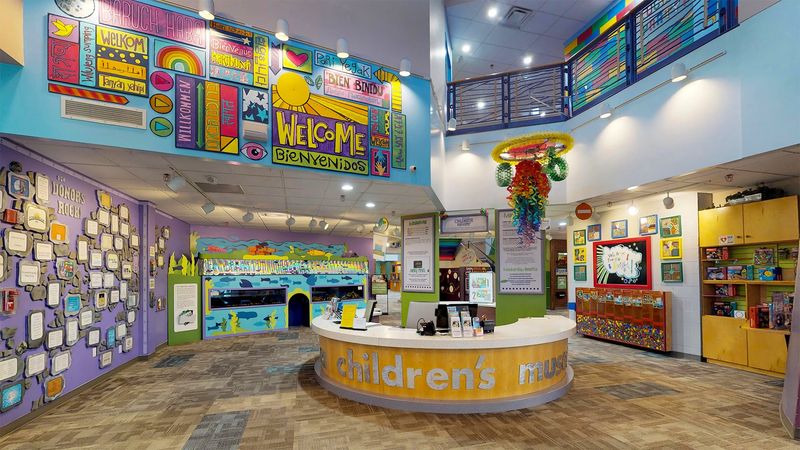
Noise level warning: joy tends to echo at the Iowa Children’s Museum in Coralville.
This place is built for movement, imagination, and hands-on discovery, which means kids can learn by doing instead of being asked to admire anything quietly from a respectful distance.
That approach works beautifully, especially for families who need a museum day that feels more like play with a purpose.
The exhibits encourage role-playing, building, experimenting, and creative problem solving.
Children can test ideas, burn energy, and explore different environments that keep curiosity in motion.
I liked how the space supports open-ended engagement, because kids are not rushed toward one correct answer or one officially approved way to have fun.
Located in Coralville, it is a smart stop for families visiting the Iowa City area or simply needing a reliable indoor adventure.
Adults should know this is not a stand-on-the-sidelines experience.
You will likely be invited into a pretend grocery store, construction zone, or mini world where your assignment is very important and your payment is usually one sticky high five and a request to stay longer.