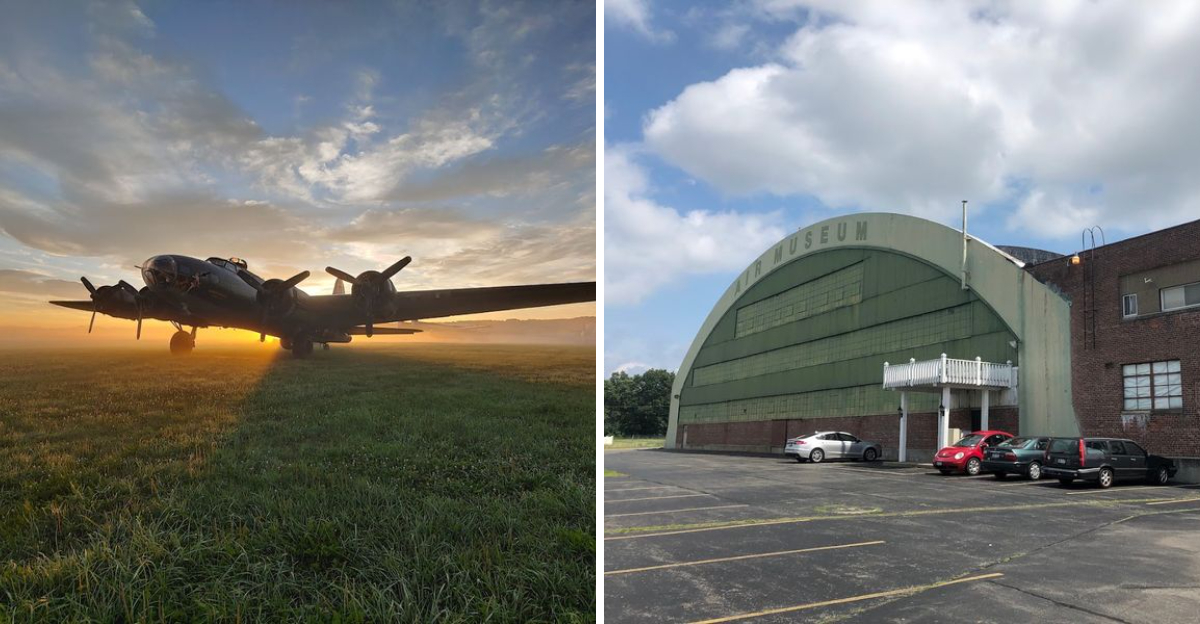
History doesn’t just sit behind glass in these museums—it practically takes flight.
New York’s aviation story is packed with daring inventors, fearless pilots, legendary aircraft, and moments that changed the future of flying. Every stop on this journey offered something different, from roaring warbirds and graceful gliders to spacecraft that reached far beyond Earth’s skies.
Some museums let us step inside historic planes. Others brought the past alive through working restoration shops, flight demonstrations, and personal stories that made every exhibit feel surprisingly close.
We found hidden gems right alongside famous collections.
By the end, it was clear these places offer far more than rows of airplanes. They celebrate courage, curiosity, and the dream of soaring higher than anyone thought possible.
If you love history, engineering, or simply want a memorable day out, these 11 New York aviation museums are ready to take you on an unforgettable adventure.
Cradle of Aviation Museum (Garden City, Long Island)
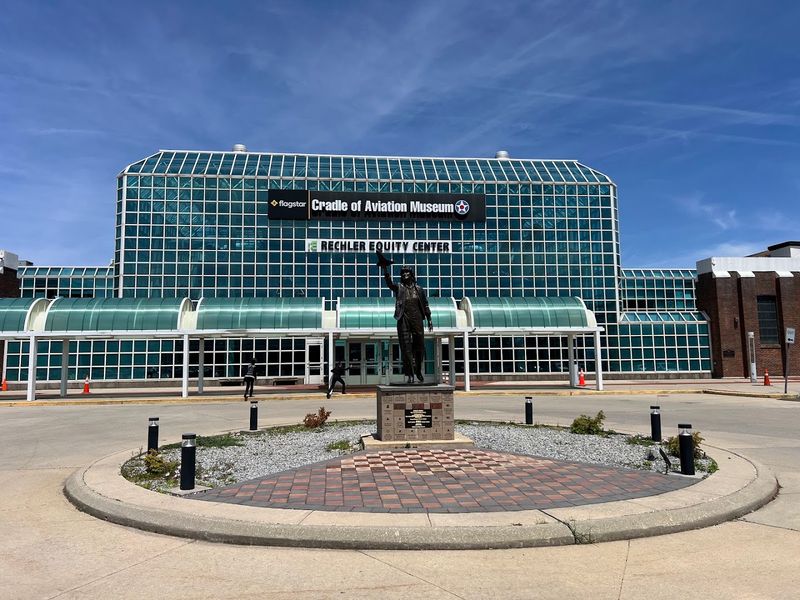
Long Island’s aviation legacy runs deeper than most people realize, and this massive museum proves it. Located in Garden City, the Cradle of Aviation Museum sits right where Charles Lindbergh took off for Paris and where countless aerospace innovations were born.
Walking through the galleries feels like traveling through time itself. You’ll find everything from rickety early biplanes that look impossibly fragile to sleek jets and actual spacecraft that touched the cosmos.
The lunar module exhibit especially takes your breath away when you realize astronauts actually flew something that looked so unusual to the moon.
Kids go crazy for the hands-on exhibits where they can experience what pilots feel during takeoff and landing. The planetarium adds another layer of wonder, showing how aviation eventually led humanity beyond our atmosphere.
Red Planet Café even serves space-themed treats to keep young explorers fueled.
What makes this place special is not just the collection size but how it connects Long Island’s backyard inventors and engineers to world-changing achievements. Every aircraft tells a story about the people who dreamed bigger than gravity allowed.
American Airpower Museum (Farmingdale)
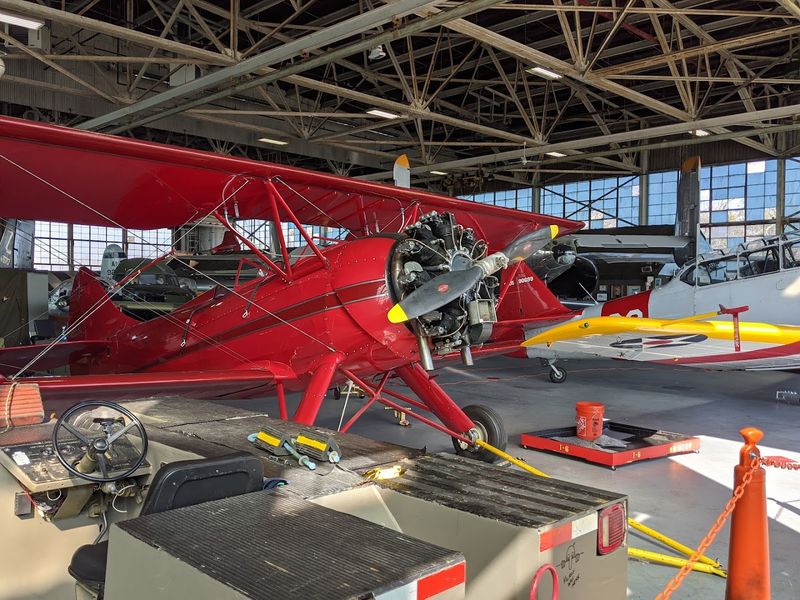
Step onto the tarmac at Republic Airport and you might see something impossible – a seventy-five-year-old warplane starting its engines. That’s everyday life at the American Airpower Museum, where history doesn’t gather dust.
This place operates differently than typical museums. Mechanics actively restore vintage aircraft in open hangars while visitors watch every rivet and panel come back to life.
You can actually talk to the people preserving these flying machines and learn restoration secrets passed down from World War II veterans themselves.
The museum’s collection focuses heavily on aircraft that fought in the Pacific and European theaters. B-17 bombers, P-40 Warhawks, and other legendary planes sit ready for their next flight demonstration.
Some weekend events let visitors climb aboard and sit in cockpits where young pilots once faced impossible odds.
Military vehicles and authentic uniforms fill the ground displays, creating complete wartime scenes. The museum doesn’t shy away from the human cost of war, honoring those who flew these missions through thoughtful exhibits and veteran interviews.
Watching a restored Mustang roar overhead connects past courage to present freedom.
Empire State Aerosciences Museum (Glenville)
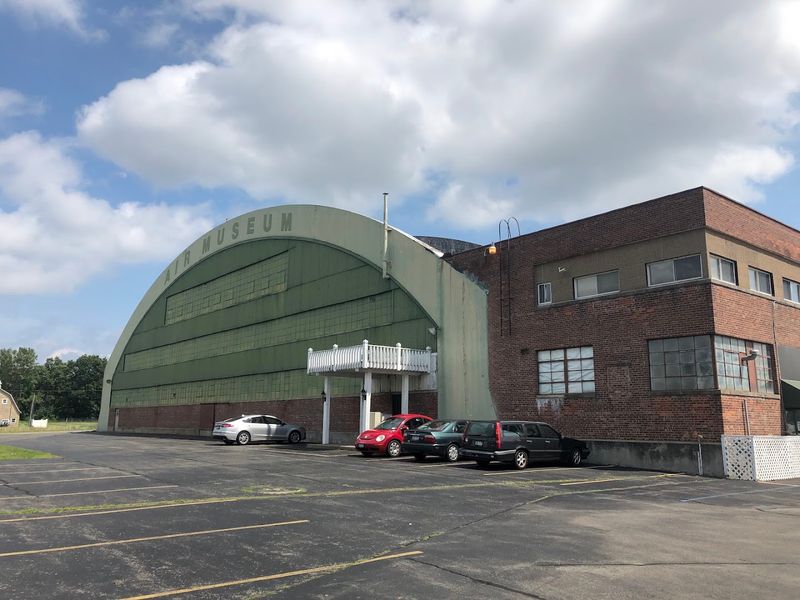
Ever wondered what happened to military jets that once defended American skies? Many found their retirement home in Glenville at this museum dedicated to New York’s aerospace contributions.
The collection spans military aviation history with fighters, trainers, and helicopters that tell stories of Cold War tensions and peacetime service. Flight simulators give visitors a taste of piloting these powerful machines without years of training required.
Kids especially love testing their skills in simulated dogfights and emergency landings.
New York’s role in aerospace engineering gets highlighted through exhibits on companies and engineers who pushed technology forward. You’ll discover how upstate factories built crucial components for everything from World War II bombers to modern spacecraft.
The museum preserves stories of local veterans who flew these aircraft in service.
Special programs bring school groups through regularly, making complex aerospace concepts accessible to younger learners. The outdoor aircraft park lets visitors get up close to massive machines that seem impossibly heavy for flight.
Volunteer guides often have personal connections to the aircraft, sharing firsthand memories that textbooks never captured.
National Warplane Museum (Geneseo)
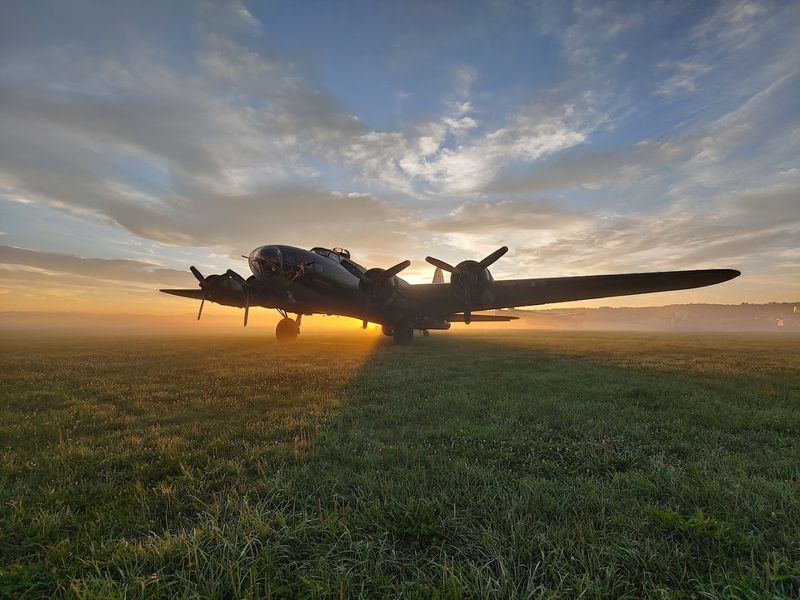
Every summer, the skies above Geneseo fill with the thunder of vintage warbirds performing aerial ballets. The National Warplane Museum makes this annual airshow possible while honoring military aviation heroes year-round.
This museum takes veteran recognition seriously. Beyond preserving aircraft, they collect oral histories from pilots, crew members, and ground personnel who kept these machines flying during wartime.
Listening to a ninety-year-old bomber pilot describe his missions over Germany hits differently than reading about it in books.
The aircraft collection includes rare examples of planes that won World War II. A beautifully restored B-17 Flying Fortress dominates the hangar, its nose art telling stories of crews who named their aircraft like beloved pets.
Smaller fighters and trainers round out displays showing how pilots learned their dangerous trade.
Educational programs connect modern students with veterans who actually flew combat missions. The museum’s library houses extensive research materials for serious history buffs digging into specific aircraft or military units.
During the famous Geneseo Airshow, these static displays become roaring demonstrations of raw power and precision flying that spectators never forget.
Glenn H. Curtiss Museum (Hammondsport)
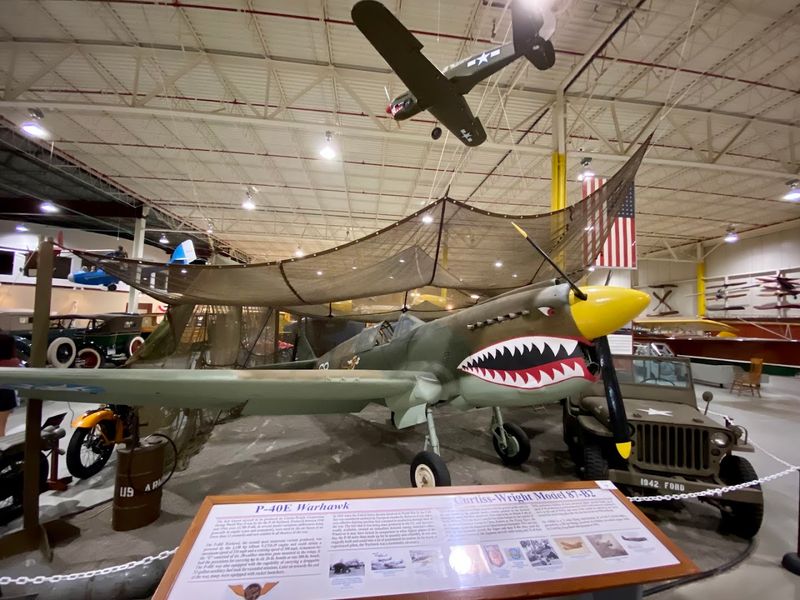
Before the Wright Brothers dominated aviation textbooks, Glenn Curtiss built faster motorcycles and more practical aircraft than anyone else. This Hammondsport museum celebrates an inventor whose name deserves more recognition.
Curtiss pioneered seaplanes, making water takeoffs and landings practical for the first time. The museum showcases his innovative aircraft designs alongside the motorcycles that made him famous before he looked skyward.
His engineering genius extended beyond aviation into early automobile development too.
Walking through exhibits reveals how one man’s experimentation changed multiple industries simultaneously. You’ll see fragile-looking early aircraft constructed from wood and fabric that somehow carried pilots safely.
His seaplane developments proved crucial for both military and civilian aviation advancement.
The museum sits in Curtiss’s hometown, where he conducted many experiments on nearby Keuka Lake. Local stories about his daring test flights add personal flavor to technical achievements on display.
Model builders and aviation historians treasure this collection for its documentation of aviation’s birth period. Curtiss’s rivalry with the Wright Brothers gets explored honestly, showing how competition drove innovation faster than cooperation.
Old Rhinebeck Aerodrome (Red Hook)
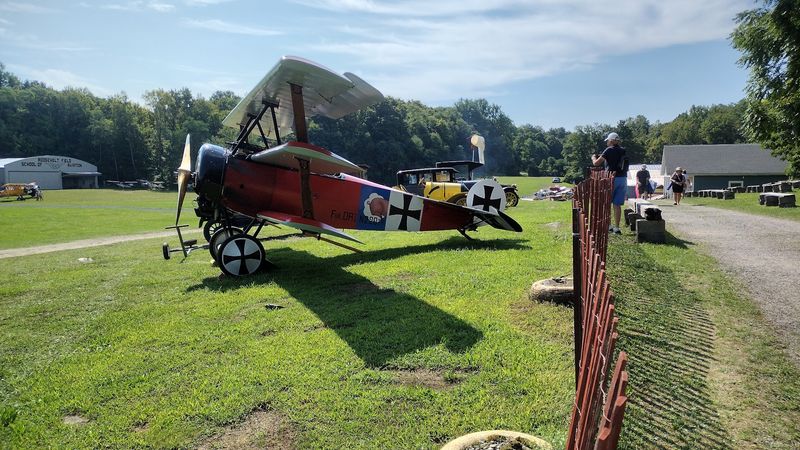
Most museums beg visitors not to touch the exhibits. At Old Rhinebeck Aerodrome, the exhibits take to the sky and perform for amazed crowds below.
This unique living history museum keeps World War I aircraft and Golden Age planes in actual flying condition. Weekend airshows during warmer months feature vintage aircraft performing exactly as they did a century ago.
Pilots dress in period costumes and stage mock dogfights that thrill audiences without the real danger original pilots faced.
The collection includes incredibly rare aircraft most people only see in old photographs. Biplanes and triplanes with open cockpits show how exposed early aviators were to weather and enemy fire.
Walking among these machines on the ground, you notice their surprisingly small size and delicate construction.
Beyond the famous airshows, the museum offers ground tours explaining how these antique aircraft stay airworthy. Mechanics perform restoration miracles keeping wood, fabric, and ancient engines functioning safely.
The on-site museum buildings display aviation artifacts, uniforms, and equipment from aviation’s early decades. Watching a 1918 Fokker triplane climb into modern skies creates an unforgettable connection between past and present.
Historic Aircraft Restoration Project (HARP) – Brooklyn (Floyd Bennett Field)
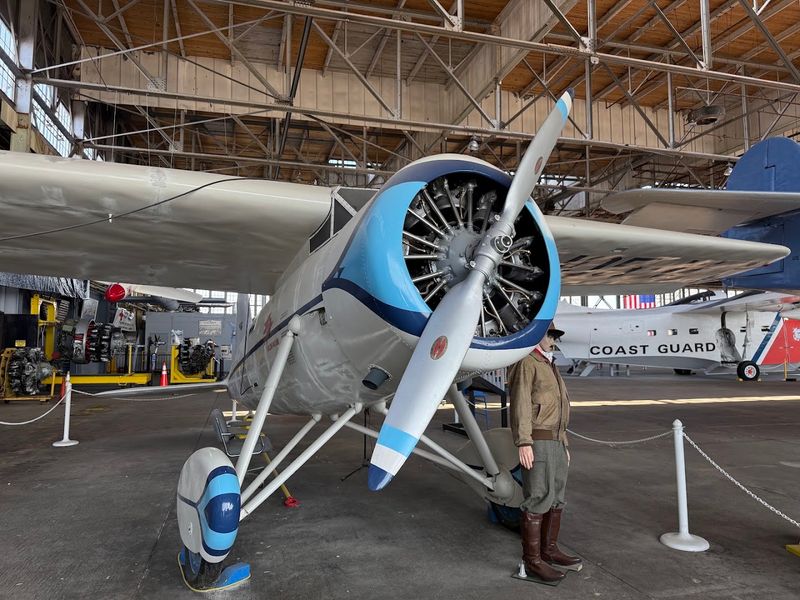
New York City’s first municipal airport sits abandoned now, but Floyd Bennett Field still holds aviation magic. Hidden here, the Historic Aircraft Restoration Project keeps Brooklyn’s overlooked flying heritage alive.
HARP operates smaller than major museums, but that intimacy creates special opportunities. Visitors get remarkably close to restoration projects, watching volunteers carefully rebuild vintage military and civilian aircraft piece by piece.
Conversations with restorers reveal the detective work involved in finding correct parts or fabricating replacements for seventy-year-old machines.
Floyd Bennett Field itself tells amazing stories. Famous aviators like Amelia Earhart and Wrong Way Corrigan flew from these runways when Brooklyn represented aviation’s cutting edge.
The Art Deco hangars and terminal building still stand, looking like movie sets from golden-age flying films.
Weekend open houses let aviation enthusiasts see progress on current projects. The collection includes aircraft most people never knew existed, showing how diverse aviation became during explosive growth periods.
For New Yorkers who assume Manhattan holds all city history, this Brooklyn treasure proves aviation innovation happened in unexpected places.
Niagara Aerospace Museum (Niagara Falls)
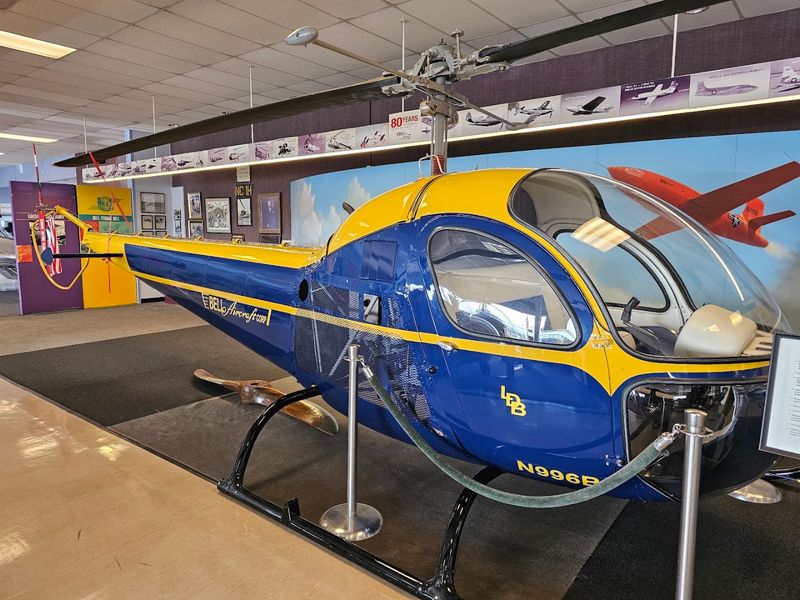
Bell Aircraft might not be a household name today, but this Western New York company revolutionized modern aviation. The Niagara Aerospace Museum tells that remarkable story alongside the engineers who made it happen.
Bell designed and built the X-1, the first aircraft to break the sound barrier with Chuck Yeager at the controls. That achievement changed aviation forever, proving supersonic flight possible.
The museum explores how Western New York’s industrial expertise made these experimental aircraft reality.
Exhibits detail the X-plane program’s evolution from breaking sound barriers to reaching the edge of space. Engineers working in area factories solved problems nobody had faced before, creating technologies still used today.
Their innovations extended beyond military applications into helicopter development and civilian aerospace projects.
The museum honors individual engineers and test pilots who risked everything testing radical designs. Interactive displays explain complex aerodynamics concepts in ways non-engineers can understand.
You’ll leave with newfound respect for the regional workforce that shaped modern flight. Western New York’s contribution to aerospace history deserves far more recognition than it receives nationwide.
Intrepid Museum – Space Shuttle Pavilion (New York City)
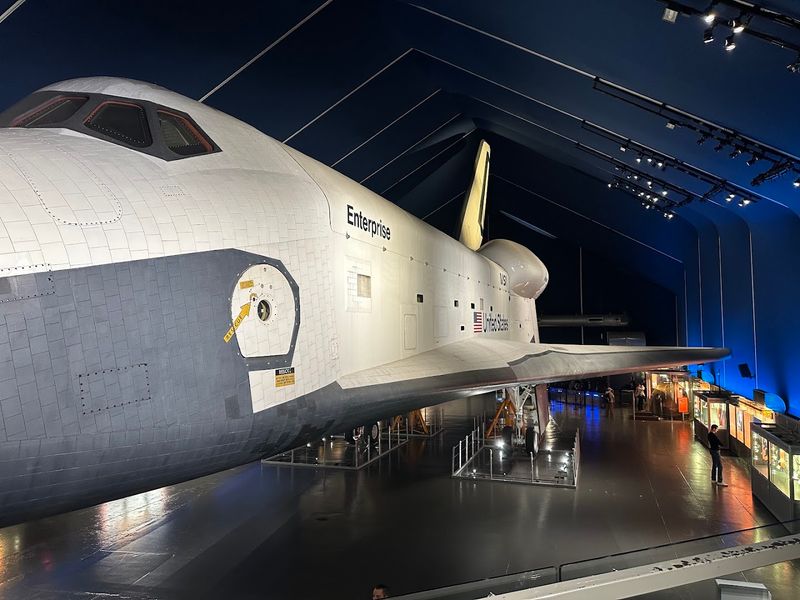
An aircraft carrier floating in Manhattan sounds impossible, yet the USS Intrepid has called the Hudson River home for decades. This legendary warship now serves as an extraordinary museum combining naval and space exploration history.
The Space Shuttle Enterprise sits in its own pavilion on the flight deck, bringing NASA’s shuttle program to New York City. Standing beneath its massive wings, you realize how audacious humans became launching reusable spacecraft.
The shuttle never flew in space but played crucial testing roles that made later missions possible.
Beyond the shuttle, the carrier deck displays military aircraft spanning generations. Jets that launched from this very deck during wartime now rest permanently where they once scrambled for combat missions.
Below decks, restored crew quarters show how thousands of sailors lived during months-long deployments.
The submarine Growler sits docked alongside, offering tours through its cramped interior. Visitors experience how submarine crews endured claustrophobic conditions during Cold War patrols carrying nuclear missiles.
Together, the carrier, shuttle, and submarine create an unmatched combination showing how Americans projected power across oceans, skies, and eventually space itself.
Wings of Eagles Discovery Center (Horseheads)
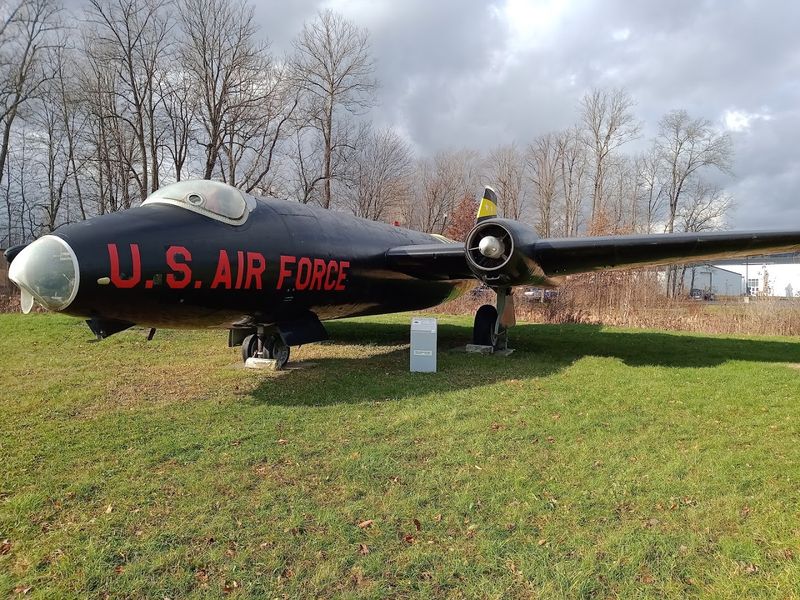
Elmira-Corning Regional Airport hosts an impressive aviation collection that celebrates the Southern Tier’s long connection to flight. The Wings of Eagles Discovery Center proves world-class museums exist beyond major cities.
The facility showcases both military and civilian aircraft spanning different eras and purposes. Restored planes sit close enough for detailed inspection, letting visitors appreciate the craftsmanship and engineering that goes into each aircraft.
Helicopters demonstrate how rotary-wing flight opened new possibilities for rescue, transport, and military operations.
Interactive exhibits make aviation principles accessible to visitors of all ages and backgrounds. You can explore cockpits, examine engines, and learn how different aircraft types serve specialized purposes.
The collection includes rare examples of planes most people never encounter elsewhere.
Local aviation history gets special attention through exhibits on regional contributions to aerospace development. The museum partners with schools to inspire future engineers and pilots through educational programs.
Aviation artifacts and memorabilia fill display cases with personal items from pilots and crews who flew these machines. For Southern Tier residents and visitors exploring the Finger Lakes region, this discovery center offers unexpected treasures worth the detour.
National Soaring Museum (Elmira)
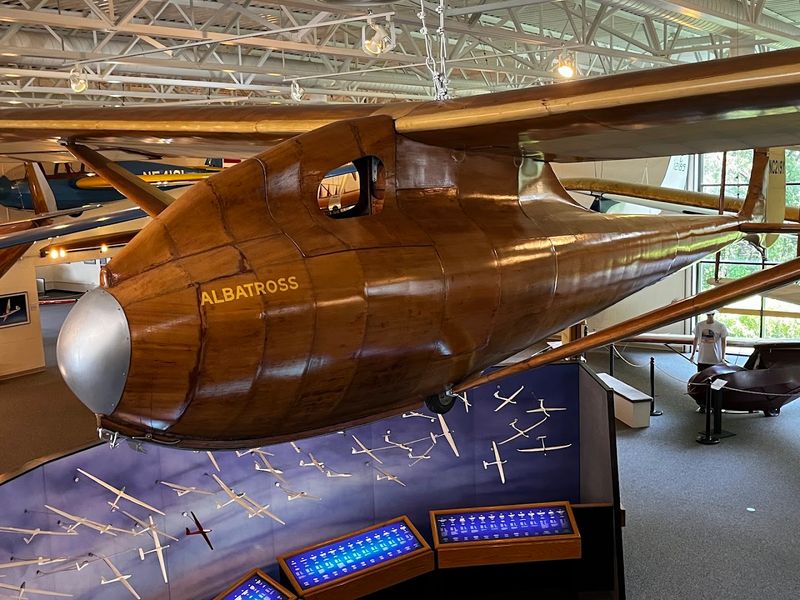
Engines roaring overhead dominate most aviation museums, but something quietly magical happens in Elmira. The National Soaring Museum celebrates flight in its purest form – riding air currents without any engine at all.
Perched atop Harris Hill, this unique museum explores gliding and sailplane history. The location is not coincidental – Elmira’s geography creates ideal soaring conditions that made it America’s gliding capital.
Pilots travel worldwide to ride thermals and ridge lifts that make extended engineless flights possible here.
Historic gliders show how the sport evolved from dangerous experiments to sophisticated aircraft capable of traveling hundreds of miles on air currents alone. Interactive exhibits explain meteorology, aerodynamics, and unique skills glider pilots develop reading invisible wind patterns.
It’s chess played in three dimensions using nature’s power.
The museum offers discovery flights where visitors experience soaring firsthand. Climbing silently above the valley without engine noise creates an almost spiritual flying experience.
For people who think all aircraft need engines, this museum opens eyes to humanity’s most elegant flying method.