Rolling hills, quiet trails, and wide views across the Nashua River Valley make this hilltop feel like a peaceful escape from busy Massachusetts life.
Fruitlands Museum sits on Prospect Hill Road in the small town of Harvard, about an hour northwest of Boston.
Founded in 1914 by Clara Endicott Sears, it preserves the farmhouse of a short-lived 1840s utopian community linked to Bronson Alcott.
Galleries showcase Shaker history, Native American collections, and beautiful landscape paintings.
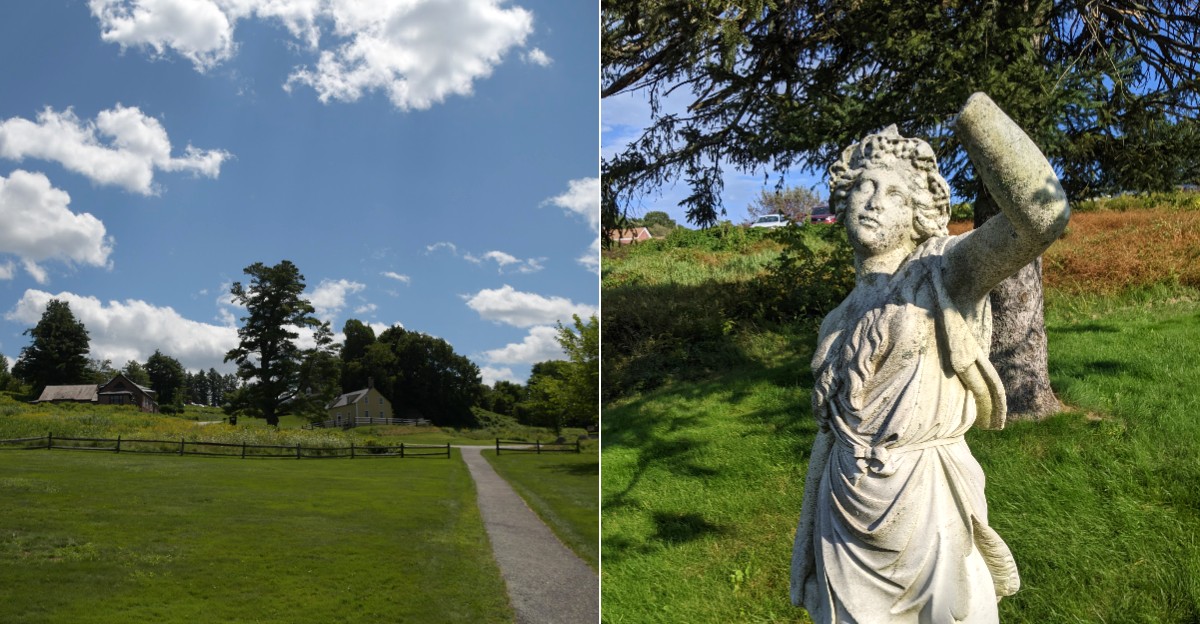
Outside, miles of walking trails wind through meadows and woodlands with sweeping views that shine in fall.
Wear comfortable shoes and bring a camera, because this is a place that rewards a slow, curious wander.
Start With Shoes That Can Handle a Hill
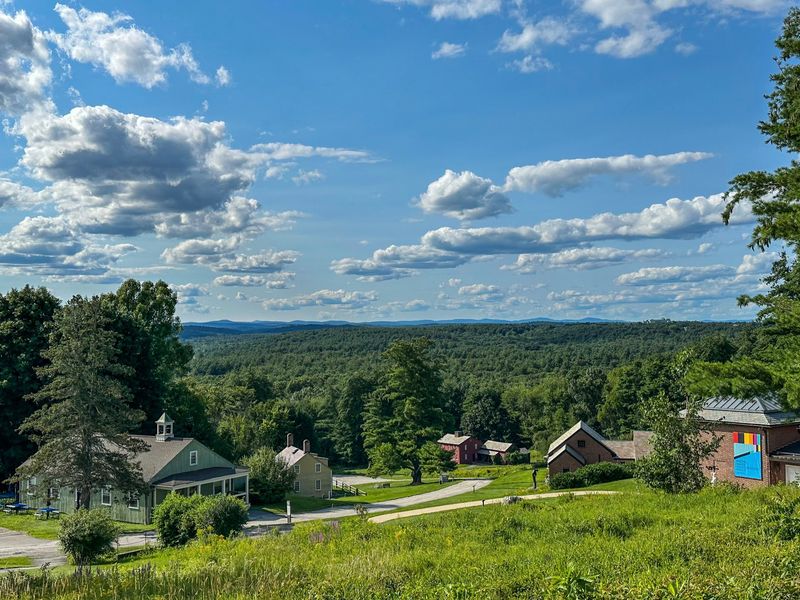
The first surprise may be how much ground you cover before reaching a trail. Fruitlands Museum, 102 Prospect Hill Rd, Harvard, MA 01451, spreads its exhibits and outdoor spaces across a hillside. Walking between buildings can mean going downhill first and climbing back up later.
Choose shoes with good grip and enough support for uneven ground. Sneakers may suit a dry visit around the buildings, while sturdy walking shoes are wiser if you plan to explore woodland paths. Avoid shoes that rub your heels, since a short stop can easily become an afternoon outing.
Before setting off, look at the day’s weather and ask staff which spaces are open. Rain, fallen leaves, and snow can change how a path feels underfoot. In winter, museum buildings may be closed even when outdoor access is available, so check current information before traveling.
If hills are difficult for you, plan a route that puts your top priority first. A visitor with limited energy might choose one gallery and a viewpoint rather than trying to reach every building. Leave time to walk back without rushing. The goal is not to cover the whole property, but to enjoy the parts you can visit comfortably.
Follow a Trail Beyond the Buildings
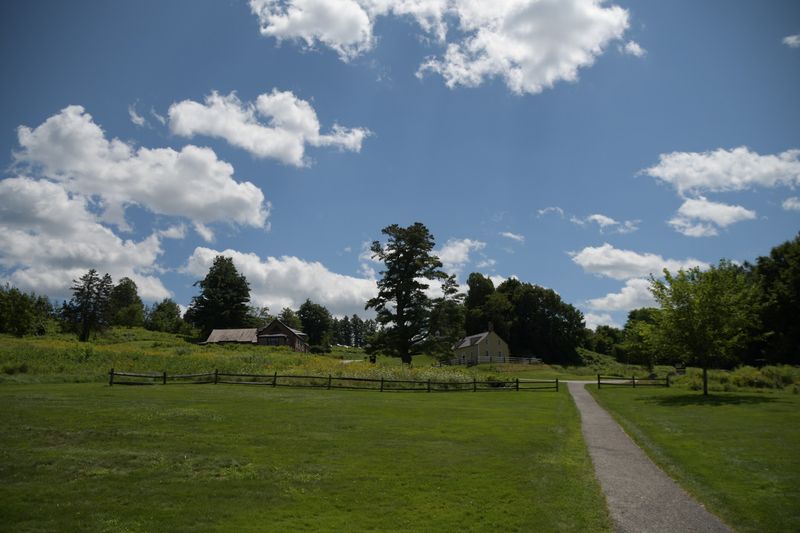
A path disappearing into the trees can be hard to pass up. The museum grounds offer walking trails that add a different kind of discovery to a day of exhibits. Instead of moving from room to room, you can hear leaves underfoot and watch the landscape change as you walk.
Check a current trail map before you start, and notice where your route returns to the main grounds. Some paths go downhill, which makes the return trip more tiring than the walk out. If you are with children, choose a distance everyone can manage and agree on a turnaround point early.
Carry water, especially on a warm day, and keep your phone charged. Stay on marked routes to protect plants and avoid losing your way. After rain, expect soft patches or slippery roots; after snowfall, conditions may be much harder than they look from a cleared parking area.
There is no prize for finishing a loop quickly. Pause to notice the light through the branches or a small change in the view. Turning back is a smart choice when weather shifts or legs get tired. Treat the walk as part of your museum visit, with time left for the art and history indoors.
Give the Valley View Its Own Stop
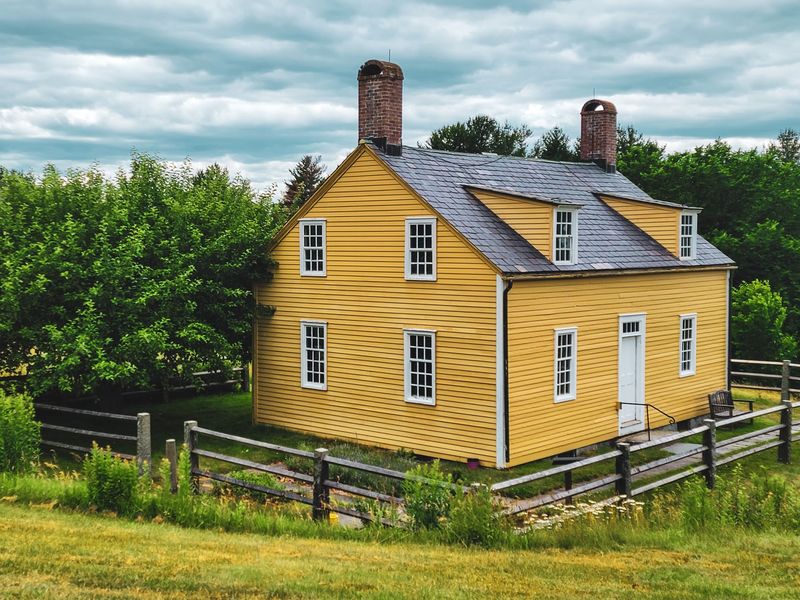
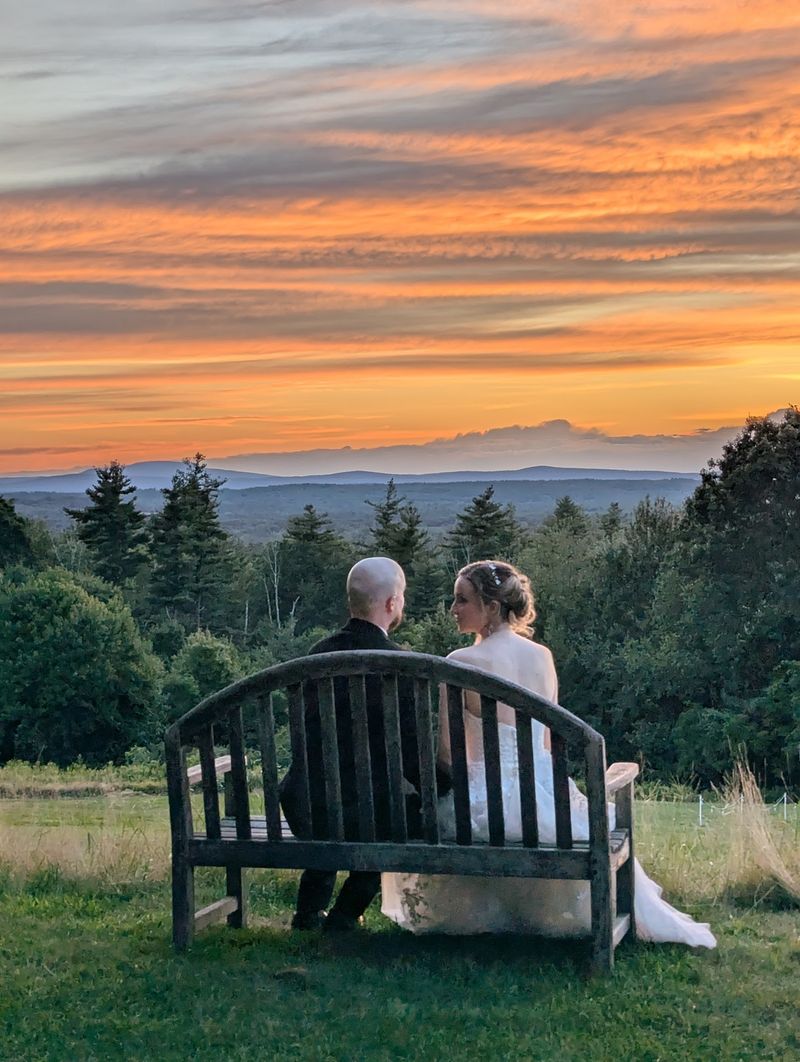
Sometimes the best exhibit is waiting outside. From the high ground, broad views stretch across rolling hills and open sky. They offer a welcome pause between buildings, especially after a climb. On a clear day, spend a few minutes picking out the layers of land in the distance.
Bring a light layer if you expect to linger, since an open hillside can feel breezier than a sheltered trail. A small pair of binoculars can make looking across the landscape more fun, but you do not need any special gear. Even a short rest gives tired legs a break.
Late afternoon light can bring warmer colors to the scene, and fall leaves can make the view especially striking. Sunset times change with the season, though, so check closing hours before planning an evening visit. Never assume the grounds will stay open just because daylight remains.
For a good photo, include a bit of the hillside or a nearby building instead of filling the frame with only distant sky. If others are enjoying the lookout, share the space and keep bags out of the walking route. You may arrive for the museum displays, but this quiet stop helps explain why visitors remember the setting too.
Make Room for the Art Galleries
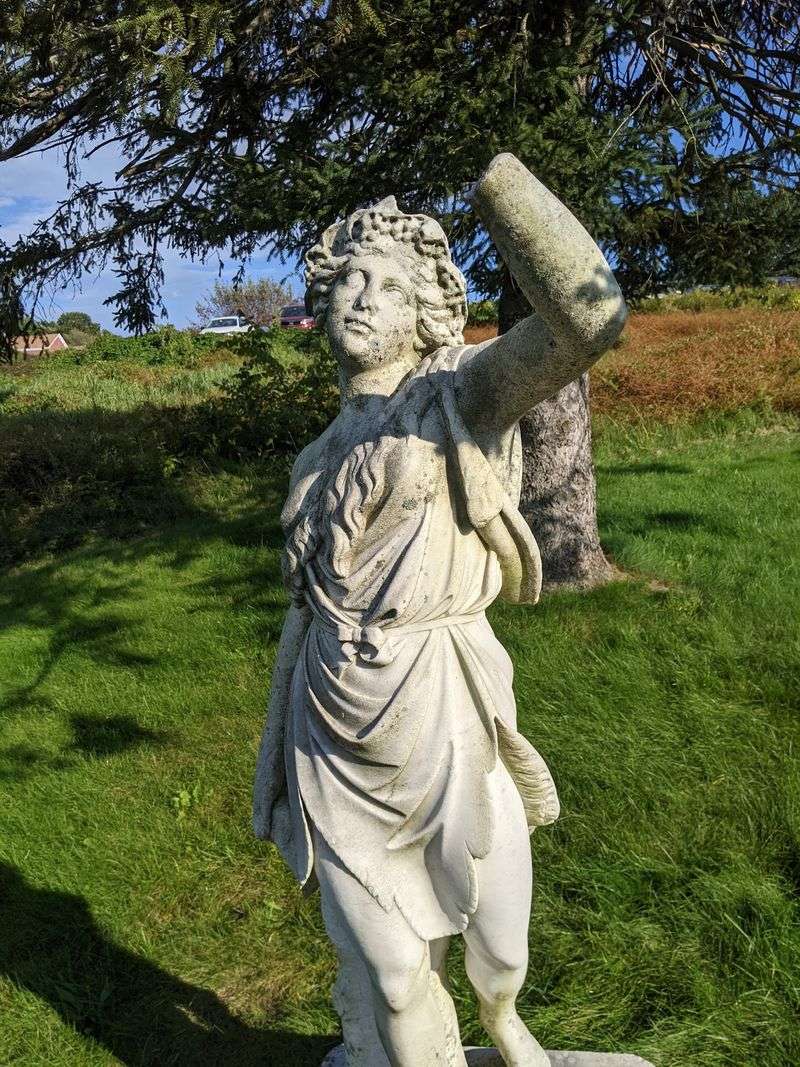
After the brightness outdoors, stepping into a gallery changes the pace. Paintings and other works invite you to slow down and look closely. The museum’s art displays can change, so the pieces you find may differ from those a friend saw on an earlier visit.
Begin with one work that catches your eye rather than trying to study everything. Look at its colors, shapes, and materials before reading the label. Then see whether the artist’s story changes what you notice. This simple habit makes art feel less like a test and more like a conversation.
Children can join in by choosing a favorite detail or describing what they think is happening in a picture. Keep voices low enough for other visitors to enjoy the room. Follow posted rules about touching displays and taking photographs, since those rules may differ between exhibitions.
Gallery time is also a useful rest for anyone who has been walking the grounds. Give yourself a few minutes to sit where seating is allowed, then decide what to see next. Ask staff which exhibitions are currently open before making a special trip for one subject. A flexible plan leaves room for an unexpected piece to become the highlight of your day.
Listen to the Farmhouse Story
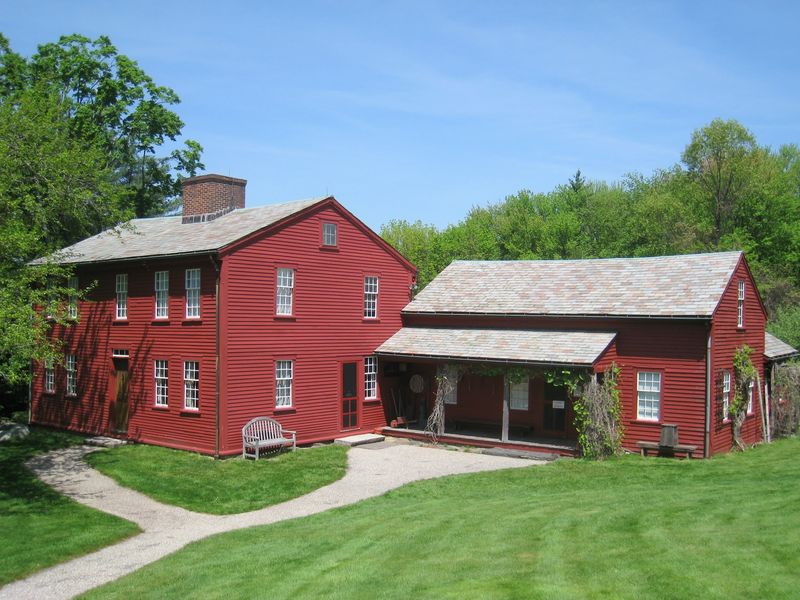
A small farmhouse can hold a surprisingly big idea. The Fruitlands Farmhouse tells the story of a short-lived community founded in the 1840s by Bronson Alcott and Charles Lane. Its members hoped to build a simpler life guided by their beliefs, but daily work and limited resources made that dream difficult.
Louisa May Alcott lived there as a child, long before she became the author of Little Women. That connection can help younger visitors picture history as something real families experienced. Ask what chores a child might have faced there and how those tasks compare with life at home today.
Check whether the farmhouse is open and whether entry requires a guided tour. Hours and access can change by season. When a guide is available, bring a question instead of worrying about remembering every date. A good question might be why the community chose that way of life.
Take a moment outside to consider the hill and surrounding fields. Walking between the farmhouse and other exhibits gives a small sense of the effort involved in everyday travel across the property. The experiment did not last long, yet its story still raises a useful question: how do people balance hopeful plans with practical needs?
Explore Shaker Life Through Everyday Objects
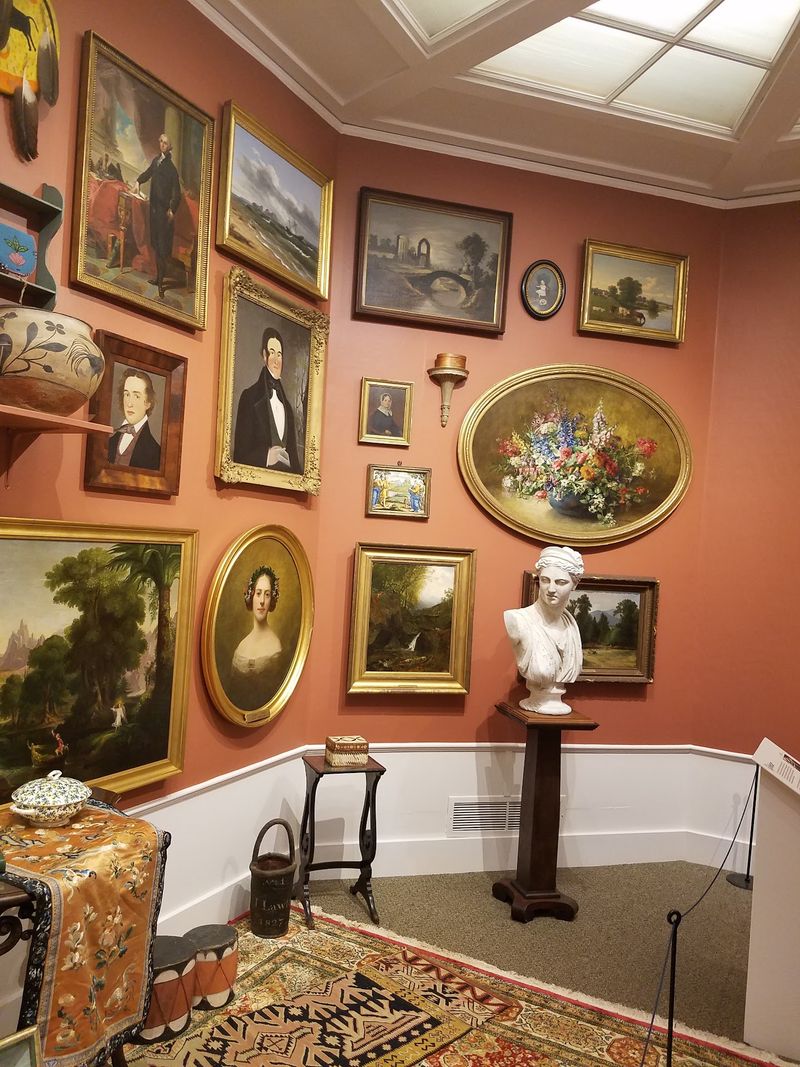
Plain furniture and careful handwriting can tell stories without making much noise. The museum’s Shaker collections include objects and documents connected to a community known for shared work, faith, and skilled making. Look closely at everyday items, since they can reveal as much about people’s lives as a grand portrait.
Before entering, see which Shaker spaces are open that day. Some historic buildings have limited access or require a tour. If a docent is present, ask how an object was used or why its design mattered. A short answer can turn a simple chair or tool into a memorable lesson.
For children, try a quiet search for useful details. Which object looks as if it took patience to make? What might be easier or harder about sharing work with a whole community? Let them offer their own ideas before reading an explanation together.
Remember that these displays describe real people’s beliefs and choices, not just an old-fashioned style of decoration. Give yourself enough time to read labels rather than rushing toward the next building. The hillside walk between exhibits provides a natural pause to talk about what you learned. History often feels clearer when there is space to think it over.
Approach Native American Exhibits With Care
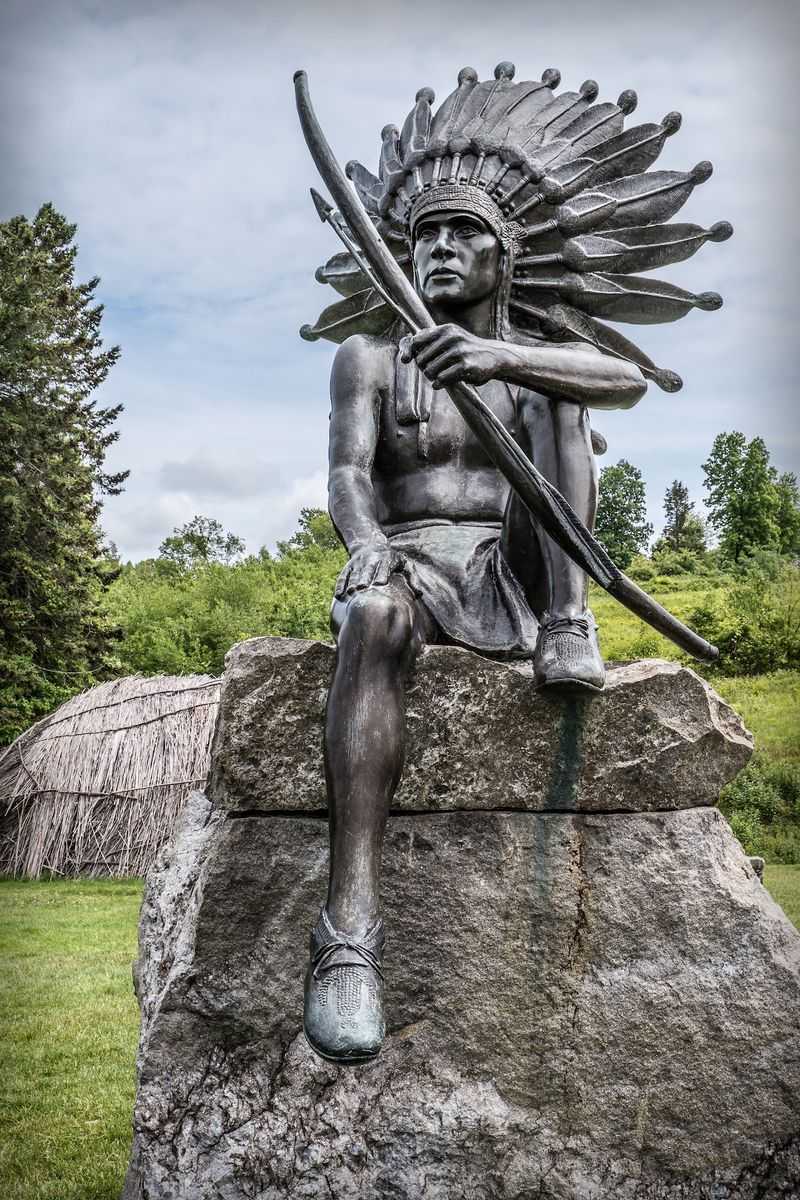
Objects behind glass are only part of a much larger story. Native American exhibits here present art and historical materials that deserve careful attention. Read the labels closely to learn what is known about each object, who made it when that information is available, and how the museum explains its collection.
Avoid treating Native American life as something that ended long ago. Native communities continue today, and their histories reach far beyond any single gallery. If you visit with children, encourage them to describe what they notice first, then discuss what the display actually says. That helps separate observation from guesses.
Some visitors may wish for more information about local communities. If a label leaves you curious, ask museum staff whether there are related exhibits or resources to explore. Questions asked with respect can lead to better learning than quick assumptions about an unfamiliar item.
Allow time for this stop rather than squeezing it between a hike and lunch. Follow photography rules, keep voices considerate, and never touch an artifact unless a display clearly invites it. The most useful thing to carry out of the room may be a new question. Let that question guide what you read next, even after your visit ends.
Save Time for a Break Above the Hills
By midday, even the most curious walker may be ready to sit. A break near the main visitor areas lets you enjoy the scenery without adding another trail to your route. When food service is available, the cafe or patio can be a pleasant place to pause before choosing your next exhibit.
Check current cafe hours rather than counting on a meal during every visit. Service may vary by season, event, or day of the week. Bring water and consider a snack if you have children or plan a long walk. On busy fall weekends or event days, leave extra time instead of building a tight schedule around lunch.
Use the break to take stock of everyone’s energy. Are the shoes still comfortable? Does anyone need a restroom or a quieter stop? A few practical minutes now can make the rest of the afternoon much easier.
Before leaving, check whether a gallery, guided tour, or outdoor program is still on your list. Special events can add to a visit, but schedules change, so confirm details on the museum’s website. If you have already seen enough, it is fine to finish with the view. A good day here is measured by what you enjoyed, not by how many stops you completed.