A concrete sidewalk poured in 1912 still runs through the Virginia woods. It once led families to a little Baptist church.
The church is long gone, and so is everyone who walked that path.
About 100 farming families once called this spot home. They had a country store, a school, and a post office.
Then, in 1942, a federal court took the land, and the whole community had to pack up.
Some families got as little as 20 days to leave. I can’t imagine boxing up an entire farm life in less than a month.
That kind of story sticks with you.
Today, the land helps train Marines. A striking museum nearby tells the bigger story of the Corps.
So how does a town simply disappear from the map?
The Town Had A Name, And It Was Kopp
Kopp sounds like a one-syllable mystery, and that suits it. Founded in 1885 in Prince William County, it grew into a small farming community near present-day Independent Hill.
Life there looked a lot like rural Virginia everywhere else at the time. Families farmed, kids went to school, and neighbors met at the country store.
The community also had a post office and the Belle Haven Baptist Church. Those four places were basically the town’s heartbeat.
If you needed news, stamps, or flour, you knew exactly where to go.
At its peak, Kopp was home to roughly 100 farming families. That’s not a big city, but it’s a real place with real roots.
Many of those families had worked the same ground for years.
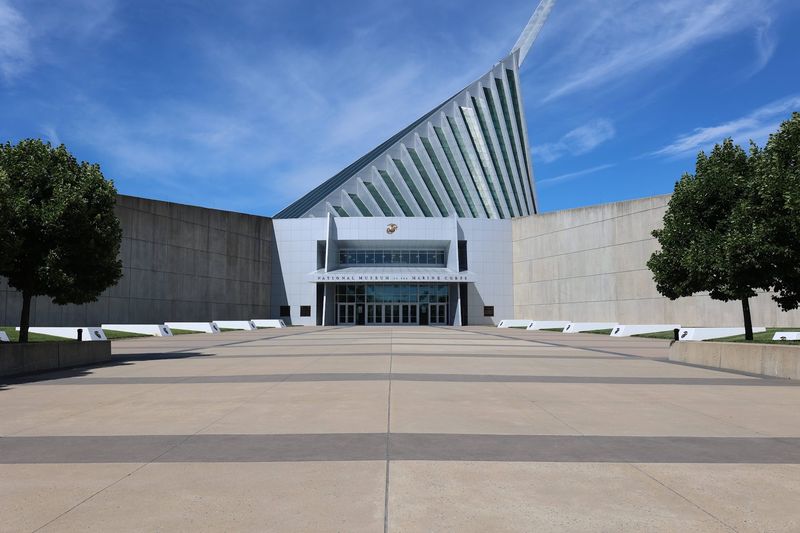
Today, Kopp sits on the western portion of Marine Corps Base Quantico. The National Museum of the Marine Corps stands within the broader Quantico area, so the two stories share a backyard.
I like knowing that a museum about history sits so close to a piece of history most people never hear about. It makes a visit feel a little deeper.
Names on a map can fade, but they don’t have to be forgotten.
A Courtroom In Norfolk Changed Everything In 1942
October 1942 brought a decision that rewrote local maps overnight. The U.S.
District Court in Norfolk condemned roughly 50,000 to 51,000 acres at the Navy’s request.
The land stretched across three counties. Fauquier, Prince William, and Stafford all lost huge chunks of farmland and homesteads.
The legal tool was eminent domain. In plain terms, the government can take private land for public use, as long as it pays owners.
Kopp landed squarely inside the boundary.
Why so much land? Marines preparing to deploy during World War II needed far more room for range and maneuver training.
The existing base simply wasn’t big enough for that kind of preparation.
This became the largest land acquisition in Quantico’s history. That’s a record nobody in Kopp asked to help set.
It helps to think about scale here. Fifty thousand acres is bigger than many entire towns put together.
One court order covered all of it.
For families, the paperwork mattered less than the result. Their farms, church, and school were now federal property.
The clock on their old lives had officially started ticking.
Twenty Days To Pack A Lifetime Is Not Much Time
Moving apartments in a month feels stressful enough. Now try moving a whole farm, with tools, animals, and generations of stuff.
Across the condemned area, about 650 families had to leave. Notice periods ranged from just 20 to 60 days.
That window was brutally short. Families had to find new homes, often in a tight wartime market.
Then they had to pack everything they owned and actually get it there.
Payment brought another headache. Some owners waited months, and some waited years, to receive money for their land.
Imagine buying a new place while your old one still hasn’t paid out.
Not every family bounced back. Some never recovered from losing their homes and livelihoods in such a rush.
I believe this part deserves a quiet moment of thought. History books often celebrate the training that followed.
The people who made room for it rarely get the spotlight.
So when you drive past the base today, remember the families. Their sacrifice was different from a Marine’s, but it was real.
Both stories shaped this corner of Virginia.
A 1912 Sidewalk Still Leads The Way To Nowhere
Concrete outlasts almost everything, and Kopp proves it. A sidewalk poured in 1912 still survives on base land.
That walkway once guided churchgoers to Belle Haven Baptist Church. Founded in 1885, the church was the spiritual center of the community.
The church building came down around 1945. The sidewalk, though, stayed put.
Now it leads to a spot where a front door used to be.
There’s something poetic about a path that refuses to quit. Sunday shoes once clicked along it.
Today it sits among the trees, a little reminder that people gathered here.
The sidewalk also tells you something about Kopp itself. A rural community investing in concrete in 1912 was serious about its church.
These folks planned to stay for the long haul.
History doesn’t always come in glass cases. Sometimes it’s a gray strip of pavement with cracks and leaves on top.
It’s a good mindset to carry into the National Museum of the Marine Corps nearby. Big exhibits impress, but small details often hit hardest.
That old sidewalk is one of the smallest and most moving details around.
The Cemetery Never Left, And The Marines Look After It
Here’s a twist that softens the story a bit. The Kopp community cemetery still remains, and Marine Corps Base Quantico maintains it.
Buildings vanished, but the burial ground stayed. That means the families’ ancestors still rest on the land they once farmed.
The base taking care of it matters. Cemeteries tied to lost communities often get swallowed by weeds and time.
This one has caretakers.
It’s a meaningful kind of respect. The same institution that took the land now protects one of its most personal pieces.
That feels like a thoughtful way to honor the past.
Nearby, the remains of the Belle Haven School also survive in part. Its foundation and part of the chimney can still be found.
Picture a schoolroom where kids learned their lessons around that chimney. Now only the bones of the building are left.
Still, they mark exactly where childhood happened.
Together, the cemetery, the school ruins, and the sidewalk form a quiet outline of Kopp. You can almost sketch the town from them.
It’s a ghost map, drawn in stone and memory.
No, The Town Of Quantico Did Not Disappear
Mix-ups happen easily with this story. The vanished town is Kopp, not the Town of Quantico.
The Town of Quantico is very much alive. It’s an incorporated civilian town that existed before Marine Corps Base Quantico came along.
Its claim to fame is pretty wild. The town is completely surrounded by the military installation.
Talk about having big neighbors.
So two very different outcomes happened in the same region. One community got wrapped by the base and survived.
Another sat in the path of expansion and was gone by 1942.
Knowing the difference makes you sound sharp at dinner. Tell someone a Virginia town vanished for Quantico, and they’ll probably guess the wrong one.
It also shows how location shaped fate. Kopp sat on the western side, where the Marines needed open ground for maneuvers.
Wide farmland made it ideal for training and impossible to keep.
If you’re mapping out a history day, both places add color. One is a living town with its own personality.
The other survives only in records, relics, and a few stubborn concrete slabs.
The Museum Down The Road Tells The Marines’ Side Of The Story
Training on that land was meant to prepare Marines for something huge. The National Museum of the Marine Corps shows exactly what that preparation led to.
You’ll find it at 1775 Semper Fidelis Way, Triangle, VA 22172. The address itself nods to 1775, the year the Corps was founded.
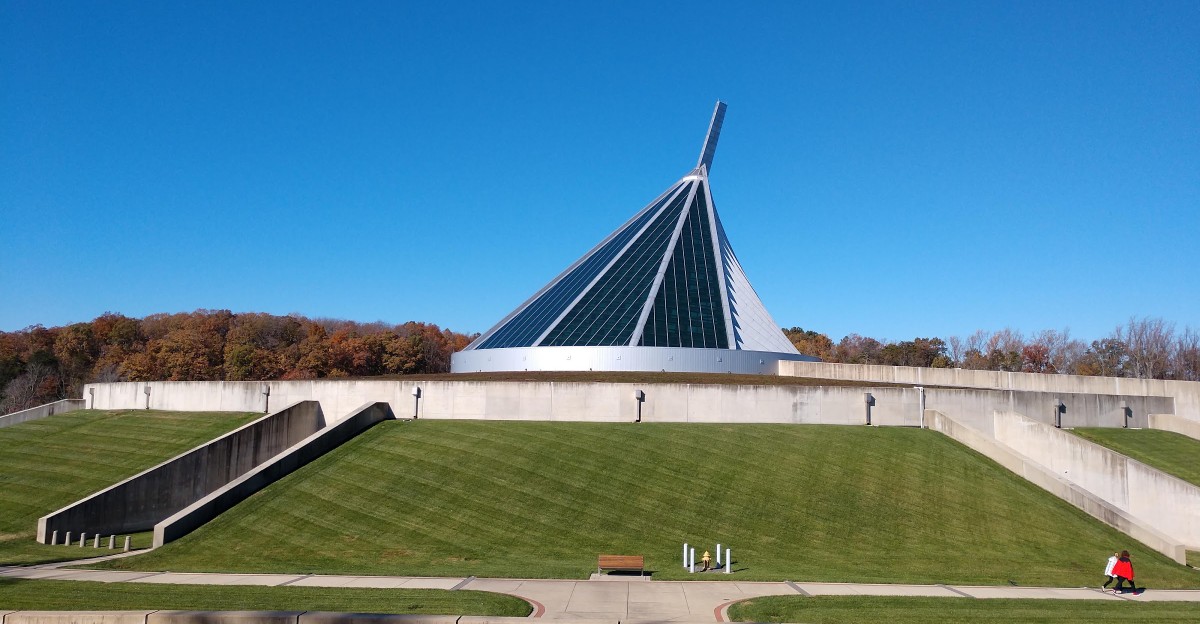
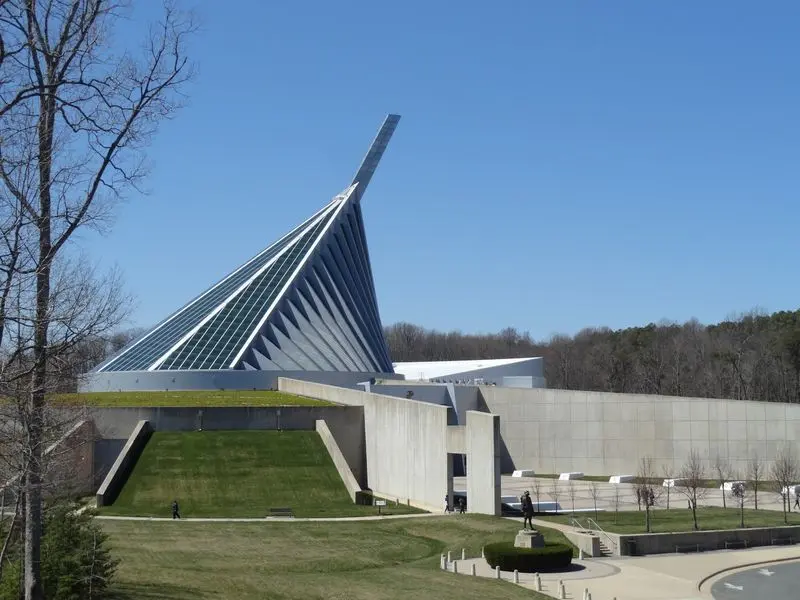
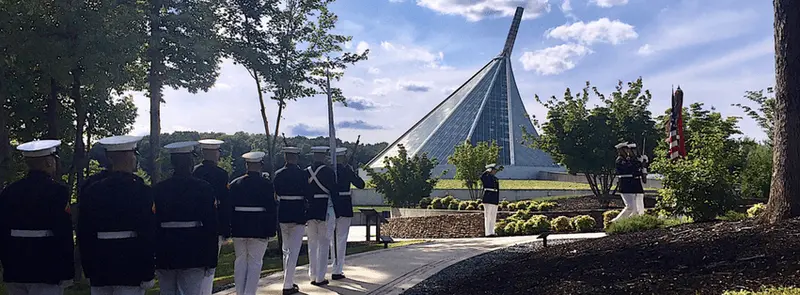
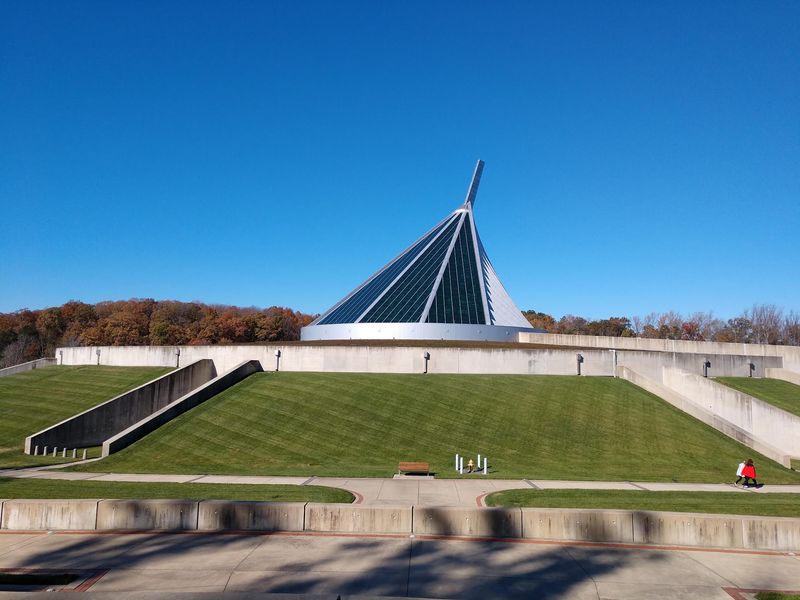
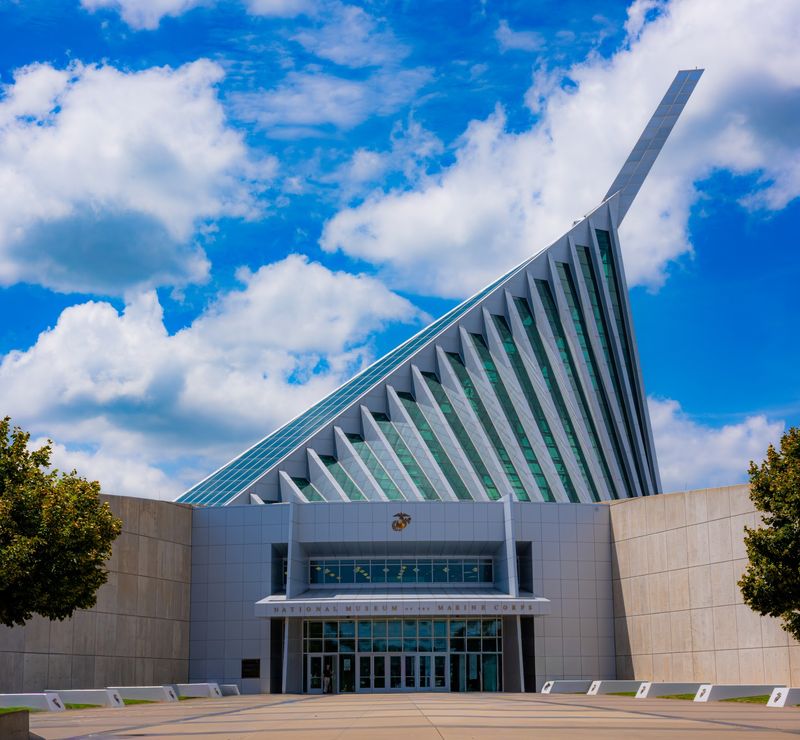
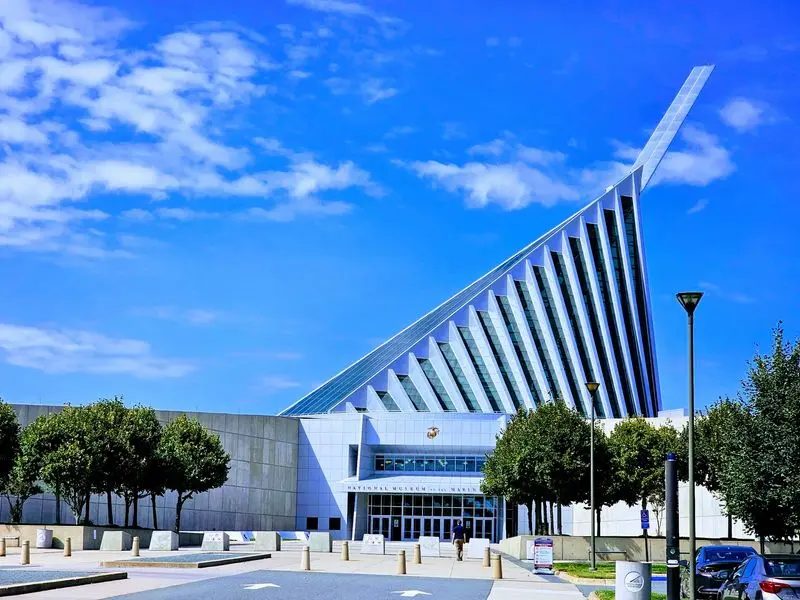
The museum’s design echoes the famous Iwo Jima flag raising. The approach road gives you a strong look at that soaring shape.
Inside, galleries follow Marine history in order. World War II, Korea, Vietnam, and more recent eras all get their own space.
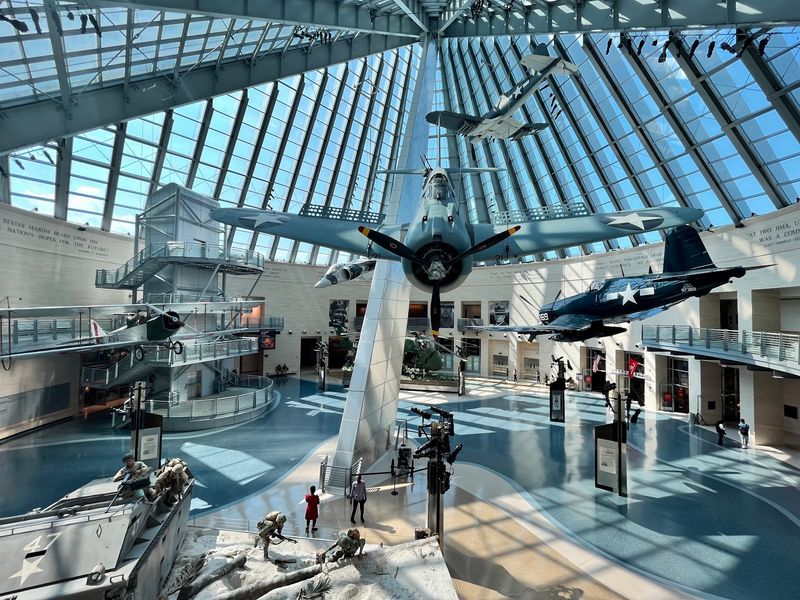
The central atrium is a showstopper. Aircraft hang overhead, and large displays fill the floor below.
It’s a lot to take in at once.
Admission is free, and so is parking. That’s a rare combo for a national museum of this size.
Visiting after learning about Kopp adds layers. The Marines trained nearby before heading overseas.
The farms that gave way became part of that journey, whether the families liked it or not.
Plan For More Than One Quick Lap Around The Galleries
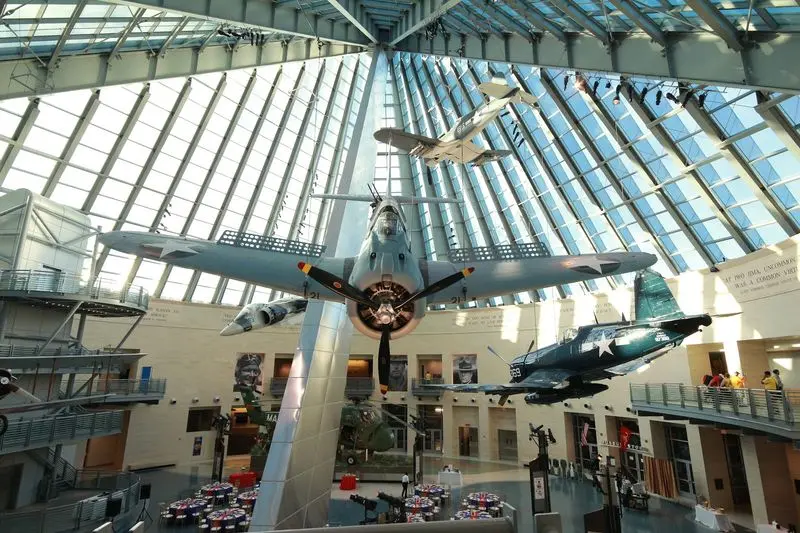
Short visits rarely work here. The galleries hold vehicles, uniforms, weapons, medals, and personal items spanning the Corps’ whole timeline.
Many exhibits are immersive. Lifelike figures and detailed scenes put you right beside Marines in key moments.
Families should know some displays get intense. The museum signals where material may be too much for younger kids.
You can steer around those areas easily.
For little ones, there’s a play space for children under six. That’s a sanity saver on a long history day.
The building runs cool, so a light jacket is smart. Hours run 9 AM to 5 PM daily.
Expect a security check with metal detectors and a bag search at the entrance. It moves along and is simply part of the routine.
An upstairs art gallery adds another angle. Paintings and artwork capture Marine life in ways photos can’t.
Give yourself a few hours at least. Plenty of history fans return for a second day.
With free admission, coming back costs you only gas money.
Grab A Bite, Walk The Trail, And Let It All Sink In
History works up an appetite. The National Museum of the Marine Corps has food on site, including Tun Tavern and a cafeteria-style option.
Tun Tavern carries a famous name. The original in Philadelphia is tied to the Corps’ founding story in 1775.
The gift shop deserves a browse too. Books, apparel, and memorabilia fill the shelves, so souvenir hunters stay busy.
Outside, an outdoor trail starts near the building. It winds through the grounds and includes some hills, so wear decent shoes.
That walk is a fitting way to end the day. You’re out among Virginia trees, not far from where Kopp’s families once farmed.
The connection feels closer out here.
I like how the trail gives your brain room to breathe. The galleries pack a punch, and fresh air helps it settle.
So that’s the full circle. A small town gave up its land in 1942, and the Marines trained for the fight ahead.
Today a free museum keeps their stories alive. Kopp’s sidewalk is still out there, quietly pointing the way.