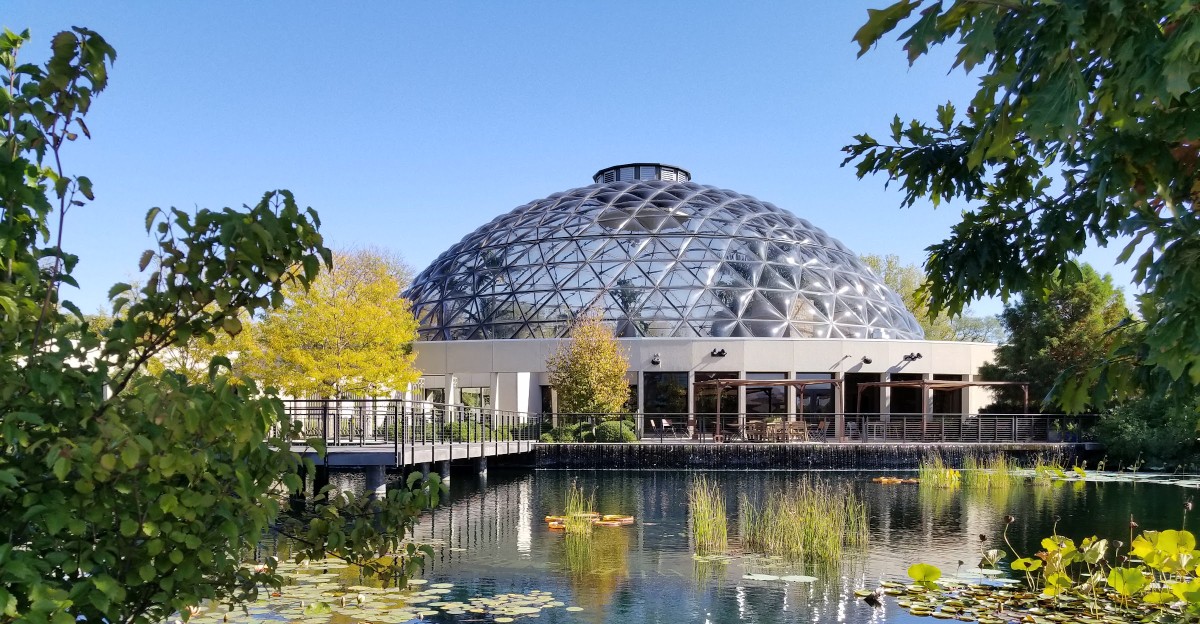
Iowa winters can stretch on so long that kids start asking if summer was just a rumor, and that is exactly when a certain glass dome in Des Moines starts filling its parking lot with license plates from all over the state.
Inside, palm trees tower over a waterfall, bonsai trees older than most grandparents sit on display, and butterflies and other pollinators have plenty of tropical plants to explore while families wander the paths.
Outside, there are water gardens, ponds full of tadpoles, hidden fairy houses, and a secret play area waiting at the far end of the trail.
Keep reading to find out what makes this downtown spot worth the long drive, plus the smart tips that help families plan a day that feels easy from start to finish.
A Tropical Bubble Beside the River
Right in the middle of Iowa sits a giant geodesic dome that holds a slice of the tropics. The Greater Des Moines Botanical Garden is located at 909 Robert D.
Ray Dr, Des Moines, IA 50309, along the Des Moines River close to downtown.
Families often say the place looks smaller from the parking lot than it really is. Once inside, the garden keeps unfolding, with the dome, greenhouse spaces, art galleries, and wide outdoor grounds all connected.
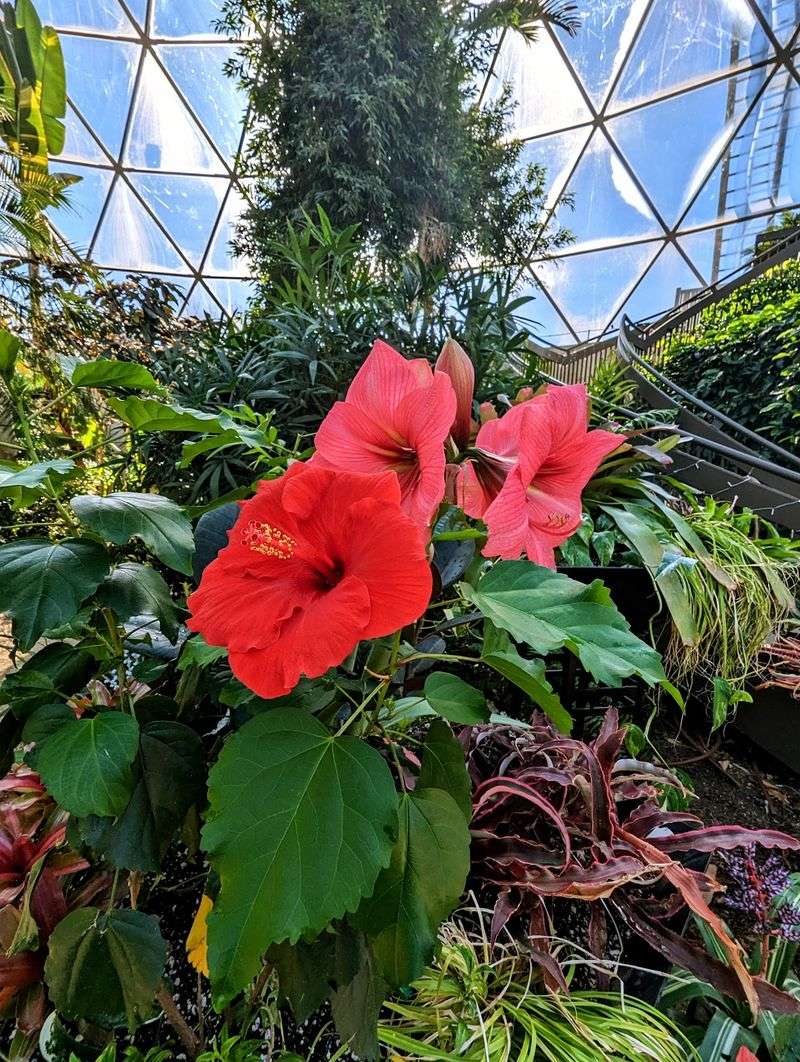
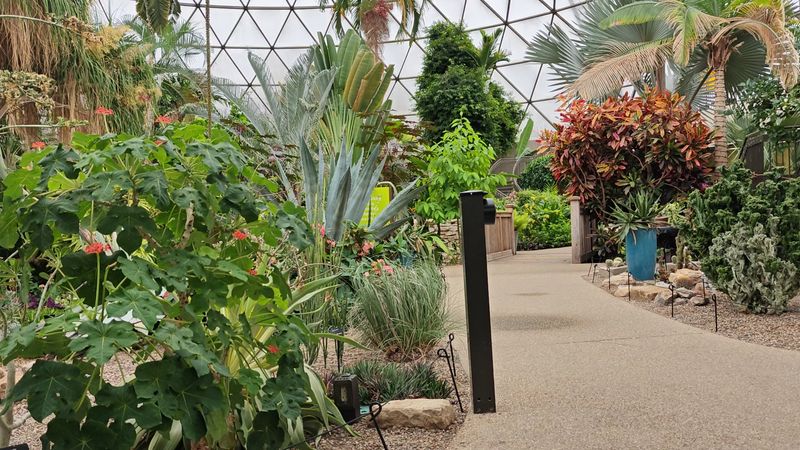
The dome is the star of the show. Its glass panels let in light for palms, orchids, and leafy tropical plants that could never survive an Iowa January outdoors.
That climate-controlled space is a big reason people drive in from small towns hours away. A snowy weekend becomes a chance to walk among plants from warm places around the globe.
Paths are paved and easy to follow, so even first-timers find their way without a map. Strollers roll smoothly too, which makes a long road trip feel much more worthwhile for parents of little ones.
Wings Among the Leaves
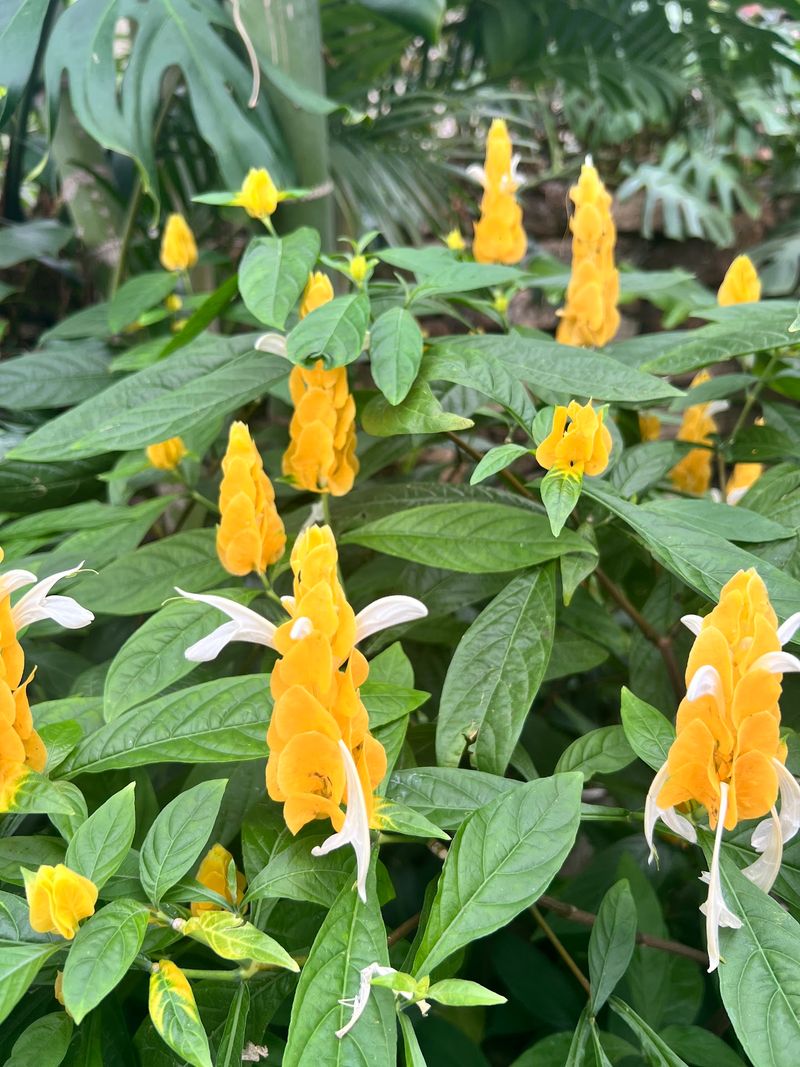
Kids love a good treasure hunt, and spotting butterflies counts as one of the best. In the warm months, pollinators flit between flowers in the outdoor beds, while the dome’s tropical plants offer a colorful backdrop all year.
Butterfly sightings depend on the season and the weather. Late spring and early summer tend to bring the busiest flower beds outside, so that window gives families a strong chance of seeing wings in action.
The garden also hosts seasonal events and programs throughout the year. Checking the official website before leaving home is the smartest move, since special exhibits and family activities change with the calendar.
Bring a small notebook so children can sketch what they find. Counting different flowers, bugs, and birds turns a simple stroll into a mini science project.
Plant labels sit beside many displays, which helps young explorers connect a flower’s name to the critters landing on it. Parents may end up learning just as much as their kids, and nobody has to admit it.
The Waterfall Everyone Talks About
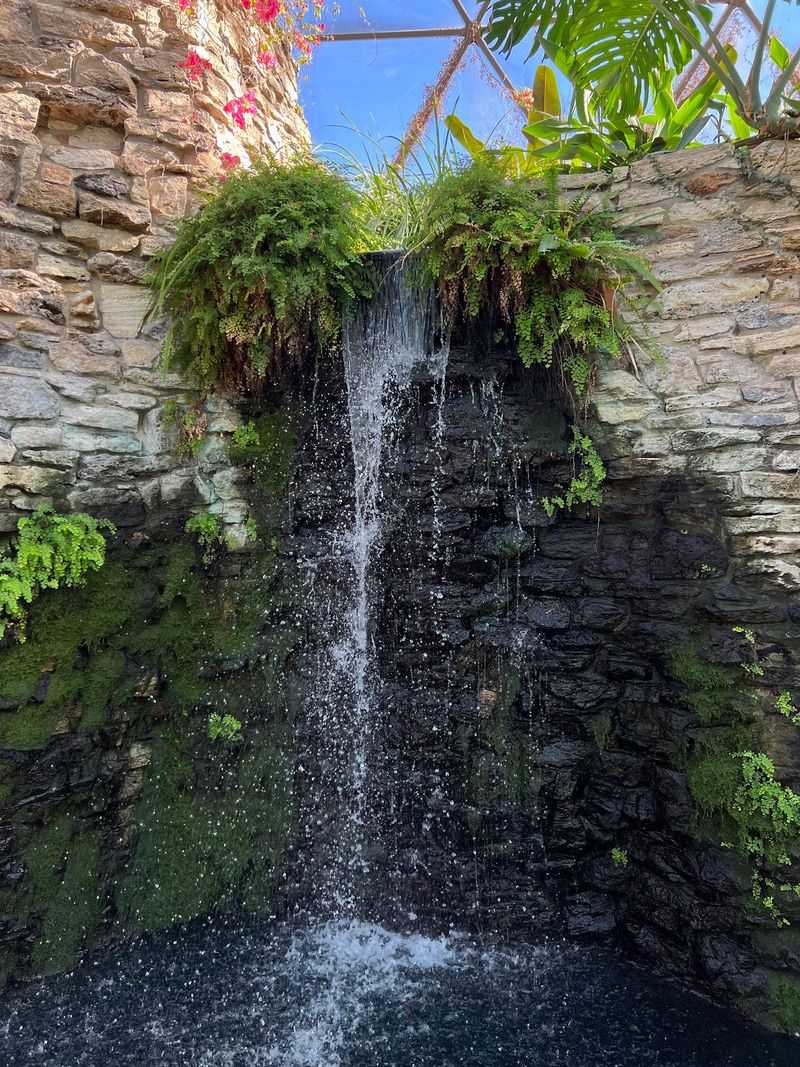
Ask anyone who has been there what stood out, and the waterfall usually comes up first. It tumbles down inside the dome, surrounded by palms and tropical greenery.
The water features are kept clean and well maintained. Staff clearly put real effort into upkeep, and it shows in every pool and stream.
Families tend to gather near the falls for photos. Grandparents, toddlers, and teenagers all fit in the frame, which makes it a popular spot for holiday cards and birthday pictures.
Seating can be limited around the garden, so plan on plenty of standing and walking. Take breaks whenever a bench opens up, especially with small children or older relatives along.
The waterfall also makes a handy meeting point. When a group splits up to look at different plants, saying “meet at the falls” keeps everyone on track without endless phone calls.
For the best shots, go early in the day before the crowds build. A calm photo with nobody else in it is a small victory worth celebrating.
Tiny Trees With Big Stories
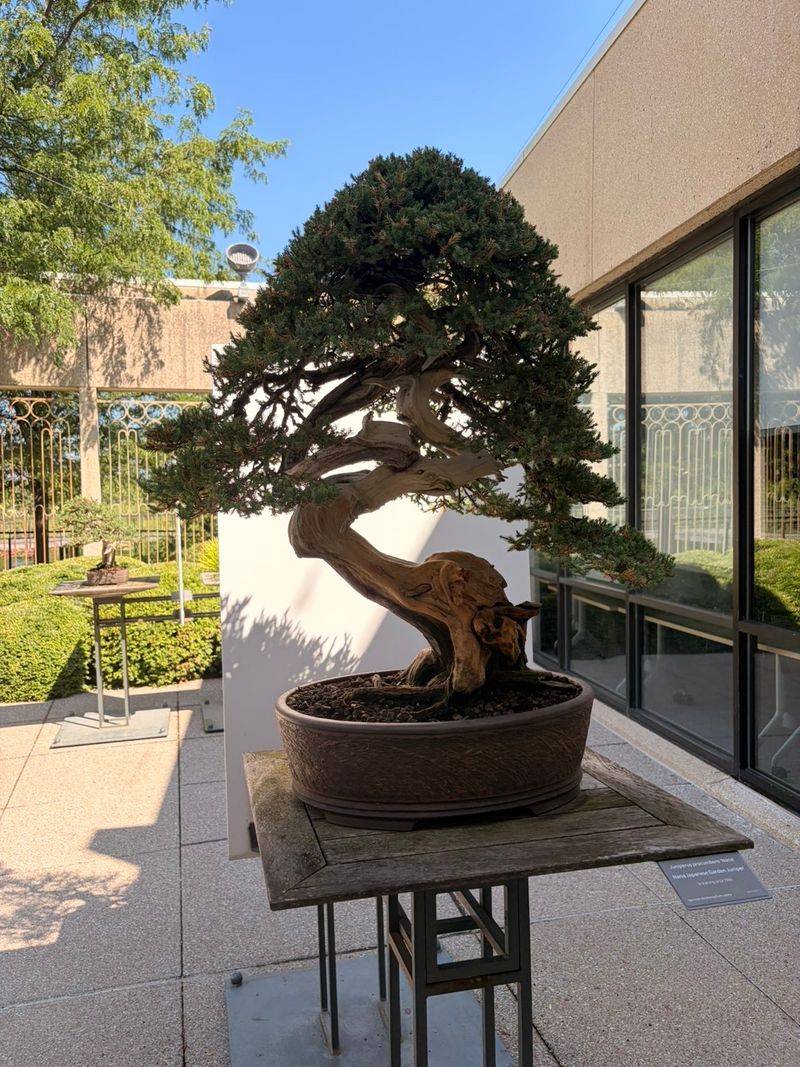
Some of the most patient gardeners in the world grow trees that never get taller than a toddler. The bonsai collection at this garden shows off that art, and it ranks among the most talked-about displays on site.
Bonsai is a practice that started in Asia centuries ago. Growers trim branches and roots carefully over many years to keep a tree small while shaping it to look like a full-sized, ancient tree.
Some of the bonsai here are quite old. Telling kids that a little tree might be older than their parents usually gets a big reaction.
The display works well as a quiet stop in the middle of a busy day. Children can try to guess which tree is the oldest or which one looks most like a giant forest tree.
Plant fans often come back just for this section. Adults who enjoy growing houseplants can pick up ideas about patience, pruning, and planning ahead.
Small trees, it turns out, can deliver some very large lessons.
Fairy Houses, Painted Rocks, and a Secret Playground
Hidden somewhere along the outdoor paths, tiny fairy houses wait for sharp-eyed kids to find them. Painted rocks are tucked away too, turning the grounds into a giant game of hide and seek.
Scavenger hunts are a family favorite here. They give children a mission, which helps keep energy up during a longer walk.
Way in the back, near the turnaround point of the walking path, sits a small nature-themed play area. Many families do not even know it exists until they stumble onto it.
Save that play space for the end of the loop. Kids get a reward for all that walking, and parents get a few minutes to rest.
The garden tends to suit younger children best. Tweens and teens may move through faster, so giving older kids a camera or a list of plants to find can keep them interested.
A little planning goes a long way. Pack snacks for the car and plan a stop at the playground, and the drive home might even be quiet.
Ponds, Tadpoles, and Skyline Views
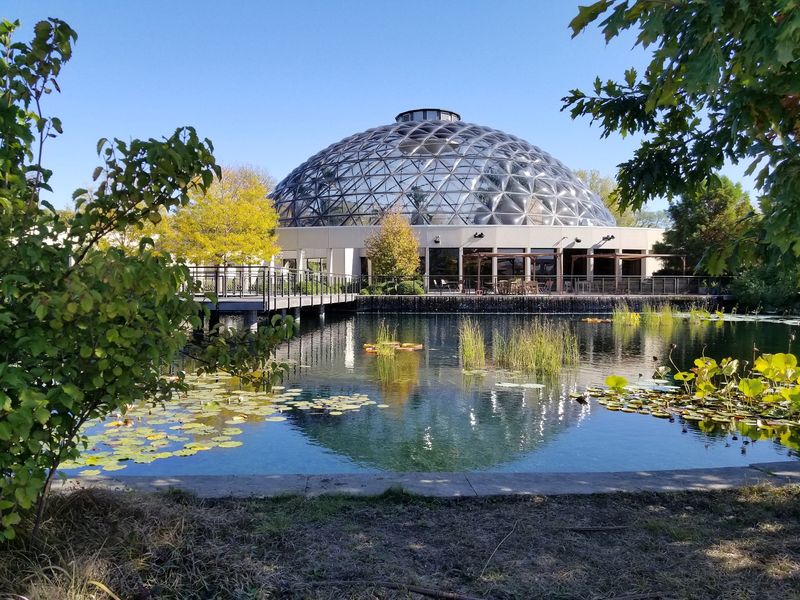
Outside the dome, the garden spreads into formal beds, water gardens, and quiet ponds. Many families are surprised at how big and varied the outdoor grounds turn out to be.
The ponds hold a fun surprise during warmer months. Large tadpoles rise to the surface for air, and kids can spend a long time watching them pop up and disappear.
Seasonal blooms rotate through the outdoor beds. A trip in spring looks different from one in late summer, which gives families a reason to come back more than once.
The walking paths also offer views of the downtown Des Moines skyline. It makes for a neat photo that shows nature and city side by side.
Behind the dome, a greenhouse area adds even more plants to explore. Plant lovers often call it an unexpected highlight.
Rain does not have to ruin the day either. A few umbrellas have been available for guests during wet weather, so a passing shower is no reason to cancel the plan.
Smart Timing Beats the Heat
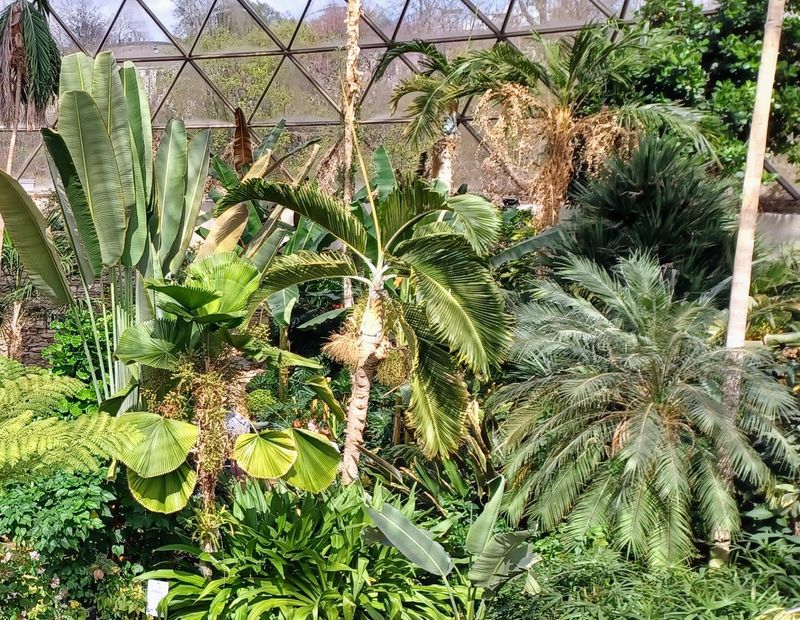
Here is a tip every parent should hear before the trip. The dome gets hot, especially on summer days when it is already steamy outside.
Bring water, and bring more than seems necessary. A drinking fountain is available near the clean restrooms, so refilling bottles is simple.
Late spring and early summer often make the best season for a full visit. The outdoor gardens are in good shape, and the heat is usually easier to handle than in July or August.
Winter is a different kind of win. When fields across Iowa are covered in snow, the warm dome becomes a welcome break from heavy coats.
Hours matter too. The garden opens at 10 AM on Tuesday, Wednesday, and Friday, and at 9 AM on Saturday and Sunday, closing at 4 PM each of those days.
Mondays and Thursdays are closed, so plan around them. Arriving at opening time on a weekend gives families the coolest hours and the shortest lines.
Easy on Strollers, Wheelchairs, and Wallets
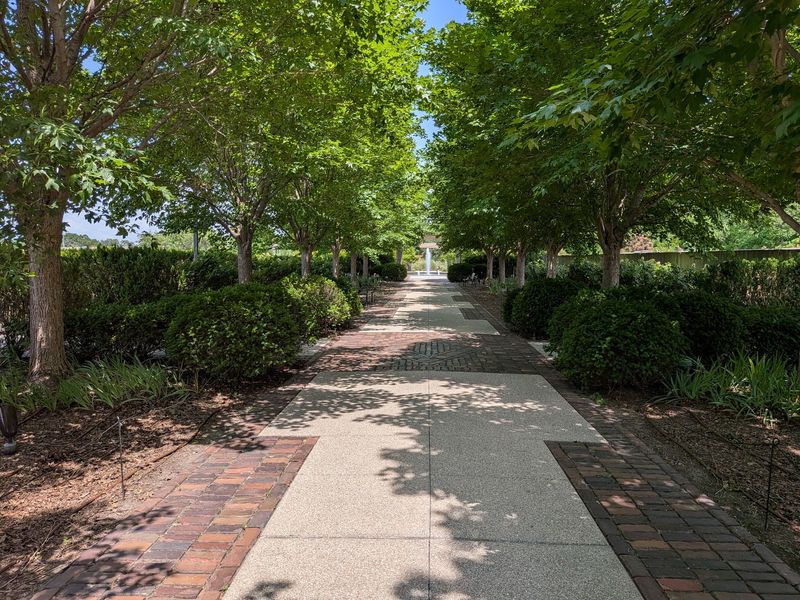
Big family groups have an easier time here than at many attractions. The paths are friendly to strollers and wheelchairs, and both have been available at the front door.
That detail matters for long road trips. Packing light becomes possible when the garden can help with gear.
One large family brought more than ten people, from a three-year-old to an eighty-eight-year-old, and everyone kept the same relaxed pace. The garden works well for that kind of mixed group.
Admission has been listed around 14 dollars for adults and 10 dollars for children over two. Prices can change, so check the website first.
Discounts help too. The garden has offered reduced admission for families using SNAP or WIC, and buy one, get one coupons have appeared on Des Moines tourism websites.
Some families also visit free with an Adventure Pass. Doing a little homework before the trip can save real money, leaving extra room in the budget for gas.
Art, Events, and the Dome After Dark

Plants are only part of the story here. The garden also features art galleries, and some artwork inside the buildings is available to purchase.
Classes and events run throughout the year. Plant sales, vendor markets, cactus sales, and seasonal family events have all popped up on the calendar.
A Halloween event for children has drawn friendly staff in costume and plenty of young guests. Holiday happenings like this make a great excuse for a return trip.
The Dome After Dark has become a well-known evening option. It gives the conservatory a whole new look once the sun goes down, so check the schedule for dates and age guidelines.
The garden is also a popular wedding venue. Couples choose it for the dome, the waterfall, and the outdoor grounds.
Families planning a trip should look at the events page early. Grabbing a plant at a spring sale might mean a little piece of the garden rides home in the back seat.
Building the Perfect Des Moines Day
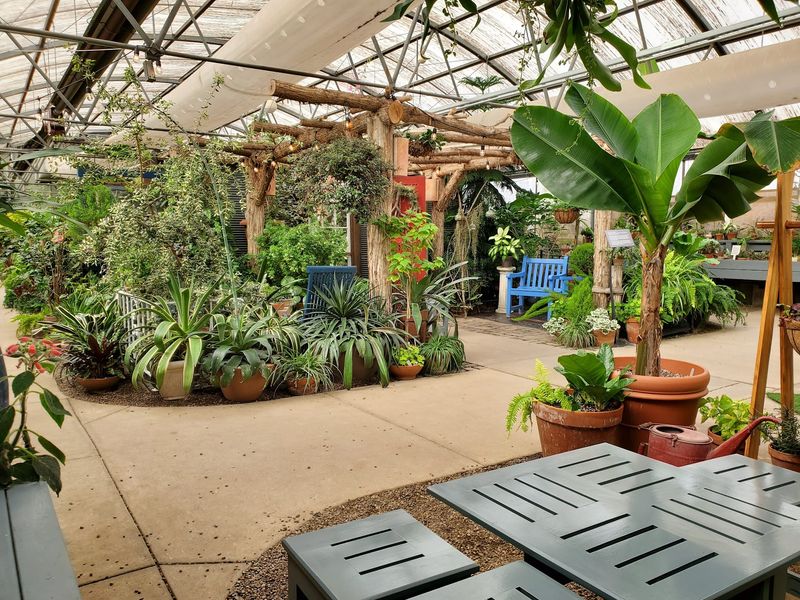
A good road trip needs a good plan, and the garden fits neatly into a full day in the city. Most families spend anywhere from 30 minutes to two hours exploring, depending on how many questions the kids ask.
The on-site cafe, called Trellis, offers fresh dishes, some made with produce grown right at the garden. It is a handy spot for a midday break.
The gift shop carries botanical items, though prices can run on the higher side. Setting a small souvenir budget ahead of time helps avoid surprises.
Just outside the main garden, a small free Asian garden is open to explore. It adds a peaceful bonus stop at no extra cost.
Some families start at the botanical garden in the morning and head to Blank Park Zoo in the afternoon. That combo makes for a packed day full of photos.
Tropical leaves, splashing water, tiny trees, and fluttering wings all wait under one glass roof. That mix keeps Iowa families coming back, mile after mile.