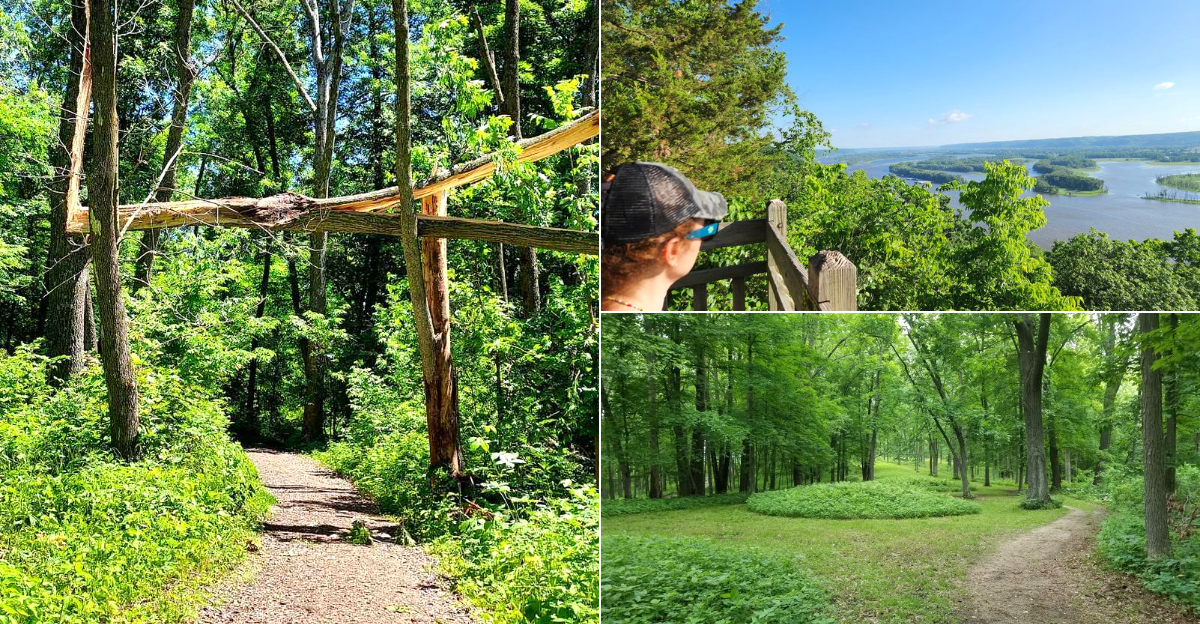
Along the bluffs of the Upper Mississippi River in northeastern Iowa, there’s a place where the ground itself tells a story that stretches back over a thousand years.
Effigy Mounds National Monument preserves more than 200 prehistoric mounds built by Indigenous peoples, many of them shaped like bears, birds, and other animals, a practice found almost nowhere else in the world.
Walking the trails here is a genuinely unusual experience, one that asks you to slow down and pay attention to the landscape in a way most outdoor spaces don’t.
The monument sits within the Driftless Area, a region of dramatic river bluffs and ancient valleys that escaped the flattening effects of the last ice age.
It’s one of Iowa’s most quietly remarkable places, and one of the most unusual ancient sites anywhere in the country.
Animal Shapes Made From Earth
Long before roads, fences, and town lines appeared here, people shaped the earth into forms that still spark wonder today.
Animal outlines made from raised soil are rare in North America, which makes the mounds especially striking.
Instead of tall stone ruins, visitors find low grassy shapes that reward slow looking and careful imagination.
Some were built in the shapes of bears and birds, while others are round or long, showing different meanings and uses.
Their builders likely worked with simple tools, baskets, and many helping hands, moving soil with patience instead of machines.
That effort alone tells you these earthworks mattered deeply to the communities who created and cared for them.
Kids often expect ancient sites to look dramatic from far away, but the surprise here is how quiet the artistry feels.
You notice the strangeness little by little, almost like reading a secret map pressed into the ground.
Bring a site map, pause at marked areas, and picture the full shapes from above to understand them better.
That imagination turns an ordinary walk into a meeting with one of America’s most unusual ancient landscapes.
Few places leave wonder lingering in your mind quite like this place today.
A Sacred Landscape, Not Just An Old Attraction
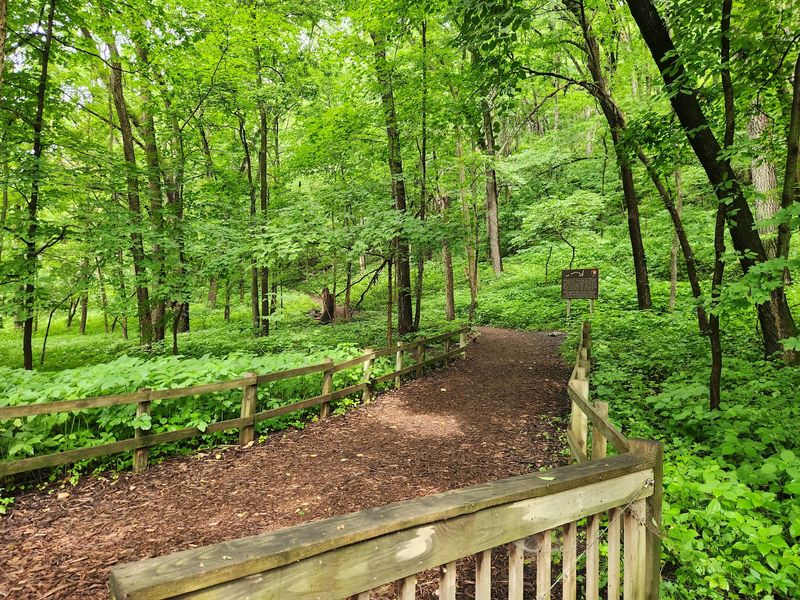
Silence feels different when you realize the ground beneath your feet was shaped for memory, ceremony, and respect.
Many mounds in this landscape are burial sites, so they are not just historic objects but sacred places tied to ancestors.
That meaning changes the whole visit.
People often come for scenery first, then leave talking about care, remembrance, and the value of honoring cultures beyond their own.
Reading signs slowly, staying on trails, and speaking quietly are simple ways to show good manners here.
Children especially understand the lesson when adults explain that some places deserve the same courtesy as a cemetery.
Unlike ancient sites that focus only on treasure or mystery, this one asks visitors to think about real families from long ago.
That human connection is a big reason the monument feels unusual and powerful at the same time.
Respectful travel starts with understanding before photos, jokes, or quick opinions.
A few minutes in front of an exhibit panel can make the trails more meaningful because you know whose story you are entering.
By the end, many visitors remember not just shapes in the earth, but the feeling of being a guest.
That is a rare travel lesson indeed.
A Rare Ancient Site That Survived
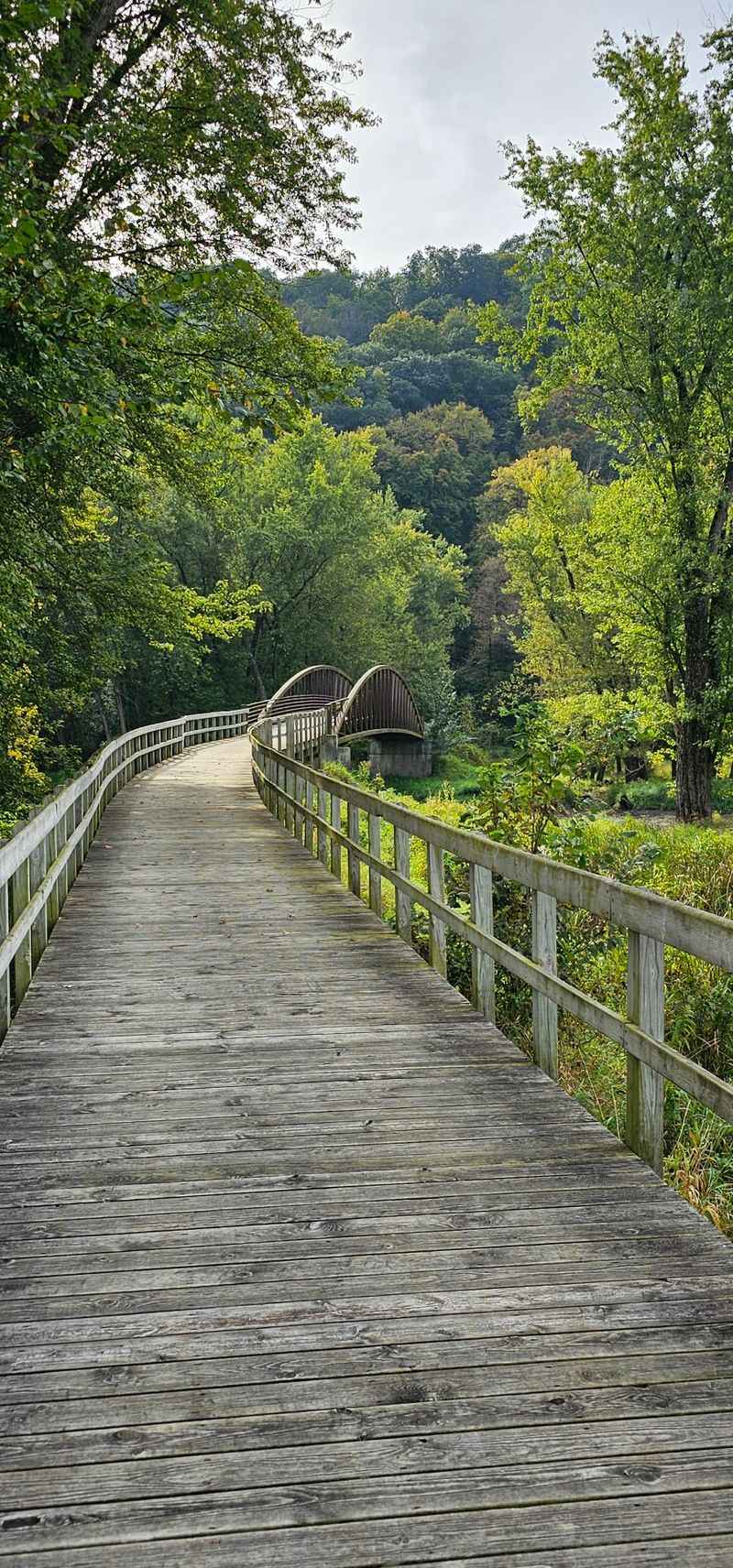
Weather, farming, and time have erased many ancient earthworks, which makes surviving mound groups incredibly special.
Across the country, countless sites were flattened before people fully understood what they were losing.
Here, a large collection still remains, giving researchers and regular visitors a rare chance to see a wider ancient landscape.
The value is not only in one mound or one viewpoint, but in how many features stay connected in the same place.
That bigger pattern helps experts study movement, ceremony, and community life in ways smaller fragments cannot.
For families, it means the story feels complete enough to picture rather than broken into confusing pieces.
Protection also explains why the monument matters now, not just in history books.
Rangers, tribal voices, trail rules, and careful conservation work all help guard the earth from damage.
Even staying off the mounds themselves becomes part of that effort.
Visitors sometimes expect unusual places to be flashy, yet the deeper surprise is survival.
So much has lasted here despite centuries of change, and that endurance gives every trail a quiet sense of luck.
You are seeing something that easily could have disappeared forever.
That alone makes the site stand apart in America today.
Blufftop Views Add To The Mystery
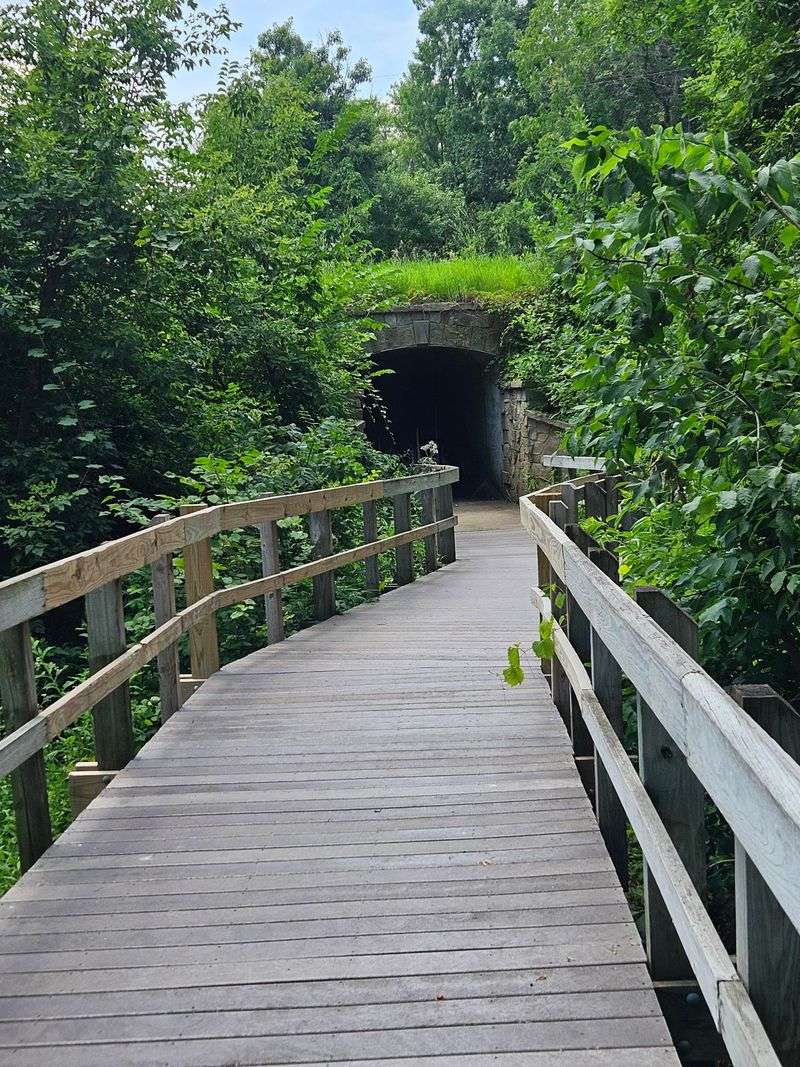
Climbing upward changes the mood of the visit, because the story unfolds across wooded bluffs instead of flat museum floors.
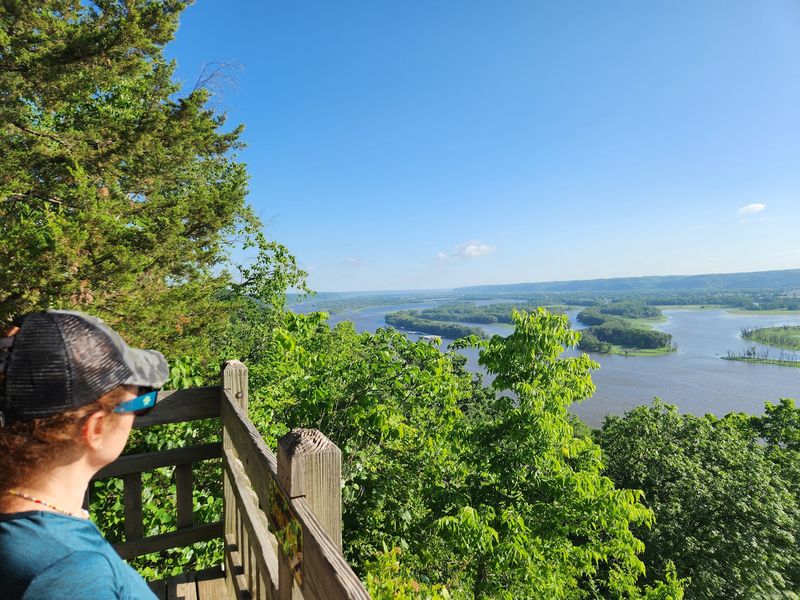
Trails rise through trees, then open to long views over the Mississippi River valley.
That mix of archaeology and scenery is a huge part of what makes the monument feel so unusual.
Ancient people chose meaningful high ground, and modern visitors can sense that choice with every overlook and winding path.
The setting is not a backdrop.
It helps explain why ceremonies, remembrance, and community life were connected to this landscape in lasting ways.
Good shoes matter here, especially since several trails start with a steep climb before leveling out.
Benches and overlooks create natural stopping points, so you do not need to rush.
Taking your time often leads to the best moments anyway.
Bird calls, wind, and wide river views keep the walk from feeling like a history lesson trapped behind glass.
Instead, the land itself becomes part of the teaching.
Few ancient sites let people feel nature and deep time at once with such clarity.
That balance of hike, view, and heritage keeps the experience vivid long after the drive home.
It lingers in a very personal way.
The Mounds Are Hard To Read, And That Makes Them Fascinating
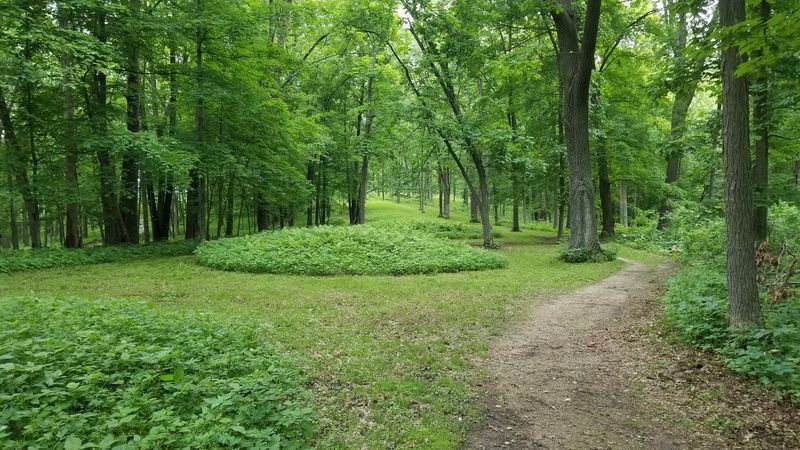
At first glance, some visitors wonder what all the excitement is about, because the mounds can look subtle from the trail.
That surprise is actually part of the appeal.
You are seeing ancient designs from ground level, even though many shapes make the most sense from above.
A map from the visitor center helps connect what your eyes notice on the path with the full outlines in the landscape.
Without that guide, a bear mound or bird form may seem like nothing more than a rise in the grass.
With it, the site becomes far easier to read.
That puzzle-like experience makes the monument different from places where every feature is obvious right away.
Instead of instant spectacle, you get discovery that builds step by step.
It feels a little like learning a landscape’s secret language.
Parents can turn that into a fun challenge by asking kids to compare the map, signs, and shapes around them.
Adults often enjoy the slower attention practice just as much.
By the time the trail ends, the monument has taught observation, patience, and perspective without ever feeling dull.
That quiet challenge is one reason the place stays memorable long after flashier attractions blur together.
The Visitor Center Helps The Whole Place Make Sense
Before a single trail climbs the bluff, a smaller indoor stop can change how the whole day feels.
Exhibits and ranger help give names, dates, and cultural meaning to what might otherwise look like simple hills.
That context turns curiosity into understanding.
Visitors who grab a map first usually enjoy the trails more, because they know where overlooks, loops, and mound groups are.
Signs are helpful, but a quick chat with staff can answer practical questions about trail difficulty, timing, and current conditions.
That matters for families, older visitors, and anyone deciding how far to hike.
Some reviews mention that the mounds are easier to appreciate after learning about them indoors first.
A few minutes of preparation can save confusion later.
It also makes respectful behavior feel more natural, because you understand why the area is sacred.
Hours can change, so checking the National Park Service website before leaving home is a smart habit.
Going in informed helps you notice more, ask better questions, and connect with the place beyond the surface.
That kind of learning is part of the adventure here.
Instead of slowing the trip down, preparation makes every step richer, clearer, and more rewarding for most visitors.
Quiet Trails Make The History Feel Personal
Not every remarkable national monument feels crowded, loud, or built for fast sightseeing.
One reason this place stands out is its calm pace.
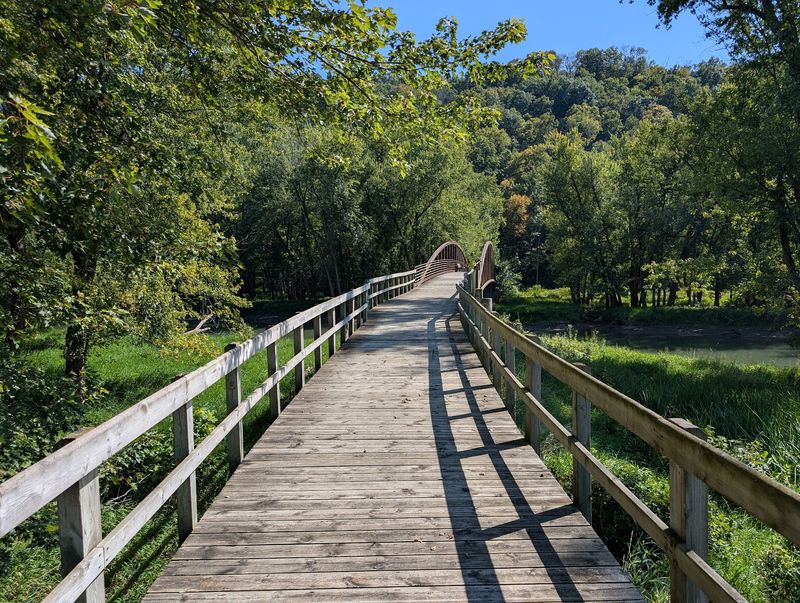
Even on a popular day, the trails can offer stretches where all you hear are leaves, birds, and your own footsteps.
That quiet gives the site a reflective mood that matches its history better than noisy entertainment ever could.
Some visitors spend an hour, while others stay half a day because the experience invites lingering.
The farther certain loops go, the more solitude you may find.
That makes simple moments feel bigger, like resting on a bench after a climb or watching light move across the valley.
In a busy travel world, a place that encourages stillness is unusual all by itself.
You do not need loud attractions when the setting already gives you room to think.
For many people, that feeling becomes the part they remember most after the trip ends.
The monument is unusual not only because it is ancient, but because it invites attention without demanding noise.
That is a rare combination now.
If you enjoy thoughtful travel more than rushed checklists, the atmosphere here will probably stay with you for a long while.
A Visit Here Feels Better With A Simple Plan
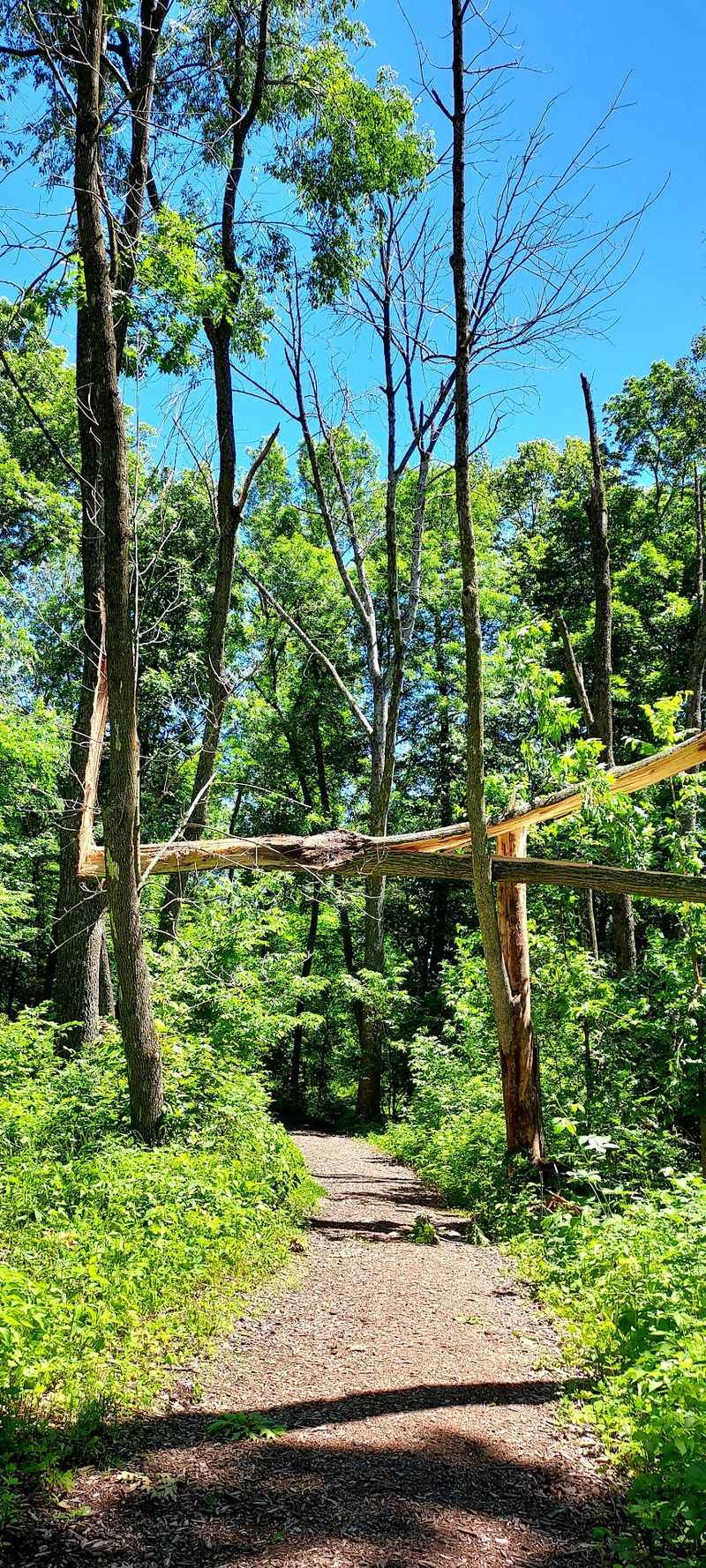
A little planning makes the visit smoother, especially because the first part of the main trail climbs uphill.
Closed-toe shoes, water, and a free map are better ideas than rushing in unprepared.
Many people find the uphill start manageable when they pace themselves and use overlooks as rest stops.
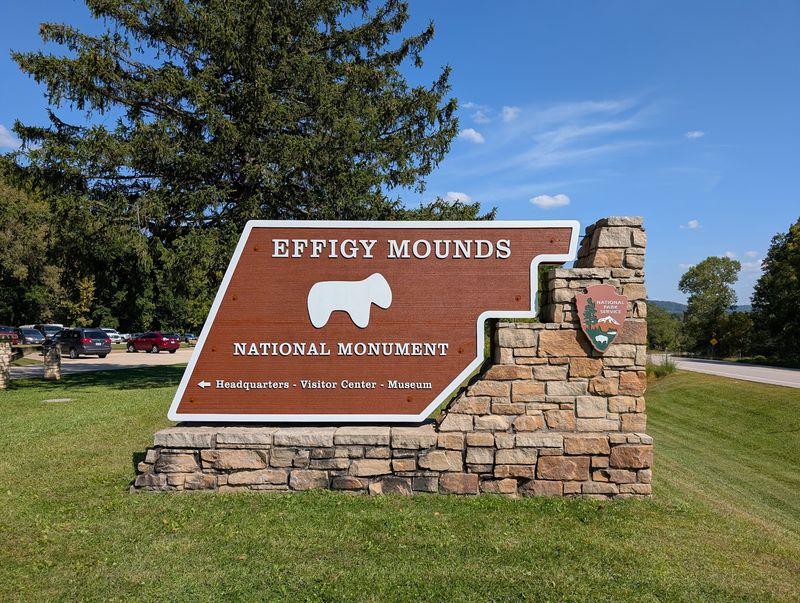
Effigy Mounds National Monument, 151 IA-76, Harpers Ferry, IA 52146, is open daily from 9 AM to 4:30 PM, though trails outside the building may have broader access.
Checking current hours online is smart before you drive out.
The official website and park phone line can answer last minute questions quickly.
Plan at least a couple of hours if you want time for exhibits, overlooks, and a comfortable walk.
Families with kids may enjoy shorter routes near the main area, while stronger hikers can explore farther loops.
Please remember that staying on marked trails protects sacred ground and helps preserve fragile earthworks.
Since admission is free, the best way to prepare is by bringing patience, curiosity, and respect rather than expecting a theme park.
That mindset helps the place reveal its real rewards.
You will likely leave with better views, better questions, and a stronger sense of Iowa’s deep human past.