A former military training site now offers something completely different: quiet trails, wetlands full of wildlife, and a peaceful place to reconnect with nature. Hidden just outside Boston, the Assabet River National Wildlife Refuge in Sudbury, Massachusetts, protects more than 2,200 acres of forests, ponds, and marshes where every path reveals a new glimpse of the landscape.
Visitors come here for the gentle sounds of birds overhead, the reflections on still water, and trails that wind past historic remnants from the refuge’s past. It is the kind of destination where a short walk can turn into an afternoon of wildlife watching, photography, and quiet exploration.
For anyone searching for a natural escape close to the city, this Massachusetts refuge offers plenty of reasons to slow down. Discover what makes Assabet River National Wildlife Refuge a hidden retreat worth exploring.
Weathered Bunkers Tell Stories of World War II
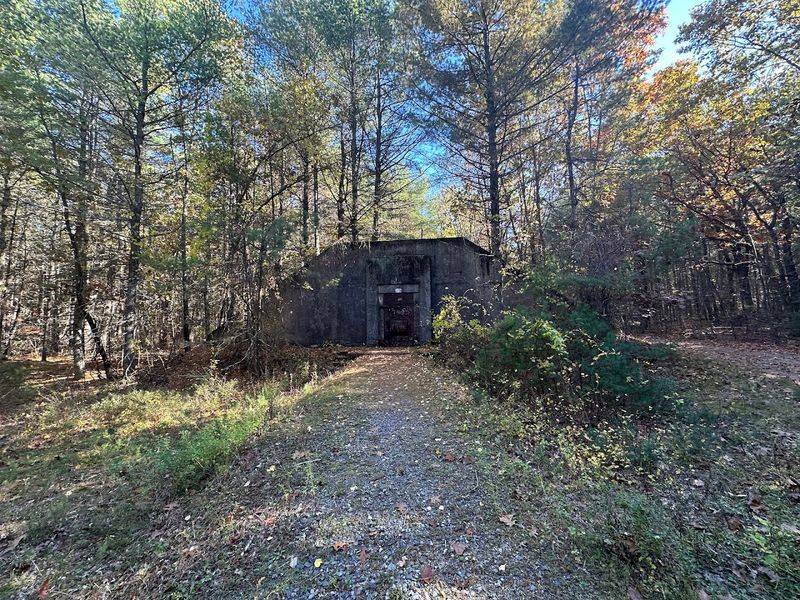
Concrete structures emerge from the forest floor like silent sentinels from another era. These aren’t ordinary ruins—they’re ammunition bunkers built during World War II when this land served as Fort Devens Annex.
At Assabet River National Wildlife Refuge, roughly 48 bunkers dot the landscape, creating an unexpected scavenger hunt for history lovers. Each bunker bears a number, and visitors often return multiple times to find them all.
The weathered structures blend beautifully with nature now, covered in moss and surrounded by trees that have grown tall since the 1940s.
Kids love exploring these mysterious concrete chambers, while adults appreciate the tangible connection to American history. The bunkers add an unusual twist to your nature walk, making each trail turn feel like an adventure.
Old power lines and light poles still stand nearby, reminders of when people lived and worked on this land decades ago.
Puffer Pond Draws Dragonflies and Dreamers
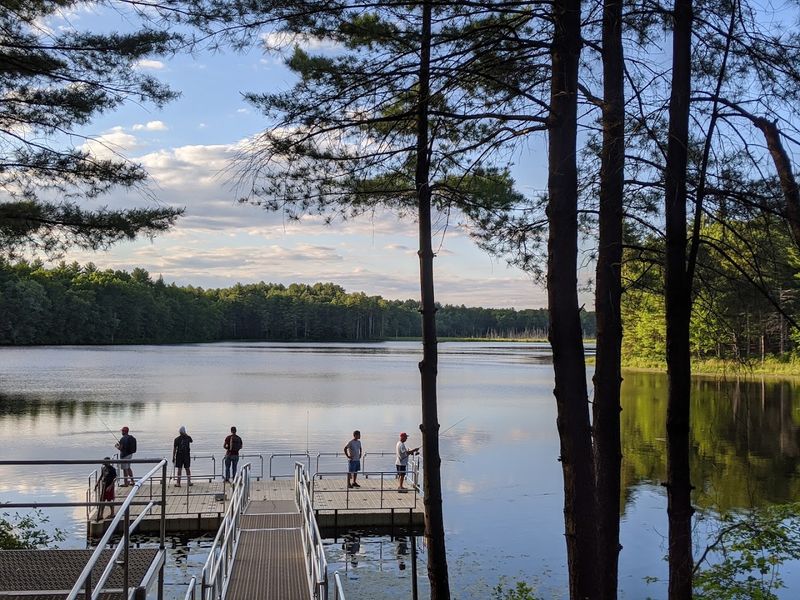
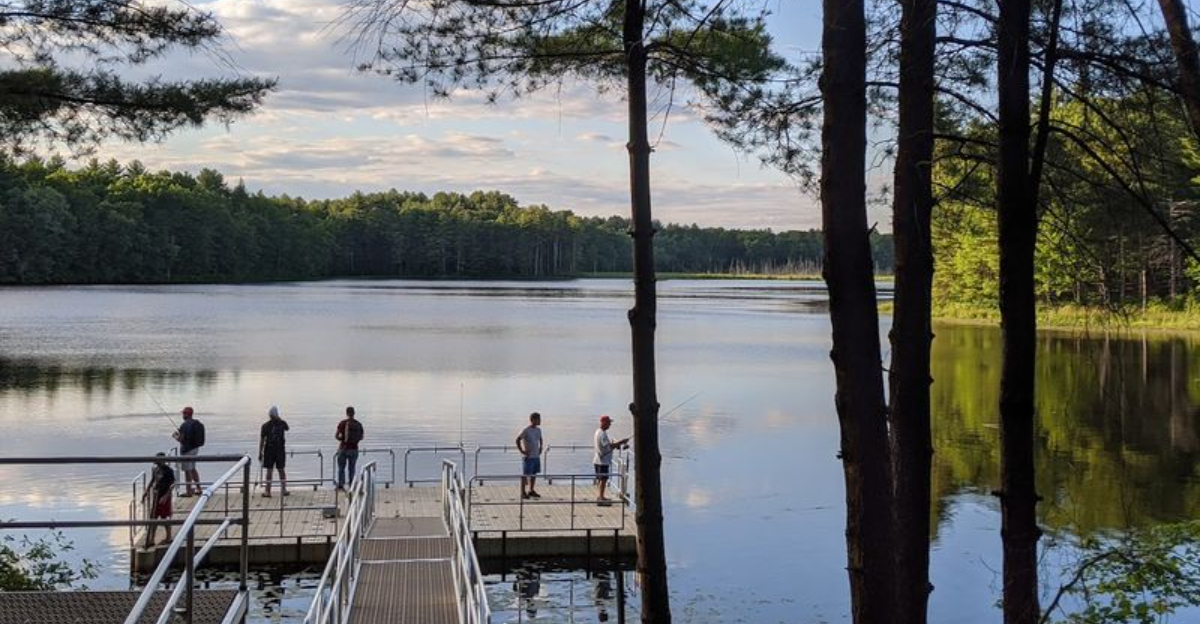
Sunlight dances across still water while hundreds of dragonflies patrol the air like tiny helicopters. Puffer Pond represents the heart of what makes this refuge special—a quiet spot where nature works its magic undisturbed.
The trail circling Puffer Pond at Assabet River National Wildlife Refuge ranks among visitors’ favorites for good reason. Benches dot the shoreline, offering perfect perches for watching birds dive for fish or turtles sunning on logs.
Those dragonflies everyone raves about? They’re nature’s mosquito control, making summer visits surprisingly comfortable.
Photography enthusiasts flock here during golden hour when sunset paints the water in warm hues. Families appreciate the accessible dock that brings everyone right to the water’s edge.
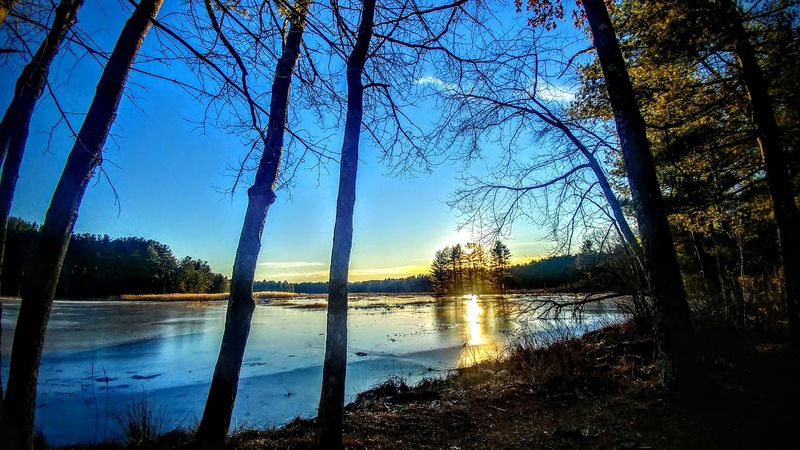
The pond changes personality with seasons—vibrant green in summer, golden in fall, stark and beautiful in winter. It’s the kind of place where stressed minds find peace and busy people remember to breathe.
Eight Miles of Trails Wind Through Varied Terrain
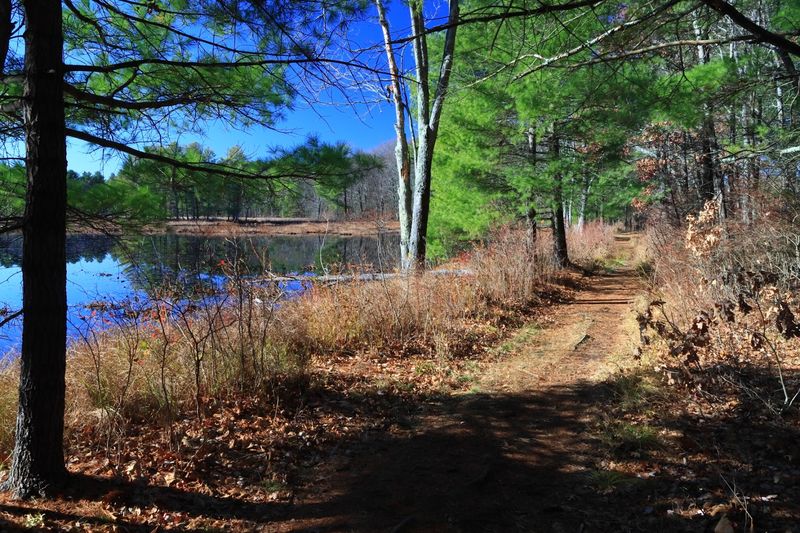
Some trails whisper through dense forest while others open onto sunny meadows and pond edges. The beauty of Assabet River National Wildlife Refuge lies in how its trail network offers something for everyone—from casual afternoon strollers to serious hikers chasing miles.
The complete loop stretches eight miles if you tackle the whole thing, but shorter options abound. Many paths follow old patrol roads from the military days, making them wide, flat, and perfect for side-by-side conversations.
Some trails welcome bikes while others remain foot-traffic only, clearly marked at trailheads.
After heavy rain, expect some sections to become waterlogged—sneakers might get soaked crossing submerged areas. But that’s part of the wetland charm.
Shaded sections provide relief on hot days, while open stretches let you feel sunshine on your face. The well-marked system means you won’t get lost, just pleasantly wandering through Massachusetts wilderness.
Wetlands Become Stages for Bird Watching Drama
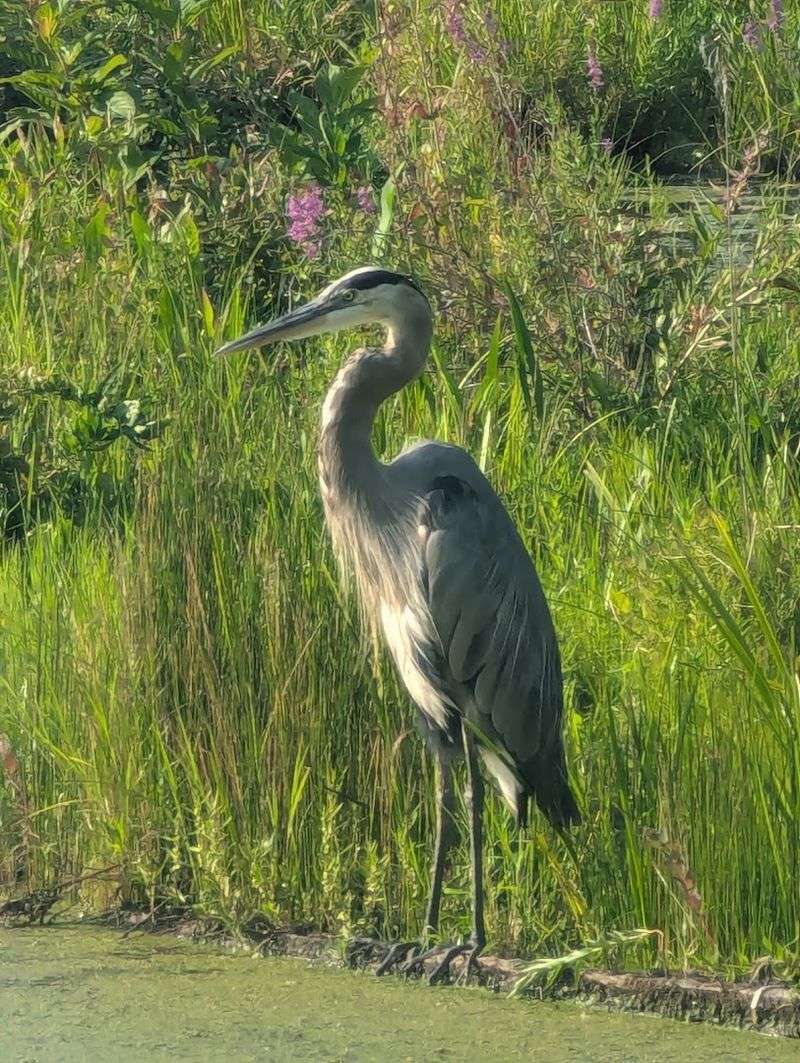
Binoculars reveal entire worlds most people rush past without noticing. The extensive wetlands at this Sudbury refuge create prime real estate for birds, and they arrive in stunning variety throughout the year.
Great blue herons stand motionless like statues before striking at fish with lightning speed. Visitors have spotted nests with fuzzy chicks high in trees, complete with parents swooping overhead.
Geese nest here in spring—approach carefully because protective parents will hiss warnings if you venture too close to their babies.
The marshlands and ponds at Assabet River National Wildlife Refuge attract more than just waterfowl. Songbirds fill forests with music while raptors circle above searching for meals.
Patient observers might catch glimpses of wood ducks, kingfishers, or even the occasional river otter. Bring a field guide or bird identification app to enhance your experience.
Early morning and late afternoon offer the best viewing opportunities when birds are most active.
Bald Eagles Reclaim Their Rightful Territory
There’s something powerful about watching America’s national symbol soar overhead, especially in a place where conservation brings success stories to life. Bald eagles have returned to nest at Assabet River National Wildlife Refuge, marking a triumph for wildlife protection efforts.
Visitors spot these magnificent raptors fishing along the Assabet River and roosting in tall trees near water. Their massive nests sit high up where sharp eyes can scan for fish below.
Watch them circle and dive, their distinctive white heads and tails visible even from considerable distances.
The refuge’s protected wetlands provide ideal hunting grounds rich with fish and waterfowl. Spring brings the best eagle-watching opportunities when nesting pairs raise their young.
Lucky observers might witness aerial courtship displays or hear their distinctive calls echoing across the water. Seeing a bald eagle in the wild never gets old—each sighting feels like witnessing something rare and precious.
Tuesday Afternoons Belong to Peaceful Solitude
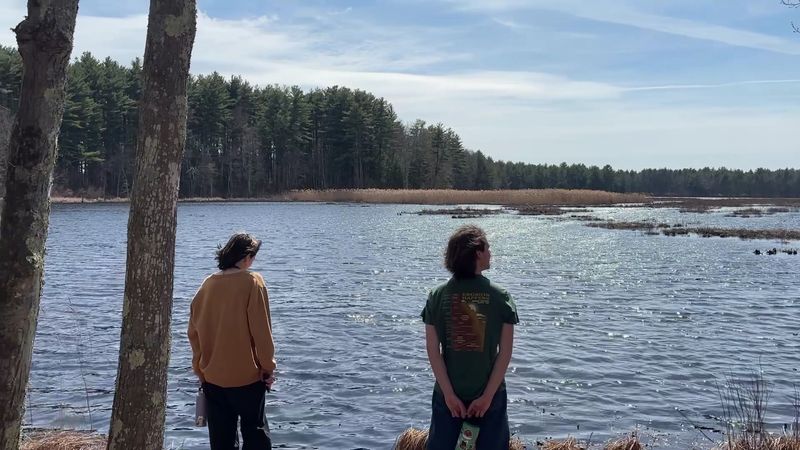
Weekday visits reveal a different side of popular outdoor spaces. When you arrive at Assabet River National Wildlife Refuge on a Tuesday or Wednesday morning, you might find yourself practically alone with nature—a rare gift in our crowded world.
The parking lots that fill on sunny weekends sit mostly empty midweek. Trails that buzz with weekend families become your private pathways where bird songs replace human chatter.
This solitude transforms the experience, allowing deeper connections with the landscape around you.
Locals who’ve discovered this secret guard it carefully, slipping away during lunch breaks or taking morning walks before work. The refuge opens at 6 AM daily, perfect for sunrise seekers wanting to start their day surrounded by peace.
Without crowds, wildlife acts more naturally, less spooked by constant foot traffic. You’ll hear your own footsteps, notice subtle rustlings in underbrush, and maybe understand why people describe this place as truly restorative.
Accessible Features Welcome Every Visitor
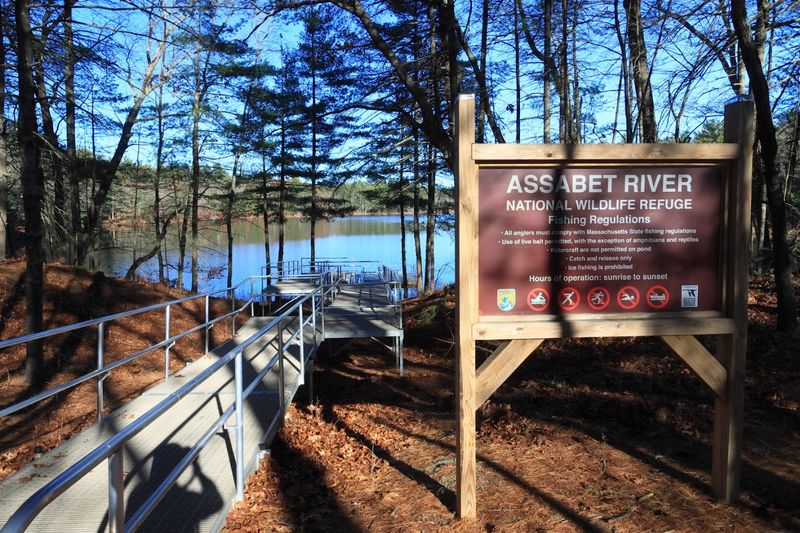
Not every nature experience requires climbing hills or balancing across streams. Thoughtful design at Assabet River National Wildlife Refuge ensures people of all abilities can enjoy wetland beauty and forest peace.
The accessible dock at Puffer Pond brings wheelchair users right to the water’s edge where everyone can watch dragonflies dance and herons fish. Wide, flat patrol roads that once carried military vehicles now provide smooth surfaces perfect for wheelchairs, strollers, or anyone who prefers easier walking.
Many main trails avoid steep grades and tricky terrain.
Families with young children appreciate how the terrain accommodates little legs still mastering coordination. The visitor center parking area offers ample space close to trailheads, minimizing the distance from car to nature.
While some paths venture into wilder territory with roots and rocks, plenty of options remain manageable for everyone. Good accessibility doesn’t diminish adventure—it simply invites more people to experience what makes this refuge special.
Four Seasons Paint Completely Different Landscapes
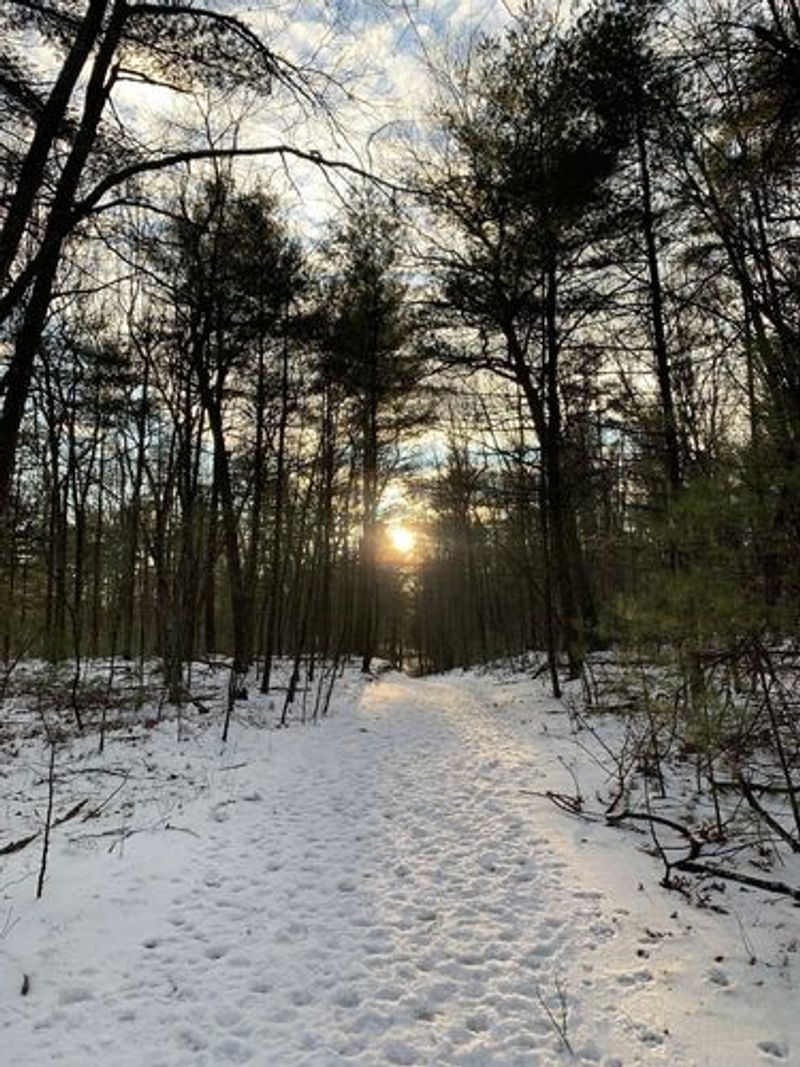
Return to the same trail in different months and you’ll swear you’re visiting entirely new places. Each season rewrites the refuge’s story, offering visitors fresh reasons to explore throughout the year.
Winter strips trees bare, revealing hidden bunkers and distant views previously blocked by foliage. Snow transforms wetlands into pristine white expanses where animal tracks tell stories.
Spring explodes with green life, nesting birds, and wildflowers dotting the forest floor. Summer brings full forest canopy providing shade, plus those famous dragonfly squadrons patrolling Puffer Pond.
Fall might steal the show at Assabet River National Wildlife Refuge with its spectacular foliage display. Red maples and golden birches create a color palette that draws photographers from across the region.
Each season demands different preparations—bug spray in summer, layers in winter—but rewards visitors with unique beauty. Regular visitors develop favorite seasons, though many insist you haven’t truly experienced the refuge until you’ve walked its trails through all four transformations.
Fishing Lines Cast in Multiple Quiet Spots
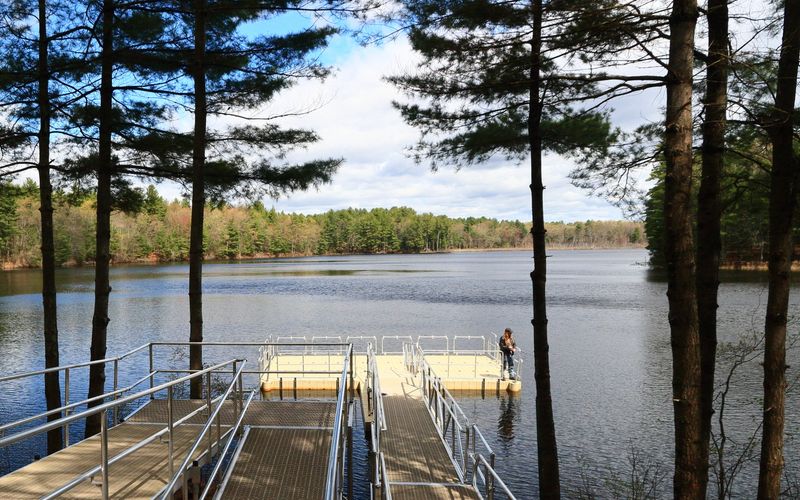
Patience and a fishing rod unlock another dimension of refuge enjoyment. Sport fishing is welcomed at Assabet River National Wildlife Refuge, where multiple ponds and river access points offer chances to land bass, pickerel, and other freshwater species.
Tuesday afternoons find dedicated anglers scattered along shorelines, content to spend hours watching their lines. The lakes hold healthy fish populations, making this more than just a pretty place to cast—actual catches happen regularly.
Some visitors bike or hike to favorite fishing spots, combining exercise with angling.
No special refuge permit is needed beyond Massachusetts fishing licenses. The peaceful setting means you can fish without competing for space or dealing with crowds common at more popular fishing destinations.
Catch-and-release practices help maintain populations for future anglers. Kids learning to fish appreciate how the calm environment reduces pressure while still offering real opportunities.
Whether you’re a serious angler or someone who just enjoys the meditative quality of fishing, these waters welcome your line.
Visitor Center Loop Delivers Complete Experience
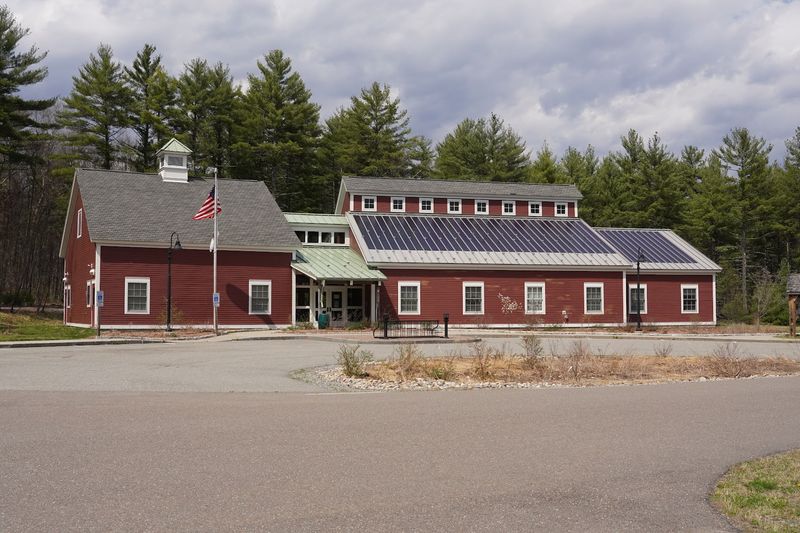
Starting at the visitor center provides the perfect introduction to everything this refuge offers. The recommended loop trail from this trailhead packs diverse scenery and experiences into one memorable journey.
Free parking at the visitor center on Hudson Road in Sudbury eliminates confusion about where to begin. Inside, displays explain the refuge’s military history and current conservation mission.
Trail maps help you plan routes matching your energy and interests. The center’s location connects to several main trails, making it the natural hub for exploration.
That visitor center loop everyone praises combines forest walking, wetland views, and bunker discoveries into one satisfying route. It showcases exactly why this refuge earned its reputation as a hidden escape.
Just remember to avoid rainy-day hikes—portions of the loop can flood, leaving sections underwater. The refuge is open 6 AM to 6 PM daily, giving you plenty of time to complete the loop and maybe return for a second trail.
Start here and you’ll understand immediately what makes this place worth protecting.