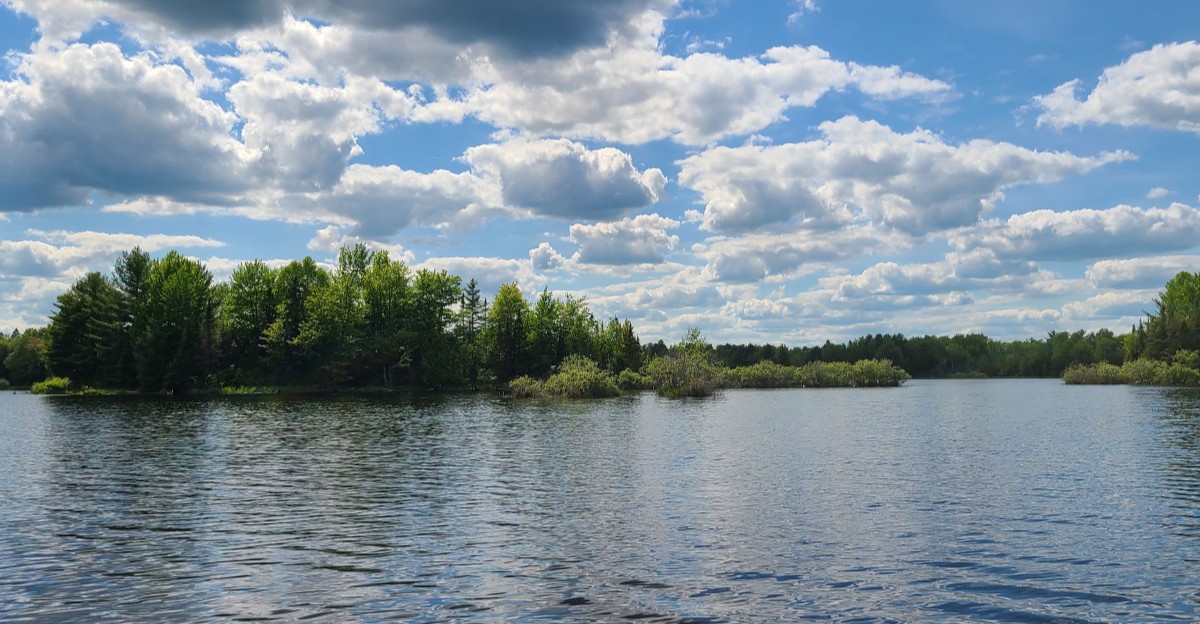
Old tree stumps and submerged timber still sit beneath the water at this Wisconsin reservoir, giving a simple boat ride a connection to the logging landscape that came before it.
Before the water spread across the land, white pine logging helped shape the surrounding river country, where moving timber downstream linked the forest to sawmills and turned waterways into working routes.
That past gives the place another layer. You can plan a fishing trip or a paddle, then realize the water covers ground with a much older story.
Its largely undeveloped shoreline and many islands add to the appeal, but the underwater wood also calls for careful navigation, so a little curiosity and a good map belong on the packing list right beside your life jacket and lunch.
The Logging Story Starts Below Your Boat
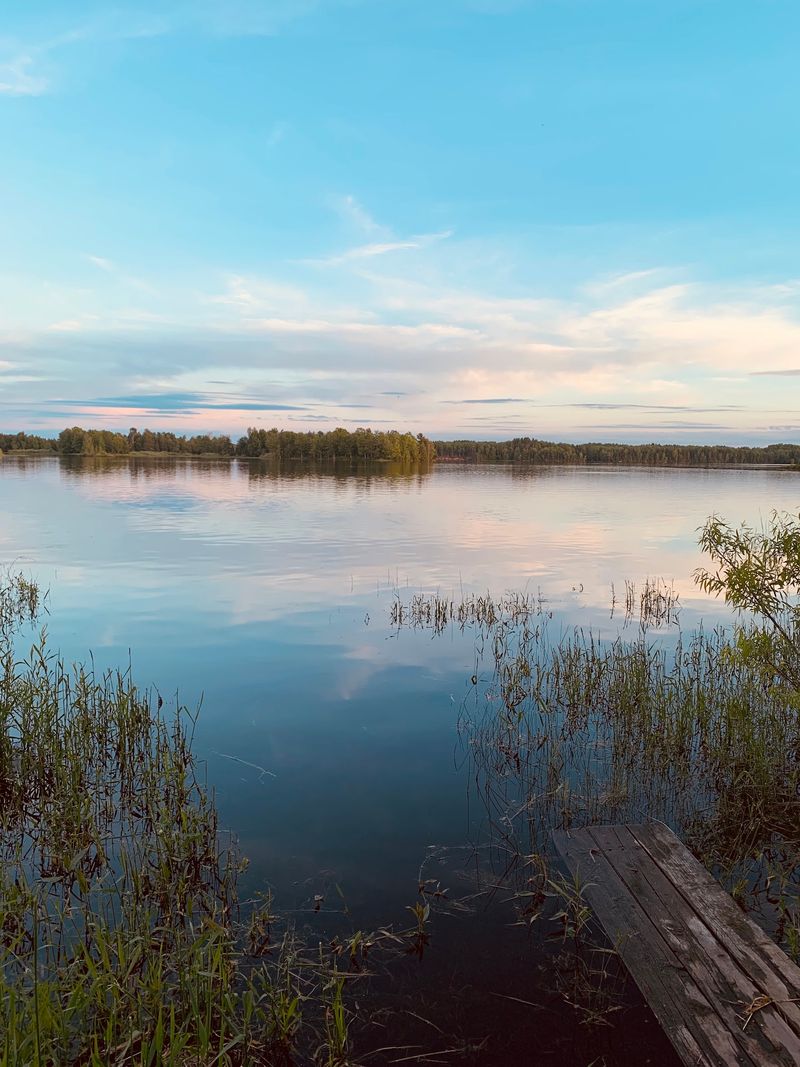
A boat ride here crosses more than water; it crosses a landscape changed by logging and flooding. Willow Reservoir, also called Willow Flowage, covers land that once belonged to the surrounding river and forest country.
White pine drew logging activity to northern Wisconsin, and rivers helped move harvested timber toward sawmills. Along the Willow River, that working landscape existed before the reservoir spread across it.
The clearest connection today comes through the stumps and submerged timber found within the flowage. Those features make the title’s buried history tangible without needing a museum display beside every shoreline.
Still, an old stump isn’t a labeled artifact with a complete story attached to it. Avoid assuming every piece of underwater wood came from a particular logging camp or log drive.
For a useful first look, study a lake map before launching and note marked shallow areas. Keep your attention on the water rather than trying to identify history while steering.
I like the balance here: curiosity adds meaning, while careful boating keeps the outing practical. The past deserves your interest, but your propeller would prefer a respectful distance from it during every trip across unfamiliar water.
Calm Water Still Has A Working Job
Quiet water can have a surprisingly busy assignment, and this reservoir certainly does. The Wisconsin Valley Improvement Company manages its dam and water levels as part of the upper Wisconsin River system.
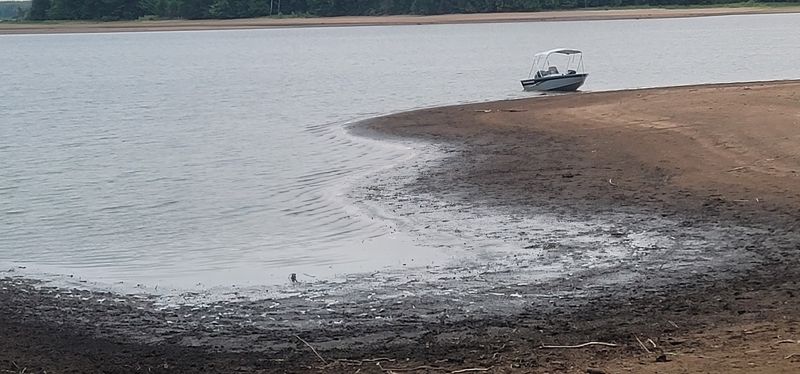
That purpose helps explain why the shoreline doesn’t always stay in the same place. Water management can change the amount of exposed ground and the depth over underwater features.
The reservoir took shape in the late 1920s, turning an existing river landscape into a broader flowage. Its creation added another chapter after the area’s earlier logging activity.
For visitors, the practical lesson matters more than memorizing a construction date. A route that worked on an earlier trip may need a fresh look under different water conditions.
Check the available water-level information before leaving home, then assess conditions again at your chosen landing. Allow extra time if the shoreline or launch approach differs from what you expected.
Willow Reservoir isn’t a decorative pond with a fixed waterline drawn around its edges. Understanding its working role makes changing conditions less puzzling and helps you plan with the landscape rather than against it, especially when returning after a long gap between visits here.
A Map Pin Is Not Your Boat Landing
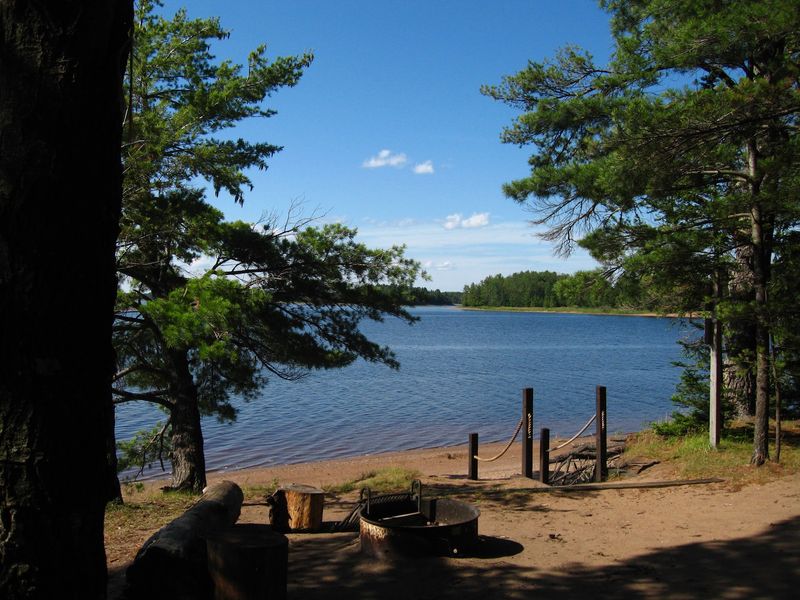
Your navigation app can locate a lake without knowing where you intend to launch. That distinction matters when the destination has miles of shoreline instead of one front entrance.
The place address is Willow Reservoir, Little Rice, WI 54531, USA. It identifies the lake, not a street address for a visitor center or a specific boat ramp.
The reservoir lies in western Oneida County, roughly six miles southwest of Hazelhurst. You may also encounter the name Willow Flowage when looking for maps and access information.
Seven public boat landings provide access, so choose one that fits your intended route. Don’t assume the landing closest to a map pin is the best starting point.
Before driving, save directions to the actual launch and download a map for offline use. Share that location with anyone meeting you, especially when several vehicles are traveling separately.
A little coordination prevents the classic lakeside puzzle of everyone arriving at different shores. Once the starting point is clear, you can spend your planning energy on the water, the weather, and the trip itself instead of debating which turn your navigation app really meant you should take next.
The Shoreline Leaves Room For The Forest
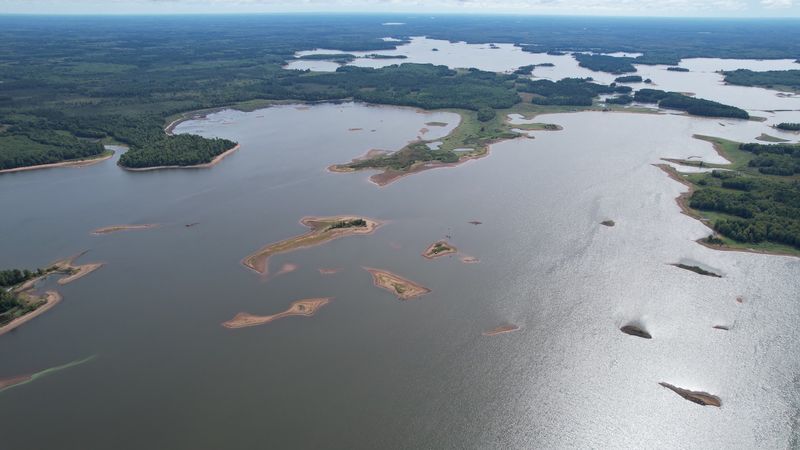
Buildings don’t define most of the view around this large northern Wisconsin flowage. About 95 percent of its shoreline remains undeveloped, a major part of its scenic appeal.
That figure gives you a useful expectation without promising silence or complete solitude. Public recreation still takes place here, and conditions vary with the day and location.
The surrounding protected landscape forms the Willow Flowage Scenic Waters Area. Its wooded shores help keep the reservoir’s character tied to the forest rather than continuous waterfront development.
For a day trip, leave room in your schedule to appreciate that setting. Racing between destinations can make an impressive stretch of shoreline feel like background scenery.
Keep your landing choices deliberate, and respect posted boundaries around any area you explore. An undeveloped shore isn’t automatically an invitation to walk anywhere or establish a campsite.
Bring binoculars if you enjoy studying distant shorelines without approaching them closely by boat. I think the best part of this landscape is its room to breathe, and visitors can help preserve that feeling by keeping noise modest and carrying every scrap of their picnic back home after their time beside the water.
Island Hopping Needs A Sensible Route
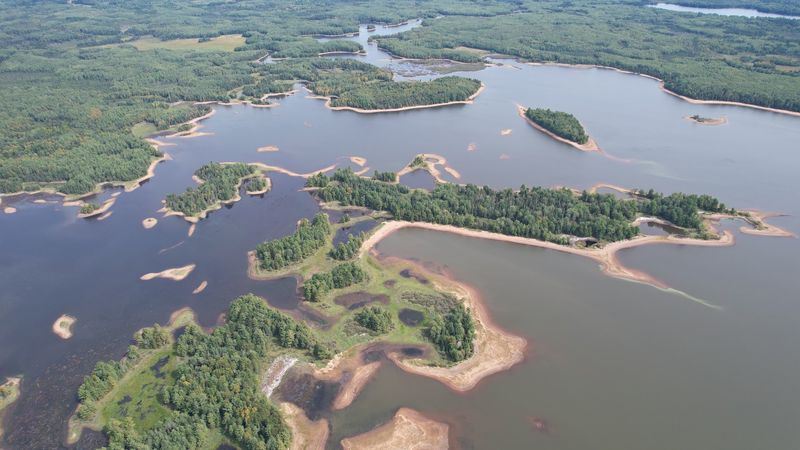
More than a hundred islands give the flowage plenty of corners to consider. They also make a map much more useful than a vague plan to paddle around.
Willow Reservoir covers roughly 6,300 acres when full, so distances deserve respect. A nearby island can become a longer outing when your return route meets a headwind.
Start with a manageable course that matches your paddling experience and the day’s forecast. Choose clear turnaround points instead of making every appealing shoreline part of the itinerary.
Carry a life jacket, drinking water, navigation tools, and a way to call for help. Let someone on shore know your route and when you expect to return.
Island channels may offer different exposure than open stretches, but they don’t remove the need for caution. Watch for shallow areas and submerged wood as you move between them.
You don’t need to collect islands like stamps to enjoy the trip. A shorter route with time to pause can offer a better introduction than an ambitious circuit that leaves everyone watching the clock, especially when the weather starts changing before the planned return to your original launch point that afternoon.
Your Propeller Does Not Need A History Lesson
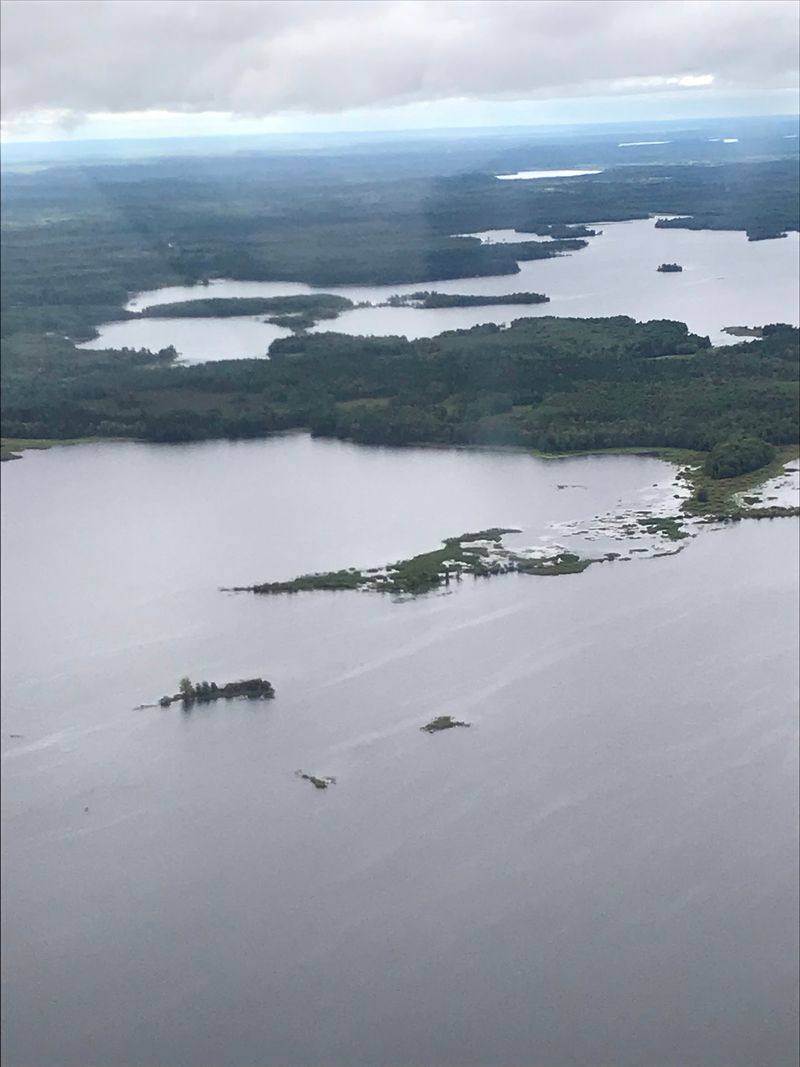
A smooth surface doesn’t tell you everything about the water underneath your boat. Stumps, submerged timber, and shallow rock bars require attention throughout the Willow Flowage.
The reservoir’s maximum depth is about 30 feet, but that doesn’t describe every crossing. Broad shallow sections can matter much more than the deepest point on a lake chart.
Use a detailed map and travel cautiously when entering water you don’t know. Reduce speed where visibility, depth, or the route ahead leaves you uncertain about clearance.
Changing water levels can bring underwater obstacles closer to the surface than expected. Give yourself room to respond rather than relying on memories from a previous season.
Paddlers should take these features seriously too, especially when approaching shore or moving through narrow passages. Keep equipment secured and avoid balancing awkwardly while inspecting something beneath the water.
The logging connection makes submerged wood interesting, but safe navigation remains the first priority. Treat the reservoir as a living landscape with changing conditions, not a fixed obstacle course you can memorize once and confidently forget about whenever the next sunny weekend brings you back to the launch with friends, fishing gear, and plans.
Fishing Comes With Plenty Of Possibilities
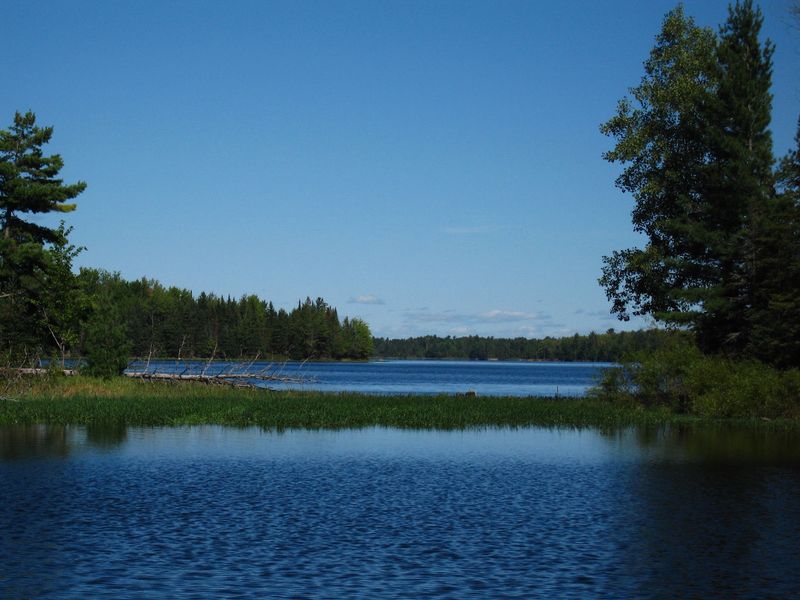
Walleye may draw your attention first, but the fish list doesn’t stop there. Willow Reservoir also supports northern pike, bass, crappie, bluegill, and yellow perch.
That variety gives anglers several possible approaches without guaranteeing a catch on any particular outing. Choose tackle for your target species rather than packing everything you own into the boat.
Check Wisconsin fishing regulations before casting, including the rules that apply specifically to this water. Licenses, seasons, size limits, and harvest limits deserve a fresh check before each trip.
A fish consumption advisory also deserves attention if you plan to keep your catch. Follow the applicable guidance for species, meal frequency, and anyone who needs additional precautions.
For a first visit, focus on learning the water instead of chasing a perfect fishing story. Keep an eye on changing depths and timber while moving between likely fishing areas.
Release fish carefully when they’re not headed home, and leave discarded line out of the landscape. The most useful souvenir may be a better understanding of the reservoir, along with a few notes about conditions that help you plan your next outing more thoughtfully than any promise of instant fishing success could.
Camping Starts With A Trip Across The Water
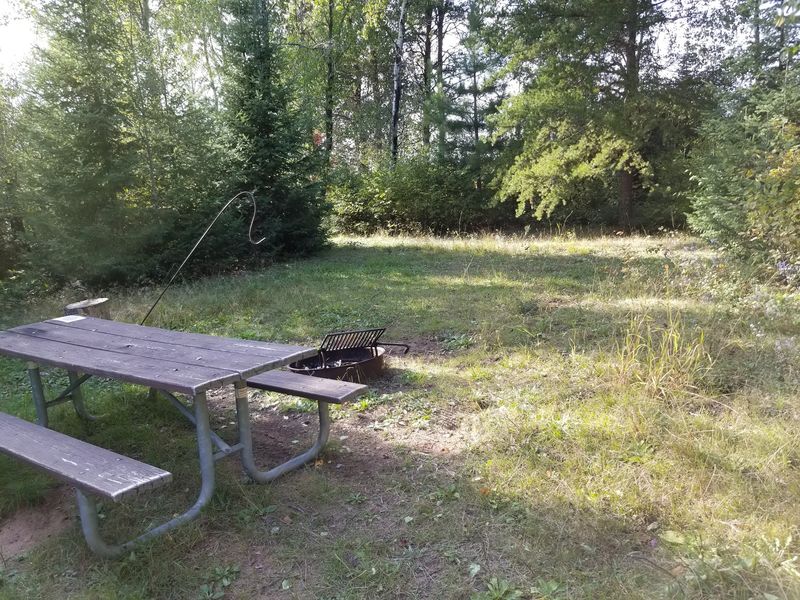
Your overnight gear needs a boat ride before the camping part can begin. The flowage has 37 rustic campsites along its shoreline and islands, accessible by watercraft.
That setup makes packing different from a campground where the car stays beside your tent. Everything you bring must fit safely aboard and remain manageable during loading and unloading.
Use dry bags for clothing and bedding, and protect anything that cannot tolerate getting wet. Balance the load carefully rather than piling equipment wherever an empty space appears.
Check the Wisconsin DNR’s camping guidance before choosing a site or setting out. Confirm the applicable occupancy rules, fire restrictions, and any access changes affecting your plans.
Rustic camping calls for realistic expectations, especially around drinking water and personal supplies. Bring what you need, manage food responsibly, and plan to carry your trash back out.
Keep a backup plan in case weather or site availability changes your overnight route. A shoreline camp can deepen your connection to Willow Reservoir, but the most satisfying version begins with sensible preparation rather than discovering halfway across the lake that your essential supplies are sitting in the vehicle you just left behind at the landing.
Leave The Next Chapter Better Than You Found It
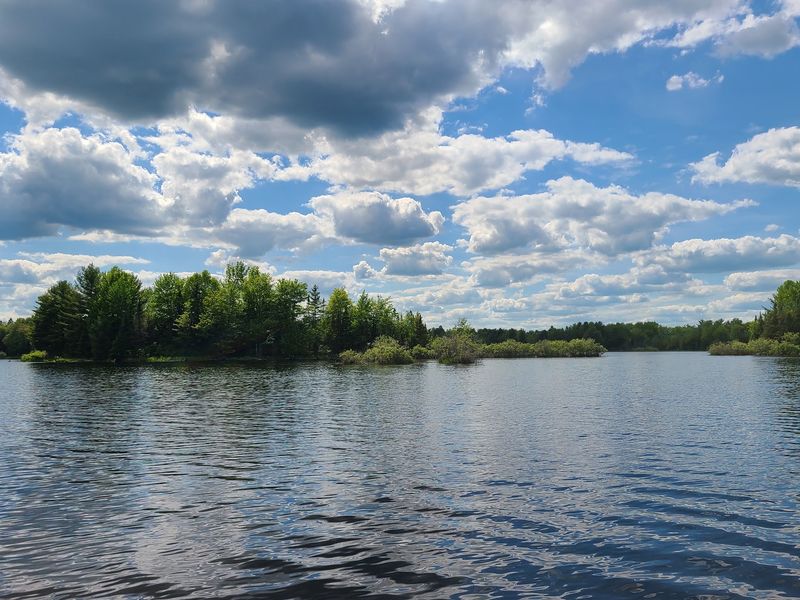
The reservoir’s story didn’t stop when logging ended or the water rose. Every outing adds a small chapter through the choices visitors make on shore and afloat.
Willow Flowage holds Wisconsin’s Outstanding Resource Water designation, reflecting its notable water quality and recreational value. Protecting those qualities takes more than admiring the view from a boat.
Aquatic invasive species are an ongoing concern, including Eurasian water milfoil and rusty crayfish. Inspect your boat, trailer, paddles, and other equipment before leaving the access area.
Remove attached plants and follow Wisconsin’s rules for draining water and handling bait. Careful cleaning also helps avoid moving unwanted species when you travel to another waterbody.
Pack out litter, respect designated campsites, and give wildlife room without pushing closer for a photograph. Small habits matter most when they become part of every trip rather than occasional good intentions.
I like an ending that leaves the place, not the visitor, in the spotlight. Willow Reservoir already carries a logging past beneath its surface; preserving its present means the next person can arrive with the same curiosity, a useful map, and plenty of reasons to look beyond the calm water ahead of them.