The Cape Hatteras Lighthouse was picked up and moved 2,900 feet inland in 1999.
It weighs thousands of tons, and it still stands tall today.
That kind of story fits a coastline where sand dunes shift, wild horses roam, and two brothers once made the first powered airplane flights near a windy hill.
In winter, those famous spots get a lot quieter.
I like how this stretch of North Carolina slows down when the summer rentals empty out.
The roads loosen up, the beaches stretch wide open, and the ocean gets most of the attention.
I believe the cold months show these islands at their most honest.
Bring a warm jacket and a little patience for the wind.
So what does a beach trip look like when you barely have to share it?
Those Long Beaches Start To Feel Like Private Property
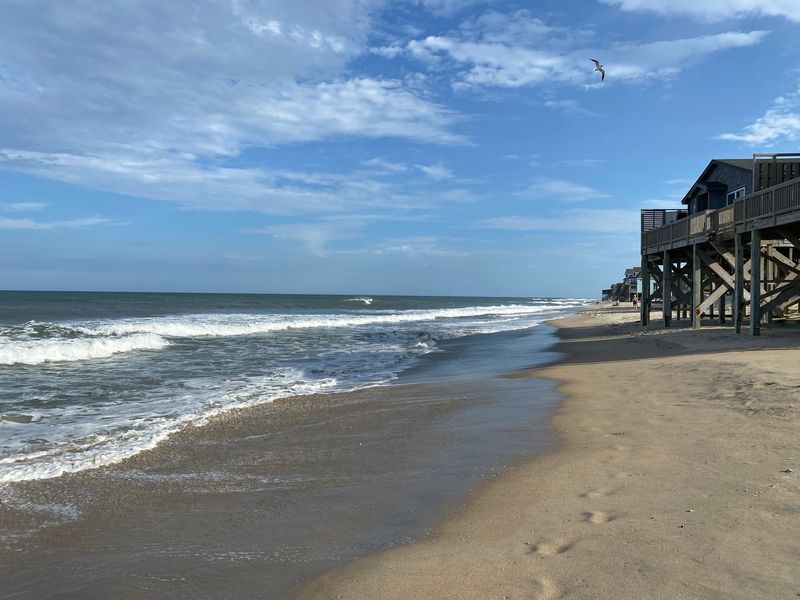
Summer on the Outer Banks, North Carolina means umbrellas lined up like dominoes. Winter wipes most of that away.
The barrier islands stretch well over 100 miles along the Atlantic, and the sand stays put even when the crowds leave.
Many beach towns relax some summer rules in the off-season. Seasonal lifeguard stands come down, and rental traffic thins out.
That leaves plenty of space for long walks, shell hunting, and staring at waves without dodging a volleyball.
Shelling can be especially rewarding after winter storms churn up the surf. Low tide is a smart time to search the wrack line.
Bring a small bag, and check local rules before taking anything living.
Layers matter more than sunscreen this time of year. Coastal wind can make a mild day feel much colder.
A windproof jacket, a hat, and sturdy shoes will keep a walk fun instead of miserable.
Beach access points still work year-round in most towns. Some public lots fill fast in July but sit wide open in January.
Good luck finding a better trade for a little chill in the air.
Climb A Famous Lighthouse Or Admire It Without The Lines
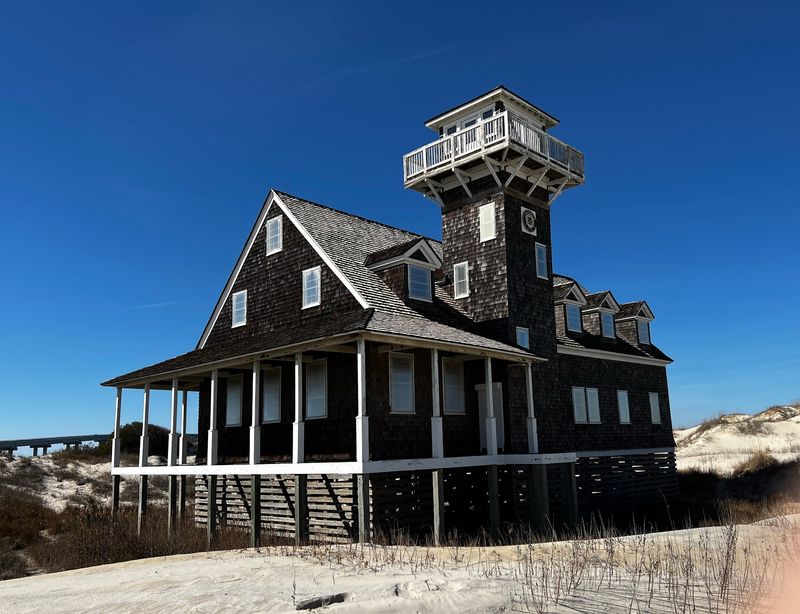
Black and white stripes spiral up the Cape Hatteras Lighthouse like a giant candy cane. At about 198 feet, it’s the tallest brick lighthouse in the United States.
It sits in Buxton inside Cape Hatteras National Seashore.
Here’s a winter catch, though. The lighthouse climbing season usually runs from spring into fall, so the stairs typically close in the cold months.
The tower has also undergone major restoration work, so check the National Park Service before you plan around it.
The grounds still make a great stop. You can walk the moving path that marks the 1999 relocation.
Granite stones show where the tower once stood, closer to a hungry shoreline.
Bodie Island Lighthouse near Nags Head wears horizontal black and white bands. Currituck Beach Lighthouse in Corolla keeps its red brick unpainted.
Each one has its own look, and none of them needs a crowd to impress.
Winter light is often softer and lower in the sky. That’s a gift for photos.
Arrive early, and you may have the whole view to yourself.
Your Drive Gets A Whole Lot Less Honk-Heavy
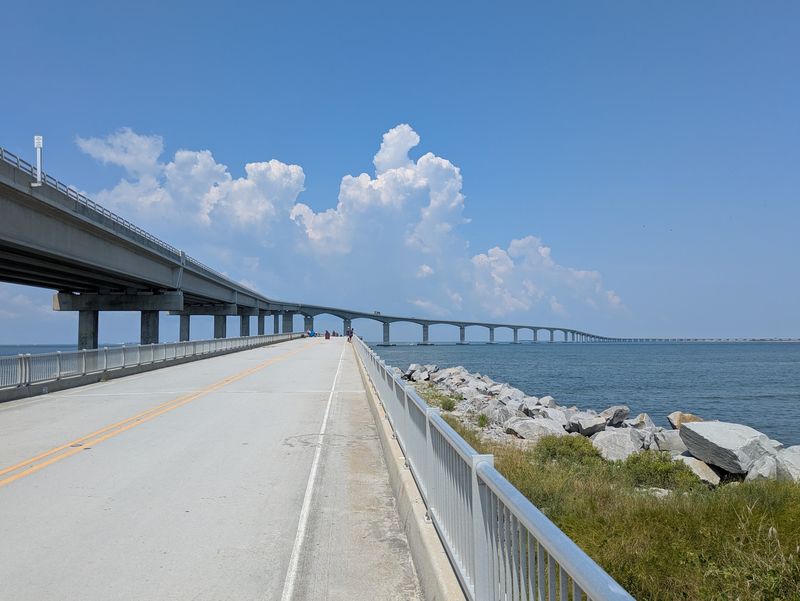
Saturday check-in during summer can turn the bridges into parking lots. Rental changeover days pile thousands of cars onto the same few roads.
Winter mostly erases that headache.
NC Highway 12 is the main road running down Hatteras Island. It passes through Pea Island National Wildlife Refuge and small villages like Rodanthe, Avon, and Buxton.
With fewer cars, the drive feels more like a scenic tour than a test of patience.
Still, winter roads come with their own quirks. Storms and high tides can push sand and water onto parts of Highway 12, especially near Rodanthe.
The NCDOT posts updates, and they’re worth checking before a long trip south.
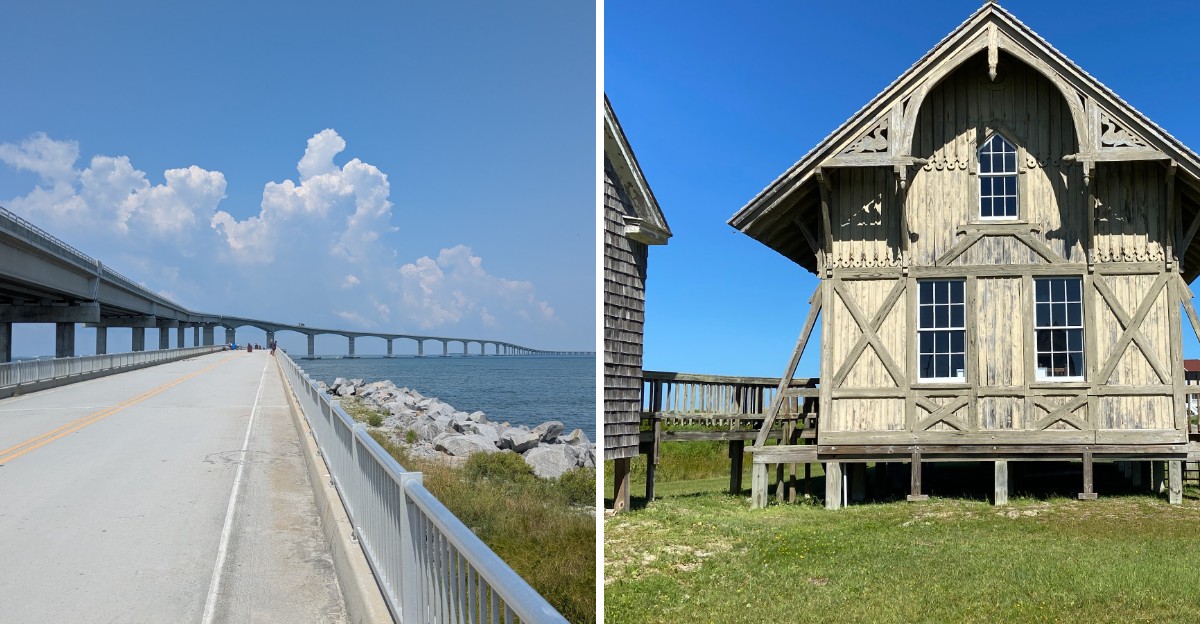
The Marc Basnight Bridge carries you over Oregon Inlet. It opened in 2019 to replace the old Bonner Bridge.
Views of the water from up there are a nice bonus on a clear day.
Plan gas and snack stops with a bit more care. Some seasonal businesses close for winter.
A full tank and a packed cooler keep the road trip relaxed.
Where Two Brothers Took Off And Changed Everything
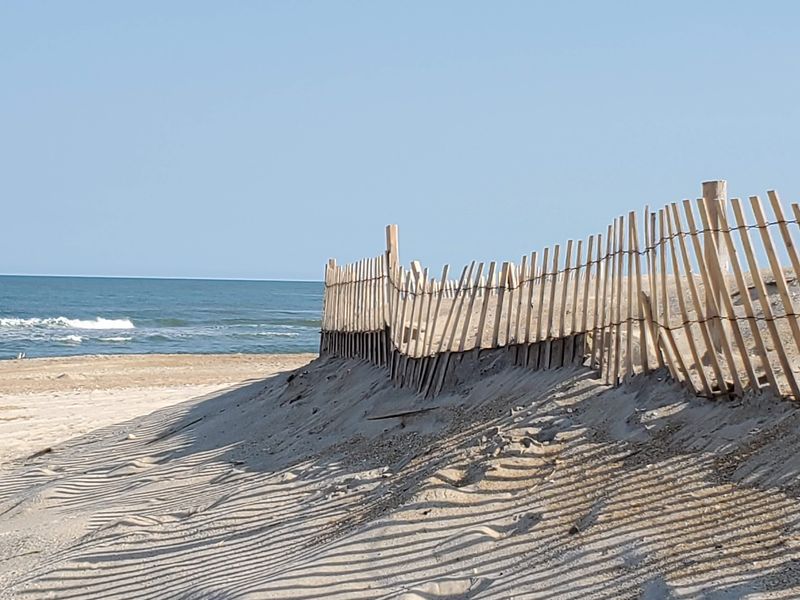
December 17, 1903 was cold and windy. That’s when Wilbur and Orville Wright made the first powered airplane flights on level ground here.
Winter visitors get a taste of that same chilly breeze.
The Wright Brothers National Memorial sits at 1000 North Croatan Highway in Kill Devil Hills, North Carolina. A tall granite monument rises from Big Kill Devil Hill.
Stone markers on the field show how far each of those first flights traveled.
The visitor center holds exhibits about the brothers and their work. There’s also a full-scale reproduction of the 1903 Flyer.
Reconstructed camp buildings show how simply they lived during their experiments.
Every December 17, the memorial hosts an anniversary celebration of the first flight. Flyovers sometimes join the event.
It’s one of the best reasons to visit during the quiet season.
The walk up the hill is short but steep enough to warm you up. From the top, you can see the ocean and the sound.
Bring gloves, because that famous wind still shows up for work.
The Tallest Sand Dune Around Is All Yours
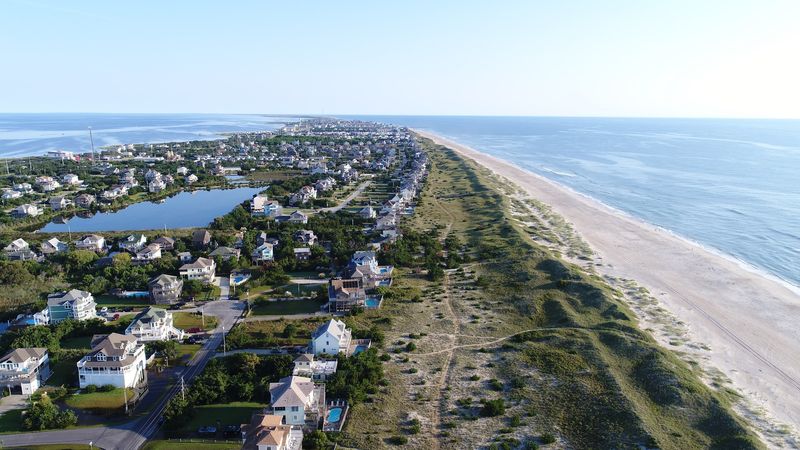
Sand that moves on its own sounds like a magic trick. At Jockey’s Ridge State Park in Nags Head, it’s just Tuesday.
The park protects the tallest active sand dune system on the Atlantic coast.
The dunes shift with the wind, so their height changes over time. Climbing them in summer can mean scorching sand underfoot.
Winter fixes that problem nicely.
Cool sand makes the hike easier on your feet. You’ll still want sturdy shoes, since the climb gives your legs a real workout.
Kids tend to treat the whole place like a giant sandbox.
Sunsets over Roanoke Sound are a big draw here. The sound side faces west, so the sky often puts on a colorful show.
Arrive a little early to claim a good dune top.
The park also has a visitor center with exhibits and a boardwalk. Check park hours before you go, since they change with the seasons.
Fewer people means quieter dunes, and that’s honestly the best kind of playground.
Wild Horses Don’t Take The Winter Off
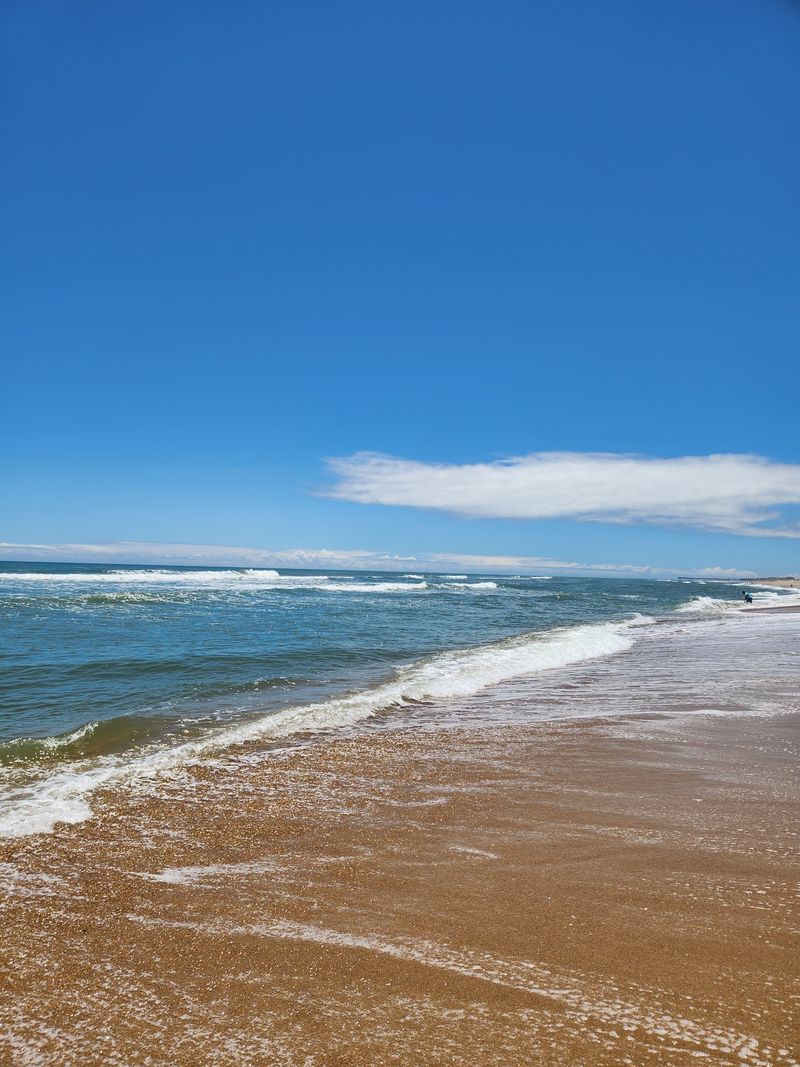
Spanish Mustangs have roamed the northern Outer Banks for centuries. Many people believe they descend from horses brought by early Spanish explorers.
Today they live in the four-wheel-drive area north of Corolla.
The Corolla Wild Horse Fund works to protect the herd. Rules are strict for good reason.
Visitors must stay at least 50 yards away and never feed or touch the horses.
Reaching them takes a four-wheel-drive vehicle or a guided tour. Driving on that beach requires a permit from Currituck County.
Some tour companies run fewer trips in winter, so book ahead.
Winter can be a neat time to spot them. Their coats look shaggier in the cold months.
With fewer vehicles on the sand, the area feels calmer too.
The Corolla Wild Horse Museum in historic Corolla Village shares their story. It’s a good stop if you don’t plan a beach drive.
Either way, you’ll learn why these tough little horses earned a spot as North Carolina’s state horse.
Birds Flock In While The Tourists Fly Out
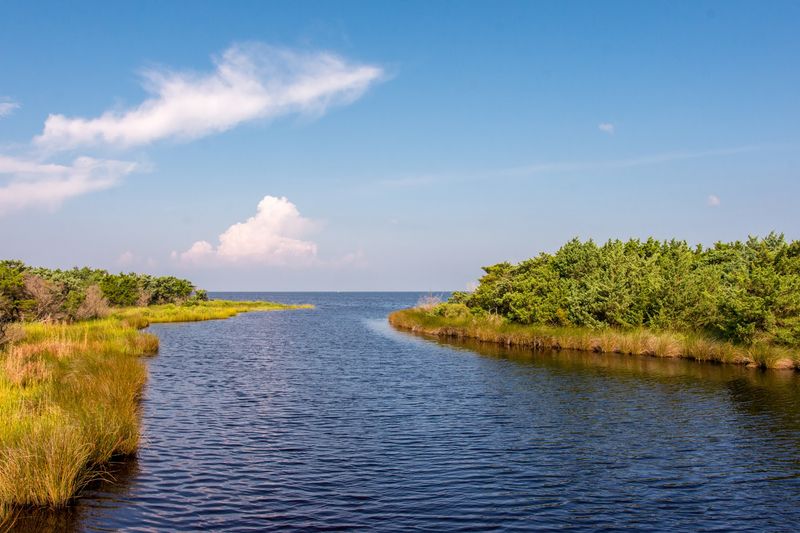
Thousands of feathered visitors show up just as summer folks head home. Pea Island National Wildlife Refuge sits on the north end of Hatteras Island.
Winter turns its ponds into a busy rest stop.
Snow geese, tundra swans, and many kinds of ducks spend the cold months here. The refuge lies along the Atlantic Flyway, a major bird migration route.
That timing makes winter one of the best seasons for bird watching.
The North Pond Wildlife Trail offers easy walking and viewing spots. Observation platforms help you see across the water.
Binoculars make a huge difference, so pack a pair.
Up on Roanoke Island and the mainland, Alligator River National Wildlife Refuge offers even more open land. Black bears and red wolves live in that area.
The red wolf is one of the most endangered canines in the world.
Early morning is usually a good time to look for wildlife. Keep your voice low and move slowly.
Patience pays off out here, and the birds don’t charge admission.
Rainy Days Have Some Seriously Good Backup Plans
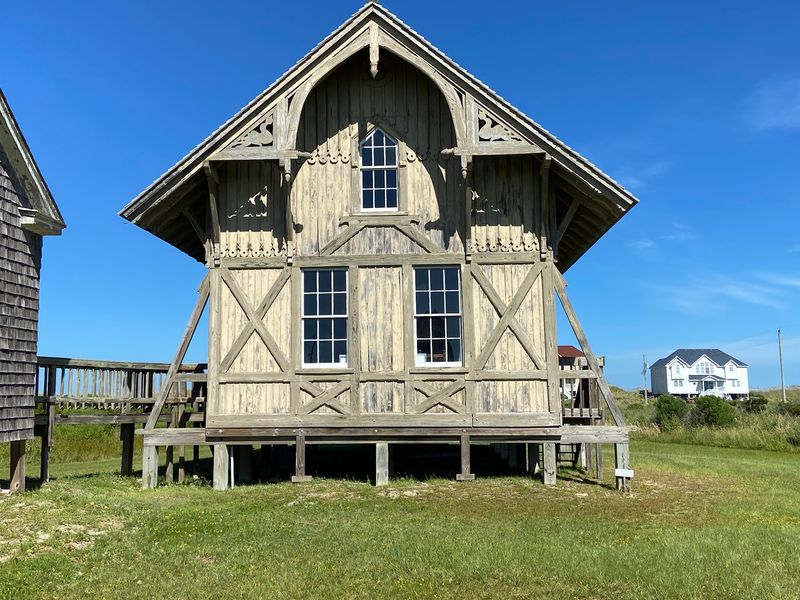
Cold rain doesn’t have to sink the trip. The Outer Banks has plenty of indoor stops worth your time.
A few of them are perfect for winter afternoons.
The North Carolina Aquarium on Roanoke Island sits in Manteo. Its big Graveyard of the Atlantic exhibit features sharks swimming around a replica shipwreck.
Kids and grownups both tend to linger there.
Speaking of shipwrecks, the waters off this coast earned the nickname Graveyard of the Atlantic. Hundreds of ships went down in these shifting shoals.
The Graveyard of the Atlantic Museum in Hatteras Village tells many of their stories.
Manteo also has Roanoke Island Festival Park, which focuses on the area’s history. Nearby, Fort Raleigh National Historic Site explores the Lost Colony of 1587.
Nobody knows for sure what happened to those English settlers, and that mystery still hooks people.
Hours often shrink in the off-season. Some sites close certain days or weeks.
A quick check before you leave can save a wasted drive.
Catch A Free Ferry Ride To A Sleepier Island
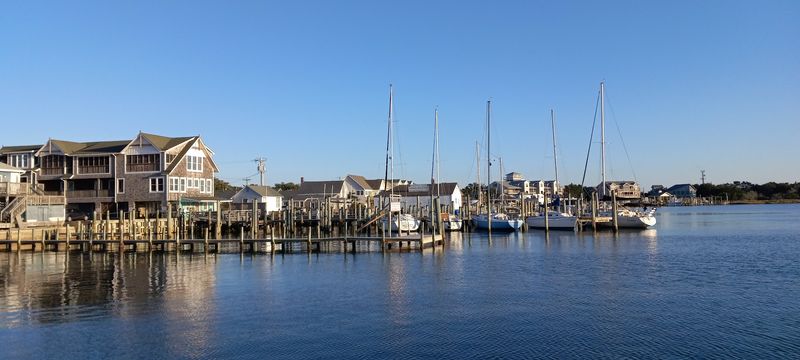
Ocracoke Island can only be reached by boat or small plane. That alone makes it feel like a secret.
The Hatteras to Ocracoke ferry run by the NCDOT is free.
Winter ferry schedules usually run less often than summer ones. Even so, the lines tend to be much shorter.
Check the ferry division schedule, since weather can cause changes.
Seagulls often trail the boat, hoping for snacks. Feeding them isn’t a great idea, but watching them is half the fun.
The ride gives you open water views in every direction.
Ocracoke Village wraps around Silver Lake Harbor. The Ocracoke Lighthouse there dates to 1823.
It’s one of the oldest working lighthouses in North Carolina.
Legend says the pirate Blackbeard met his end near Ocracoke in 1718. His name still pops up all over the island.
Many shops and restaurants close or cut hours in winter, so plan meals ahead. Bring a bike if you can, because the village is easy to explore on two wheels.