Put the screen down and make something with your hands.
There’s a special kind of satisfaction in watching a lump of clay become a bowl, a piece of wood take shape, or glowing metal bend under a hammer.
Wisconsin has craft schools where the pace feels different, giving you room to focus, experiment, and enjoy the work.
These hands-on spots welcome beginners and curious makers ready to learn something new.
You might spend an afternoon at a pottery wheel or settle into a longer workshop where every step feels rewarding.
Forget rushing from one thing to the next. These ten Wisconsin craft schools make slowing down feel like the best part of the day.
The Clearing Folk School – Ellison Bay
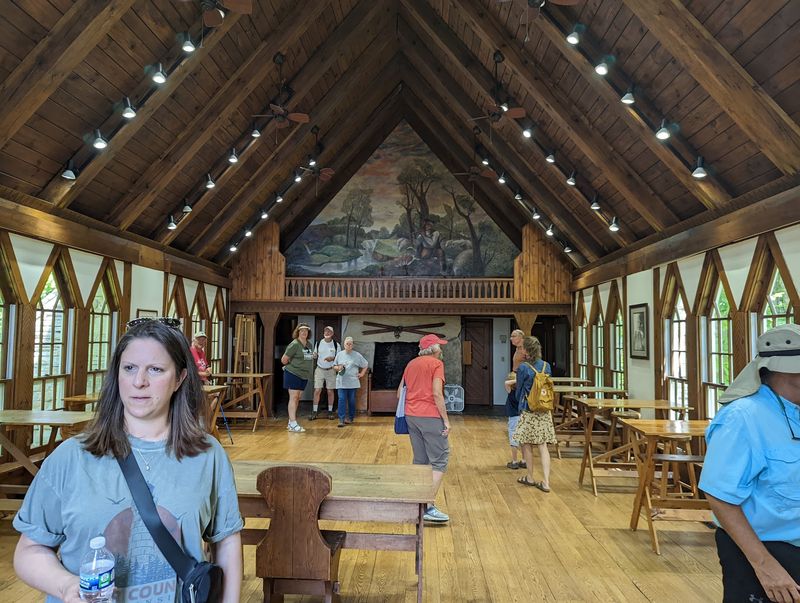
Tucked along the Door County shoreline, The Clearing feels like stepping back in time. Forest trails wind through the property, meadows stretch toward the water, and old-fashioned workshop buildings invite students to spend an entire week learning a new skill.
Week-long residential programs let you fully immerse yourself in creative work. You might carve wood, build rustic furniture, weave fabric, or try your hand at stained glass.
The schedule includes metalwork, quilting, and paper arts too.
Students eat meals together and share stories about their projects. Between classes, you can walk through the woods or sit by the water.
The combination of focused learning and peaceful surroundings makes it easy to forget about daily stress.
There’s something powerful about spending seven days creating instead of consuming. By the end of the week, you leave with finished projects, new friends, and skills you can practice at home.
The Clearing proves that slow creative work can be exactly what a busy life needs.
Shake Rag Alley Center for the Arts – Mineral Point
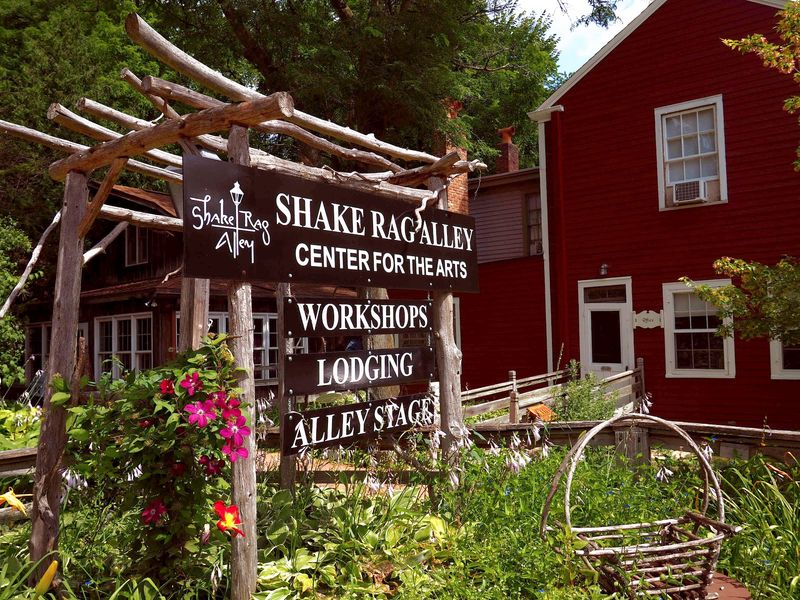
Historic Mineral Point becomes your creative playground when you visit Shake Rag Alley. These old limestone buildings now house workshops where students tackle everything from blacksmithing to mosaics.
The setting alone makes you want to roll up your sleeves and make something.
Classes range from quick three-hour sessions to multi-day deep learning experiences. Beginners can test the waters with ceramics or jewelry making.
More experienced crafters might choose advanced fiber arts or glasswork.
The variety means you could try something completely new or improve existing skills. Want to hammer metal into shape?
There’s a class. Curious about creating your own pottery?
They’ve got you covered. Interested in weaving or making rustic decorations?
Those options exist too.
What makes this place special is how it welcomes all skill levels without making anyone feel out of place. You can spend a weekend learning traditional techniques that people used centuries ago.
Walking through the historic streets afterward, with your handmade creation in hand, connects you to the craftspeople who came before.
Driftless Folk School – Viroqua
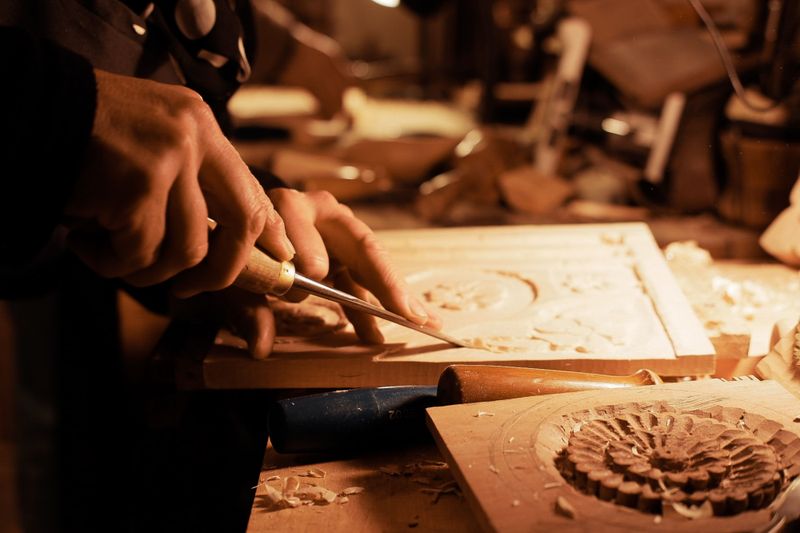
Practical skills meet traditional crafts at this community-based school. Students here learn by actually doing the work, not just watching demonstrations or reading instructions.
Woodcarving becomes second nature after your hands shape the same curve a dozen times.
The class list reads like skills your great-grandparents might have known. Bookbinding lets you create journals worth keeping.
Basketry turns simple materials into useful containers. Hammered copper becomes decorative or functional pieces you’ll actually use.
Weaving and natural building techniques round out offerings that focus on what you can make yourself. The relaxed atmosphere takes competition completely out of the equation.
Nobody’s judging your first attempt at anything.
This approach works perfectly for people tired of scrolling and ready to create. Your hands remember more than you think they will.
Muscle memory builds as you repeat techniques, and suddenly you’re making things that looked impossible an hour ago. The noncompetitive spirit means mistakes become learning opportunities instead of embarrassments.
You leave with skills that don’t require batteries or WiFi.
Midwest Clay Project & Studios – Madison
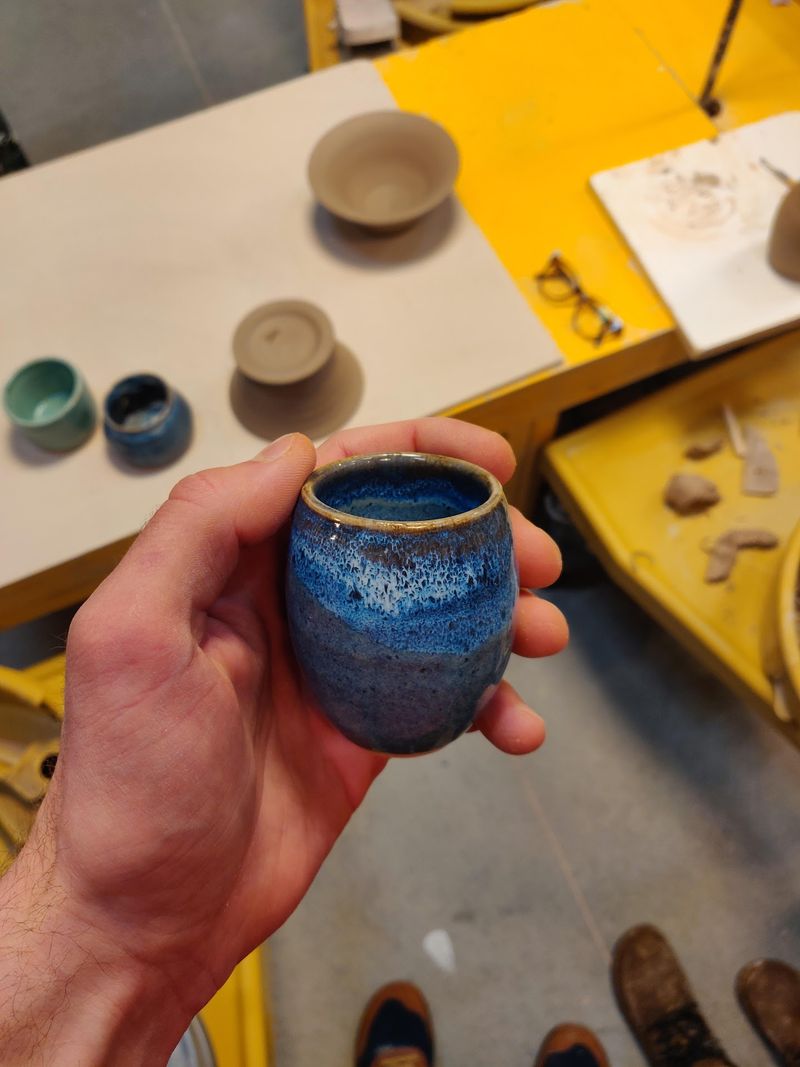
Clay spinning on a wheel has an almost meditative quality. Your hands guide wet earth into bowls, mugs, or vases while the outside world fades away.
Midwest Clay Project gives Madison residents and visitors this calming creative outlet.
The fully equipped studio includes numerous pottery wheels plus slab rollers, extruders, and kilns for firing finished pieces. Members can access the space during open studio hours.
Beginners might prefer the structured six-week classes that give enough time to truly understand working with clay.
Private lessons offer one-on-one attention for students who want focused instruction. The extended class format means you’re not rushing through techniques.
Week after week, you build understanding of how clay behaves, how glazes work, and how firing temperatures affect your creations.
There’s something deeply satisfying about shaping a lump of clay into something beautiful and useful. Your coffee tastes better from a mug you made yourself.
The studio environment encourages experimentation without pressure. Other students share tips and encouragement, creating a supportive community of makers.
Milwaukee Blacksmith – Milwaukee
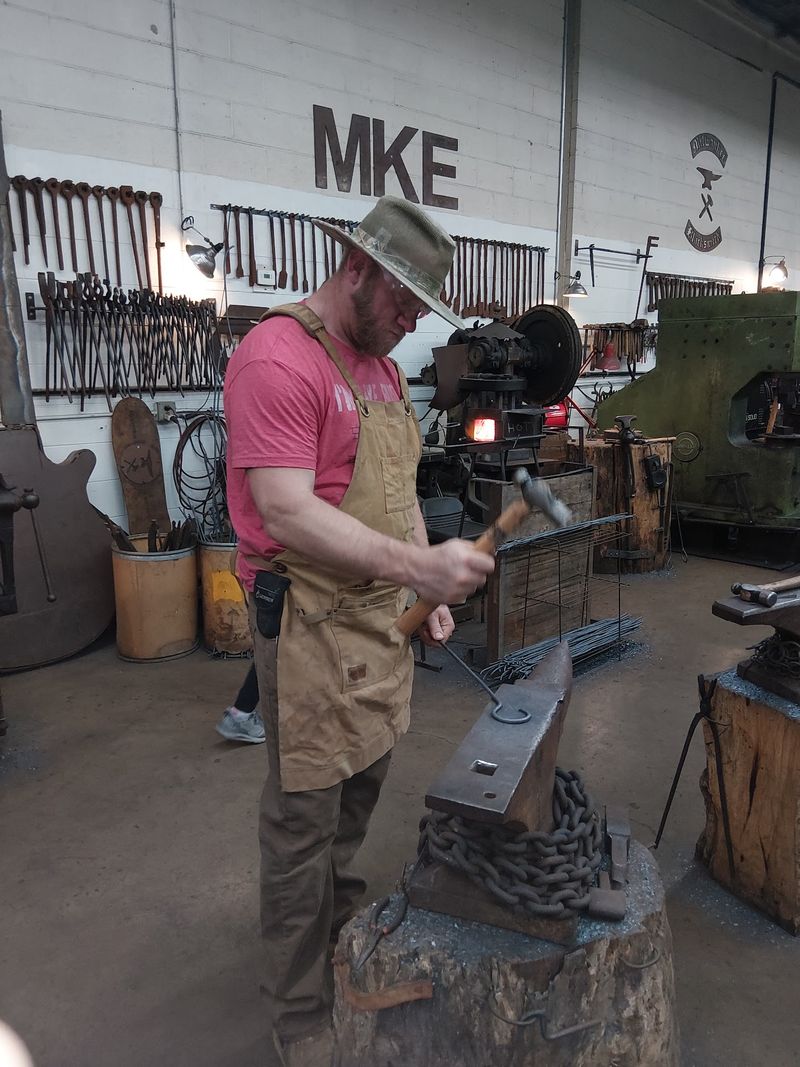
Fire transforms steel into whatever shape your hammer commands. Milwaukee Blacksmith brings this ancient craft into modern hands through classes that get you working with actual forge, anvil, and hammer.
Patience becomes mandatory when metal only bends at the right temperature.
Students quickly learn that blacksmithing demands full attention. You can’t check your phone while heating a piece of steel to 2,000 degrees.
Concentration on the metal’s color tells you when it’s ready to shape. Physical work follows as you hammer the glowing piece into the form you want.
Traditional techniques haven’t changed much in centuries. The satisfaction of creating something from fire and steel feels primal and powerful.
Your muscles remember the rhythm of hammer strikes. Your eyes learn to read heat by color alone.
This craft naturally forces you to slow down and focus completely. Rushing leads to mistakes or safety issues.
Taking your time produces better results and deeper understanding. Walking away with a hand-forged tool or decorative piece you literally hammered into existence provides accomplishment that screen time never could.
UW-Milwaukee Studio Arts & Craft Centre – Milwaukee
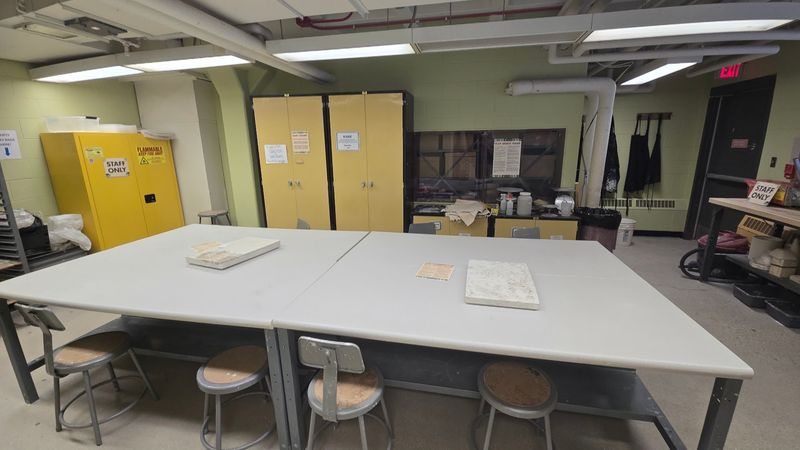
Sometimes you need a traditional studio environment to explore creative possibilities. The Studio Arts & Craft Centre provides exactly that setting for people ready to experiment with artistic techniques.
Working alongside other students adds motivation and inspiration.
Craft-focused programming means the emphasis stays on making rather than just appreciating. Your hands stay busy shaping materials instead of passively observing finished artwork.
Classes give structure while allowing personal creativity to flourish.
Dedicated time for creating feels increasingly rare in our busy lives. Scheduling a class forces you to prioritize making things over endless consuming.
The studio becomes your temporary escape from digital distractions.
Learning new artistic techniques stretches your creative muscles. Maybe you’ve always wanted to try printmaking or sculpture.
Perhaps painting has called to you but seemed intimidating. The center welcomes beginners willing to learn.
Spending hours focused on one project teaches patience and persistence. Finished pieces represent real invested time and effort.
You develop skills that improve with practice. The community aspect means you’re never struggling alone.
Other students offer encouragement, tips, and friendship built around shared creative interests.
The Art School – Milwaukee
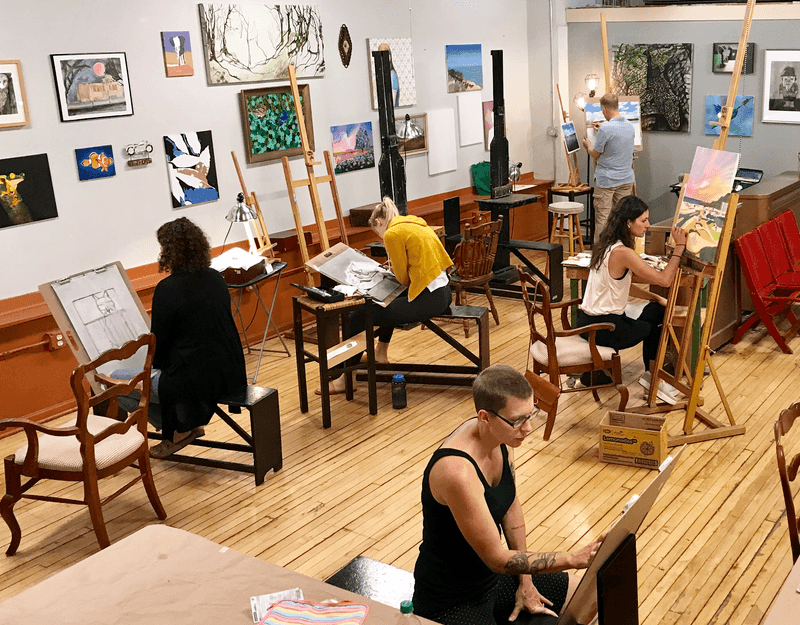
Bay View’s Art School strips away intimidation from learning creative skills. The welcoming atmosphere makes trying something new feel comfortable rather than scary.
Beginners find their footing here without pressure or judgment.
Practical skills take center stage over abstract concepts. You learn techniques you’ll actually use to create finished projects.
Making things yourself proves more rewarding than simply admiring what others have made.
The neighborhood location adds to the approachable vibe. Walking into a community art school feels different than entering a formal institution.
Friendly instructors understand that everyone starts somewhere. They remember being beginners themselves.
Classes cover various crafts and artistic techniques suitable for different interests. Maybe you’ve always wanted to paint but felt you lacked talent.
Perhaps you’re curious about printmaking or mixed media. The school offers chances to explore without committing to expensive equipment or long-term programs.
Each class puts tools in your hands and guides you through creating. Muscle memory builds as you practice new techniques.
Confidence grows with each completed project. You discover that making art isn’t reserved for naturally gifted people.
Anyone willing to learn and practice can create meaningful work.
Door County Forgeworks – Sturgeon Bay
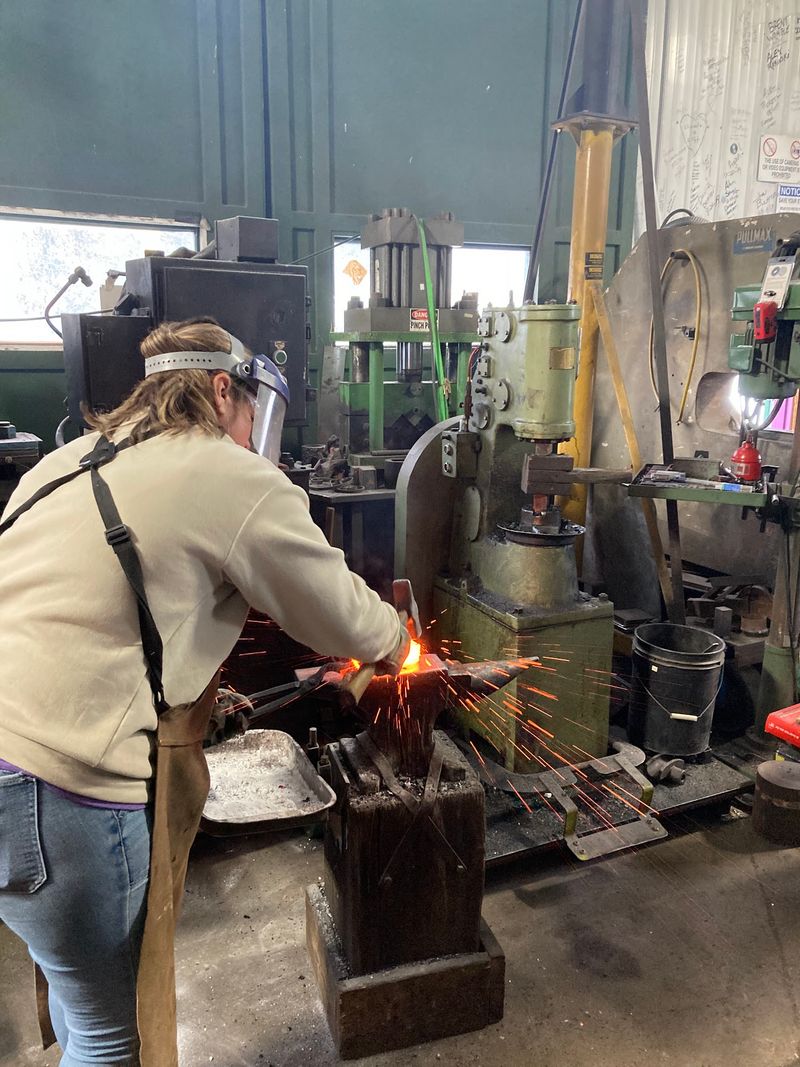
Metalworking on a smaller scale creates intimate learning experiences. Door County Forgeworks brings traditional forge techniques to students ready for focused attention.
The craft naturally demands you stay present and aware.
Heat, timing, pressure, and metal shape all require constant monitoring. Your mind can’t wander when working with 2,000-degree steel.
The forge glows, the hammer rings, and everything else disappears for a while. Outside problems fade when you’re concentrating on the exact color of heated metal.
Traditional blacksmithing connects you to centuries of craftspeople who shaped metal by hand. The techniques your instructor teaches haven’t changed fundamentally in generations.
Your hands learn the same movements that built tools, gates, and decorative pieces throughout history.
The Door County setting adds natural beauty to the learning experience. Between sessions, you can explore the waterfront or walk through town.
The combination of intense focused work and peaceful surroundings creates memorable weekends.
Students leave with hand-forged pieces and new respect for traditional crafts. You understand why mass production replaced this painstaking work, yet you value what’s lost in the trade-off.
West Allis Woodworking Club – West Allis
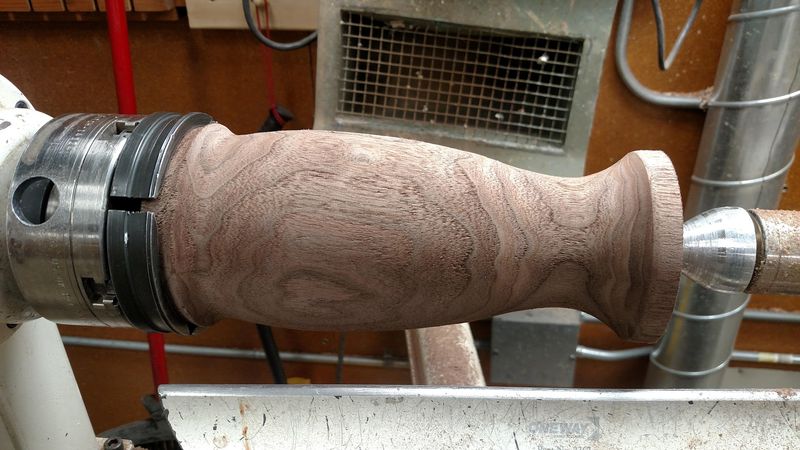
Measure twice, cut once. This old wisdom defines woodworking’s unhurried rhythm.
The West Allis Woodworking Club gives members space to practice this deliberate craft without rushing toward arbitrary deadlines.
Building something from wood requires planning, precision, and patience. You measure carefully, mark your cuts, saw slowly, and sand until surfaces feel smooth.
Then you fit pieces together, make adjustments, and repeat the process. Mistakes teach lessons that stick.
The club environment encourages skill development through practice and peer learning. Experienced woodworkers share techniques they’ve refined over years.
Beginners ask questions and get helpful answers. Everyone works on projects that interest them personally.
Creating tangible objects feels increasingly rare and valuable. Your hands shape raw lumber into furniture, decorations, or useful household items.
Each project improves your skills and understanding. You learn which woods work best for different purposes.
Tool handling becomes second nature.
Spending weekends building instead of screen-watching refreshes your mind and body. Physical work produces satisfying tiredness.
Completed projects prove your invested time and effort. The club provides community among people who value making things that last.
Artisan Center at Northeast Wisconsin Technical College – Green Bay
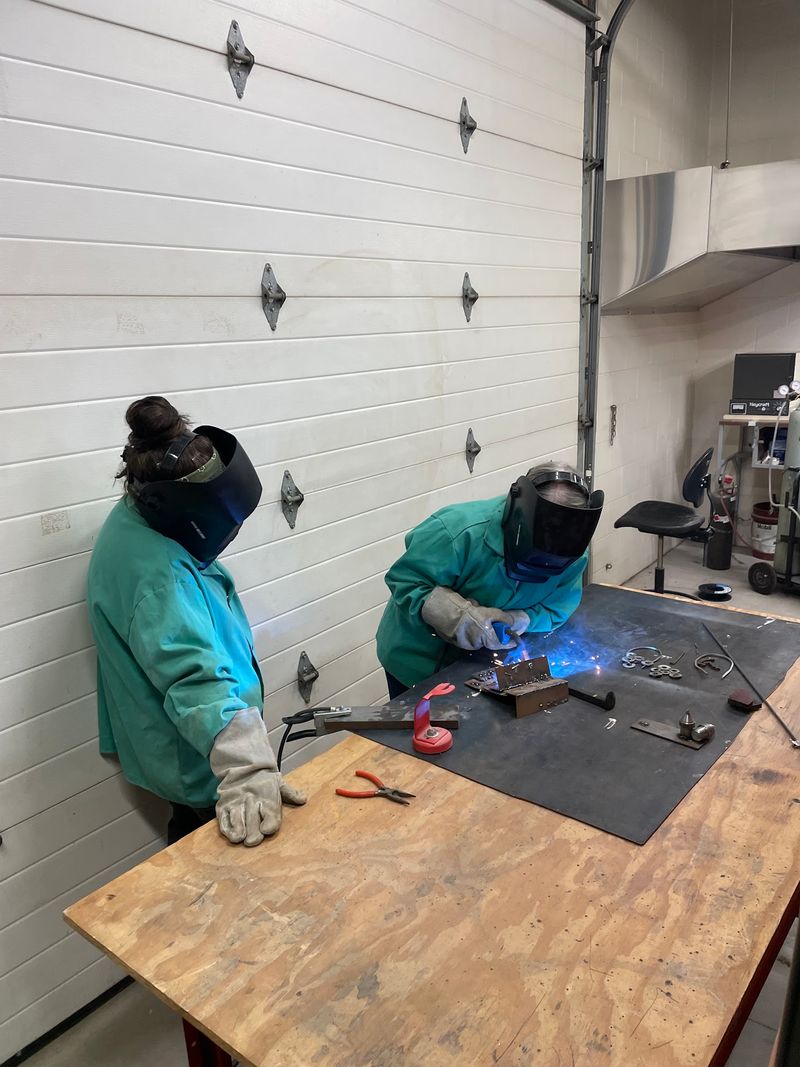
Spending a few hours learning beats spending them scrolling endlessly. The Artisan Center makes this choice easy with hands-on classes that teach actual skills.
You leave each session with knowledge you can keep practicing independently.
Class offerings cover ceramics, fused glass, jewelry and metals, textiles, woodturning, drawing, and painting. Fundamentals courses introduce beginners to new crafts.
Advanced classes help experienced makers refine techniques. Current ceramics fundamentals, jewelry fundamentals, and woodturning classes give solid foundations in these crafts.
The hands-on setup keeps you focused on one project at a time. Instructions guide you through techniques step by step.
Your hands learn through doing rather than just watching. Mistakes become learning opportunities instead of failures.
Each class provides concentrated time away from digital distractions. Your phone stays in your pocket while your hands stay busy creating.
The satisfaction of making something yourself builds confidence and skills. You discover which crafts speak to you personally.
Taking home finished pieces proves your capability. Friends and family see tangible results of your effort.
More importantly, you’ve developed skills worth practicing further. The center gives you solid starting points for lifelong creative hobbies.