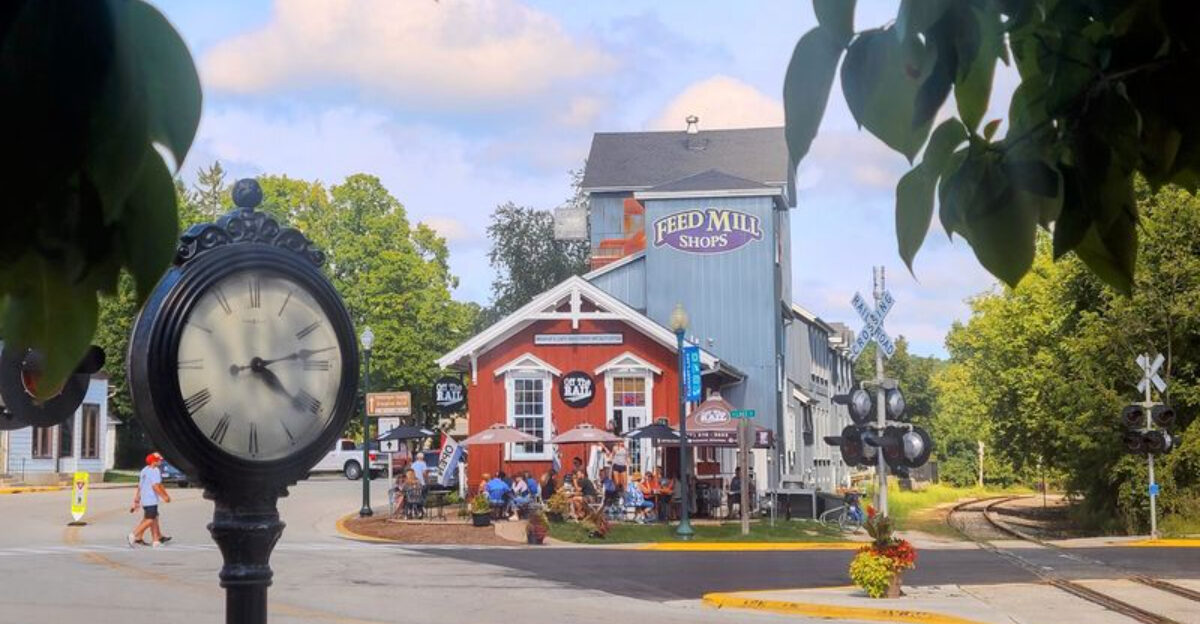
Wisconsin has a strong German story, and you can still see it in village names, church steeples, brick storefronts, cheese shops, bakeries, and festival halls.
Many families from German-speaking Europe settled here in the 1800s, bringing their food, music, farming skills, faith traditions, and love of community gatherings.
Today, these towns are more than pretty stops on a map, because they help visitors understand how immigrant roots shaped everyday life across the state.
If you enjoy old buildings, cozy main streets, lakeside walks, bratwurst, polka tunes, or a good slice of cake, this route offers plenty of reasons to slow down.
Pack comfortable shoes, bring a curious appetite, and plan a few extra stops between destinations.
Each community has its own flavor, from quiet crossroads with historic churches to lively towns with museums, supper clubs, and scenic parks waiting around the next corner.
1. Germantown – Washington County
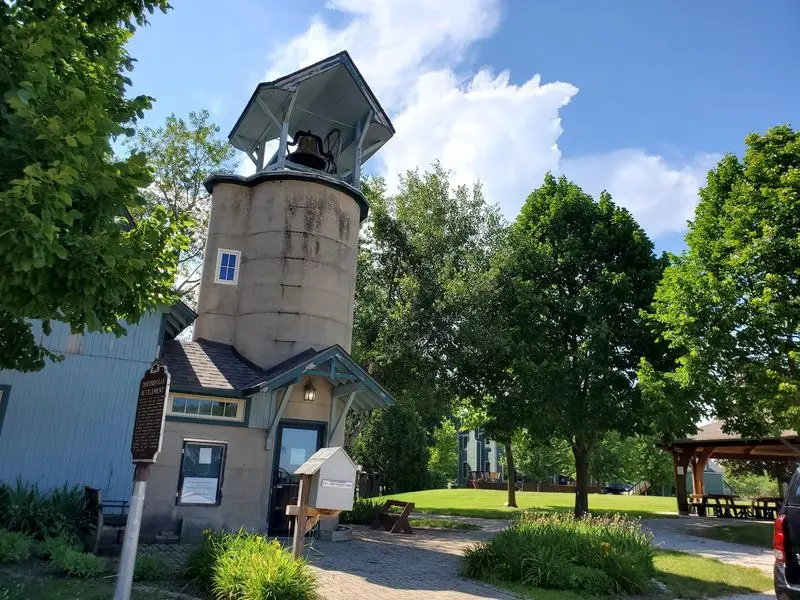
Bratwurst smoke seems almost possible to imagine when you roll into Germantown, a Washington County community whose name says plenty about its roots.
German settlers helped shape the area in the 1800s, and the town still carries that story through family names, churches, taverns, and local gatherings.
Start with a slow drive along the older roads, where farm fields, neighborhoods, and small businesses blend into one easygoing place.
The Germantown Historical Society is a smart first stop if you want context before exploring.
Kids and adults can enjoy the Dheinsville Historic Park area nearby, since it connects Germantown with one of Wisconsin’s early German religious settlements.
Look for seasonal events, farmers markets, and local restaurants serving hearty Midwestern plates with German hints.
Bring a camera, because simple details like stone foundations and steeples tell quiet stories.
For a relaxed visit, pair Germantown with nearby West Bend or Cedarburg on a weekend route.
Travelers who like heritage without crowds will appreciate its practical charm.
It feels lived-in, friendly, and proud of where it came from.
2. Freistadt – Mequon
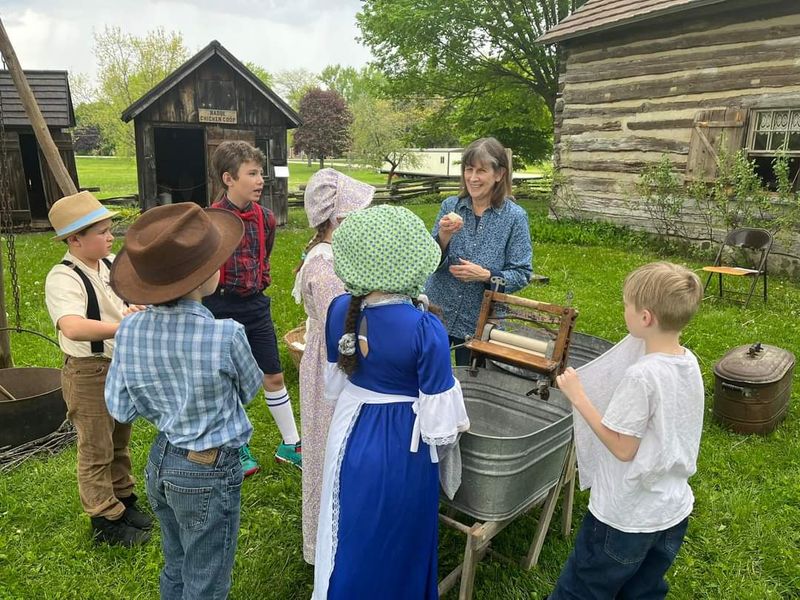
A church bell, a quiet road, and a name meaning free city give Freistadt a story that feels bigger than its small size.
Located in Mequon, this historic settlement was founded by immigrants from Pomerania in the 1830s.
They named it Freistadt because they wanted religious freedom and a stable new home.
Trinity Lutheran Church became the heart of the community, and it remains one of the most meaningful landmarks.
Visitors should come with a slower pace in mind, because Freistadt is not a flashy tourist village.
Its value sits in the landscape, the cemetery stones, the preserved church setting, and the feeling of a community built around faith and hard work.
Reading a little history before arriving makes the stop much richer.
Freistadt works well as a quiet side trip from Milwaukee, Cedarburg, or Grafton.
After visiting, continue into Mequon for parks, river views, and local dining.
History fans will enjoy tracing how one small Wisconsin settlement kept its German-speaking identity alive across generations, not through showy signs, but through memory, worship, and place.
3. Dheinsville – Germantown
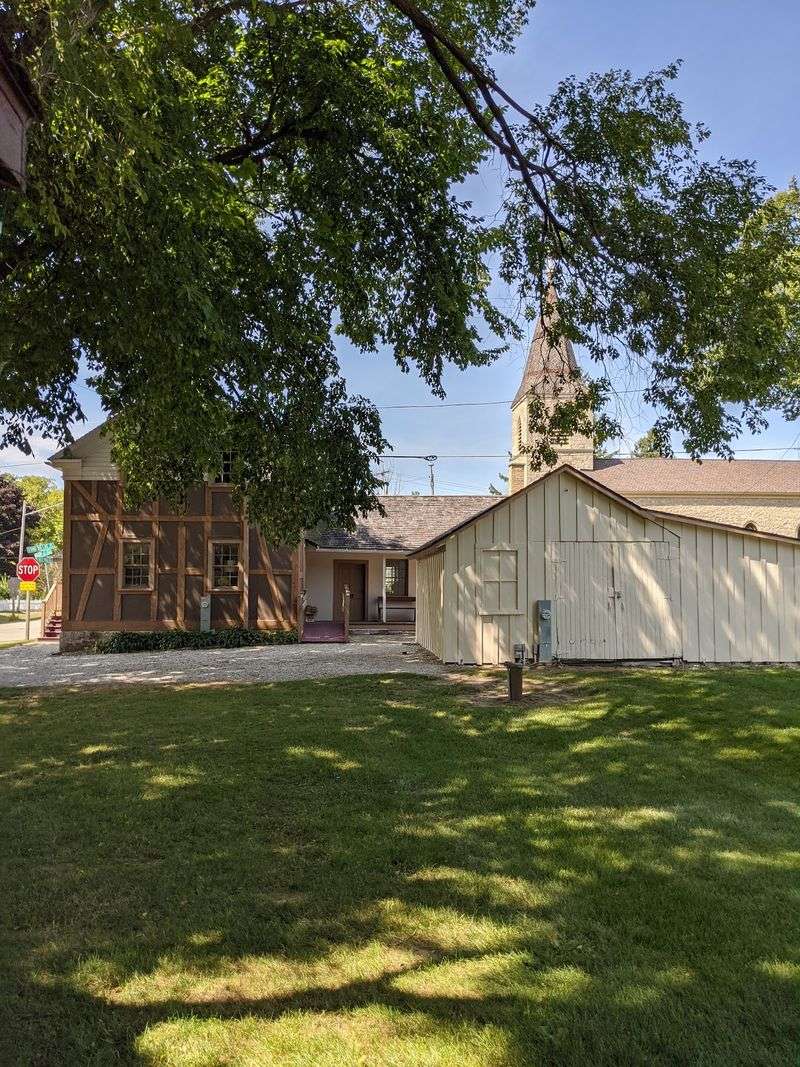
Tucked inside modern Germantown, Dheinsville feels like a small time capsule with a surprisingly strong voice.
The settlement grew around German immigrants who arrived in the mid-1800s, and its name is linked to the Dhein family, early leaders in the area.
Today, Dheinsville Historic Park helps visitors picture village life before highways and shopping centers changed the landscape.
The buildings and grounds make history feel close enough to touch.
Plan your visit around open museum hours or special events, because guided access can add helpful stories you might miss on your own.
You may see heritage buildings, church history, local artifacts, and displays connected to farming, worship, and daily work.
It is a great stop for families because the site is compact and easy to understand.
Bring questions, especially if you like genealogy or immigrant history.
Many Wisconsin communities grew from similar clusters of churches, schools, and farms.
Dheinsville shows that pattern in a clear, human way.
Combine it with Germantown restaurants or a drive through Washington County countryside.
The reward is not noise or glamour, but a grounded look at how German Wisconsin took root.
4. Plymouth – Sheboygan County
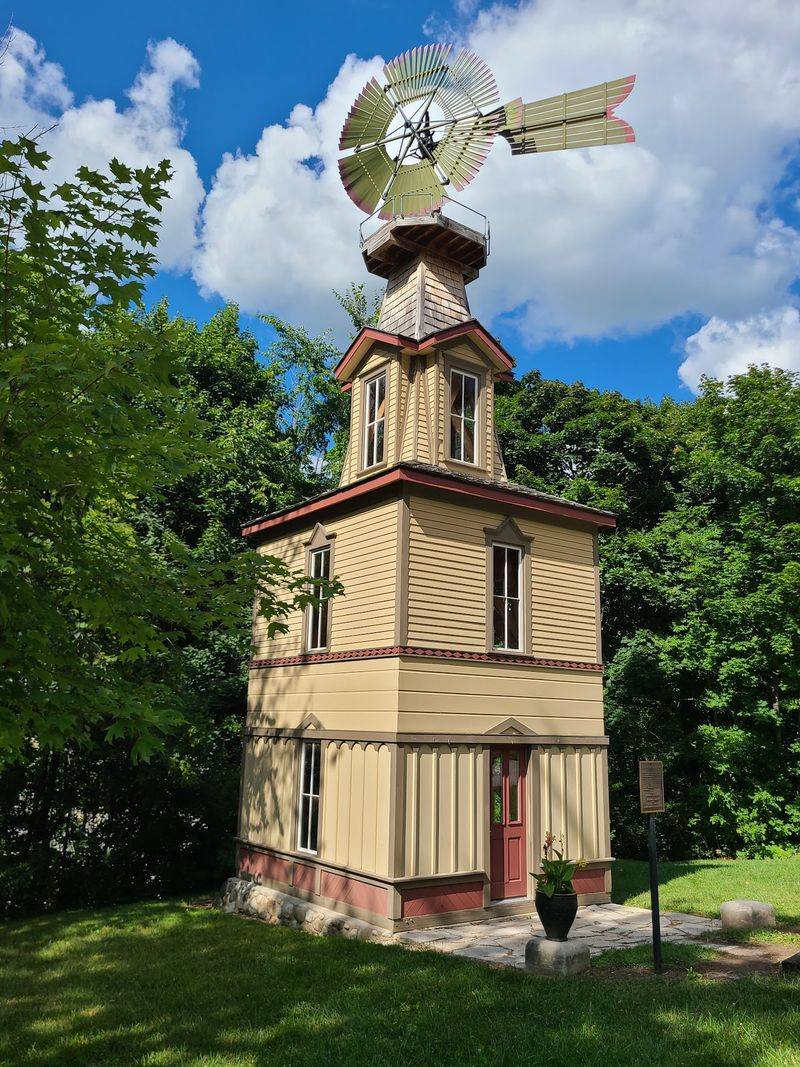
Cheese lovers, pay attention, because Plymouth has earned its place on any Wisconsin heritage route.
Set in Sheboygan County, Plymouth became famous as a major cheese center, and that food story connects closely with German and European dairy traditions.
The downtown is cheerful, walkable, and full of shops, murals, cafes, and public art that celebrate its nickname as a cheese capital.
It is also close to Kettle Moraine scenery, making it easy to mix culture with outdoor time.
Start downtown and look for historic storefronts before stopping for lunch or a bakery treat.
Local menus often lean into Wisconsin comfort food, so expect cheese, sausage, soups, and hearty sandwiches.
If you enjoy food history, Plymouth gives you a tasty way to understand how immigrant farmers helped build the dairy industry.
Families can add parks, nearby trails, or a short drive to Elkhart Lake.
Festival calendars are worth checking, because the city often hosts lively seasonal events.
A good visit here is simple: stroll, snack, read the signs, and talk to shopkeepers.
Plymouth feels upbeat without losing its old-town character.
That balance makes it one of eastern Wisconsin’s easiest German-inspired stops to enjoy.
5. Mayville – Dodge County
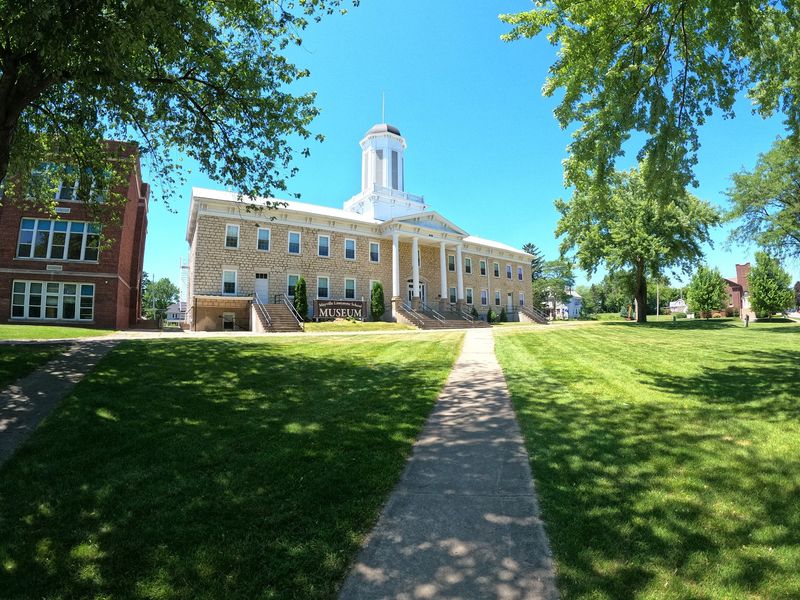
Morning fog near the marsh gives Mayville a storybook look before the town even wakes up.
Located in Dodge County, Mayville sits near the Rock River and the Horicon Marsh, one of Wisconsin’s great natural treasures.
German immigrants were part of the area’s growth, and you can still sense that influence in old churches, family businesses, local food traditions, and sturdy brick architecture.
The mix of heritage and nature makes Mayville especially appealing.
Begin with the downtown area, where historic buildings give the streets a solid, old Wisconsin feel.
Then add the Horicon Marsh Education and Visitor Center or nearby trails for birds, boardwalks, and wide-open views.
Spring and fall migration seasons can be especially exciting if you enjoy wildlife.
Food stops may include tavern fare, fish fries, or classic supper club meals.
Those traditions are part of the same community culture that German settlers helped strengthen.
Check local event calendars for music, markets, or heritage programs.
Mayville is best for travelers who like variety in one trip.
You can learn a little history, eat well, watch cranes or geese, and still have time for a peaceful riverfront stroll.
6. West Bend – Washington County
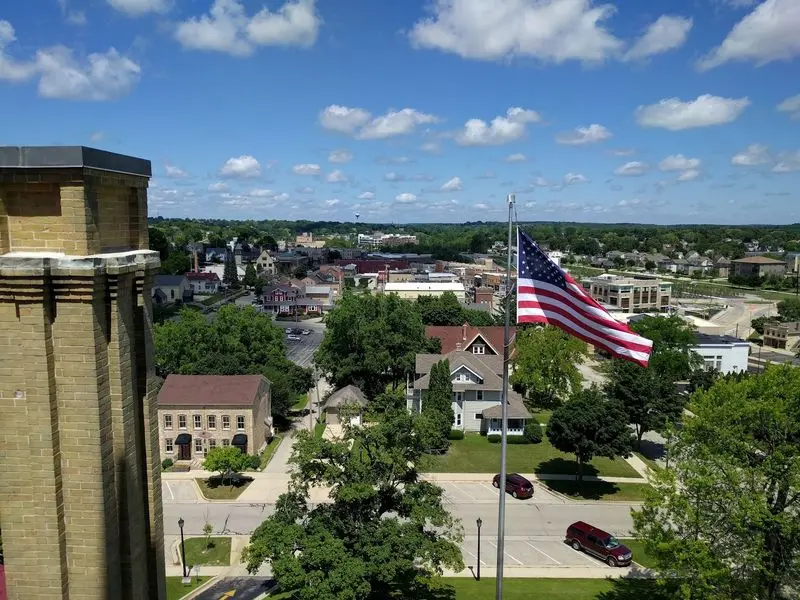
Art, river walks, and old-world roots meet in West Bend with more style than many first-time visitors expect.
This Washington County city grew with help from German immigrants who farmed, built businesses, founded churches, and shaped local civic life.
Downtown West Bend still has handsome brick buildings, independent shops, restaurants, and a comfortable Main Street rhythm.
The Milwaukee River adds a scenic thread through the community.
A strong visit should include the Museum of Wisconsin Art, which gives the city a cultural spark beyond heritage tourism.
Afterward, walk downtown for coffee, lunch, or window shopping.
Look for historic churches and older neighborhoods, where German family names and traditional building styles still appear.
West Bend also works well for outdoor travelers.
The Eisenbahn State Trail, nearby parks, and Washington County countryside offer easy ways to stretch your legs.
In warmer months, farmers markets and concerts can turn a short stop into a full afternoon.
For German-inspired flavor, time your trip with local festivals or seek out a classic Friday fish fry.
West Bend feels active and polished, yet it keeps enough heritage texture to make history feel present rather than packed away.
7. Grafton – Ozaukee County
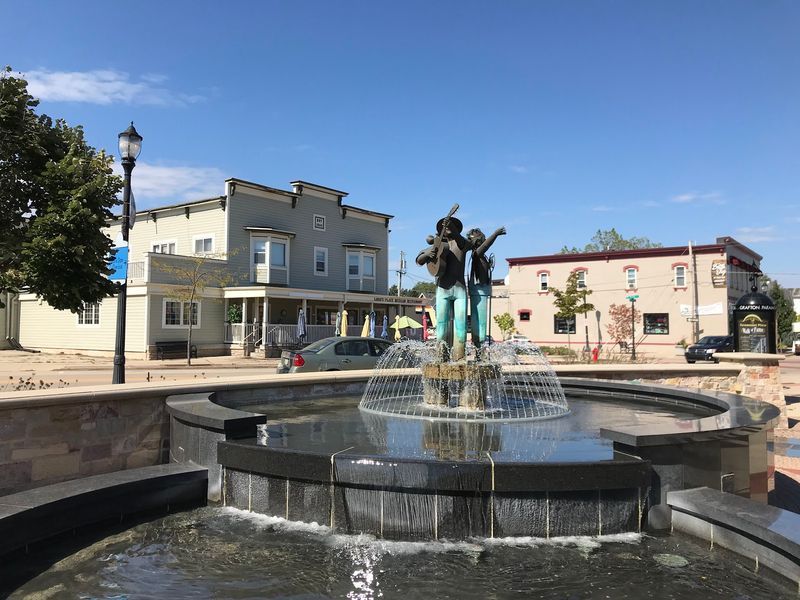
The Milwaukee River gives Grafton a gentle curve, and the town’s history follows it beautifully.
Located in Ozaukee County, Grafton developed with many German immigrant families who worked in milling, farming, trades, and small businesses.
The river powered early industry, while churches and community groups helped newcomers keep language, faith, and customs alive.
Today, the village blends suburban comfort with pockets of older character.
Start near downtown and the riverfront, where bridges, stonework, and historic buildings create a pleasant walking area.
Small restaurants and shops make it easy to turn the visit into a relaxed lunch stop.
Grafton is also close to Cedarburg, so heritage fans can pair both places in one day.
A fun local history angle involves Paramount Records, which operated in the area and helped record important blues artists.
That musical legacy gives Grafton another layer beyond its German-American roots.
Look for markers or local history resources if you enjoy unexpected stories.
For a balanced itinerary, mix downtown wandering with Lime Kiln Park or nearby Lake Michigan stops.
Grafton suits travelers who like hidden details, because its charm appears in layers: river history, immigrant memory, music, and everyday village life.
8. Luxemburg – Kewaunee County
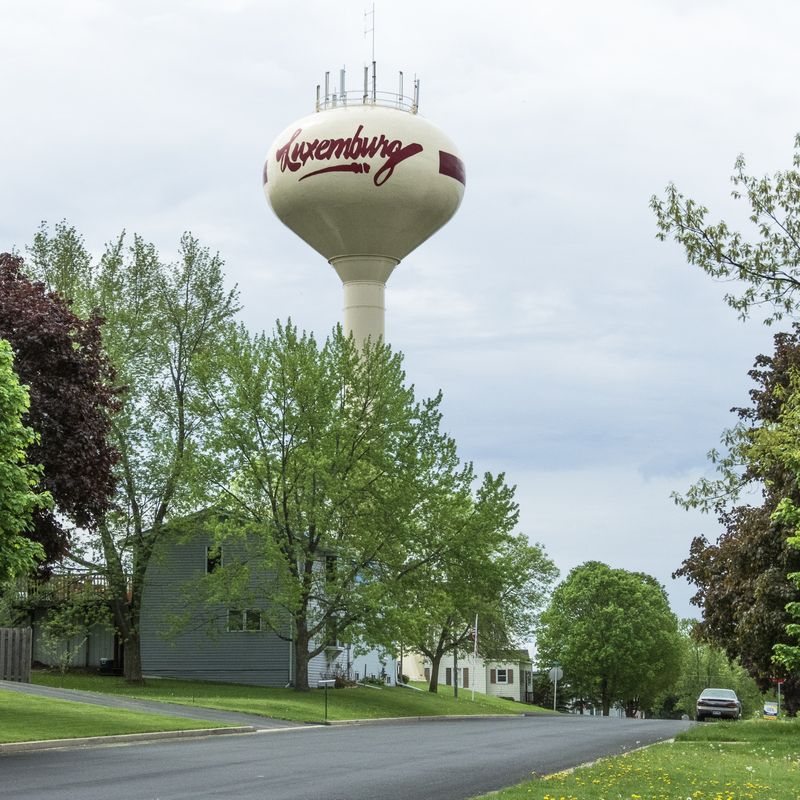
A name like Luxemburg instantly hints at Europe, and this Kewaunee County village wears that link with quiet pride.
While the area is strongly tied to Luxembourg and Belgian heritage, it also fits a broader German-speaking cultural route through Wisconsin.
Luxembourgish language and traditions share deep connections with the Germanic world, and early settlers brought farming skills, Catholic traditions, family recipes, and tight village networks.
The result is a rural community with a distinct old-world flavor.
Luxemburg sits in northeastern Wisconsin, not far from Green Bay and Lake Michigan farm country.
Visitors should expect a small-town pace, with local restaurants, church landmarks, community events, and surrounding fields forming the main experience.
It is a rewarding stop if you enjoy places that feel authentic rather than staged.
Check for summer festivals, parish events, or regional heritage celebrations before you go.
Those gatherings often reveal more about local culture than any single building can.
Nearby Kewaunee County also offers lake views, fishing spots, and scenic drives.
Come hungry and curious, because rural foodways matter here.
Luxemburg reminds travelers that Wisconsin’s German-inspired story includes neighboring European cultures too, especially in communities where language, faith, and farmland shaped daily life.
9. Watertown – Jefferson County
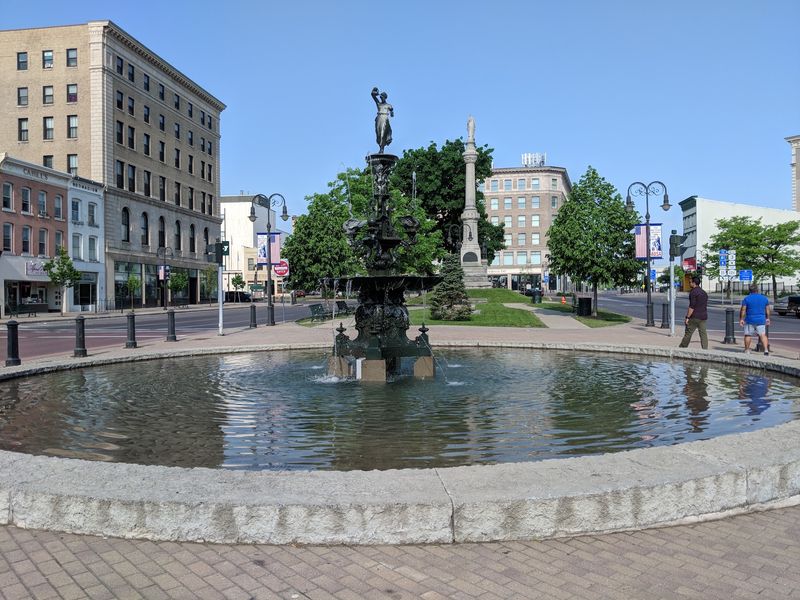
Watertown has the kind of brick-built confidence that tells you people planned to stay.
Set along the Rock River in Jefferson County, it became one of Wisconsin’s important German-American centers during the 1800s.
Immigrants built churches, schools, clubs, stores, and newspapers, helping make German language and culture a major part of local life.
The city’s historic architecture still gives visitors plenty to admire.
Begin downtown, where older commercial buildings and river views make a pleasant walking route.
History lovers should look into the Octagon House Museum, a unique local landmark connected to the city’s 19th-century story.
Churches and cemeteries also reveal the depth of German settlement here.
Watertown is practical for a day trip from Madison or Milwaukee, since it sits between both metro areas.
Plan time for coffee, lunch, and a slow drive through older neighborhoods.
If you like festivals, check the calendar for community events with music, food, or cultural programming.
The city does not need costume-style Bavarian scenery to feel meaningful.
Its German influence shows through institutions, family histories, and civic pride.
Watertown offers a fuller picture of immigrant life, from work and worship to education and public service.
10. Elkhart Lake – Sheboygan County
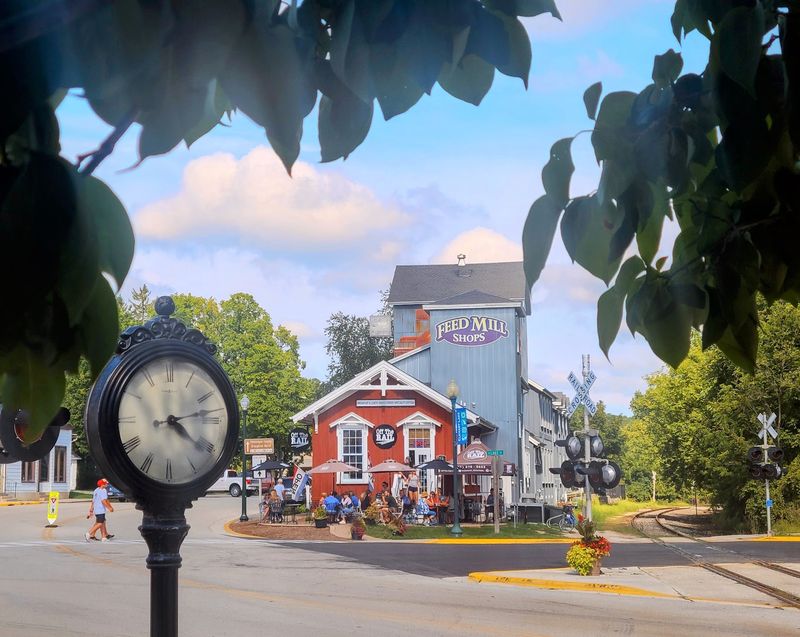
Blue water, resort porches, and racing history make Elkhart Lake feel like a vacation postcard with extra personality.
This Sheboygan County village is best known for its clear lake, historic resorts, and nearby Road America, but German and European influences also shaped the region around it.
Settlers in the surrounding county brought dairy farming, sausage making, beer culture, church traditions, and a love of social halls.
That background still flavors local hospitality.
Walk the village center, enjoy the lakefront, and leave time for a meal at a classic resort restaurant or tavern.
The atmosphere is polished but friendly, especially in summer when boats, bikes, and patio tables fill the scene.
For a quieter trip, visit in fall when the trees brighten and crowds thin.
Road America adds a totally different thrill, with major race weekends drawing fans from across the country.
Even non-racing visitors can appreciate how the track gives the village energy.
Balance that excitement with a swim, spa stop, or lakeside sunset.
Elkhart Lake pairs perfectly with Plymouth because the drive is short and scenic.
Together, they show two sides of Sheboygan County: relaxed resort beauty and hearty German-influenced food country.