Slow down, because Wisconsin’s trails have a wild side that’s easy to miss.
A quick hike might get your steps in, but a slower walk can reveal white-tailed deer slipping between trees, turtles warming themselves on logs, and songbirds flashing through the branches. The best sightings often happen when you stop chasing the trail and start watching it.
Wisconsin has plenty of paths where wildlife is part of the experience.
Wetlands echo with bird calls, forests rustle with hidden movement, and quiet shorelines can surprise you with creatures you never expected to see.
These eleven trails reward patience. Bring binoculars, keep your footsteps gentle, and leave room for the unexpected.
You might cover fewer miles, but you could come home with a wildlife story you’ll remember far longer than the walk itself.
Horicon Marsh Wildlife Area Trails – Horicon
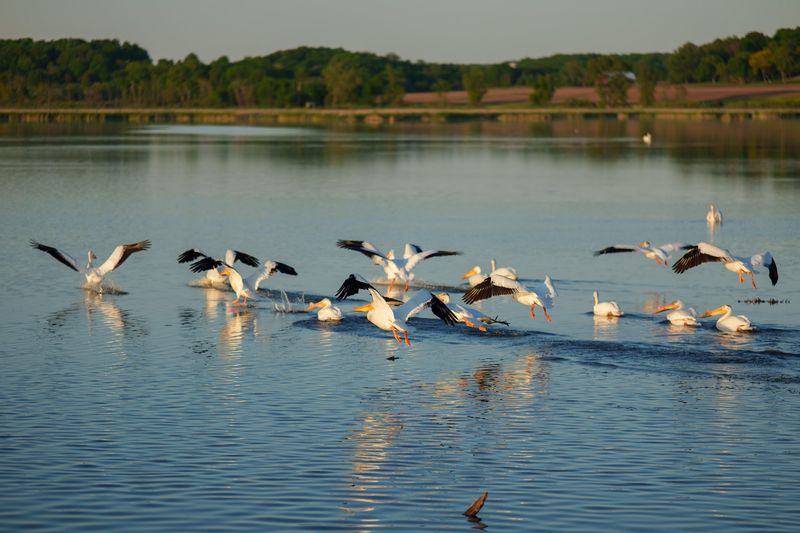
More than five miles of hiking trails cut through wetlands, woodlands, and grasslands at Horicon Marsh, making it one of the best spots in Wisconsin for watching wildlife without rushing. The terrain changes constantly as you walk, giving different animals their own preferred zones.
Goose Pond and the boardwalk sections are where most visitors slow down completely. Turtles climb onto logs to warm themselves in the sun.
Marsh birds call from deep in the reeds. Waterfowl paddle through open water while you stand just feet away on the stable wooden walkway.
Spring and fall migration seasons transform the marsh into an even busier place. Thousands of birds stop here to rest and feed during their long journeys.
Patient walkers who visit during these windows often see species they’d never encounter during summer months, rewarding their slow pace with memorable sightings.
Hay Creek Trail & Boardwalk – Crex Meadows Wildlife Area, Grantsburg
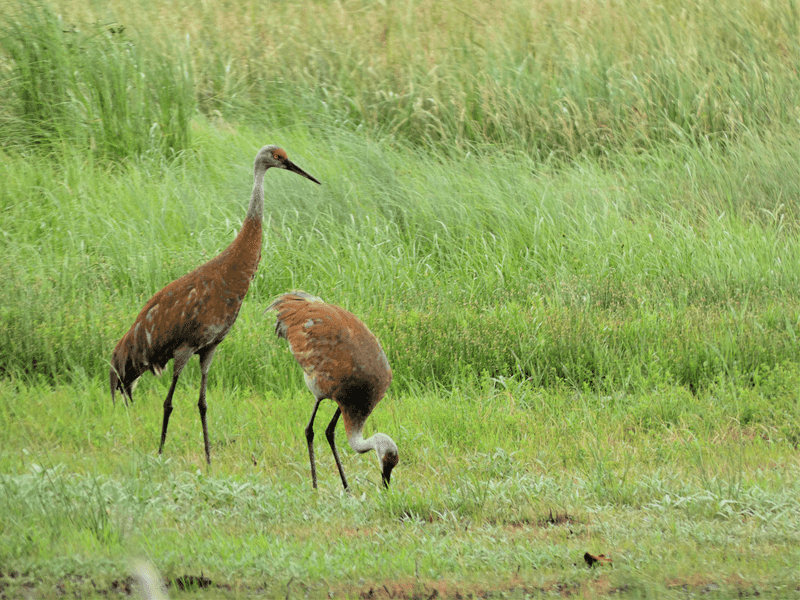
Crex Meadows sprawls across thousands of acres in northwest Wisconsin, creating habitat so diverse that wildlife watchers never know what they’ll find next. The two-mile Hay Creek Trail system brings hikers right into the heart of it all, where wetlands meet brush prairies and forests blend into open sky.
What makes this trail special is the boardwalk section. Instead of just hiking past the marsh, you can stop directly above it and scan the landscape at eye level with the birds.
The structure keeps your feet dry while giving you a stable platform for binoculars or cameras.
Crex earned recognition as an Important Bird Area for good reason. The mix of habitats attracts an incredible range of species throughout the year.
Birders come from across Wisconsin specifically to walk this trail slowly, knowing that rushing through would mean missing half the show happening in the reeds and grasses below.
Meadow Trail – Copper Falls State Park, Mellen
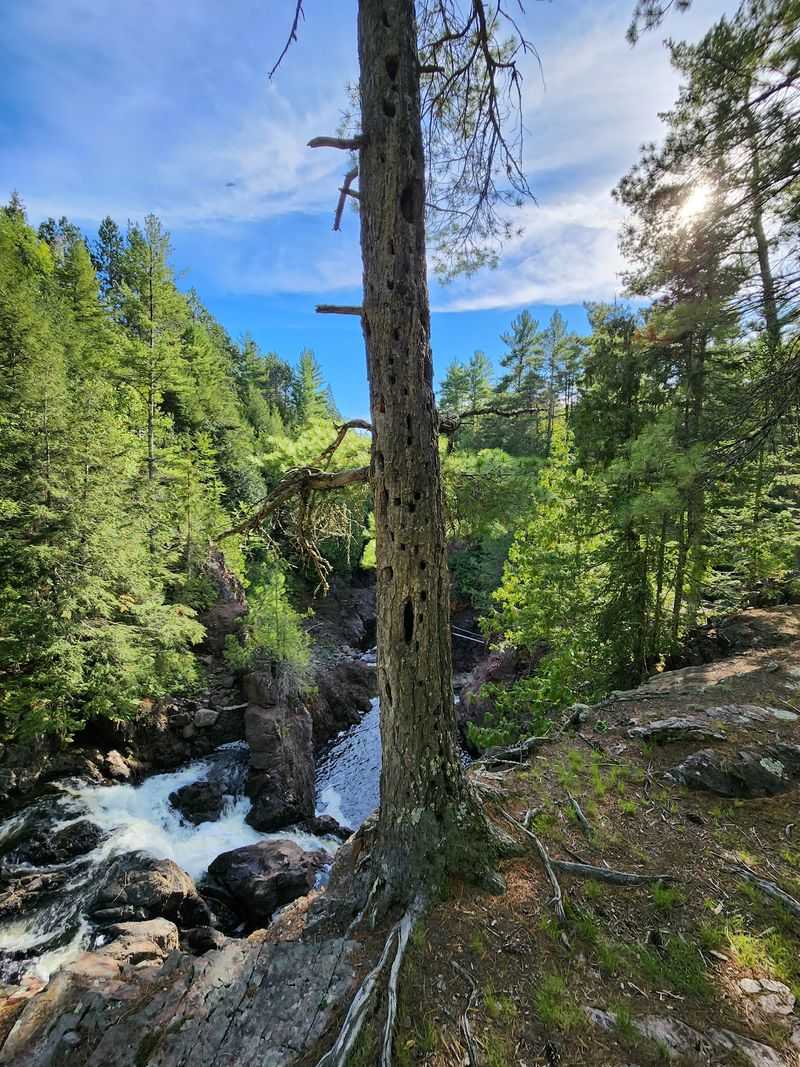
Copper Falls State Park draws most visitors to its dramatic waterfalls and red rock gorges, but the 1.5-mile Meadow Trail offers something quieter. This gentle loop follows the edge of a recovering forest where trees are growing back and wildlife is returning in numbers that surprise patient walkers.
Wisconsin DNR specifically notes this trail for wildlife viewing opportunities. The forest edge creates what biologists call an ecotone, a transition zone where two habitats meet.
These borders attract more wildlife than deep forest or open meadow alone would support.
White-tailed deer browse along the tree line, especially during early morning and late afternoon. Songbirds flit between meadow flowers and forest branches.
Butterflies cluster on wildflowers during summer months. The trail’s easy terrain means you can watch the forest edge without needing to focus on difficult footing, making it perfect for beginners who want to practice wildlife observation skills at their own comfortable pace.
Wetland Boardwalk Trail – Lake Kegonsa State Park, Stoughton
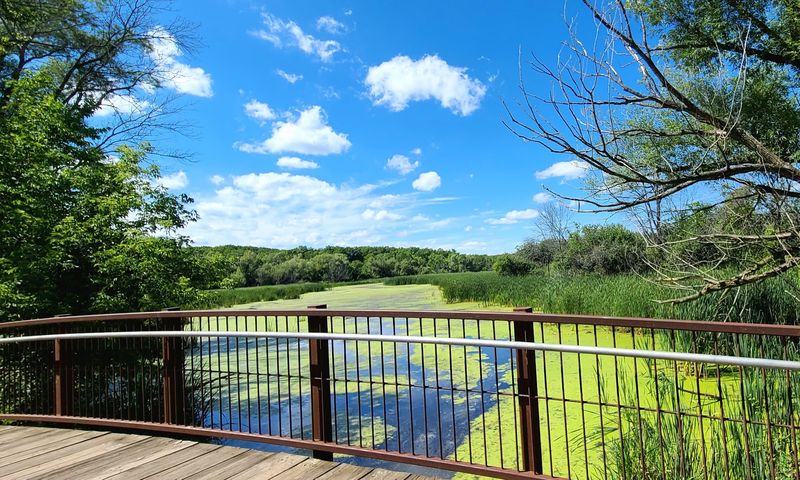
At just one-tenth of a mile, this might be Wisconsin’s shortest dedicated wildlife trail. But what it lacks in distance, it makes up for in purpose.
The entire trail exists to get you to one specific spot: a viewing platform overlooking Lake Kegonsa’s wetlands.
Sometimes the best wildlife watching happens when you stop moving entirely. The platform lets you stand still and scan the lake’s edge where wetlands meet open water.
Geese and ducks gather here because the shallow water provides food and shelter. Other waterfowl stop during migration, treating the area like a natural rest stop.
Because the walk is so short, nobody feels rushed to turn around and head back. Families with small children can reach the platform easily.
People with mobility challenges appreciate the accessible design. Everyone gets the same reward: a quiet spot where the wildlife comes to you instead of making you chase it through miles of trail.
Spruce Lake Bog Trail – Kettle Moraine State Forest Northern Unit, Dundee
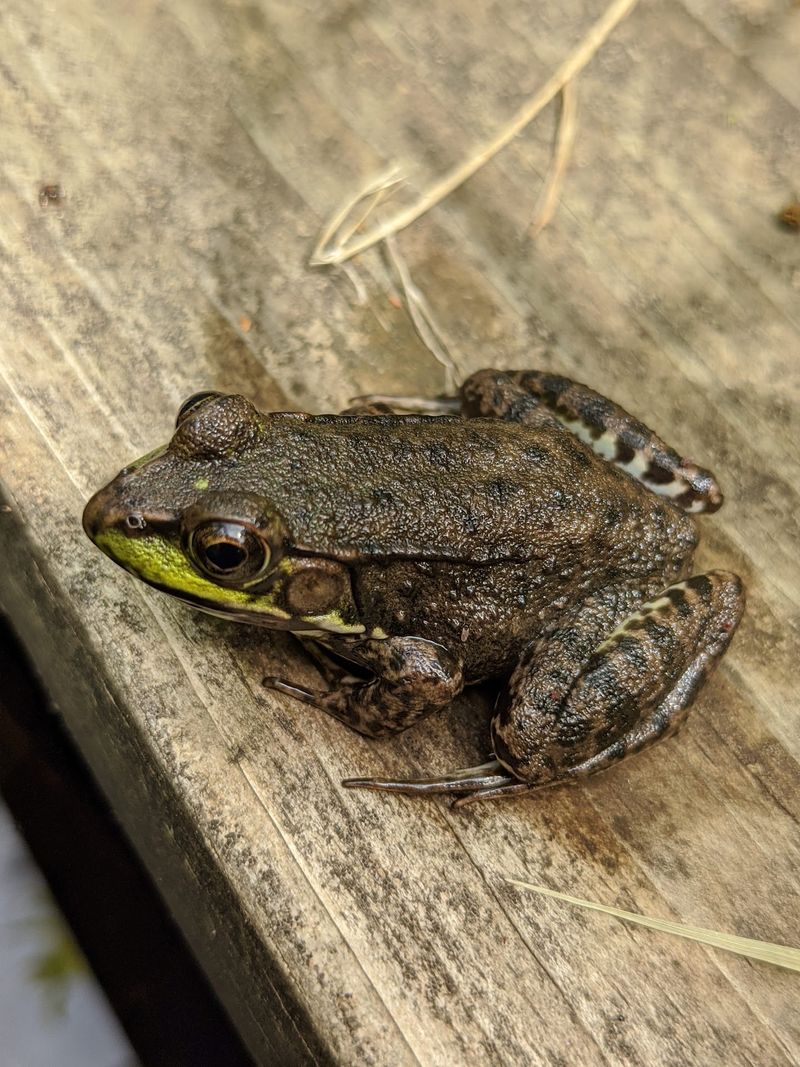
Bogs feel like stepping into a completely different world. Spruce Lake Bog Trail uses a short boardwalk to protect the fragile ecosystem while letting visitors experience it up close.
The trail earned designation as both a Wisconsin Wildlife Viewing Area and part of the national Watchable Wildlife program.
Staying on the boardwalk isn’t just suggested, it’s required. The bog’s delicate plants and specialized habitat can’t handle foot traffic.
This restriction actually enhances the wildlife watching experience because it forces everyone to move slowly and stay in one controlled path.
The ecosystem here differs drastically from the surrounding Kettle Moraine forest. Plants that thrive in bogs can’t survive anywhere else.
Animals adapted to wetland life find shelter in the thick vegetation. The boardwalk’s narrow path means you’ll pass close to micro-habitats that change every few feet, giving observant walkers constant new discoveries if they resist the urge to rush toward the end of the trail.
Ice Age National Scenic Trail – Chippewa Moraine State Recreation Area
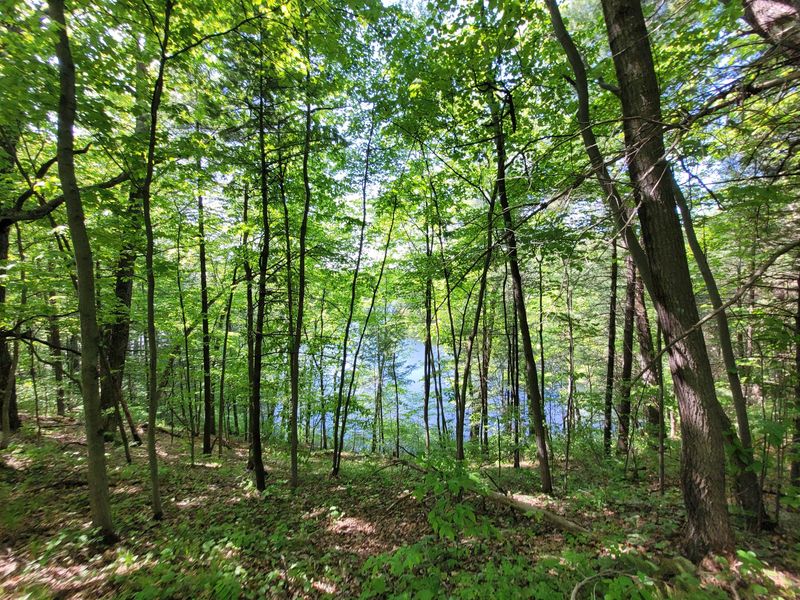
The Ice Age Trail stretches more than 1,200 miles across Wisconsin, but the Chippewa Moraine section stands out for wildlife watchers. Glaciers shaped this landscape thousands of years ago, leaving behind a complex mix of kettles, kames, and moraines that created diverse habitats in a relatively small area.
Lakes nestle between forested hills. Wetlands fill low spots between ridges.
The varied terrain means different species occupy different zones, sometimes separated by just a few hundred feet of trail. Trail managers specifically promote this section for wildlife viewing and bird-watching.
The scenic overlooks along this route tempt hikers to rush from one viewpoint to the next. Resist that urge.
The wildlife lives in the spaces between those dramatic vistas. A patient walker scanning the forest edge or pausing beside a quiet wetland often sees more than someone racing to check off viewpoints.
The glaciers took thousands of years to create this landscape, so taking a few extra minutes to appreciate what lives here now seems only fair.
Hemlock Nature Trail – Wildcat Mountain State Park, Ontario
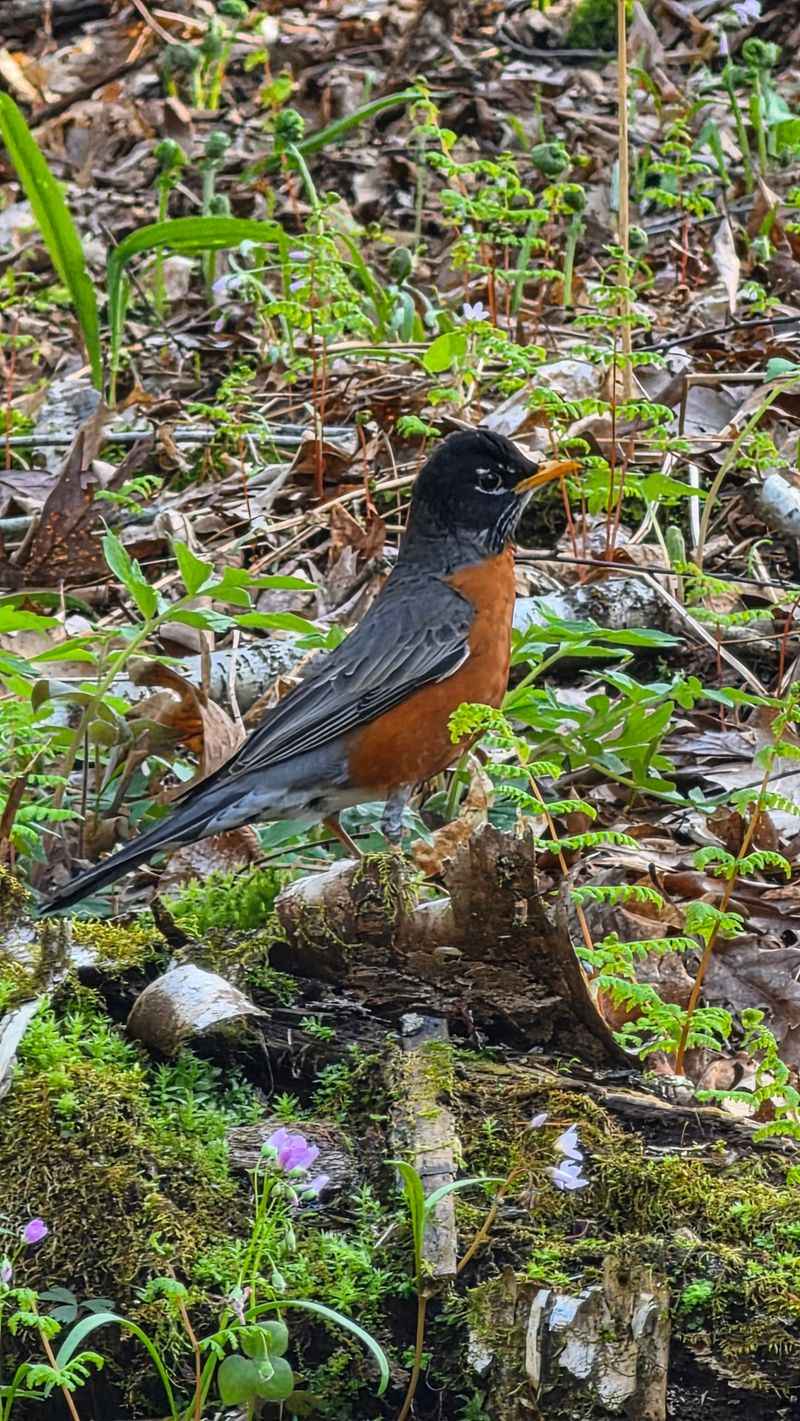
Wildcat Mountain earned its name from the rugged terrain of Wisconsin’s Driftless Area, where the land escaped glaciation and kept its ancient river valleys and sandstone bluffs. The 1.3-mile Hemlock Nature Trail follows the Kickapoo River before climbing toward Mount Pisgah through this dramatic landscape.
Interpretive markers appear along the trail, highlighting the valley’s natural life and geological features. These signs give wildlife watchers clues about what to look for in different habitat zones.
The combination of river, cliffs, forest, and elevation changes packs remarkable diversity into a short walk.
River corridors attract different wildlife than upland forests do. Animals come to drink.
Birds hunt insects near the water. The cliffs provide nesting sites and sun-warmed rocks for basking.
As you climb away from the river, the forest composition changes and different species appear. The trail’s modest length means you can walk it slowly without committing to an exhausting day hike, making it perfect for wildlife watching at a relaxed pace.
Fern/Europe Bay Trail – Newport State Park, Ellison Bay
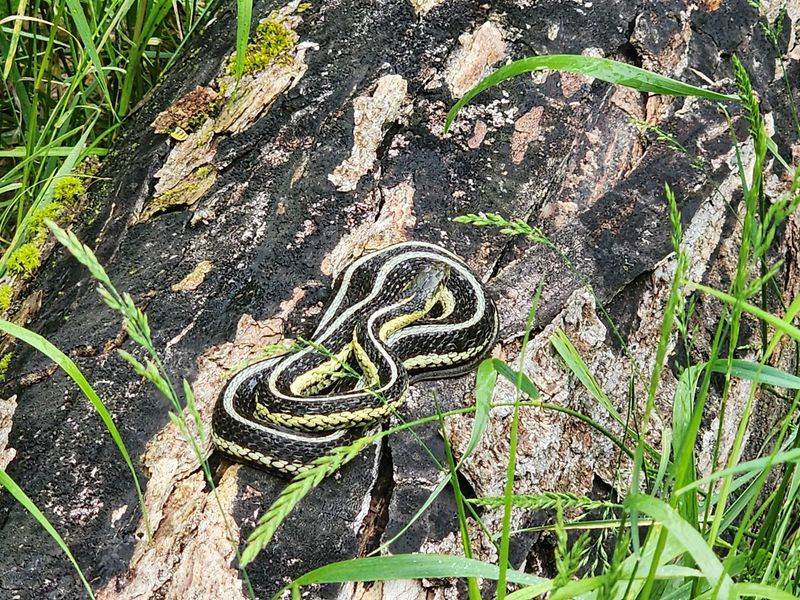
Newport State Park sits at the tip of Door County, where Lake Michigan shapes the weather and the landscape. The 1.2-mile Fern/Europe Bay Trail loops through woodland and a wetland fern grotto that feels almost prehistoric when morning mist hangs in the air.
Benches appear at thoughtful intervals along the trail. Interpretive signs encourage visitors to pause and observe rather than march straight through.
The relatively flat, wide trail makes it approachable for people who prefer easier routes or who want to focus on wildlife rather than challenging terrain.
The fern grotto section creates a microclimate where moisture-loving plants thrive in the shade of larger trees. This habitat supports different insects, amphibians, and birds than the drier woodland areas nearby.
Taking your time through each zone reveals how dramatically the wildlife community can shift within just a few hundred feet. The benches give your legs a rest while your eyes do the work of scanning the forest floor and canopy for movement.
Discovery Trail – Horicon National Wildlife Refuge
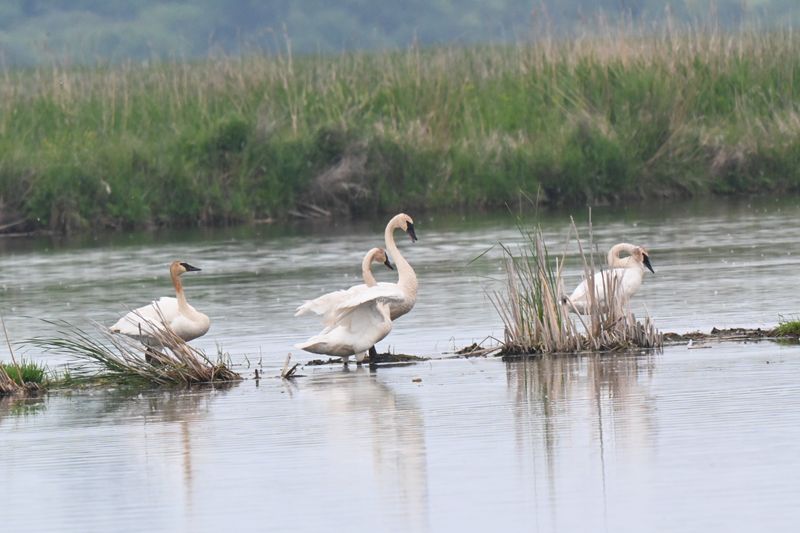
Two miles might not sound like much, but the Discovery Trail packs impressive variety into that distance. Crushed gravel gives way to mowed grass, then boardwalk, then back to gravel as the trail passes through marsh, prairie, and transitional habitats that each support their own wildlife communities.
The trail meets ADA compliance standards, making it accessible to wheelchairs and people with mobility challenges. This inclusive design means more people can experience the refuge at whatever pace works best for them.
Nobody needs to rush to prove they can handle difficult terrain.
The boardwalk sections deserve special attention from wildlife watchers. They extend over marsh habitat where stopping to scan the surroundings won’t block other trail users or damage sensitive plants.
Birds nest in the marsh grasses. Turtles sun themselves on partially submerged logs.
The refuge was established specifically to protect wildlife, so the animals here are accustomed to quiet human observers. Patience pays off better than speed on trails designed with wildlife as the main attraction.
Mainland Trail – Apostle Islands National Lakeshore, Bayfield
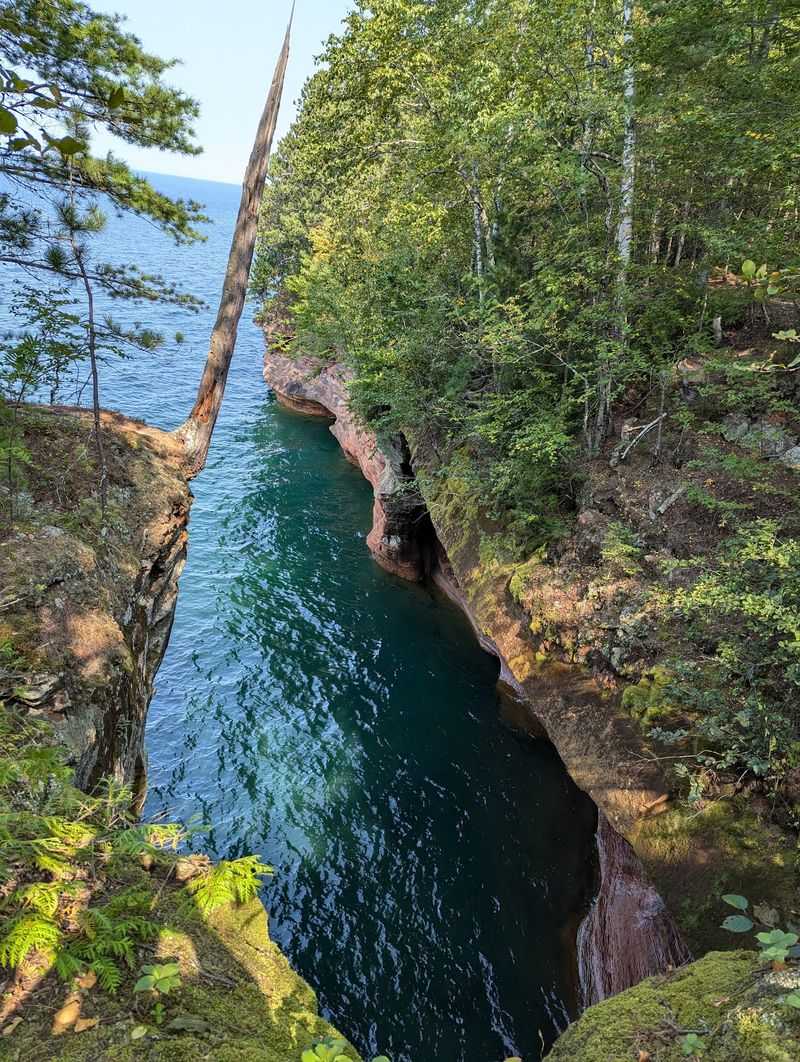
The Apostle Islands are famous for sea kayaking and island camping, but the mainland unit near Meyers Beach offers exceptional hiking through mixed hardwood forest toward Lake Superior overlooks. The trail winds through changing forest types before reaching dramatic views of the lake and the famous sea caves carved into red sandstone cliffs.
Forest composition shifts as you walk, creating different habitat niches. Some stretches favor species that prefer dense canopy cover.
Other sections support animals that thrive in more open understory conditions. The shoreline areas host yet another set of species adapted to life near the cold waters of Lake Superior.
The dramatic scenery along this trail gives you built-in excuses to stop even when wildlife isn’t immediately visible. While you’re paused to admire a cliff face or watch waves crash against rocks, your peripheral vision might catch movement in the trees.
Patient hikers who stop frequently for the views often spot more wildlife than people focused solely on animal sightings, proving that slow walking benefits from multiple motivations.
Wild Goose State Trail – Horicon Marsh Area
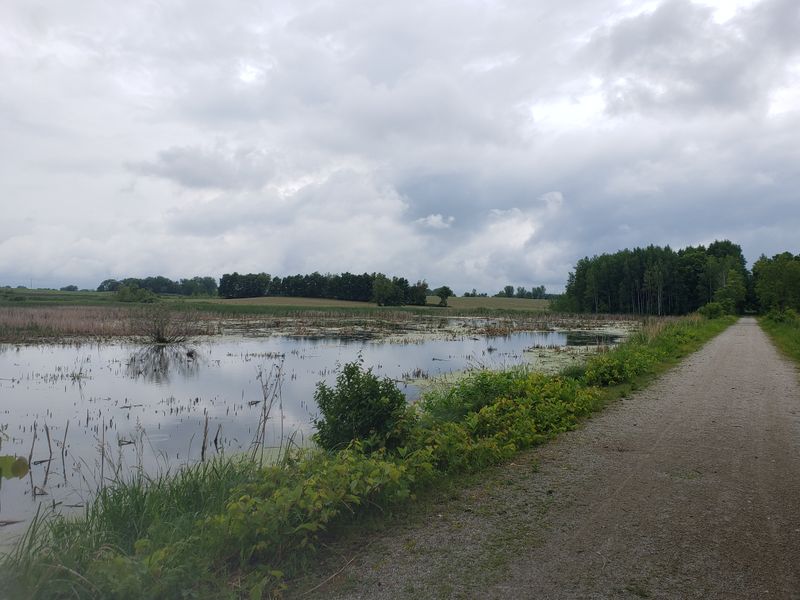
Rail trails typically emphasize distance over destination, and the Wild Goose State Trail delivers 34 miles of it. But what makes this converted railroad bed special for wildlife watchers is its route along Horicon Marsh’s western edge, giving you an unusually long opportunity to explore one of Wisconsin’s most important wetland environments.
The trail skirts the marsh rather than cutting through developed areas or deep forest. This positioning keeps you close to prime wildlife habitat for miles at a stretch.
Birders particularly appreciate the long, flat route because it lets them stop repeatedly to scan the marsh without worrying about difficult terrain or getting lost on connecting trails.
A 34-mile trail might seem like it encourages fast walking or cycling to cover ground quickly. But wildlife watchers use it differently, picking a section and walking slowly for an hour or two before turning back.
The marsh’s edge habitat changes gradually rather than dramatically, so patient observers who stop frequently to listen and watch often encounter more species than people who treat the trail like a fitness challenge to complete.