
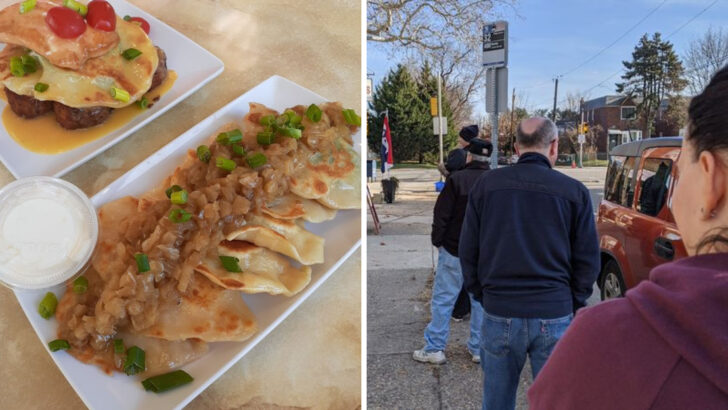
Tucked inside a lively food hall in Ambler, Pennsylvania, The Pierogie Kitchen has built an impressive reputation with a surprisingly small footprint.
What started as a Philadelphia favorite has grown into a beloved suburban destination, drawing pierogi lovers from across the region.
Every dumpling is handmade using a generations-old family recipe, making each visit feel like a warm, home-cooked experience.
If you have never tried a hand-pinched pierogi made with real care and tradition, this little spot is absolutely worth the trip.
A Tiny Spot With a Big Reputation
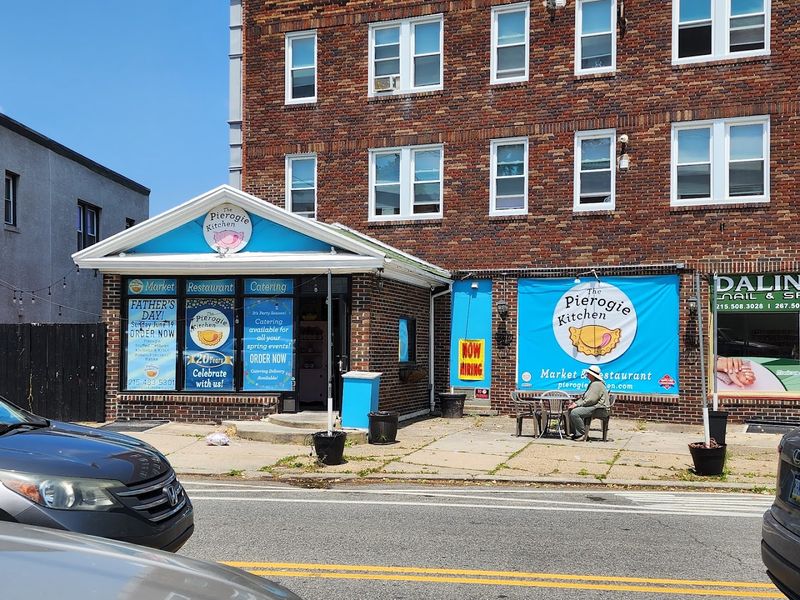
You would never guess that one of the Philadelphia suburbs most talked-about food destinations fits inside a compact market stall. The Pierogie Kitchen in Ambler, Pennsylvania, proves that great food does not need a grand space to make a lasting impression.
Its small footprint has become part of the charm, drawing curious first-timers and loyal regulars alike.
The limited seating creates an atmosphere that feels personal and community-driven rather than commercial. Customers chat with staff, neighbors catch up over plates of steaming pierogies, and the energy stays warm and welcoming no matter how busy things get.
That intimate vibe is something a larger restaurant simply cannot replicate.
Word of mouth has been the engine behind its growth. Fans across Montgomery County and the broader Philadelphia suburbs have spread the story of this unassuming gem, turning it into a must-visit spot.
Whether you are stopping in for a quick lunch or planning a dedicated food outing, the experience feels special every single time. Small size, enormous heart.
A Family Recipe Passed Through Generations
Some of the best recipes in the world never appear in cookbooks. They live in the hands and memories of family members who learned by watching, doing, and tasting.
That is exactly how the heart of The Pierogie Kitchen came to be, rooted in a grandmother’s Eastern European kitchen where tradition was the main ingredient.
The recipe behind every pierogi follows a meticulous 16-step process that has been carefully preserved across generations. Nothing has been cut short or modernized for convenience.
Each step exists for a reason, and the result is a dumpling that tastes unmistakably authentic, carrying the kind of depth that only time-honored technique can produce.
There is something genuinely moving about eating food that carries that kind of history. When you bite into one of these pierogies, you are tasting a tradition that survived emigration, adaptation, and decades of change.
Knowing that a grandmother’s careful work lives on in every batch adds a layer of meaning that goes far beyond flavor. Food like this connects people to something bigger than a single meal.
That connection is what keeps customers coming back, visit after visit.
Handmade Pierogies, Every Single One
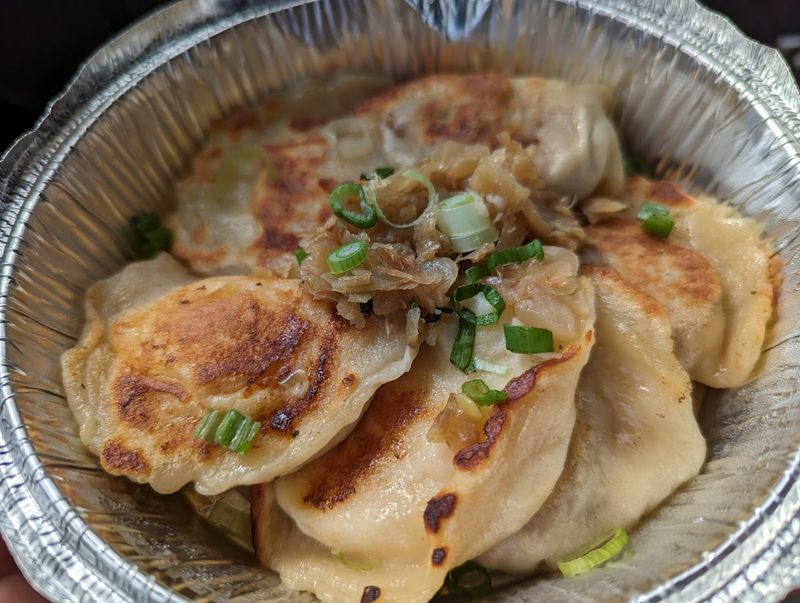
There is a satisfying honesty to food that is made entirely by hand. No conveyor belts, no frozen shortcuts, no mass-production tricks.
At The Pierogie Kitchen, every single pierogi is hand-pinched daily using fresh ingredients, and that labor-intensive commitment shows up clearly in the final product.
The dough is notably thin and delicate, which is harder to achieve than it sounds. Getting that texture right requires skill and consistency, especially when you are producing enough pierogies to serve a steady stream of hungry customers throughout the week.
The team here has clearly mastered the craft through repetition and dedication.
Hand-making food at this scale is genuinely demanding work. It means early mornings, careful prep, and an unwillingness to compromise even when the easier path is available.
For customers, that effort translates directly into a noticeably better eating experience. The dough has a satisfying chew without being heavy, and the fillings stay contained and flavorful.
Compared to the grocery store versions most people grew up eating, these pierogies feel like a completely different food altogether. Once you try them, going back to the packaged kind becomes very difficult.
More Than 30 Creative Varieties
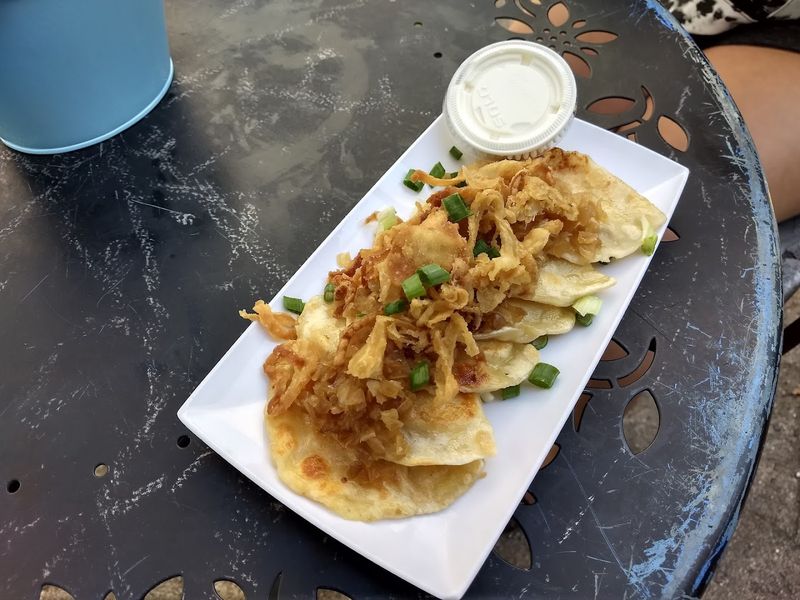
Thirty-plus flavors might sound like overkill until you actually start reading the menu. The Pierogie Kitchen has built an impressive lineup that stretches from comforting classics to genuinely inventive combinations, giving every type of eater something exciting to try.
Choosing just one or two is honestly the hardest part of the visit.
Classic options like potato and cheese or sauerkraut and mushroom are always available and always reliable. But the creative varieties are where things get really fun.
Inspired by regional tastes and seasonal ingredients, these newer flavors show that traditional Polish cuisine has plenty of room to grow and surprise.
For regular customers, the rotating and expanded menu is a built-in reason to return. You might come back for your usual order and end up discovering a new favorite that completely shifts your expectations.
That sense of discovery keeps the experience fresh even after multiple visits. Food menus this thoughtfully designed are rare, especially at a spot this size.
It takes real creativity and kitchen confidence to pull off 30-plus varieties without any of them feeling like filler. Every option on this menu earns its place.
Classic Comfort Meets Modern Twists
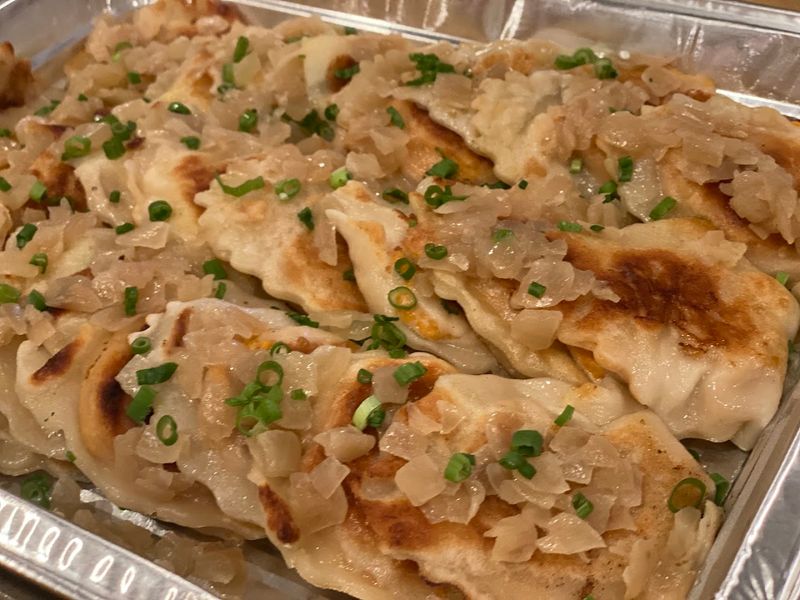
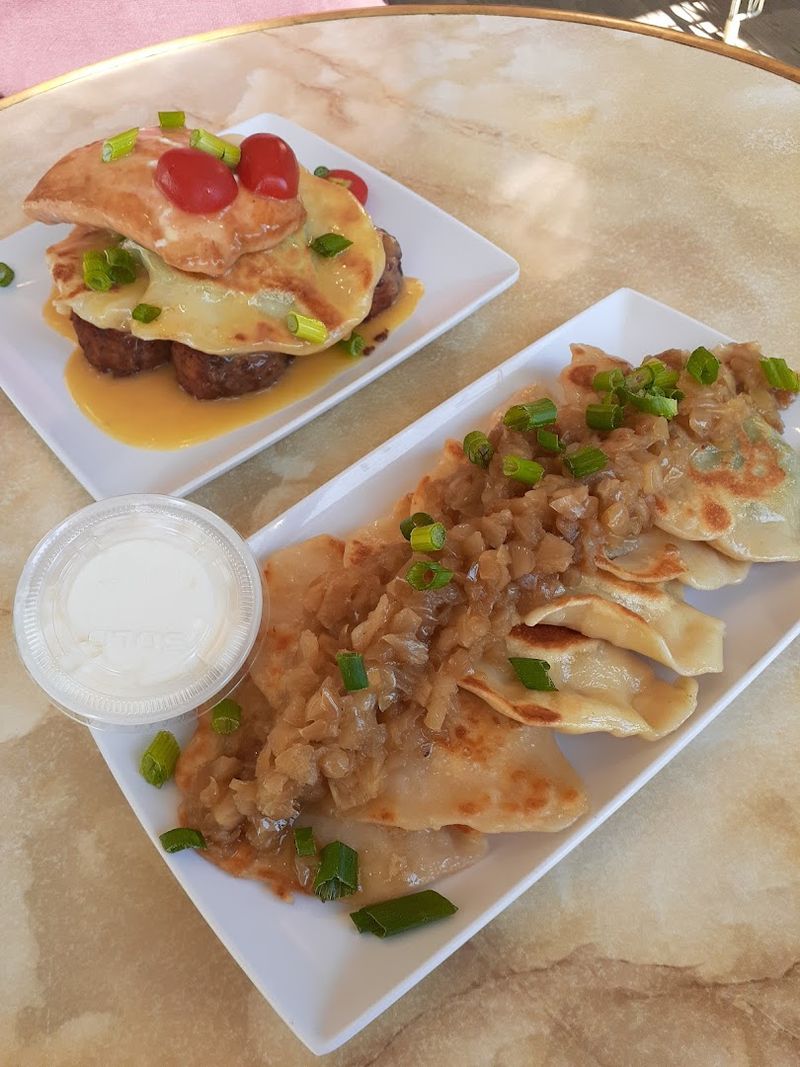
Old-world cooking and modern flavor trends do not always get along, but The Pierogie Kitchen has found a way to bridge that gap with impressive results. Traditional fillings like sauerkraut and caramelized onion share menu space with bold creations inspired by Philly food culture, and somehow it all feels cohesive rather than confused.
Think of it as a culinary conversation between generations. The classic flavors honor the Eastern European roots of the dish, while the modern twists acknowledge that food evolves alongside the people who eat it.
Neither side overshadows the other, which takes real culinary balance to achieve.
For customers, this blend offers the best of both worlds. Nostalgic eaters can stick to what they know and love, while adventurous food fans get to experiment with combinations they have never encountered before.
It is a smart approach that broadens the restaurant’s appeal without alienating its core audience. The Philly-inspired flavors in particular feel like a genuine tribute to the city’s food identity, not just a marketing gimmick.
When local culture shows up authentically in a dish, the result is something worth celebrating.
A Full Eastern European Comfort Food Menu
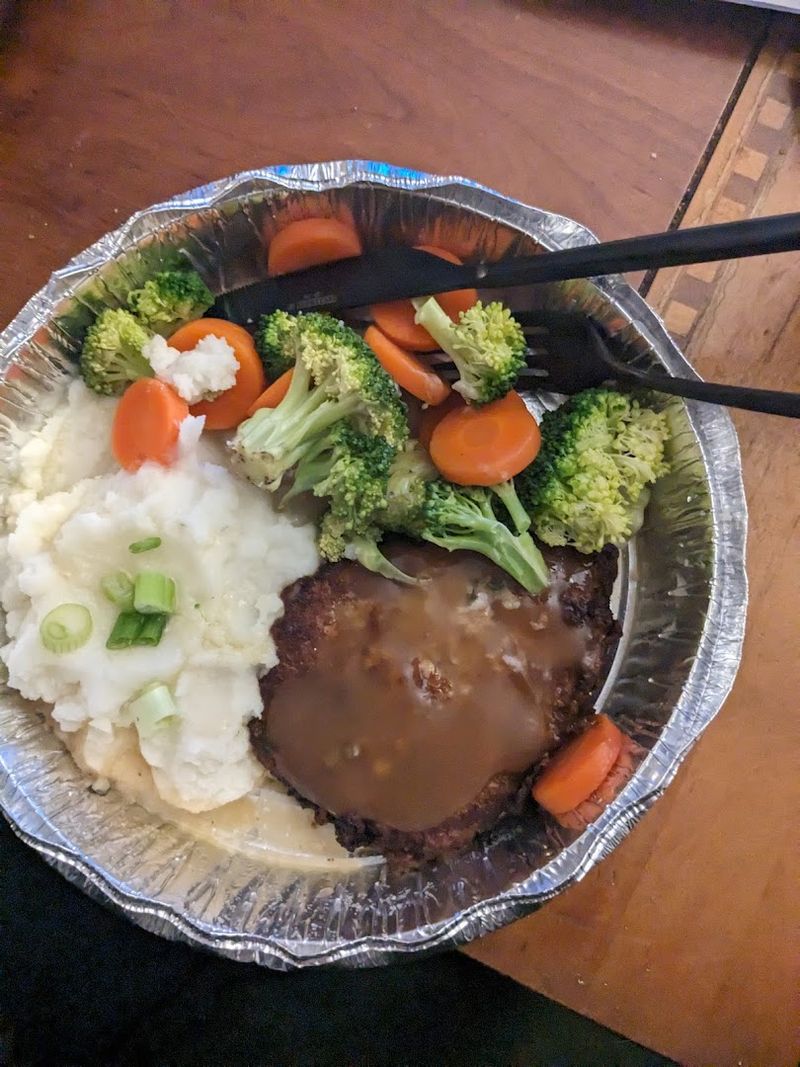
Pierogies get most of the attention, and rightfully so, but The Pierogie Kitchen offers a much broader menu that turns a simple lunch stop into a genuine cultural food experience. Stuffed cabbage, kielbasa, haluski, hearty soups, and babka round out a lineup that reads like a greatest-hits list of Eastern European comfort cooking.
Each of these dishes carries its own history and its own devoted fan base. Haluski, for example, is a simple but deeply satisfying combination of buttered noodles and cabbage that has been a staple in Polish and Slovak communities for generations.
Stuffed cabbage brings together savory meat and rice wrapped in tender leaves, slow-cooked to perfection.
Having these dishes available alongside the pierogies makes the menu feel complete rather than one-dimensional. Families and groups with different preferences can all find something they love, which is a real advantage for a spot this size.
The babka alone is worth a separate mention, as a good Eastern European sweet bread is genuinely hard to find outside of specialty bakeries. This kitchen delivers the full experience, not just the headline item.
That generosity of offering is part of what makes it so special.
From Philly Staple to Ambler Favorite
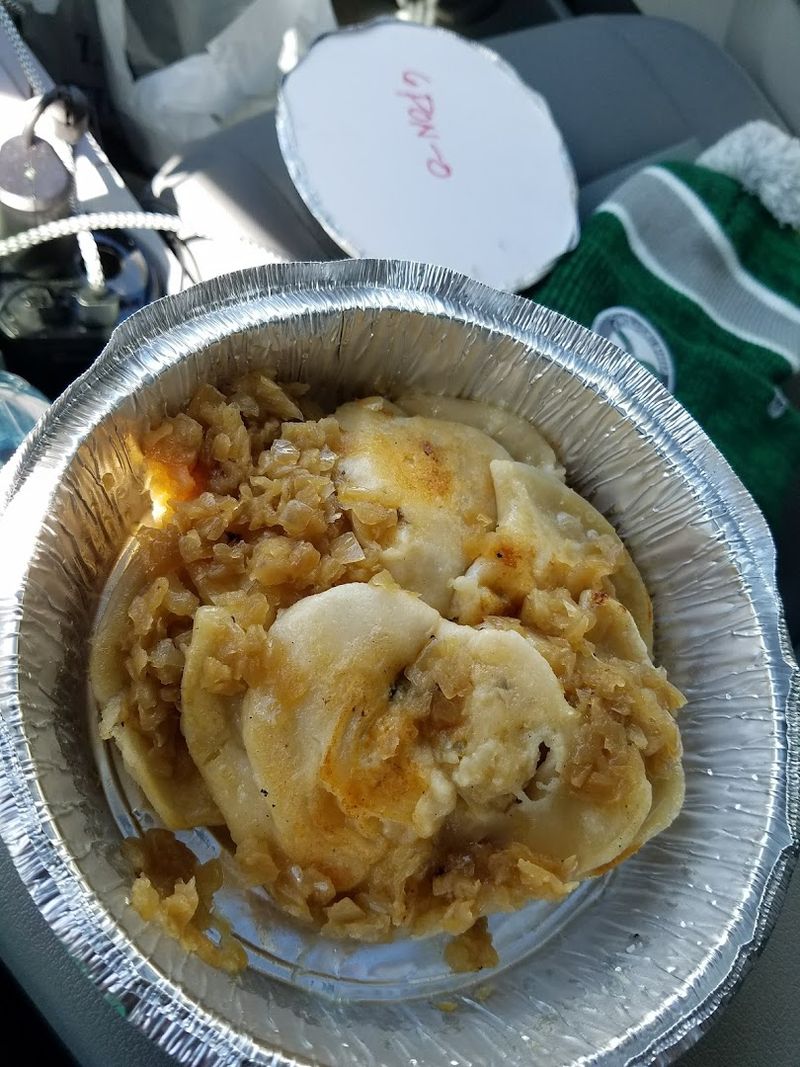
Every great local institution has an origin story, and The Pierogie Kitchen’s begins in Philadelphia. The business established its identity and built a devoted following in the city before making the move that would introduce its handcrafted pierogies to a whole new community in Montgomery County.
Expanding to Ambler’s Ridge Hall was not just a change of address. It was an opportunity to plant roots in a community that has a strong appreciation for independent food businesses and authentic culinary traditions.
Ambler has quietly developed a reputation as a destination for food lovers, and The Pierogie Kitchen fits naturally into that identity.
Bringing a cult following from one city to a neighboring suburb is not always a smooth transition. Some businesses lose their edge when they move.
But The Pierogie Kitchen maintained everything that made it special, keeping the handcrafted process and family recipes fully intact through the transition. The Ambler community responded warmly, and the spot quickly became a local favorite in its new home.
That kind of successful transplant speaks to the genuine quality of the product. Good food finds its audience wherever it goes.
A Food Hall Setting With Limited Seating
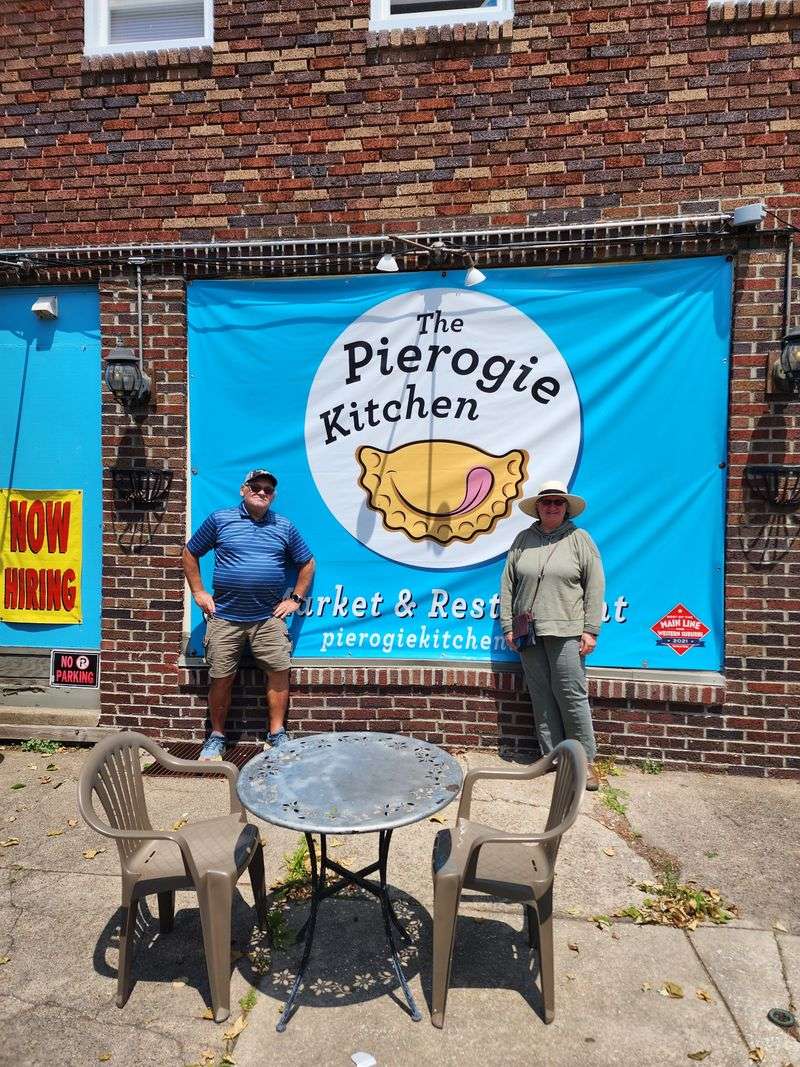
Food halls have become one of the most exciting dining formats in recent years, and Ridge Hall in Ambler is a great example of why. The Pierogie Kitchen operates within this shared space, benefiting from the energy and foot traffic that a multi-vendor food hall naturally generates.
The setting feels lively and social without being overwhelming.
Seating is communal and somewhat limited, which reinforces the grab-and-go appeal that many customers actually prefer. Not every great meal needs a dedicated table and a long sit-down.
Sometimes the best food experiences are quick, casual, and eaten while still warm from the kitchen.
The food hall environment also encourages exploration. Customers can grab pierogies from one vendor and explore other offerings in the same space, turning a single visit into a broader culinary adventure.
For the Pierogie Kitchen, being part of that ecosystem means exposure to new customers who might wander over out of curiosity and end up becoming regulars. The limited seating is something to plan around, especially during peak hours, but it rarely diminishes the experience.
Arriving with a flexible mindset makes the whole visit more enjoyable and stress-free.
A Local Favorite With Regional Recognition
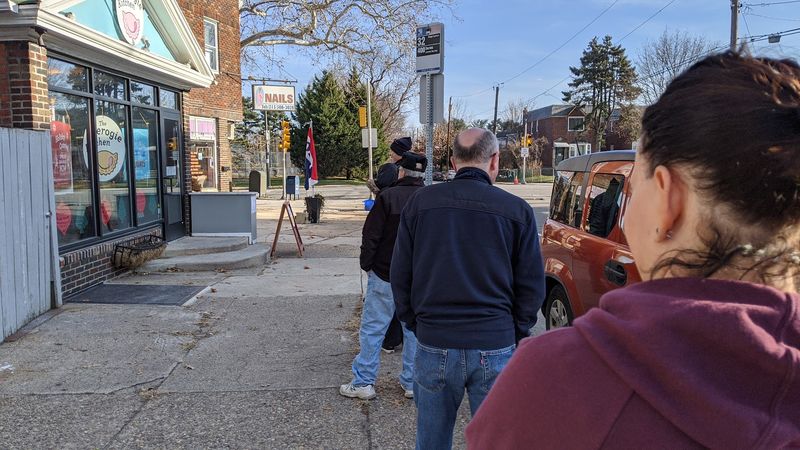
Earning a loyal local following is one thing. Earning regional recognition on top of that is something else entirely, and The Pierogie Kitchen has managed both.
Over the years, the shop has collected awards and media attention that have helped cement its status as one of the most respected pierogi destinations in the greater Philadelphia area.
Recognition like this does not happen by accident. It is the result of consistent quality, genuine community connection, and a product that holds up to scrutiny from food writers and casual diners alike.
When critics and everyday customers agree, that alignment says everything about a restaurant’s integrity.
For new visitors who have not yet made the trip, these accolades serve as a useful signal. In a region full of excellent food options, knowing that a small market stall has stood out enough to earn formal recognition is a compelling reason to prioritize it.
For longtime fans, the awards simply confirm what they already knew. The Pierogie Kitchen deserves every bit of praise it has received, and the continued attention helps ensure that this handcrafted tradition reaches new audiences who might otherwise never have discovered it.
Visitor Information and Tips
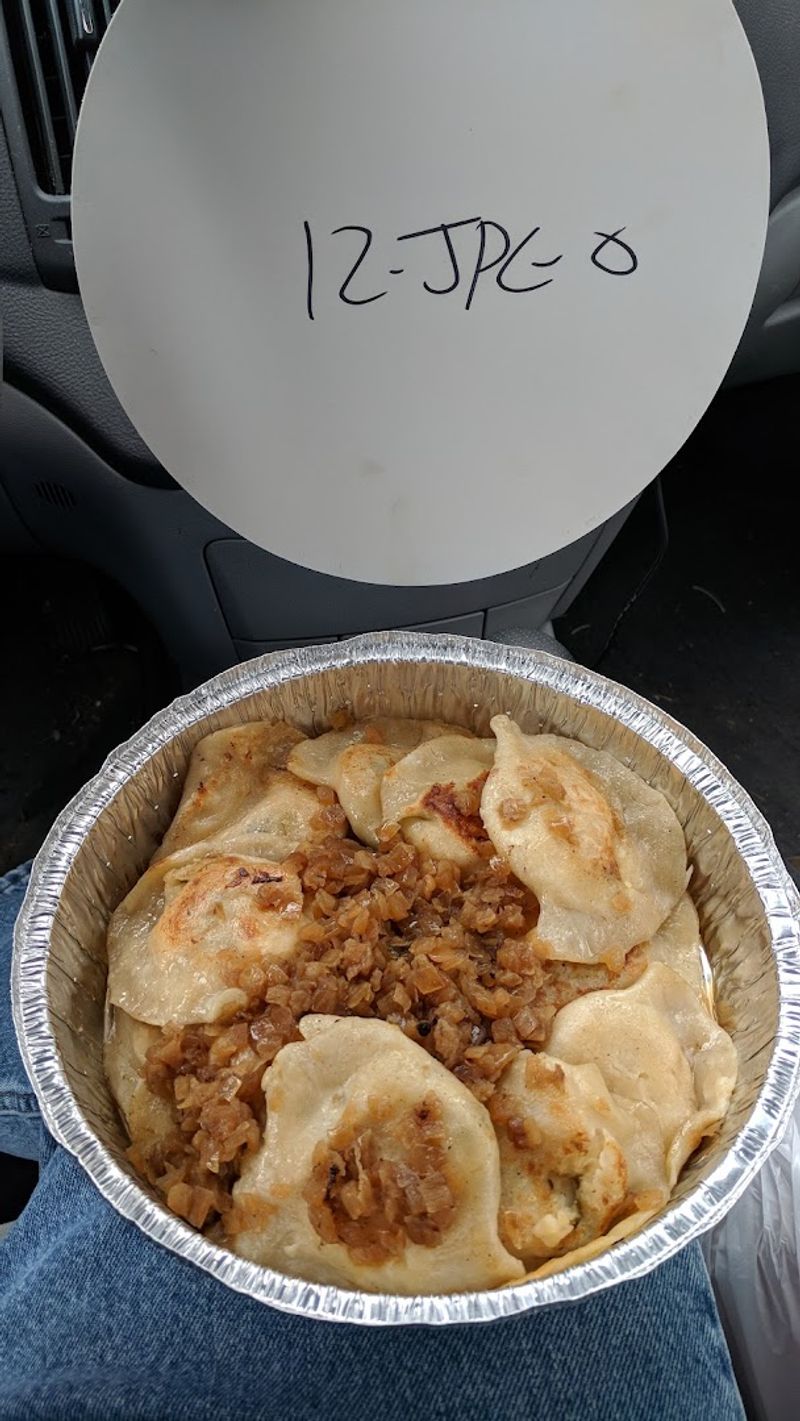
Planning your first visit to The Pierogie Kitchen is easy once you know the basics. The restaurant is located at 15 S Ridge Ave, Ambler, PA, inside the Ridge Hall food hall.
You can browse the full menu at pierogiekitchen.com before you go, which is a smart move given how many varieties are available. The phone number is +1 215-483-5301 if you need to call ahead.
Hours typically run midweek through Sunday, though they can vary slightly by day, so checking the website or calling before your visit is always a good idea. The kitchen is best suited for takeout, quick bites, and casual dining rather than long sit-down meals, given the shared and limited seating inside the food hall.
One of the most practical tips seasoned visitors share is to arrive early or during off-peak hours. The space fills up quickly, especially on weekends, and the most popular pierogi varieties can sell out before closing time.
Bringing cash as a backup payment option is also worth considering. Most importantly, come hungry and come open-minded, because whatever you expect from this little kitchen, the reality is almost certainly better.