
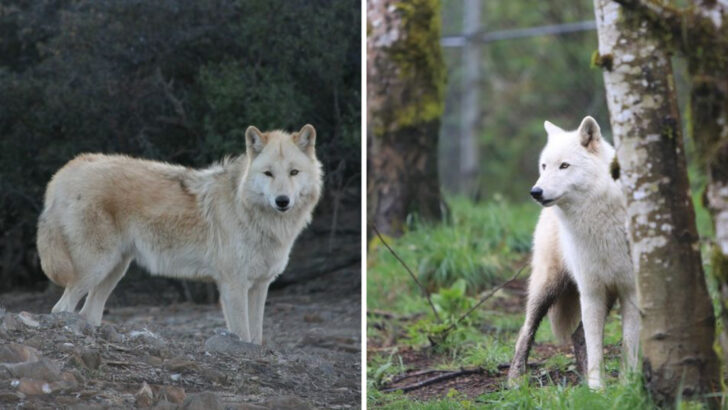
Think meeting a wolf is impossible without traveling off-grid? Across the U.S., ethical sanctuaries introduce you to ambassador animals in carefully supervised, up-close settings that feel unforgettable.
You will learn to read ear flicks, tail angles, and those famous eyes while supporting rescue and education work. Grab your curiosity and a calm voice, then pick your spot from this handpicked list.
Seacrest Wolf Preserve — Chipley, Florida
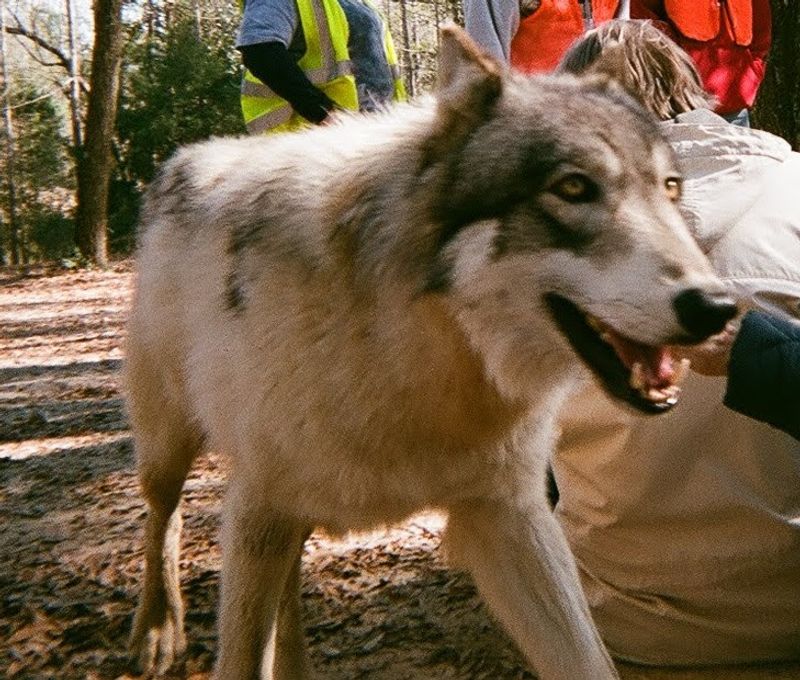
You step through towering pines and feel cameras suddenly go quiet as a pale gaze meets yours from behind soft fencing. At Seacrest Wolf Preserve in Florida, guided encounters bring you face to face with ambassador wolves while educators translate ear flicks and tail angles.
You are close enough to notice winter coats feathering at the shoulders and the deep calm that rehearsed pack routines create.
Book the VIP experience if you want small-group time and more detailed behavior breakdowns. Closed-toed shoes, neutral clothing, and empty pockets keep the focus on safety.
Phones are usually permitted, yet the best portraits come when you settle in, hold still, and let a wolf choose the angle.
Timing matters because North Florida heat drains energy fast, so early morning tours feel more electric. Winter offers dense coats and brighter eyes under pale light, which photographers love.
Finally, remember this is a nonprofit, so bring questions, donate if you can, and leave with new habits for reading canine signals back home.
Buy tickets ahead, arrive a bit early for waivers, and use the quiet minutes to steady your breathing so curiosity replaces nerves when golden eyes lift and lock on you through the pines.
Colorado Wolf and Wildlife Center — Divide, Colorado
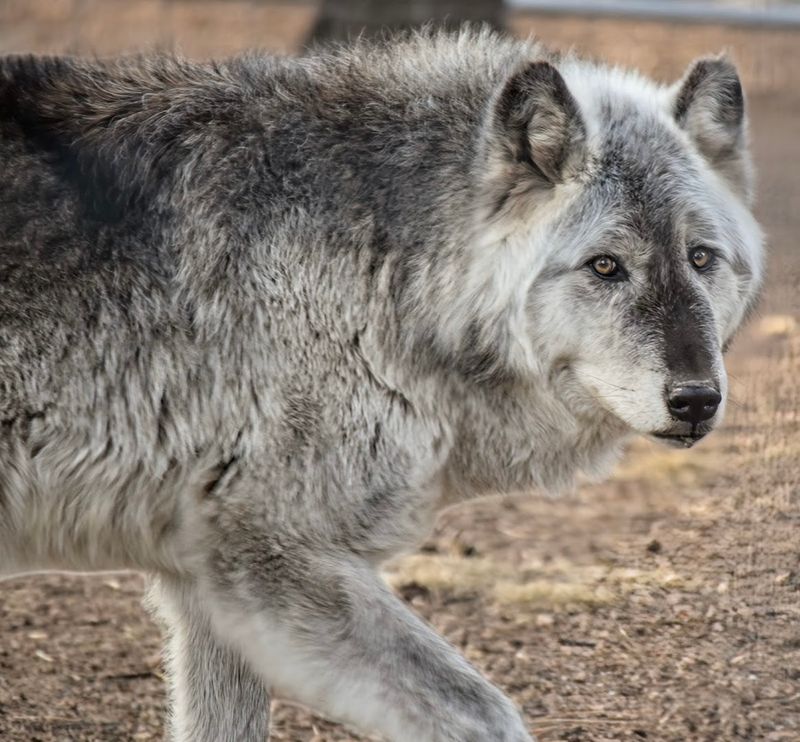
Crystalline mountain air carries the lightest crunch of snow while a gray phantom glides along the fence line and decides you are worth a longer look. At Colorado Wolf and Wildlife Center, guided encounters blend close viewing with howling sessions that raise hairs in the best way.
You will hear life histories of rescues and the ecological case for apex predators.
Reserve a VIP or interactive experience for more time with ambassadors and photo opportunities under staff direction. Bring layers because Divide weather flips quickly, and choose muted colors that will not distract the animals.
Photographers get the best results by kneeling, waiting for side light, and letting the wolf move into the frame.
Mornings often deliver active behavior, while late afternoons can bring golden light and quieter pacing. Ask about foxes and coyotes on site to round out your understanding of canid communication.
Leave a little extra in the donation jar, then carry that howl back to trail conversations about rewilding.
If you are altitude sensitive, hydrate the night before, eat a steady breakfast, and arrive early so the briefing covers safety, body language basics, and respectful positioning around these charismatic teachers.
Wolf Sanctuary of PA — Lititz, Pennsylvania
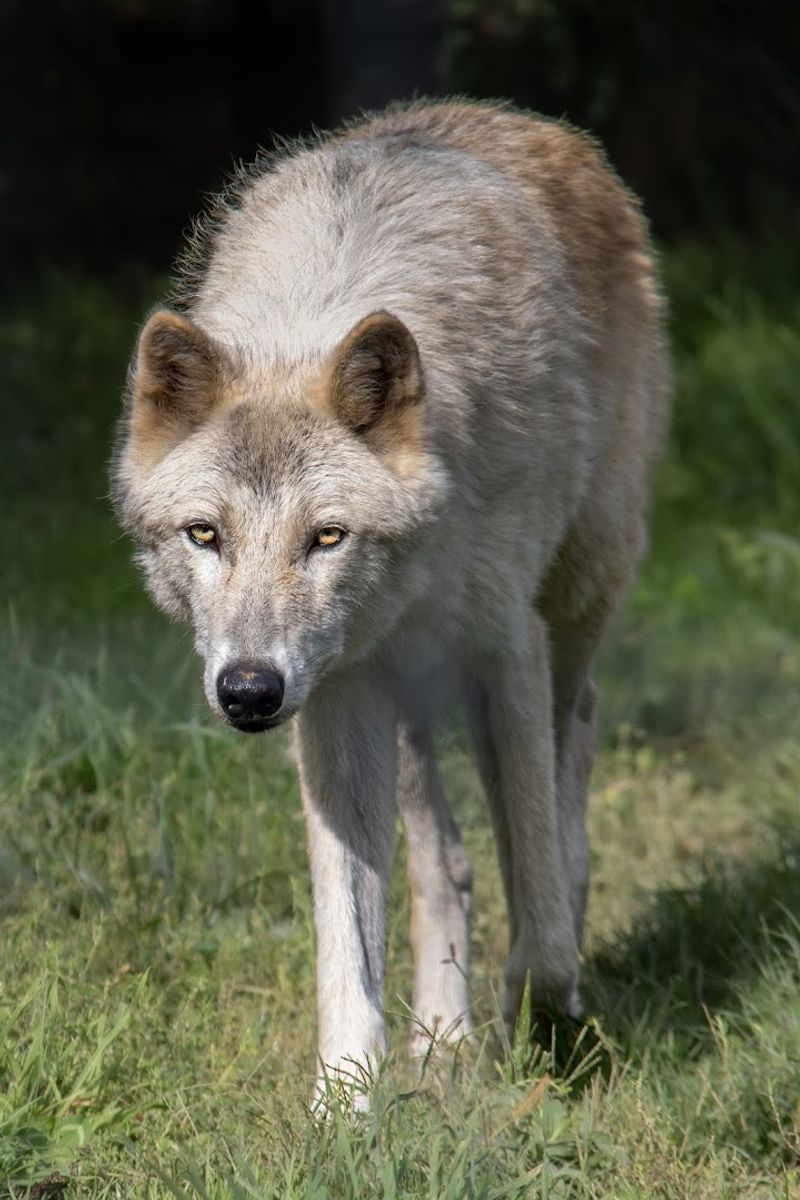
The chorus starts as dusk folds into the trees, and you feel the ground vibrate before you hear it. At Wolf Sanctuary of PA, twilight and full-moon tours bring you eye level with wolves that float between shadows and starlight.
Guides narrate pack lineages, rescue stories, and the subtleties of posture that signal calm curiosity.
Arrive early for the evening tours, wear warm layers, and pick quiet shoes for gravel paths. Flash-free photography keeps eyes comfortable, so favor fast lenses and steady hands.
Questions are encouraged, and you will leave decoding ear sets and weight shifts like a seasoned observer.
Daytime tours showcase different behaviors, especially in cooler months when coats thicken and energy spikes. Volunteers share enrichment routines, and you can often watch feeding from safe distances.
If you love storytelling, the moonlight tour frames every glance like a scene from an old forest myth.
Tickets sell out quickly near holidays, so plan a few weeks ahead, and carpool if you can since parking fills. Bring a thermos, make space for silence when the howls rise, and remember to support ongoing medical and habitat costs.
Wolf Connection — Acton, California
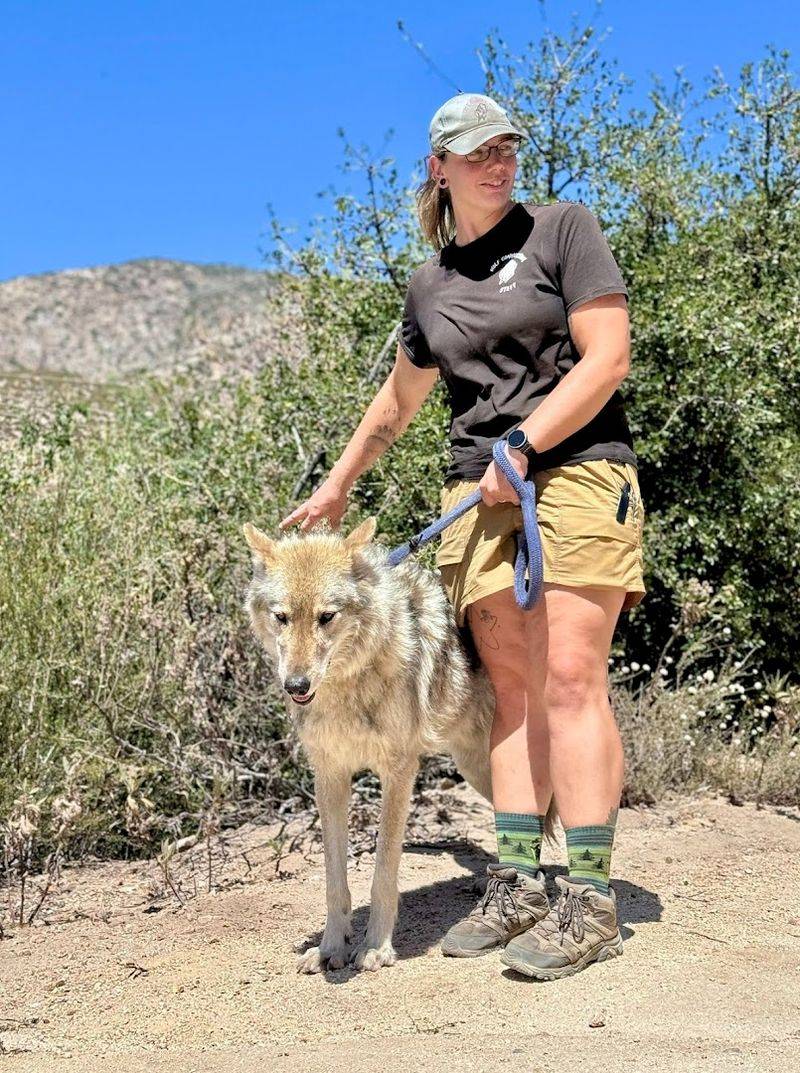
Desert wind brushes creosote and then a wolfdog’s gaze meets yours, steady and grounding. At Wolf Connection, carefully structured hikes pair ambassador animals with trained handlers, inviting you to practice calm body language and purposeful steps.
The experience feels part field lesson, part reflective workshop.
Expect safety briefings, clear distance rules, and time to photograph at staff-selected spots. Wear closed-toed hiking shoes, a brimmed hat, and carry water because the Southern California sun does not negotiate.
Phones stay pocketed during movement, then come out for staged moments that respect the animals’ comfort.
Morning sessions beat the heat and often produce alert, engaged behavior. Evenings paint the mountains rose, creating cinematic backdrops for portraits and journal notes.
You will leave with new vocabulary for reading shoulders, paws, and breath cadence.
Booking opens in cycles, so join the newsletter and commit early. Budget extra for donations that fund feed, enrichment, and veterinary care, and consider a return visit to witness seasonal coat changes and shifting dynamics within ambassador pairs.
Wild Spirit Wolf Sanctuary — Ramah, New Mexico
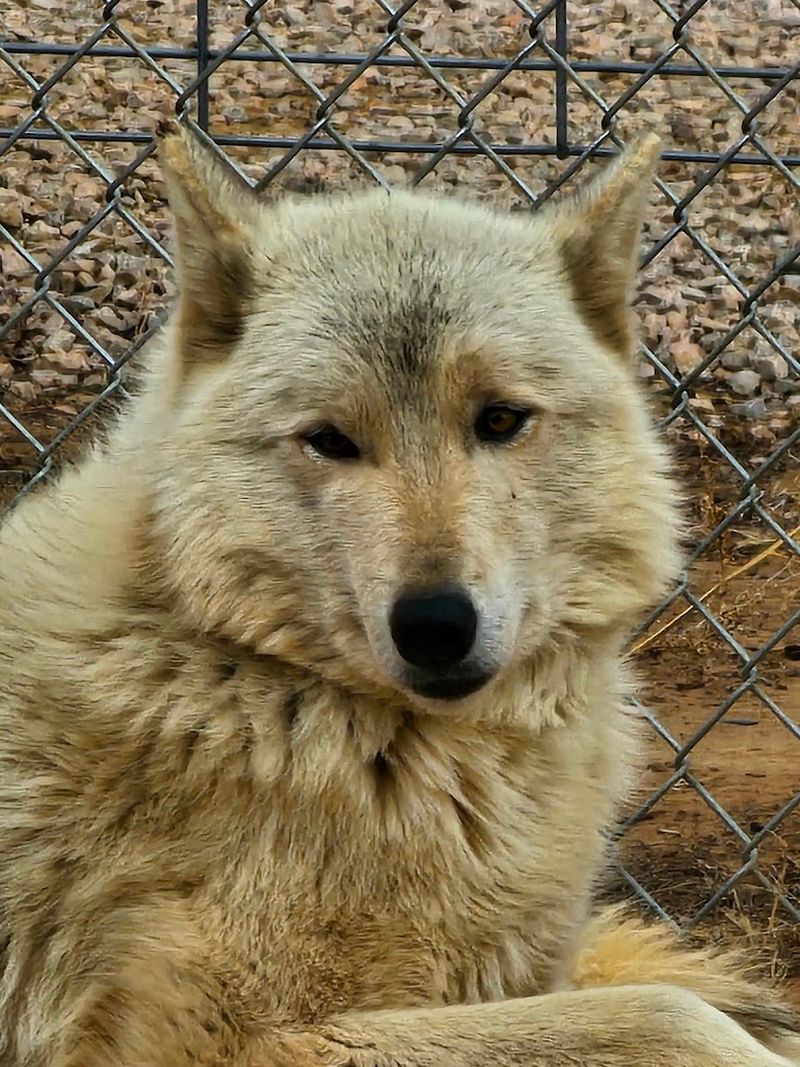
New Mexico’s red rock horizon frames quiet moments where a wolf lounges, opens amber eyes, and studies your posture before settling again. Wild Spirit Wolf Sanctuary specializes in rescued wolves and wolfdogs, focusing on welfare-first tours that bring you close without pressure.
You will learn how enrichment, diet, and space design support calm behavior.
Guided tours weave through habitat zones, and conversations emphasize consent-based approaches. Wear sun protection, carry water, and keep voices low so curiosity can build naturally.
Photographers should plan for mid-day sun by using lens hoods and looking for reflected light off pale stone.
Mornings can show playful bursts, while cooler seasons reveal long coats and steady pacing. Ask about sponsorships if a particular animal’s story grabs your heart, then follow their updates from home.
Kids who love biology will leave ready to map tracks and measure stride length on local trails.
Reservations are recommended, and the dirt roads reward unhurried driving. Arrive early for the briefing, bring a small donation if you are able, and let the silence between howls be part of the lesson you carry forward.
Mission: Wolf — Gardner, Colorado
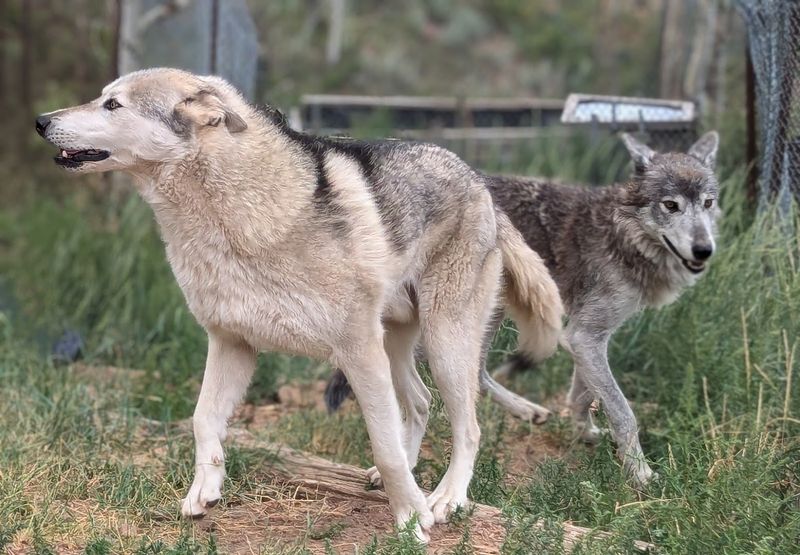
High in the Wet Mountains, a calm face appears at the fence and listens as the wind rolls over the ridge. Mission: Wolf blends close observation with hands-on education about coexistence, renewable energy, and sanctuary ethics.
You will stand near ambassadors while staff explain body language and the responsibility that follows every photograph.
Tours are free and donation-based, so consider bringing cash or giving online after your visit. Weather can swing quickly, so pack a shell, hat, and sturdy shoes.
The drive itself resets your pace, which helps when you settle in and let the wolves set the rhythm.
Visitors often rave about the howling sessions that connect groups without saying a word. Kids can compare track sizes to their boots and learn why livestock guardian dogs matter.
Photographers should arrive for morning or late afternoon light to avoid harsh midday glare.
Road conditions vary in winter, so check updates before heading out. Arrive a few minutes early to absorb the quiet, review the safety board, and ask about volunteer days if you want a deeper relationship with this wild neighborhood.
White Wolf Sanctuary — Tidewater, Oregon
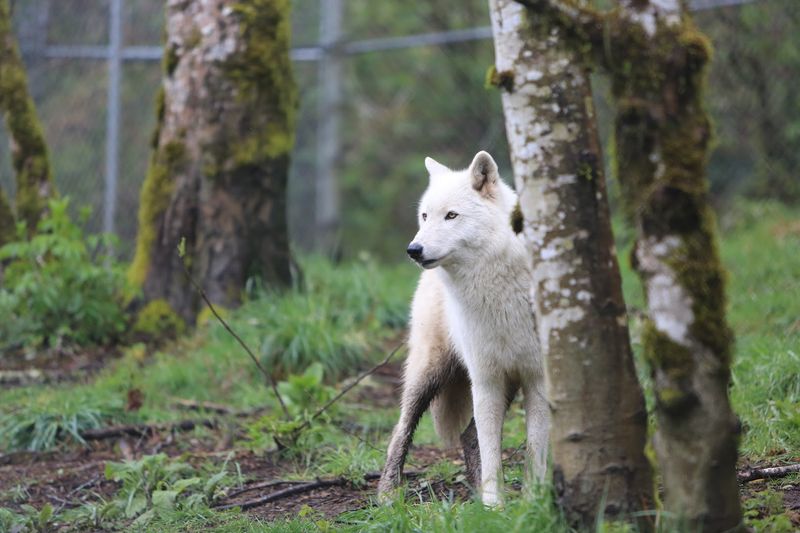
Mist lifts off coastal hills to reveal a white silhouette moving like snowfall in reverse. White Wolf Sanctuary cares for arctic wolves, and tours bring you close enough to appreciate their thick coats and deliberate movements.
Guides share why these travelers belong to the north and how sanctuary life balances stimulation with rest.
Expect boardwalk views that create respectful angles for photography. Overcast skies become your best friend, turning fur into luminous texture without harsh shadows.
Bring a wind layer and quiet shoes, and keep conversations soft so ears stay relaxed.
Seasonality shapes what you see. Summer may offer slower pacing in warmth, while cooler months bring energetic patrols and playful engagement.
Ask about the backstories of individuals, then connect those lessons to climate discussions at your dinner table.
Advance reservations are essential because tours are limited and intimate. Arrive early, support the gift shop if you can, and spend a moment simply watching breath turn to cloud as the wolf watches you back with that thoughtful, winter-bright gaze.
Howling Woods Farm — Jackson, New Jersey
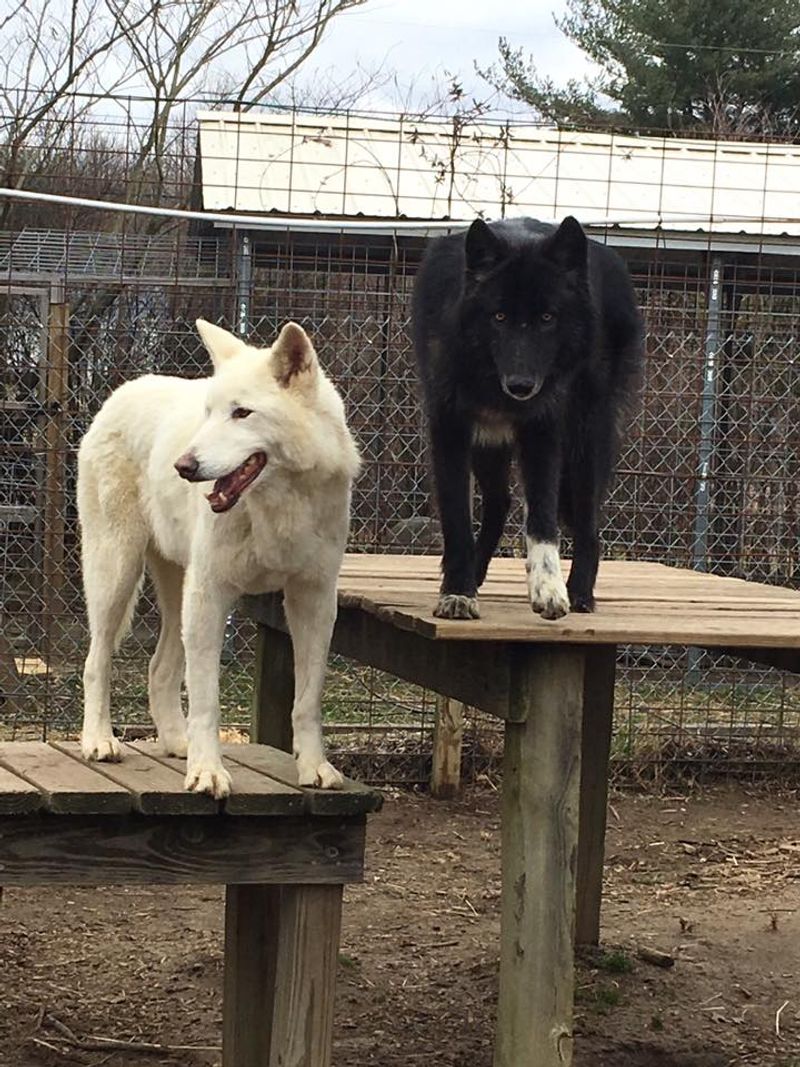
Pine needles cushion your steps as a big, soft gaze locks on your boots, then rises to your face. Howling Woods Farm introduces wolfdogs through educational tours that prioritize calm handling and clear boundaries.
You will practice reading posture, pressure-free greetings, and the art of stillness.
Closed-toed shoes, neutral clothing, and a quiet voice are the uniform. Photographers should skip flash and hunt for side light near the treeline.
Staff offer angles and distance suggestions so the animals never feel boxed in by lenses or bodies.
Cooler days usually bring more activity, and early bookings land the best slots. Ask about volunteering or sponsoring a resident whose story resonates, then share what you learned about responsible ownership and rescue ethics.
Kids leave with talking points for school projects and better instincts for approaching unknown dogs.
Tours require reservations, and the location can be tricky, so double-check directions and arrive a little early. Respect the briefing, keep hands relaxed, and savor that first shared howl that carries across the barrens like an old, familiar song.
Shy Wolf Sanctuary — Naples, Florida
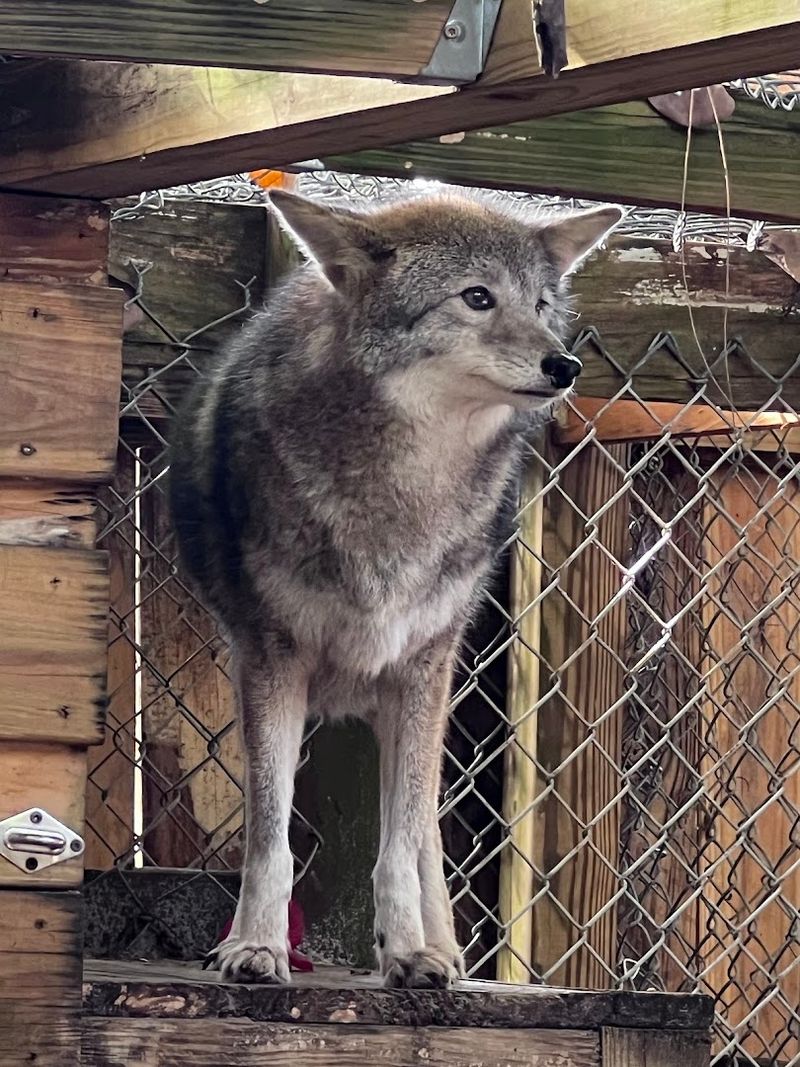
Palmettos rustle and a pair of bright eyes tilts, measuring your calm from a shaded corner. Shy Wolf Sanctuary cares for a diverse group of rescued canids, and educational visits bring you respectfully close to wolfdogs and other residents.
Staff emphasize consent, body language, and the responsibility that follows social media fame.
Keep accessories minimal, wear breathable fabrics, and bring water for the Florida heat. Cameras do best with fast shutters and shaded backgrounds.
Ask about each resident’s story to understand how rescue, rehabilitation, and permanent sanctuary decisions are made.
Mornings and cooler months make for livelier sessions and better learning focus. You will leave knowing the difference between curiosity and stress, plus how to advocate for ethical rescue groups in your community.
Kids connect quickly when they hear about enrichment puzzles and scent games.
Tours are reservation-only and may change seasonally, so check the calendar before driving over. Arrive on time, donate if you can, and take home their volunteer needs list in case a future trip can include hands-on help.
California Wolf Center — Julian, California
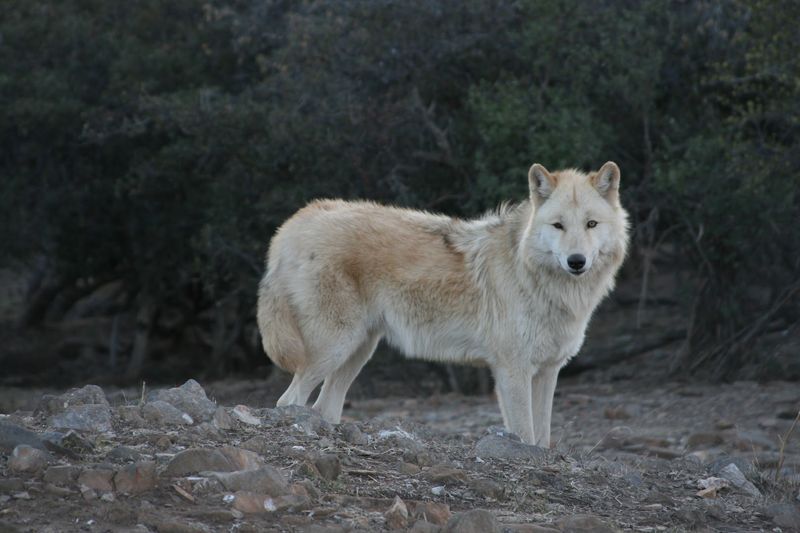
Just outside Julian, the breeze smells like oak and dust as a gray shape steps into a sunlit patch and studies the group. California Wolf Center runs conservation-focused tours where ambassadors model natural behaviors while educators connect them to wild-living packs.
You will learn about reintroduction science, genetics, and the power of prey recovery.
Choose a conservation or photography tour depending on your goals. Wear sturdy shoes, skip perfumes, and bring a hat for Southern California brightness.
Photos look best from lower angles with the chaparral as background, so kneel when staff signal and wait for that sidelong glance.
Early or late sessions soften light and reduce heat shimmer in images. Ask about Mexican gray wolf recovery and how policy shapes habitats across the Southwest.
Leave ready to spark balanced conversations about ranching, wildlife corridors, and nonlethal tools.
Tickets must be purchased ahead, and parking is straightforward near the visitor center. Arrive a few minutes early for waivers, grab a cold drink in town afterward, and keep the learning going by tracking updates on wild packs.
Lakota Wolf Preserve — Columbia, New Jersey
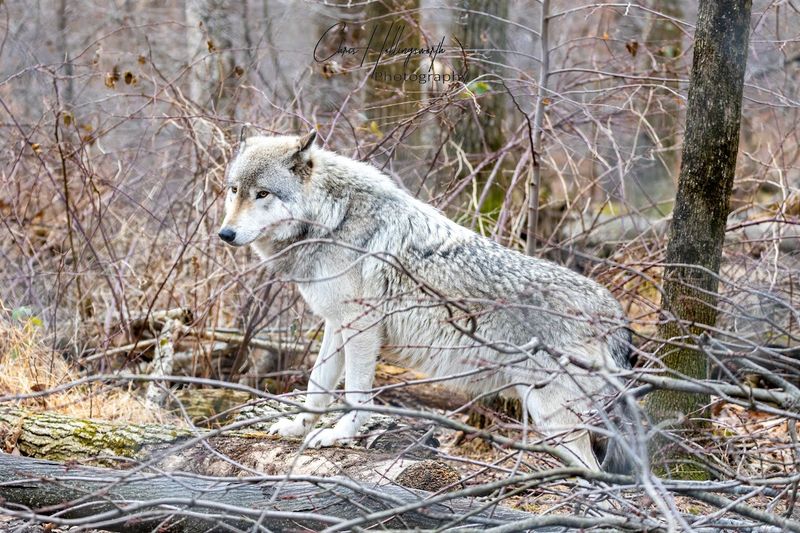
A soft path leads to an overlook where pale eyes catch the morning and reflect it right back. Lakota Wolf Preserve specializes in guided educational sessions from raised platforms that bring you nose-to-nose views across a short, safe span.
Naturalist guides cover behavior, myths, and the realities of rescue.
Dress for the hilltop breeze, bring a light layer, and use binoculars for close study of posture and tail carriage. Photographers should plan on telephoto lenses and avoid bright clothing that can distract.
The preserve’s setting adds forest depth for beautiful portrait backgrounds.
Howl sessions punctuate talks and turn groups into instant choirs. You will leave hearing cadence and pitch as communication, not drama.
Families appreciate the clear explanations of what makes a wolf a specialist and why that matters.
Reservations are required, and a short shuttle ride carries you from the parking area. Arrive a little early, keep snacks sealed, and save questions for the Q and A when guides can linger on the nuances you care about most.