

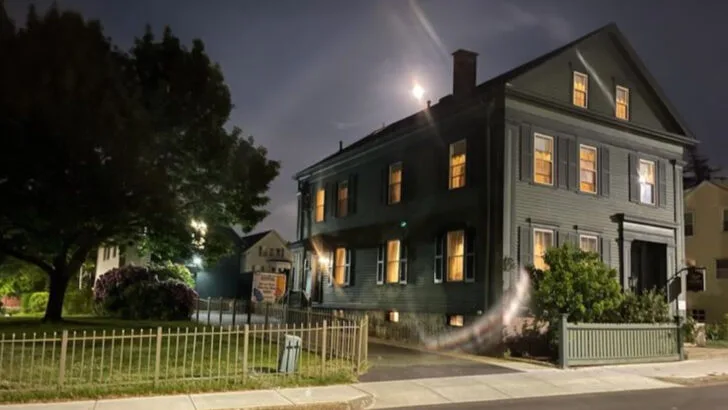
Massachusetts is famous for its history, lobster rolls, and fall foliage — but the Bay State is also hiding some genuinely weird and wonderful roadside surprises.
From a house built entirely out of newspapers to a lake with a name that takes up half a sentence, this state loves to keep travelers on their toes.
Whether you are planning a road trip or just looking for something unexpected to see, these quirky stops prove that Massachusetts has a personality all its own.
Pack your curiosity and your camera, because this list is anything but ordinary.
The Paper House (Rockport)
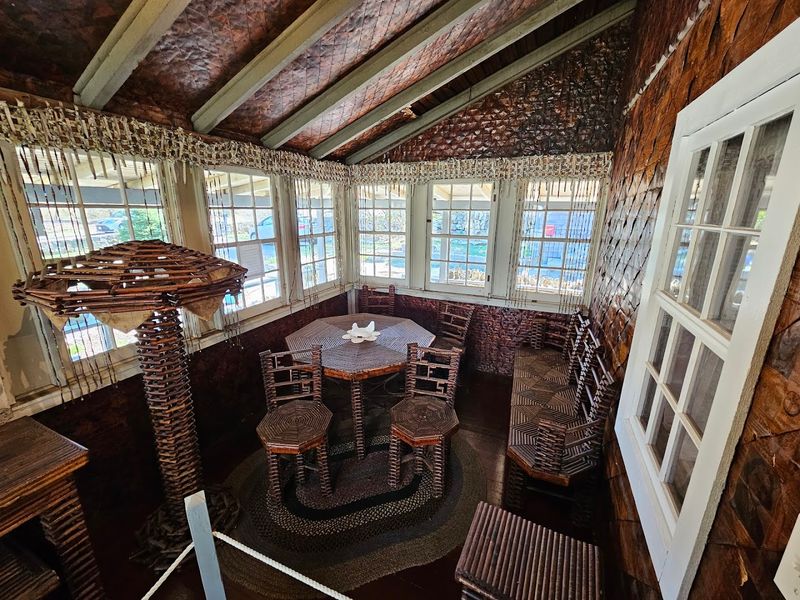
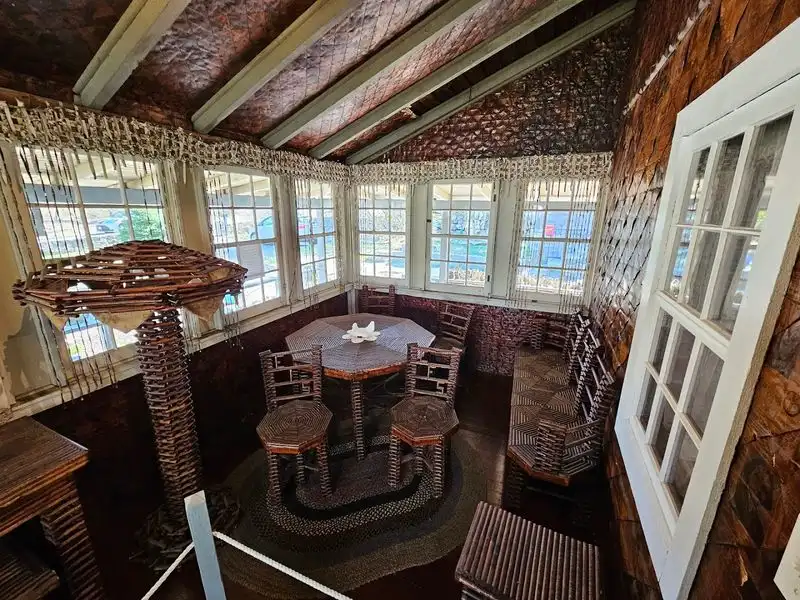
Back in the 1920s, inventor Elis Stenman decided that newspapers were good for more than just reading — he used them to build an entire house. The walls, the furniture, the fireplace mantel, and even the desk inside are all made from tightly rolled and lacquered newspaper pages.
It sounds impossible, but the Paper House in Rockport has been standing for over a century as living proof that creativity has no limits.
What makes this stop so magical is the detail. Look closely and you can still read the old headlines pressed into the walls.
Some of the furniture panels feature newspapers from specific historic events, making each piece a tiny time capsule. Stenman never intended this as a gimmick — he genuinely believed in the project and worked on it for years.
Visitors can tour the interior and get surprisingly close to the paper walls. The house is small, so crowds rarely feel overwhelming.
It is open seasonally, so check hours before making the trip. Admission is affordable, and the experience is one of those rare moments where reality feels more bizarre than fiction.
For anyone passing through the North Shore, this is an absolute must-stop.
Bewitched Statue (Salem)
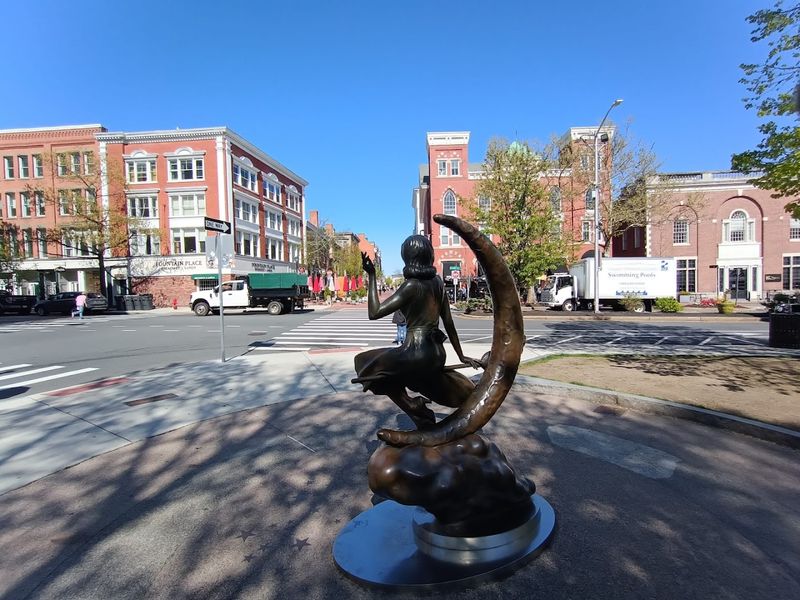
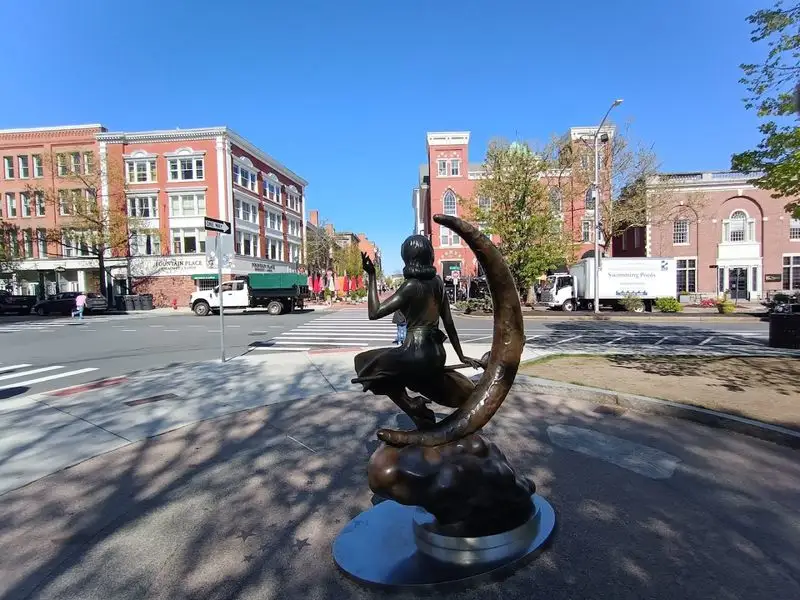
Salem is best known for its dark witch trial history, but there is a lighter, more playful side to this city hiding in plain sight. Tucked into Lappin Park sits a life-sized bronze statue of Samantha Stephens — the beloved TV witch played by Elizabeth Montgomery in the classic show Bewitched.
She perches on a crescent moon, broom in hand, with a knowing smile that feels perfectly at home in a city obsessed with all things magical.
The statue was installed in 2005 and has become one of Salem’s most photographed landmarks, which is saying something in a city full of photo opportunities. It was a gift from TV Land to celebrate the show’s legacy and Salem’s witchy reputation.
Locals have mixed feelings about it — some love the pop culture nod, while others think it trivializes the city’s serious history.
Either way, it makes for a fantastic photo stop. The park itself is pleasant, and the statue is right in the heart of downtown Salem, surrounded by shops and restaurants.
Visit during October if you want the full Salem experience, but be prepared for serious crowds. Any time of year, Samantha is there to greet you with that charming, mischievous grin.
Hood Milk Bottle (Boston)
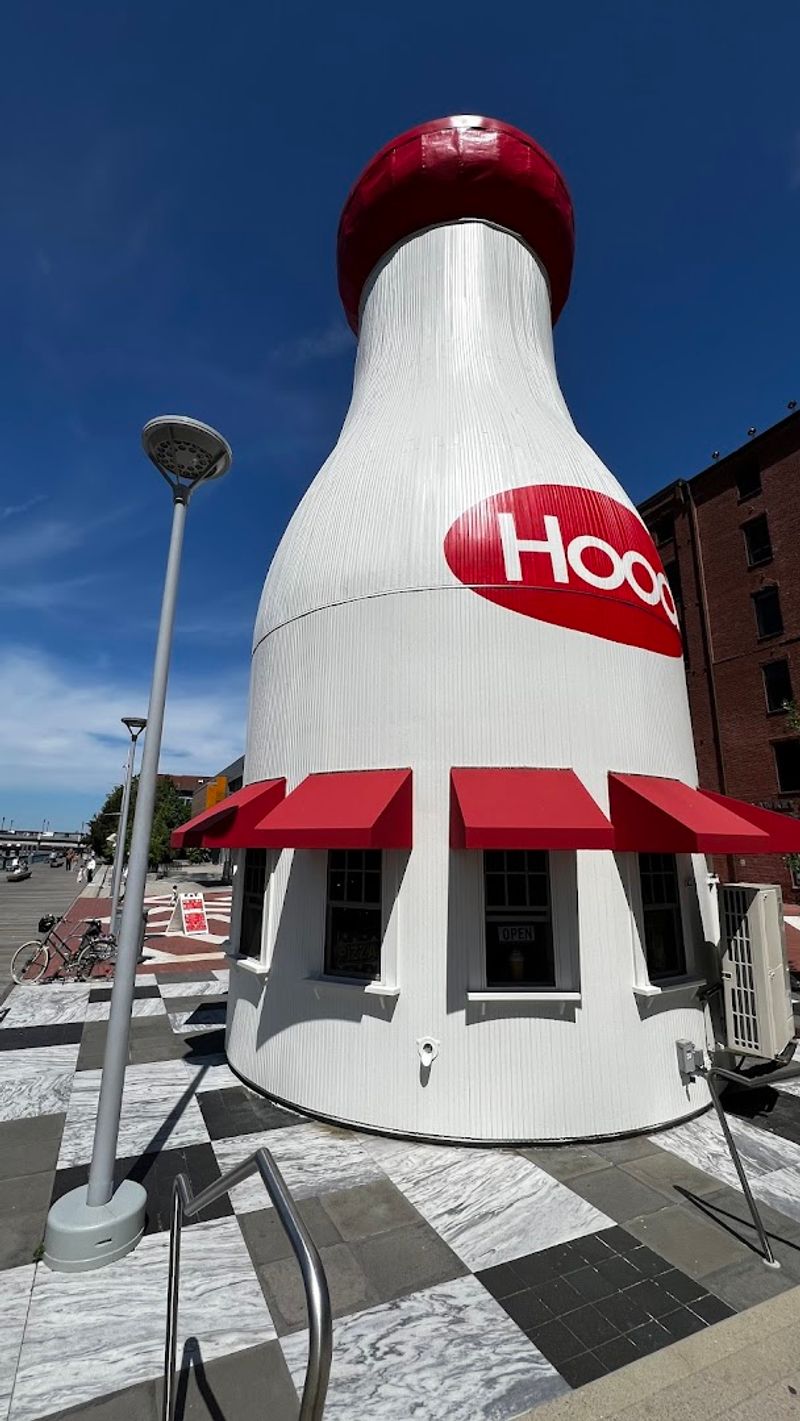
Standing 40 feet tall and shaped exactly like an old-fashioned milk bottle, this giant white landmark outside the Boston Children’s Museum is one of those things you have to see to believe. Built in 1933, it originally served as an ice cream stand on Route 44 in Taunton before being moved to its current home on the Boston waterfront in 1977.
Today it still functions as a seasonal snack stand, serving up hot dogs, ice cream, and drinks to museum visitors.
There is something genuinely delightful about a building that is also a bottle. It sits right along the Fort Point Channel, making it a perfect photo stop with the harbor as your backdrop.
The scale of it is hard to appreciate until you are standing next to it — it towers over the sidewalk like a cheerful giant from a bygone advertising era.
Kids absolutely love it, partly because it is next to the Children’s Museum and partly because giant things are inherently awesome. Even if you are not visiting the museum, the milk bottle alone is worth swinging by.
It represents an era when roadside architecture was bold, playful, and unapologetically weird. Boston does not always get credit for quirky charm, but this landmark delivers it in a big way.
Lizzie Borden House (Fall River)
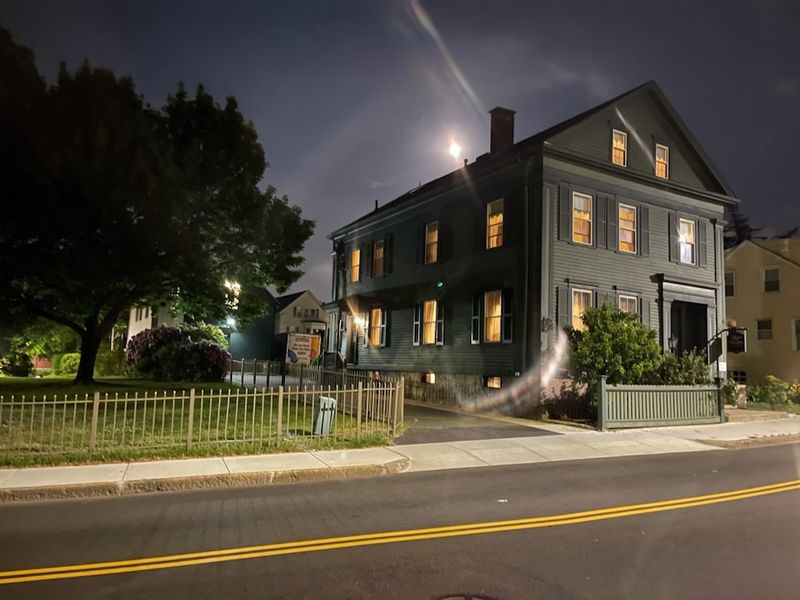
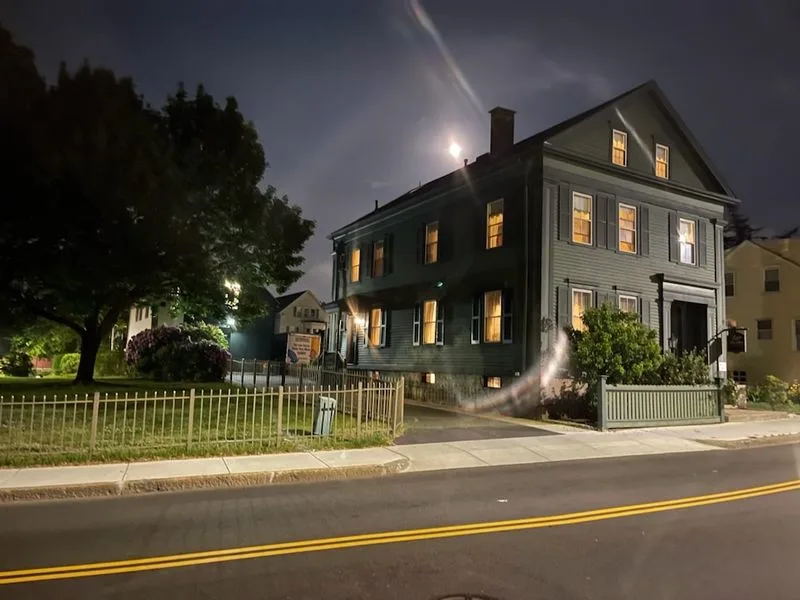
Few addresses in American history carry as much eerie weight as 92 Second Street in Fall River. This is where, in August 1892, Lizzie Borden was accused of murdering her father and stepmother with an axe — a crime she was eventually acquitted of, but one that has haunted popular imagination ever since.
The house has been preserved and converted into a museum and bed-and-breakfast, letting visitors sleep in the very rooms where history’s most debated crime unfolded.
Touring the house feels like stepping directly into a Victorian true crime documentary. Guides share the full story with dramatic detail, and the house itself is decorated to reflect the period.
The parlor where the body of Andrew Borden was found is particularly chilling. Everything from the wallpaper to the furniture adds to the atmosphere of unsettled history.
Overnight guests can book the rooms once occupied by the Borden family. Most visitors report feeling something — whether that is history, atmosphere, or something more mysterious is entirely up to you.
Even a daytime tour is deeply memorable. Fall River does not shy away from this dark chapter; instead, it has leaned into it with guided tours, special events, and annual anniversary celebrations.
History buffs and true crime fans will find this stop absolutely riveting.
Ponyhenge (Lincoln)

Nobody planned Ponyhenge. Nobody organized it.
One day, a single rocking horse appeared in an open field off a quiet road in Lincoln, and then another showed up, and then another. Over time, the collection grew into a full-blown herd of mismatched rocking horses and ponies arranged in a loose circle, as if they are mid-gallop toward some unknown destination.
It is completely unexplained and absolutely wonderful.
The collection changes constantly. Horses disappear, new ones arrive, and their positions shift — sometimes they face the same direction, sometimes they scatter.
Local legend suggests a neighborhood spirit of playfulness keeps the herd alive, though no one takes official responsibility. The whole thing has a slightly eerie, slightly magical energy that feels like something out of a fairy tale.
Ponyhenge is completely free to visit and accessible year-round. It sits along a residential road, so be respectful of the neighborhood while you explore.
Kids go absolutely wild for it, but honestly, adults find it just as captivating. There is something about a field full of rocking horses that bypasses logic and goes straight to childlike wonder.
Bring your camera, arrive with zero expectations, and leave with a story nobody at home will quite believe. That is the Ponyhenge promise.
Lake Chargoggagoggmanchauggagoggchaubunagungamaugg (Webster)
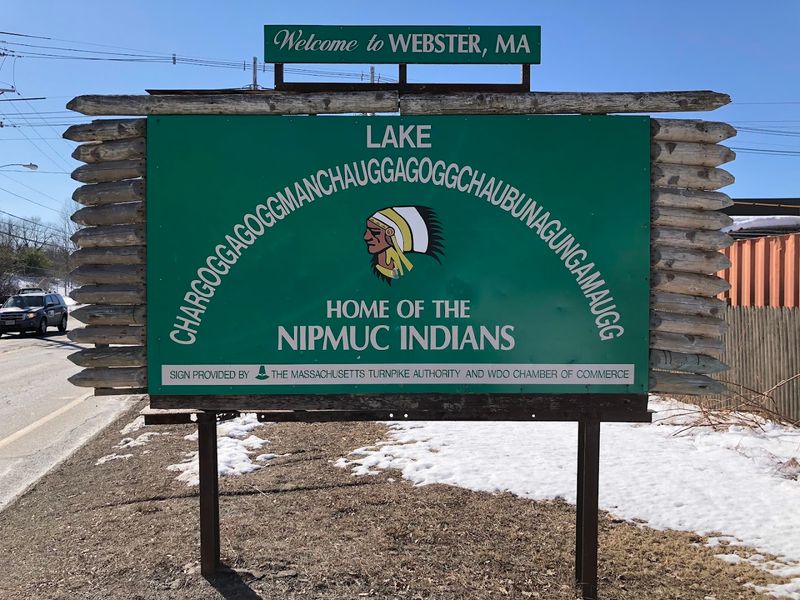
Say that five times fast. Actually, say it once.
Lake Chargoggagoggmanchauggagoggchaubunagungamaugg in Webster, Massachusetts holds the record for one of the longest place names in the entire United States — clocking in at a jaw-dropping 45 letters. The name comes from the Nipmuc language and roughly translates to a description of shared fishing rights between neighboring tribes.
It is history, linguistics, and comedy all rolled into one glorious mouthful.
Most locals simply call it Lake Webster, which is understandable but far less entertaining. The official sign bearing the full name has become one of the most photographed roadside markers in New England.
Tourists line up to pose with it, attempting to look casual while standing next to something completely absurd. The lake itself is genuinely lovely — a peaceful spot for kayaking, fishing, and swimming.
Beyond the name, the Webster area has a quiet charm worth exploring. The lake is surrounded by residential neighborhoods and public access points where you can actually get on the water.
But be honest with yourself: you are mostly coming for the sign. Practice the pronunciation beforehand using one of the many online audio guides, because someone will definitely ask you to say it out loud.
The lake rewards effort with one of the best stories you will bring home from any road trip.
Mapparium (Boston)
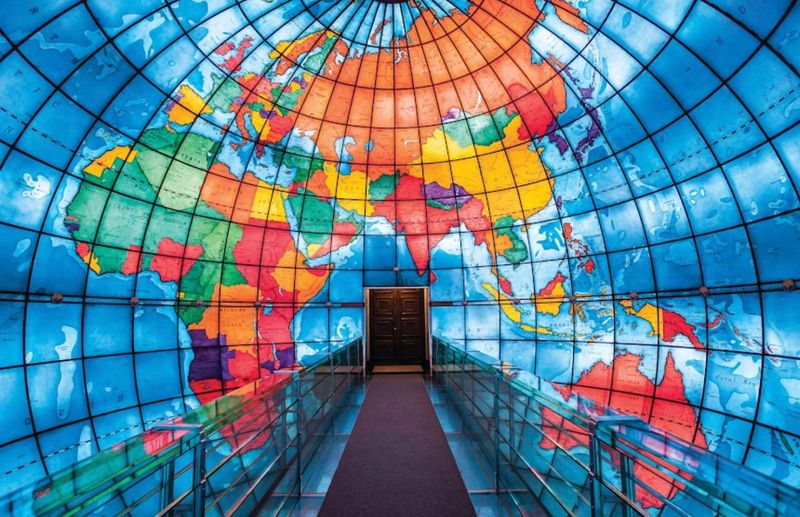
Hidden inside the Mary Baker Eddy Library in Boston’s Back Bay neighborhood is one of the most surreal rooms you will ever walk through. The Mapparium is a three-story, walk-through globe made entirely of stained glass panels, each one backlit to glow with brilliant color.
Built in 1935, the globe shows the world exactly as it looked that year — with colonial borders, old country names, and political boundaries that no longer exist. Walking through it feels genuinely like time travel.
The acoustic properties of the spherical room create an unusual phenomenon: whisper something on one side of the bridge and someone on the other end can hear you perfectly. This quirky feature delights visitors of all ages and turns the space into an interactive experience beyond just sightseeing.
The combination of light, history, and sound makes the Mapparium unlike anything else in Boston.
Guided tours are available and highly recommended, since the historical context adds enormous depth to what you are seeing. The library itself is beautiful and worth exploring before or after your globe visit.
Admission is reasonable, and the experience tends to be unhurried and contemplative. For travelers who have already done the Freedom Trail and Faneuil Hall, the Mapparium offers a completely different kind of Boston moment — quiet, glowing, and genuinely unforgettable.
Bancroft Tower (Worcester)
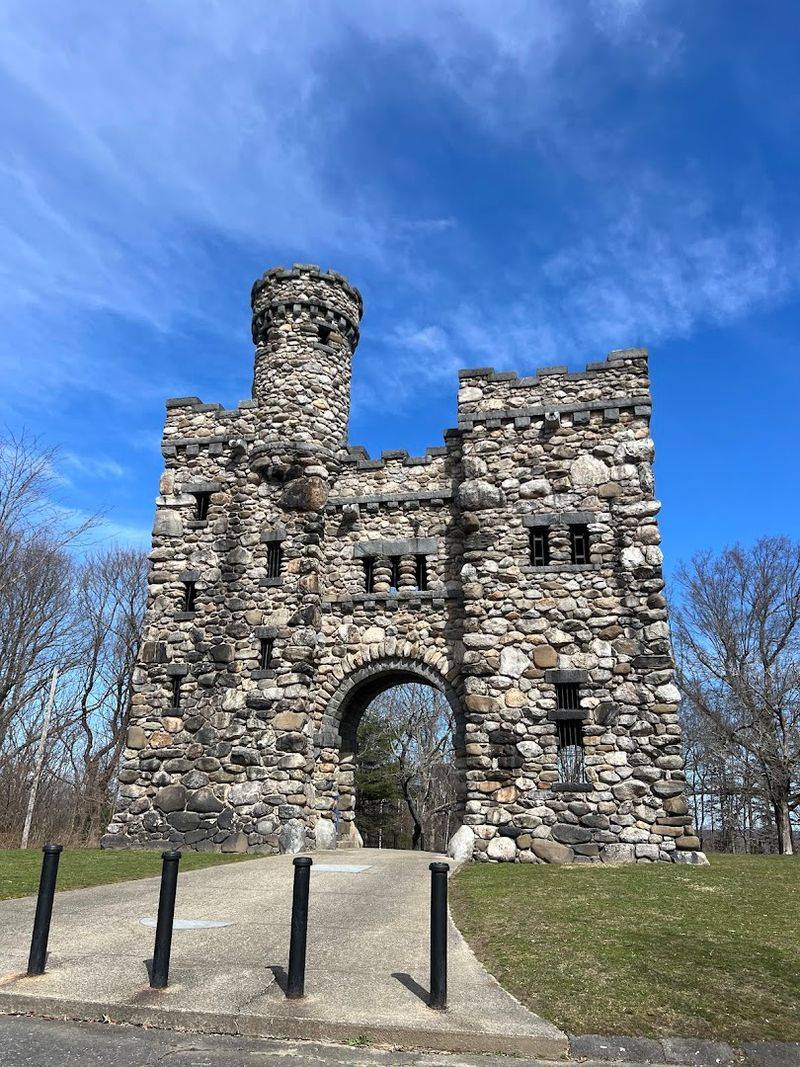
Worcester is not the first city that comes to mind when you think of medieval castles, which is exactly what makes Bancroft Tower so delightfully out of place. Perched on a rocky hilltop in the city’s Elm Park neighborhood, this stone tower was built in 1900 as a monument to George Bancroft, a Massachusetts-born historian and statesman.
It looks like something transplanted directly from rural England — all rough stone and Gothic arches — and it earns double-takes from every passing driver.
Getting to the tower requires a short but satisfying hike up a wooded trail. The climb is easy enough for most fitness levels, and the reward is a panoramic view of Worcester spread out below.
The tower itself is open at the base, allowing visitors to step inside and look up through the hollow interior. It has a dramatic, slightly theatrical quality that makes it perfect for photos.
Bancroft Tower is free to visit and open year-round, though the trail can get muddy in wet weather. Fall is particularly stunning, when the surrounding trees turn gold and red around the grey stone structure.
It is the kind of place that locals often overlook simply because it has always been there. For road trippers passing through central Massachusetts, it is a five-star quirky detour hiding in plain sight.
Dr. Seuss National Memorial Sculpture Garden (Springfield)
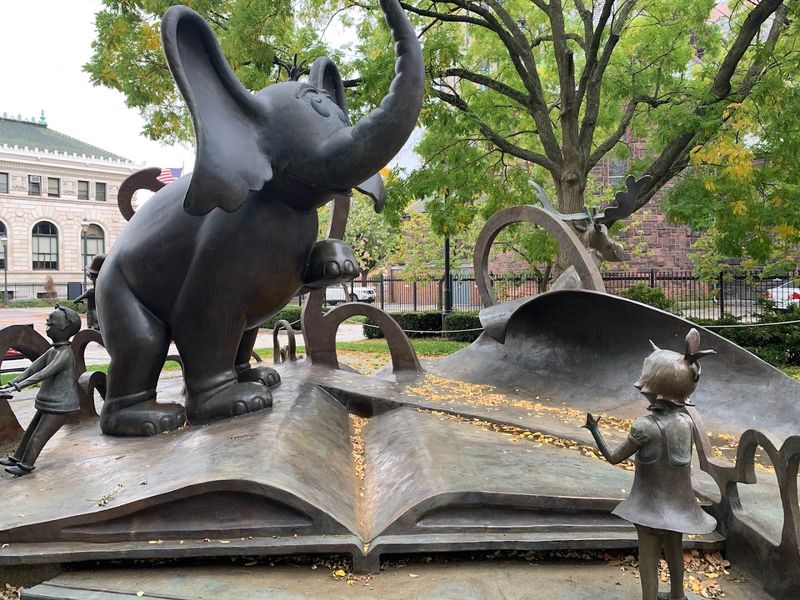
Springfield, Massachusetts gave the world Theodor Seuss Geisel — better known as Dr. Seuss — and the city has celebrated that gift in the most fitting way imaginable. The Dr. Seuss National Memorial Sculpture Garden sits adjacent to the Springfield Museums and features life-sized bronze sculptures of beloved characters including The Cat in the Hat, The Lorax, Horton, and Geisel himself seated at his drawing table.
Stepping into the garden feels like climbing directly into the pages of a favorite childhood book.
Each sculpture was created by Lark Grey Dimond-Cates, Dr. Seuss’s stepdaughter, which gives the whole collection a deeply personal quality. The figures are expressive and full of movement, capturing the bouncy energy of the original illustrations.
Even people who have not read a Seuss book in decades find themselves grinning the moment they spot the Cat’s towering striped hat rising above the garden path.
The garden is free to enter and open year-round, making it one of the most accessible cultural stops in western Massachusetts. The surrounding Springfield Museums complex offers plenty more to explore if you have extra time.
Families with young children will want to budget at least an hour here, because the photo opportunities are endless and the joy is contagious. This is nostalgia delivered at bronze-statue scale.
Museum of Bad Art (Somerville)
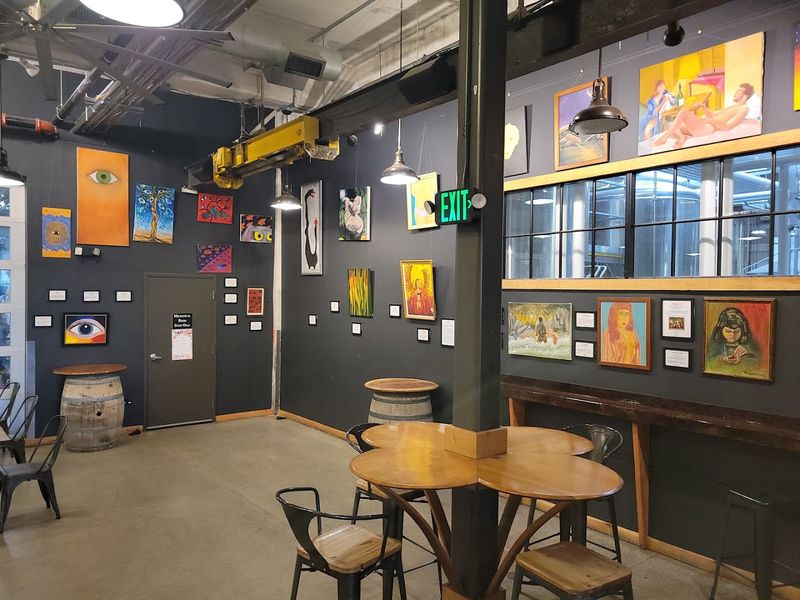
Most museums celebrate the best of human creativity. The Museum of Bad Art in Somerville celebrates something far more entertaining: artwork that tried its hardest and still went gloriously wrong.
Founded in 1993, MOBA is a genuine institution dedicated to collecting, preserving, and exhibiting art that is “too bad to be ignored.” The collection includes spectacularly awkward portraits, confusing still lifes, and abstract pieces that defy all conventional logic of composition and color.
What makes MOBA so charming is that it takes itself just seriously enough. The wall labels are written in the straight-faced tone of a prestigious gallery, describing the artistic failings of each piece with scholarly solemnity.
The contrast between the formal presentation and the absolute chaos on the canvases produces a specific kind of laughter that is hard to replicate anywhere else. It is comedy and art criticism fused into one very strange experience.
The museum has moved locations over the years and currently operates in Somerville’s Brookline Street area. Admission is modest, and the collection rotates, so repeat visits reveal new treasures.
Art lovers and non-art lovers alike find common ground here. There is something deeply humanizing about bad art — it reminds us that effort and passion matter more than technical perfection.
MOBA is proof that failure, presented with the right attitude, can be genuinely brilliant.
Hail to the Sunrise (Charlemont)
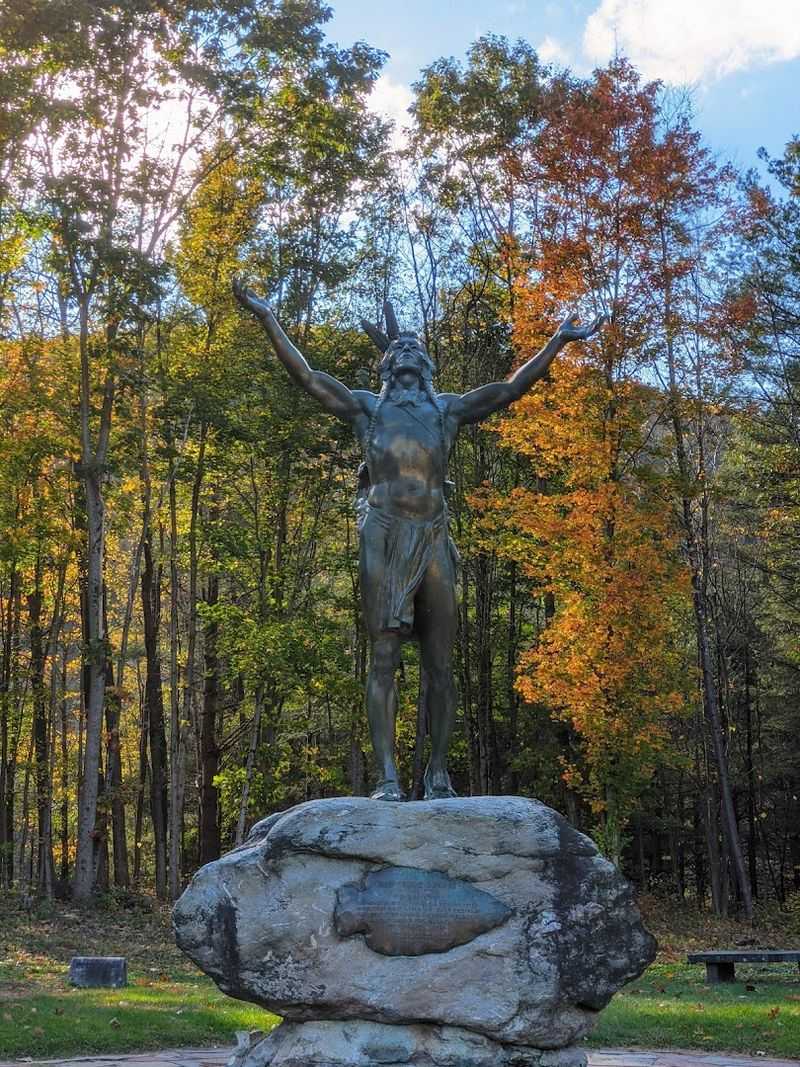
Along the famously scenic Mohawk Trail in western Massachusetts, drivers rounding a particular bend encounter something that stops them cold: a towering bronze warrior with both arms raised toward the sky, greeting the rising sun. The Hail to the Sunrise monument in Charlemont was dedicated in 1932 as a tribute to the Mohawk people who once traveled this mountain path.
It stands at the edge of a pull-off overlooking the Deerfield River Valley, where the views alone justify the stop.
The figure is powerful and dignified, capturing a sense of reverence that feels appropriate given the landscape around it. Early morning visits are especially moving, when the actual sunrise catches the bronze in warm light — the statue doing exactly what its name promises.
Surrounding the base are the names of the Five Nations of the Iroquois Confederacy, carved into a large stone.
Charlemont itself is a small, quiet town that most travelers pass through on their way to somewhere else. This monument gives them a reason to pause.
The Mohawk Trail is one of New England’s great scenic drives, and the Hail to the Sunrise statue is its emotional centerpiece. Pack a thermos of coffee, arrive early, and let the valley and the warrior greet the morning together.
It is a profoundly simple and beautiful experience.
Mother Ann Rock Formation (Gloucester)
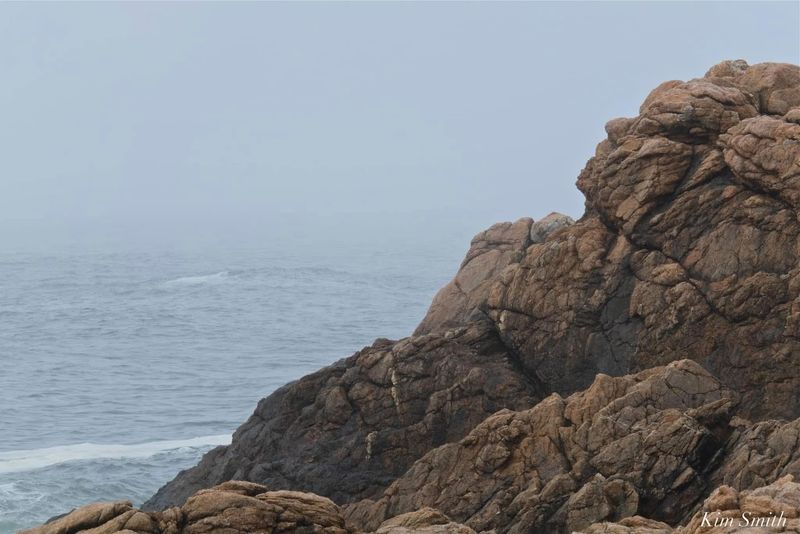
Nature has a sense of humor, and Mother Ann Rock in Gloucester is one of its better punchlines. At the right angle, this natural coastal rock formation looks unmistakably like the silhouette of a reclining Puritan woman — bonnet, profile, and all.
The rock sits along the rugged shoreline of Cape Ann, and spotting the figure requires a bit of positioning and imagination, which makes finding it feel like solving a small, satisfying puzzle.
The formation is named after Ann Lee, the founder of the Shakers, who reportedly saw this rock from the sea while sailing to America and took it as a divine sign. Whether or not you follow that interpretation, the geological coincidence is genuinely striking.
Local legend has layered meaning onto this rock for centuries, blending geology with spiritual history in a way that feels uniquely New England.
Getting to the best viewing spot involves a short walk along a rocky coastal path, so wear shoes with good grip. The surrounding scenery is spectacular regardless of whether you find the silhouette — this is Gloucester’s rugged coastline at its finest.
Sunrise and late afternoon light tend to define the rock’s features most dramatically. It is a free, unhurried stop that rewards patience and curiosity in equal measure.
Mother Ann has been watching the sea for a very long time, and she does not mind waiting for you to notice her.
Sandwich Glass Museum (Sandwich)
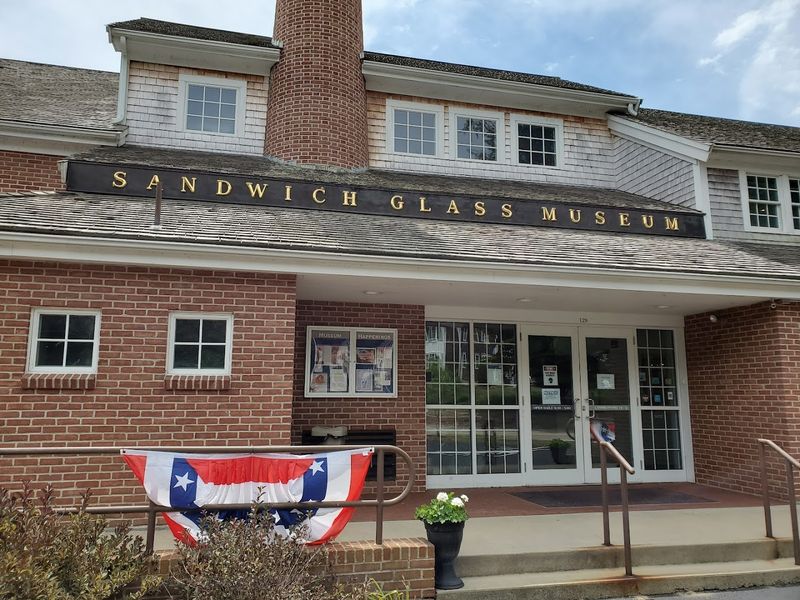
In a town already steeped in New England charm, this fascinating museum turns a simple roadside stop into something unexpectedly mesmerizing. The Sandwich Glass Museum celebrates the region’s once-booming 19th-century glass industry — but what makes it truly unforgettable is how alive the experience feels.
Inside, you’ll find rooms glowing with delicate pressed glass, shimmering patterns, and intricate designs that seem almost too fragile to be real. The real magic happens during live glassblowing demonstrations, where molten glass is shaped, stretched, and transformed right before your eyes.
Watching artisans work with fire and motion adds a theatrical energy that surprises many first-time visitors.
There’s also a strong sense of place here. Exhibits tell the story of Sandwich as one of America’s earliest glass-manufacturing centers, connecting art, industry, and everyday life in ways that feel both historic and personal.
It’s not flashy or over-the-top — just quietly captivating. And that’s exactly what makes it such a wonderfully strange roadside discovery: a small museum filled with light, color, and craftsmanship that turns a quick stop into a memorable detour.