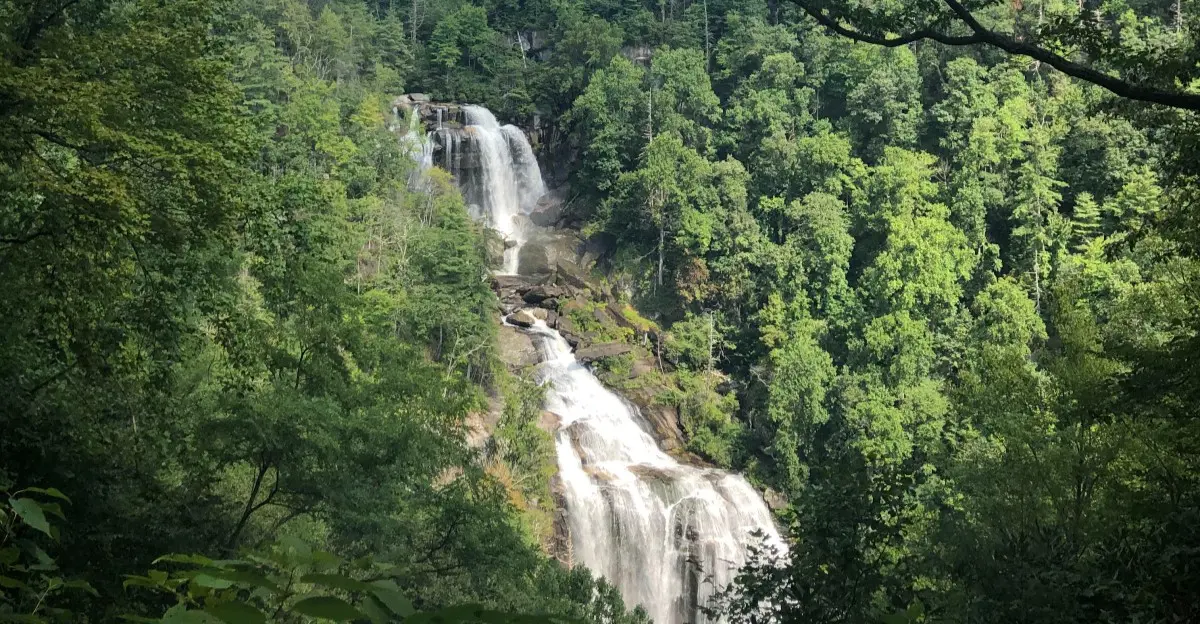
A short walk can lead to a view that feels much bigger than the effort it took to get there: Upper Whitewater Falls drops 411 feet through a steep, wooded gorge, and the main overlook is about a quarter mile from the parking area.
That makes this North Carolina waterfall a tempting stop when you want fresh air and a memorable view without planning a long hike, though the trail does not take you beneath the falling water.
You can stay on the paved path for the first overlook or take a long set of stairs down to a second viewing platform, so it helps to know what each choice involves before you set out.
Bring your camera, wear shoes you trust, and come see how a few minutes on the trail can turn into the part of your day you talk about all the way home.
Find the Right Starting Point
Your waterfall visit begins before you hear a single splash.
Upper Whitewater Falls is in the Nantahala National Forest in western North Carolina, near the South Carolina border.
Look for the signed Upper Whitewater Falls recreation area off NC Highway 281, then use the parking area and marked walkway to reach the overlooks.
Save your route before driving into the mountains, since phone service can be unreliable.
The short walk begins near the parking area, which makes the main viewpoint easier to reach than many big waterfalls.
Check current Forest Service information before you leave for parking fees, closures, and any changes to access.
Plan to arrive with enough daylight to walk back without rushing.
A quick stop may grow longer once you hear the falls, notice the forest, or wait for a clear view between passing clouds.
Keep your valuables out of sight in the car, and bring what you need on the path rather than making several trips back.
Once you step onto the walkway, follow the signs instead of trying to spot an unmarked shortcut.
The marked route is the safest way to start this outing.
Make the Quarter-Mile Walk Count
A quarter mile sounds almost too short for a waterfall this large.
From the parking area, a paved path leads to the main overlook, giving you a manageable walk with a big reward.
It is a good choice when you have limited time or want to skip a long backcountry hike.
Short does not mean you should race.
Mountain paths can feel different from a level sidewalk, especially in heat or rain.
Walk at a comfortable pace, watch for damp leaves, and give other visitors room to pass.
Shoes with a steady grip are more useful here than sandals that slide around.
Keep in mind that the quarter mile describes the walk to a viewpoint, not a route to the foot of the falls.
You will see the water from a safe distance across the gorge.
That distinction matters if the title made you picture standing in the spray.
Bring a bottle of water even for this brief outing, and pause along the way if someone in your group needs a break.
By the time the sound grows louder, the simple path has built a little suspense without asking much of your legs.
Take In All 411 Feet
At first glance, the falls seem to tumble forever.
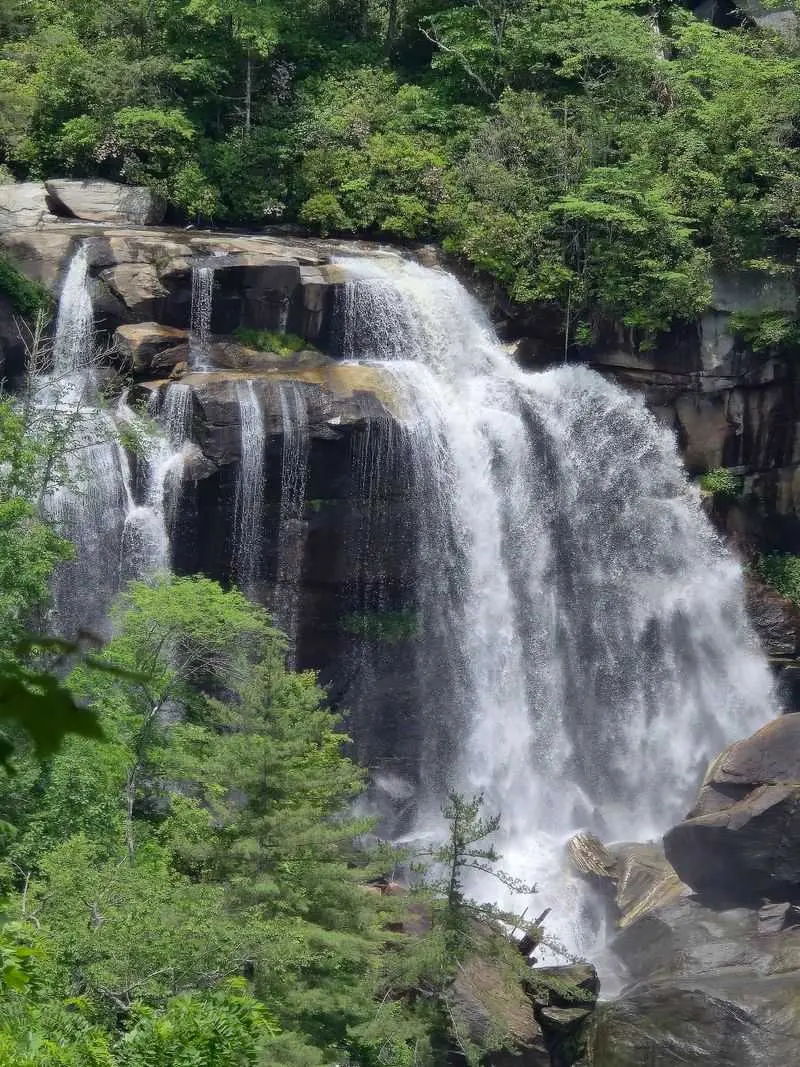
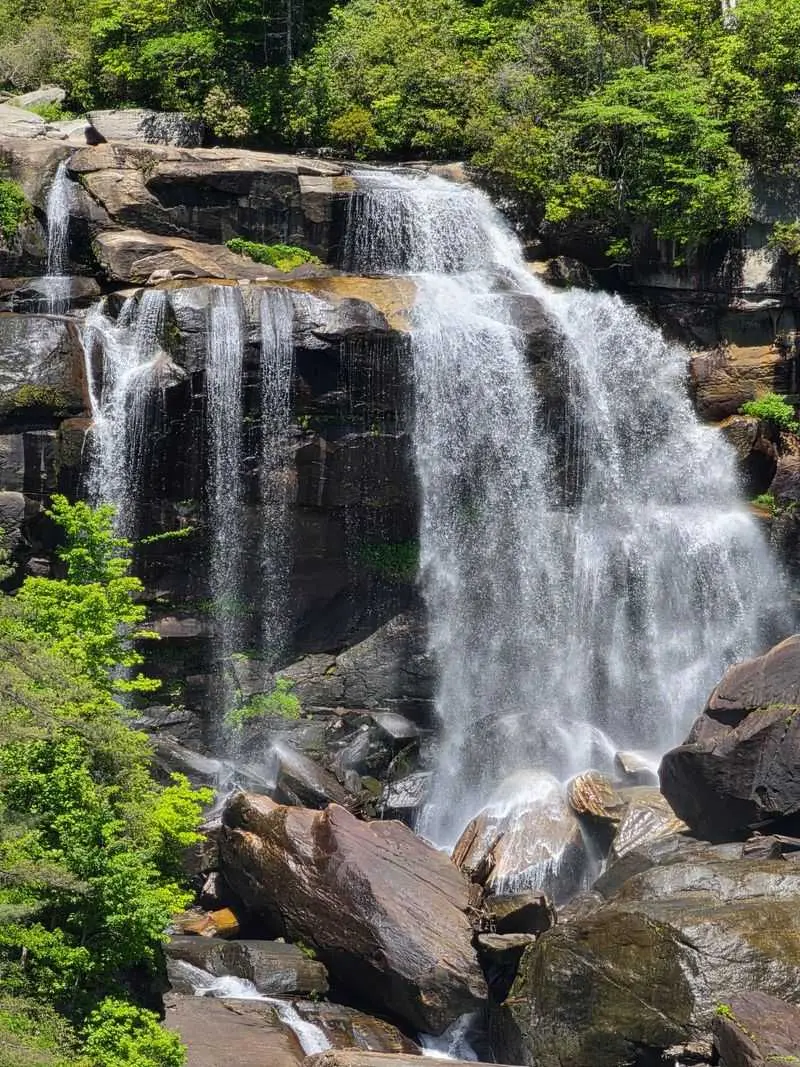
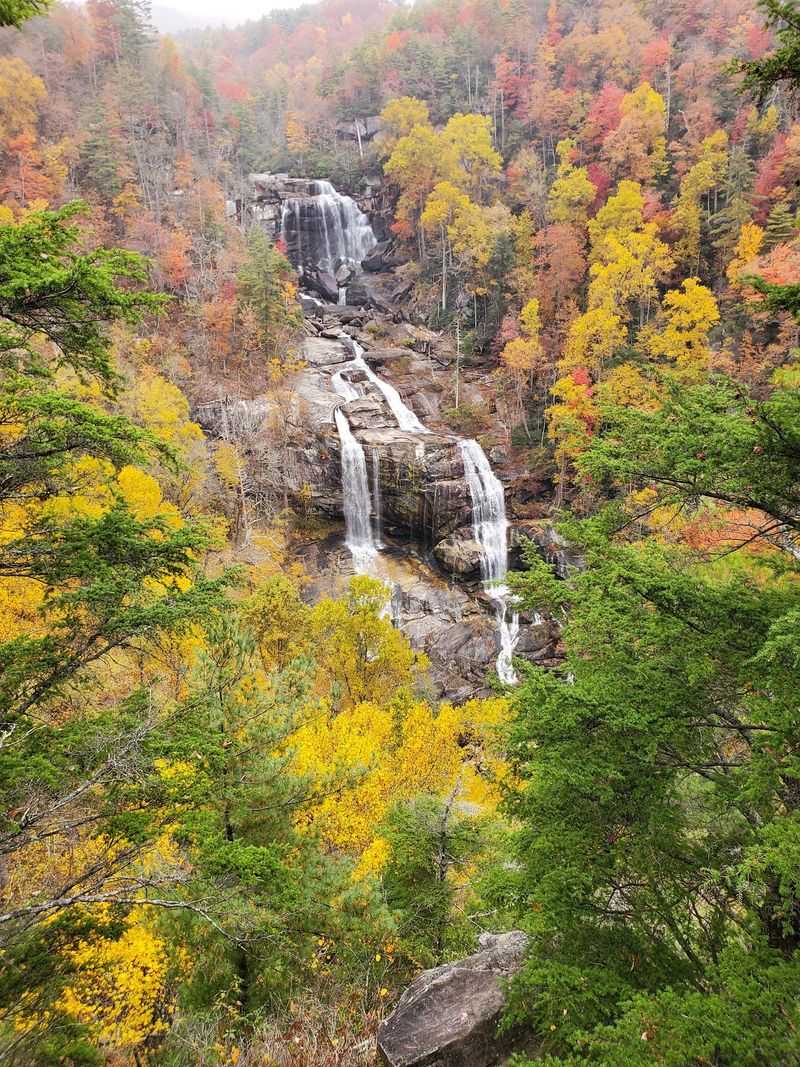
Upper Whitewater Falls drops 411 feet in a series of cascades, with bright water standing out against dark rock and trees.
Its height is easier to appreciate when you slow down and follow the water with your eyes from the top toward the bottom.
Try looking beyond the biggest burst of white.
Smaller streams split apart, join again, and slip over ledges along the way.
The wooded slopes around the falls help show how far the water travels.
After rain, the flow may look fuller, while drier periods can reveal more of the rock beneath it.
Photos can flatten such a tall scene, so take a moment to enjoy it without a screen.
Then try a wide picture that includes some surrounding trees for scale.
If your phone has a zoom setting, use it to pick out details without moving beyond the railing.
The waterfall will still be there when you finish adjusting your camera.
Give yourself time to hear its roar and notice how the water changes as it drops.
That is the part a height figure alone cannot capture.
Choose Your Viewpoint
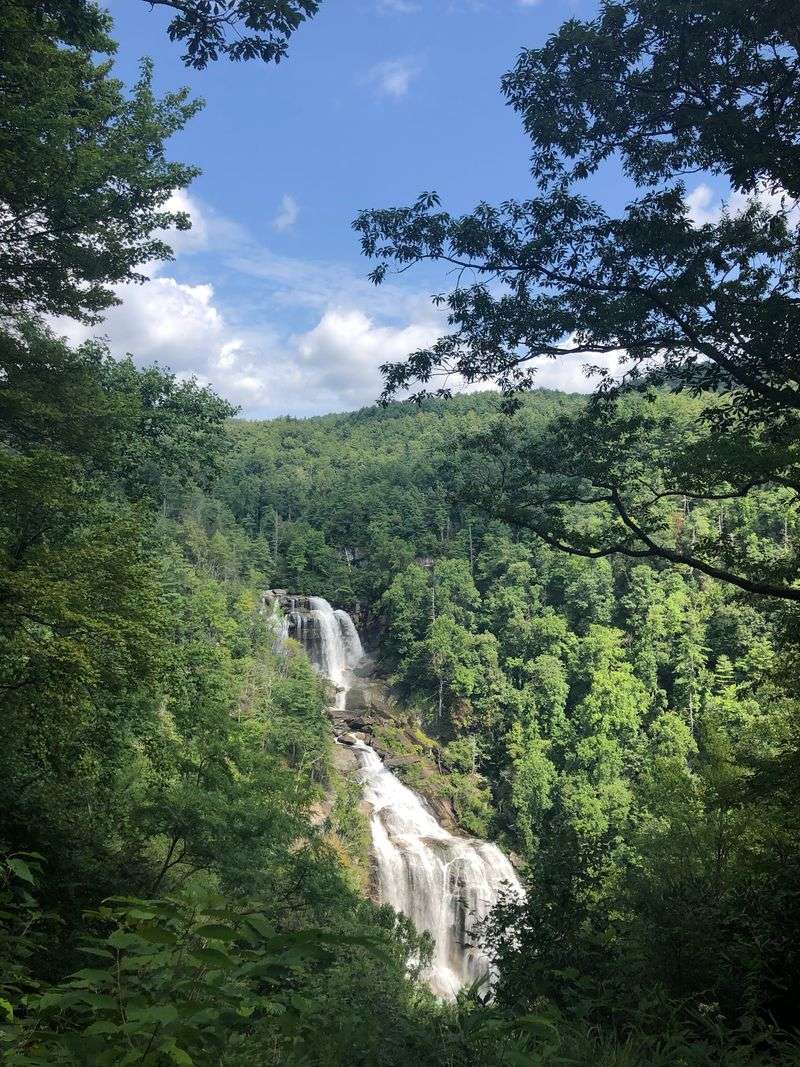
One view is lovely, but two can tell a better story.
The paved route leads to an initial overlook where you can stop and enjoy the falls without taking the stairs.
A second platform lower on the hillside gives you another angle and a fuller look at the waterfall.
Decide how far to go based on your energy, not on what everyone else is doing.
The first viewpoint is a satisfying destination on its own.
If you continue, remember that every step down must be climbed on the way back.
Give yourself extra time if stairs are tiring or if you are visiting with young children.
At either platform, wait your turn at the railing and leave space for people who have just arrived.
A little patience makes the view better for everyone.
Look at the falls from different spots on the platform rather than leaning over an edge for a picture.
Trees and terrain may hide parts of the cascade from one angle, yet reveal them from another.
Before moving on, take one last look without your camera.
You might spot a detail you missed while lining up a photograph.
Think Twice About the Stairs
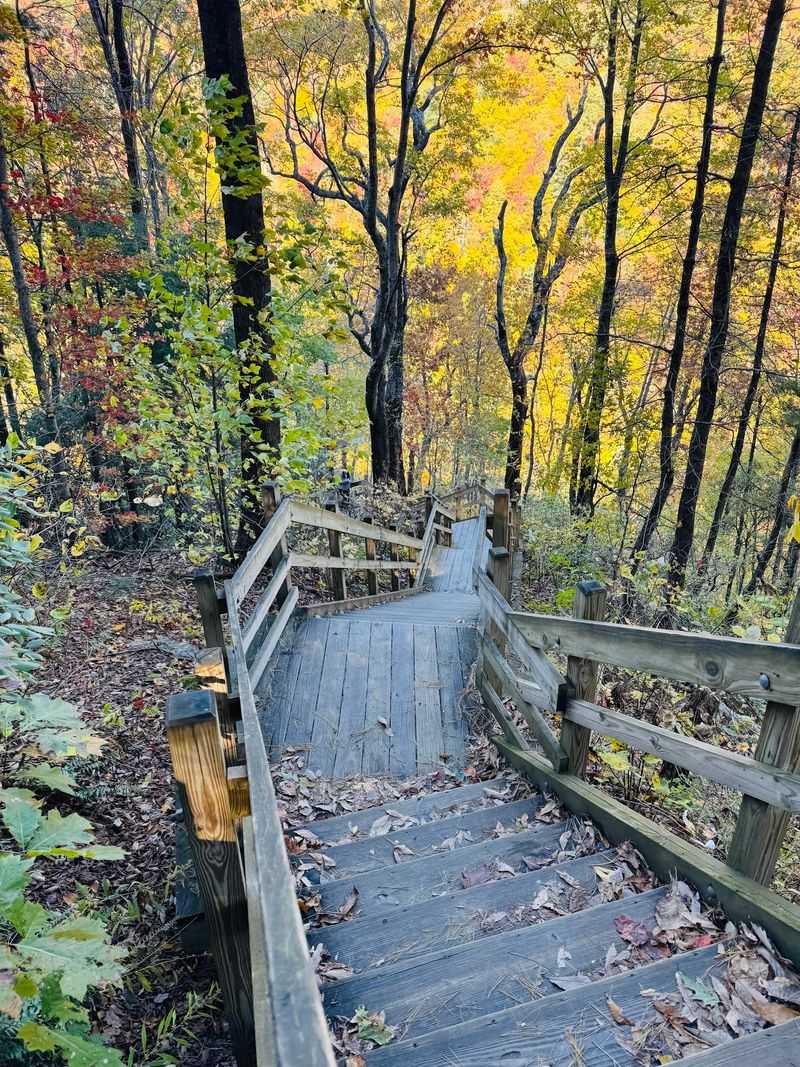
Those steps can look friendlier on the way down.
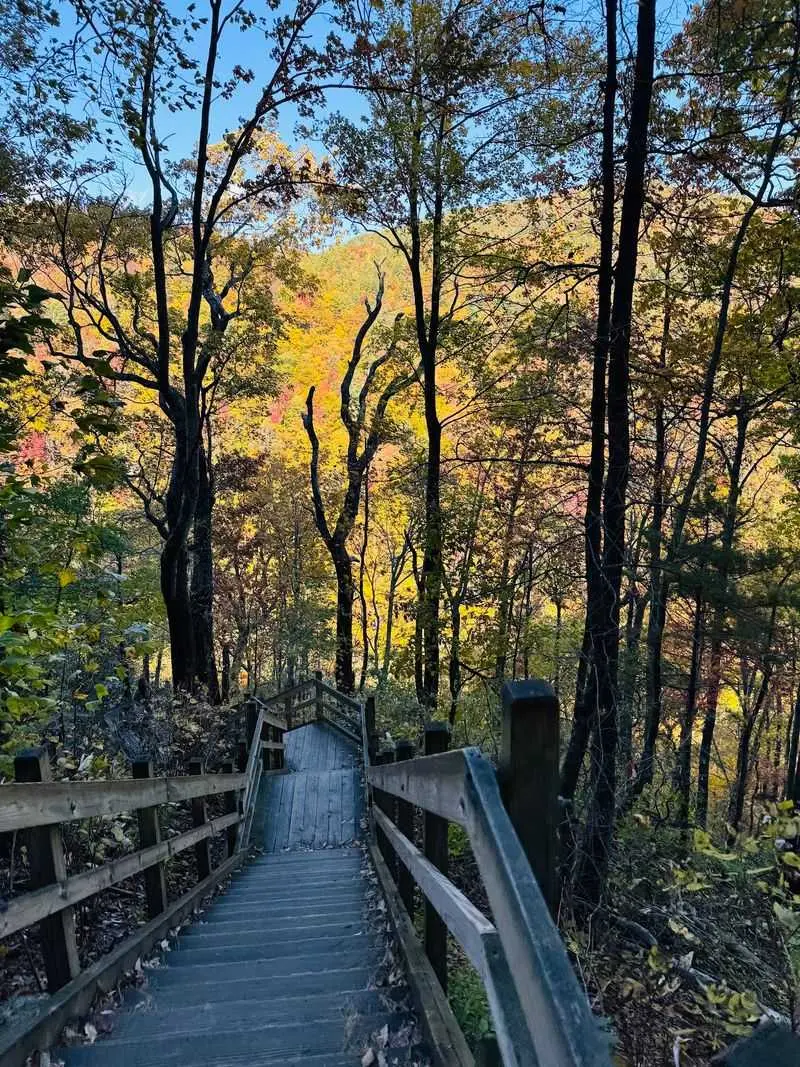
The route to the lower viewing platform includes a long staircase, and visitors often find the climb back more demanding than the descent.
There is no prize for finishing it quickly, so choose a pace you can keep in both directions.
Before heading down, ask whether everyone in your group feels ready to climb back up.
Hold the railing when you need it, watch your footing, and stop where you will not block others.
Wet steps deserve extra care.
If you have trouble with stairs, enjoy the paved route and its first overlook instead of pushing through discomfort.
The lower platform rewards the effort with a different view across the gorge, not access to the water itself.
That is a useful thing to tell children before they start counting steps.
Take a drink and catch your breath before climbing back, especially on a warm day.
Someone who seems full of energy at the top may need several pauses on the return.
When you reach the paved path again, you can be glad you chose the option that fit your group.
Leave the Waterfall Base Alone
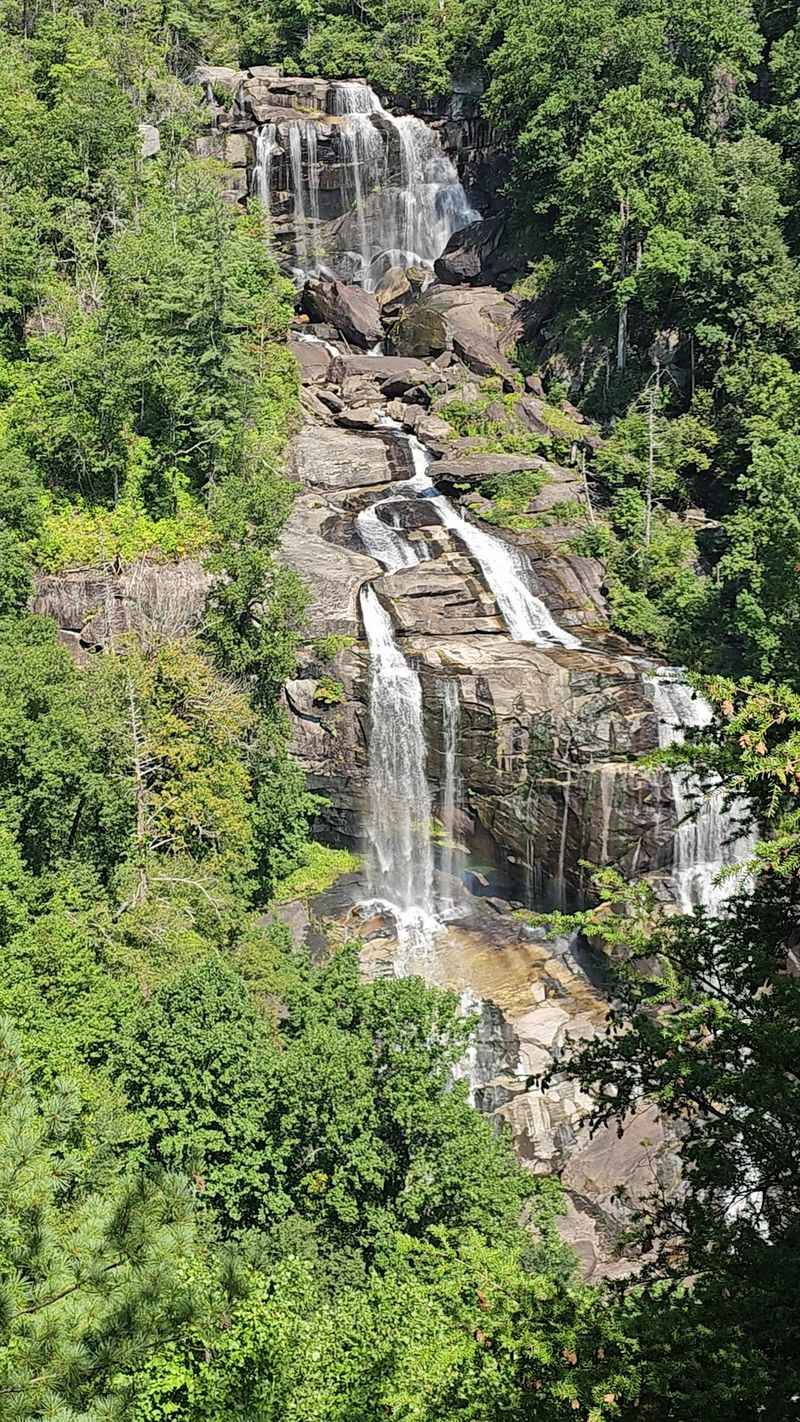
The word beneath paints an exciting picture, but this is not a walk under the falls.
The established visitor route takes you to overlooks across the gorge, not to a safe place at the base of Upper Whitewater Falls.
Knowing that ahead of time lets you enjoy the visit for what it offers instead of searching for a risky way closer.
Steep ground, slick rock, and powerful water can turn a shortcut into an emergency.
Stay on the marked route and behind the railings, even if you see what looks like a path worn into the slope.
A photo from the platform is never worth a fall.
Keep children close when you reach a viewpoint, and do not let pets wander toward an edge.
You can still feel connected to the waterfall from a distance.
Listen for its low roar, watch the white ribbons move over the rock, and notice the trees framing the gorge.
If you came hoping to get soaked, this stop may surprise you: the reward is the sweeping view.
The safest visit ends with everyone walking back together, ready to tell the story.
Let the Weather Set the Scene
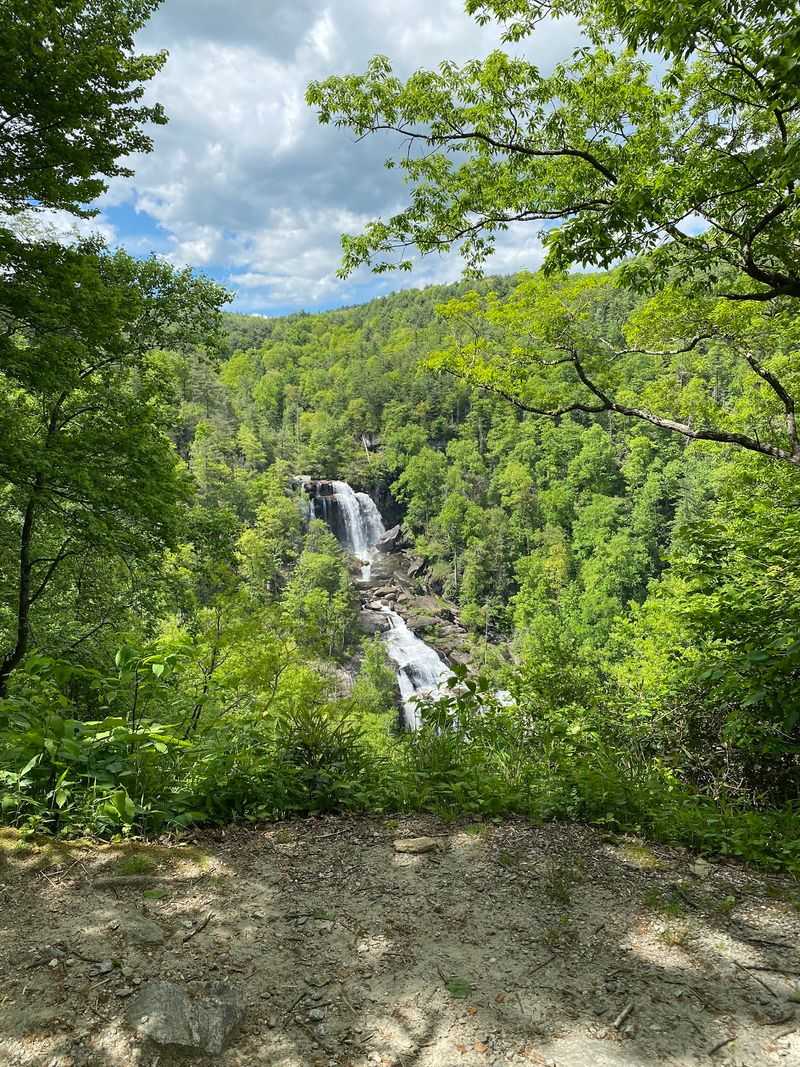
A rainy week can give the waterfall a louder voice.
More water may make the cascade look fuller, and mist can add drama to the gorge.
Bright sunshine brings a different treat, making the white water stand out sharply against the rock.
Neither version needs a perfect forecast to be memorable.
Check conditions before traveling, though, because mountain weather can change quickly.
Bring a light rain layer if showers are possible, and expect paved surfaces and stairs to be slippery when wet.
Fog may hide part of the view for a while.
If it is safe to wait, give the clouds a chance to move before deciding you have seen all there is to see.
Autumn leaves can add color around the falls, while green summer trees make the gorge feel deep and shaded.
Seasonal beauty does not cancel basic caution.
Thunder, icy steps, or poor visibility are good reasons to change your plans.
For photos, wipe moisture from your lens and try a few shots as the light shifts.
You may find that the most striking moment arrives after you put your phone away and simply watch.
Make a Simple Plan for the Visit
Big scenery does not require a packed hiking bag.
For this outing, comfortable shoes, drinking water, and a charged phone cover many of the basics.
Add a layer if the air feels cool, and bring a rain jacket when the forecast looks uncertain.
Keeping your hands free helps on the staircase if you decide to use it.
Before you go, check the current Forest Service page for hours, fees, and alerts.
Do not rely on an old review for the parking price or assume every facility will be open.
A little planning can prevent a disappointing arrival.
If you are traveling with someone who needs an easier route, make the first overlook your goal and treat the stairs as optional.
Once there, let the waterfall set the pace.
Read the signs, take turns at crowded viewpoints, and carry out every bit of trash you brought in.
You do not need to squeeze every possible step into the trip to make it worthwhile.
A calm walk, a safe place to stand, and enough time to look closely are plenty.
Head back when you are ready, with the sound of the falls still in your ears.