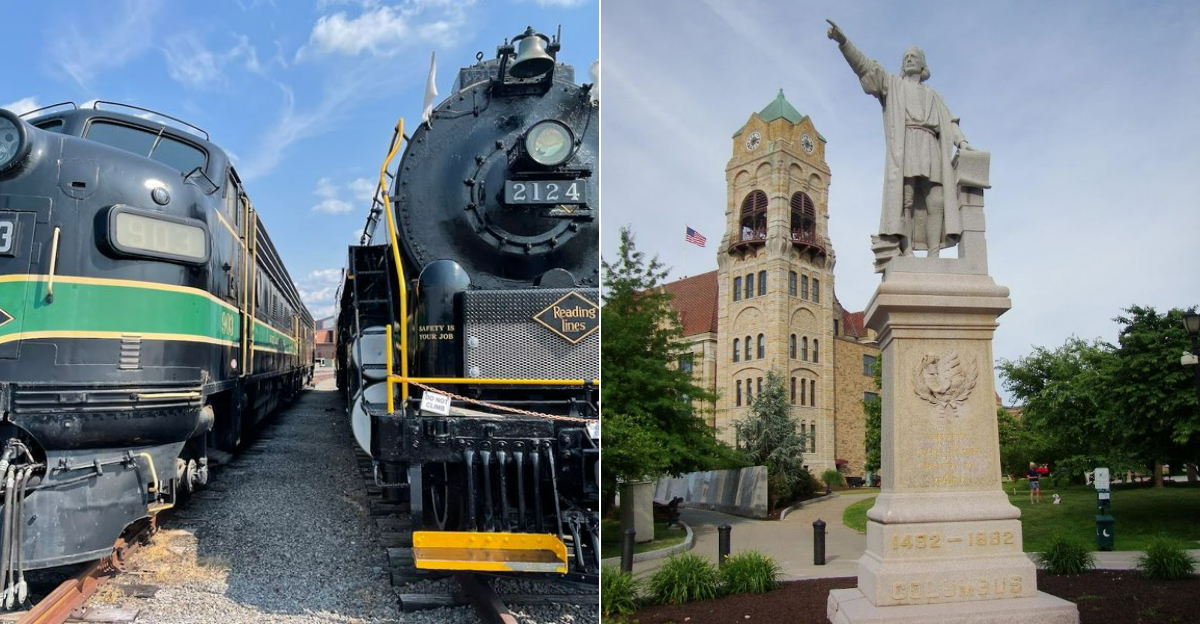
In downtown Scranton, you can step into a real railroad yard where century-old steam engines still tower over the tracks like sleeping giants. Steamtown National Historic Site is not a polished theme park version of train history, but a National Park Service site built into the former Delaware, Lackawanna and Western Railroad yards.
Admission to the grounds, museums, and most exhibits is free, which makes the scale of the place feel even more surprising. If you have ever wanted to stand beside a massive locomotive, watch a turntable move, or understand how steam power changed America, this is the rail yard worth planning around.
A Real Rail Yard, Not a Replica
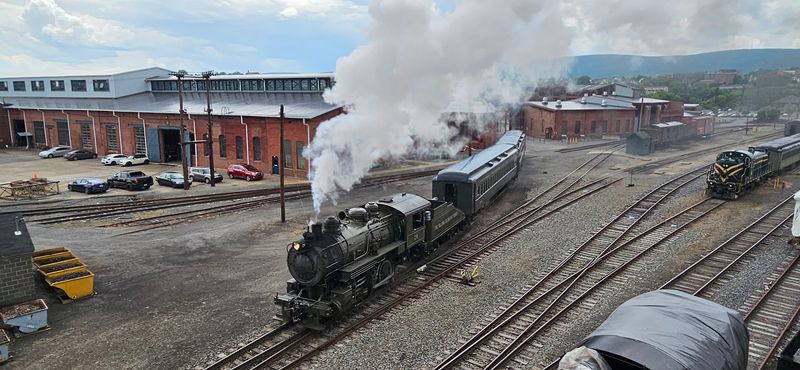
Steamtown immediately feels different because you are not entering a recreated attraction. You are walking into a genuine former railroad yard at 350 Cliff Street in downtown Scranton, where the Delaware, Lackawanna and Western Railroad once handled real work.
The National Park Service now operates the site, but the bones still feel industrial, practical, and huge.
That authenticity changes how you experience everything around you. The locomotives are not scaled down, softened, or tucked behind theatrical scenery.
They sit on open track with all the mass, grime, rivets, wheels, and mechanical presence that made steam railroading feel powerful in the first place.
The best part is that most of this experience is free. You can enter the visitor center, walk the grounds, explore exhibits, and feel the size of the rail yard without buying a general admission ticket.
For a place this substantial, that still feels almost unbelievable.
Why Scranton Is the Perfect Steam Railroad City
Scranton makes sense for Steamtown in a way that feels deeper than simple geography. This city grew from coal, iron, and railroads, and those industries shaped northeastern Pennsylvania through the 19th and early 20th centuries.
When you stand in the yard, you are standing where that history actually moved.
The Delaware, Lackawanna and Western Railroad was closely tied to anthracite coal, which was mined throughout the region and shipped to fuel homes, factories, and cities. Its Scranton yards were part of a much larger industrial web that connected miners, ironworkers, machinists, engineers, and passengers.
Steamtown preserves that connection in a place where the tracks still make sense.
I like that the site does not feel randomly placed. The story outside the museum doors matches the story inside the exhibits.
Scranton is not just the host city, it is part of the machinery that made steam railroading matter.
The Locomotives Are Bigger Than Your Brain Expects
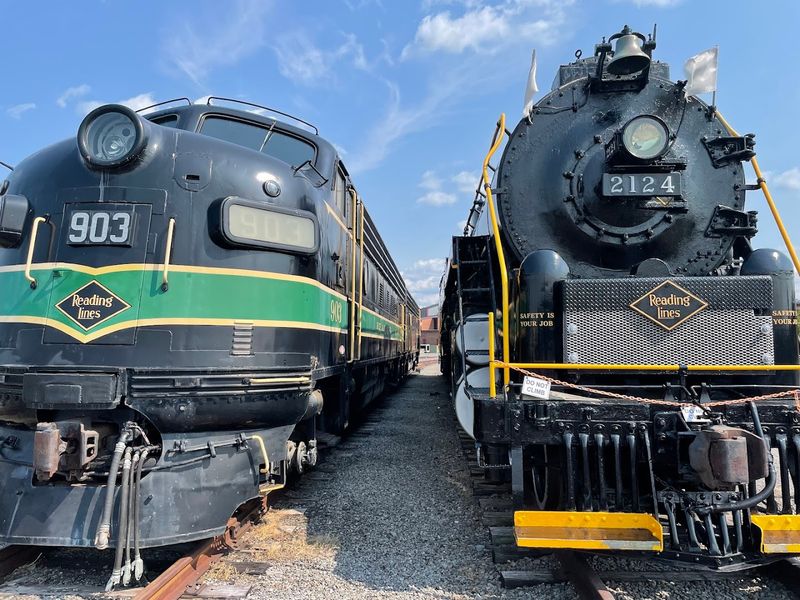
You can look at photographs of steam locomotives all day and still be unprepared for their size at Steamtown. The collection includes standard-gauge steam locomotives, passenger cars, freight equipment, and historic rail vehicles from different eras and railroads.
Some engines feel compact and purposeful, while others look almost absurdly large.
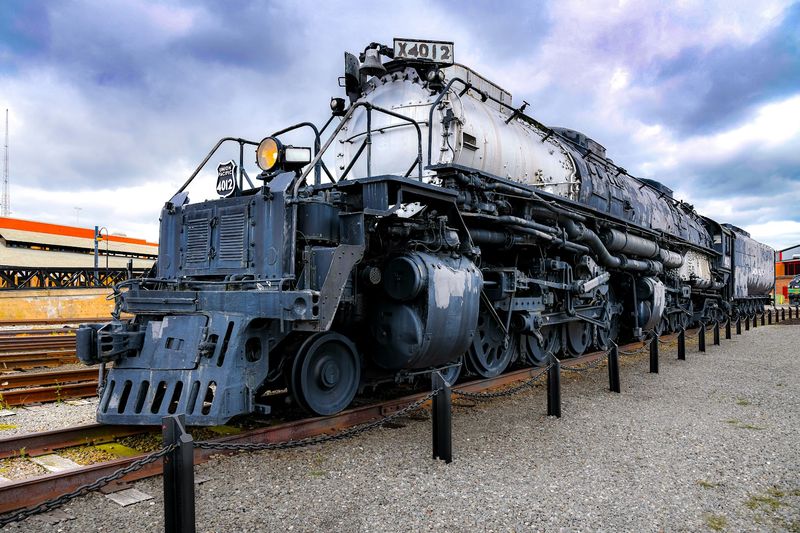
The famous Union Pacific Big Boy No. 4012 is one of the attention grabbers, and for good reason. It is one of only a handful of surviving Big Boy locomotives and the only one preserved in the eastern United States.
Standing near it makes the phrase heavy industry feel wonderfully literal.
What I love is how much of the collection sits in real space instead of disappearing behind glass. You can walk along outdoor tracks, compare wheel heights, notice couplers and boiler plates, and let the machines overwhelm your sense of proportion.
That physical shock is part of the lesson.
Climbing Aboard Changes the Story
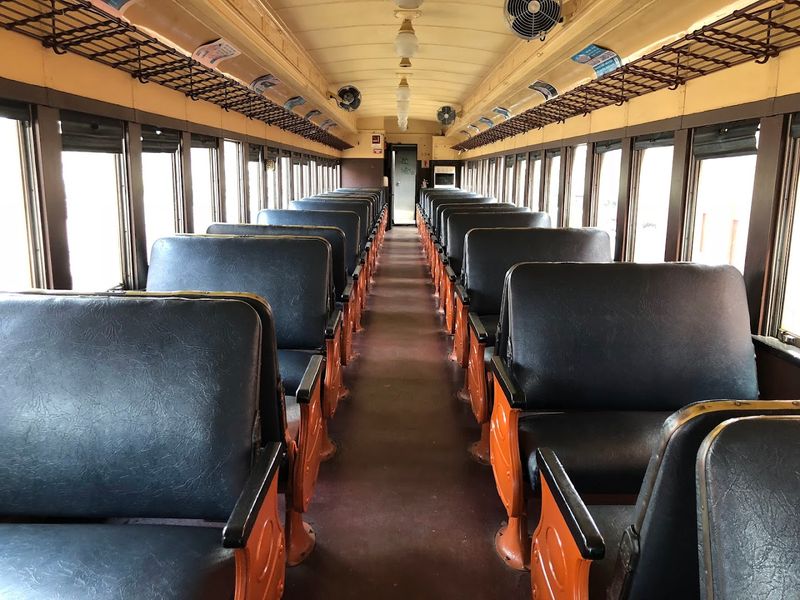
One of Steamtown’s most memorable surprises is how close you can sometimes get to the equipment. Depending on staffing, season, and scheduled programs, visitors may be able to climb aboard certain rail cars or see locomotive cab areas during special events.
Even when access varies, the site gives you more intimacy than many transportation museums.
Inside a cab or historic car, the romance of railroading gets more complicated. The spaces are tight, metal-filled, and demanding, with gauges, valves, handles, hard seats, and awkward sightlines.
You quickly understand that running a steam locomotive was physical labor, not a gentle ride through nostalgia.
That hands-on feeling matters because it turns machinery into human history. You begin picturing the engineer watching pressure, the fireman feeding the fire, and crews working long shifts in heat and noise.
Suddenly, the engine is not just impressive, it is exhausting.
The Roundhouse Still Feels Alive
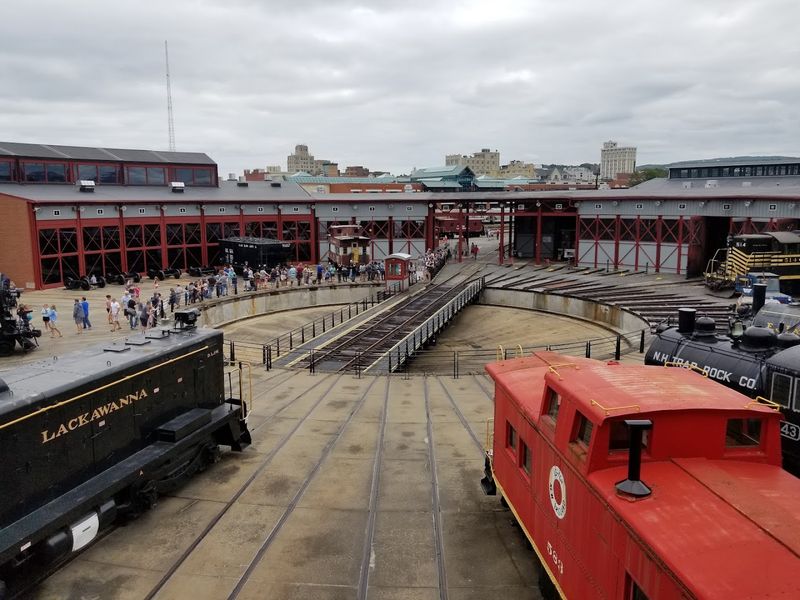
The roundhouse is the part of Steamtown that feels most like a living workshop. Originally built in the early 1900s and expanded later, it was designed around a central turntable that could rotate locomotives toward individual bays.
That practical circular layout is still one of the most fascinating pieces of railroad architecture on site.
From visitor areas and raised walkways, you can often look into spaces where restoration and maintenance work continues. Mechanics, tools, parts, scaffolding, and half-finished projects give the building a working pulse.
Instead of seeing engines presented only as finished artifacts, you see the effort required to keep history from rusting into silence.
The smell and atmosphere matter too. Oil, metal, old wood, high ceilings, and shop light create a mood that no display case can imitate.
If you enjoy places where preservation feels active, you will probably linger here longer than planned.
The Technology Museum Makes Steam Make Sense
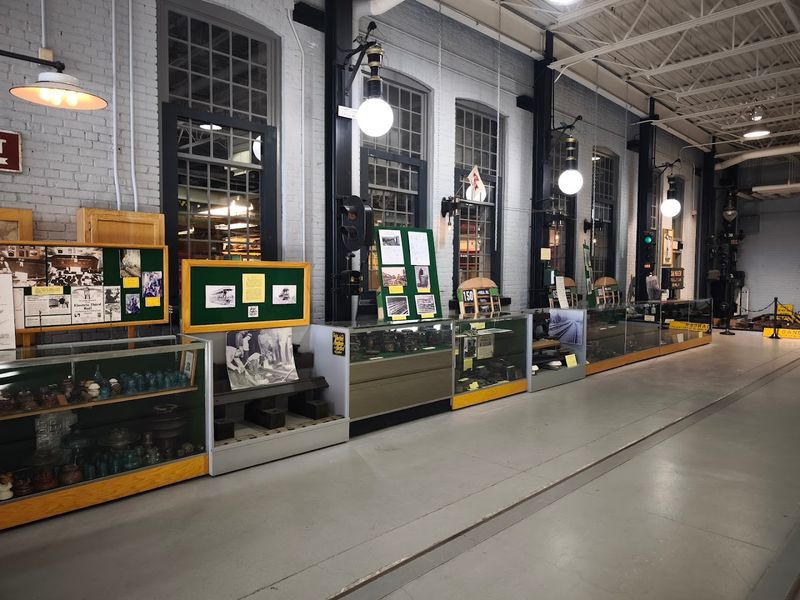
If you have ever stared at a steam locomotive and wondered how water, fire, and metal could move something so enormous, the Technology Museum is where things click. The exhibits explain steam power in a way that feels approachable rather than intimidating.
You follow the process from water to steam, from steam to pistons, and from pistons to turning wheels.
The sectioned locomotive displays are especially helpful because they reveal what is usually hidden inside the boiler and machinery. Instead of asking you to imagine invisible pressure and motion, the museum gives you a three-dimensional look at the parts doing the work.
For curious visitors, it is quietly satisfying.
This is also a smart stop if you are visiting with someone who thinks trains are just big vehicles. The museum shows that steam locomotives were moving systems of chemistry, physics, labor, timing, and maintenance.
Afterward, every engine outside looks more alive.
The History Exhibits Avoid Simple Nostalgia
Steamtown could have settled for celebrating shiny engines, but its history exhibits reach farther than that. The museum places steam railroading inside the larger American story of expansion, industry, transportation, and labor.
You see how trains moved coal and goods, connected towns, reshaped time, and changed the economy.
What keeps the exhibits grounded is their attention to people. Railroad history involved engineers, firemen, brakemen, porters, shop workers, clerks, passengers, immigrants, business leaders, and families living along the lines.
The human side prevents the story from becoming just a parade of machines.
The labor content is especially important. Railroading could be dangerous, exhausting, and unfair, and workers organized for better treatment while keeping the system running.
That honesty makes the museum more powerful, because it lets you appreciate the achievement without pretending it came easily or painlessly. You leave with admiration, but also a clearer sense of cost.
Excursion Trains Turn the Visit Into Motion
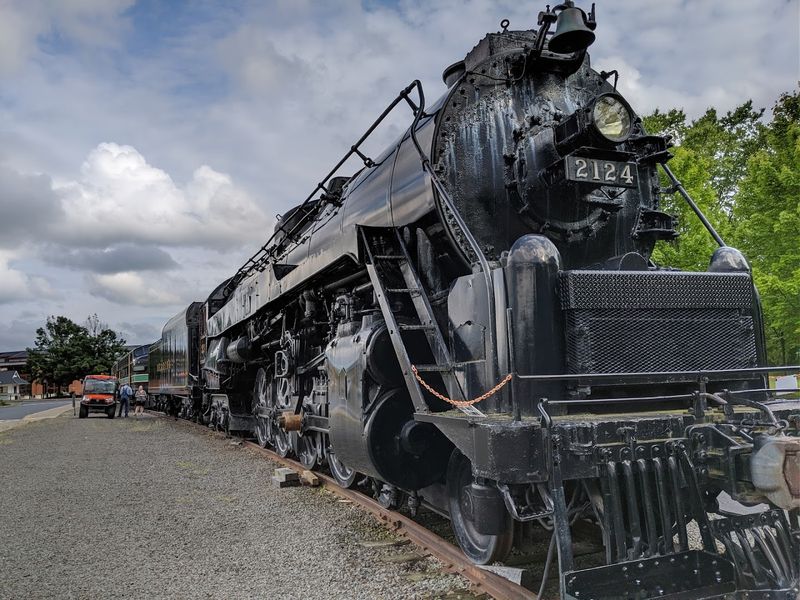
Even though general admission is free, the paid train rides can be the part that makes your visit feel complete. Steamtown offers seasonal excursions, from shorter ranger-narrated rides around the yard to longer trips through the Lackawanna Valley and nearby Pennsylvania landscapes.
Routes, prices, and schedules change, so checking ahead is essential.
The reason to ride is not just distance. Vintage rail cars move differently from modern transportation, with a sway, rhythm, sound, and window view that slow your attention down.
When the conductor punches a ticket and the wheels begin talking to the track, the museum becomes an experience rather than a place you simply observe.
Families often love the short rides because they are manageable and memorable. Rail fans may aim for longer excursions or holiday trains when available.
Either way, tickets can sell out during popular seasons, so planning ahead saves disappointment.
The Turntable Is a Low-Key Showstopper
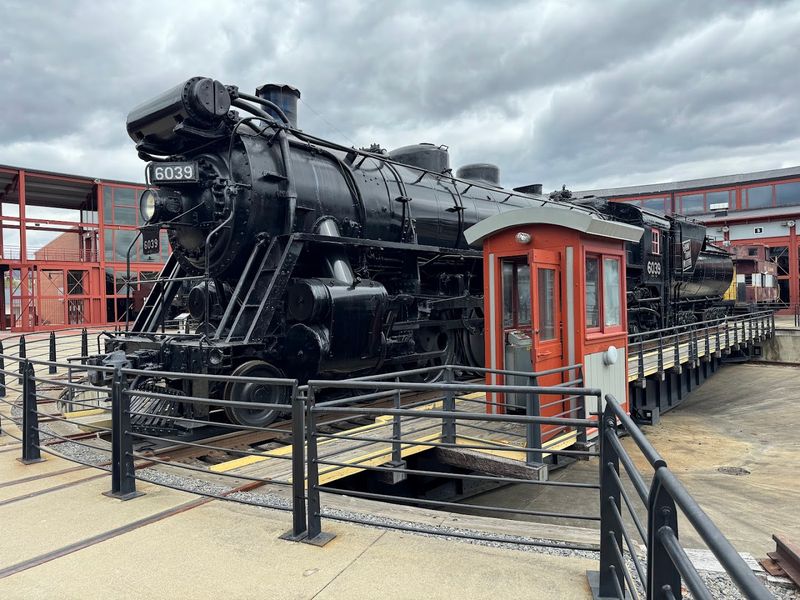
The turntable may not sound dramatic until you see what it was built to do. Locomotives could not simply pivot like cars, so railroads used rotating platforms to align engines with roundhouse bays or outbound tracks.
At Steamtown, that piece of infrastructure is not just explained, it is part of the site’s physical character.
Watching a turntable operate feels oddly hypnotic. A machine that weighs many tons can be repositioned with careful balance, engineering, and patience.
It is a reminder that railroading depended on systems, not just locomotives: tracks, shops, signals, schedules, crews, and tools all had to work together.
This is a great moment to slow down rather than rush to the next exhibit. Kids tend to understand it immediately because it is visual and mechanical.
Adults often appreciate the elegance of a solution created for an era when moving massive objects was an everyday problem.
Kids Get More Than a Walk-Through Museum
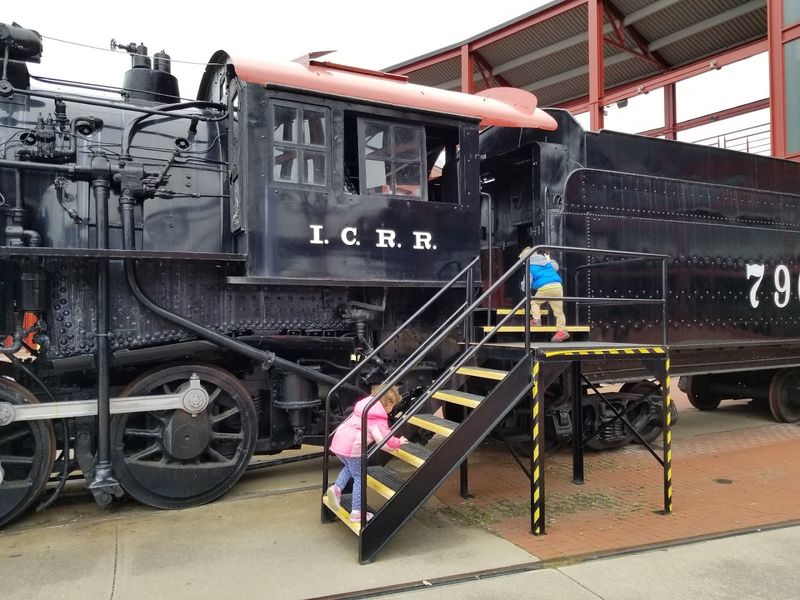
Steamtown works well for kids because so much of the experience is visual, loud, tactile, and oversized. You do not need a child to read every label for them to understand that these machines are extraordinary.
Walking beside giant wheels and hearing railroad sounds can do a lot of the teaching.
The free Junior Ranger program adds structure without making the day feel like homework. Children can complete activities, ask questions, and earn a badge, which gives them a reason to notice details beyond the biggest locomotive in front of them.
Rangers are often enthusiastic and patient with curious young visitors.
There are a few practical things worth remembering. Much of the site involves walking, some areas can feel hot in summer, and historic equipment may have limited accessibility.
Bring water, comfortable shoes, and a flexible plan. If a train ride is operating, that may become the day’s favorite memory.
Photographers Can Get Lost in the Details
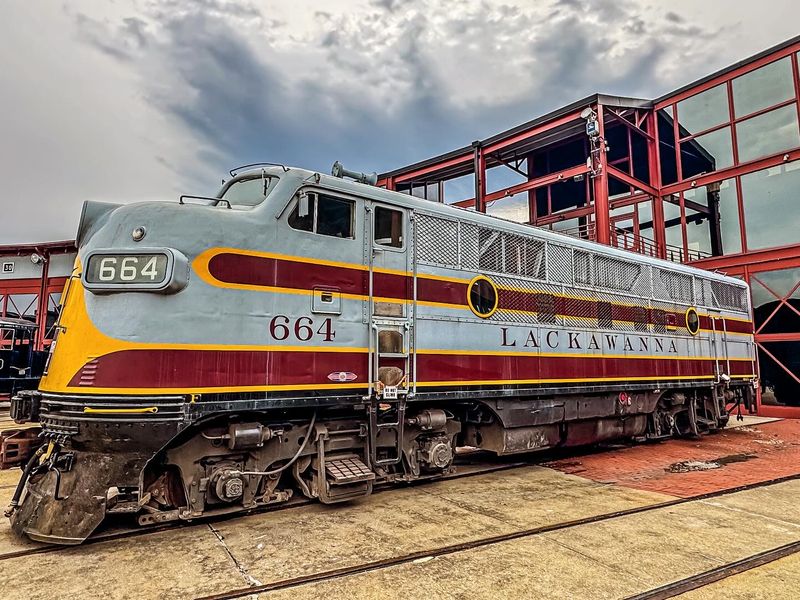
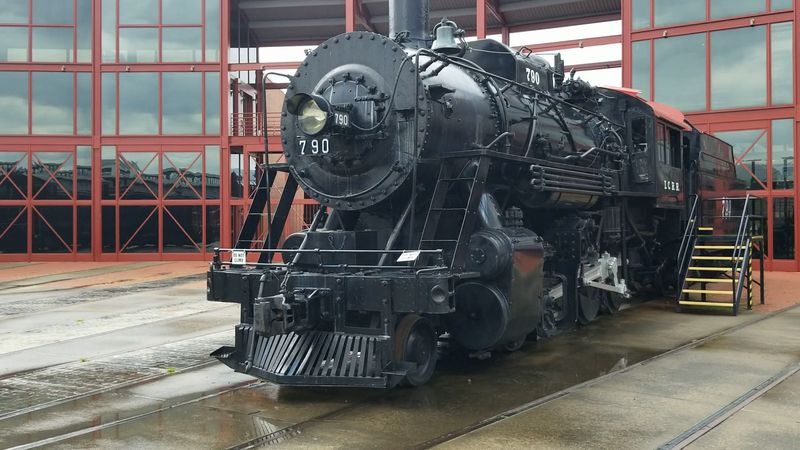
Steamtown is one of those places where even a quick phone snapshot can look atmospheric. Weathered steel, brick shop buildings, open tracks, old lettering, rust, polished rods, and enormous wheels create layers of texture everywhere you turn.
You do not have to be a serious photographer to notice how good the place looks.
Early morning light can be especially kind to the outdoor locomotives, while the roundhouse offers moodier scenes with high ceilings and workshop shadows. Close-up shots are rewarding because the engines are full of small visual stories: bolts, gauges, worn steps, number plates, cables, chipped paint, and fingerprints of long use.
Wide shots capture the scale, but details capture the character.
The trick is to move slowly. Instead of photographing only the full locomotive, look at how curves, rivets, tracks, and signs intersect.
The site rewards patience, and every machine seems to have another angle waiting.
Planning a Smart Visit to 350 Cliff Street
Steamtown National Historic Site is located at 350 Cliff Street in Scranton, Pennsylvania, and it is easy to build a half day around it. Current posted hours generally run Wednesday through Sunday from 9:30 AM to 4:00 PM, with Monday and Tuesday closed, but you should confirm details on the National Park Service website before going.
Seasonal changes, holidays, weather, and special events can affect access.
Admission to the visitor center, museums, roundhouse areas, and grounds is free, while train rides require separate tickets. Short rides may be available on site, and longer excursions often need advance purchase.
Parking is typically straightforward, which helps if you are arriving with kids, camera gear, or a tight schedule.
My strongest advice is to join a ranger-led tour if one fits your timing. Rangers can explain the repair shop, roundhouse, locomotives, and labor history in ways signs cannot.
That guidance turns a big rail yard into a story.