Forget ordinary souvenirs—you can dig up one that’s hundreds of millions of years old.
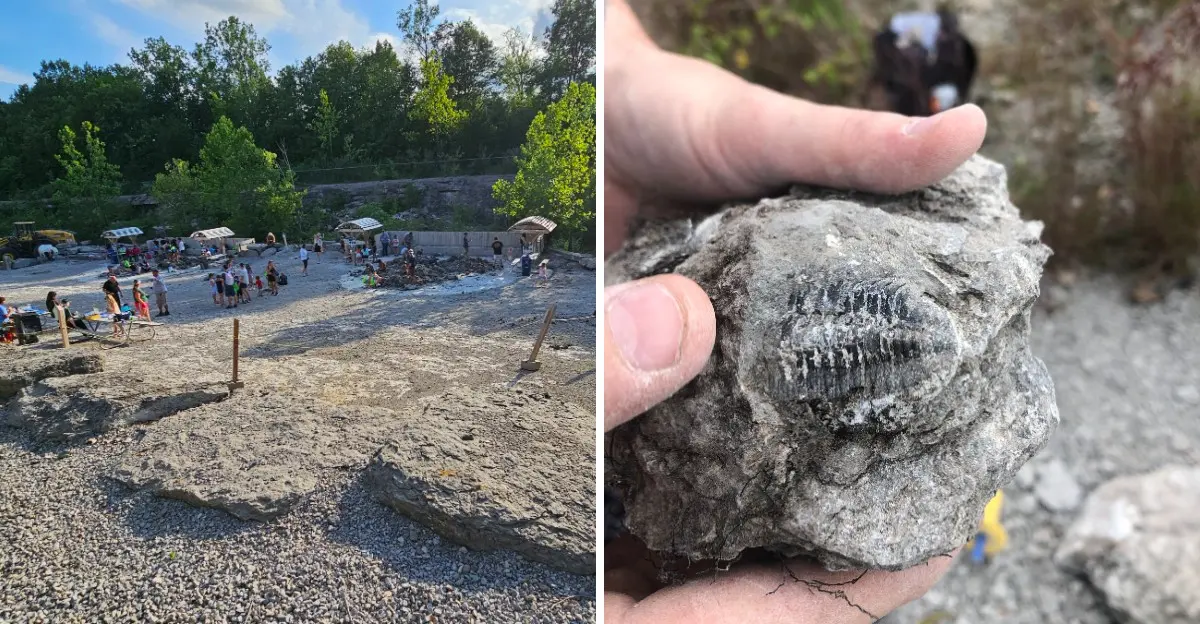
At Fossil Park in Sylvania, Ohio, visitors can search through ancient shale for real Devonian fossils, including trilobites, brachiopods, corals, and other marine life.
The best part?
There’s no admission fee to start hunting.
Crack open a piece of shale with your hands and you never know what might be hiding inside.
A tiny fossil fragment can suddenly become the star of your collection, connecting you to a sea that covered Ohio more than 375 million years ago.
Bring the family, get your hands dirty, and start searching.
Every fossil you uncover can become your own prehistoric keepsake, making this free Ohio adventure far more memorable than another souvenir-shop stop.
A Free Fossil-Hunting Adventure In Sylvania
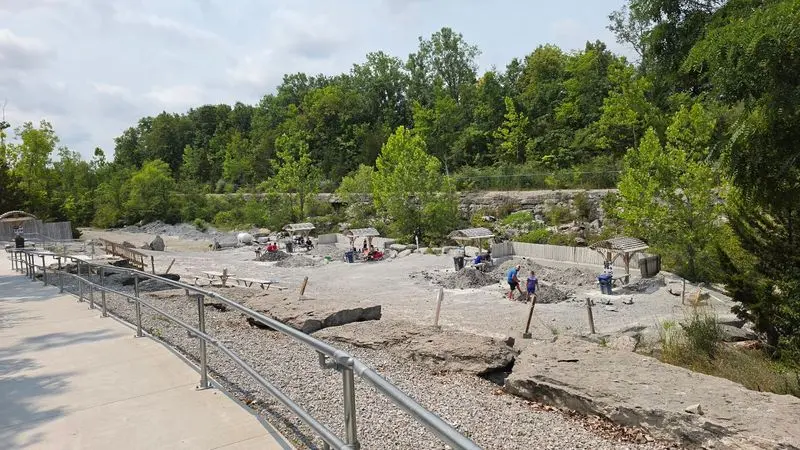
Most fossil-hunting adventures require entry fees, permits, or expensive guided tours. Fossil Park breaks that pattern completely by offering free admission and free collecting to anyone who shows up.
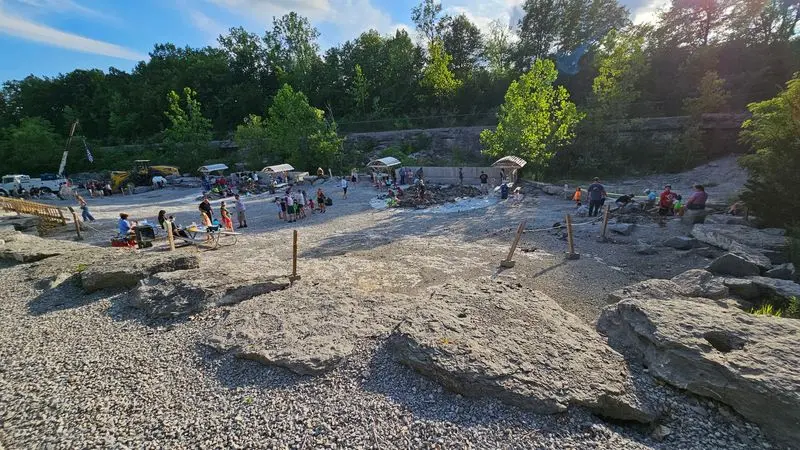
The designated digging area stays stocked with fossil-bearing shale from nearby quarries, giving everyone equal access to prehistoric treasures.
Families can spend hours searching without worrying about parking meters or time limits. Beginners feel welcome because nobody judges your lack of experience or fancy equipment.
Serious collectors return regularly because the site gets fresh material throughout the season.
The free model makes paleontology accessible to people who might never visit a museum exhibit or pay for a commercial fossil site. Kids develop real scientific curiosity when they can keep examining rocks until they find something special.
The park proves that educational outdoor experiences don’t need admission gates to create lasting memories and genuine learning opportunities for visitors of all backgrounds.
You’re Digging Through Rocks From An Ancient Ohio Sea
Picture Ohio covered by a warm, shallow sea stretching as far as the eye could see. That was reality during the Devonian Period, roughly 375 to 400 million years ago.
The Silica Formation preserves snapshots of the marine creatures that called this ancient environment home.
Every piece of shale you split open at Fossil Park contains rock formed from sediments that settled on that ancient sea floor. Tiny particles of mud and silt accumulated over millions of years, eventually hardening into the layers visitors crack apart today.
The fossils trapped inside are actual remains of animals that swam, crawled, or anchored themselves to the bottom.
Understanding this history transforms fossil hunting from a simple scavenger hunt into time travel. You’re literally holding evidence of an ecosystem that existed before dinosaurs walked the Earth.
The rocks beneath modern Sylvania tell stories of a completely different world, one where Ohio sat near the equator and ocean waves lapped against ancient shorelines.
Yes, Trilobites Really Can Turn Up Here
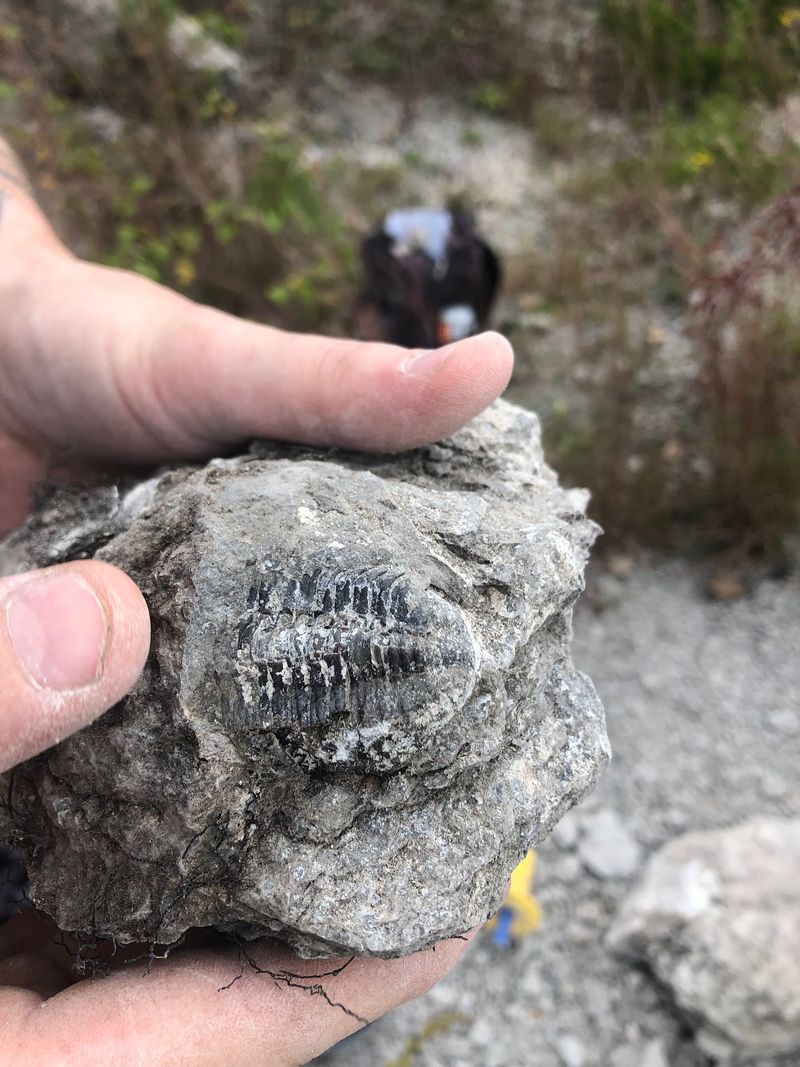
Trilobites rank among the most sought-after fossils at the park, and yes, they genuinely appear in the shale. Eldredgeops, once called Phacops rana, represents the species most commonly found here.
Complete specimens are rare treasures that require patience and a bit of luck to uncover.
Most successful hunters find trilobite fragments rather than intact specimens. A segment of the body, part of the head shield, or even a single eye lens counts as an exciting discovery.
These pieces still show the remarkable detail that makes trilobites so fascinating to collectors and scientists alike.
Splitting shale with a careful, deliberate technique improves your chances of exposing trilobite remains. Look for the distinctive ribbed texture that marks their segmented bodies.
Some visitors spend entire afternoons searching before finding even a small piece, while others get lucky on their first visit. The unpredictability adds genuine excitement to every rock you open, keeping hope alive through hundreds of splits.
Brachiopods And Corals Are The Finds You’ll See Most
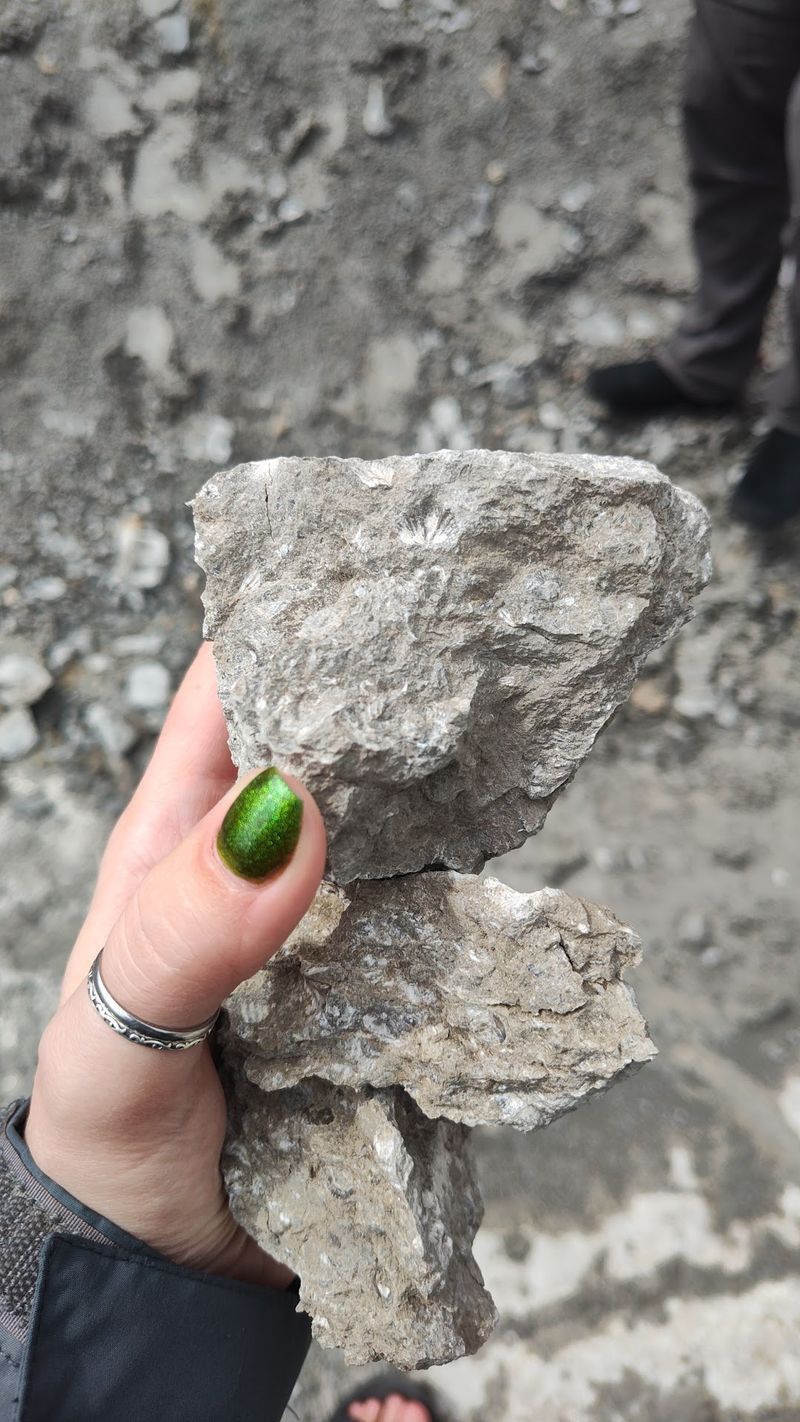
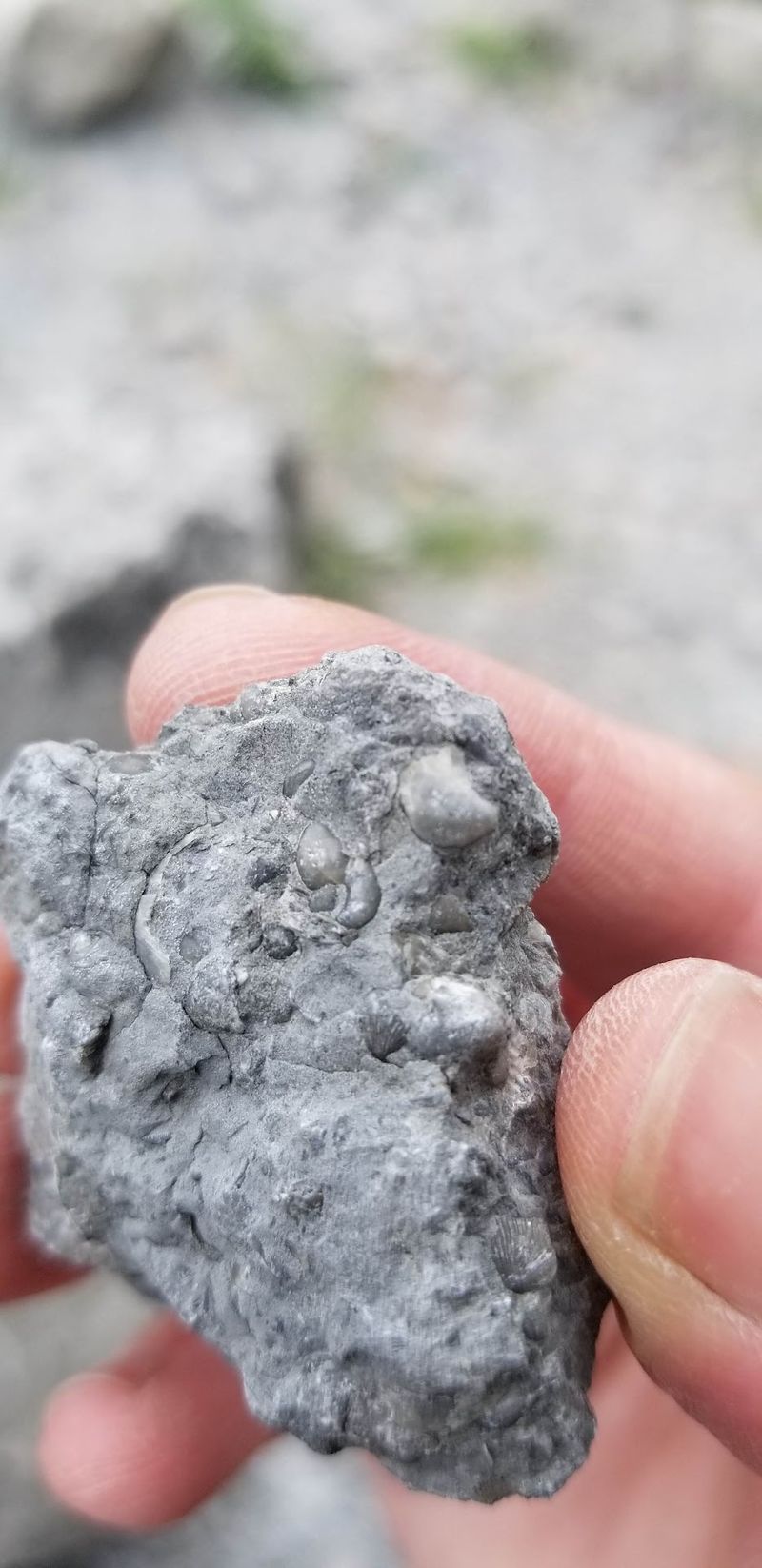
Expecting trilobites in every rock leads to disappointment fast. Brachiopods dominate the fossil population at this site, appearing in countless pieces of shale throughout your search.
These small, clam-like creatures actually belong to a completely different animal group, and they thrived in Devonian seas.
Corals show up frequently too, along with crinoid stem segments, delicate bryozoans, and various other marine organisms. Each successful split can reveal something interesting to examine, even if it’s not the rare trilobite everyone dreams of finding.
Learning to identify different fossil types turns every discovery into a mini-lesson in ancient life.
The abundance of common fossils actually enhances the experience rather than diminishing it. Children stay engaged because they find things constantly.
Adults appreciate the variety and practice their identification skills. Every brachiopod or coral fragment represents a real organism that lived hundreds of millions of years ago, making even common finds genuinely special when you think about their incredible age and journey.
You Don’t Need A Hammer To Find Fossils
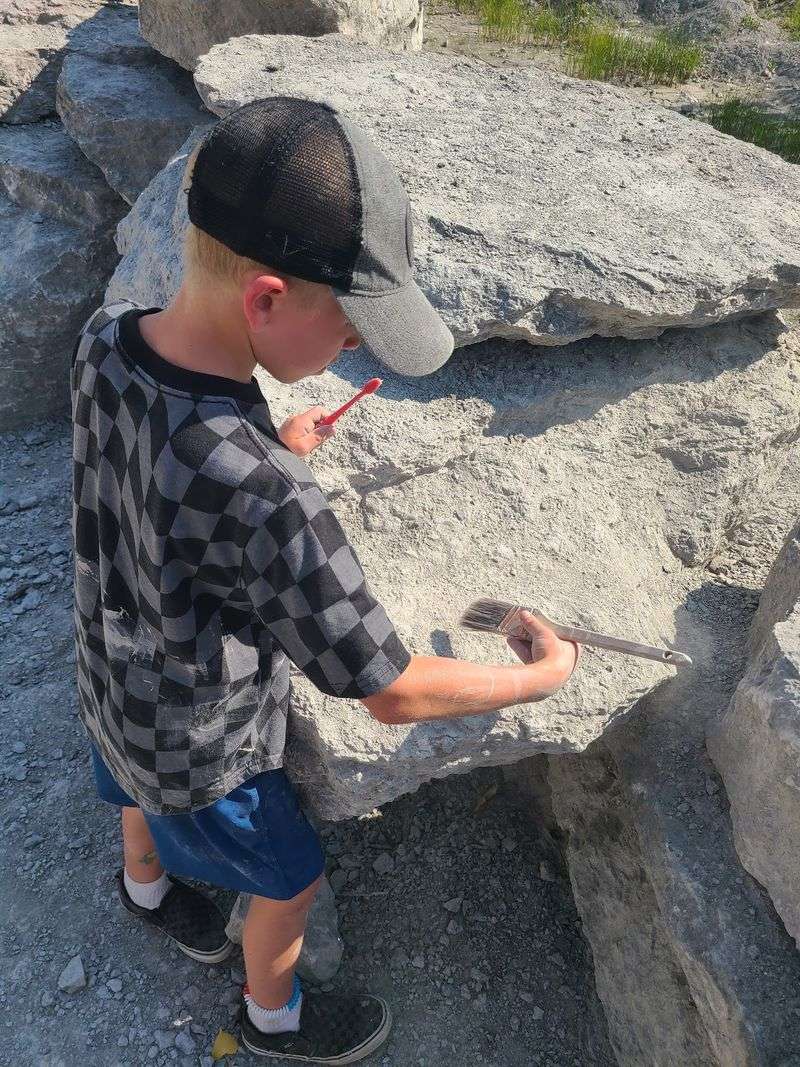
Forget images of geologists wielding rock hammers and safety goggles. Fossil Park takes an entirely different approach that surprises first-time visitors.
Hammers, chisels, picks, and similar hard tools are completely prohibited because the shale is soft enough to split using only your hands.
The manual splitting method makes this activity incredibly approachable for young children and nervous beginners. Nobody needs special skills or expensive equipment to participate successfully.
You simply pick up a piece of shale, find a natural splitting plane, and carefully pry the layers apart with your fingers.
This hands-on approach creates a more intimate connection with the fossils you discover. Your fingertips feel the texture of ancient rock as layers separate.
Kids build confidence quickly when they realize they can do real paleontology work without adult help or fancy gear. The tool-free policy also keeps the site safer and quieter than traditional fossil-collecting locations.
Some visitors initially doubt they can crack rocks without implements, but most get the hang of it within minutes.
Bring A Brush And Something To Carry Your Fossils
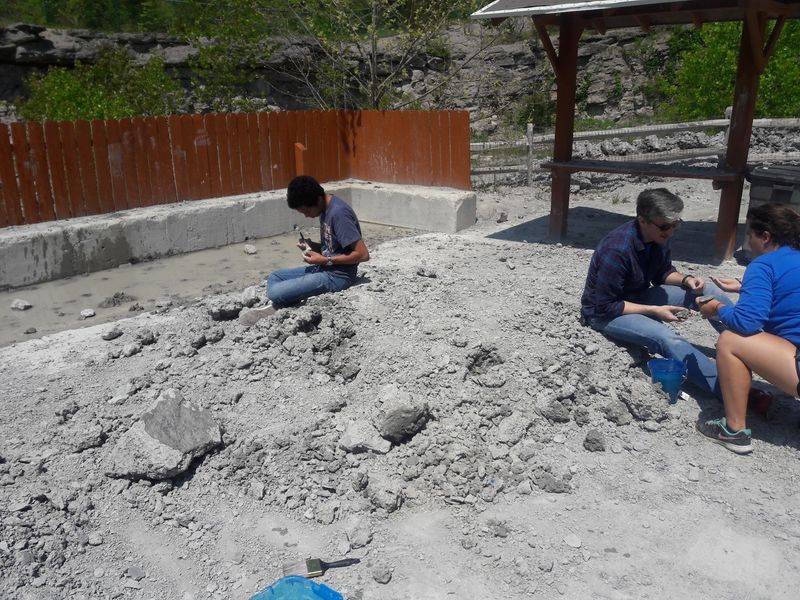
A little preparation makes fossil hunting far more enjoyable and productive. A small, soft brush ranks as the single most useful item you can bring.
Newly exposed fossils often hide under a coating of dust and loose shale particles that obscure important details until you brush them away.
Protecting your finds matters just as much as discovering them. An egg carton works perfectly for separating and cushioning individual specimens during transport.
Small plastic containers, divided tackle boxes, or even zippered bags also do the job well. Fragile fossils crack easily in pockets or loose bags.
The park’s official guidance specifically recommends coming prepared to clean and transport discoveries properly. Paper towels or newspaper can wrap especially delicate pieces for extra protection.
A small notebook lets you record where and when you found special specimens. Bringing water keeps everyone hydrated during long searches.
Sunscreen and bug spray might not directly help with fossil hunting, but they definitely improve the overall experience. Simple planning transforms a good outing into a great one.
Keep What You Find
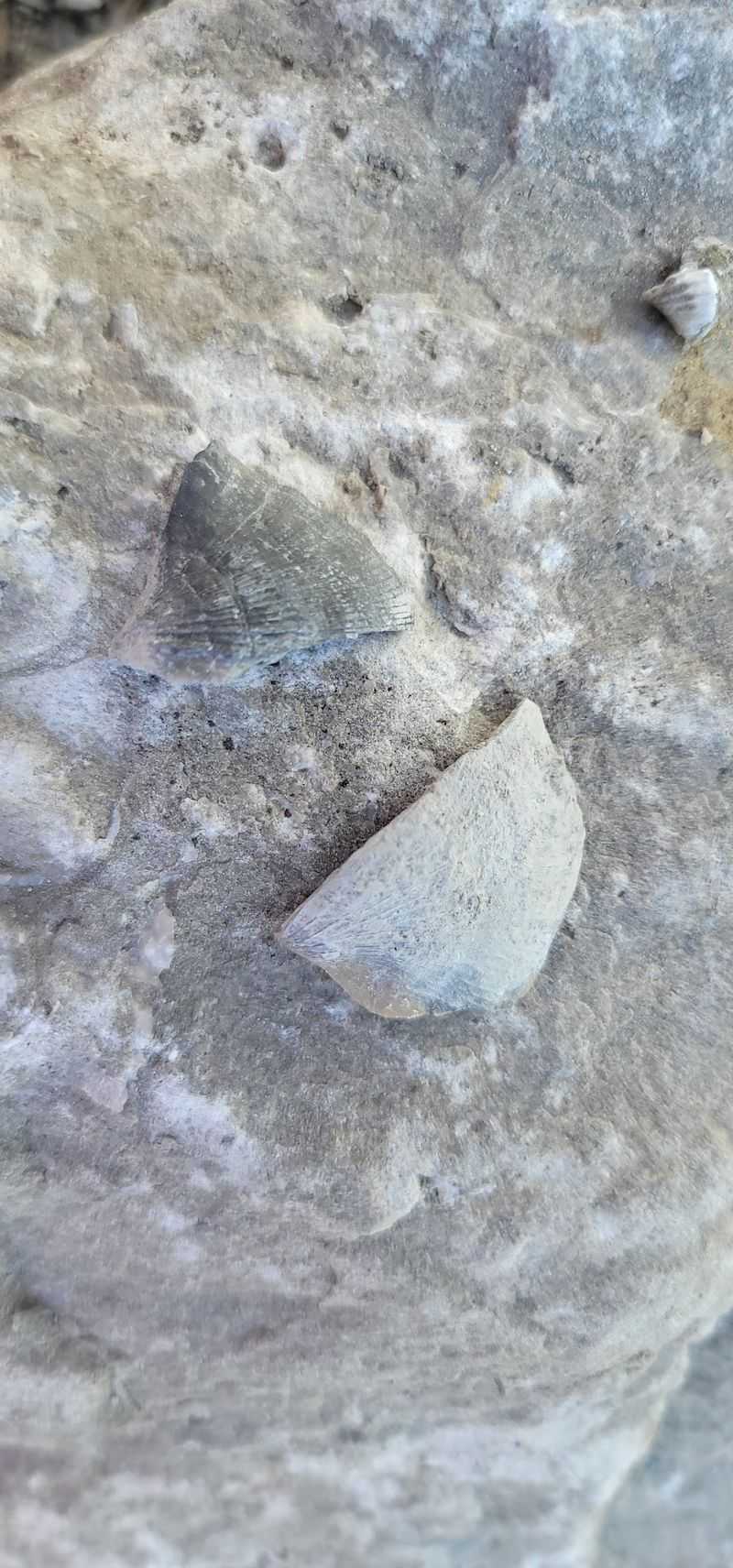
Finding an ancient fossil creates a moment of pure excitement. Getting to keep that fossil and take it home turns a fleeting thrill into a permanent treasure.
Fossil Park allows visitors to collect specimens from the designated digging area without limits or restrictions on common fossils.
This collecting policy transforms the entire experience from observation into genuine ownership. The trilobite fragment in your palm becomes your personal connection to life on Earth hundreds of millions of years ago.
Children cherish fossils they found themselves far more than any purchased souvenir from a gift shop.
Your discoveries can start collections, support school projects, or simply decorate shelves as conversation pieces. Each fossil carries its own story that you can retell whenever someone asks about it.
The rocks you split open today might inspire a child’s lifelong interest in science. Taking specimens home extends the educational value of the visit beyond a single afternoon.
Museums and commercial sites rarely offer this level of hands-on access, making Fossil Park’s collecting policy genuinely special.
A Fossil Hunt That’s Designed For Families
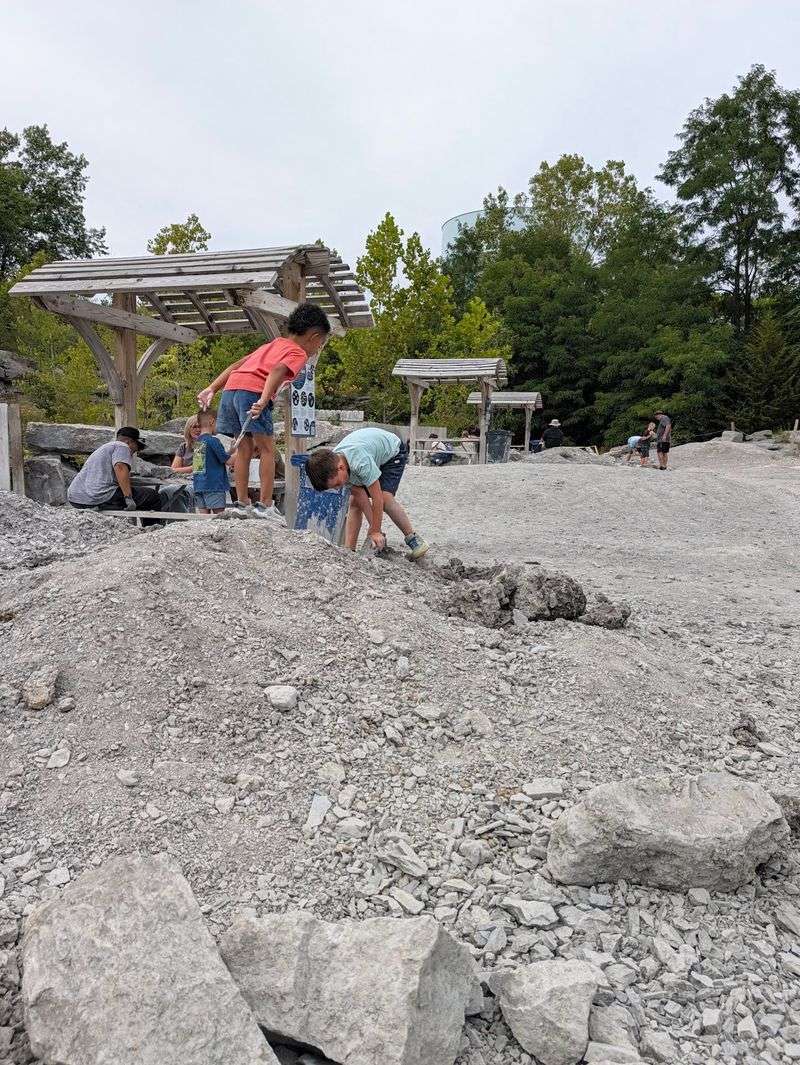
Some fossil sites send visitors scrambling across dangerous quarry walls or remote wilderness areas. Fossil Park chose a completely different path.
The 5-acre site provides a controlled, safe environment specifically designed for family visits rather than extreme outdoor adventures.
ADA-accessible features ensure that visitors using wheelchairs or walkers can participate fully in the fossil-hunting experience. The hand-splitting setup eliminates flying rock chips and dangerous tool swings that make traditional fossil sites hazardous for young children.
Parents can relax while kids explore independently.
Grandparents who might struggle with strenuous hikes can spend quality time with grandchildren here without physical strain. The comfortable environment encourages longer visits, giving families time to bond over shared discoveries.
Everyone contributes regardless of age or ability when the activity is this approachable. Fossil Park proves that authentic paleontology experiences don’t require dangerous conditions or extreme difficulty.
Creating accessibility actually enhances the science by welcoming more diverse participants who bring fresh enthusiasm and perspectives to the search.
Explore More Than The Digging Pit
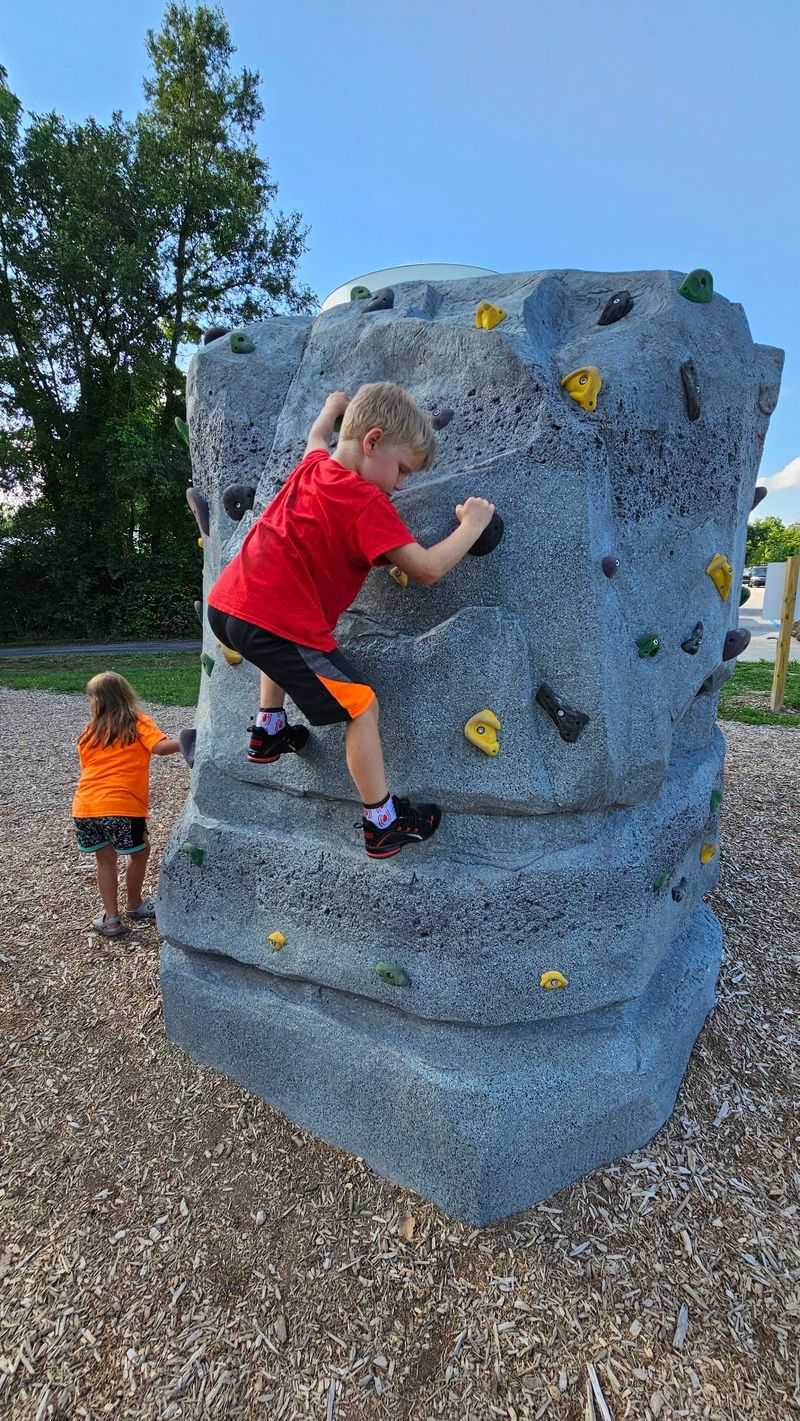
Smart visitors treat Fossil Park as one part of a larger outdoor adventure. The Quarry Ridge Bike Trail connects directly to the fossil site, offering miles of scenic riding through the area.
Nearby park spaces provide additional recreation options that complement your fossil-hunting session perfectly.
The park includes a solar-powered restroom facility, a practical feature that enhances comfort during longer visits. Olander Park sits close by, featuring a lake with fishing, walking paths, and picnic areas.
Combining locations creates a full day of outdoor activity.
Taking breaks from fossil hunting actually improves your success rate. Fresh eyes spot details you missed during your first hour of searching.
A bike ride or lakeside walk lets overheated or frustrated hunters reset their attitudes. Young children especially benefit from variety that prevents boredom.
The surrounding area offers enough diversity that even non-fossil enthusiasts in your group find enjoyable ways to spend time. Planning a multi-activity visit maximizes everyone’s satisfaction and reduces the pressure to find amazing fossils immediately.
Plan Your Visit
Fossil Park sits at 5705 Centennial Road, Sylvania, Ohio 43560, conveniently located near Toledo. The fossil pit operates seasonally, typically from mid-April through late October, though exact dates vary by year and weather conditions.
Always check current information before traveling to confirm the digging area is open and accessible.
Admission, parking, and fossil collecting cost absolutely nothing. Wear sturdy closed-toe shoes because sharp rock edges can hurt through thin soles.
Weather-appropriate clothing matters since shade is limited. Bring plenty of water, especially during summer visits when temperatures climb and physical activity causes dehydration quickly.
Pack your brush and container for finds, but leave tools at home since they’re prohibited. The park phone number, +1 419-882-8313, provides current status updates and answers specific questions.
Weekend mornings often see the largest crowds, while weekday afternoons offer quieter searching. Give yourself at least two to three hours for a satisfying visit.
Some people stay all day when fossil fever strikes and discoveries keep coming.