
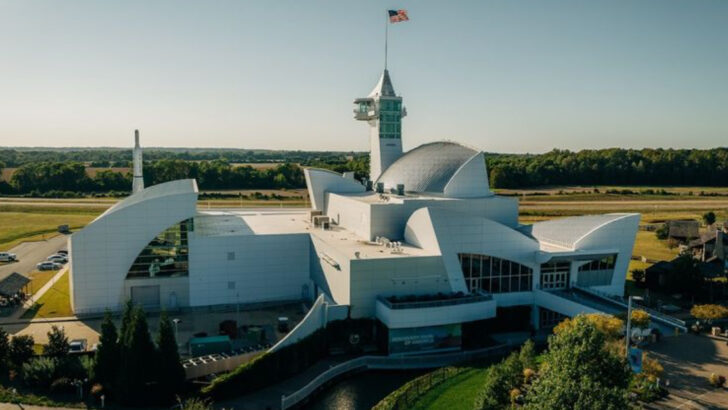
Tucked in Union City, Discovery Park of America turns curiosity into hands-on adventure, from roaring dinosaurs to a simulator that shakes like the real thing. You get science, history, and wow moments all in one day, with plenty of space to breathe and learn.
Families love how interactive it feels, and adults appreciate the depth behind every display. If you want smart fun that sticks, this place delivers.
Earthquake Simulator: Shake, Learn, Repeat
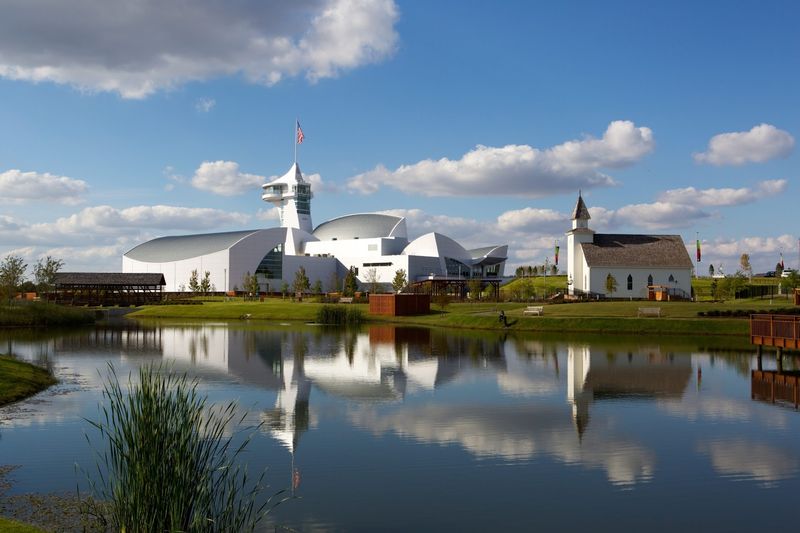
Your legs will instinctively widen the moment the earthquake platform rumbles to life. It is safe, monitored, and surprisingly immersive, giving you a calibrated taste of seismic science without the panic.
Screens and readouts translate the motion into numbers you can understand, so the experience sticks. What starts as a thrill quickly becomes a lesson in magnitude, frequency, and building design.
Before stepping on, glance at the posted comparisons to historic Tennessee quakes, then choose an intensity that suits your nerves. You will feel vertical jolts and lateral sways, a combo that highlights why furniture straps and flexible joints matter.
Ask a facilitator to replay the sequence, then watch how your stance improves with coaching. Kids can track heart rate changes and compare notes, turning adrenaline into data.
For photos, position a friend by the readout to capture the peak acceleration while you ride. Time it early in the day to avoid lines, then pair it with the engineering gallery nearby for deeper context.
You will leave steadier on your feet and, more importantly, better prepared for the real thing. Before you go, scan the safety checklist and screenshot it for your home or classroom toolkit.
Observation Tower: Big Views, Bigger Perspective
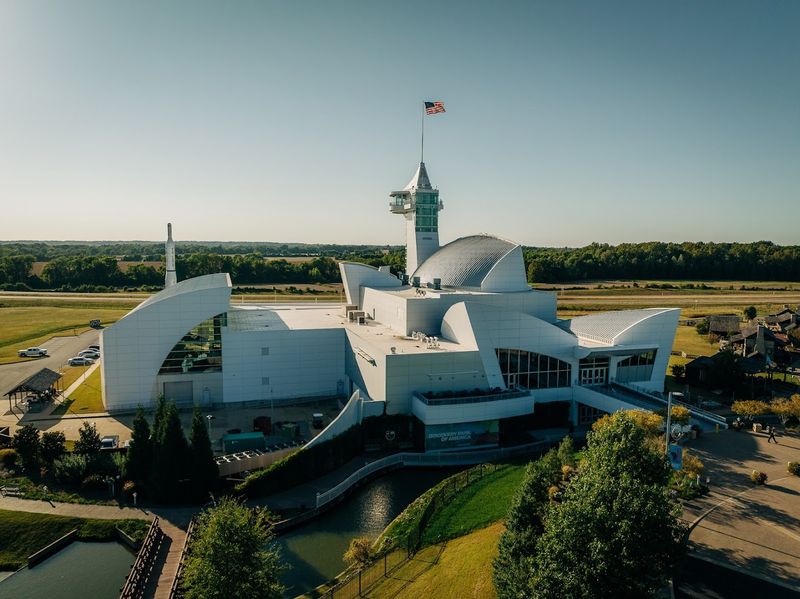
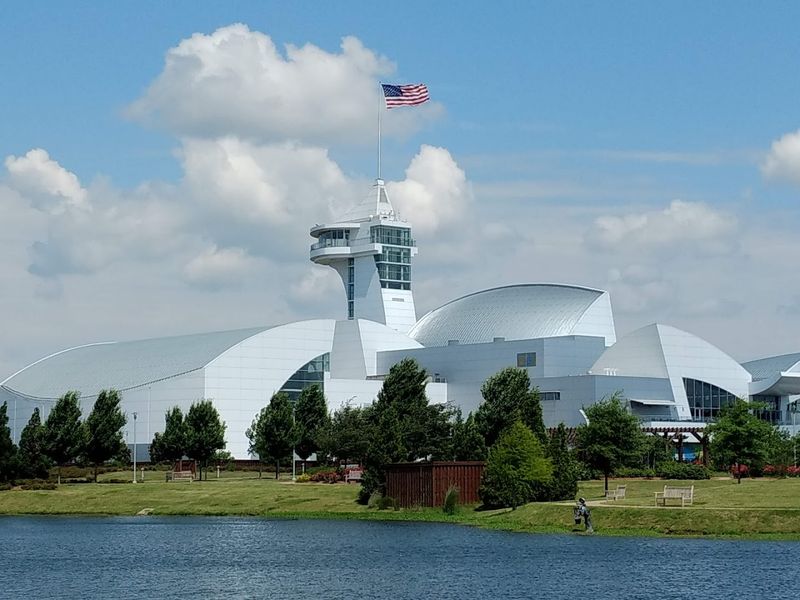
Step into the elevator and watch the park shrink into a tidy model as the doors glide shut. At the top, picture windows deliver miles of farmland, winding roads, and a sky that feels generously wide.
You can spot outdoor exhibits, the settlement, and seasonal installations, then plan your route like a pro. It is a quick ride that pays off with serious orientation.
Bring a pair of compact binoculars to read signage from above and mark must-see stops on your map. Kids love calling out discoveries, and you get a useful preview that saves time later.
On windy days, the view also helps gauge how long you want to spend outdoors. Snap a quiet photo of the town replica and the train area for your memory reel.
Visit early for softer light and fewer reflections on the glass, which makes photos cleaner. If crowds gather, step to a corner panel where reflections drop and clarity improves.
Use the vantage point to time the simulator, outdoor gardens, and indoor galleries with minimal backtracking. Before you descend, confirm restroom and cafe locations so your next move is smooth and interruption free.
Dinosaur Hall: Roars, Bones, and Science
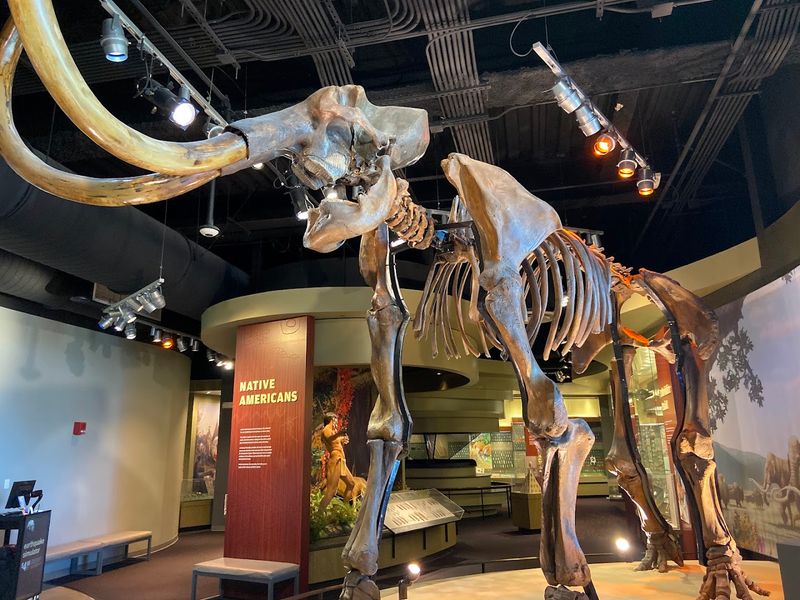
Nothing resets your sense of time like standing under a towering tyrannosaur skull. The hall balances spectacle with science, pairing jaw-dropping fossils with bite force metrics, habitat maps, and dig-site tools.
Animations show gait and muscle movement so kids can visualize how these giants actually lived. You get the thrill without losing the facts.
Start by reading the timeline panels to anchor what you see in a clear sequence. Then move from predators to plant eaters to track how teeth and bone structure match survival strategies.
Hands-on stations invite you to compare casts, measure stride length, and test theories about speed. It becomes a puzzle you can solve with your own observations.
For pacing, give the room two passes, first for wonder, second for the deeper labels. Encourage kids to sketch a fossil detail and later match it to the scientific name for recall.
If the room buzzes, circle back during a showtime elsewhere when crowds thin. Before leaving, snap a side profile shot beneath the jaw to capture scale without blocking anyone’s view.
Transportation Gallery: Cars, Planes, and Motion
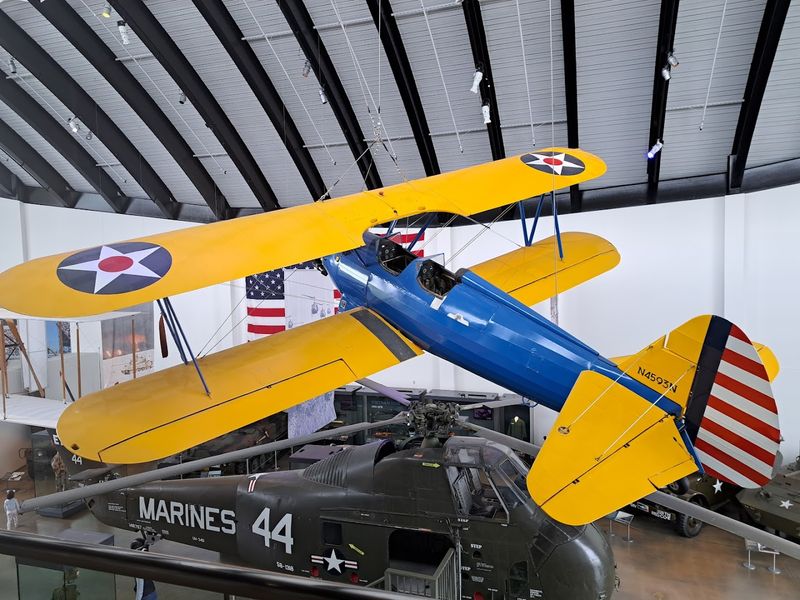
Engines gleam, wings stretch overhead, and you can almost smell gasoline history without the fumes. The collection spans eras so you can trace materials, safety features, and design trends across decades.
Placards go beyond horsepower to explain airflow, braking, and fuel systems in plain language. It feels like shop class and art appreciation at the same time.
Pick one vehicle and study it from bumper to tail, naming three innovations it represents. Then find a newer model and note what improved, what stayed, and why.
Teens who love tinkering can sketch a drivetrain or snap detail photos for a school project. Staff often share maintenance stories that humanize the machines.
For best photos, angle your shot to avoid ceiling reflections, and look for polished hubcaps as natural mirrors. If a group crowds around a favorite, loop to the aircraft and circle back once it clears.
Tie this stop to the earthquake simulator by discussing how engineers reduce vibration and stress. Before you leave, challenge everyone to pick the one feature they would borrow for future travel.
Native American and Archaeology Collections
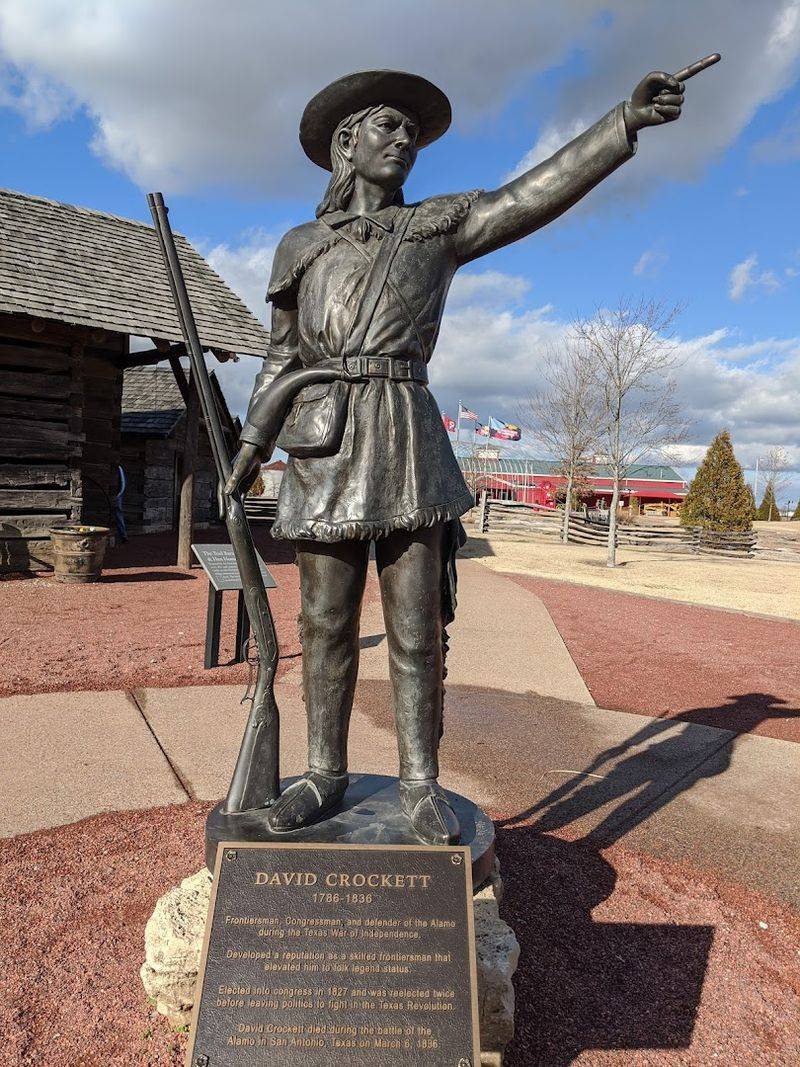
Glass cases hold thousands of stories in stone, bone, and clay. The arrowhead collection is extensive, but it is the context that makes it meaningful.
Maps, timelines, and cultural notes help you connect tools to people, places, and purpose. You leave with more care for the land beneath your own feet.
Slow your pace and read one full panel before scanning cases. Then compare point styles and materials to see how resources shaped design.
Encourage kids to match shapes with hunting or scraping functions using the provided illustrations. The result is a hands-on mental exercise in problem solving.
Photography works best at an angle to avoid reflections, and a phone flashlight can create harsh glare, so skip it. If questions arise about provenance or conservation, ask staff about ethical collection standards and ongoing research.
Tie lessons back to the outdoor settlement to see continuity across time and technology. Before moving on, have your group name one artifact that challenged an assumption they brought in.
Heritage Park and Historic Town
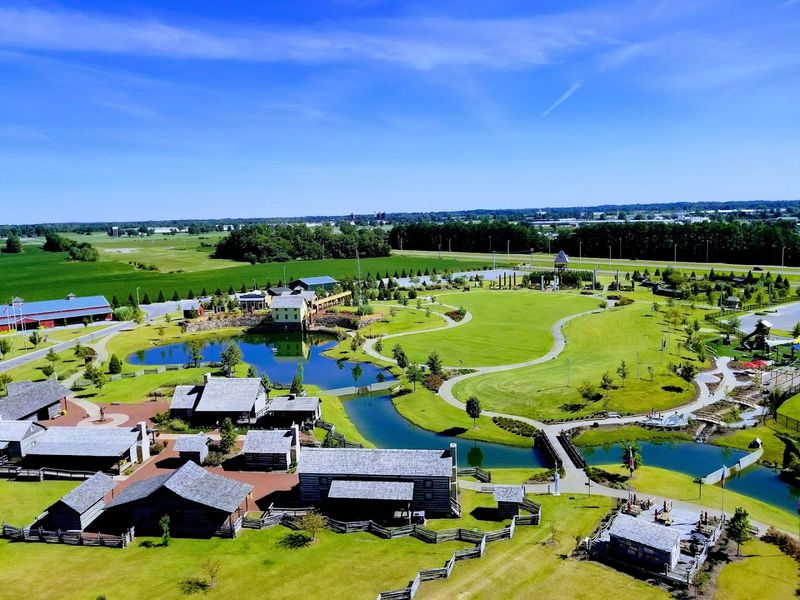
Wood smoke on the breeze and the creak of a porch step set the mood outside. The historic town replica lines up cabins, shops, and a working mill so you can trace daily life skills.
Surfaces are mostly packed and manageable, with ramps at several entries for easier access. It is a pace shift that invites questions and conversations.
Plan a loop that starts at the grist mill, then moves to the homestead and blacksmith area. Ask kids to spot tools that solved specific problems, from food storage to fence building.
Many displays invite careful touching or close-up viewing, perfect for tactile learners. Keep an eye on schedules for interpreter talks that bring quiet corners to life.
Comfort matters here, so sunscreen, water, and sturdy shoes stretch your energy. If heat rises, alternate inside and outside stops to keep everyone comfortable.
Photos pop in late afternoon light, especially near weathered wood and wagon wheels. Before you exit, pause at a cabin ramp to point out how historic context and modern accessibility share the same space today.
Waterworks and the Giant Water Table
Sound rushes here, all splashes and giggles, backed by smart signage about watersheds. The water table invites you to redirect flow, manage dams, and discover how tiny changes reshape everything downstream.
It is hands-on cause and effect, perfect for short attention spans and curious adults alike. You can easily spend more time than planned.
Pick a simple challenge like preventing erosion at a bend using only two tools. Try, observe the turbulence, and tweak until the channel holds.
Then switch roles and let kids take the lead while you ask questions that nudge thinking. The best insights usually arrive after the third or fourth adjustment.
Bring quick-dry sleeves or a lightweight towel for comfort, and stash a spare shirt for little engineers. If crowds build, set a five-minute turn rule so everyone cycles through fairly.
Connect lessons to the aquarium by talking about how upstream choices affect fish habitat. Before moving on, snap a photo of your final river layout and label it later as a mini science story.
Seasonal Events and Practical Tips
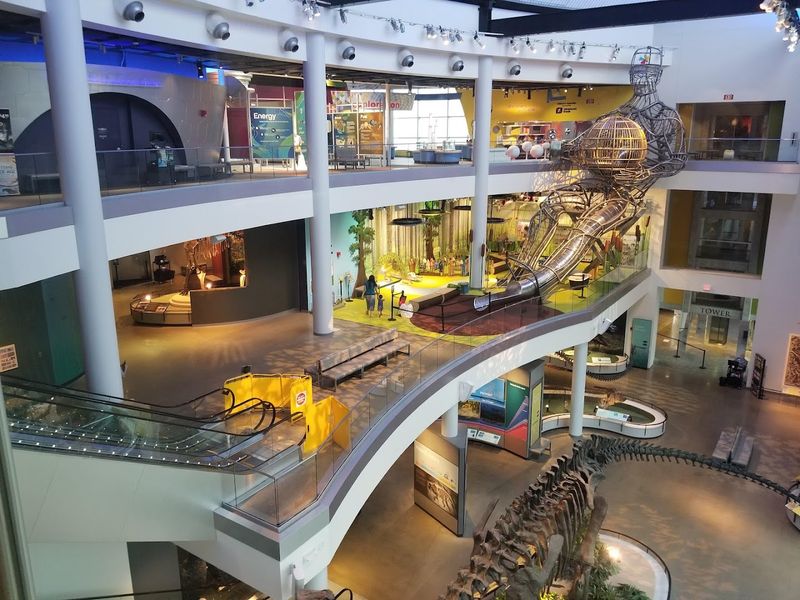
Calendars matter here, since programming shifts with seasons and school breaks. Holiday lights glow bright, and special festivals bring crafts, music, and live demonstrations to the grounds.
Crowds can swell, but clear signage and friendly staff keep things moving. You still get space for the moments that make a day memorable.
Buy tickets online for better pricing and quicker entry, then arrive early to park close. Alternate indoor and outdoor exhibits to manage weather, energy, and attention spans.
Pack sunscreen, water bottles, and sneakers, because five hours can fly by fast. Wheelchairs and strollers are available, a thoughtful touch that many families appreciate.
During evening events, bring layers and plan warm-up breaks between outdoor zones. For photos, lower your shutter speed slightly and brace elbows on a railing to steady shots.
Ask staff about add-ons like 3D shows and pick two that match your group’s interests. Before you go, save the website to your phone and star your favorites so the next visit starts strong.