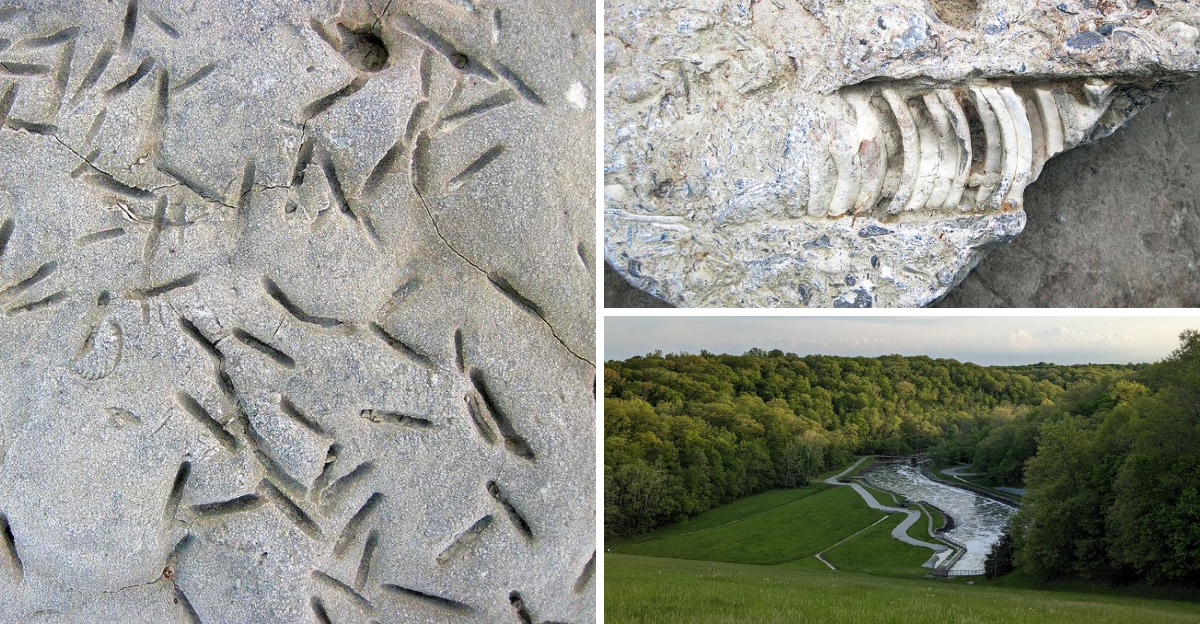
Imagine walking into a state park and leaving with a 450-million-year-old fossil in your pocket.
That isn’t a museum fantasy—it’s a real adventure waiting at Caesar Creek State Park in southwestern Ohio, where ancient treasures are scattered across the rocky spillway.
Long before dinosaurs ruled the planet, this area rested beneath a warm tropical sea filled with strange marine creatures. Today, their fossilized remains peek through layers of limestone, ready for sharp-eyed visitors to spot.
Grab a free permit, lace up your walking shoes, and start scanning the rocks.
You might uncover a delicate brachiopod, a piece of ancient coral, or even a rare trilobite hiding in plain sight.
Whether you’re a lifelong fossil fan or simply looking for a one-of-a-kind day trip, this Ohio destination turns every visit into a prehistoric treasure hunt you’ll be talking about long after you leave.
One of America’s Few Places Where You Can Legally Collect Ancient Fossils
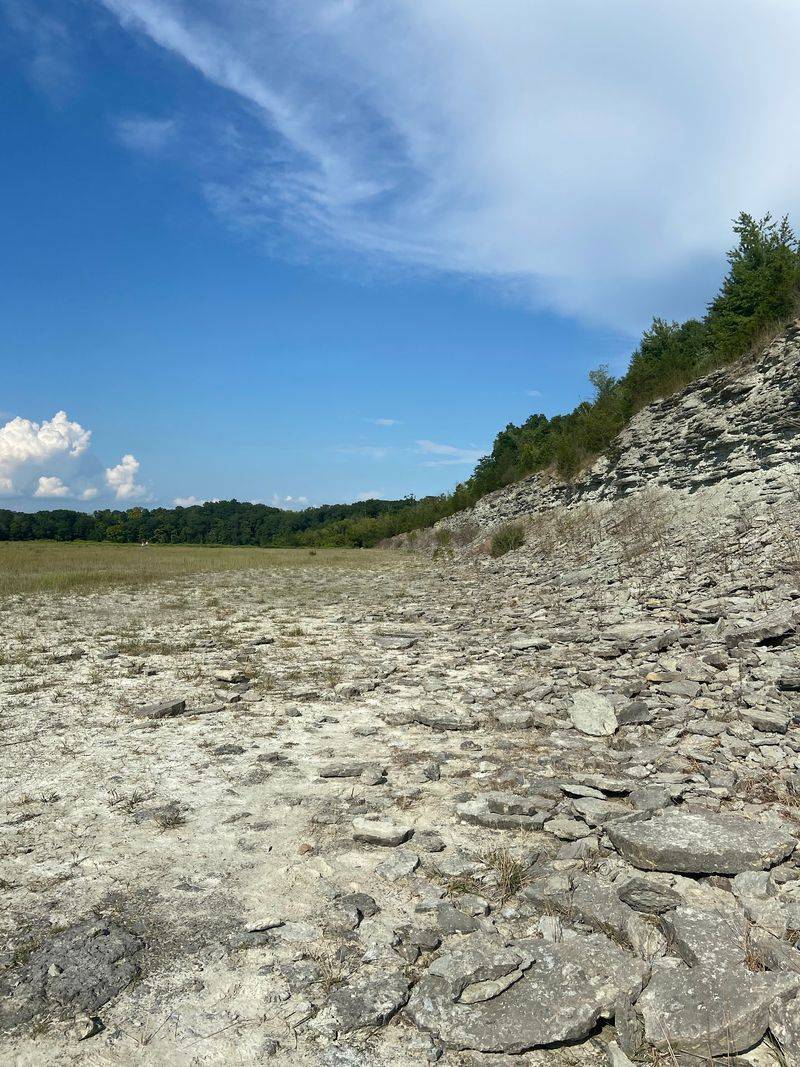
Most public lands strictly prohibit fossil collecting, making Caesar Creek State Park a genuine treasure among American fossil sites. The park’s emergency spillway offers legal access to Ordovician-era fossils that you can actually take home, provided you follow simple guidelines and obtain a free permit.
Unlike museums where you can only look, here you become the paleontologist. Your discoveries are yours to keep, making every visit an authentic adventure.
Only a handful of locations nationwide allow this kind of personal fossil hunting on public property.
Families drive from neighboring states just for this unique opportunity. The thrill of finding a creature from Earth’s ancient seas connects visitors to deep time in ways textbooks never could.
Whether you find one fossil or dozens, each specimen represents an incredible privilege that few parks grant.
The designated spillway area contains abundant fossils weathering out naturally from the bedrock. You’re not damaging anything by collecting loose specimens.
Instead, you’re participating in a rare educational experience that most Americans never get to enjoy on public lands.
These Fossils Are Nearly 450 Million Years Old
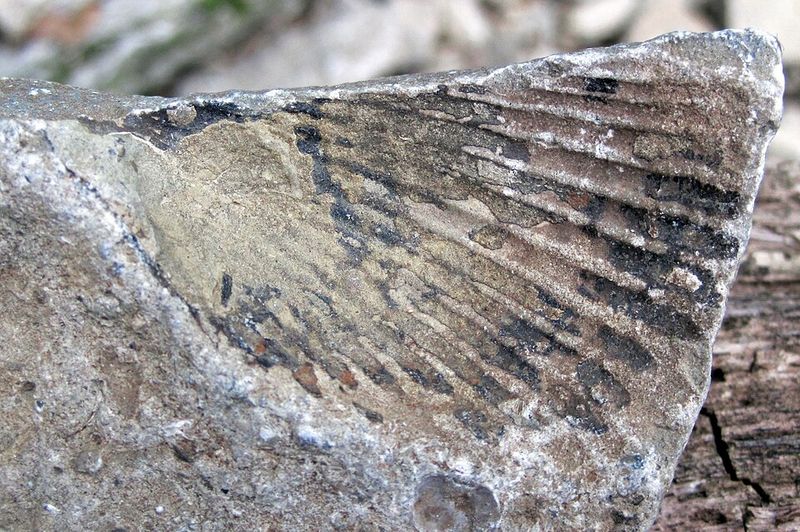
Picture Ohio not as farmland, but as the bottom of a warm, shallow tropical sea. That’s exactly what this region looked like during the Late Ordovician Period, roughly 438 to 450 million years ago.
The fossils you’ll find preserved entire ecosystems from this ancient underwater world.
Back then, fish hadn’t even evolved jaws yet. Trilobites scuttled across the seafloor while strange filter-feeding creatures swayed in the currents.
The limestone and shale layers at Caesar Creek formed from countless generations of these marine animals settling on the ocean bottom over millions of years.
Holding one of these fossils means touching something older than the Appalachian Mountains. These creatures lived and died before plants colonized land, before insects took their first flight, and hundreds of millions of years before the first dinosaur hatched.
The rocks here tell an incredible story of Earth’s middle age. Each fossil is a snapshot of life from an alien world right beneath Ohio’s surface, waiting since the Ordovician for someone like you to discover it.
The Best Fossils You Can Find
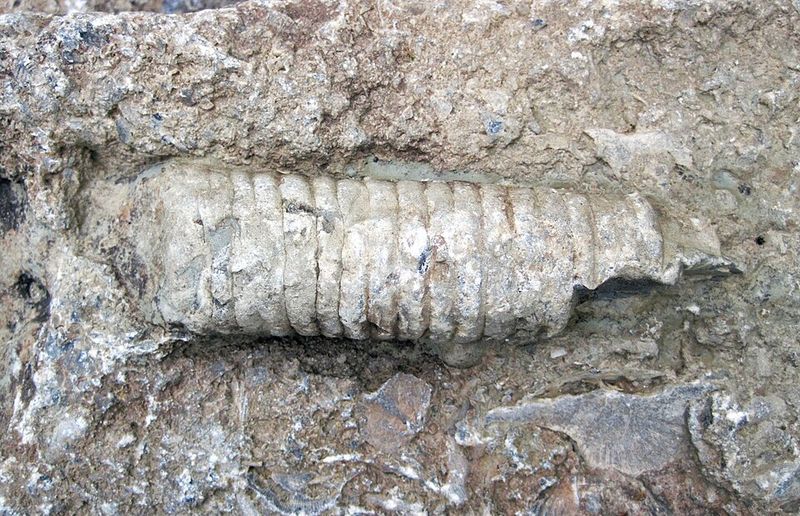
Brachiopods dominate the spillway, their clam-like shells scattered everywhere once you train your eyes to spot them. Unlike modern clams, these ancient filter feeders had two unequal shells and thrived in Ordovician seas.
You’ll find dozens if you spend even an hour searching.
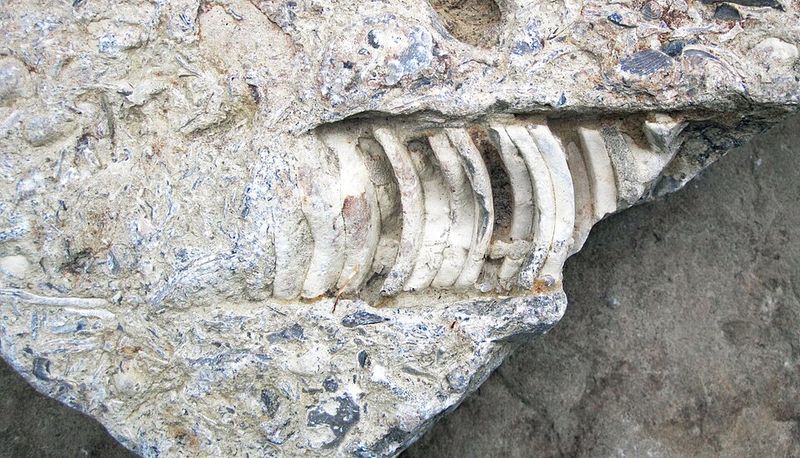
Crinoid stems look like stacked stone beads or buttons with holes through their centers. These belonged to sea lilies, relatives of modern starfish that anchored themselves to the seafloor.
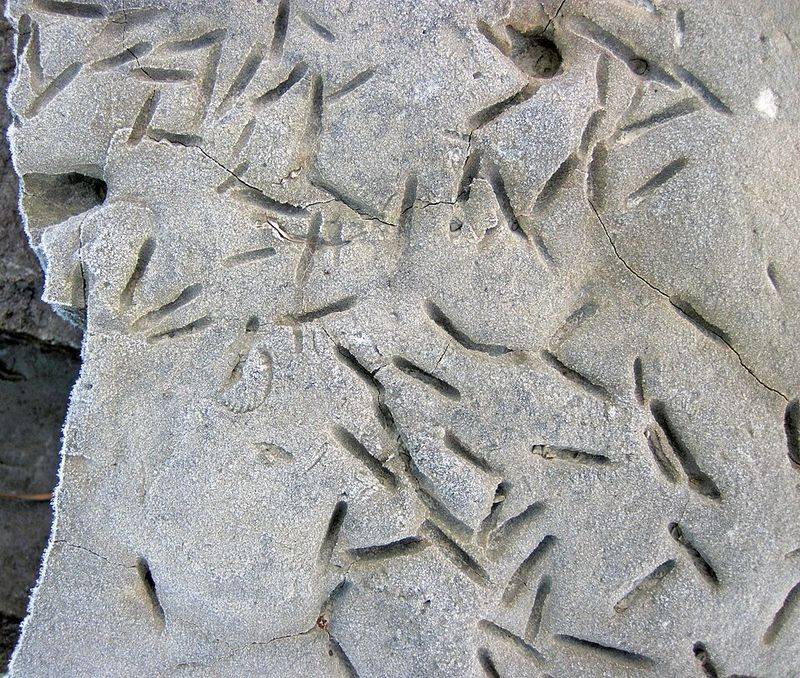
Bryozoans appear as delicate, lace-like patterns preserved in rock, created by colonies of tiny animals living together.
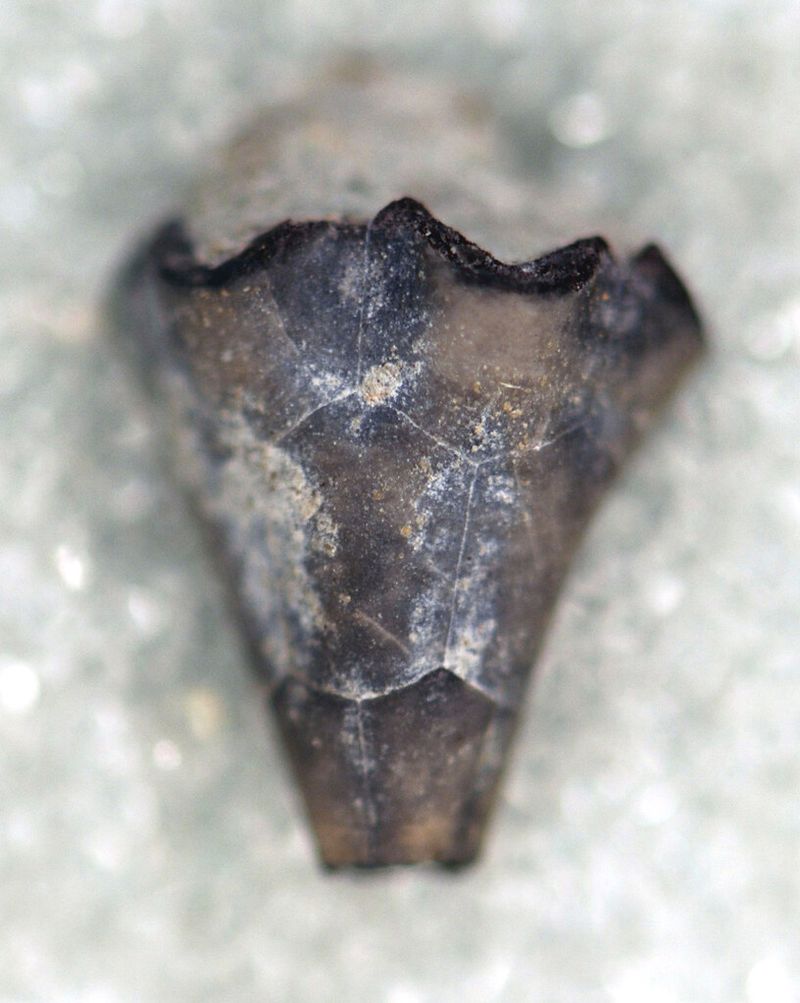
Horn corals resemble ice cream cones made of stone, each one housing a single ancient polyp. Gastropods, the ancestors of snails, show beautiful spiral shells when you’re lucky enough to find complete specimens.
Cephalopods, related to modern squid and octopuses, occasionally appear as cone-shaped shells with chambered interiors.
The holy grail remains trilobites, Ohio’s official state fossil. These extinct arthropods are rare finds that make collectors’ hearts race.
Even small pieces or partial specimens represent exceptional discoveries worth the search.
Why the Spillway Is a Fossil Hunter’s Paradise
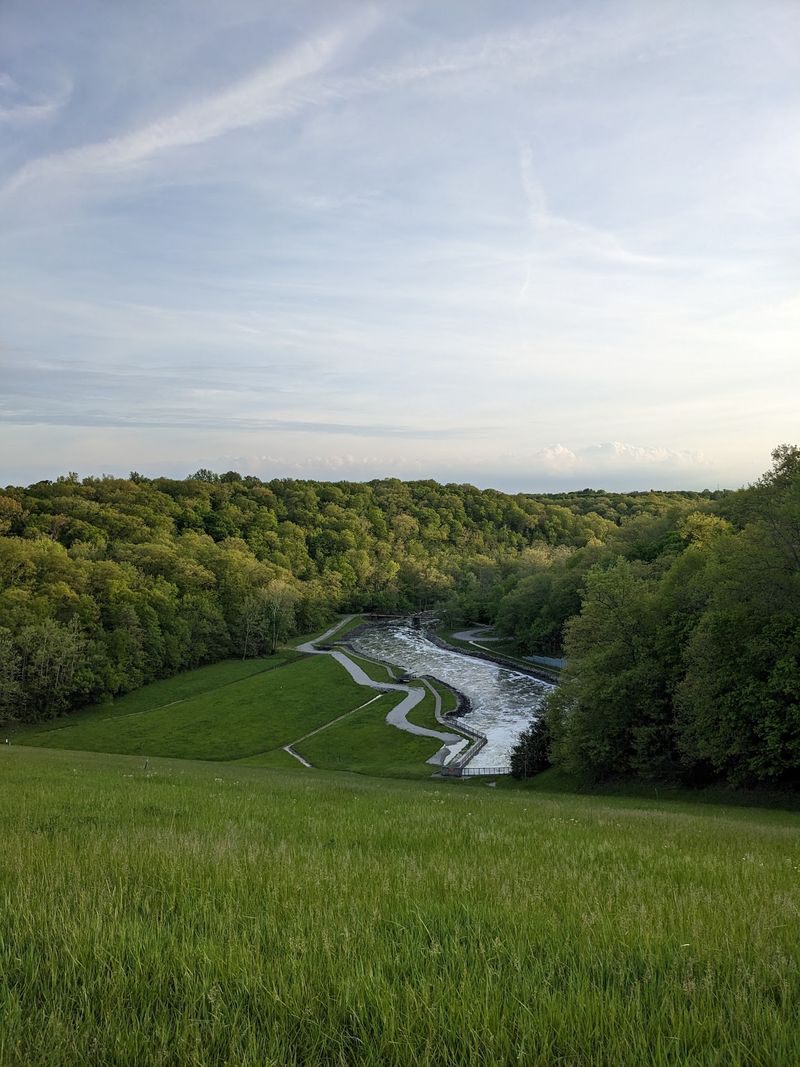
Sometimes human engineering accidentally creates natural wonders. When the U.S.
Army Corps of Engineers built Caesar Creek Dam in the 1970s, they needed an emergency spillway to handle overflow during floods. Construction crews blasted through and exposed fossil-rich bedrock that had been buried for millennia.
Without this dam project, these incredible fossils would still lie hidden beneath soil and vegetation. The spillway’s exposed limestone and shale created one of the Midwest’s premier fossil collecting destinations purely by chance.
Nature’s treasure chest got opened by bulldozers and dynamite.
Constant weathering continues revealing new specimens. Winter freeze-thaw cycles crack rocks apart, exposing fresh fossils each spring.
Rain washes away loose sediment, making hidden treasures visible. Every visit offers different possibilities depending on recent weather.
The spillway’s design means large areas of fossil-bearing rock remain accessible and safe for exploration. Flat expanses of exposed bedrock make searching comfortable compared to steep cliffs or dangerous quarries.
Accessibility combined with fossil abundance creates the perfect hunting ground for beginners and experienced collectors alike.
How to Get Your Free Fossil Collecting Permit
Getting permission to collect fossils takes just minutes and costs absolutely nothing. Simply stop at the U.S.
Army Corps of Engineers Visitor Center before heading to the spillway. Staff members will provide you with the required permit and answer any questions about where to search and what rules apply.
The visitor center serves as your gateway to fossil hunting. Rangers can offer current conditions, recent finds, and helpful tips for first-time visitors.
They’ll explain boundaries of the collecting area and clarify regulations to ensure everyone follows proper procedures.
Bring identification when requesting your permit. The process involves filling out a brief form with basic information.
Think of it as checking in so park managers can track visitor numbers and ensure the program continues successfully for future fossil enthusiasts.
Don’t skip this step. Collecting without a permit violates park regulations and could result in fines or confiscation of your finds.
The visitor center usually operates during regular daytime hours, so plan accordingly. Starting here ensures your fossil hunting adventure begins legally and with expert guidance.
The Rules That Let You Keep Your Finds
Simple rules protect this resource while allowing everyone to participate. First and foremost, no tools.
Rock hammers, chisels, shovels, and prying devices are strictly forbidden. This regulation prevents damage to bedrock and ensures fossils weather out naturally for others to discover.
Size matters when it comes to keepers. Fossils must fit comfortably in the palm of your hand, roughly the size of a tennis ball or smaller.
Larger specimens should remain where you find them for others to admire and study. This policy maintains abundance for future visitors.
Collecting is restricted exclusively to the emergency spillway area. Wandering into other sections of the park to hunt fossils violates regulations.
Stay within designated boundaries marked by park staff and signage. Respecting these limits preserves other areas for different recreational purposes.
Your collection is for personal use and education only. Selling fossils collected from Caesar Creek breaks the rules and exploits a public resource.
Keep your finds as mementos, learning tools, or gifts, but never for commercial profit. Following these straightforward guidelines ensures this privilege continues for generations.
Tips for Finding Better Fossils
Scan loose rocks rather than staring at solid bedrock. Weathered pieces that have broken free often display fossils more clearly than rocks still embedded in larger formations.
Pick up promising stones and examine them from different angles in good light.
Timing your visit strategically increases success rates dramatically. Spring visits after winter’s freeze-thaw cycles reveal newly exposed specimens.
Heavy rainstorms wash away dust and sediment, making fossils stand out more visibly against fresh rock surfaces.
Move slowly and methodically across the spillway. Rushing past causes you to miss subtle shapes and patterns that indicate fossils.
Your eyes need time to adjust and recognize what you’re seeking among thousands of similar-looking rocks.
Bring a small cloth bag or container with padding to protect delicate specimens. Fossils can be surprisingly fragile after 450 million years.
Wrapping finds separately prevents them from scratching or breaking each other during transport home.
Look for textures and patterns that differ from surrounding rock. Fossils often appear as raised bumps, indentations, or color variations.
That odd circular shape might be a crinoid stem. That ribbed pattern could be a brachiopod shell waiting for discovery.
More Than Just Fossils: Things to Do Around Caesar Creek State Park
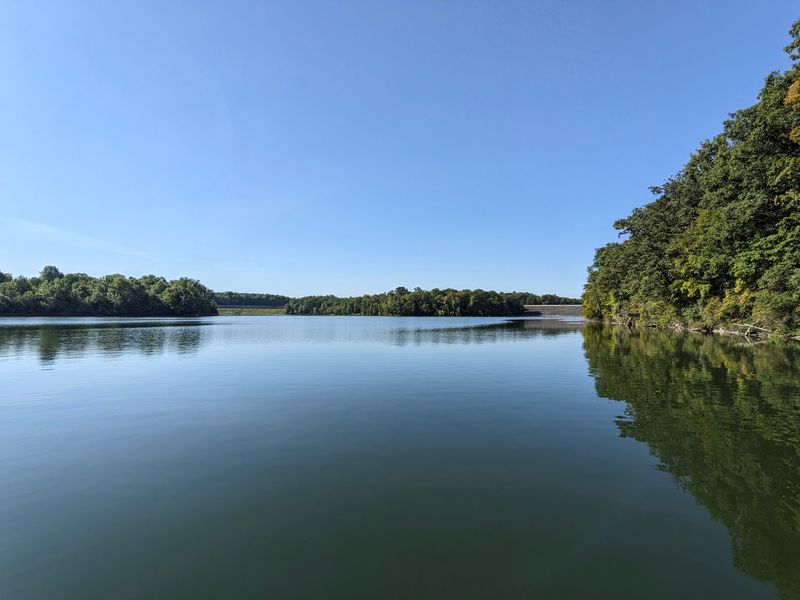
Caesar Creek spans over 7,900 acres offering adventures beyond fossil hunting. The 2,830-acre lake attracts boaters, kayakers, and anglers chasing bass, crappie, and catfish.
Several boat ramps provide easy water access for those bringing watercraft.
Five distinct hiking trails wind through 43 miles of varied terrain. The Perimeter Trail circles the entire lake for ambitious trekkers, while shorter paths suit families with young children.
Wildflowers bloom along trails in spring, and fall foliage creates stunning displays during October.
A designated swimming beach offers summer relief with lifeguards on duty during peak season. Picnic areas with grills and shelters accommodate family gatherings and cookouts.
The modern campground features electric hookups, showers, and dump stations for overnight stays.
Horseback riding trails cover 31 miles for equestrians who trailer in their horses. Scenic overlooks provide photography opportunities and peaceful spots to watch sunsets over the water.
Nature programs at the visitor center teach kids about local wildlife, geology, and ecology beyond just fossils, making Caesar Creek an exceptional full-day destination for outdoor enthusiasts.
Why Families, Kids, and Beginner Fossil Hunters Love It
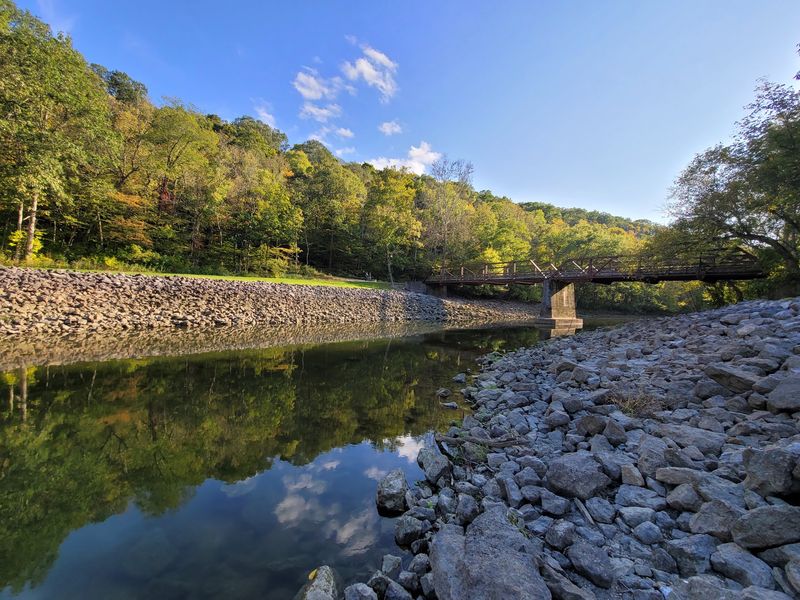
Kids don’t need years of training to succeed here. Fossils are abundant and visible enough that even first-graders make discoveries within minutes.
That immediate success builds confidence and sparks genuine scientific curiosity about Earth’s ancient past.
Unlike dinosaur fossils that require expeditions to remote badlands, these Ordovician treasures sit waiting in an accessible, safe state park. Parents appreciate the easy terrain without dangerous cliffs or extreme hiking.
Parking sits close to the collecting area, making trips manageable even with young children.
Finding something 450 million years old teaches kids about deep time better than any classroom lesson. Holding a real brachiopod that lived before dinosaurs makes prehistoric life tangible and exciting.
Many families report their children developing lasting interests in paleontology or geology after visiting.
The free permit and no-cost collecting mean budget-friendly family adventures. You don’t need expensive equipment or specialized knowledge.
Just show up, get your permit, and start searching. Every fossil becomes a hands-on science lesson and a personal connection to Ohio’s incredible geological heritage that children remember for years.
What to Know Before You Go
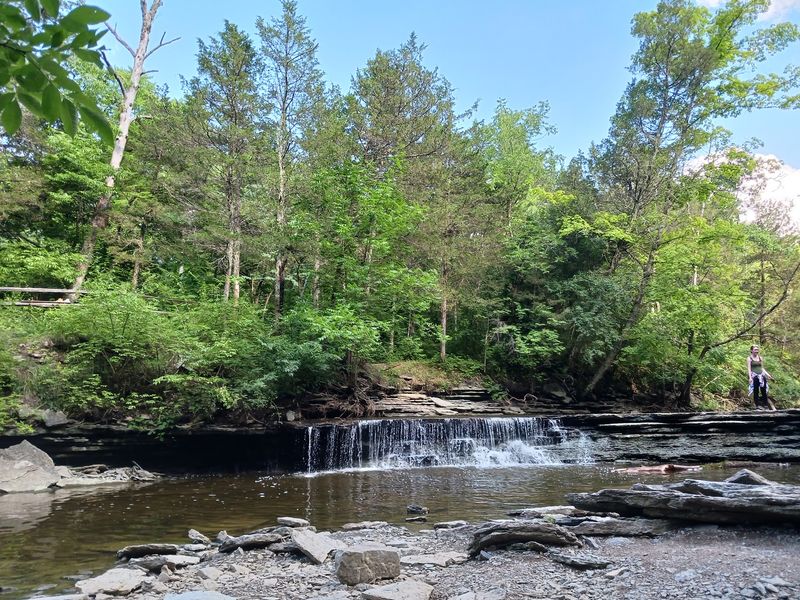
Location details matter for a successful visit. The park sits at 8570 OH-73, Waynesville, OH 45068.
GPS coordinates will get you to the main entrance, but you’ll need to navigate to the specific spillway area after obtaining your permit at the visitor center.
Remember that free permit is mandatory before collecting anything. Stop at the visitor center first, even if you’re excited to start searching immediately.
Collecting only happens in the designated emergency spillway, nowhere else within park boundaries.
Leave rock hammers and tools at home since they’re prohibited. Wear sturdy shoes with excellent traction because spillway surfaces can be uneven and slippery, especially after rain.
Bring plenty of drinking water as shade is scarce across the exposed bedrock during summer months.
Safety comes first, so stay off spillway walls and obey all posted signs. Spring offers the best fossil hunting after winter weather exposes fresh specimens.
Restrooms are available at the visitor center but not at the spillway itself, so plan accordingly. Park only in designated areas to avoid tickets or towing.
Keep only palm-sized fossils, leaving larger specimens for others to discover and enjoy.