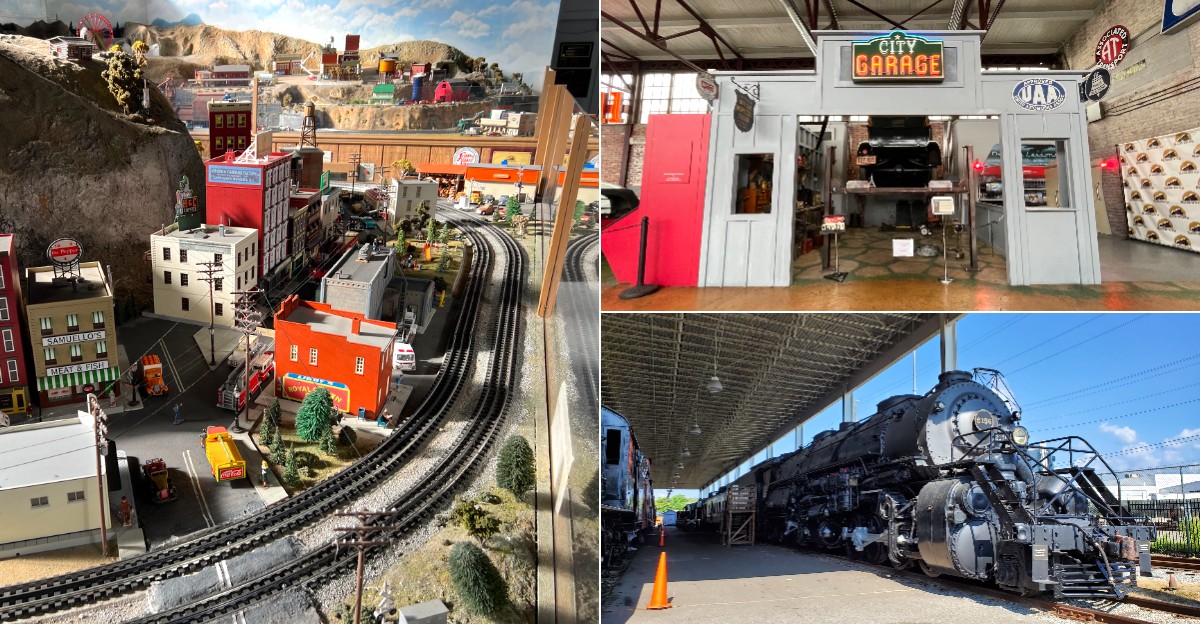
There’s something magical about hearing a steam whistle echo across the Blue Ridge foothills.
Vintage locomotives once carried goods and travelers through these same rolling hills decades ago.
Today, a beautifully restored train lets you relive that golden era of rail travel.
Wooden passenger cars creak gently as they wind past pastures, rivers, and quiet farmland.
Families settle into their seats with cameras ready, eager to catch the scenery drifting by.
It’s a nostalgic adventure that turns an ordinary afternoon into a memory worth keeping.
Start Where Roanoke’s Rail Story Comes Alive
The first clue that trains matter here is the setting itself. Rails, brick walls, and old freight spaces make the visit feel real before you even reach the exhibits. The Virginia Museum of Transportation at 303 Norfolk Ave SW, Roanoke, VA 24016, United States, sits in a former freight depot that connects the city to its railroad past.
For a blog post about riding a restored steam train, this is the natural opening stop. Readers should understand that Roanoke grew as a major rail center, especially through Norfolk and Western Railway history. That background makes a scenic excursion through the Blue Ridge foothills feel deeper than a simple sightseeing trip.
A helpful angle is to explain how the museum prepares visitors for the ride. Guests can see engines, rail cars, tools, signs, and stories that show how people once traveled, worked, and shipped goods. Plan to check current hours, ticket details, and special train events before going, because popular excursion days can draw rail fans, families, photographers, and curious travelers from across the region.
Meet the Queen of Steam Before the Journey
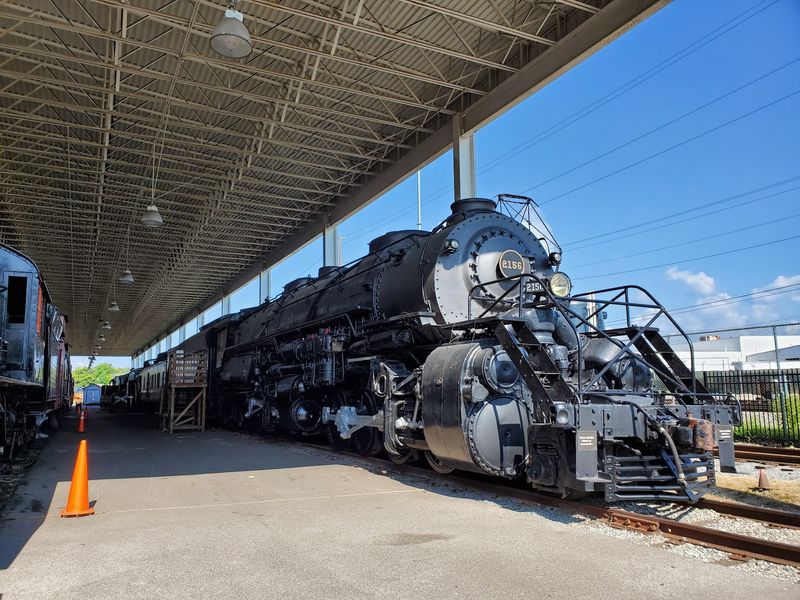
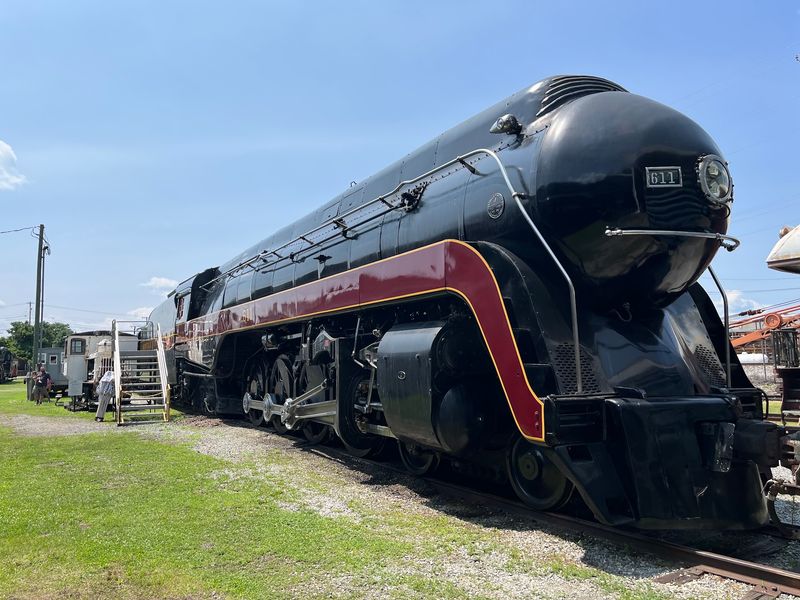
A shiny black locomotive can stop people in their tracks, even if they are not train experts. Norfolk and Western Class J 611, often called the Queen of Steam, is one of the biggest stars connected with the museum. Its smooth shape, bold wheels, and powerful history make it a strong centerpiece for any nostalgic rail adventure.
When writing this section, explain why 611 feels special. It was built for speed, style, and long passenger service, and it represents the height of steam-era engineering in this region. Many visitors come hoping to see it up close, while others follow updates about when it may be away for excursions, service, or special appearances.
Practical advice belongs here too. Encourage readers to call ahead or check the museum website if seeing 611 is a must for their trip. A restored steam train ride feels more meaningful when travelers first understand the care, teamwork, and preservation work behind an engine like this. The story is not just about old machinery. It is about keeping a roaring piece of Virginia history alive.
Step Through the Outdoor Railyard Like a Giant-Sized Timeline
Outside, the scale changes fast. A child may look tiny beside a wheel, and an adult may suddenly realize how much force it took to move people and freight through mountain country. The outdoor railyard gives readers a strong visual section for the article because it turns railroad history into something they can walk beside.
Use this section to guide visitors through what they might notice. Different locomotives, train cars, and rail equipment show how design changed over time. Some pieces look polished, while others reveal age, weather, and hard service, which can lead to honest conversations about preservation.
For a steam train themed post, the railyard helps explain the difference between seeing a locomotive parked and imagining it alive. Visitors can study the size of the boilers, wheels, couplers, and cabs before picturing smoke rising along the foothills. Comfortable shoes matter because the area takes time to explore. Photographers should bring a wide lens or step back when possible, since these machines were built on a grand scale.
Follow the Blue Ridge Foothills Through a Train Lover’s Eyes
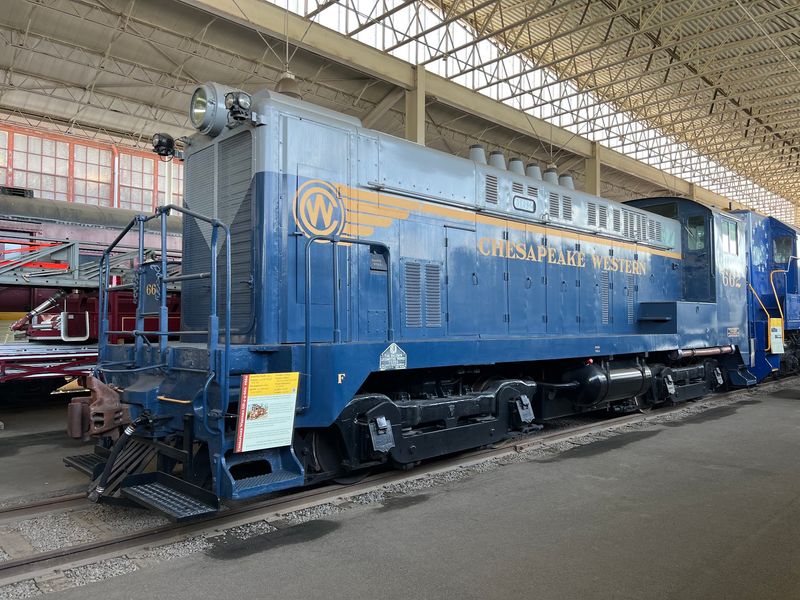
Mountain foothills can make a train ride feel like a moving postcard. The curves, trees, bridges, and open views help riders slow down and notice details they might miss from a car. For readers, this section should connect the museum experience with the wider Blue Ridge landscape that made rail travel both beautiful and challenging.
Explain that steam excursions are about more than getting from one point to another. The rhythm of the rails, the whistle echoing near hills, and the sight of vintage coaches create a mood that feels far from daily life. Families can use the ride to talk about how earlier travelers crossed valleys before highways became common.
Add practical tips for enjoying the route. Arrive early, dress for the weather, and bring water, especially on warm days. Window seats are popular, but passengers should also listen to conductors or volunteers, who often share useful history. A camera is helpful, but remind readers to spend time simply watching. The best memory may be the sound of steam working through the foothills.
Bring Kids for Hands-On Transportation Fun
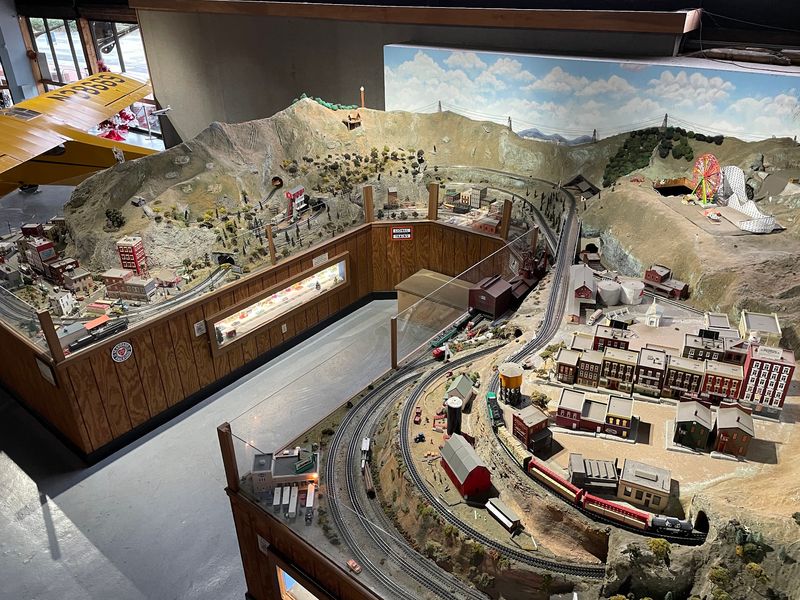
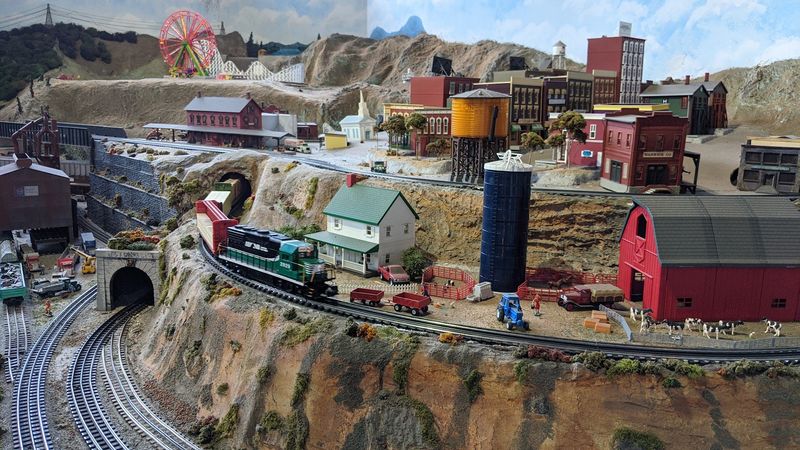
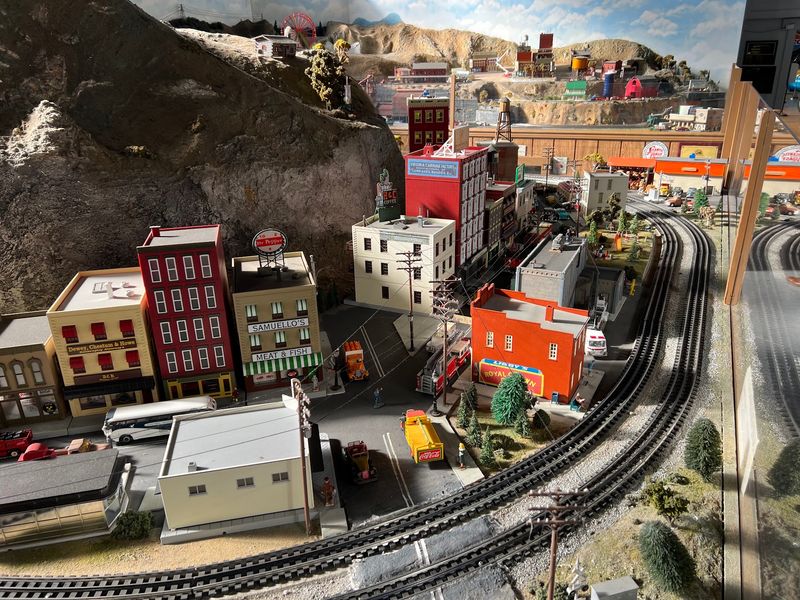
Little visitors often learn best when they can point, pretend, and ask a dozen questions in a row. That makes the museum a strong family stop before a steam train outing. Reviews often mention model trains, interactive features, and chances for kids to get close to vehicles that usually feel out of reach.
This section can focus on making the trip easy for parents and grandparents. Children may enjoy model rail layouts, train cars, bus displays, aviation areas, and exhibits that show how travel changed over time. Instead of treating history like a quiet classroom, the museum gives families objects they can compare, study, and remember.
Suggest setting a flexible pace. Some kids may race toward the biggest locomotives, while others may spend extra time watching miniature trains move through tiny scenes. A visit of one to two hours works for many families, though curious readers may stay longer. Before arriving, check hours and any special events. Pairing the museum with a real steam ride can turn a simple day trip into a story children retell later.
Look Beyond Rails at Cars, Planes, Buses, and Ships
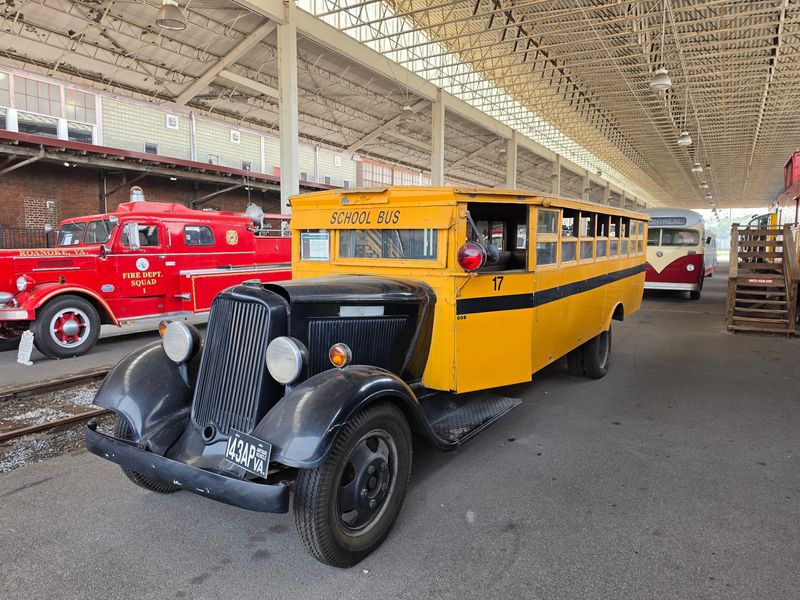
A steam train may be the headline, but the full collection has more wheels, wings, and surprises than many visitors expect. Classic cars, aviation displays, buses, model ships, and other transportation pieces help the story feel wider. That variety keeps the article from becoming only a railfan guide.
Use this section to show how the museum connects different kinds of movement. Older cars reveal how road travel changed family life. Aircraft exhibits point toward Virginia aviation history. Buses and smaller displays remind readers that everyday transportation also shaped communities.
This is helpful for mixed groups. One person may come for steam locomotives, while another may care more about vintage automobiles or planes. The museum gives everyone a reason to wander, compare designs, and find a favorite object. Readers should know that this makes the stop more flexible, especially on rainy days or when traveling with people of different ages.
A good tip is to slow down in the galleries instead of rushing straight outside. The smaller exhibits add context. They show that the restored train adventure belongs to a larger story of invention, work, and travel.
Listen for the Workers Behind the Whistle
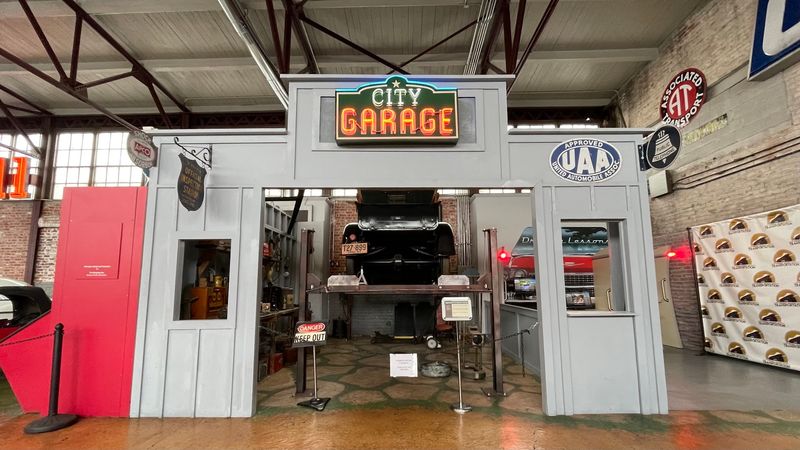
Every whistle has people behind it. Engineers, firemen, mechanics, porters, builders, cleaners, clerks, and station workers all helped rail travel run safely and on time. A strong article should make room for those human stories, not just the famous engines.
The museum includes historical exhibits that help visitors see how transportation shaped real lives. Reviews point out displays about African American workers and other underrepresented groups, which adds an important layer to the visit. These stories show that rail history includes skill, labor, pride, unfair treatment, and community strength.
For readers planning a nostalgic ride, this section gives the adventure more heart. The view from a coach window is beautiful, but the experience becomes richer when travelers understand who laid track, repaired equipment, handled passengers, and kept trains moving. Encourage visitors to read the panels, study photos, and talk with staff when possible. Friendly museum workers are often mentioned by guests, and they may answer questions or point out details easy to miss. History feels closer when names, faces, and jobs come into focus.
Plan a Smooth Nostalgic Day in Roanoke
A memorable train day works best with a little planning. The museum is highly rated by visitors, and many people say they spend about one to two hours exploring, though serious readers and rail fans may want more time. Special steam events can change the pace, so checking details before leaving home is smart.
Build this final section around useful planning tips. The museum is generally open during daytime hours, with a later start on Sunday and a Monday closure, but schedules can change. Readers should confirm hours, admission, accessibility updates, and excursion information through the official website or by phone.
Comfort matters too. Wear walking shoes for indoor galleries and the outdoor railyard. Bring weather-friendly clothing, since part of the experience may be outside. If a specific locomotive is important, ask whether it is on display or away for work or trips.
After the visit, travelers can continue enjoying downtown Roanoke, nearby food spots, or mountain views. The best plan leaves room for surprises, because a restored steam train adventure is partly about slowing down and enjoying the ride.