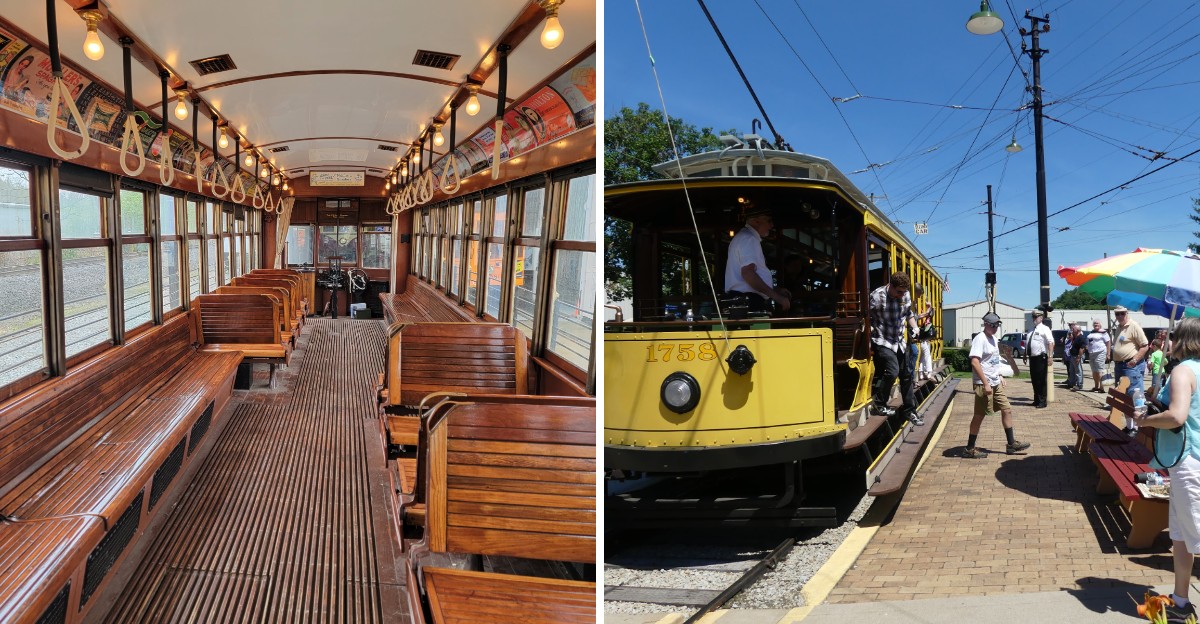
Forget ordinary museum trips—this Pennsylvania adventure puts you on the rails!
At the Pennsylvania Trolley Museum in Washington, you can climb aboard a restored vintage streetcar and rumble through the woods just like passengers did generations ago.
The bell rings, the wheels roll, and suddenly history feels remarkably close.
There’s plenty to explore after the ride, too.
Nearly 50 historic streetcars and railway cars fill the grounds, while hands-on exhibits reveal how electric trolleys changed everyday travel across Pennsylvania and beyond.
Families can wander through historic cars, discover fascinating transportation stories, and catch special events held throughout the year.
Whether you love old trains or simply want an outing that feels different, this museum delivers a memorable ride through the past.
The wooded track makes the journey even more unforgettable.
Ride a Vintage Trolley Through the Pennsylvania Woods
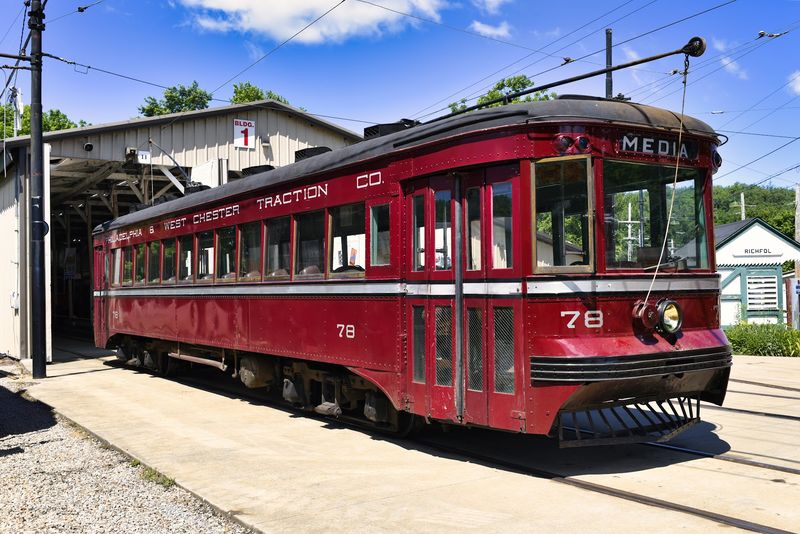
Climbing aboard one of the museum’s beautifully restored streetcars feels like stepping into a time machine. The main attraction here is the four-mile ride along scenic tracks that wind through peaceful Pennsylvania woodlands.
As the trolley rocks gently and the bell rings out, you’ll get a real sense of what everyday transportation felt like decades ago.
The ride isn’t just about nostalgia. It’s a moving classroom where you can see how electric streetcars once connected communities across the region.
The wooded scenery adds a peaceful backdrop that makes the journey even more memorable.
Each trolley operates differently, so no two rides feel exactly the same. Some cars date back to the early 1900s, while others represent later periods of trolley development.
The conductors often share stories about the specific car you’re riding and the routes it originally served.
Parents love that kids can experience history in motion rather than just reading about it. The ride takes about 30 minutes round trip, giving everyone plenty of time to soak in the sights and sounds.
See Nearly 50 Historic Streetcars and Railway Cars
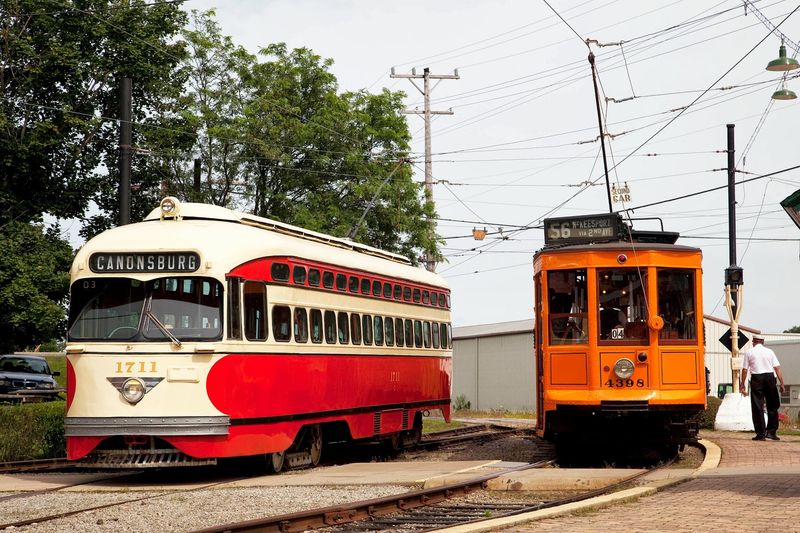
Walking through the museum’s collection is like flipping through a photo album of American transportation history. Nearly 50 streetcars and electric railway vehicles fill the property, representing different eras and styles from across Pennsylvania and beyond.
Some look sleek and modern for their time, while others have ornate wooden details that show true craftsmanship.
You’ll notice how car designs changed as technology improved and cities grew. Early open-air summer cars contrast sharply with enclosed winter models built for comfort.
The variety shows how trolley companies adapted to serve different communities and weather conditions.
Many of these cars would have been scrapped if not for dedicated preservationists. The museum rescued them from junkyards, abandoned lots, and even someone’s backyard.
Now they stand as monuments to an era when electric rail shaped how Americans lived and moved.
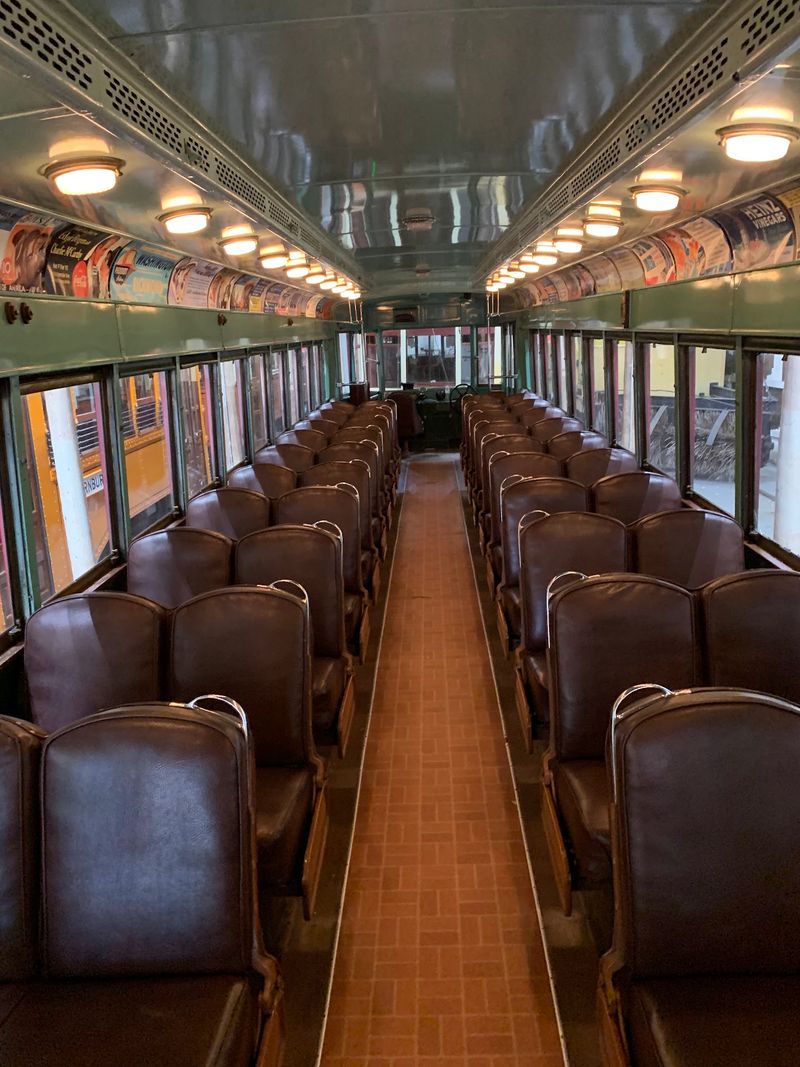
Take your time examining the details. Look at the original advertisements still visible inside some cars, the different seating arrangements, and the conductor controls.
Each vehicle tells its own story about the communities it once served.
Step Inside the Trolley Display Building
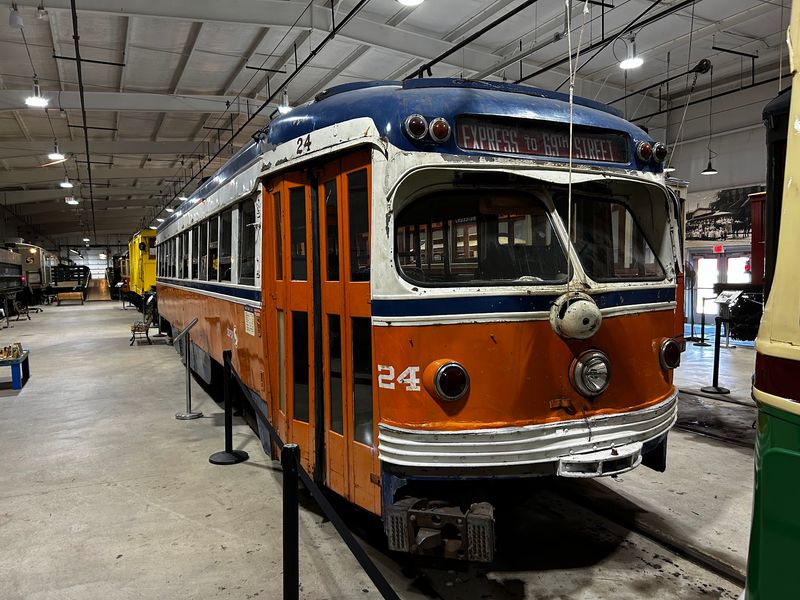
Getting up close to the trolleys in the Display Building reveals details you’d completely miss from a distance. Here, you can examine the brass fittings, wooden benches, and mechanical systems that kept these vehicles running for decades.
The building protects the cars from weather while giving visitors easy access to explore at their own pace.
Self-guided exploration works great for families who want to move at their own speed. Kids can peer into driver compartments and imagine steering the trolley through busy city streets.
Adults appreciate the informational placards that explain each car’s history and significance.
Guided tours add another layer of understanding. Museum volunteers often have fascinating stories about specific cars, including where they operated and how they ended up in the collection.
Some guides even share personal memories of riding similar trolleys in their youth.
The lighting and layout make photography easy, so bring your camera. You’ll want to capture the beautiful restoration work and unique features that make each streetcar special.
The building stays comfortable year-round, making it a perfect stop regardless of weather.
Explore Interactive Exhibits in the Welcome and Education Center
The museum took a big step forward when it opened the Welcome and Education Center in 2023. This bright, accessible space brings trolley history to life through hands-on activities, films, and displays that work for all ages.
Gone are the days of purely static exhibits that you could only look at but not touch.
Interactive stations let visitors operate miniature trolley controls and see how the electrical systems worked. Films show trolleys in action during their heyday, giving context to the vehicles you’ll see elsewhere in the museum.
Historical photographs reveal how these streetcars fit into the fabric of everyday life across Pennsylvania.
The center does an excellent job connecting technology with human stories. You’ll learn about the workers who built and maintained the trolleys, the families who depended on them for transportation, and the communities that grew along trolley routes.
This people-focused approach makes history feel relevant and personal.
Accessibility was clearly a priority in designing this space. Wide pathways, clear signage, and thoughtful exhibit placement ensure everyone can participate fully.
The center serves as an ideal starting point for your museum visit.
Listen for the Bell and Feel the Trolley Move
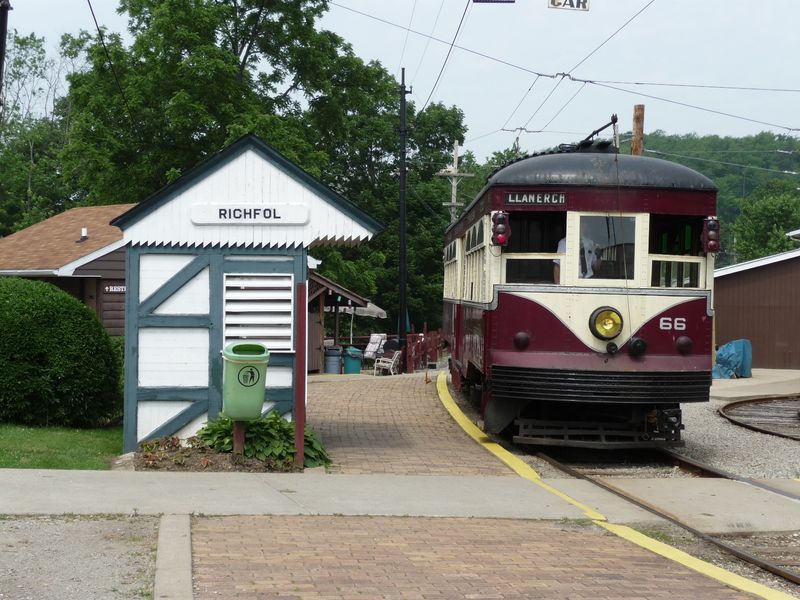
Sometimes the best part of visiting a museum isn’t what you see but what you hear and feel. The ringing bell serves as your soundtrack, warning pedestrians and other vehicles just like it did a century ago.
That distinctive clang triggers something in our collective memory, even for those who never rode an original streetcar.
The hum of the electric motors provides a constant background note. Unlike the roar of gasoline engines, this sound feels almost musical.
You’ll also notice various creaks and rattles that remind you these vehicles have real history behind them.
Movement adds another sensory dimension. The trolley rocks side to side on its springs, swaying more than modern vehicles.
You feel every bump and dip in the track, connecting you physically to the ride experience.
This multisensory approach transforms a simple museum visit into genuine time travel. Your body remembers the experience differently than your mind remembers facts from a textbook.
Children especially respond to these physical sensations, making history tangible in ways words never could.
Take More Than One Trolley Ride
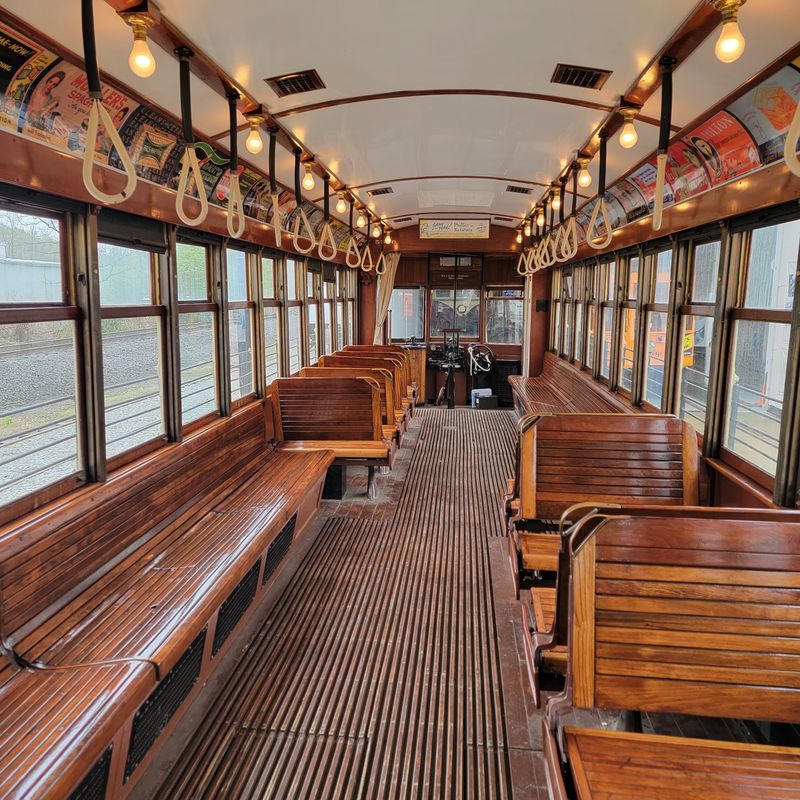
Here’s a secret many first-time visitors don’t realize: your admission includes multiple trolley rides. Different cars operate throughout the day, giving you chances to compare riding experiences.
A city trolley handles differently than an interurban car, and you’ll appreciate the differences once you try both.
The museum traditionally schedules different types of rides at various times during operating hours. City trolleys might run at the top of the hour while interurban cars depart at other intervals.
Check the daily schedule when you arrive so you can plan accordingly.
Riding multiple times also lets you notice details you missed on the first trip. Maybe you were too excited initially to pay attention to the scenery, or perhaps you want to sit in a different spot to change your perspective.
Each ride offers something new to discover.
Frequent riders sometimes develop favorite cars based on seating comfort, ride smoothness, or historical significance. Ask the staff which trolleys are running that day, and don’t be shy about taking multiple trips.
You paid for the full experience, so enjoy it thoroughly.
Discover How Trolleys Shaped Everyday Life
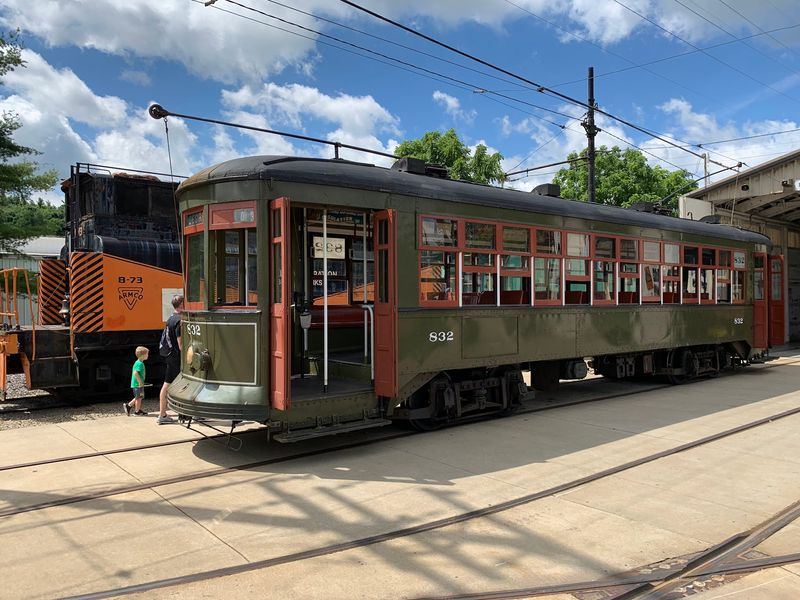
Trolleys weren’t just vehicles; they were community builders that transformed American life. Before streetcars, most people lived within walking distance of their workplace.
Electric rail transportation opened up suburbs, allowing workers to live farther from crowded city centers while still commuting easily.
The museum’s exhibits connect these dots beautifully. You’ll see how trolley routes determined where shops opened, where neighborhoods developed, and how families spent leisure time.
Weekend trolley trips to parks or neighboring towns became popular recreation before cars dominated American life.
Shopping patterns changed completely because of trolleys. Downtown department stores flourished because shoppers could arrive easily from surrounding areas.
Small businesses along trolley routes thrived while those on bypassed streets struggled.
Understanding this context makes the restored streetcars more meaningful. They stop being just old vehicles and become symbols of a time when public transportation shaped urban development.
The museum does excellent work showing these connections, helping visitors appreciate how profoundly trolleys influenced the Pennsylvania communities we know today.
Make It a Family-Friendly History Outing
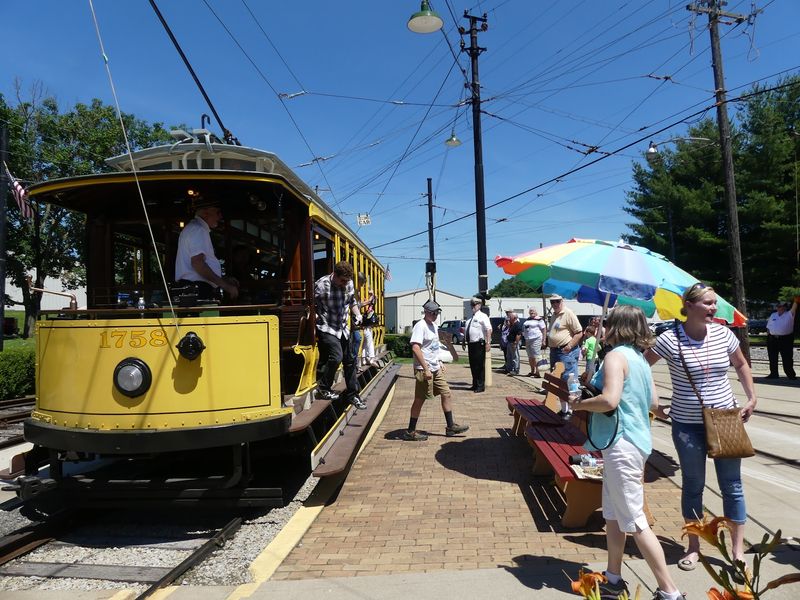
Finding activities that engage both kids and adults can be challenging, but this museum nails that balance. The combination of rides, exhibits, and outdoor space means restless children aren’t stuck staring at display cases they can’t touch.
Meanwhile, adults get genuine historical content that respects their intelligence.
Young visitors love the trolley rides most. The motion, sounds, and novelty of riding an antique vehicle capture their attention far better than typical museum displays.
Parents report that even screen-addicted kids put down their devices to enjoy the experience.
Seasonal programming adds extra appeal throughout the year. Fall brings special Halloween-themed rides while December features holiday trolley events with decorations and seasonal cheer.
These special occasions give families reasons to return multiple times.
The outdoor spaces provide built-in breaks when anyone needs fresh air. Kids can run around between rides without disrupting other visitors, and the museum store offers reasonably priced souvenirs that won’t break your budget.
Pack a lunch to enjoy in the picnic area, and you’ve got an affordable day trip the whole family will remember.
Enjoy the Museum Grounds Between Rides
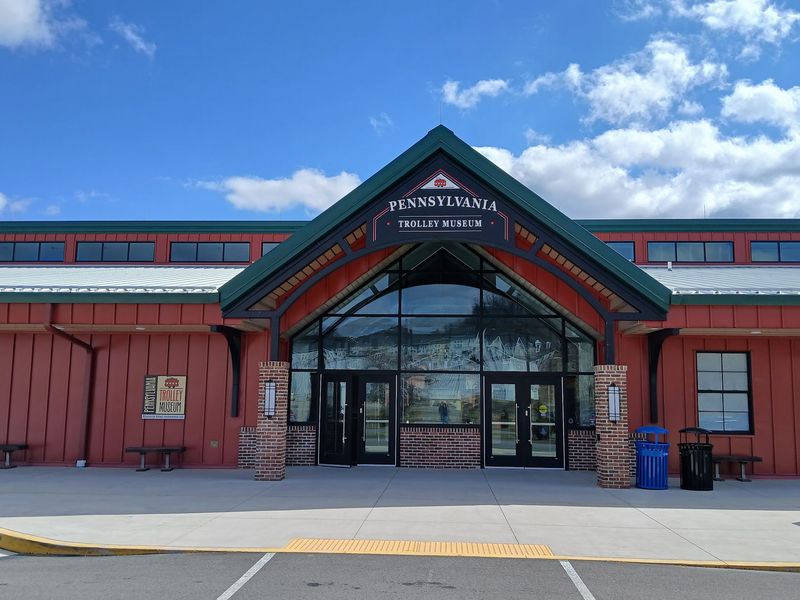
Smart visitors treat this museum as more than just a ride destination. The grounds themselves offer pleasant spaces to relax, reflect, and extend your visit beyond the main attractions.
Many people rush through museums, but this place rewards those who slow down.
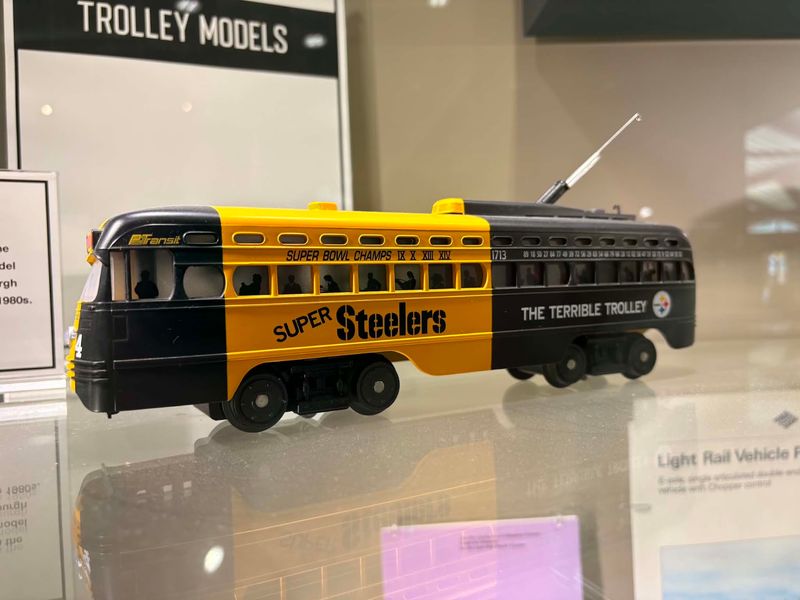
The museum store stocks trolley-themed gifts, books, and memorabilia you won’t find elsewhere. Model train enthusiasts particularly appreciate the selection of streetcar models and historical publications.
Even if you’re not buying, browsing adds to the overall experience.
Picnic facilities let you pack lunch and make a day of it. Eating outdoors between rides saves money compared to leaving for restaurant meals and creates a relaxed, unhurried atmosphere.
The picnic area has tables and provides a pleasant spot to rest between activities.
The museum recommends planning 90 minutes to two hours for a typical visit. That timing assumes you’ll take at least two trolley rides and explore the display building and education center.
Rushing through in 45 minutes means missing much of what makes this place special, so give yourself adequate time to explore thoroughly.
Plan Your Visit
Getting the logistics right ensures a smooth visit. The museum sits at 1 Electric Way in Washington, Pennsylvania, roughly three miles north of downtown Washington and about 28 miles south of Pittsburgh.
The location makes it accessible as a day trip from either direction.
Operating hours and days vary by season. September through May, the museum opens Thursday through Sunday from 10 a.m. to 4 p.m.
Summer months bring expanded schedules, with Tuesday through Sunday operations from June through August. Always verify hours before driving since special events occasionally affect the regular schedule.
Admission pricing stays reasonable for families. Adults currently pay $20, seniors 62 and older get a dollar discount at $19, and children ages 3 to 17 enter for $15.
Kids under three get free admission. Remember that trolley rides are included, making this good value for the money.
Free parking removes one common museum headache. If you need wheelchair-accessible trolley accommodations, call ahead at 724-228-9256 so staff can prepare appropriately.
The last full experience begins at 3 p.m., so arrive with plenty of time to enjoy everything the museum offers.