Tucked away in Locust Grove, Georgia, Noah’s Ark Animal Sanctuary is one of the most extraordinary places you can visit in the Southeast.
Sprawling across 250 acres, this nonprofit refuge gives rescued animals — from majestic lions to playful black bears — a safe, permanent home.
Whether you’re a wildlife enthusiast, a family looking for a meaningful outing, or simply someone who loves animals, this sanctuary offers an experience unlike anything you’ll find at a typical zoo.
Get ready to discover why thousands of visitors make the trip to this remarkable place every year.
A 250-Acre Refuge Just Outside Atlanta
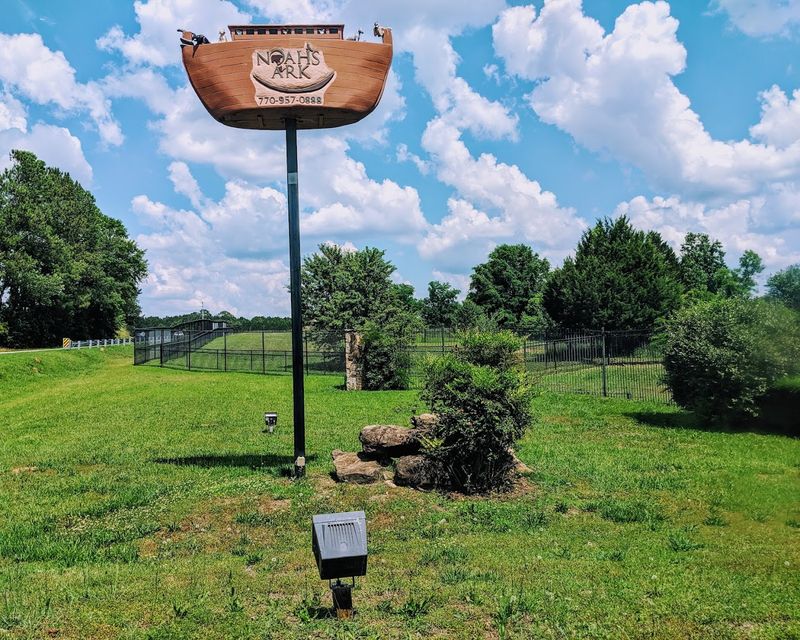
Just 35 miles south of Atlanta, Noah’s Ark Animal Sanctuary sits on a sweeping 250-acre property that feels like stepping into a different world entirely. The moment you arrive, the sounds of the city fade away, replaced by rustling trees and the occasional distant roar from one of the sanctuary’s big cat residents.
The land itself plays a huge role in what makes this place so special. Wide open spaces give animals room to move, rest, and simply exist without the cramped conditions found in many traditional facilities.
Habitats are thoughtfully designed to reflect each animal’s natural environment as closely as possible.
For visitors, the sheer size of the property means there’s always something new to discover around the next bend in the trail. Paved paths wind through shaded areas, making the walk comfortable even on warm Georgia afternoons.
Families with strollers and visitors with mobility needs will appreciate the accessible layout. Whether you spend two hours or an entire afternoon exploring, the sprawling grounds ensure you never feel rushed or crowded during your visit.
A Mission Focused on Rescue and Rehabilitation
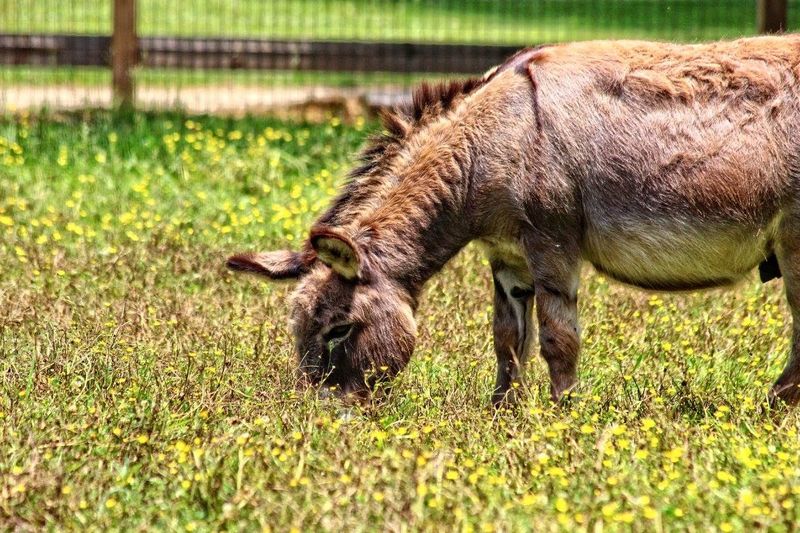
Noah’s Ark Animal Sanctuary was founded in the late 1970s with a clear and unwavering purpose: to rescue animals that have nowhere else to go. From exotic wildlife confiscated by authorities to farm animals abandoned by overwhelmed owners, the sanctuary opens its doors to creatures in desperate need of care and compassion.
What sets this place apart from many other animal facilities is its commitment to lifelong care. Most animals that arrive here stay permanently, because releasing them into the wild simply isn’t a realistic option after years of captivity or mistreatment.
Staff and volunteers work tirelessly to ensure every resident receives proper nutrition, veterinary attention, and enrichment activities suited to their species.
Rehabilitation is also part of the mission when circumstances allow. Some animals — particularly those that haven’t lost their natural instincts — may eventually be transitioned to more independent living situations.
But for the majority, Noah’s Ark becomes their forever home. Knowing that each animal here was given a second chance makes walking through the sanctuary feel deeply meaningful, turning a casual visit into something visitors often describe as genuinely life-changing.
Home to Over 1,000 Rescued Animals
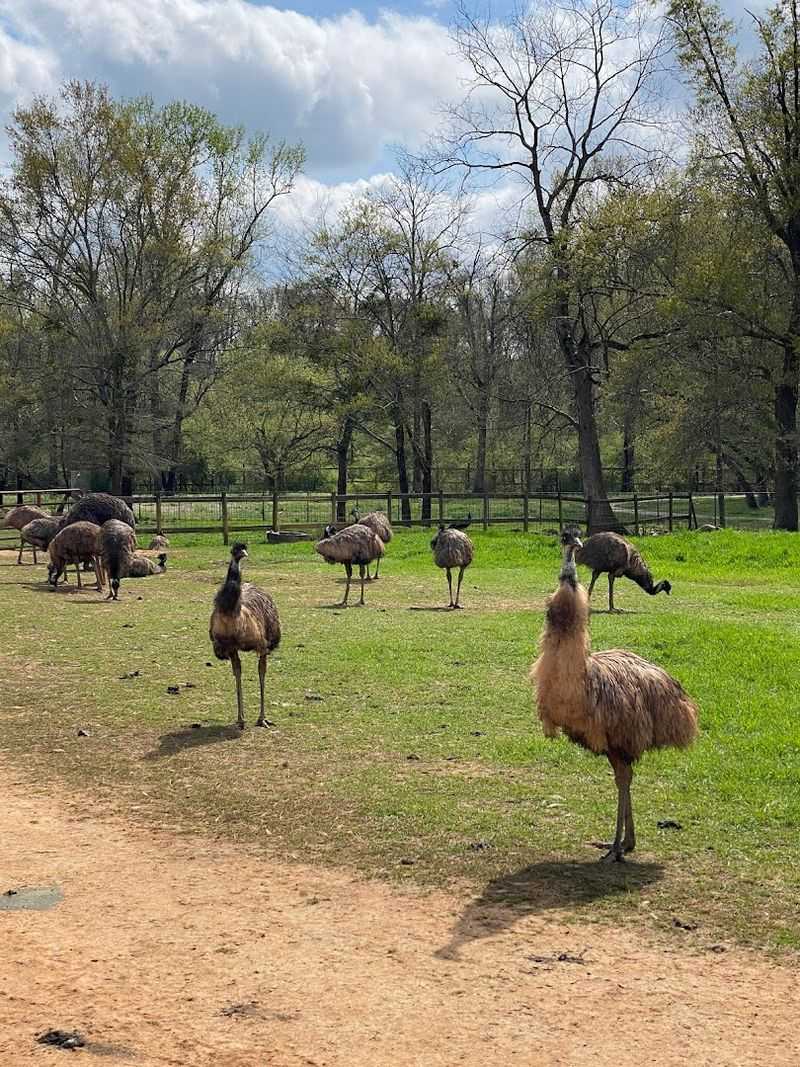
With more than 1,000 animals representing over 100 different species, Noah’s Ark is one of the most biologically diverse sanctuaries in the entire Southeast. On a single visit, you might encounter a white Bengal tiger, a curious capuchin monkey, a massive tortoise, and a friendly pot-bellied pig — all within the same afternoon.
Big cats are certainly the headline attraction, but the variety here goes far beyond lions and tigers. Reptiles, birds of prey, primates, and barnyard favorites all call this sanctuary home.
That sheer range of species means every visitor — regardless of age or background — is almost guaranteed to find an animal that captures their heart.
Managing such a large and varied population requires an impressive team of dedicated staff members and volunteers who specialize in the unique needs of different species. The sanctuary relies heavily on donations and admission fees to fund the enormous daily cost of feeding, housing, and providing medical care for all its residents.
Supporting Noah’s Ark, whether through a visit or a donation, directly contributes to the well-being of over a thousand remarkable lives.
Lions, Tigers, and Black Bears Living Together
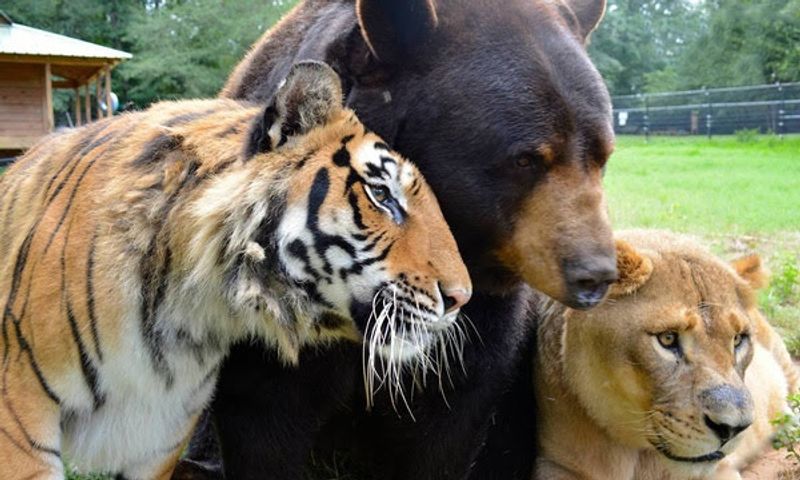
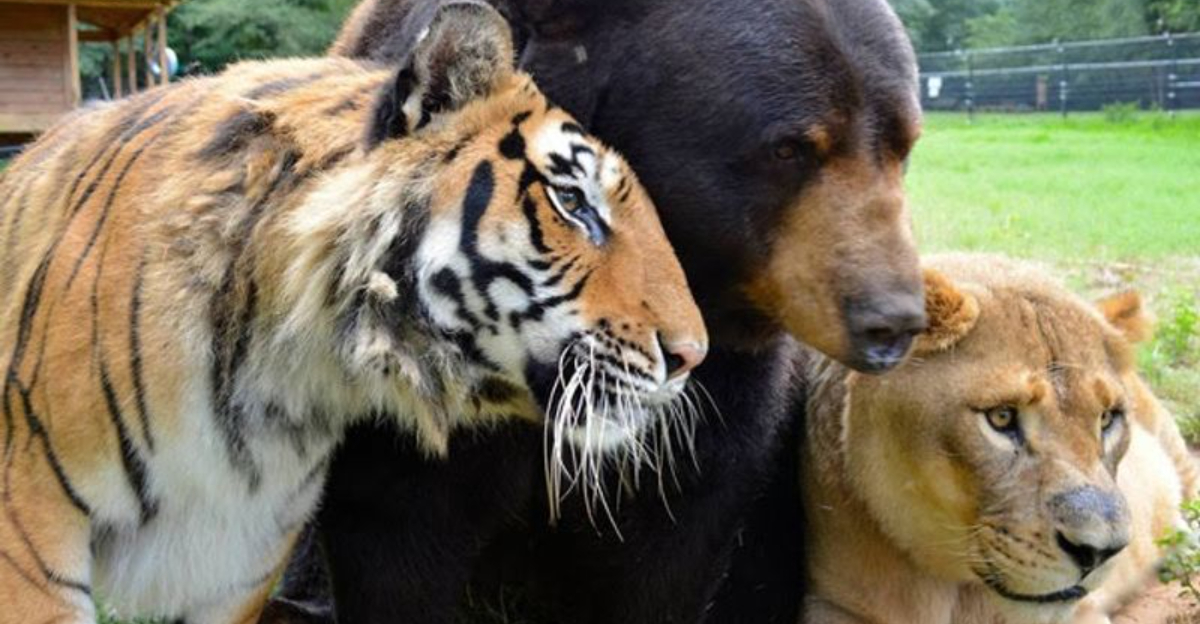
Imagine standing just a few feet away from a lion, a tiger, and a black bear — all sharing the same space without conflict. At Noah’s Ark, that remarkable sight is not a fantasy.
Several large predators rescued from difficult situations have learned to live alongside one another in ways that defy what most people expect from wild animals.
These animals didn’t arrive knowing how to coexist peacefully. Years of patient, careful sanctuary management helped build trust between species that would never naturally share territory in the wild.
Sanctuary staff understand animal behavior deeply, and their guidance has made these extraordinary cross-species relationships possible.
Seeing a lion lounge calmly near a black bear challenges everything most visitors think they know about predator behavior. It’s a powerful reminder that environment, safety, and compassionate care can transform how animals relate to the world around them.
For many visitors, this is the moment the sanctuary’s mission truly clicks — when they realize that healing isn’t just physical, but emotional too. Watching these animals at peace with each other is one of the most quietly awe-inspiring experiences the sanctuary has to offer.
The Famous BLT Trio Story
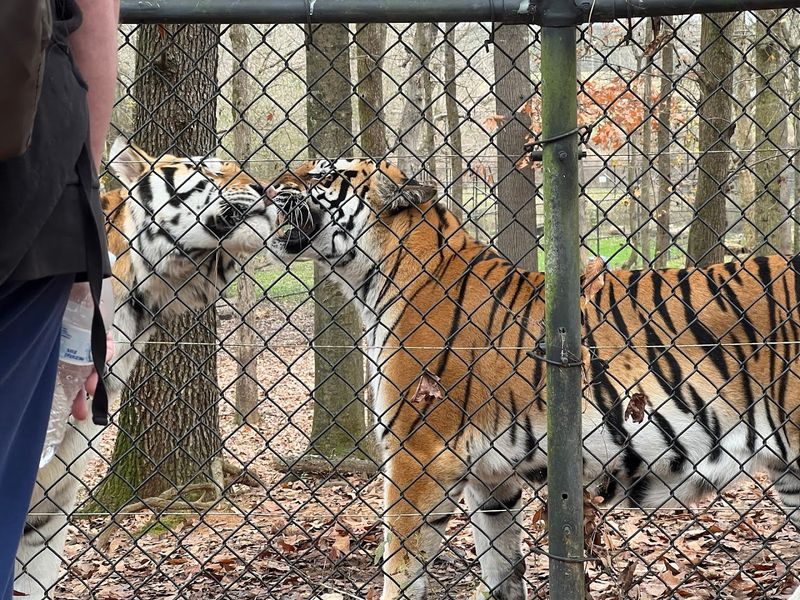
Few stories in the animal rescue world are as moving as that of Baloo the bear, Leo the lion, and Shere Khan the tiger — affectionately known as the BLT trio. These three were confiscated as cubs from a drug dealer’s basement in Atlanta back in 2001, each showing signs of neglect and malnourishment when authorities intervened.
Instead of being separated and sent to different facilities, the three were brought to Noah’s Ark together. Their shared trauma seemed to forge an unbreakable bond.
Over the years, they ate together, played together, and even curled up to sleep in the same space — behavior that stunned wildlife experts around the world.
Sadly, Leo the lion passed away in 2016, and Shere Khan followed in 2018. Baloo, the beloved bear, continued to live at the sanctuary and became a symbol of the enduring power of friendship across all boundaries.
The BLT story went viral globally, drawing visitors from across the country who wanted to witness this unlikely family firsthand. Their legacy lives on at Noah’s Ark as a testament to resilience, love, and the healing power of a safe home.
Naturalistic Habitats and Walkable Trails
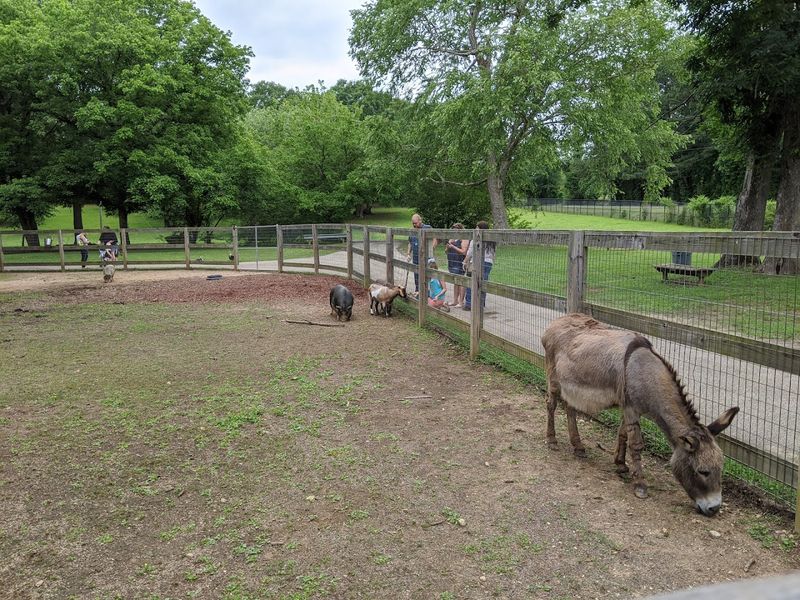
One of the first things visitors notice when they arrive at Noah’s Ark is how thoughtfully the grounds are laid out. Smooth, paved walking paths curve through the property, guiding guests past one carefully designed habitat after another.
The trails feel less like a zoo route and more like a peaceful nature walk with extraordinary company.
Each enclosure is built with the animal’s comfort in mind first. Big cats have shaded areas, elevated platforms for resting, and enough space to stretch and move freely.
Bears have pools and climbing structures. Birds have aviaries that allow for natural flight patterns.
The habitats aim to reduce stress and encourage behaviors animals would naturally exhibit in the wild.
Educational signage posted at each enclosure tells visitors the story behind each resident — where they came from, what challenges they faced, and what their daily life at the sanctuary looks like now. That storytelling element transforms a simple walk into an emotionally engaging experience.
Families often find themselves lingering at each stop, reading every sign and asking questions. The combination of accessible trails and meaningful information makes Noah’s Ark genuinely enjoyable for all ages and ability levels.
Educational Experiences and Guided Tours
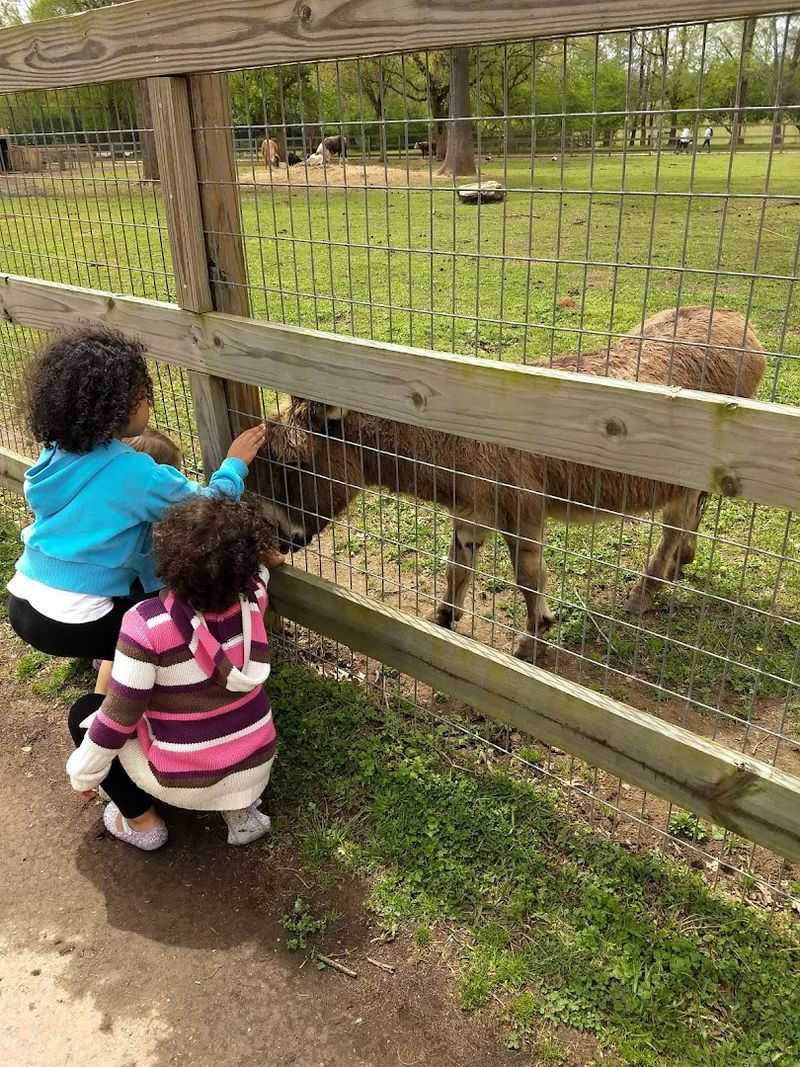
A standard walk through the sanctuary is already packed with learning opportunities, but Noah’s Ark goes even further with structured educational programs and guided tour experiences. These offerings are designed for visitors who want a deeper understanding of wildlife conservation, animal behavior, and the realities of exotic animal ownership.
Behind-the-scenes tours are among the most popular options. Led by knowledgeable staff members, these experiences take small groups closer to the animals and provide context that goes beyond what the trail signage can convey.
Guides share personal stories about specific residents, explain how the sanctuary operates day to day, and answer questions with the kind of detail that only comes from years of hands-on experience.
School groups, scout troops, and youth organizations frequently visit for dedicated educational programs tailored to different age levels. These sessions connect classroom learning about ecosystems, conservation, and animal welfare to real, living examples right in front of students’ eyes.
For many young visitors, meeting a rescued animal face-to-face sparks a lifelong passion for wildlife protection. Noah’s Ark understands that education is one of the most powerful tools for creating the next generation of conservation advocates.
A Sanctuary, Not a Zoo — and Why That Matters
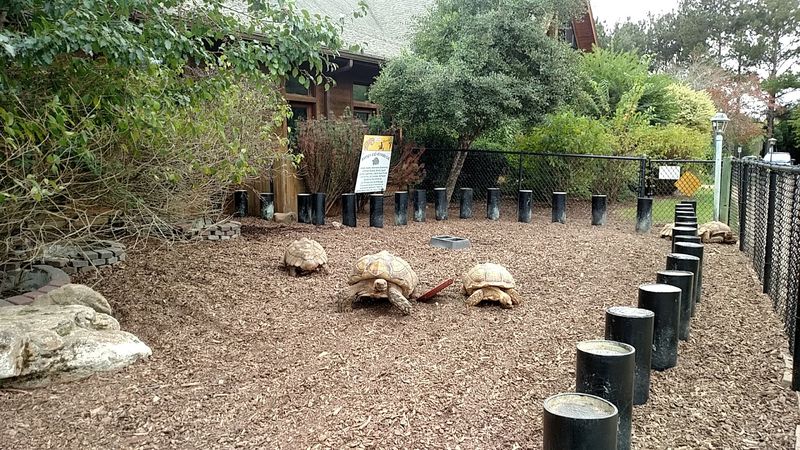
Walk through Noah’s Ark and you’ll quickly notice something refreshingly different about the atmosphere. There are no performing animals, no cramped display cages designed for maximum human viewing angles, and no breeding programs aimed at producing animals for sale or trade.
This is a sanctuary in every meaningful sense of the word.
The distinction between a sanctuary and a zoo matters more than many people realize. Traditional zoos, even well-funded ones, often prioritize visitor experience over animal comfort.
Sanctuaries like Noah’s Ark flip that priority entirely — the animals come first, always. Habitats are sized and structured around what the animal needs, not what makes them easiest to photograph.
Animals here are not bought or sold. Most arrived through confiscation, surrender, or rescue, and they stay for the rest of their natural lives.
That permanence creates stability that allows even the most traumatized animals to gradually relax and display more natural behaviors. Visitors who understand this difference often leave with a changed perspective on how humans interact with wildlife more broadly.
Supporting a sanctuary rather than a traditional entertainment-focused facility sends a clear message about the kind of world we want to build for animals.
Every Animal Here Has a Second-Chance Story
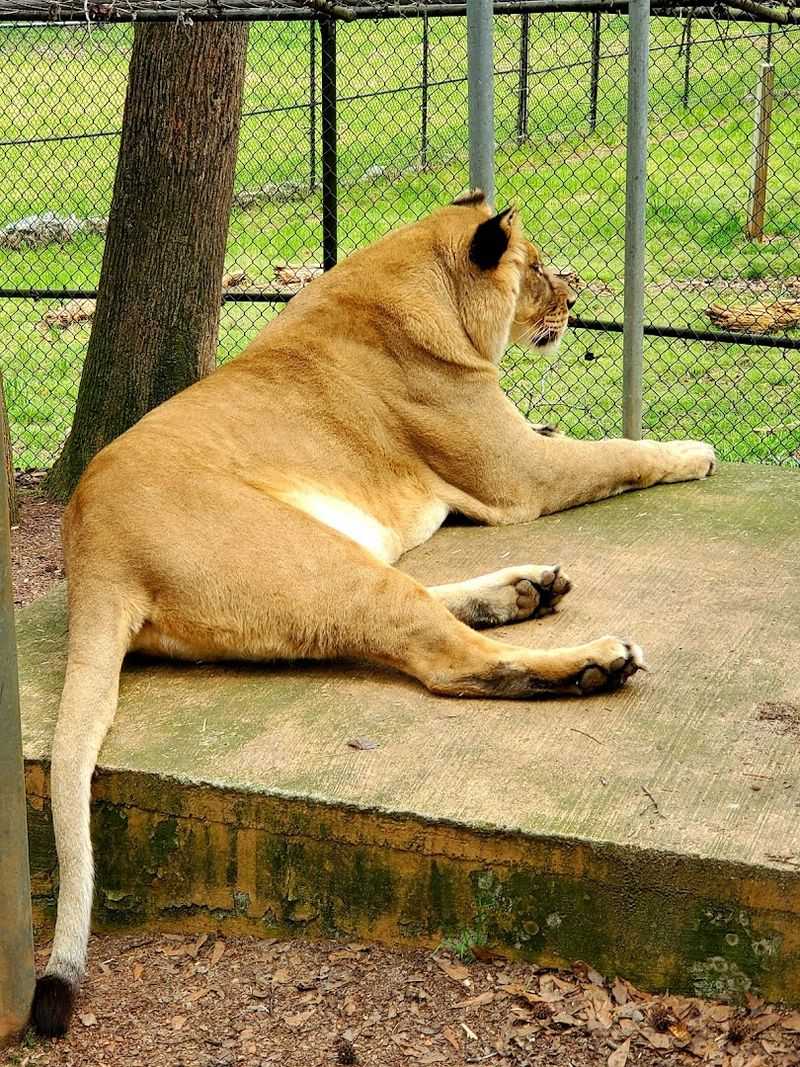
Behind every pair of eyes watching you from inside these enclosures is a story worth knowing. Some animals arrived after being seized from illegal private owners who kept them in garages or basements.
Others came from roadside zoos that closed due to neglect violations. A few were rescued from circus environments where performance demands left them physically and emotionally exhausted.
Reading those stories on the educational signs throughout the sanctuary changes how you see each animal. That lion isn’t just a lion — he’s a survivor who spent his early years in conditions no animal should ever endure.
That black bear isn’t just an interesting sight — she’s proof that compassion and patience can rebuild trust even after severe trauma.
Noah’s Ark turns these individual histories into something larger: a collective statement about human responsibility toward the animals we share this planet with. Each rescue represents a failure somewhere in the system — a gap in regulations, a lapse in oversight, or simply a lack of awareness about what exotic animals truly need to thrive.
But each rescue also represents a triumph. Walking through the sanctuary, you’re surrounded by living proof that intervention, care, and commitment can genuinely transform a life.
Visitor Information — Plan Your Trip to Noah’s Ark
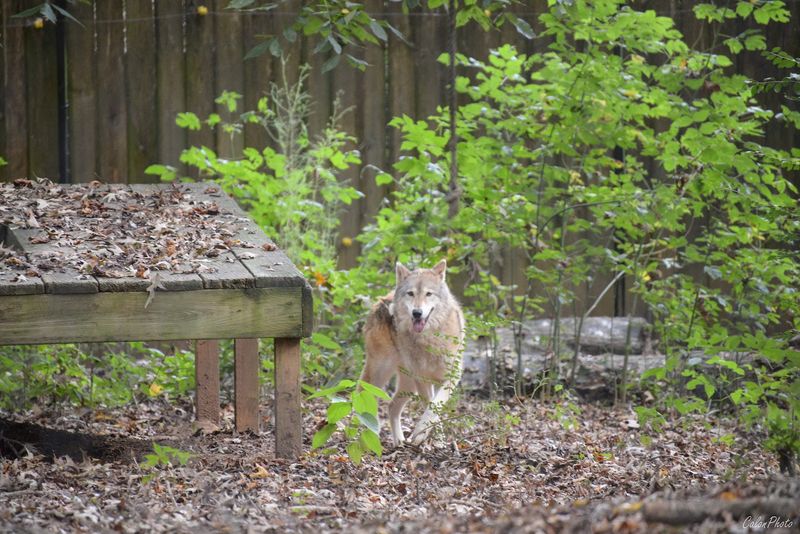
Ready to visit? Noah’s Ark Animal Sanctuary is located at 712 Locust Grove Griffin Road, Locust Grove, GA 30248.
You can reach them by phone at +1 770-957-0888, and their website is the best place to check current hours, admission pricing, and any seasonal updates before you head out.
The sanctuary is typically open several days a week during daytime hours. Admission is kept affordable to encourage families and school groups to visit, with pricing tiers available for children, adults, and seniors.
Self-guided tours are the standard experience, though special guided and behind-the-scenes options can be booked in advance for a more in-depth visit.
A few practical tips before you go: leave your pets at home, as animals are not permitted on the grounds. Children should be supervised at all times near enclosures.
Wear comfortable walking shoes since the trails, while paved, cover a good amount of ground. Bringing water and sunscreen is highly recommended, especially during Georgia’s warm summer months.
The sanctuary also accepts donations, so consider contributing if the experience moves you. Every dollar goes directly toward the care of the more than 1,000 animals that call Noah’s Ark home.