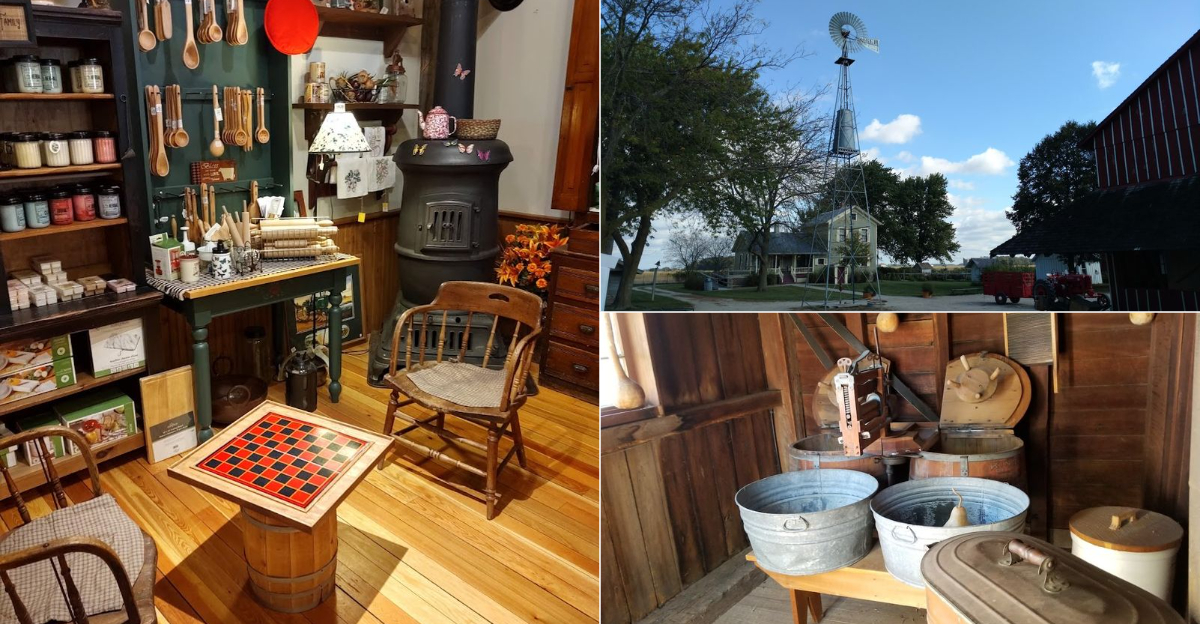
We all love movies about traveling back in time, but what if you were told that in Archbold, that feeling stops being a scene and becomes something you can truly touch?
This living history village offers more than simple sightseeing, it provides a rare opportunity to hear the sounds and feel the rhythm of everyday life that once moved at a very different, more human pace.
It is that elusive transition from modern chaos into the quiet of old workshops and dusty yards, where time is measured not in hours but in work completed.
The true value of this place lies not in what you see behind a fence, but in the moment you realize that by stepping onto these paths, you have become part of a story that continues to live through your own footsteps.
A Place Where Ohio History Feels Lived In
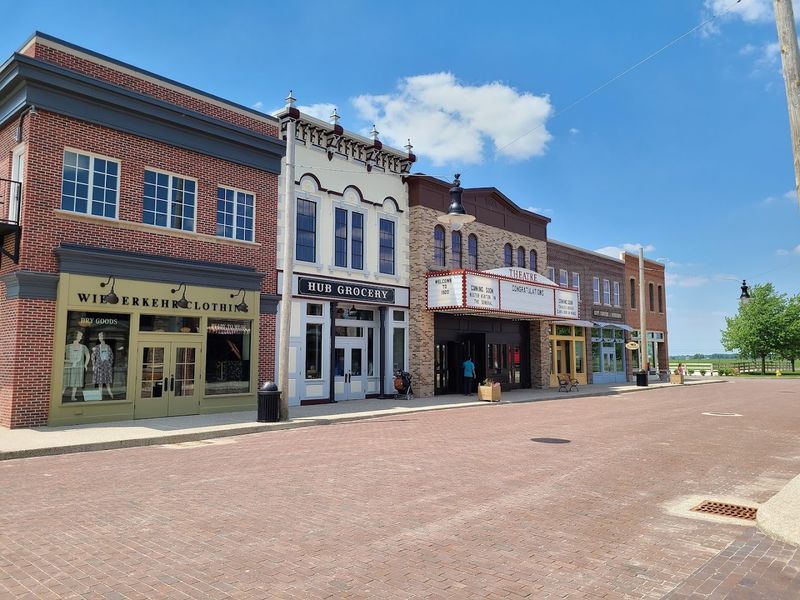
Sauder Village is not simply a museum with labeled rooms and ropes at the doorway.
It is a carefully created living history destination in Archbold, Ohio, where homes, workshops, barns, and storefronts show how ordinary people once worked, cooked, worshiped, traded, and visited with neighbors. The setting feels spacious and unhurried, allowing each building to speak through its textures, smells, and sounds instead of through display cases alone.
Visitors move through a place designed to reflect changing eras of Midwestern life, from pioneer beginnings to later village streets and early twentieth century charm.
That layered historical concept gives the day a natural rhythm, because every corner reveals another way people adapted tools, skills, and traditions to everyday needs.
The result is educational without feeling stiff, and immersive without becoming theatrical.
What makes Sauder Village memorable is its attention to the small details that make history feel inhabited. Screen doors click shut, wagon wheels rest in the grass, and interpreters carry on tasks with calm purpose.
It invites families and travelers to imagine not only what the past looked like, but what living inside it might have truly felt like.
Shops and Trades Filled With Skill and Sound
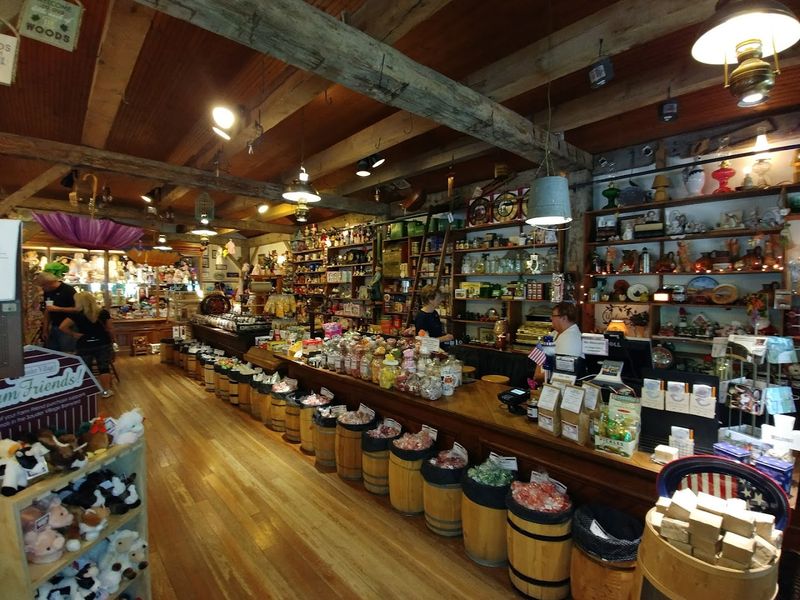
The village shops are where the experience becomes especially vivid, because work is still the heartbeat of the place.
In trade buildings, visitors may hear hammering from the blacksmith, the hum of a wheel in a pottery space, or the scrape of tools shaping wood into something useful. These are not static backdrops.
They are environments built around skill, repetition, and material knowledge passed from one generation to the next.
Watching a demonstration changes the way old objects are understood.
A bucket, broom, nail, loaf pan, or wagon part stops being a quaint artifact and becomes evidence of time, training, and careful hands.
Interpreters often explain not only what they are making, but why the process mattered to community life. The conversation naturally connects craft to economy, weather, family needs, and the limits of available resources.
That practical creativity is deeply appealing.
Visitors leave with a renewed respect for trades that once shaped every town and household.
The experience makes craftsmanship feel immediate rather than distant, showing how beauty often emerged from durability, routine, and the pride of making something well enough to be used every day.
Farm Life, Barnyards, and the Rhythm of the Land
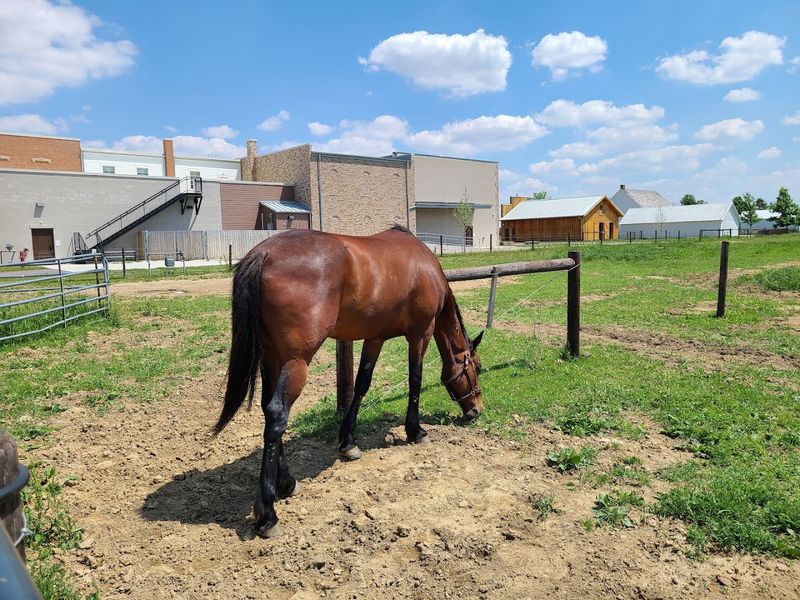
The agricultural side of Ohio life is captured here in a way that gives the experience a grounded, physical honesty.
Farm buildings, fenced areas, tools, and animals remind visitors that rural communities depended on constant labor tied to season, daylight, and weather.
The pastoral scenery may appear peaceful at first glance, yet it quietly suggests how demanding the work once was.
There is something memorable about seeing barns, wagons, and animal enclosures in the context of the broader village.
They connect home life and trade life to the land that made both possible.
Grain had to be grown, animals fed, fences repaired, and chores repeated no matter the temperature or mood.
For children especially, these areas help history click into place because they show where food, materials, and livelihoods actually began.
In warmer months, the farm setting feels especially vivid.
Sunlight on weathered wood, the smell of hay, and the sight of open green space create a sensory contrast to modern indoor attractions.
Farm life is presented not as decoration, but as an essential part of the story, showing how community survival once depended on patience, routine, and close attention to the land.
Walking the Streets of a Slower World
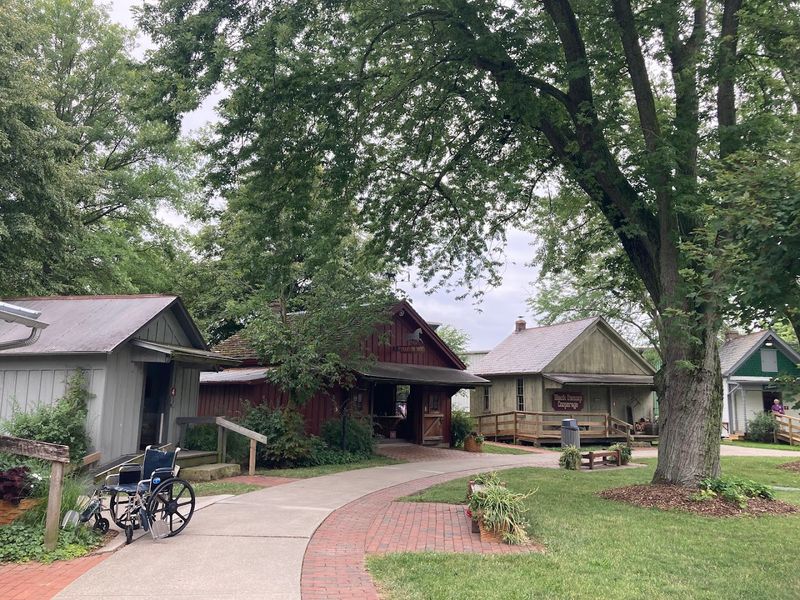
One of the greatest pleasures here comes from moving slowly between areas and letting the atmosphere unfold on its own.
The pace changes almost immediately, replaced by gravel crunching underfoot, distant conversation from porches, and the soft sense that nothing here needs to be rushed.
Instead of traffic noise and glowing screens, there are garden rows, painted clapboard walls, and the occasional drift of wood smoke or baking.
The village layout encourages wandering.
Paths open toward tidy yards, trade buildings, and shaded resting spots where families pause before continuing on to another era.
Every transition feels gentle rather than abrupt, so the day becomes less about checking attractions off a list and more about absorbing a mood that grows richer with time.
In spring and summer, that mood deepens beautifully.
Leaves stir above the lane, flowers brighten dooryards, and sunlight settles over barns and storefront windows in a way that makes the whole setting feel soft at the edges.
Sauder Village offers the rare experience of walking through history at a human pace, with enough space for curiosity, conversation, and quiet reflection.
Historic Homes That Tell Everyday Stories
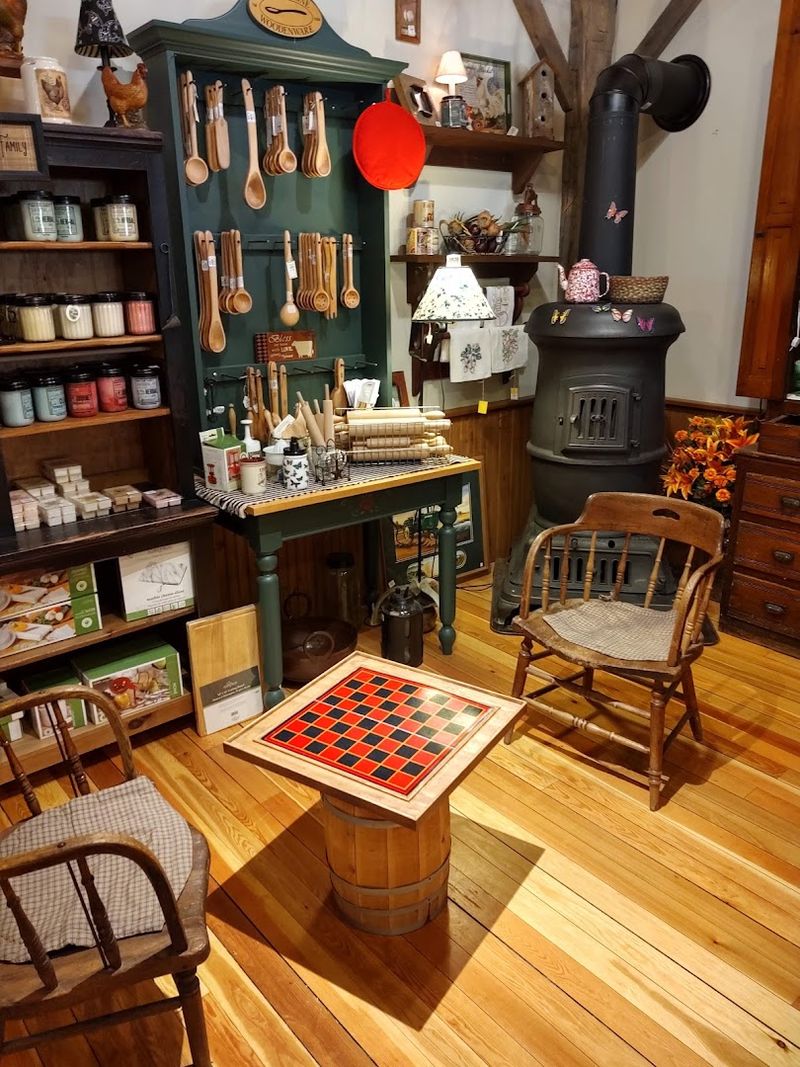
The reconstructed homes are among the most affecting spaces here because they reveal history through daily routines rather than grand events.
Inside these rooms, visitors find plain tables, braided rugs, narrow bedsteads, wash basins, and hearths that immediately suggest the labor once required to keep a household running.
The simplicity can be striking, yet the rooms never feel empty.
They feel used, practical, and shaped by necessity.
Each home reflects the values and constraints of its time.
Storage is modest, fabrics are sturdy, and every object seems to have earned its place through usefulness. Looking closely at a kitchen shelf or a sewing area makes it easy to understand how much time was spent preserving food, mending clothing, and preparing for weather.
These houses tell stories of endurance, thrift, faith, and family without needing dramatic narration.
That quiet honesty is part of their power.
Children notice the small beds and cooking tools, while adults often linger over the details of household craftsmanship and seasonal work.
These homes are given room to breathe, so they feel less like exhibits and more like glimpses into lives that were demanding, intimate, and carefully shaped from what was available.
Hands-On Moments That Bring the Past Closer
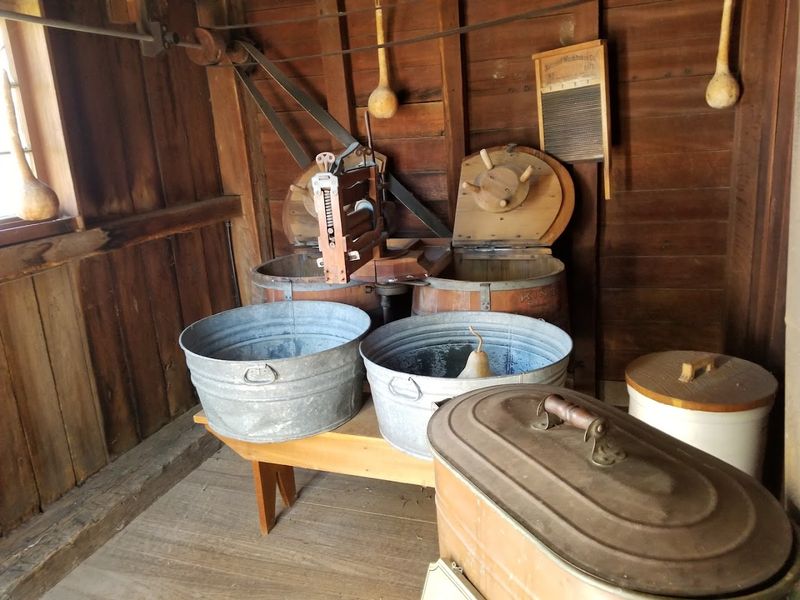
A major reason this place appeals to so many families is that it does not ask visitors to stand back and observe history from a distance.
Demonstrations, conversations, and hands-on activities help bridge the gap between curiosity and understanding.
Whether children are trying simple tasks, watching tools in motion, or asking questions about daily chores, the experience becomes active rather than passive.
This approach gives the village warmth.
Instead of presenting the past as untouchable, it shows it as something once lived by real people with ordinary responsibilities and learned skills.
A child can suddenly understand that writing, washing, building, or cooking took different tools and more time than expected.
Adults often respond just as strongly, especially when a familiar object is explained through the labor once required to make or maintain it.
Those moments of participation are where memory tends to take hold.
A demonstration can become the story retold on the drive home, long after dates and labels are forgotten.
Tastes, Treats, and Old-Fashioned Comfort
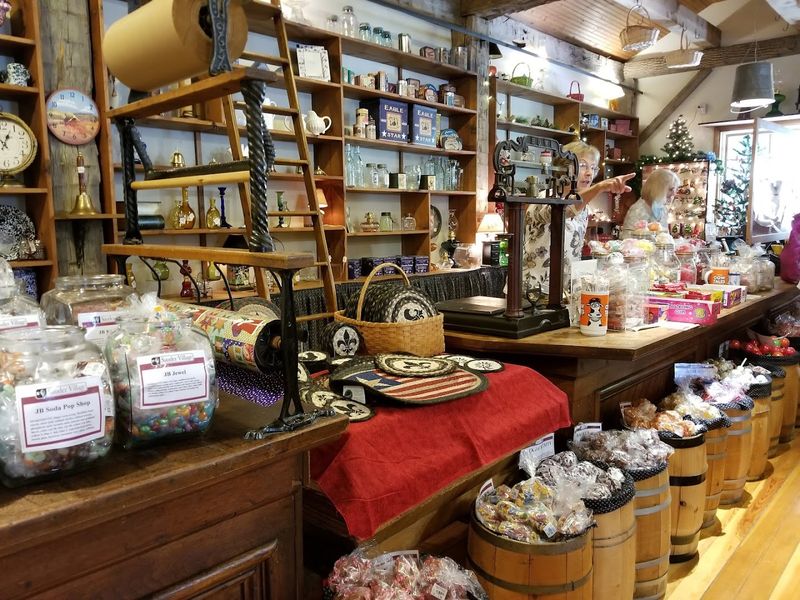
Food adds another layer of pleasure to the experience, especially because it fits the atmosphere rather than interrupting it.
The appeal is not only hunger after hours of walking, but the comfort of treats and meals that feel rooted in tradition.
The smell of baked goods drifting from a shop or the promise of an old-fashioned soda fountain can become part of the day’s emotional memory.
Visitors often talk about donuts, ice cream, and hearty dining nearby with the kind of affection usually reserved for family outings.
Those flavors matter because they echo the larger mood of the village: familiar, generous, and quietly celebratory.
Sitting down for a simple treat after touring homes and workshops creates a pause that feels almost ceremonial, as if the day is meant to be savored rather than consumed quickly.
That sense of local comfort helps Sauder Village stand apart from louder attractions.
It understands that nostalgia often arrives through taste as much as through architecture or costume.
A cold soda, a sweet pastry, or a satisfying meal brings the historical atmosphere into the present in a very human way.
The village leaves visitors fed not just with information, but with warmth and lingering contentment.
Why Spring and Summer Feel Especially Magical
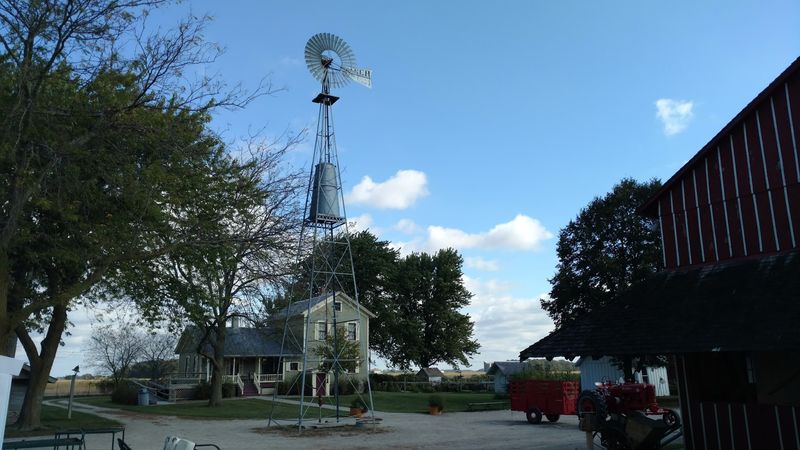
While the experience has charm in any season, spring and summer give it an especially inviting glow.
The grounds look fuller and softer then, with blooming gardens, green lawns, and bright light warming the clapboard buildings and porches.
The village feels open in every sense, encouraging longer strolls, slower conversations, and a more relaxed kind of exploration.
Warmer weather also deepens the sensory experience.
Windows may stand open, birdsong carries between structures, and the smell of earth, grass, and sun-warmed wood settles into the day.
Outdoor demonstrations and farm areas feel livelier, and there is a natural pleasure in moving between shaded lanes and sunny clearings.
The whole place seems to breathe more easily when the landscape is in full leaf.
That seasonal beauty enhances the village’s old-fashioned atmosphere without overpowering it.
Instead, it frames the experience in the gentlest possible way, making history feel tied to natural cycles rather than frozen in time.
Families with children often find these months especially comfortable, and casual travelers may appreciate how photogenic and welcoming the site becomes.
An Unhurried Destination Worth the Drive to Archbold
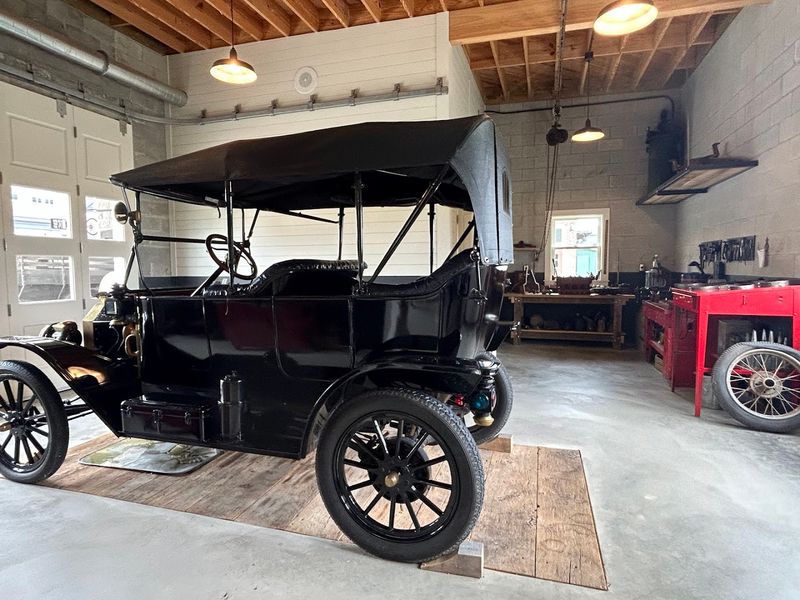
Located in Archbold in northwest Ohio, Sauder Village feels pleasantly removed from the noise and sameness of more commercial attractions.
Its setting supports the entire experience, because arriving here already suggests a different pace and a different set of expectations.
This is a place where a few hours can easily turn into most of the day, especially for visitors who stop to talk, watch demonstrations, and linger in the quieter corners.
That unhurried quality is exactly why it appeals to such a wide range of travelers.
Families find enough variety to keep children engaged, history lovers appreciate the thoughtful interpretation, and casual road trippers can enjoy it simply as a beautiful and unusual day out.
Even those who come mainly for nostalgia often leave impressed by how much there is to learn.
The village manages to be accessible and substantial at the same time.
Sauder Village succeeds because it does more than preserve buildings.
It preserves tempo, texture, and the idea that everyday life deserves remembrance.
In Archbold, history is not reduced to facts on signs.
It is allowed to unfold through movement, craft, food, conversation, and place.
That makes a visit here feel restorative, as though the modern world has briefly stepped aside and allowed something steadier to return.