Some buildings feel like living history books, and this roadside complex in Michigan’s Irish Hills is one of them.
Stagecoach travelers once stopped here for a hot meal and a place to rest between long stretches of dusty road.
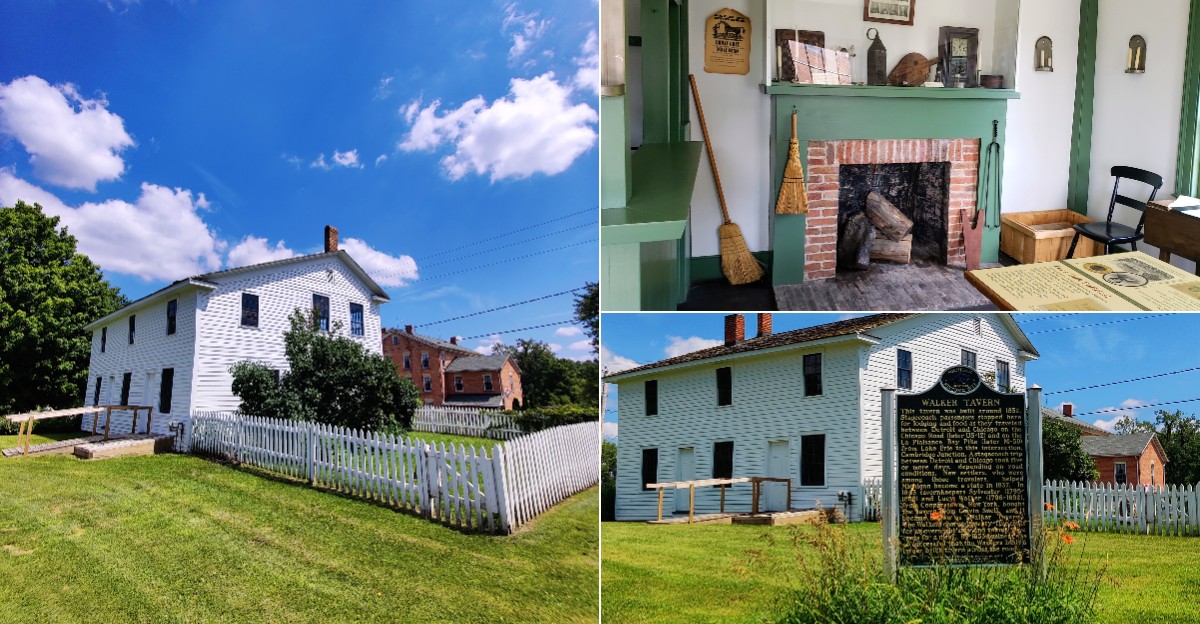
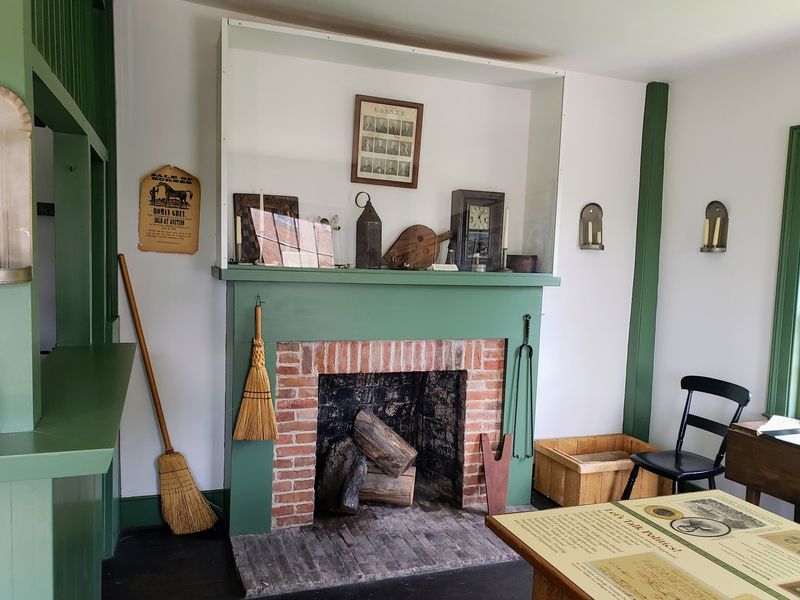
Original woodwork and low ceilings still carry the character of a mid-1800s wayside inn.
Costumed guides bring the era to life, sharing stories of the merchants, farmers, and families who once passed through.
Surrounding outbuildings and a small general store round out the sense of stepping into a 19th-century crossroads town.
Walker Tavern has welcomed guests since 1849, and it still knows how to make a simple stop feel special.
A Meal With 1849 All Around You
Warm wooden walls, low ceilings, and old-fashioned details make a simple meal feel like a small trip through time. The dining experience tied to the 1849 brick tavern is special because the building was created for travelers who needed food, rest, and news along a busy route. Today, guests can picture stagecoach passengers stepping inside, shaking off dust, and sitting down after miles of rough road.
At Walker Tavern Complex, the charm comes from more than age. The rooms help visitors understand how public houses worked before modern hotels and fast restaurants. People gathered here to eat, talk, trade stories, and prepare for the next part of their journey.
If you visit during open hours or a special program, give yourself time to look closely before rushing away. Notice the brickwork, the simple shapes, and the way the building sits near the road. A meal or refreshment in a place like this feels different because the setting does half the storytelling. Families, history fans, and curious travelers can all enjoy the feeling of sitting where Michigan life once passed by one coach, wagon, and conversation at a time. It is quiet, memorable, and easy to appreciate.
Stagecoach Stories Still Linger
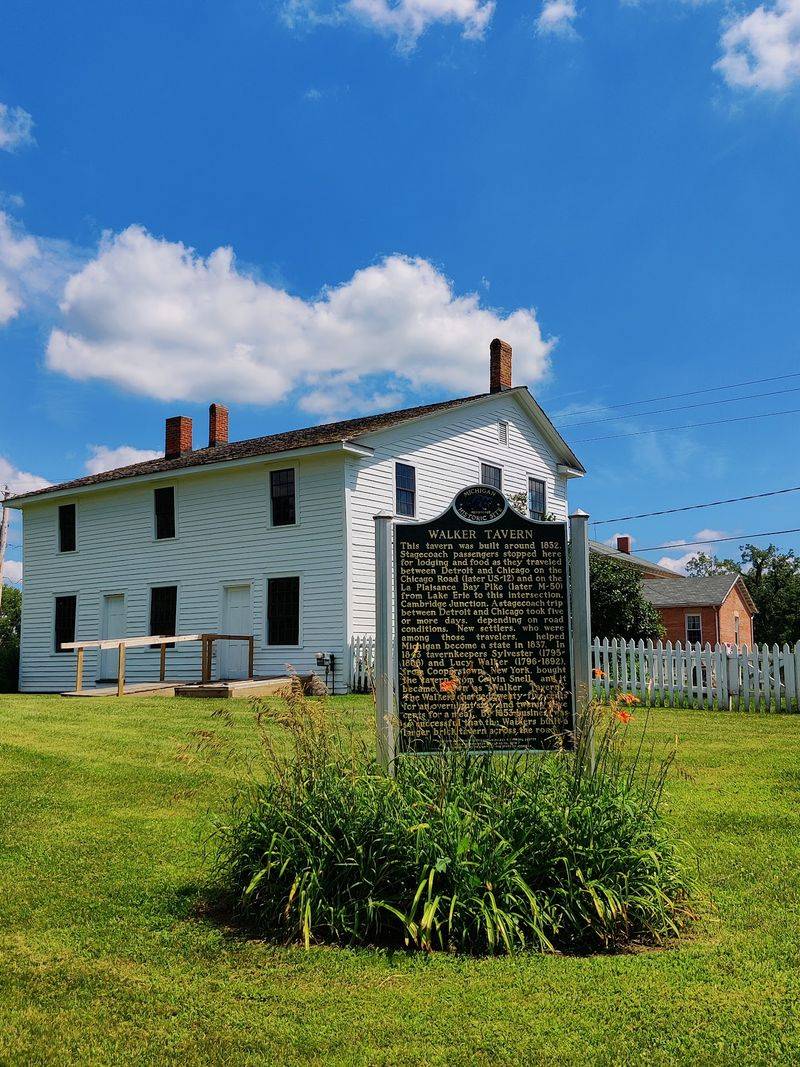
Long before cars crossed the Irish Hills, tired passengers watched for taverns the way modern drivers watch for gas stations. The complex grew around that need, serving people who moved between important Michigan towns by coach, wagon, and horseback. That travel story gives the site a lively feeling, even when the grounds are peaceful.
The earlier tavern was believed to have been built in the 1830s by Calvin Snell, then later became linked with Sylvester and Lucy Walker after they arrived from New York. As traffic grew, the Walkers built a larger brick tavern across the road in 1853. That decision shows how important this junction once was.
When walking the grounds, try to imagine the noise of wheels, animals, drivers, and guests arriving at different hours. Historic taverns were not just places to sleep. They were message centers, dining rooms, resting spots, and meeting places for strangers who might share a table. Knowing that background makes every building feel more useful and real. Instead of seeing only an old structure, visitors see a busy travel hub that helped connect people before railroads and highways changed the rhythm of Michigan life. Small details can suddenly feel important.
Two Taverns Tell One Bigger Tale
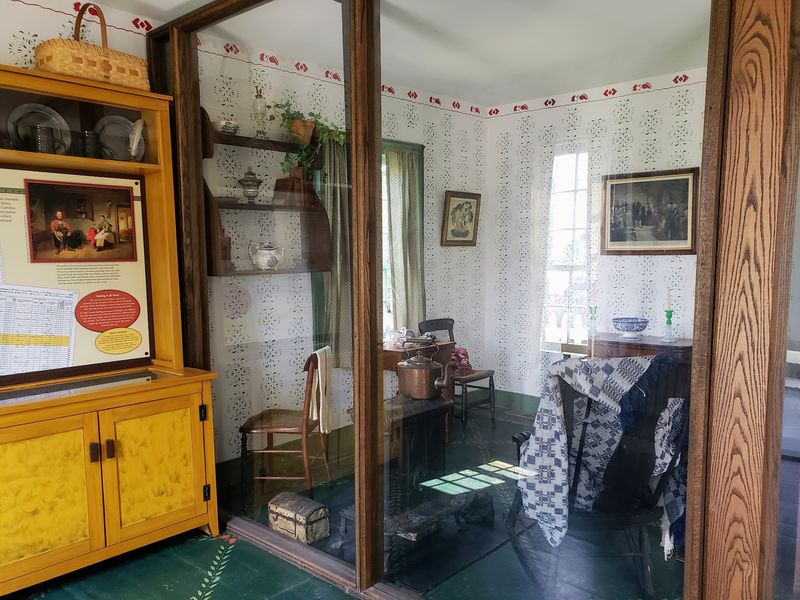
A curious thing about the site is that one tavern was not enough for the growing traffic at the junction. The original building began as a roadside stop, then the larger brick tavern helped serve more guests when travel picked up. Together, the two buildings show how business changed as Michigan roads became busier.
The older structure later became a home after stagecoach driver Francis Asbury Dewey bought the properties in 1864. That change is useful for visitors to notice because historic buildings often had more than one life. A place built for travelers could become a family house, then later become a state-managed historic site.
When touring, compare the buildings instead of treating them as one simple attraction. Look at size, materials, and placement. Ask why a family would invest in a bigger tavern and what that says about travel at the time.
The answer is easy to understand: more movement meant more need for food, rooms, and services. For young visitors, this is a clear lesson in supply and demand without a textbook. For adults, it is a reminder that local history often grows from practical choices made by ordinary people.
A Restored Stop With State Park Care
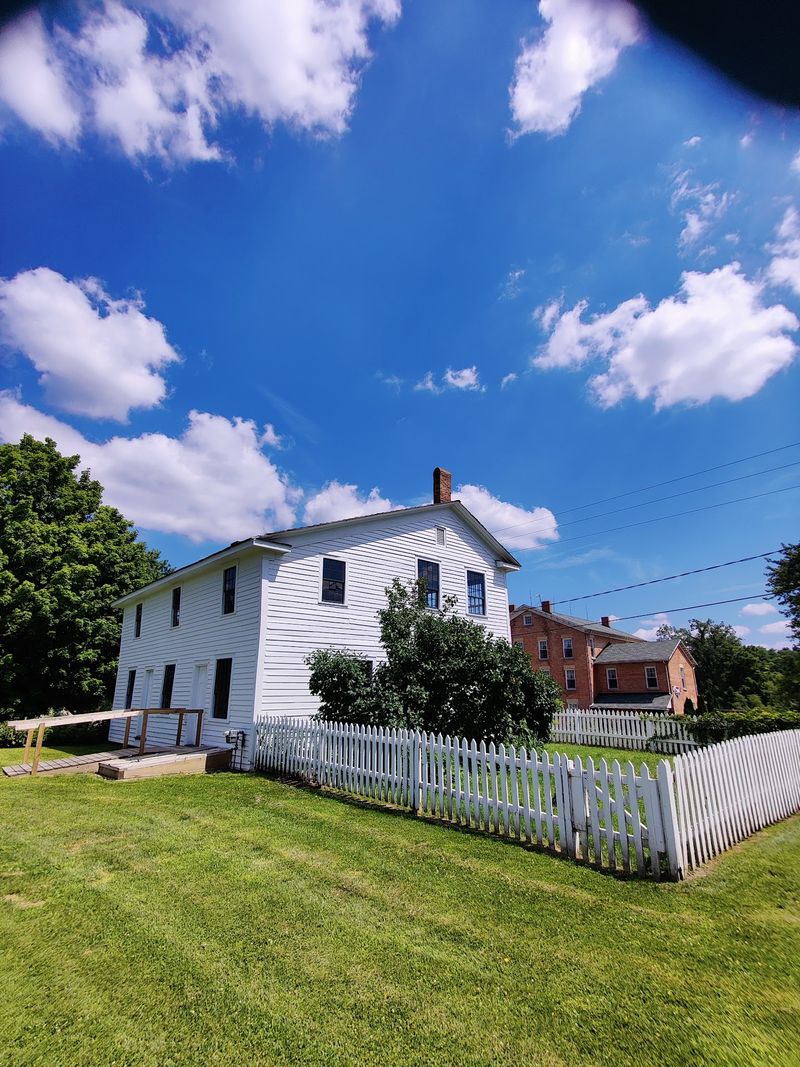
Careful restoration can make an old place feel awake again instead of frozen behind glass. After decades of private ownership, the property was sold to the State of Michigan in 1966. That step helped protect the tavern buildings and opened the door for public visits, programs, and preservation work.
The site is now part of Cambridge Junction Historic State Park, which means visitors get both history and outdoor space in one stop. The park setting helps the buildings breathe. Lawns, paths, and open views give people room to slow down and picture the junction as it once looked.
Reviews often mention friendly staff and a well-kept appearance, which matters at a place where atmosphere is part of the lesson. Before going, check current hours because the site is not open every day. Typical listed hours show openings from 10 AM to 5 PM on Wednesday through Sunday, with Monday and Tuesday closed, but schedules can change.
A quick call to +1 517-467-4414 can save disappointment, especially if you are hoping for a tour or event. Planning ahead lets you enjoy the grounds without feeling rushed. Good preservation rewards slow visitors.
Markets, Music, And Local Flavor
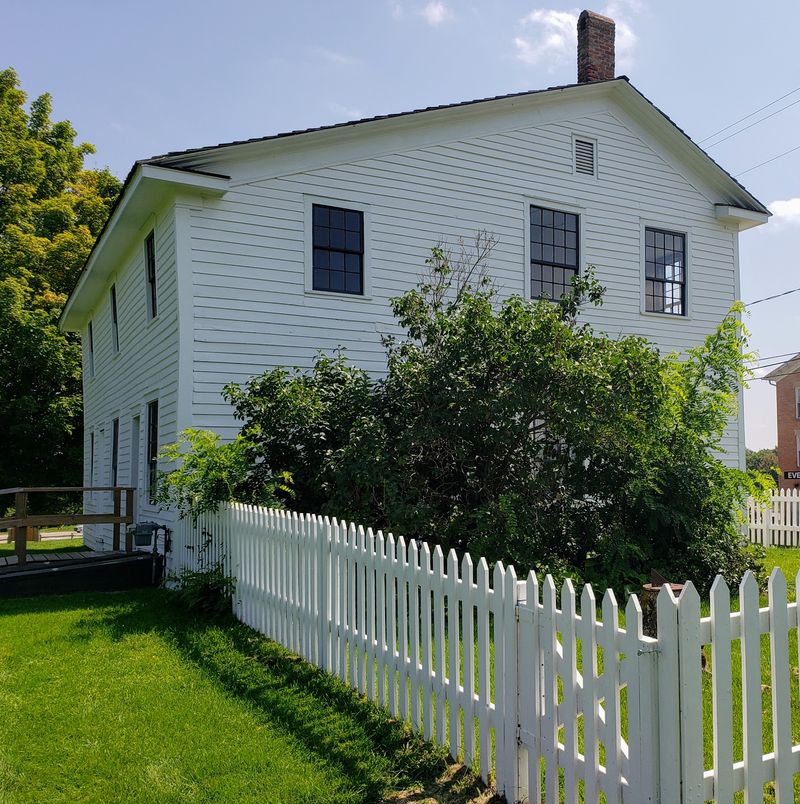
Some historic sites are quiet all the time, but this one can feel like a community gathering place. Visitors have mentioned farm markets, music, summer activities, and special events that bring people back for more than a quick history stop. That mix makes the grounds feel connected to present-day life, not just the past.
The farmers market is a favorite feature for some guests, especially on Sundays when vendors may set up with local goods. Buying something small there can make a visit feel personal. You are not only looking at history, you are taking part in a local tradition of meeting, chatting, and trading.
Events can also change the mood of the park. An evening program may make the tavern glow in a different way, while daytime activities are easier for families with children. If you like casual outings, check event calendars before your trip and bring a little extra time.
A historic place becomes easier to love when it offers food, music, handmade items, or friendly conversation. That is why this stop works well for visitors who want something relaxed, useful, and memorable. History feels less distant when neighbors gather nearby.
Root Beer Adds A Playful Twist
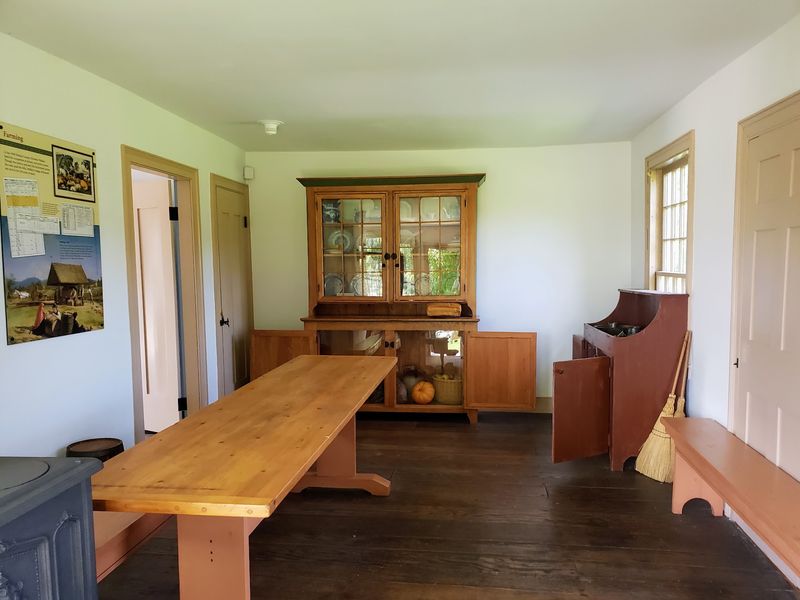
A bottle of root beer may sound like a small detail, but small details often make family trips more fun. Guests have pointed out that the tavern sells its own label root beer, which gives the site a playful treat connected to its old hospitality story. It is an easy thing for kids to remember after the tour ends.
Historic taverns once served meals, drinks, and comfort to people on the move. Today, a sweet, nonalcoholic drink can help modern visitors understand that welcoming spirit in a simple way. You do not need to be a serious history expert to enjoy that connection.
If root beer is available during your visit, consider grabbing one after exploring the buildings or walking the grounds. It can be a nice reward for younger visitors who have listened patiently to stories about stagecoaches and restoration. Adults may enjoy it too, especially because it feels cheerful and old-fashioned.
Pairing a small treat with a historic stop is smart travel planning. It gives the day a flavor, not just a fact list. That is the kind of memory people share later: the old tavern, the sunny grounds, and the root beer.
Trails And Grounds Invite A Longer Stay
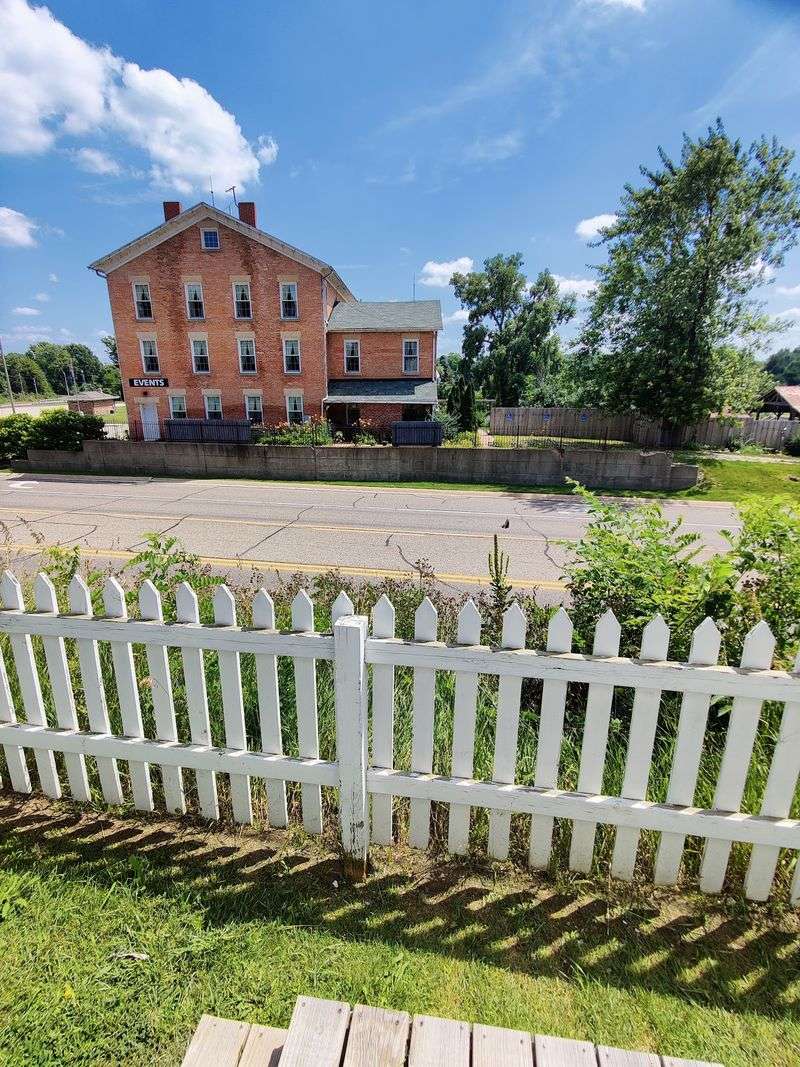
One visitor wished they had allowed more time to walk the trails, which is useful advice for anyone planning a stop. The buildings may be the main draw, but the outdoor space helps turn the visit into a fuller outing. A short walk can give your mind time to connect the stories you just learned.
The grounds are especially helpful for families because children often need room to move between indoor history moments. A path, lawn, or quiet corner can reset the pace. Bring comfortable shoes, water, and weather-friendly clothing so you are ready for more than a doorway photo.
Picnicking can also make sense, especially if an event is happening or if you want to linger after watching an activity. A recent visitor mentioned seeing vintage baseball and wishing they had brought a picnic to stay longer. That is the kind of tip that can improve your own trip.
Think of the park as a place to slow down rather than check off quickly. The tavern buildings give the story, while the grounds give space to enjoy it. When you leave enough time, the whole site feels more rewarding and relaxed. Plan for breathing room.
Easy Planning For A Better Visit
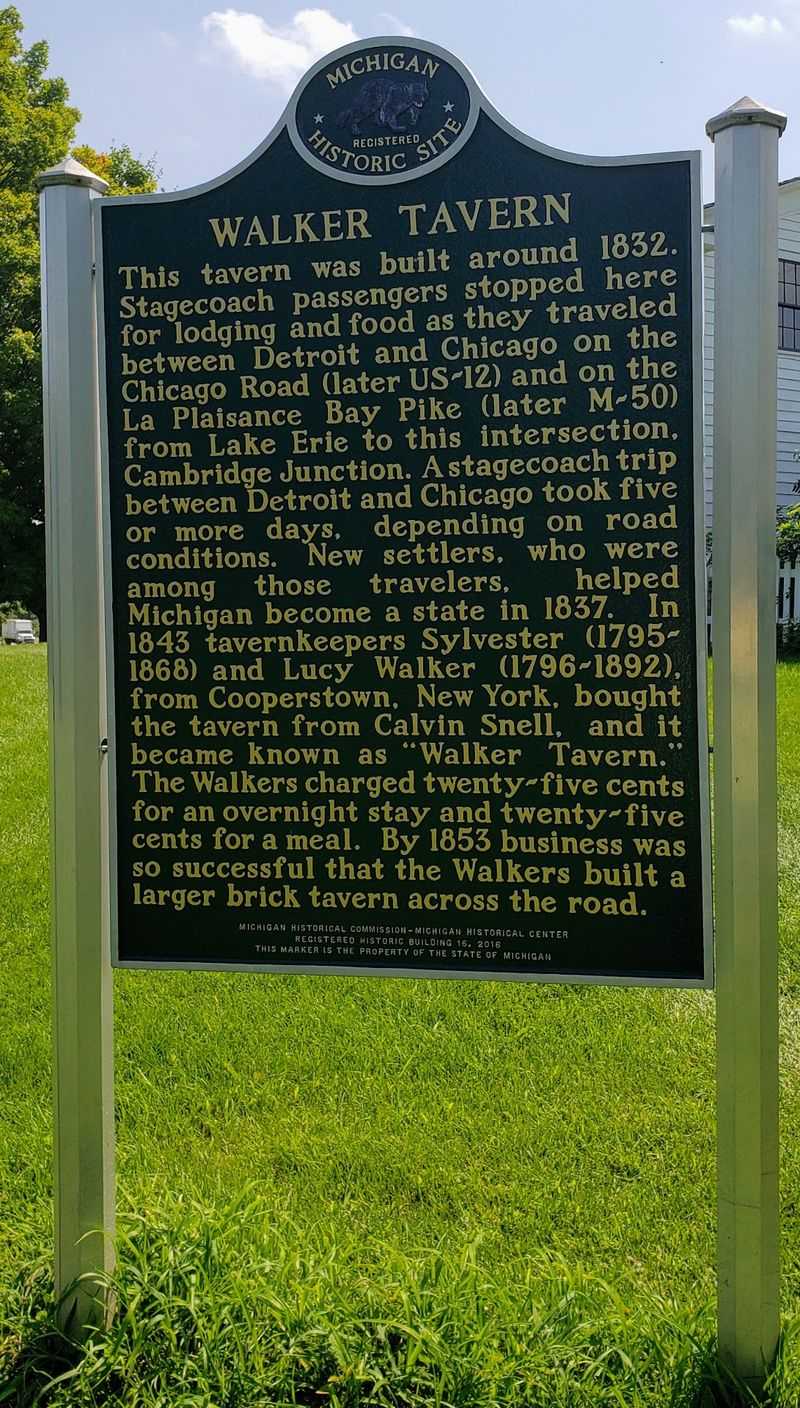
A little planning makes this historic stop easier to enjoy, especially because hours and programs can vary by season. The place to map is Walker Tavern Complex/Cambridge Junction Historic State Park · 13200 M 50, Brooklyn, MI 49230, United States. Its listed rating of 4.6 stars from 18 reviews suggests many visitors leave with a good impression.
Before heading out, confirm the schedule and ask about tours, markets, or special events. The site is listed as closed on Monday and Tuesday, with hours from 10 AM to 5 PM on Wednesday, Thursday, Friday, Saturday, and Sunday. Calling ahead is smart if you are traveling far or bringing a group.
Parking and access can feel welcoming during events, and one guest even described being offered a golf cart ride from the parking area. Still, it is best to prepare for walking on outdoor surfaces. Bring sunscreen, a camera, and a curious attitude.
Visitors who love historic buildings should read a little background before arriving. Knowing about the Walkers, the Dewey family, and state restoration helps the site make sense faster. With that context, every room, sign, and pathway becomes part of one clear Michigan story.