One spoonful of peanut soup can send you straight into colonial Virginia.
At King’s Arms Tavern in Williamsburg, dinner comes with a side of history.
This recreated 18th-century tavern serves dishes inspired by old Virginia recipes, giving hungry visitors a chance to experience flavors tied to an earlier era.
The peanut soup is the star, with its creamy texture, rich peanut flavor, and fascinating story reaching across continents and generations.
It’s the kind of dish that makes you pause after the first bite and wonder how it became part of Virginia’s food traditions.
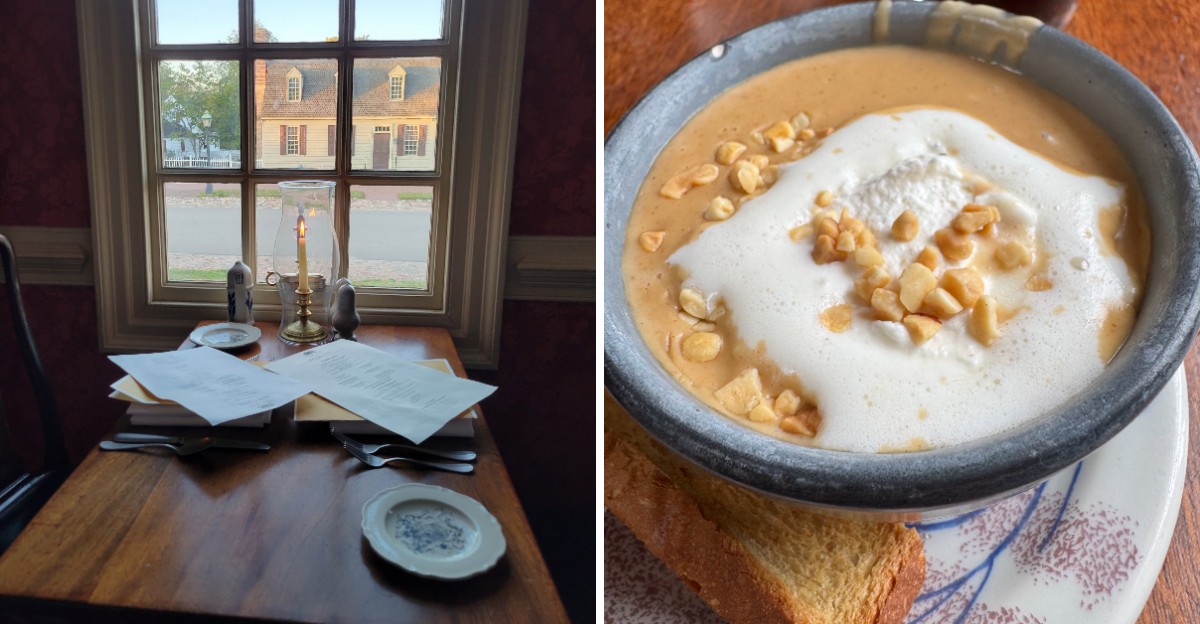
Around the table, candlelight, period furnishings, and costumed servers add to the experience.
You’re not just stopping for dinner—you’re sitting down to explore the food, stories, and traditions that shaped colonial Williamsburg.
Step Inside A Tavern Inspired By Revolutionary-Era Williamsburg
Picture yourself walking down Duke of Gloucester Street in 1772. King’s Arms Tavern brings that experience to life today.
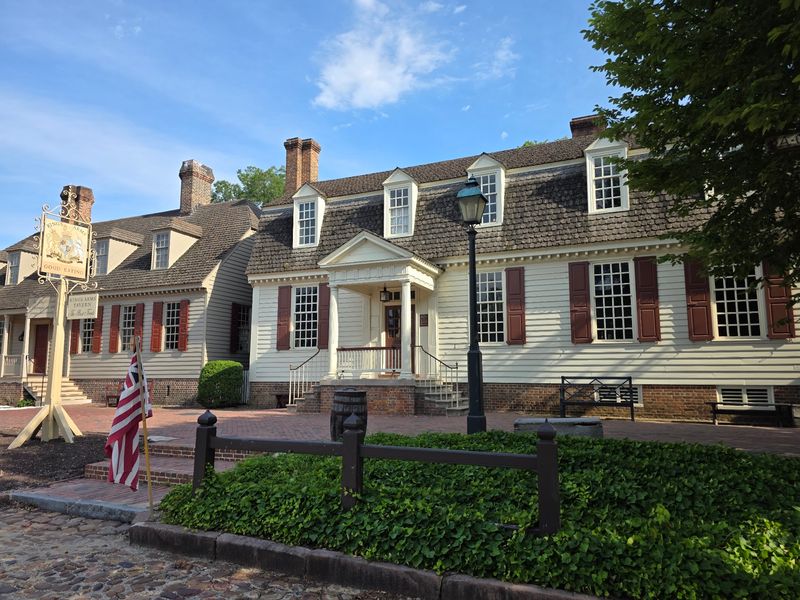
The building you see now is a careful reconstruction of the original tavern that Jane Vobe operated beginning in 1772. Her establishment stood near the Capitol building and quickly became one of the most important gathering spots in colonial Virginia.
People from all walks of life came through her doors to eat hearty meals, share a drink, discuss politics, and conduct their daily business.
The present-day structure opened its doors as a working restaurant back in 1951. Colonial Williamsburg’s historians and architects worked together during the mid-20th century to recreate the building based on historical records and archaeological evidence.
The goal was simple but powerful: give modern visitors a chance to experience authentic colonial dining in a setting that honors the original tavern’s role in American history.
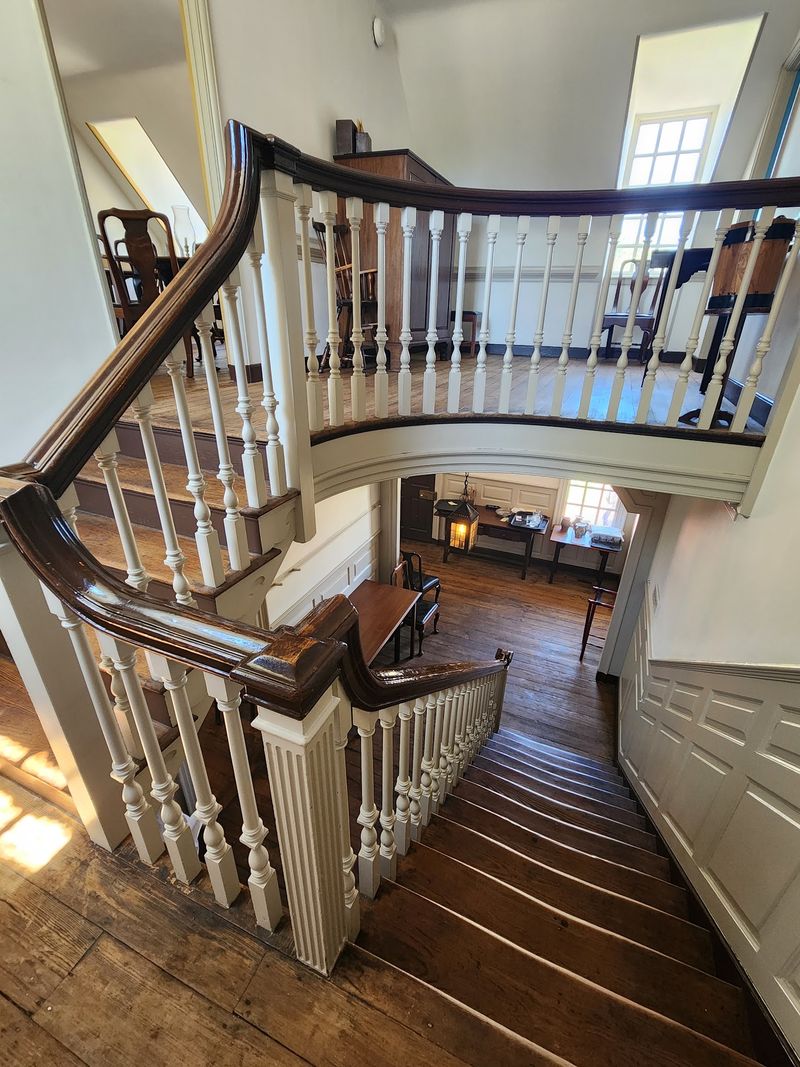
Every detail matters here, from the building’s exterior to the way tables are arranged inside.
The Story Of Jane Vobe And The Original King’s Arms
Jane Vobe wasn’t just another tavern keeper. She was a businesswoman who ran one of the most successful establishments in colonial Williamsburg.
Historical research by Colonial Williamsburg uncovered her 1772 advertisement, which marks the first known reference to the King’s Arms at this specific location. Before this, she had operated other taverns in the area.
Her new establishment near the Capitol proved to be her most successful venture. The location attracted wealthy planters, government officials, traveling merchants, and local residents who needed a place to meet and dine.
Records show that famous figures like George Washington and Thomas Jefferson visited taverns in Williamsburg during this period. The King’s Arms would have been a natural gathering place for these revolutionary leaders.
Tavern keepers like Jane Vobe played an essential role in colonial society by providing spaces where important conversations happened and decisions were made over meals and drinks.
The Peanut Soup Is The Dish You Came For
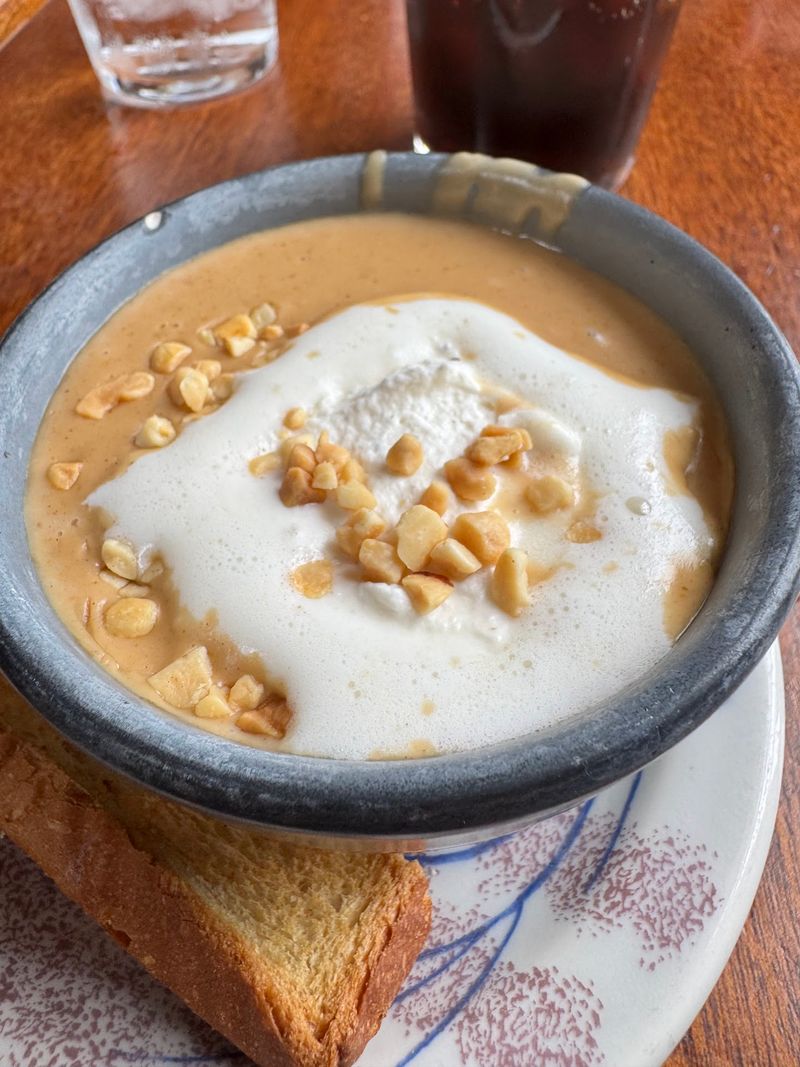
Everyone who visits King’s Arms Tavern orders the peanut soup. There’s simply no way around it.
The menu proudly describes this dish as a King’s Arms tradition, and after one spoonful, you’ll understand why people travel from across the country to try it. The preparation follows old-style techniques using butter, onions, carrots, celery, roasted peanuts, cream, black pepper, and a hint of nutmeg.
Each ingredient works together to create a rich, smooth soup that tastes unlike anything else you’ve ever experienced. The nutmeg adds an unexpected warmth that makes the dish memorable.
You can order this historic soup at both lunch and dinner service. Many guests make it their appetizer, while others turn it into their main course by pairing it with fresh bread.
The creamy texture feels comforting, while the roasted peanut flavor provides depth without being overwhelming. Some diners claim they can taste history in every spoonful, and honestly, they might be right.
Peanut Soup Has A Much Deeper Story Than You Might Expect
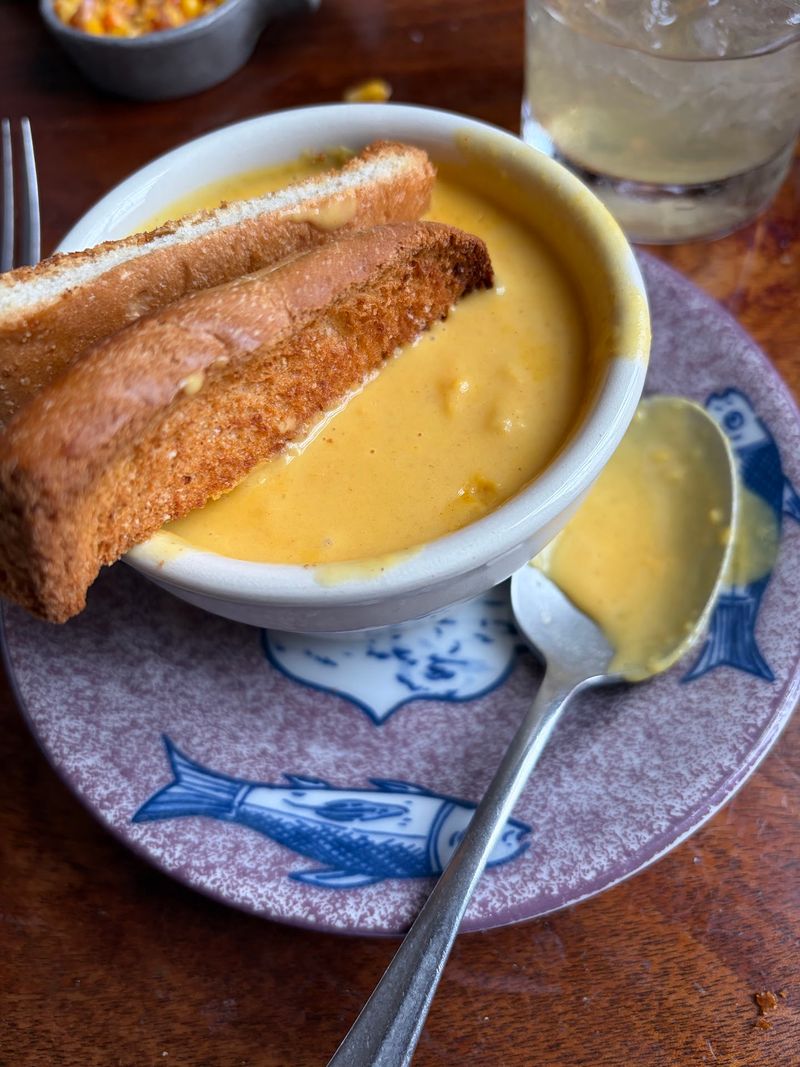
Here’s something most people don’t know when they order that bowl of soup. Peanut soup connects three continents and spans several centuries of culinary history.
Colonial Williamsburg’s food historians explain that this dish has roots in West African groundnut stews. Peanuts originally grew in South America before Portuguese traders brought them to West Africa, where cooks incorporated them into traditional recipes.
When enslaved Africans were forced to come to North America through the transatlantic slave trade, they brought their cooking knowledge and food traditions with them.
Enslaved cooks working in colonial Virginia kitchens adapted their traditional West African groundnut dishes to the ingredients available in their new environment. They created new versions that blended African cooking techniques with European and Native American ingredients.
These adapted recipes became part of what we now call Southern cuisine. The peanut soup you eat at King’s Arms today represents this complex cultural exchange.
Each bowl tells a story about survival, adaptation, and how food traditions cross borders.
The Menu Reaches Beyond Peanut Soup
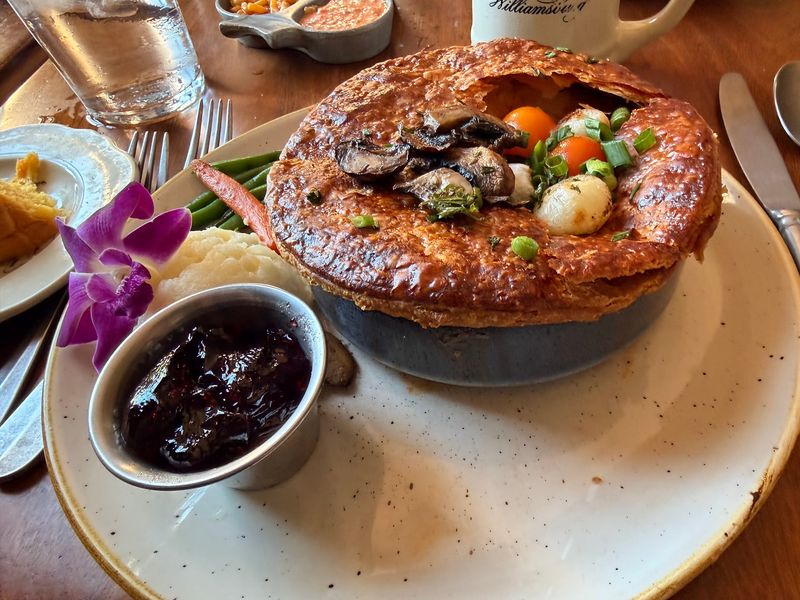
While peanut soup gets most of the attention, your meal shouldn’t stop there. The kitchen serves dozens of other historically inspired dishes that deserve equal recognition.
Current menus feature intriguing options like Soupe Another Way, which follows a different colonial recipe entirely. You’ll also find onion pie, a savory dish that colonial families ate regularly.
Beef hash appears on the menu as a hearty main course option. Vegetable curry might surprise you, but spices from the East Indies were actually available in wealthy colonial households.
Salmagundi, a composed salad with multiple ingredients arranged on a platter, was considered fancy tavern fare in the 1700s.
The menu descriptions connect each dish back to specific period cookbooks or Colonial Williamsburg’s own culinary research. This helps diners understand what they’re eating and why these particular recipes matter.
Some dishes taste familiar to modern palates, while others challenge your expectations about what colonial food was really like. Either way, you’re experiencing documented historical recipes rather than someone’s guess about what people might have eaten.
Some Recipes Come Straight From Centuries-Old Cookbooks
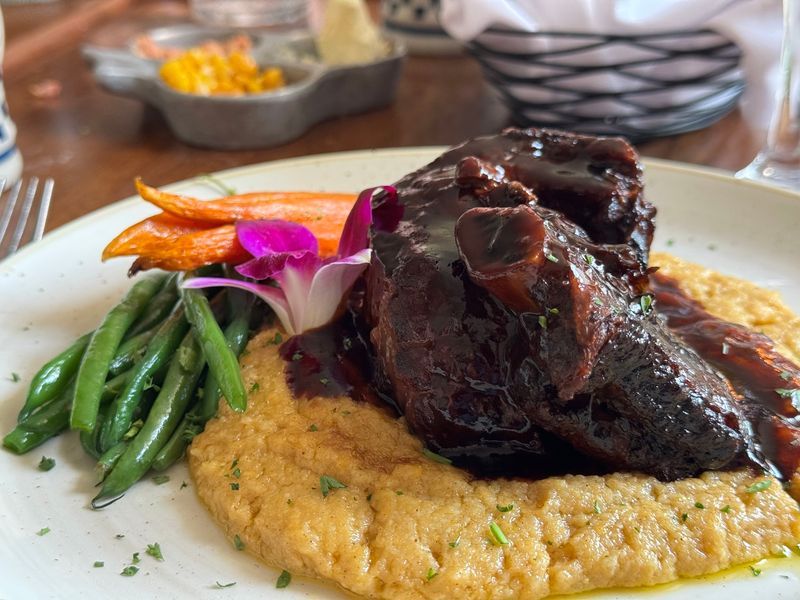
Colonial Williamsburg’s culinary team doesn’t just make up old-sounding dishes. They actually start with real cookbooks from the 1700s and 1800s.
The current menu references specific historical sources, including The Art of English Cookery published in 1788 and The Kitchen Garden Display’d from 1767. These weren’t just any cookbooks.
They were the guides that educated colonial cooks used to prepare meals for wealthy families and tavern guests. The recipes inside these books give us a window into what people actually ate during America’s founding period.
The chefs research these original recipes carefully before attempting to recreate them. Then comes the tricky part: adapting 250-year-old instructions for modern kitchens and modern diners.
Some ingredients aren’t available anymore, while other cooking methods don’t work in today’s health-code-compliant kitchens. The team makes thoughtful changes while trying to preserve the dish’s historical character.
The result is food that respects the past without making you feel like you’re eating a museum exhibit.
The Atmosphere Makes Dinner Feel Like A Trip Into The Past
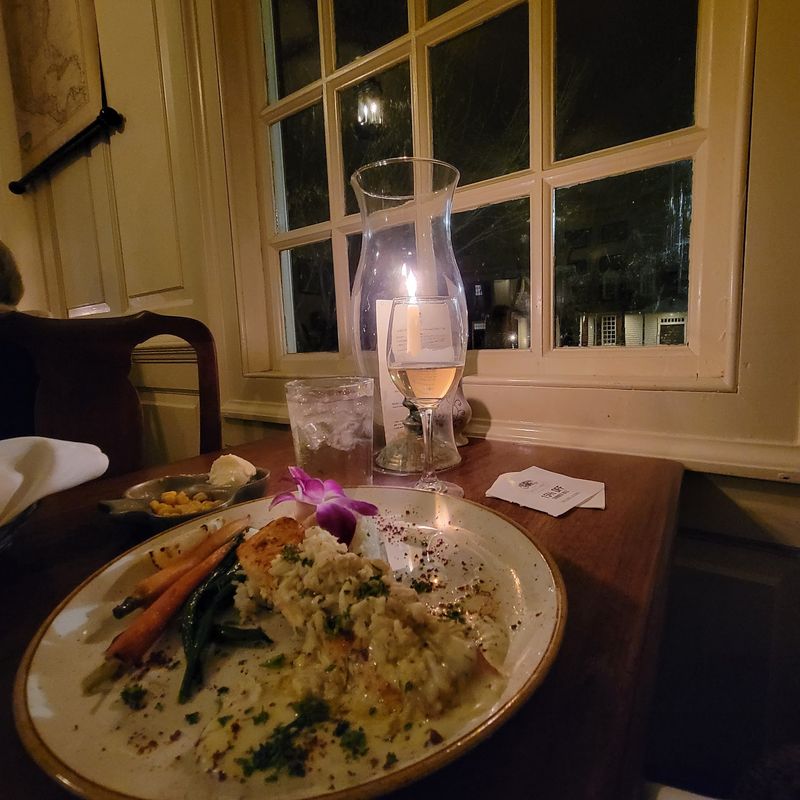
Close your eyes for a moment, then open them to candlelight flickering across your table. The atmosphere at King’s Arms Tavern transforms your meal into something more than dinner.
Pewter candlesticks sit on every table, casting that warm, uneven glow that electric lights can never quite match. The historic decor surrounds you with authentic-looking details that help you forget about the modern world outside.
Your server wears period-appropriate clothing that looks like it came straight from the 1770s. Even the way tables are set reflects colonial dining customs.
Live tavern performers add another layer to your experience. You might hear period music played on historical instruments, or perhaps a costumed character will share stories about life in colonial Williamsburg.
These performances aren’t just entertainment. They’re part of the educational mission that makes King’s Arms special.
You’re not simply ordering food from a menu and eating it. You’re participating in a carefully designed historical experience that engages multiple senses and helps you understand how colonial Virginians actually lived.
It Was A Real Social Hub, Not Just A Place To Eat
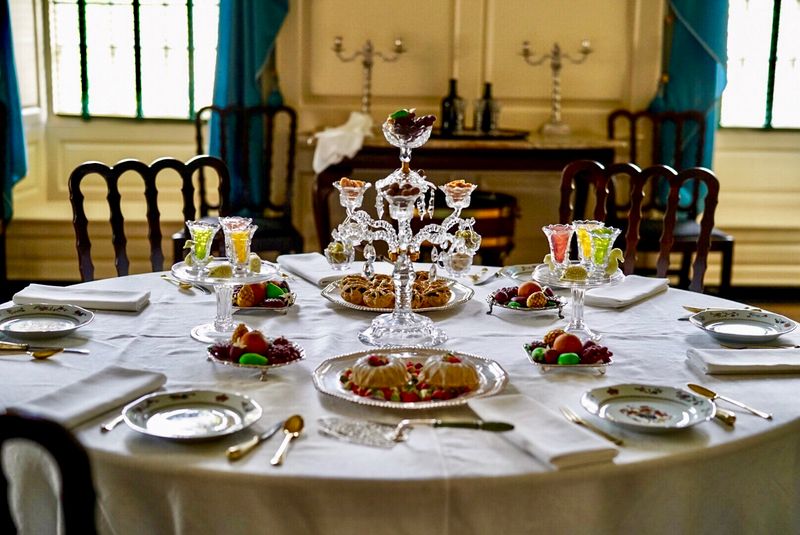
Imagine having no internet, no phones, and no coffee shops where you could meet up with friends. Taverns filled all those roles in colonial society.
King’s Arms occupied an especially important location near the Capitol building and directly across from the famous Raleigh Tavern. This prime real estate made it a natural meeting point for anyone who had business in Williamsburg.
Travelers needed places to eat and sleep during their journeys. Politicians required neutral ground where they could have off-the-record conversations.
Merchants wanted spaces to negotiate deals over drinks. Local residents craved opportunities to socialize and hear the latest news from other parts of the colony or from overseas.
The tavern served as newspaper, social media platform, business center, and community gathering space all rolled into one establishment. Students from the College of William and Mary probably stopped in for meals.
Wealthy plantation owners surely visited when they came to town. Ordinary citizens mixed with the elite in ways that rarely happened elsewhere in colonial society.
The Modern Tavern Keeps The Historic Foodways Alive
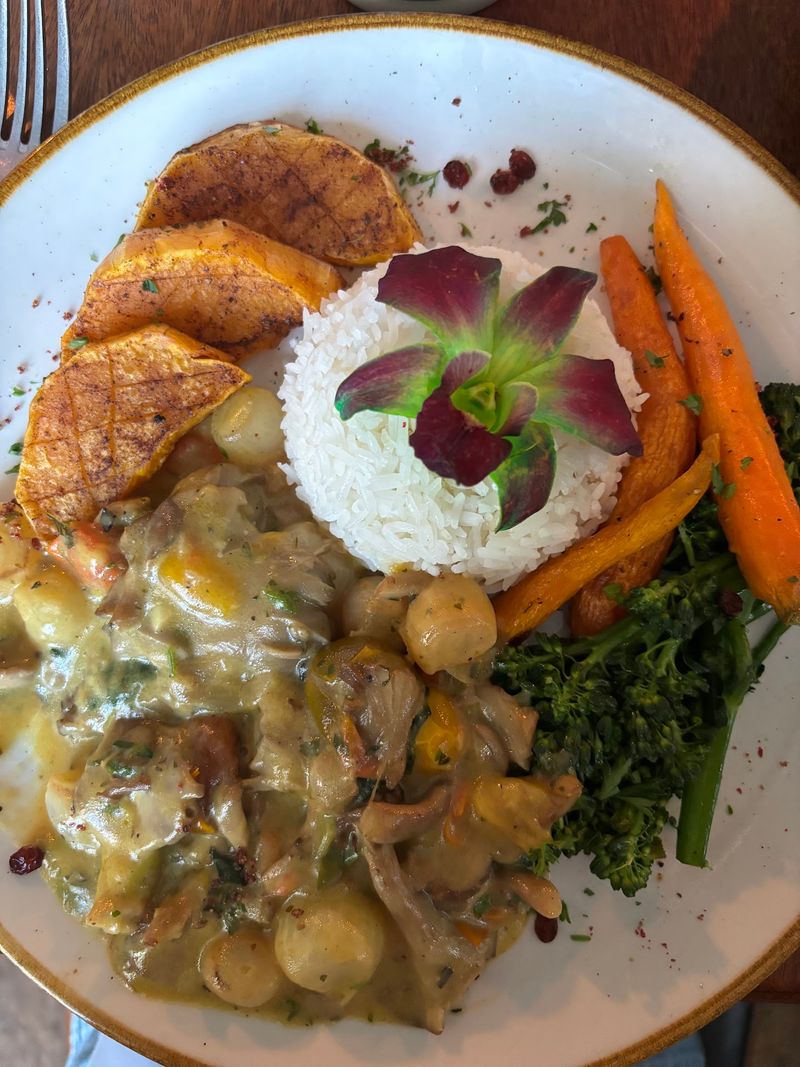
Nobody’s claiming that your meal tonight is identical to what Jane Vobe served in 1772. That would be impossible and probably not very appetizing by today’s standards.
Instead, King’s Arms uses documented historical recipes and culinary traditions as the foundation for creating modern meals that reflect early Virginia’s food culture. The kitchen team researches how colonial cooks prepared ingredients, what flavors they valued, and which techniques they relied on.
Then they adapt those findings to meet current food safety standards and modern taste expectations. The goal isn’t to trick you into thinking you’re actually in the 1700s.
Rather, it’s to give you an authentic taste of the past while acknowledging that you’re a 21st-century diner.
The peanut soup exemplifies this approach perfectly. Its story spans continents, cultures, and centuries, connecting West African culinary traditions to enslaved cooks in colonial Virginia to your dinner table today.
That bowl of soup carries more history than most museum exhibits could ever communicate.
Plan Your Visit
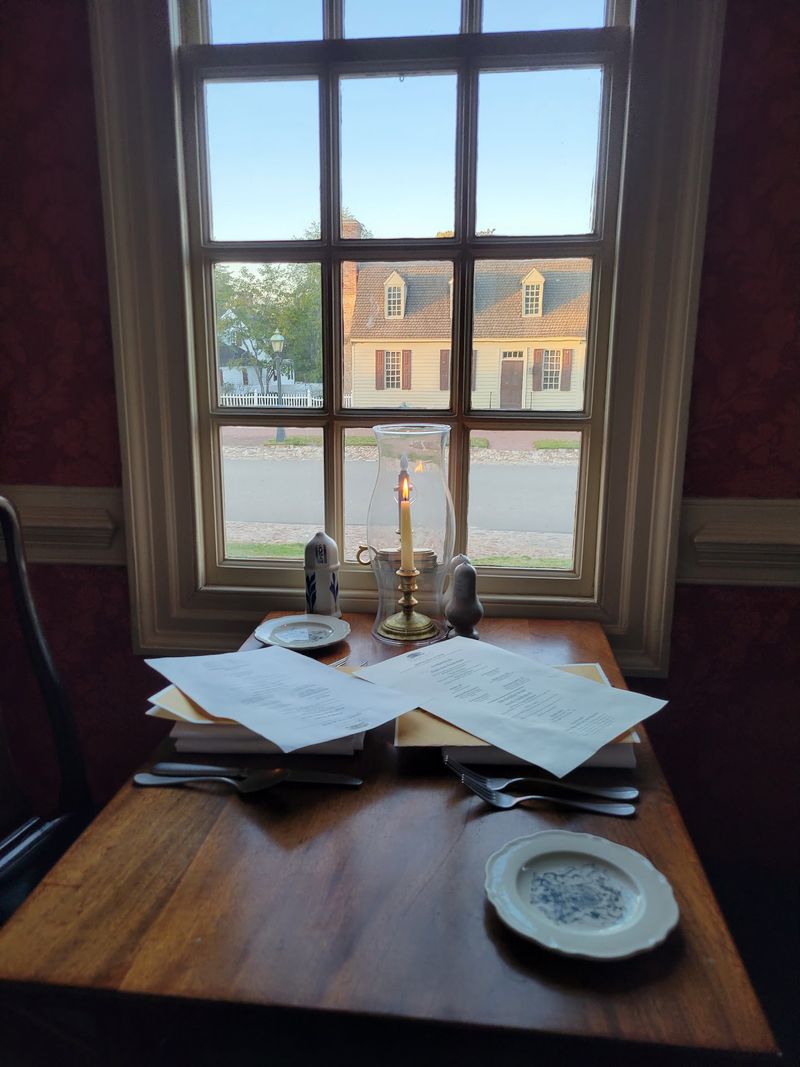
Ready to taste history for yourself? Here’s everything you need to know before you go.
King’s Arms Tavern is located at 416 East Duke of Gloucester Street in Williamsburg, Virginia. The restaurant currently opens for lunch from 11 a.m. to 2 p.m., offers light fare from 2 to 4 p.m., and serves dinner from 4:30 to 8 p.m.
These hours apply Sunday through Monday and Thursday through Saturday. The tavern closes on Tuesdays and Wednesdays, so plan accordingly.
Colonial Williamsburg describes the restaurant as family-friendly, making it suitable for diners of all ages.
Accessibility matters too. ADA dining is available in the adjacent Purdie Kitchen for guests who need it.
Reservations are strongly recommended since this popular restaurant fills up quickly, especially during peak tourist seasons. You can make reservations by calling 855-240-3278.
Check out the full menu at colonialwilliamsburg.org before you visit. That way, you can start planning your meal and perhaps research the historical background of dishes that catch your eye.