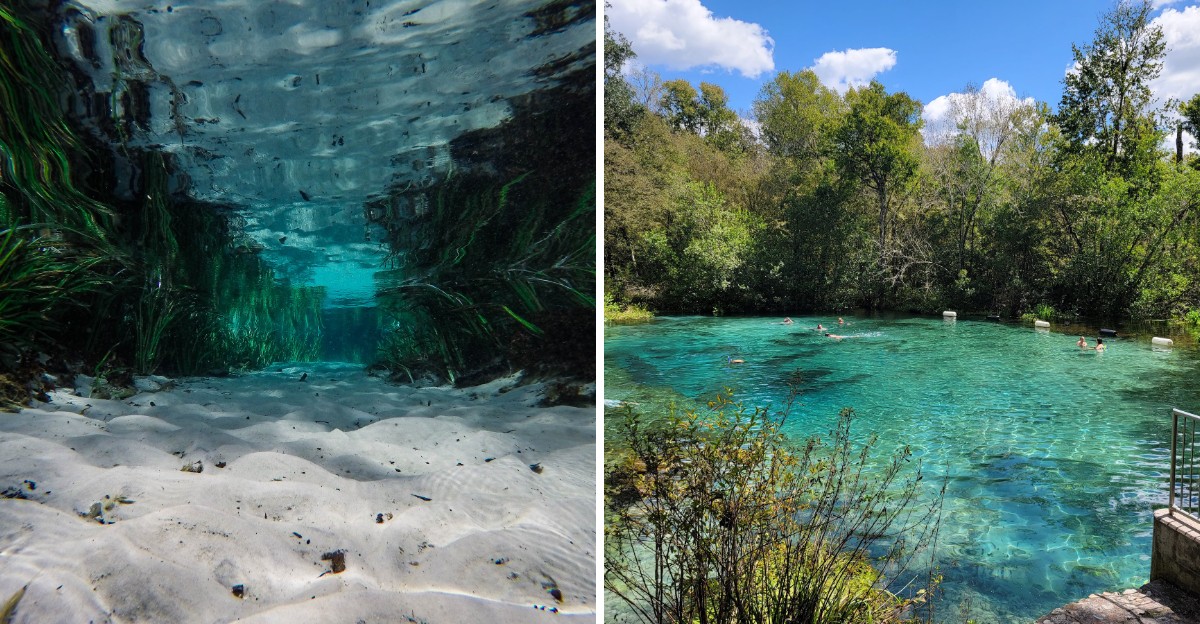
Forget waiting for summer to take a refreshing swim.
At Ichetucknee Springs State Park near Fort White, Florida, crystal-clear water stays around 72 degrees all year long, creating a spectacular escape in every season.
Slip into the spring and you’ll find water so clear you can watch fish glide beneath you.
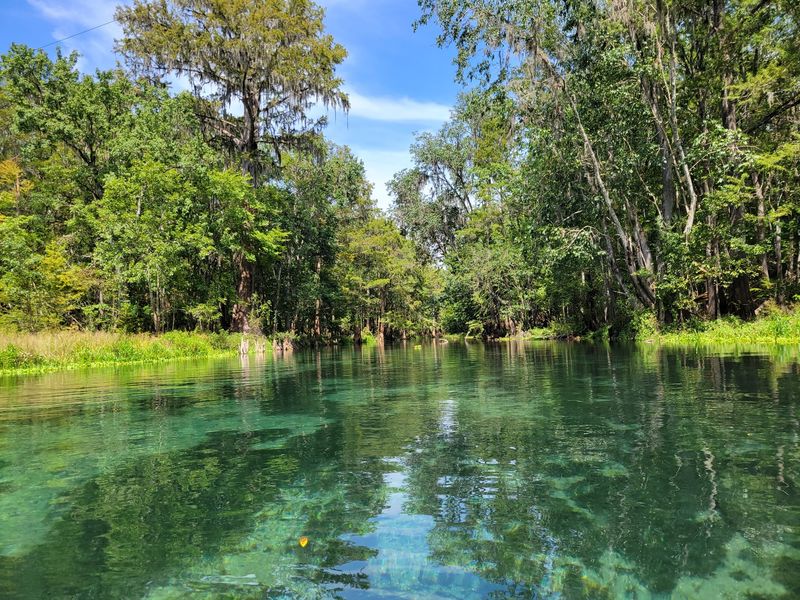
Turtles, shady cypress trees, and the gentle rush of fresh spring water add to the magic.
The park offers designated swimming spots, including the famous Blue Hole, where snorkeling reveals an underwater world hidden beneath the surface.
The surrounding grounds invite you to hike, picnic, paddle, and watch for wildlife.
Whether you’re chasing a cool summer dip or craving a peaceful winter swim, Ichetucknee Springs delivers a Florida adventure that feels refreshingly wild.
A 72-Degree Spring That Stays Refreshing All Year
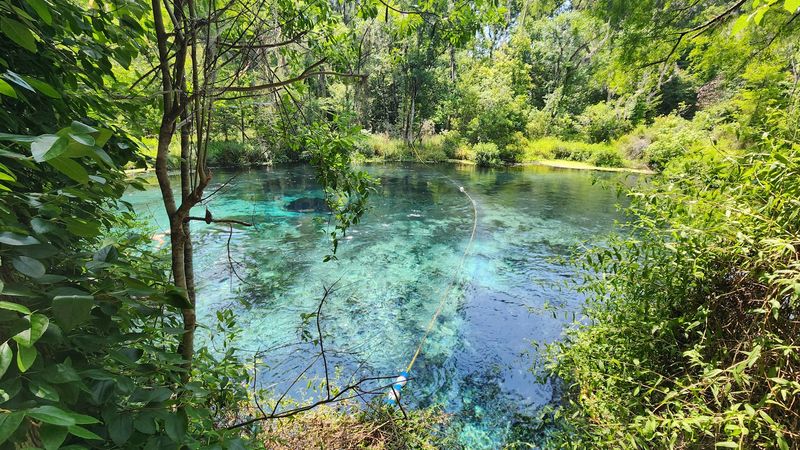
Most Florida swimming spots turn too hot in summer or too cold in winter, but Ichetucknee Springs doesn’t follow that pattern. The water temperature holds steady at around 72 degrees Fahrenheit throughout every season, creating a refreshing escape when summer heat becomes unbearable and a surprisingly comfortable swim when winter air turns chilly.
This consistent temperature comes from the springs’ underground source, where water filters through limestone aquifers deep beneath the surface. The natural cooling and heating system means you’ll find the same comfortable conditions whether you visit in January or July.
That 72-degree mark hits a sweet spot for most swimmers. It feels cool and invigorating on hot days without being shocking, and it stays warm enough during cooler months that you won’t freeze after just a few minutes.
Many visitors find spring water more refreshing than heated pools because it maintains such perfect natural temperature.
The year-round swimming availability makes planning easier too. You don’t need to worry about seasonal closures or water temperatures that change from week to week.
Start At The Ichetucknee Headspring
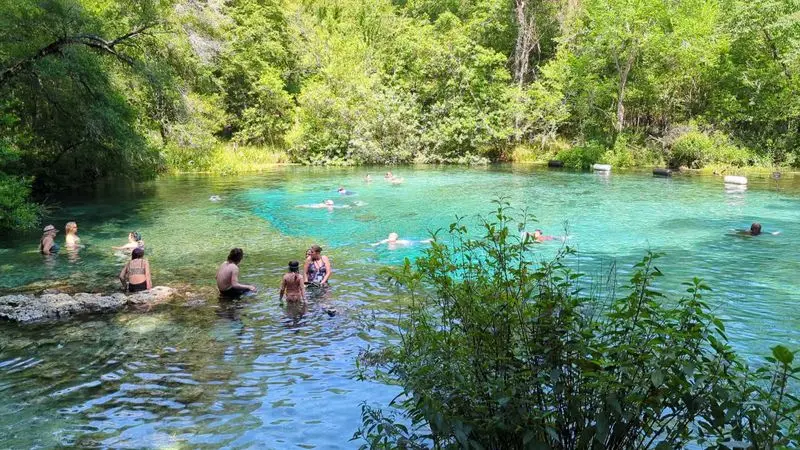
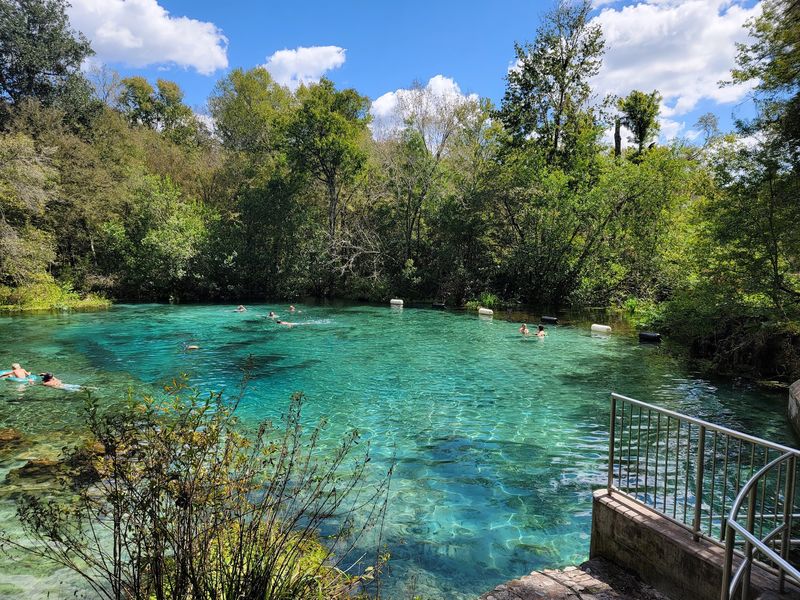
The Headspring marks where the Ichetucknee River begins its journey, bubbling up from underground aquifers in a spectacular display of nature’s power. This main swimming area offers families and casual swimmers an ideal introduction to spring swimming with easy access and beautiful surroundings.
Tall trees create a natural canopy overhead, providing shade that keeps the swimming area comfortable even on bright sunny days. The spring basin itself spreads out with plenty of room for multiple groups to swim simultaneously without feeling crowded.
Clear water lets you see straight to the sandy bottom, watching small fish dart between swimmers’ legs.
The Headspring’s gentle nature makes it perfect for introducing children to spring swimming. Unlike deeper springs with stronger currents, this area allows less confident swimmers to enjoy the experience safely.
Snorkeling equipment works great here, though it’s not necessary to enjoy the crystal-clear visibility.
Access requires a short walk from the parking area, but paved paths and wooden boardwalks make the journey manageable for most visitors. Changing facilities and restrooms nearby add convenience for families spending several hours at the spring.
Take The Half-Mile Walk To Blue Hole Spring
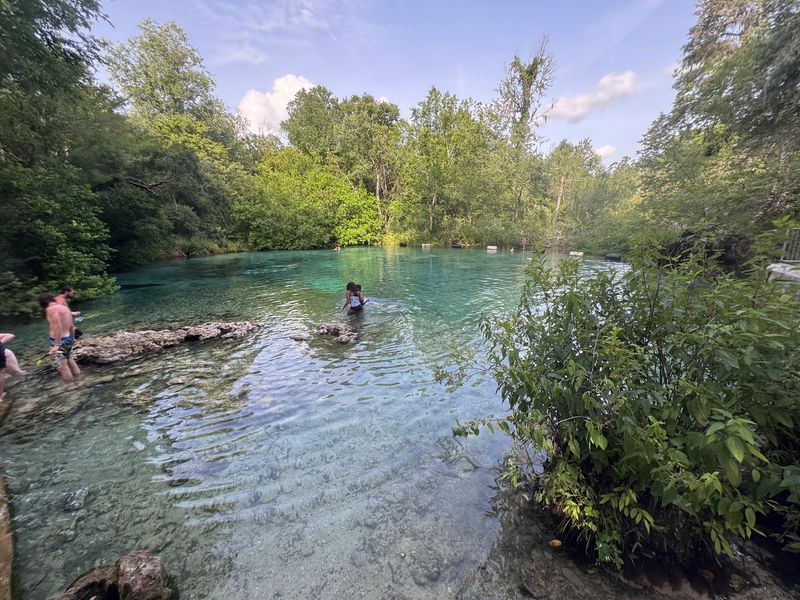
Getting to Blue Hole Spring requires a bit of effort, but that walk becomes part of the adventure. The half-mile trail winds through beautiful Florida forest and cypress floodplain, offering glimpses of wildlife and native plants along the way.
Many visitors appreciate this short hike as a warm-up before their swim.
The path varies from hard-packed dirt to wooden boardwalks that cross wetter areas where cypress knees poke up from dark water. Spanish moss drapes from trees overhead, and the forest canopy creates a cooling shade tunnel even on hot days.
Bird calls echo through the woods, and lucky hikers might spot turtles sunning themselves near the trail.
This trail starts from the north entrance of the park, where parking and facilities welcome visitors. Sturdy walking shoes help on this terrain, though the trail remains manageable for most fitness levels.
The park maintains the path well, clearing fallen branches and keeping boardwalk sections safe.
When you finally reach Blue Hole Spring, the dramatic sight makes every step worthwhile. The deep blue water appears almost otherworldly compared to the surrounding forest greens and browns.
Snorkel In Exceptionally Clear Water
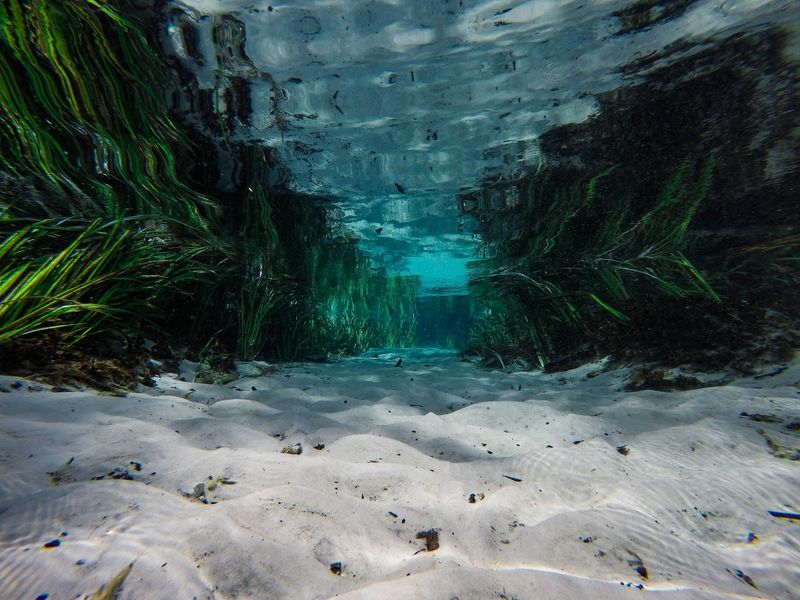
Blue Hole Spring produces roughly 67 million gallons of water every single day, constantly refreshing itself and maintaining incredible clarity. That massive water flow creates visibility that rivals tropical destinations, letting snorkelers see 50 feet or more through the pristine spring water.
Bring your snorkel mask and fins to fully appreciate what lies beneath the surface. Fish swim in schools through underwater vegetation, turtles glide past with unhurried grace, and the spring boil itself creates a mesmerizing sight from above.
The limestone formations at the bottom show intricate details through the crystal-clear water.
Water clarity at this level happens because the spring filters through layers of limestone and sand deep underground. This natural filtration removes particles and impurities, creating water so clear it almost doesn’t seem real.
Photographers love Blue Hole because underwater cameras capture stunning images without special equipment or lighting.
Even beginning snorkelers can enjoy this experience since the clear water removes much of the uncertainty about what’s below. You’ll see exactly where you’re swimming and what’s around you at all times, creating a comfortable and fascinating underwater exploration opportunity.
Know The Difference Between Swimming And Tubing
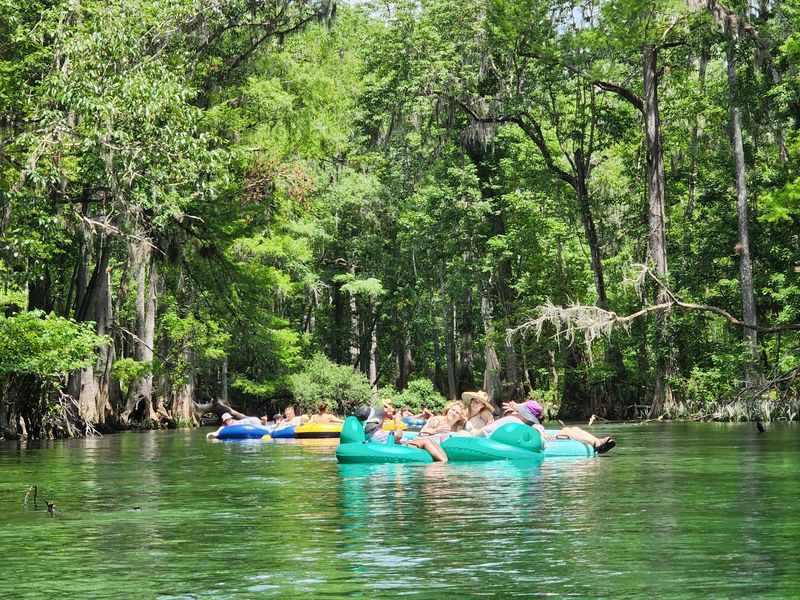
Confusion often arises because Ichetucknee is famous for both swimming and tubing, but park rules keep these activities separate for important safety and environmental reasons. Swimming happens only in designated spring areas like the Headspring and Blue Hole Spring.
The river itself is reserved for people using tubes, kayaks, or other flotation devices.
You cannot simply jump in and swim down the Ichetucknee River like you would at an ocean beach. Park rangers enforce this rule strictly because the river’s current, boat traffic, and designated water routes make free swimming dangerous and disruptive.
People floating the river must stay on or in their vessels throughout the journey.
This separation protects swimmers, tubers, and the delicate spring ecosystem. Swimming areas provide safe zones where currents stay manageable and depths remain predictable.
River tubing follows specific launch points and routes that keep the activity organized and enjoyable for everyone.
Understanding this distinction before you arrive prevents disappointment and ensures you bring the right equipment. Plan for swimming at the springs themselves or arrange for tubing down the river as two separate activities.
Blue Hole Is For More Experienced Swimmers
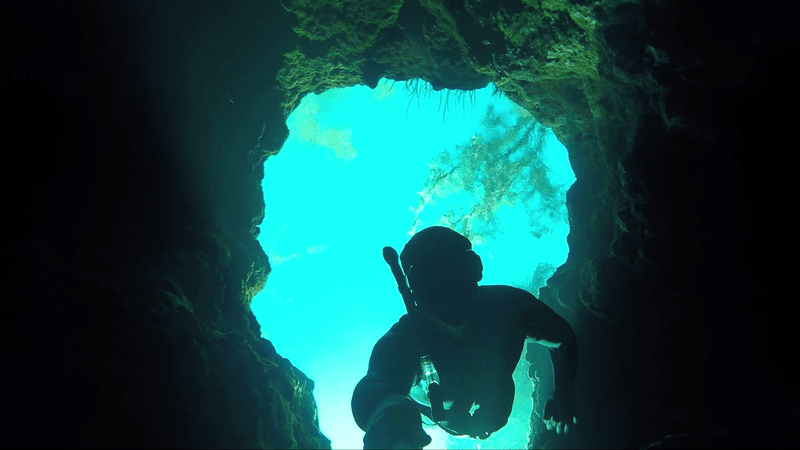
Not all spring swimming areas offer the same experience, and Blue Hole demands respect from visitors. The spring’s depth and powerful current create conditions that challenge even confident swimmers, making it unsuitable for children or adults who aren’t comfortable in deep water.
The spring drops to considerable depth, and the upwelling current pushes strongly from below where millions of gallons surge up through the limestone opening. This force can catch inexperienced swimmers off guard, requiring steady strokes and calm composure to swim against it.
The park explicitly recommends Blue Hole for experienced swimmers only.
Strong swimming skills become essential here because no shallow areas offer easy rest spots like at the Headspring. The entire swimming area sits over deep water where you must continuously tread water or swim.
Life jackets can help, but they don’t eliminate the need for swimming confidence and stamina.
If you or your family members aren’t experienced swimmers, stick with the Headspring for a safer and more relaxing experience. Blue Hole rewards capable swimmers with its dramatic beauty and thrilling underwater views, but it’s not worth risking safety.
Explore The Park Beyond The Water
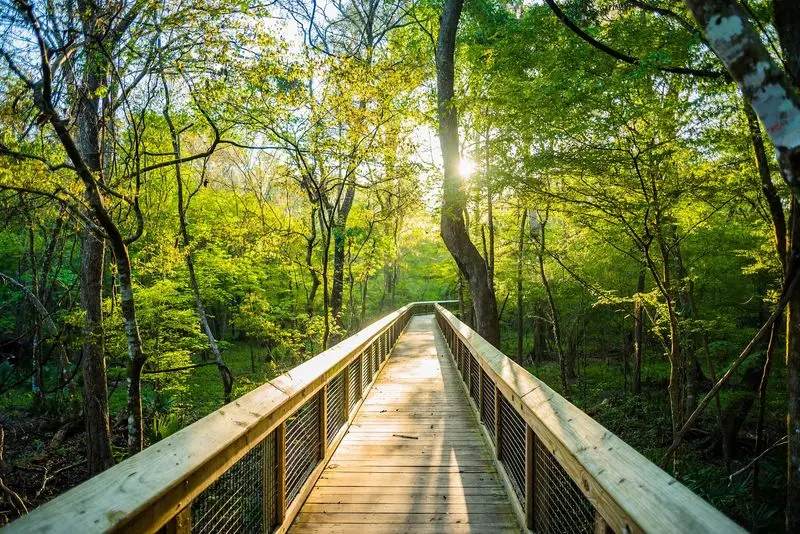
Swimming draws most visitors, but Ichetucknee Springs State Park spreads across 2,669 acres filled with opportunities for land-based adventures. Three nature trails wind through different habitats, showcasing the diversity of North Florida ecosystems from hardwood forests to longleaf pine uplands.
Hikers can spot native wildflowers, towering trees, and evidence of wildlife activity along these trails. The paths vary in difficulty and length, offering options for casual strollers and serious hikers alike.
Interpretive signs along the routes teach visitors about the area’s natural and cultural history.
Picnic areas scattered throughout the park provide perfect spots for lunch before or after swimming. Covered pavilions offer shade on hot days, and open spaces invite families to spread blankets and enjoy outdoor meals.
Some picnic spots overlook the river, combining peaceful water views with your meal.
Birdwatchers find the park especially rewarding during migration seasons when numerous species pass through the area. Bring binoculars to scan the forest canopy and wetland edges.
Photography enthusiasts appreciate the varied landscapes and wildlife opportunities that exist beyond the swimming areas themselves.
Watch For Wildlife Around The Springs
River otters slide through the water with playful grace, appearing unexpectedly near swimmers before diving below the surface. These charismatic mammals frequently visit the springs, entertaining visitors with their acrobatic swimming and curious nature.
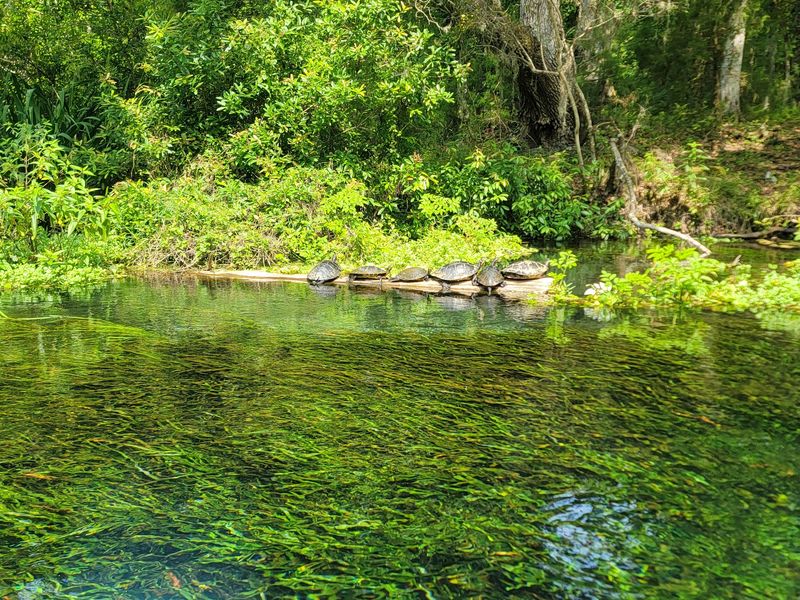
Turtles line up on logs, soaking up sunshine between their own swimming sessions.
Wading birds stalk through shallow areas on long legs, hunting small fish and invertebrates. Wood ducks nest in tree cavities near the water, and their colorful plumage makes them favorites among birdwatchers.
Wild turkeys sometimes wander near the forest trails, scratching through leaf litter. The park’s limpkins, wading birds with distinctive calls, hunt for apple snails in marshy areas.
Alligators and snakes also inhabit the park as natural parts of Florida’s ecosystem. While encounters remain relatively rare, visitors should always observe wildlife from safe distances and never attempt to feed or approach any animal.
Park rangers emphasize that respecting wildlife boundaries protects both animals and people.
The springs’ clear water and forested surroundings create ideal habitat for this diversity of species. Each visit might reveal different wildlife depending on season, time of day, and luck.
Visit Beyond The Summer Tubing Rush
Summer weekends bring massive crowds to Ichetucknee for tubing season, sometimes creating parking challenges and long waits. But swimming at the Headspring and Blue Hole continues year-round, opening opportunities to experience the park during quieter seasons when crowds thin out considerably.
Fall and spring offer particularly pleasant visits with mild air temperatures and fewer visitors competing for parking and swimming space. The 72-degree water feels warmer when October air turns crisp, and you might find yourself with the springs nearly to yourself on weekday mornings.
Winter swimming attracts hardy souls who enjoy the contrast between cool air and comfortable water temperature.
These off-season visits reveal a different character to the park. Without summer’s hustle and bustle, you notice more wildlife, hear birds more clearly, and appreciate the natural setting without distraction.
Photography improves too when you’re not working around crowds in your shots.
The consistent spring temperature means your swimming experience changes little between seasons. Only the air temperature and crowd levels shift, while the springs themselves maintain their refreshing 72-degree perfection throughout the calendar year.
Plan Your Visit
Ichetucknee Springs State Park welcomes visitors every single day of the year, opening at 8 a.m. and closing at sunset. This daily access means you never need to worry about unexpected closures or limited operating schedules when planning your trip.
The park operates two separate entrances serving different purposes. The north entrance at 8294 SW Elim Church Road in Fort White provides access to swimming areas including the Headspring and Blue Hole Spring.
The south entrance at 12087 SW U.S. Highway 27 serves tubing operations and additional park facilities.
Current entrance fees run $6 per vehicle carrying two to eight people, making this an affordable family outing. Single-occupant vehicles, motorcycles, pedestrians, and cyclists pay reduced fees.
The state park system accepts cash and credit cards at entrance stations.
Arriving early, especially during peak season, helps secure parking near your preferred swimming area. Bring towels, sunscreen, water shoes, and snorkeling gear if you own it.
Remember that alcohol is prohibited throughout the park. Consider packing a picnic lunch since the park’s size means you’ll likely spend several hours exploring its various attractions.