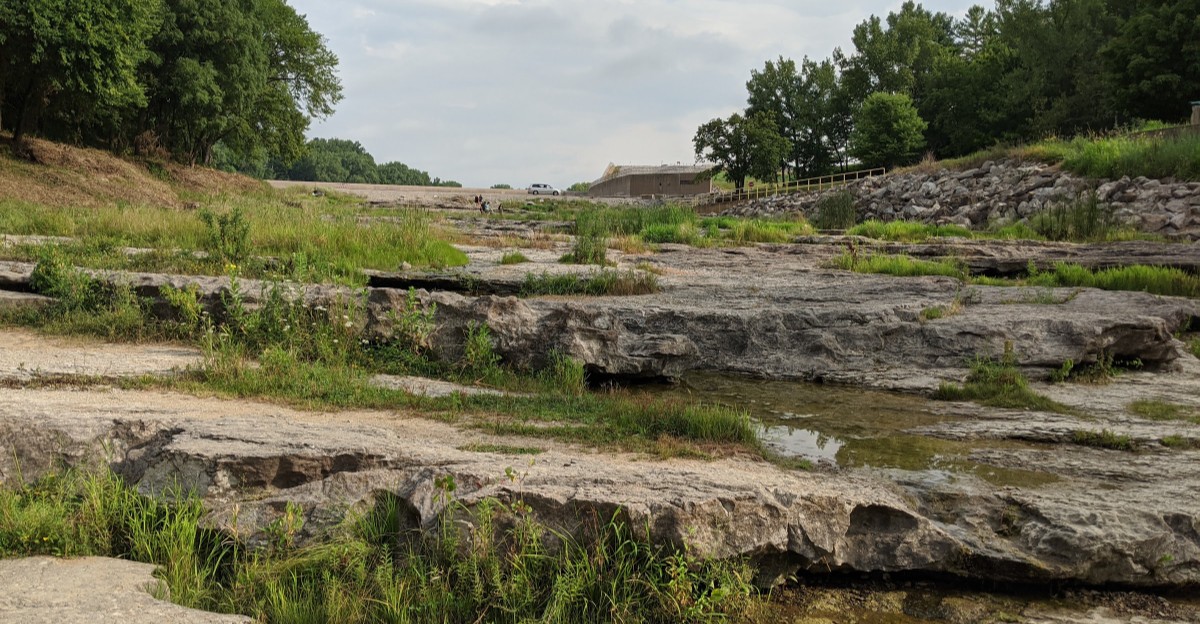
A walk through Devonian Fossil Gorge feels like stepping onto a page from Earth’s oldest scrapbook, except the page is made of limestone and covered with sea life from 375 million years ago.
Long before Iowa had cornfields, roads, or college football weekends, this spot sat under a warm, shallow ocean filled with coral, shells, crinoids, brachiopods, and strange fish.
Floods later helped uncover the bedrock, giving visitors a rare chance to see real fossil imprints right beneath their shoes.
If you enjoy outdoor places that mix science, adventure, and a little treasure-hunt excitement, bring sturdy shoes, sharp eyes, and a curious mind, because this Iowa City landmark turns a simple walk into a trip across an ancient sea.
A Limestone Floor Older Than Dinosaurs
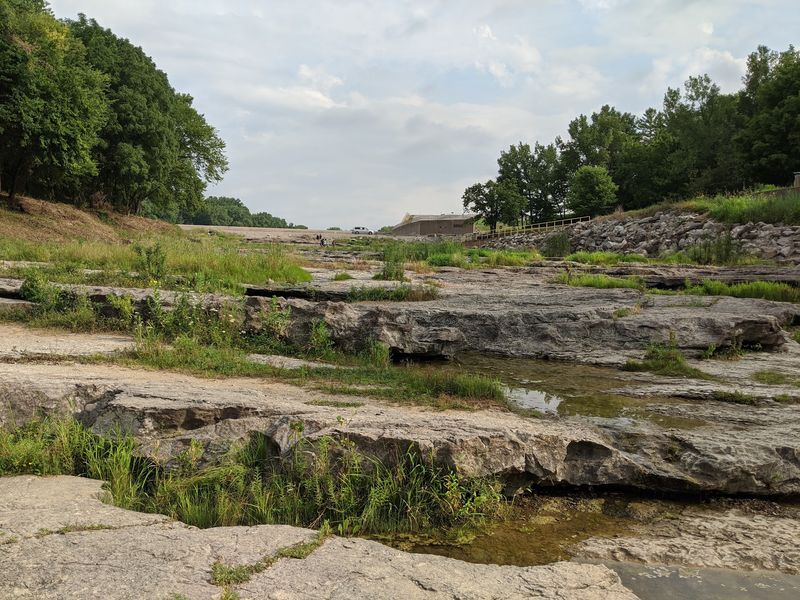
Crunchy stone under your shoes is not just rock here, it is a time machine.
Devonian Fossil Gorge preserves part of a seafloor from about 375 million years ago, long before dinosaurs appeared.
Back then, central Iowa rested under a warm, shallow sea, closer in feel to a tropical reef than a Midwestern landscape.
The limestone formed as tiny sea creatures, shells, and coral pieces settled, hardened, and waited through deep time.
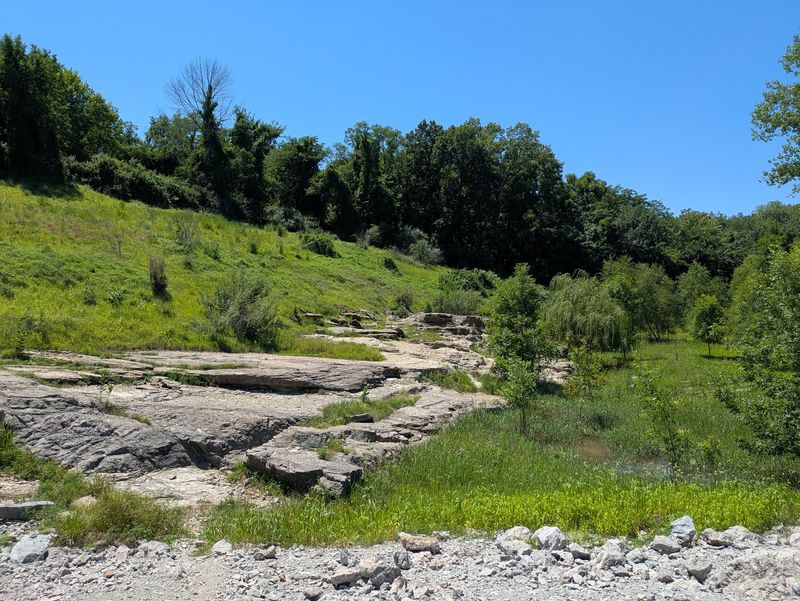
Visitors can walk across the exposed bedrock and spot shapes left by ancient marine life.
Look for round coral patterns, shell-like brachiopods, stem pieces from crinoids, and delicate bryozoan textures.
Some fossils are easy to see, while others appear only when sunlight hits the rock at the right angle.
Go slowly, because rushing turns the gorge into plain gray stone.
Kneel if the surface is dry, compare shapes, and use the numbered markers when available.
Photos, sketches, and careful observation make better souvenirs than broken rock, since every fossil left in place helps the next visitor experience the same surprise.
Floods That Revealed a Hidden World
Nature sometimes acts like a messy museum worker, uncovering wonders by accident.
The fossils at Devonian Fossil Gorge were always there, but major floods helped expose them for modern visitors.
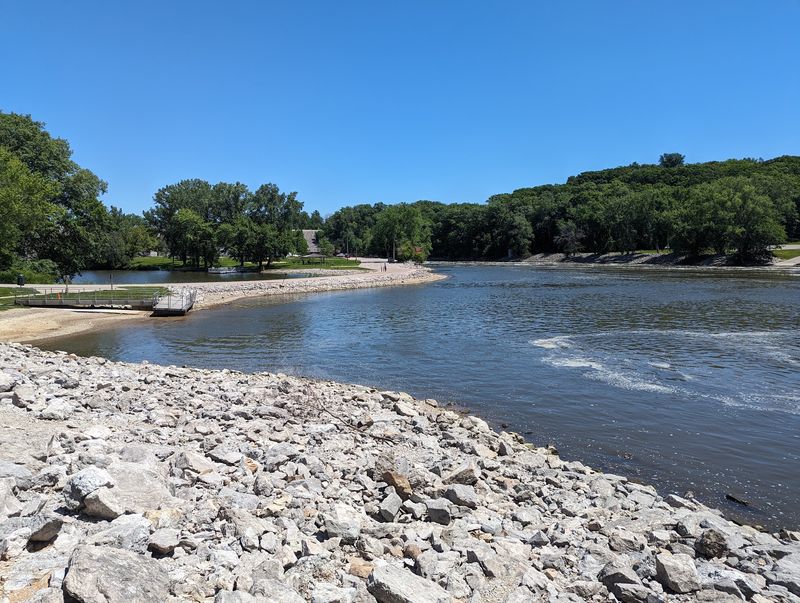
The 1993 flood stripped away layers of soil and loose rock near the Coralville Lake spillway, revealing broad sheets of Devonian limestone.
Another large flood in 2008 uncovered even more surfaces and changed parts of the site again.
That history makes the gorge feel alive, even though the fossils are ancient.
Rain, water flow, freezing, thawing, and erosion keep shaping the rock.
Regular visitors often say the place never looks exactly the same twice, especially after storms or wet seasons.
Plan your visit with safety in mind, not just curiosity.
Limestone can be slick when wet, and shallow pools may hide uneven spots.
After heavy rain, check conditions before wandering far across the rock.
The best approach is patient and respectful.
Notice how water carved channels through the stone, then imagine the huge force needed to peel back the landscape.
What looks like a quiet scenic spot also tells a powerful story about floods, rivers, and time.
Tiny Fossils That Reward Sharp Eyes
A fossil hunt here feels less like finding buried treasure and more like learning a secret alphabet.
Devonian Fossil Gorge is full of fossil imprints, but many are small, flat, or partly worn into the limestone.
That is part of the fun.
Instead of expecting giant bones or dinosaur tracks, look for sea creatures preserved as shapes, rings, ridges, and fan-like marks.
Corals often look like honeycombs, circles, or flower-like patterns.
Brachiopods may resemble little shells pressed into stone.
Crinoid pieces can look like tiny stacked beads, while bryozoans sometimes form lacy textures.
Bring a magnifying glass if you have one.
A sketchbook and pencil can also help kids slow down and notice details.
Some visitors enjoy making drawings of what they see, which teaches observation without harming the site.
Leave buckets, chisels, and collecting tools at home.
Fossils belong in the rock where everyone can enjoy them.
If someone in your group feels disappointed at first, remind them to change angles, move closer, and let their eyes adjust.
The gorge often rewards the careful watcher, not the fastest walker.
A Free Outdoor Classroom for Curious Families
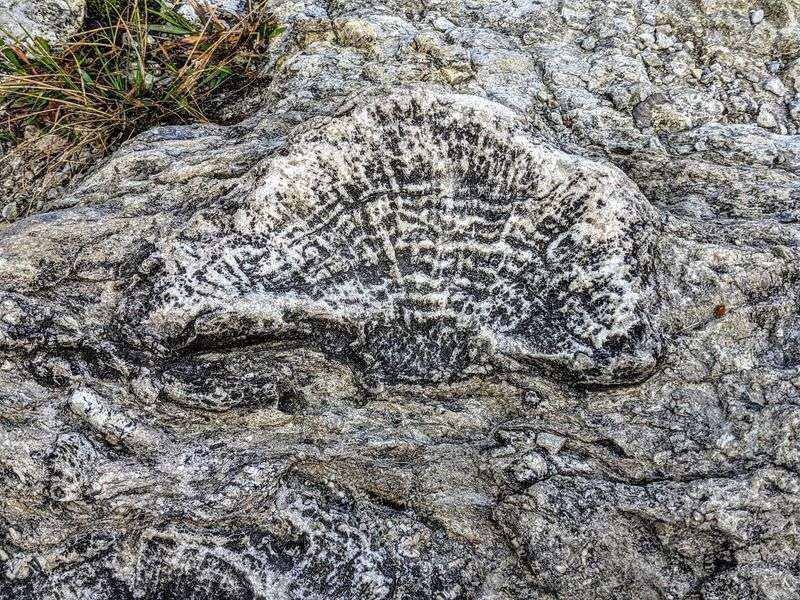
Kids who usually groan at history may perk up when the lesson is under their sneakers.
Devonian Fossil Gorge works beautifully as an outdoor classroom because the science is visible, touchable, and easy to connect with real life.
Instead of staring at a textbook drawing, children can stand on the ancient seafloor and search for coral or shell marks themselves.
Adults often get just as excited once they spot their first clear fossil.
Make the visit playful.
Ask everyone to find three different shapes, compare textures, or guess whether a mark came from coral, a shell, or a plant-like sea animal.
Younger kids may enjoy tadpoles, frogs, birds, and little pools as much as the fossils.
Simple supplies can turn the stop into a mini field trip.
Pack water, sunscreen, a hat, a pencil, and paper.
A phone camera helps capture finds without removing anything.
Keep the mood relaxed, since some fossils take time to spot.
Celebrate small discoveries, read signs when available, and use the gorge as a reminder that science is not locked inside a museum.
Sometimes it waits outside, weathered, quiet, and ready for curious hands and eyes.
Helpful Markers and Self-Guided Exploring
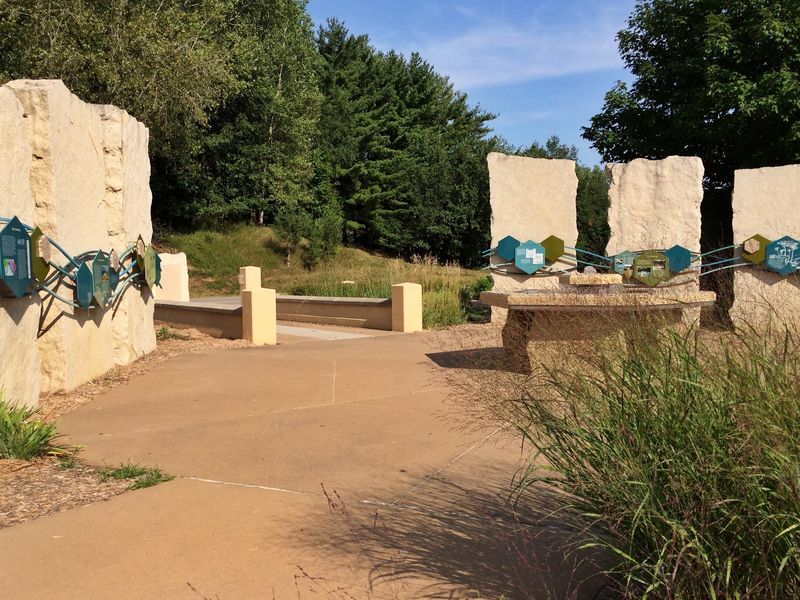
Numbered markers give this rocky place the feel of a scavenger hunt with a science badge.
Devonian Fossil Gorge has a self-guided trail system that helps visitors understand what they are seeing.
When markers and signs are available, they point out geologic features, fossil zones, and clues about the Devonian Period.
Scanning audio or reading posted information can make the shapes in the stone far more meaningful.
Start near the main viewing area before heading across the rock.
Read first, then explore, because knowing what coral or brachiopods look like makes them easier to spot.
If the visitor center is closed or under renovation, the outdoor signs and official website can still help you plan.
Pace matters more than distance.
The gorge is not a long hike, but uneven rock slows most people down.
Stable shoes with grip are better than flip-flops, especially after rain.
For a smoother visit, take a photo of any posted map before walking away from the entrance.
Cell service may vary, and having the route handy reduces confusion.
The experience stays casual, but a little preparation turns wandering into discovery.
Birds, Wildflowers, Pools, and Quiet Surprises
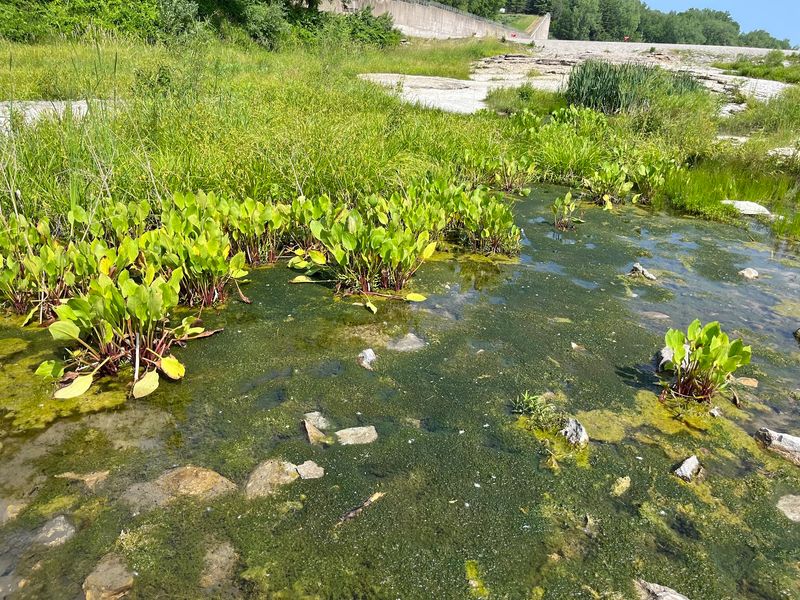
Look up from the fossils now and then, because the living world puts on its own show.
Devonian Fossil Gorge is famous for ancient sea life, but visitors also mention birds, wildflowers, frogs, turtles, deer, and other wildlife.
Small pools can hold tadpoles in warmer months, while nearby trees and open areas attract woodpeckers, cardinals, and other birds.
Around the water and dam area, lucky visitors may even enjoy eagle watching during the right season.
The contrast is part of the charm.
Underfoot, you see creatures from a vanished sea.
Around you, modern wildlife moves through the same landscape, using cracks, ponds, shade, and plants.
Bring binoculars if you like birding, and give animals space.
Kids may want to catch frogs or tadpoles, but watching quietly is usually better for the habitat.
Stay on durable surfaces where possible and avoid trampling plants near wet edges.
Even a short visit can feel refreshing if you slow down.
Listen for calls, watch dragonflies over puddles, and notice how wildflowers soften the gray stone.
The gorge is not only a fossil stop.
It is a lively outdoor pocket with surprises at ground level and overhead.
What to Know Before You Go
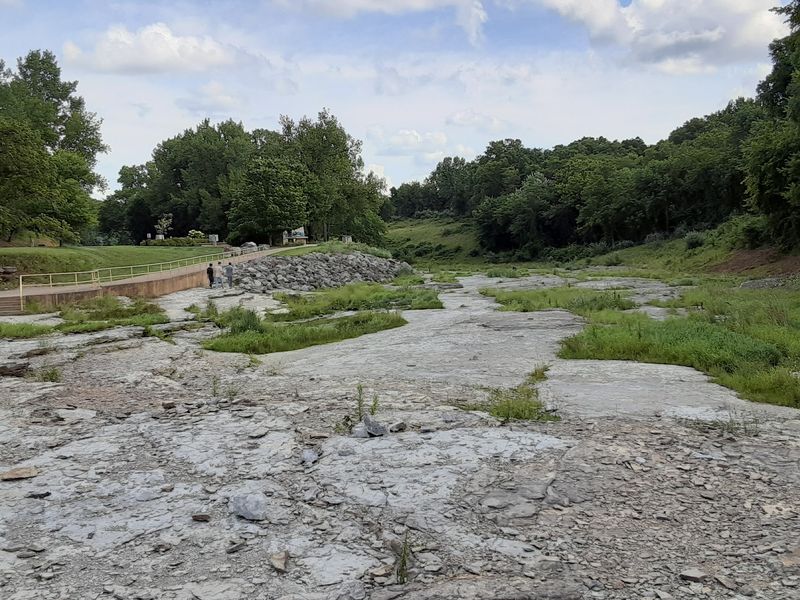
Good shoes can make the difference between a fun fossil walk and a slippery shuffle.
Devonian Fossil Gorge is located at 2850 Prairie Du Chien Rd NE, Iowa City, Iowa 52240, near Coralville Lake.
It is a scenic spot managed by the U.S.
Army Corps of Engineers and is listed as open 24 hours.
Visitors rate it highly, with a 4.6-star rating from hundreds of reviews, and many describe it as a short but memorable stop.
The limestone surface is uneven, cracked, and sometimes muddy.
Wear stable walking shoes that can get dirty.
Bring water, sun protection, and a light jacket if the wind is up near the water.
Accessibility can be mixed.
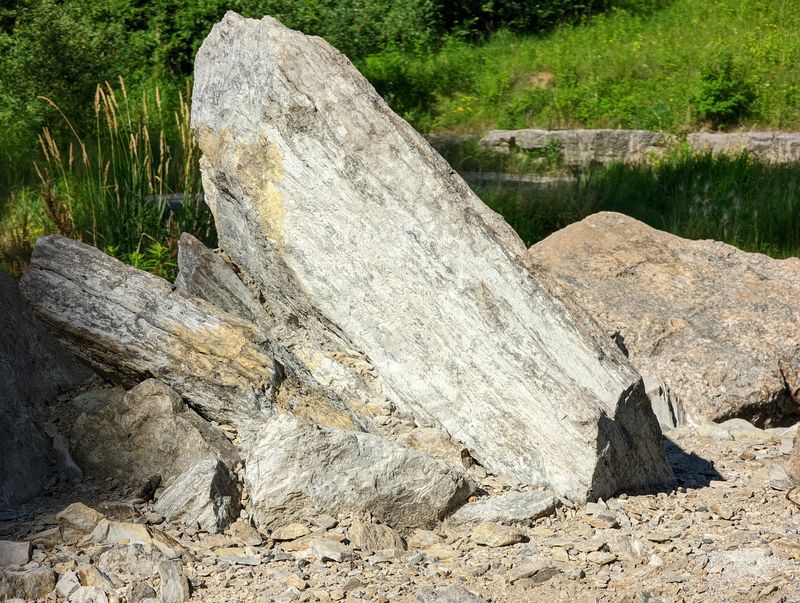
Some viewing areas near the parking lot may be easier to reach, and fossil-bearing boulders can be seen close to the walkway.
The main gorge, however, is not fully wheelchair accessible and requires careful walking over natural rock.
Restroom availability may change by season or nearby facility status, so plan ahead.
Dogs are commonly welcomed when leashed, but always follow posted rules.
A little planning keeps the day comfortable, especially for families, older visitors, and first-timers.
Protecting the Ancient Ocean Floor
Every fossil left behind is a gift handed to the next person who walks in.
Preserving Devonian Fossil Gorge matters because the site is rare, fragile, and shared by thousands of visitors.
The fossil imprints cannot grow back once chipped out or damaged.
Even small pieces taken as souvenirs can slowly erase the story that makes the gorge special.
Use a camera instead of a bucket.
Take close-up photos, sketch patterns, or write notes about where you found certain shapes.
If you visit with children, explain that the best fossil hunters protect their finds for others to see.
Avoid scratching, prying, hammering, or pouring substances on the rock.
Walk carefully around delicate surfaces, and do not move fossils or loose pieces.
Staying respectful also helps scientists, teachers, and future families enjoy the same outdoor record of ancient life.
The gorge invites hands-on learning, but that does not mean hands-off rules are boring.
They turn visitors into caretakers.
When you leave the limestone as you found it, you help keep a 375-million-year-old ocean floor open, readable, and amazing for the next curious pair of eyes.