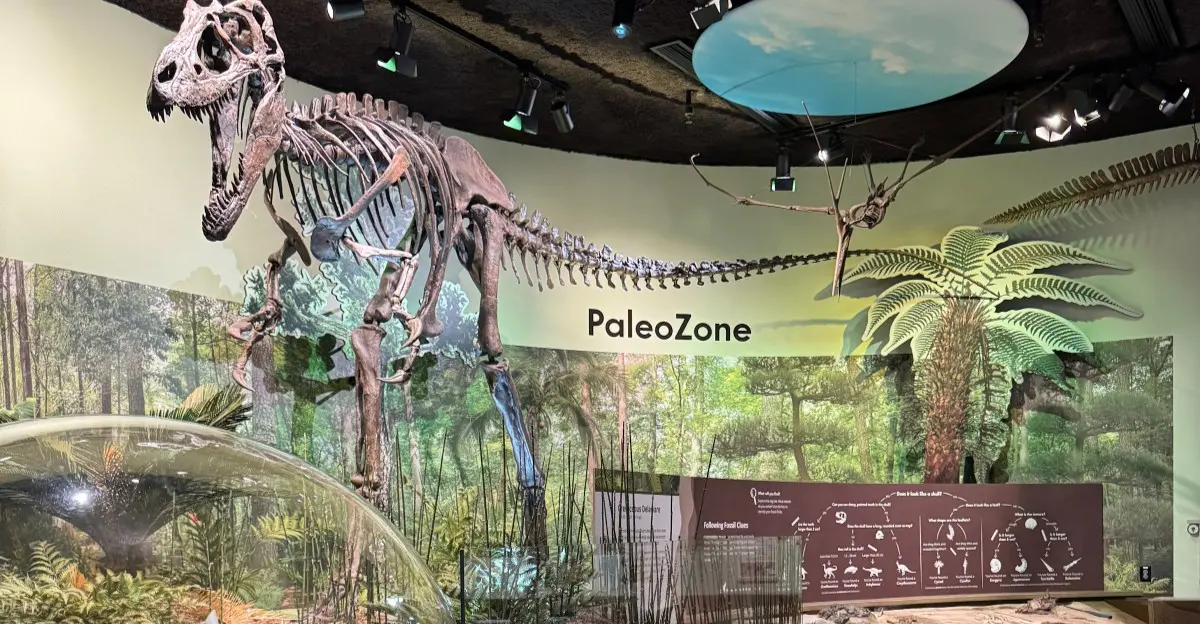
Kids can crawl inside a dome and come face to face with a Dryptosaurus. That’s a meat-eating dinosaur that once roamed the Mid-Atlantic, and it gets surprisingly close.
The same building holds Delaware’s only permanent dinosaur exhibit. It also has a hands-on space corner where you can build a model spacecraft and test whether it survives.
I like how this place mixes ancient bones with big NASA-style questions under one roof. Add a walrus, a humpback whale skull, and a planetarium dome you can sit inside, and the day fills up fast.
I can’t imagine a curious kid walking past any of it quietly. Honestly, I’m not sure many grown-ups could either.
Say Hello To The Dinosaurs That Once Stomped Around Your Backyard
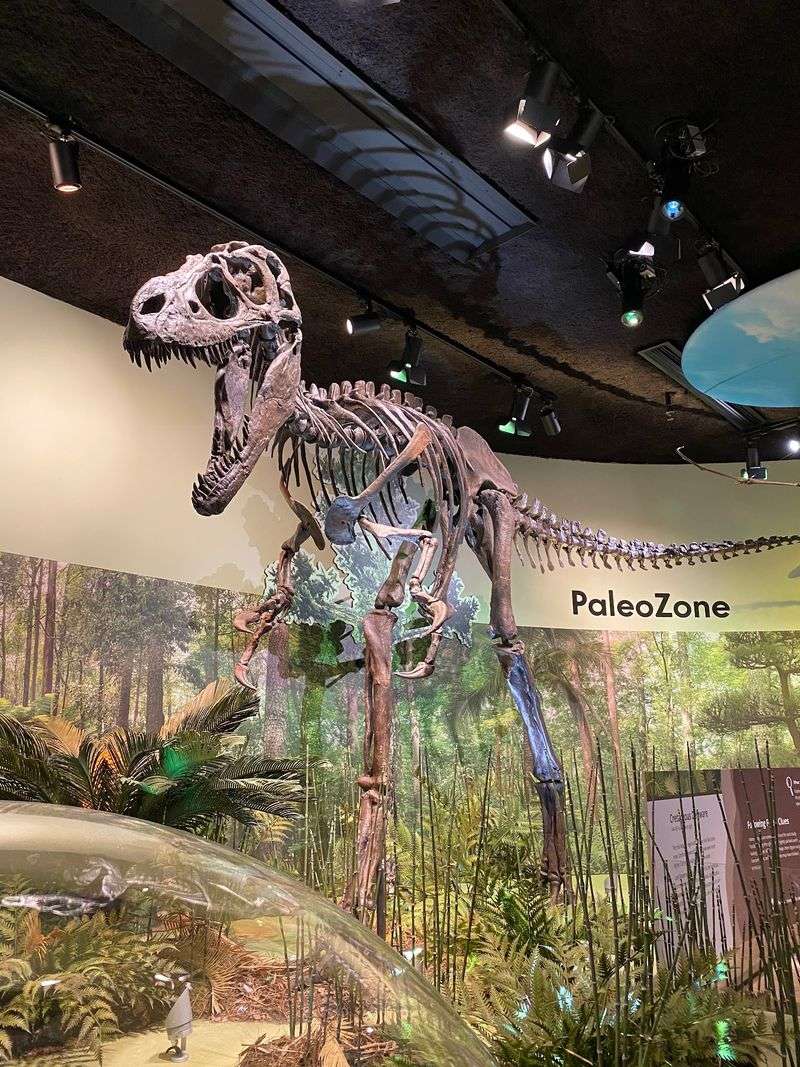
Long before anyone built a strip mall, a Dryptosaurus was hunting across this part of the country. The Delaware Museum of Nature & Science puts that story front and center in the PaleoZone.
It’s the only permanent dinosaur exhibit in Delaware. That alone makes it worth the trip for any young fossil fan in the family.
The gallery focuses on creatures from the Mid-Atlantic during the Cretaceous Period. So these aren’t random dinosaurs from far away places.
They lived in this region, which makes the whole thing feel a lot more personal.
Look up and you’ll spot the Nyctosaur, a flying reptile with a wild head crest. Nearby, the Mosasaur shows off the ocean side of that ancient world.
It was a huge swimming reptile, and its jaws look ready for business.
Hands-on learning is part of the plan too. Visitors can sort different fossils and learn how scientists tell the types apart.
My tip is simple. Give kids time to handle the sorting activity before rushing to the next room.
That’s often where the real questions start, and those questions are half the fun.
Crawl Inside A Dome For A Seriously Close Dinosaur Encounter
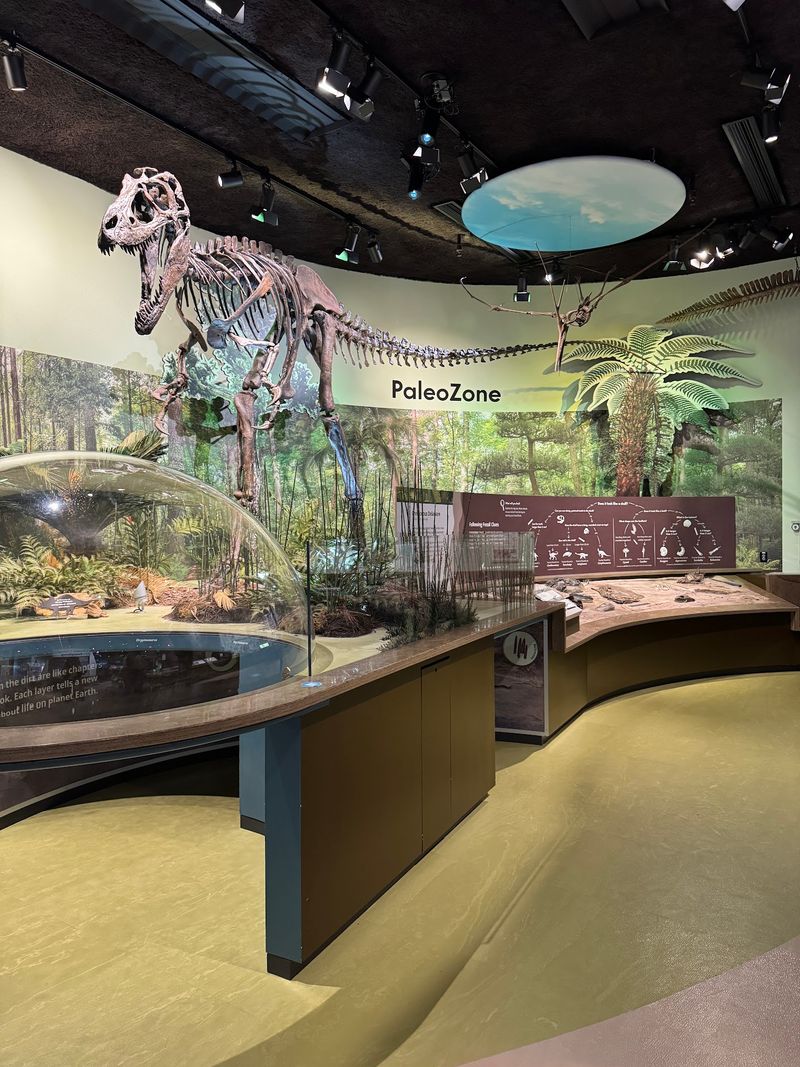
Most museums ask you to stand behind a rope and admire from a distance. Here, kids can crawl inside a dome in the Global Journey gallery for a close look at a Dryptosaurus.
That’s the kind of detail that turns a quick stop into a memory. Little explorers get to feel like they’re sneaking up on a predator, safely of course.
The Dryptosaurus was a meat eater from the eastern part of North America. Seeing it from inside a small space makes its size and teeth hit differently.
Parents, a quick heads-up might help. Some younger kids find realistic dinosaurs a bit scary at first.
A little pep talk before the crawl can go a long way.
Older kids usually treat it like a challenge. Who can spot the claws first?
Who notices the shape of the skull?
Those small games keep attention locked in. They also sneak in real observation skills, the same ones scientists use every day.
Bring your phone ready for photos. Faces peeking out next to a dinosaur make some of the best pictures you’ll take all day.
Build A Spacecraft And Find Out If It Can Take A Beating
Space gear shows up in a fun, hands-on way inside the Discovery Gallery. The Sun, Earth, Universe exhibit lets visitors engineer model spacecraft and test how durable they are.
In other words, you design it, then you see if it holds up. It’s basically engineering class without the homework.
The exhibit explores our planet, the solar system, and the wider universe. It’s built around the kinds of questions NASA works to answer.
How does the Sun affect Earth? What’s out there beyond our neighborhood of planets?
Those are big questions, but the activities keep them easy to grasp.
I like that failure is part of the learning here. If a spacecraft model breaks, you just rethink it and try again.
That’s real science thinking, and kids pick it up fast. Adults might get competitive too, which is half the entertainment.
The Discovery Gallery also has other hands-on science activities and a bug mural wall. You’ll find scientific collections of birds and marine mollusks on display as well.
Plan to linger, because this room rewards patience and curiosity.
Lean Back Under A 360-Degree Sky In The Star Lab
Weekends come with a bonus at the Delaware Museum of Nature & Science. The Star Lab Planetarium is an inflatable dome that wraps you in a full 360-degree view.
Programs run on Saturdays and Sundays. They last about 30 to 45 minutes and are guided, so someone helps you make sense of the sky.
Topics cover astronomy and Earth science. You might explore the solar system, learn to spot constellations, or travel out toward distant galaxies.
The Star Lab is an add-on with its own fee. Plan your day around it if stargazing ranks high on your family’s wish list.
Here’s a fun local twist. Back in 1999, the museum helped name a star the Delaware Diamond through a contest.
It sits in the constellation Ursa Major, home of the Big Dipper.
Not every state can point to its own star. That’s a pretty great piece of trivia for the car ride home.
Try asking kids to find the Big Dipper during the show. Spotting familiar shapes makes the huge night sky feel a lot friendlier.
Travel From The Arctic To The Rainforest Without Packing A Bag
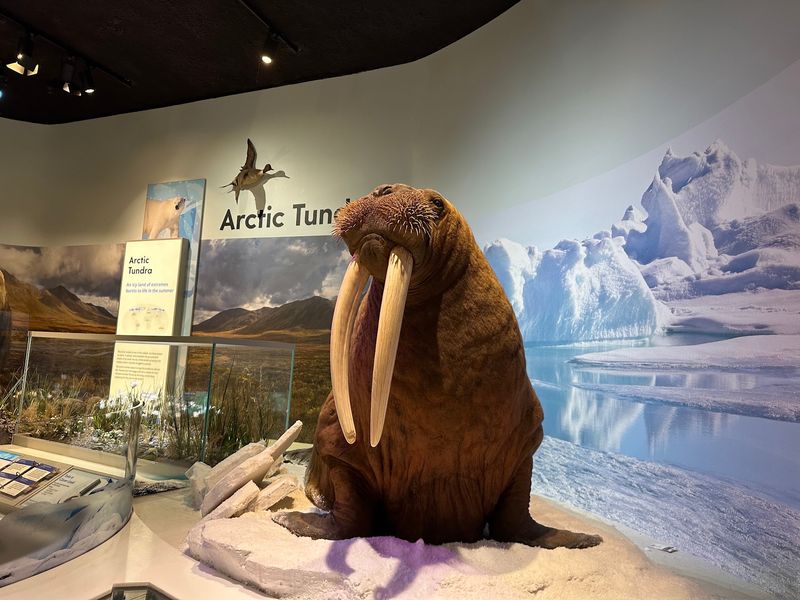
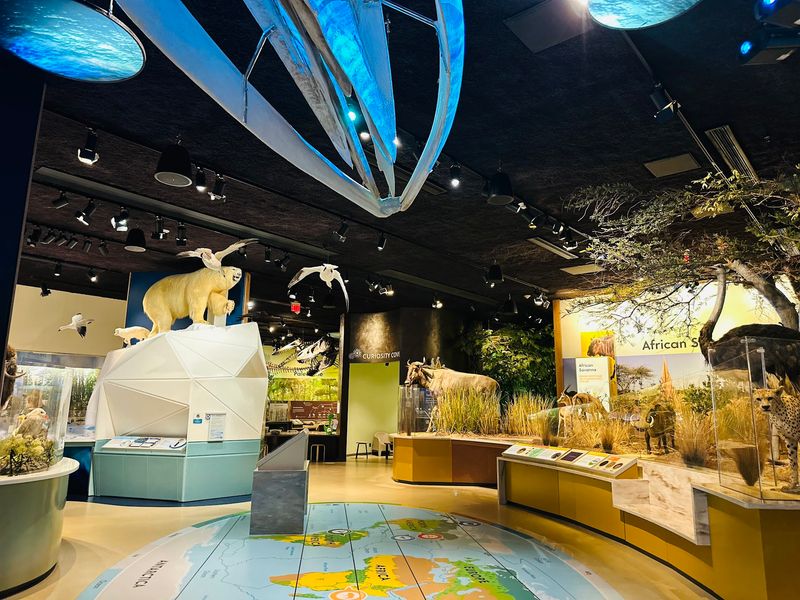
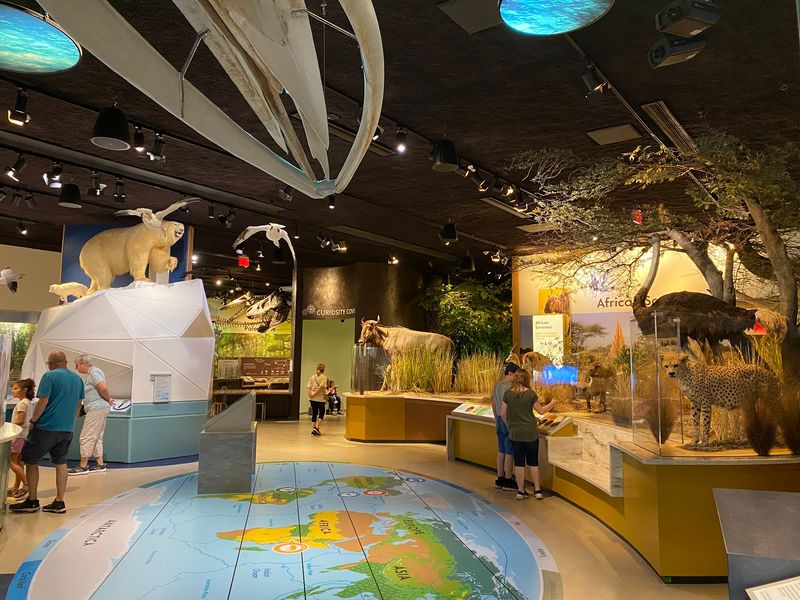
A walrus, a pack of hyenas, and the sounds of a rainforest all share one gallery. That’s the Global Journey gallery, and it covers a lot of ground fast.
The Arctic Tundra display features a walrus. Over in the African Savanna section, hyenas take the spotlight.
The tropical rainforest area adds sounds to set the mood. It’s an easy way to feel like you’ve hopped continents in a few steps.
Then the gallery heads deep underwater. Displays show off deep-sea creatures that look almost made up.
The real showstopper might be the humpback whale skull. It gives you a sense of scale that no textbook photo can match.
Bones that big make kids stop and stare. Grown-ups too, if we’re being honest.
One smart move is to pick a favorite animal from each zone. Then compare them at lunch.
Which one would handle cold best? Which one is the sneakiest?
Little conversations like that turn exhibits into stories. And stories stick around long after the visit ends.
Your Own State Gets Its Turn In The Spotlight Too
Delaware may be small, but its landscapes pack serious variety. The Regional Journey gallery proves it with a giant floor map of the state.
Kids can stand on their hometown, then hop to the beach in a single step. It’s the shortest road trip you’ll ever take.
From there, exhibits showcase the habitats that make Delaware special. You’ll see temperate forests, dunes, salt marshes, and the Delaware Bay.
Each area gives a peek at the plants and animals living close to home. That’s the part I find most useful.
It helps people notice nature on their next trip down the coast.
The Delaware Bay section is a great chance to talk about wildlife you might actually meet. Suddenly a trip to the shore has a bit more meaning.
Try a quick game while you explore. Have kids name a place they’ve visited, then find it on the floor map.
Next, ask which habitat they’d want to live in if they were an animal. You’ll get some funny answers.
You’ll also get kids thinking about their own state in a brand-new way.
The Littlest Explorers Have A Cozy Corner All Their Own
Toddlers and preschoolers get a space made just for them. The PNC Grow Up Great Nature Nook focuses on hands-on fun for young children.
Daily story times are part of the routine. There are also crafts and interactive play to keep small hands busy.
Timing matters here. The Nature Nook is closed Mondays and opens Tuesday through Sunday from 10 a.m. to 3:30 p.m.
That’s a bit different from the main museum hours. Check before you go so nobody ends up disappointed at the door.
Families with sensory needs have support too. The Delaware Community Foundation Respite Room offers a calm space for visitors with sensory challenges.
It also works well for nursing parents who need a quiet break. That kind of thoughtful detail can save an entire outing.
The whole museum sits on one floor and is handicap accessible. Wheelchairs are available at the front desk.
Scavenger hunts for kids are another nice touch, and they come with prizes. Nothing motivates a tired four-year-old quite like the promise of a reward at the finish line.
Fresh Air, Garden Paths, And A Trail Worth Lacing Up For
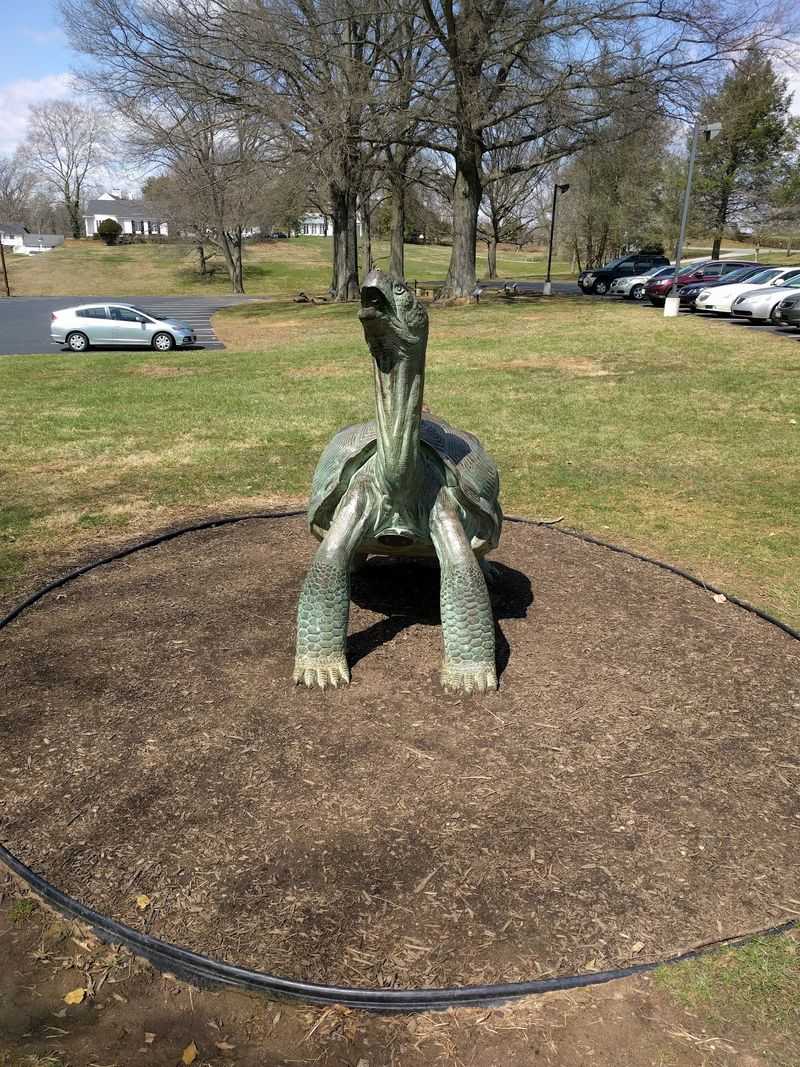
Step outside after the galleries, because the adventure keeps going. The grounds feature the Larry D.
Scott Nature Trail, which runs just under one mile.
That length is perfect for families. It’s long enough to stretch your legs but short enough for little walkers.
Along with the trail, you’ll find three gardens and bird feeders. Sculptures dot the grounds, so there’s plenty to spot between the trees.
An outdoor classroom is part of the setup as well. Learning doesn’t stop just because you left the building.
Bird feeders are a great excuse to slow down. Ask kids to count how many different birds they notice in a few minutes.
That ties in nicely with what’s inside. The museum holds the second-largest bird egg collection in North America.
Pretty impressive for a spot in Delaware.
Comfortable shoes are a smart call. So is checking the weather before you head out.
Pair the indoor dinosaurs with an outdoor walk, and you’ve got a well-rounded day. Everyone heads home tired in the best possible way.
Snacks, Souvenirs, And A Little History Before You Head Home
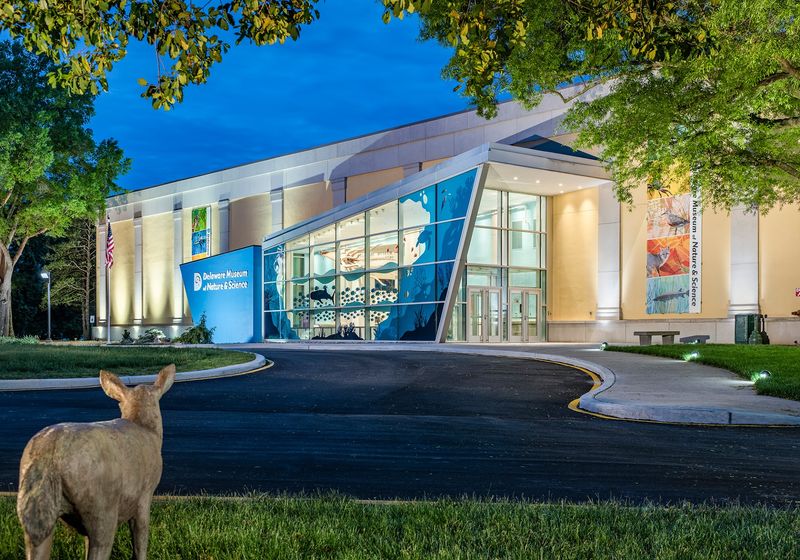
Hungry explorers can refuel at the Rest, Relax, & Recharge Cafe. It offers prepackaged snacks, sandwiches, coffee, and other drinks.
Packing a lunch is welcome too. You can eat in the cafe or out on the patio and picnic area.
The Museum Store stocks stuffed animals, rocks, minerals, books, science kits, and toys. Set a budget early, or a plush walrus may follow you home.
Getting there is easy. The Delaware Museum of Nature & Science sits at 4840 Kennett Pike, Wilmington, DE 19807.
Parking is free, which is always a win.
The museum generally opens from 9:30 a.m. to 4 p.m.
History buffs will enjoy the backstory. John Eleuthere du Pont founded the museum in 1957, and it opened to the public in 1972.
After a 17-month renovation, it reopened in May 2022 with a new name. The galleries and public spaces were completely transformed.
The result feels fresh, bright, and ready for your next curious crew.