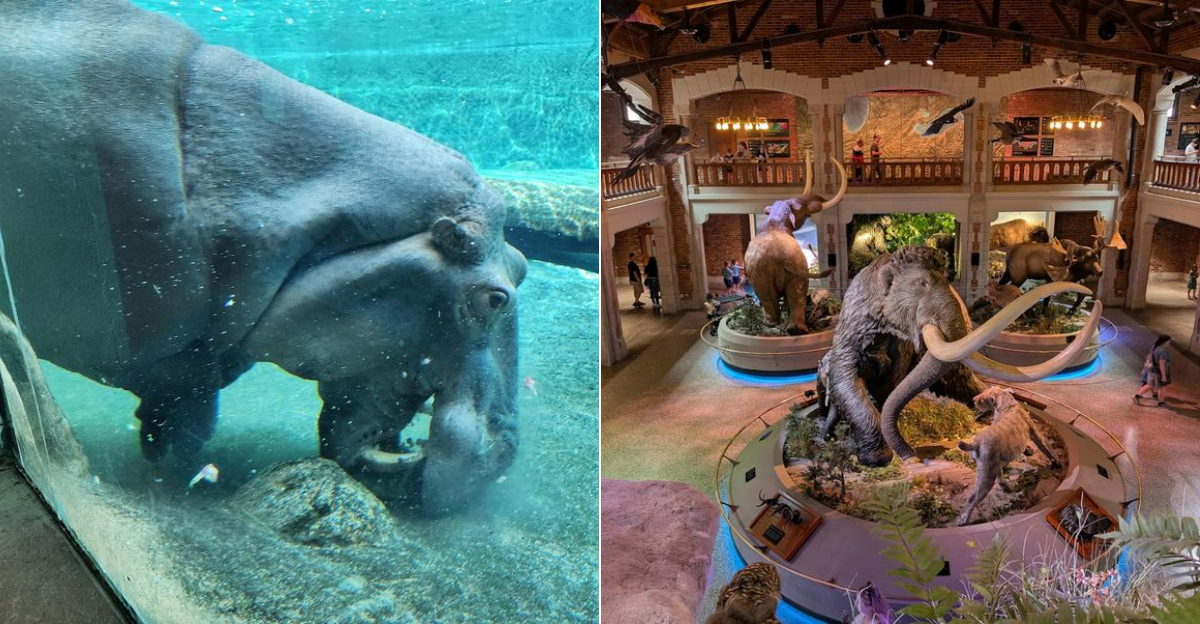
Some zoos give you one standout exhibit and ask you to build the rest of the day around it. Toledo Zoo feels different, because you can move from glowing fish tanks to free-flying birds to underwater hippo views without ever losing the thread of the visit.
That mix makes the whole place feel bigger, stranger, and more memorable than you expect. If you like attractions that shift your mood as you walk, this Ohio zoo has an unusually satisfying rhythm.
Three Worlds in One Visit
At Toledo Zoo, the day feels almost like three short trips folded into one easy walk. You can start in cool aquatic blue, step into warm air filled with bird calls, and then end up face to face with a hippo drifting underwater.
That kind of variety changes the energy of the visit in the best way.
I liked how the transitions never felt abrupt or exhausting. The zoo’s layout lets you move between very different habitats without spending half the day crossing giant parking-lot style distances.
Instead, you keep discovering new moods at a pace that feels natural.
What stays with you is how complete each environment feels on its own. The aquarium narrows your focus, the aviary lifts your attention upward, and the Hippoquarium brings everything back to a calm, grounded stillness.
Few places let you experience water, sky, and land with such a smooth flow in a single afternoon.
A Walkable Corner of Toledo

Before you even reach the headline exhibits, Toledo Zoo gives off a calm, walkable feeling that makes you want to slow down. The grounds sit within Toledo in a way that feels connected to the city rather than isolated from it.
Shaded paths, older buildings, and established trees make the place feel settled and lived in.
I noticed how the architecture adds personality without stealing attention from the animals. Spanish-inspired details and WPA-era structures give the zoo a sense of history, so the walk between exhibits never feels like filler.
You are still looking, noticing, and taking in the setting.
That matters more than it sounds. A lot of zoos can feel like long stretches of pavement between moments of excitement, but this one encourages a slower, steadier rhythm.
By the time you reach the aquarium or aviary, you already feel tuned into the space, which makes the bigger exhibits land even more strongly.
Inside the Aquarium’s Cool, Blue Light
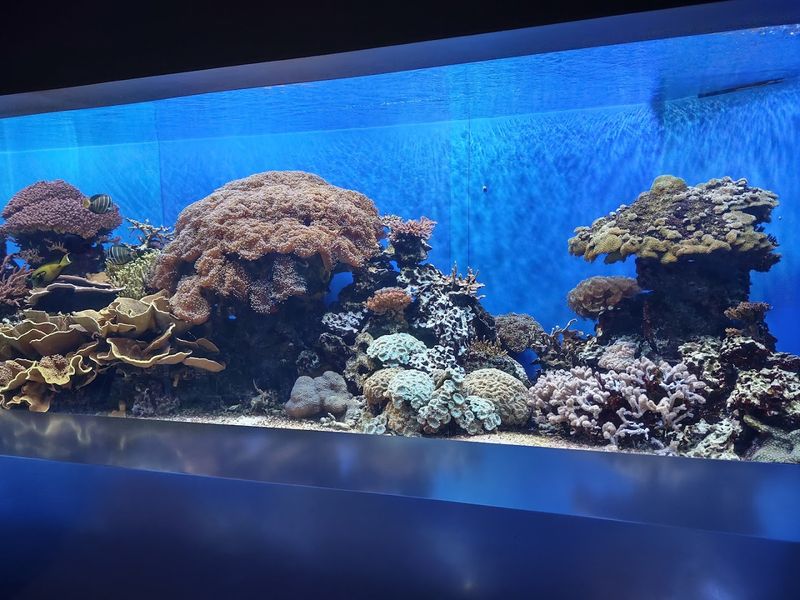
Walking into the aquarium at Toledo Zoo feels like crossing an invisible weather line. The air turns cooler, the sound drops, and the lighting shifts into that dim blue glow that makes every tank look brighter than it should.
Your eyes adjust fast, and then the fish become the whole point of the room.
I liked how the space guides attention without pushing it. The curved glass, darkened walkways, and softened background noise create a kind of gentle tunnel vision, so even small fish seem dramatic.
You end up watching movement instead of just checking species off a list.
The building’s older shell gives the experience extra character, too. It feels historic on the outside but transformed within, which suits the exhibit perfectly.
Instead of a loud, flashy aquarium full of distractions, this one feels composed and immersive, the kind of place where you suddenly realize you have been standing still for several minutes just following one slow, silver shape.
Close-Up Views of Sharks and Reef Life
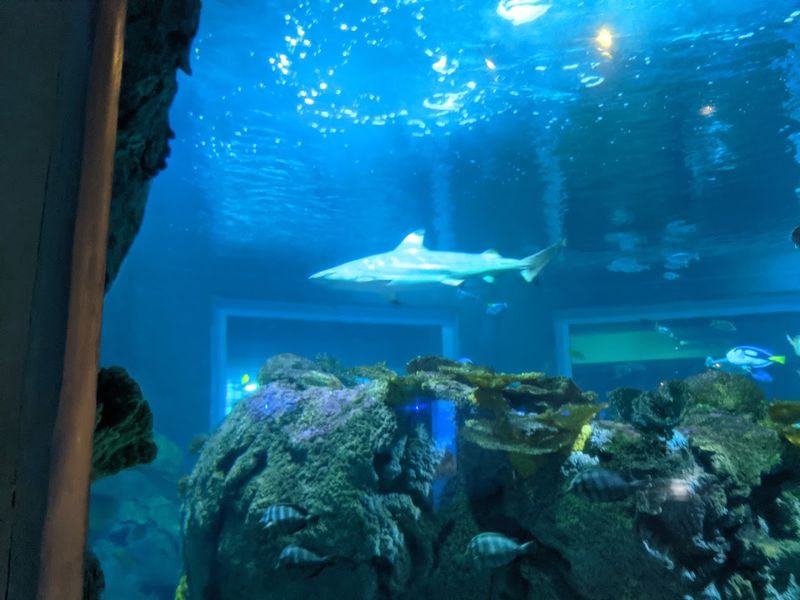
The aquarium’s larger tanks deliver the kind of close-up views that usually make people stop mid-sentence. Sharks circle with a steady, almost mechanical confidence, while smaller fish flash through coral structures in quick bursts of color.
Watching both at once makes the tanks feel like layered moving paintings.
I found myself paying attention to patterns more than individual species. One shark would loop past the glass again, a school of fish would tighten and loosen, and then some bright reef fish would drift into view like confetti with fins.
The scale works because the movement never stops, even when it looks calm.
Toledo Zoo uses those big viewing windows well. You can stand back and take in the whole tank, or step closer and focus on details like texture, pacing, and spacing between animals.
It feels less like reading about ocean life and more like briefly borrowing the rhythm of it, which is exactly what makes the exhibit so absorbing.
Stepping Into the Aviary’s Warm Air
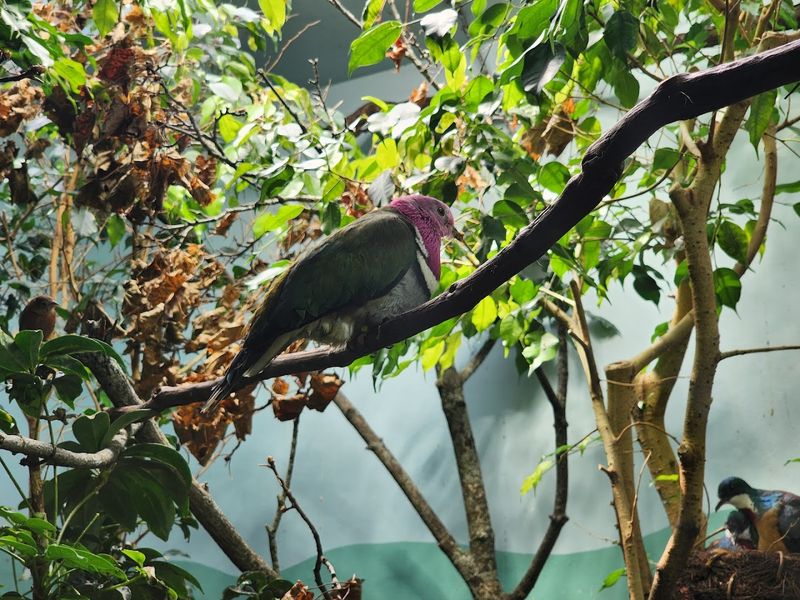
After the aquarium’s cool hush, the aviary changes the mood immediately. The air feels warmer, the light looks more natural, and the whole space seems to open upward instead of inward.
You hear birds before you fully spot them, which makes the first few steps especially fun.
I liked how active the room felt without becoming chaotic. Birds move from branch to branch, some glide overhead, and others stay still long enough that you almost miss them against leaves and bark.
That mix keeps your attention bouncing between quick motion and careful searching.
There is also something unusually personal about sharing the same airspace. Instead of looking through glass at a distant enclosure, you are inside an environment where movement can happen above your shoulder or just beyond arm’s length.
The aviary feels bright and alive, but not rushed, and that balance makes it one of the easiest places in the zoo to linger longer than planned.
Details You Notice When You Slow Down
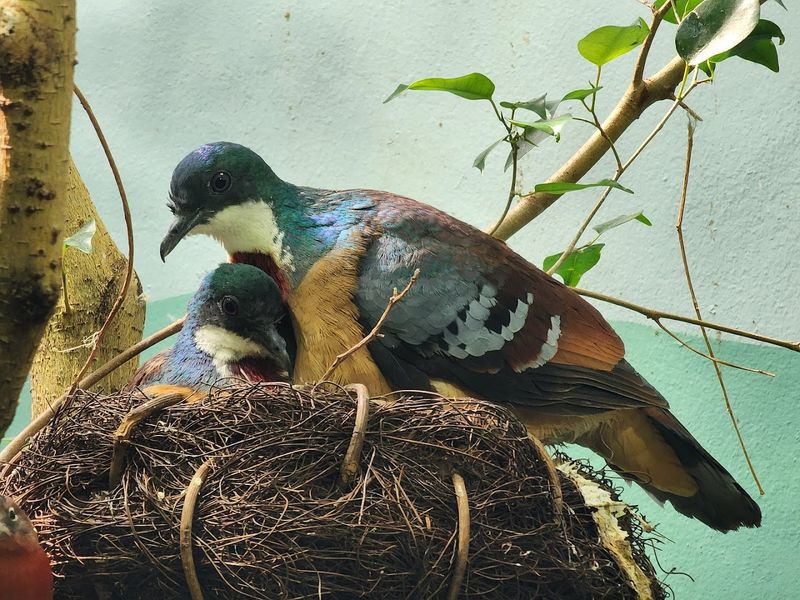
The aviary gets even better when you stop trying to see everything at once. At first, it can feel like a blur of wings, branches, and calls from different directions.
Then you slow down, stand still for a minute, and the smaller details start showing up everywhere.
I began noticing feeding patterns, tiny head tilts, and the way certain birds kept distance while others gathered near one another. Feather textures became more obvious too, especially when the light caught layered greens, reds, or soft gray tones.
The exhibit rewards patience in a way that feels almost meditative.
That is part of what makes Toledo Zoo’s aviary memorable. It works for quick excitement when a bird flies overhead, but it also supports quieter watching if you let yourself settle.
You leave with more than a few pretty sightings. You leave with a better sense of bird behavior, posture, and social spacing, which is a surprisingly satisfying kind of souvenir from one room.
Entering the Hippoquarium
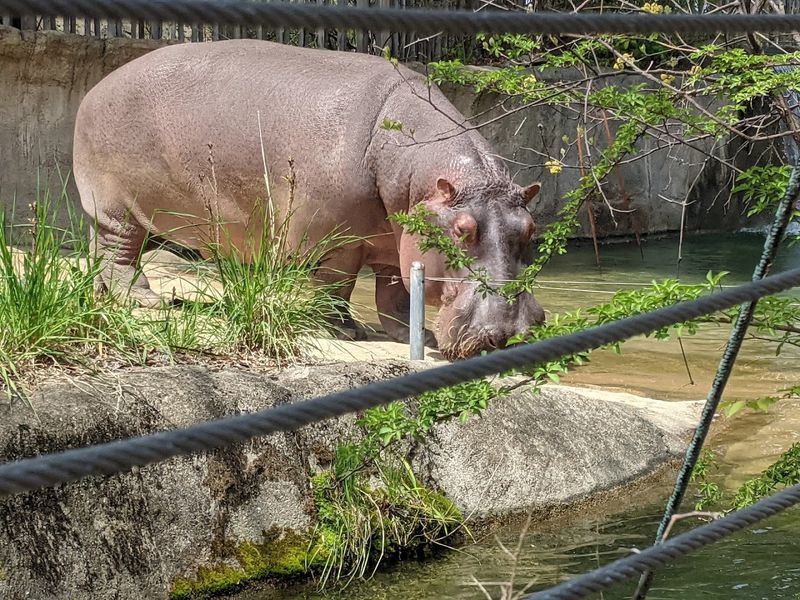
The Hippoquarium has a reputation, and once you enter, it is easy to understand why. In just a few steps, the experience shifts from seeing a heavy animal on land to watching that same body move underwater with surprising ease.
That transition is the whole magic trick.
I liked how direct the design feels. There is no long buildup and no confusing route, just a quick move from above-water context to underwater revelation.
One moment the hippo seems massive and immovable, and the next it is suspended behind glass, quieter and smoother than you expected.
Toledo Zoo has long been known for this exhibit, and it still feels special because the viewing distance is so intimate. You are not squinting from far away or relying on luck to catch movement.
The space sets up a very specific kind of encounter, one where scale, water, and perspective combine to make a familiar animal seem completely new for a few remarkable minutes.
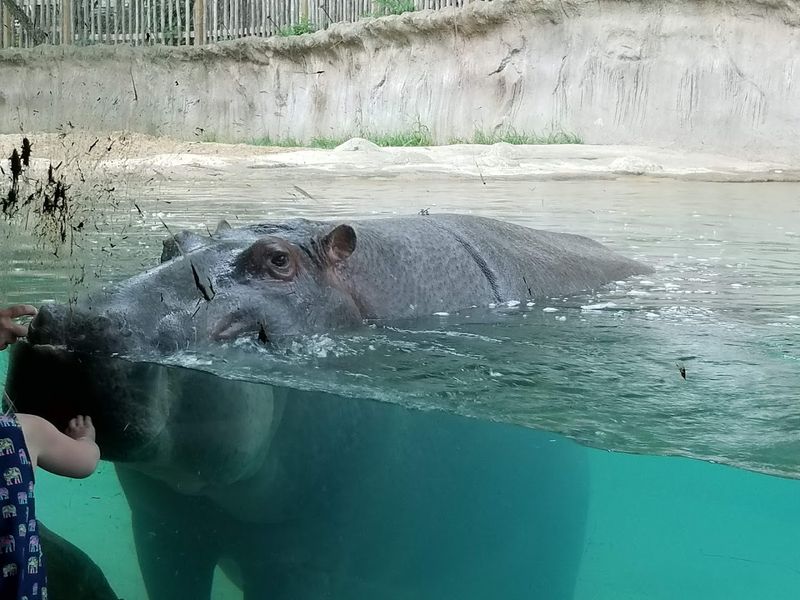
Watching Hippos Glide Underwater
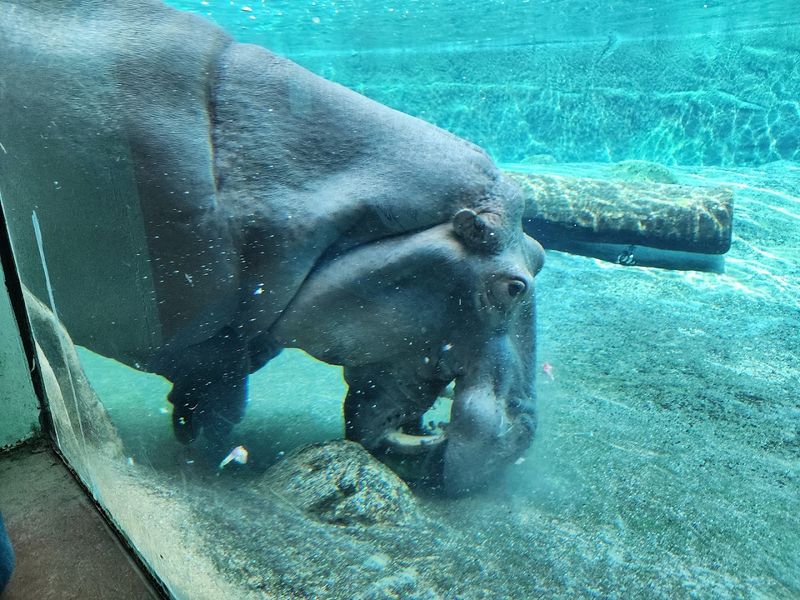
Watching hippos underwater is one of those experiences that recalibrates what you thought you knew. On land they read as dense, heavy, and almost stubbornly solid.
In the water, they push off the bottom and drift forward with a smoothness that feels completely at odds with their size.
I noticed how quiet the scene seemed, even with people gathered at the glass. Everyone tends to focus at once, tracking the hippo’s slow turn, the flex of its legs, or the way it seems to float and steer with minimal effort.
The contrast between bulk and grace is what really holds you there.
That quiet surprise is hard to forget. Toledo Zoo’s underwater viewing makes the animal feel both enormous and gentle at the same time, which is not an easy combination to pull off.
You leave with a much more dynamic impression of hippos, not as lumbering creatures alone, but as animals perfectly adapted to move through water with calm, deliberate control.
The Contrast Between Environments
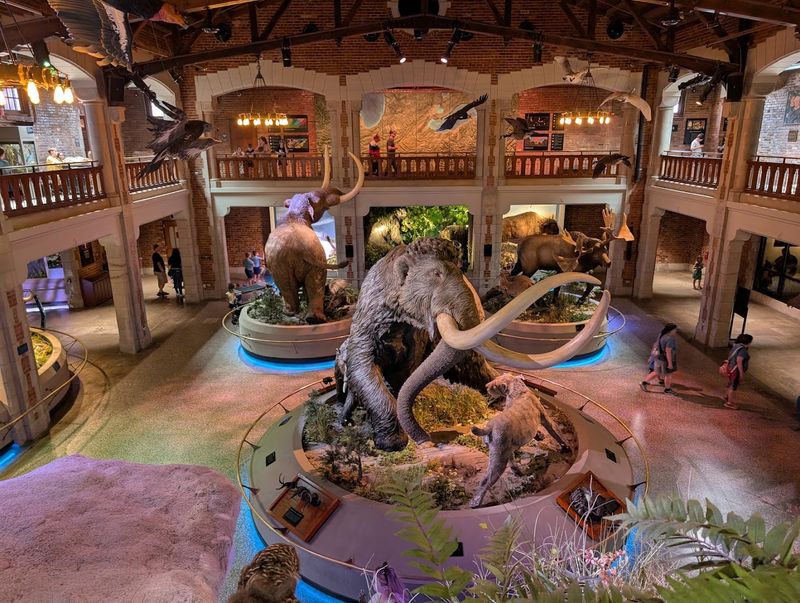
One of the smartest things about Toledo Zoo is how strongly each major habitat contrasts with the next. The aquarium is cool, dim, and hushed, the aviary feels warm and airy, and the Hippoquarium lands somewhere calm and intent between the two.
You do not just see different animals, you feel different settings.
I kept noticing how lighting, temperature, and sound were doing as much work as the exhibits themselves. Blue light narrows your focus in the aquarium, natural brightness opens your attention in the aviary, and the hippo viewing areas bring back a quieter concentration.
The sequence makes the whole visit feel carefully composed.
That sensory variety is what turns a regular zoo day into something more memorable. Instead of one long stream of enclosures, you get distinct chapters with their own mood and pace.
By the end, the animals are not your only memories. You also remember how each space felt on your skin, in your ears, and in the way it changed your walking speed.
Spaces Designed for Pausing
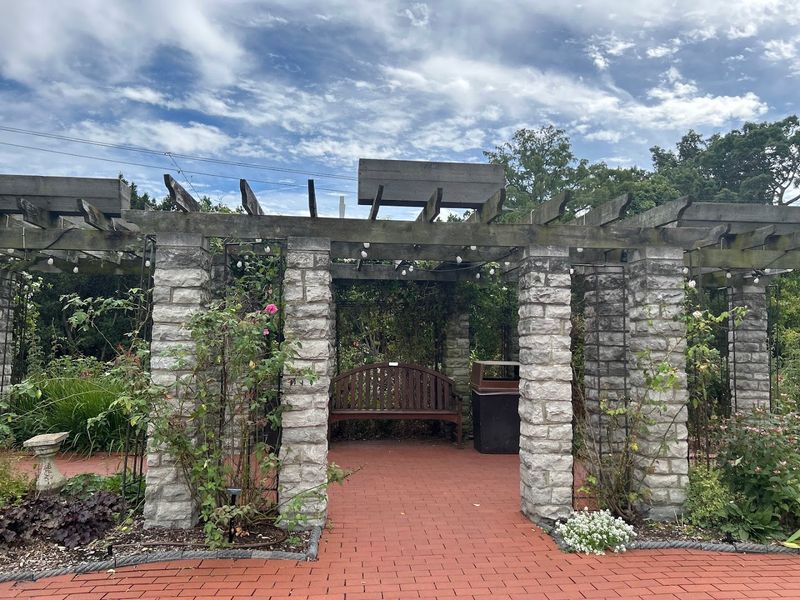
What helps all these exhibit changes work is that Toledo Zoo gives you places to pause between them. Benches, shaded stretches, and big viewing windows make it easy to stop without feeling like you are stepping out of the experience.
That small design choice makes the whole day less tiring and more observant.
I appreciated how often there was somewhere to sit and watch instead of just pass through. A good viewing area turns animal behavior into a slow reveal, and that only happens when you have enough time to wait.
The zoo seems built for that kind of patience.
These pause points also help families, older visitors, and anyone trying to avoid a rushed, overplanned outing. You can reset your pace, look back through photos, or simply stay with one exhibit longer because the space invites it.
In practical terms, that means you notice more. In emotional terms, it means the zoo feels generous, giving you room to absorb the day rather than just complete it.
A Visit That Changes Pace Naturally

Some attractions demand that you manage your own energy from start to finish, but Toledo Zoo quietly does that work for you. The route through its standout spaces creates a rhythm that feels almost automatic.
You move from cool concentration to bright alertness to calm focus without really planning it.
I liked that nothing felt forced. The aquarium slows you down because the lighting and tanks ask for close attention, the aviary picks your pace up with movement overhead, and the Hippoquarium settles you again into watching rather than walking.
The sequence creates natural pacing instead of tourist pacing.
That is a bigger advantage than it sounds. When a place controls tempo well, you end up less tired and more engaged, because your attention is being refreshed instead of flattened.
Toledo Zoo understands that a memorable visit is not only about what you see. It is also about how your body moves through the day, and here that movement feels intuitive from one exhibit to the next.
Leaving With Clear, Everyday Impressions

The best part of Toledo Zoo may be how ordinary its strongest memories feel afterward. You do not need one giant adrenaline moment to carry the day.
Instead, what stays with you are simple images that keep resurfacing later, like fish turning in blue light, wings passing overhead, or a hippo gliding past glass.
I think that is why the visit feels easy to recommend. The experiences are varied enough to feel special, but they are arranged in a way that never becomes overwhelming.
You leave with vivid snapshots rather than sensory overload, which is a rarer balance than many attractions manage.
There is also something satisfying about how grounded those memories are. They are not abstract ideas about conservation or architecture, even though both matter here.
They are direct, everyday impressions tied to movement, sound, and atmosphere. Toledo Zoo gives you a full day of shifting environments, then sends you home with a handful of clear scenes that feel personal, specific, and pleasantly hard to shake.