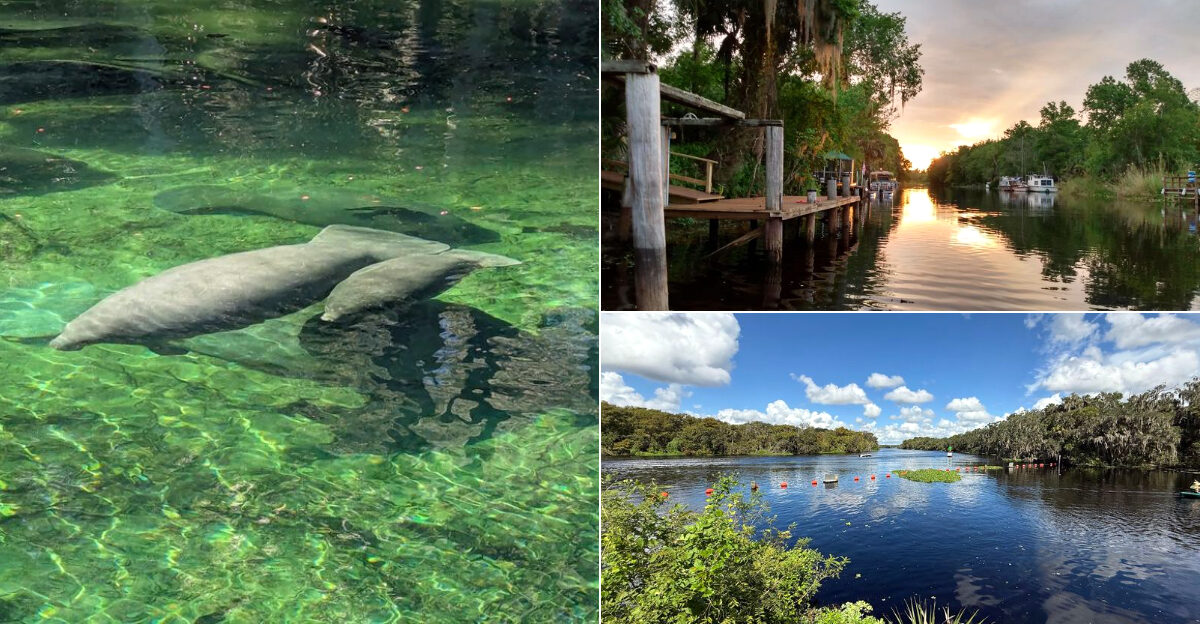
Every winter, one of Florida’s most extraordinary wildlife spectacles quietly unfolds in the clear, spring-fed waters of Volusia County.
Hundreds of manatees migrate to the warmth of the springs each season, gathering in numbers that draw visitors from across the country and beyond.
Watching these gentle giants move through the crystalline water is the kind of experience that stays with you long after you’ve driven home.
Blue Spring State Park has become one of the most celebrated manatee viewing sites in the entire United States, and for good reason.
If you’ve been looking for a Florida experience that feels genuinely wild and unforgettable, this is the one to put at the top of your list.
A Gathering That Feels Almost Magical
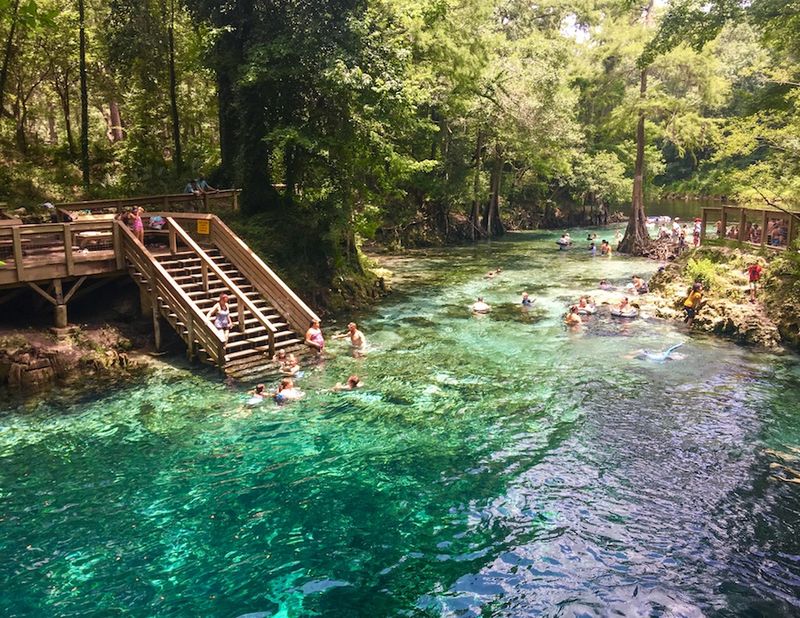
Cool mornings can turn the spring run into a living postcard, with gray backs, round noses, and slow tails moving just under the surface.
Blue Spring State Park · Florida is famous because manatees come here when nearby river water gets too cold for comfort.
The spring stays about 72 degrees, which feels warm to manatees during winter.
From about mid-November through March, visitors may see large groups resting, nursing calves, or gently rising for air.
Some days bring only a few animals, while colder snaps can bring numbers in the hundreds.
Park staff often post daily manatee counts, making each visit feel a little like checking a nature scoreboard.
The best plan is to arrive early, move slowly, and keep voices low along the viewing areas.
Swimming and paddling are usually limited in manatee season to protect the animals, so the experience is more about watching than splashing.
Bring binoculars, a charged phone, and patience, because the quiet moments often become the best memories.
Boardwalk Views Without Bothering Wildlife
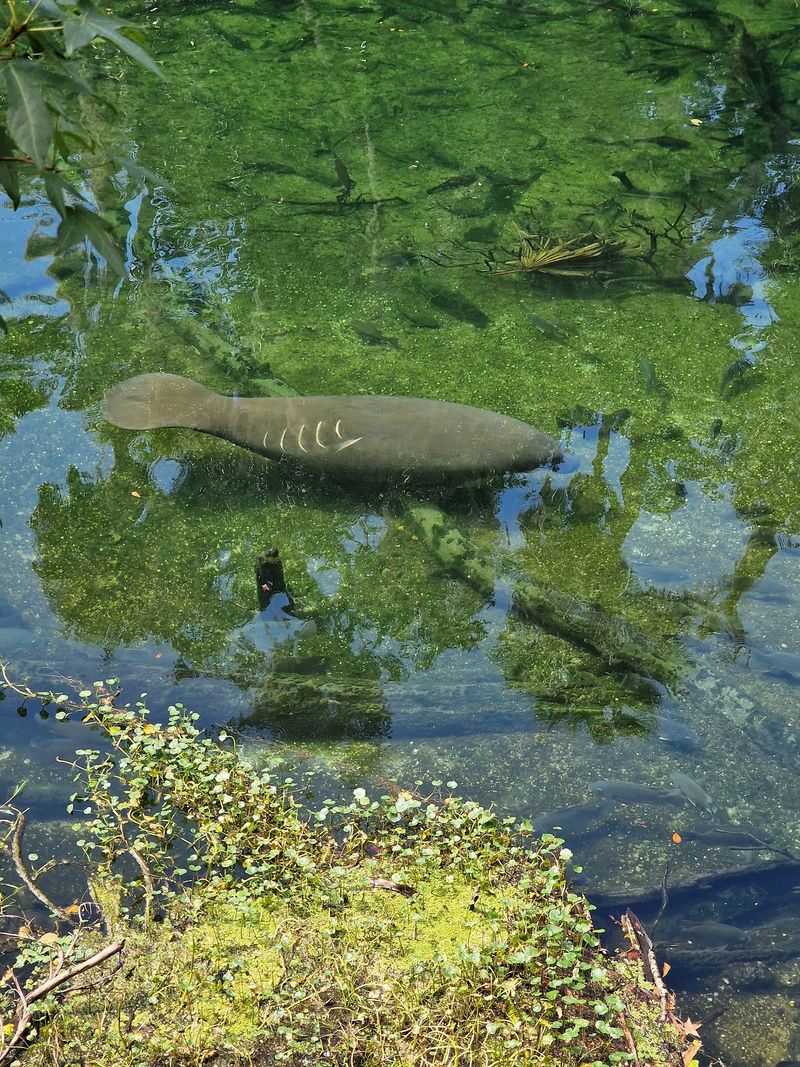
A wooden path can make wildlife watching feel easy, even for visitors who do not hike often.
The raised boardwalk follows the spring run and gives many clear places to stop, look down, and spot manatees without stepping into their space.
Railings, shaded stretches, and signs help families move at a calm pace.
Kids often enjoy searching for noses first, because manatees must surface to breathe.
Adults may notice other details, like scars from old boat strikes or tiny calves staying close to their mothers.
These close but safe views help people understand why slow zones and protected warm-water sites matter.
Comfortable shoes are a smart choice, since visitors may walk back and forth as animals move through the run.
Wheelchair users and strollers can use many main viewing areas, though checking current access updates before going is wise.
For the best photos, stand still, avoid leaning over others, and wait for the water to settle.
The boardwalk turns a simple walk into a careful lesson in respect.
Clear Water That Reveals A Whole Underwater World
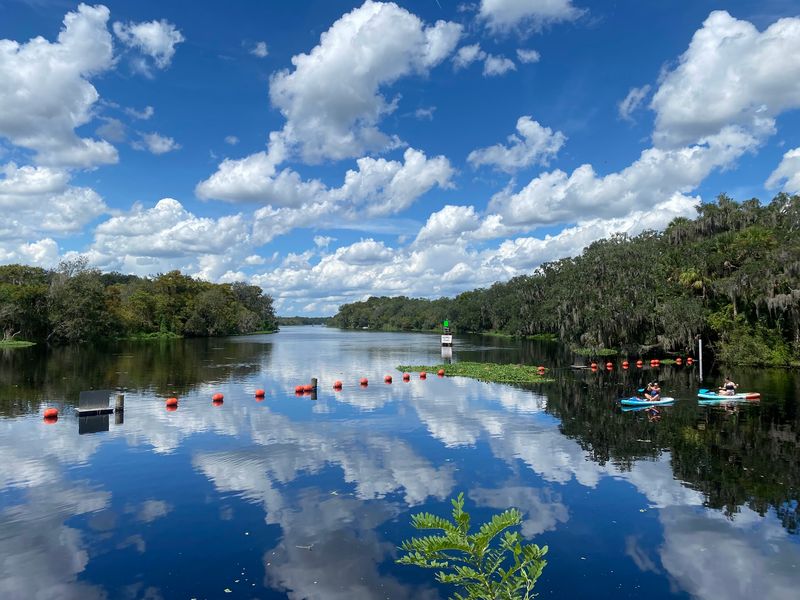
Sunlight slips through the spring like glass, showing fish, waving plants, and sandy patches far below.
Even when manatees are not filling the run, the water gives visitors plenty to study.
Gar, mullet, bass, turtles, and other animals often glide through the clear current.
Many guests are surprised by how sharp the view can be from above.
The spring water comes from underground, so it looks bright, clean, and blue in good weather.
Polarized sunglasses help cut glare and make it easier to see shapes moving under the surface.
During warmer months, when manatee protections are not closing the spring run, visitors may be able to swim, snorkel, or float in approved areas.
Rules can change with weather, wildlife activity, and park conditions, so checking the official website before leaving home saves stress.
Anyone entering the water should use reef-safe sunscreen, pack out trash, and avoid touching wildlife.
The beauty here is not a pool trick, it is a living system that needs careful visitors to stay healthy.
Kayaks And Canoes Add A Wilder Point Of View
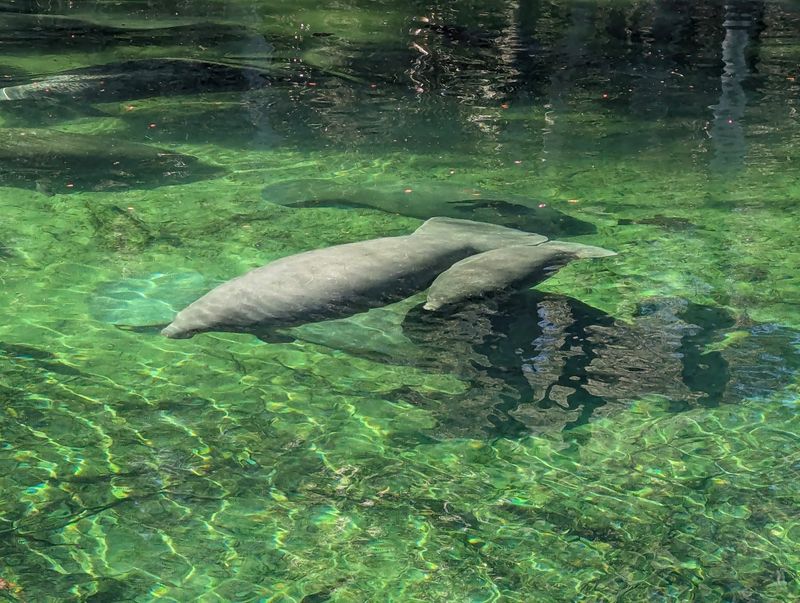
Paddling changes the day from a lookout visit into a slow river adventure.
When rentals and launch areas are open, canoes, kayaks, and paddle boards let visitors explore nearby water routes at their own pace.
The view from the water feels lower, quieter, and closer to the reeds
Wildlife can appear anywhere, so it helps to paddle gently and scan the banks.
Guests often report birds, turtles, fish, and sometimes alligators from a safe distance.
Manatees may also be seen in the area, but giving them space is required and respectful.
Before booking, check seasonal rules because paddling access can be limited when manatees are using warm spring water.
Wear a life jacket, bring water, secure your phone, and keep snacks sealed so wrappers do not blow away.
Beginners should choose calm times of day and ask staff about current, wind, and route length.
A paddle trip rewards people who are not in a hurry, since the best sights usually come when the boat drifts quietly.
Boat Tours Make The River Easy To Understand
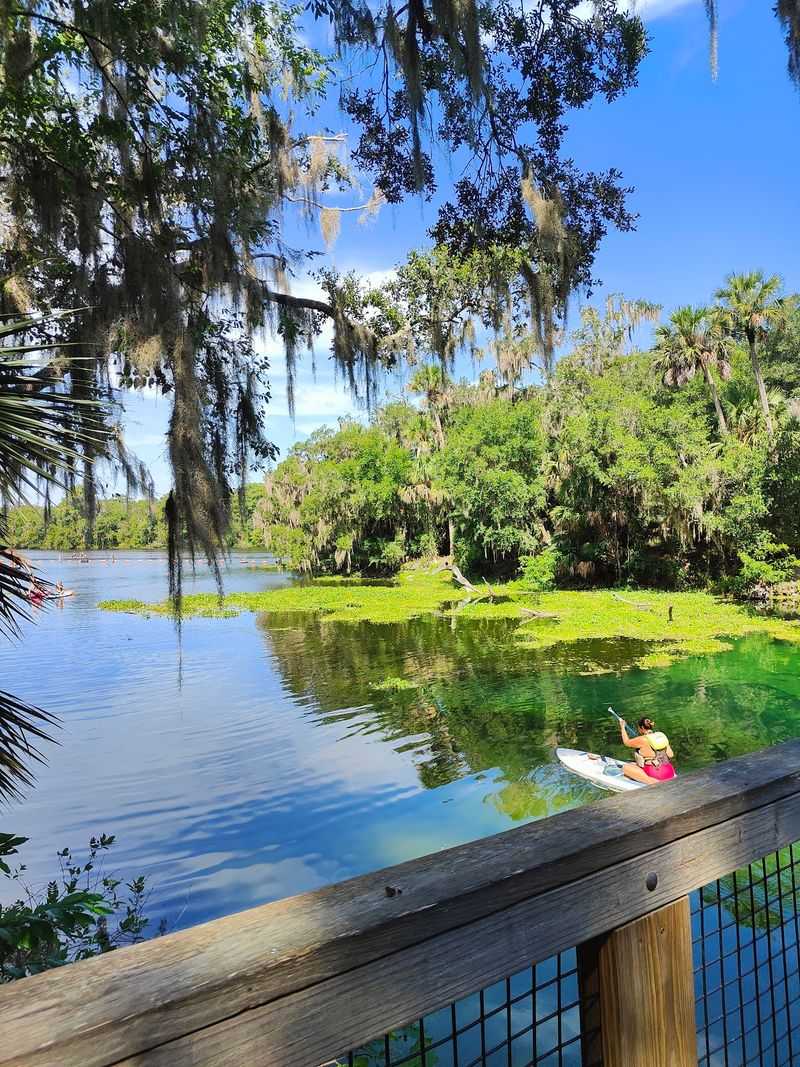
Not everyone wants to paddle, and that is where a narrated boat tour can save the day.
A guide handles the route while passengers sit back and watch the river open up around them.
It is a relaxed choice for grandparents, young children, and visitors who want stories with their scenery.
Guides often point out birds, turtles, alligators, and river plants that many people would miss on their own.
They may also explain how the spring connects with the St. Johns River and why warm water matters so much in winter.
A good guide turns a pretty ride into a moving classroom.
Reservations are a smart idea, especially during busy weekends and colder months.
Arrive early enough to park, use the restroom, and find the boarding area without rushing.
If someone in your group has mobility needs, call ahead and ask what the current boat setup can handle.
Bring a hat, sunglasses, and a light jacket, because river air can feel cooler once the boat is moving.
Summer Swimming Has A Different Kind Of Fun
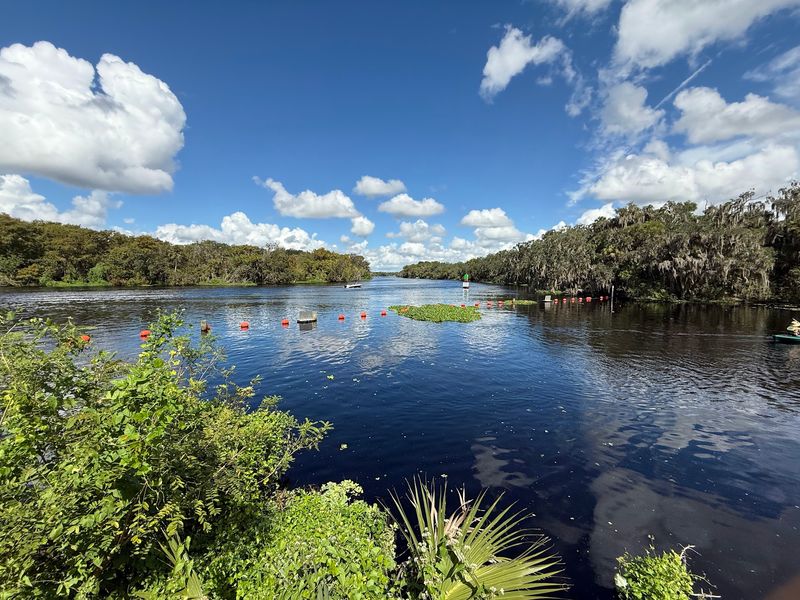
Warm weather brings a totally different mood, with towels, tubes, and happy shouts replacing winter wildlife whispers.
When the spring run is open for recreation, the cool water feels refreshing on a hot Florida day.
Visitors may swim, snorkel, or float through approved areas depending on current park rules.
The water can feel chilly at first, even in summer, because the spring stays near the same temperature all year.
Steps into the swim area make access easier for many guests, and clear water lets swimmers see fish passing nearby.
Bringing water shoes can help on wet surfaces and natural bottoms.
Families should pack light but smart, with towels, dry clothes, sunscreen, and refillable bottles.
Tube rentals may be available, though bringing allowed personal gear can help if supplies run low.
Always check alerts before visiting, since swimming may close for wildlife, weather, water levels, or capacity.
The same place that shelters manatees in winter becomes a cool playground in summer, but visitors still need to treat it like a protected home.
Picnics, Trails, And Quiet Family Time
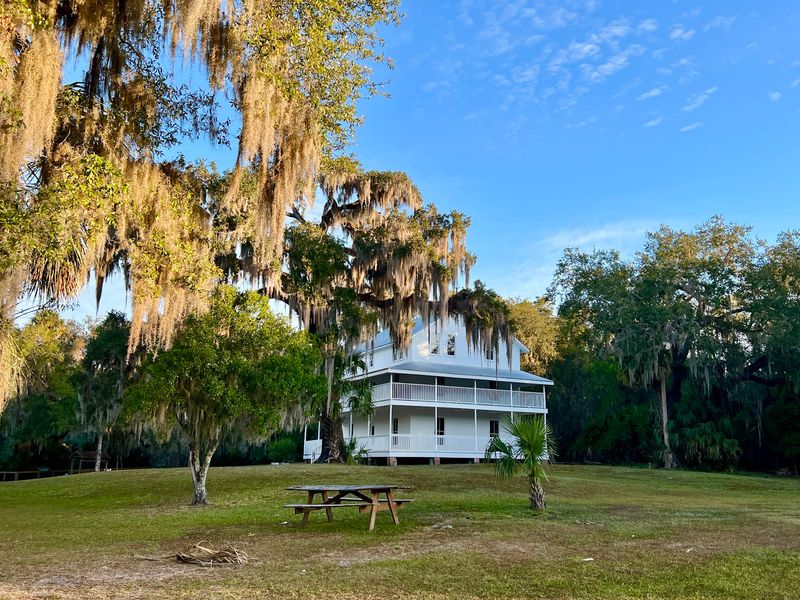
Sometimes the best part of a park day happens away from the main viewing rail.
Shaded picnic tables, grills, walking paths, and open resting spots give families room to slow down between activities.
A simple lunch under the trees can feel special after watching wildlife all morning.
Short walks help visitors notice smaller details, such as bird calls, leaves moving in the wind, or lizards crossing the path.
Children can burn energy at the playground, while adults enjoy a break from screens and traffic.
Clean grounds and clear paths are part of why many guests describe the park as peaceful and easy to enjoy.
Bring a cooler if rules allow, but keep food packed until it is time to eat.
Wild animals should never be fed, even if they look curious or harmless.
Bug spray, hand wipes, and a small trash bag are simple items that make the day smoother.
For visitors coming from busy Orlando-area plans, a picnic stop can turn the trip from a quick photo visit into a full outdoor memory.
Planning Ahead Helps You Beat The Crowd
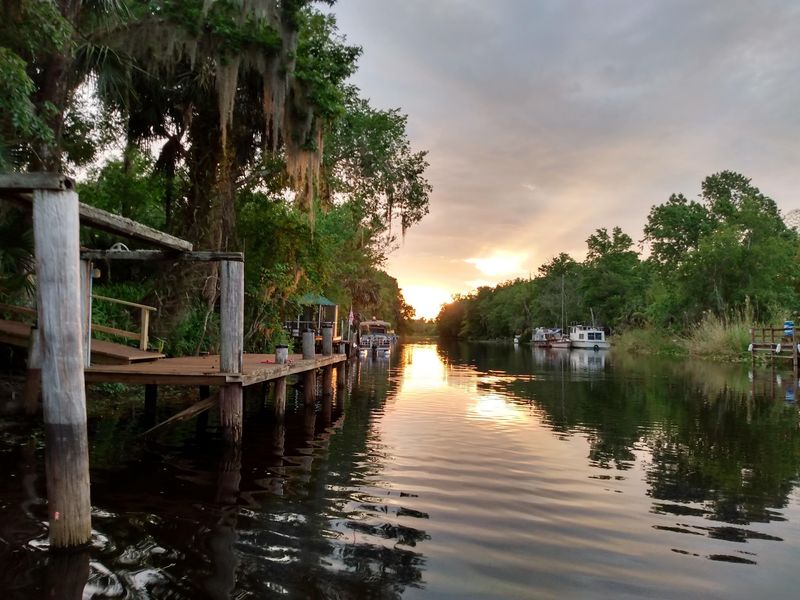
A famous manatee spot can fill quickly, especially when cold weather pushes more animals into warm water.
Early arrival is one of the simplest ways to reduce stress, find parking, and enjoy quieter viewing areas.
On popular winter days, the entrance line may take a while.
Recent visitors have warned that reservations or registration rules may apply, so checking the official state park website before you go is very important.
Hours, fees, closures, swimming access, and tour schedules can change without much notice.
Calling the park office can also help if your group has passes, accessibility questions, or a booked boat tour.
The entrance fee is known for being reasonable, but bring a payment method that matches current rules.
Pack patience along with your camera, because staff must balance visitor access with wildlife protection.
Cold snaps, weekends, and holidays are usually busier, while weekdays may feel calmer.
Good planning does not remove every surprise, but it gives you more time to enjoy the manatees, the water, and the quiet parts of the day.