
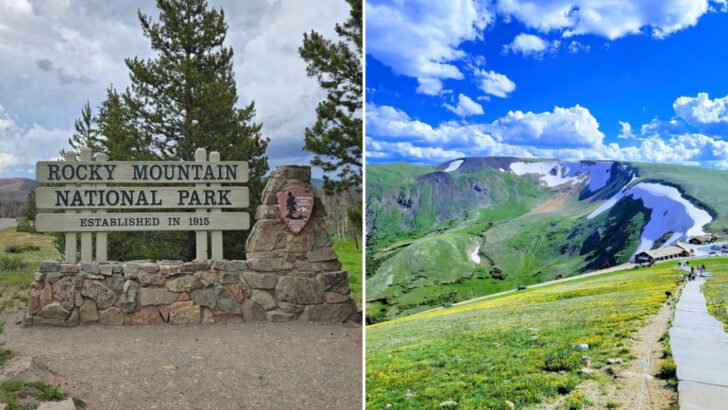
Some places are so vast, one visit barely scratches the surface. That’s exactly the feeling people get when they arrive at Rocky Mountain National Park—a place where towering peaks, alpine lakes, and winding trails stretch farther than most visitors ever expect.
One morning you’re watching the sunrise paint the mountains gold. By afternoon you’re walking beside crystal-clear streams, spotting elk in wide-open meadows, and breathing in that crisp high-altitude air.
Every turn reveals something new waiting just beyond the next ridge.
Then there are the legendary drives and hikes. The famous Trail Ridge Road climbs high into the clouds, while summits like Longs Peak challenge those craving a serious adventure.
Year after year, people return and still find trails they’ve never walked and views they’ve never seen. That’s the magic here—this park always keeps a few secrets tucked behind the next mountain. 🏔️🌲
Trail Ridge Road: Driving Above the Clouds
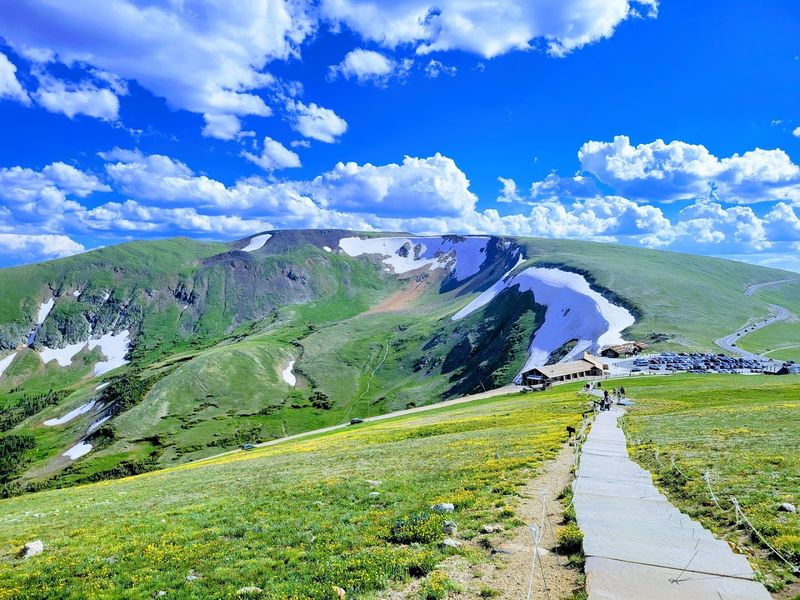
At over 12,000 feet above sea level, Trail Ridge Road holds the title of the highest continuous paved road in the entire United States. That fact alone should get your heart pumping before you even turn the key.
Stretching 48 miles across the park, it connects Estes Park on the east side to Grand Lake on the west, offering jaw-dropping views the whole way through.
The road climbs so high that you actually drive through the alpine tundra, a rare landscape where only the toughest plants survive. Pullouts and overlooks line the route, giving you plenty of chances to step out and breathe the thin mountain air.
Keep your eyes open for marmots and pikas scurrying across the rocks near the roadside.
Because of heavy snowfall, the road typically closes from mid-October through late May. Summer visits offer the fullest experience, though even a cloudy day up here feels magical.
Pack a jacket no matter what month you visit, since temperatures drop quickly at this elevation.
First-time visitors often say this drive alone was worth the entire trip to Colorado. Plan at least half a day so you are not rushing through one of the most spectacular drives in North America.
Bear Lake: The Park’s Most Beloved Starting Point
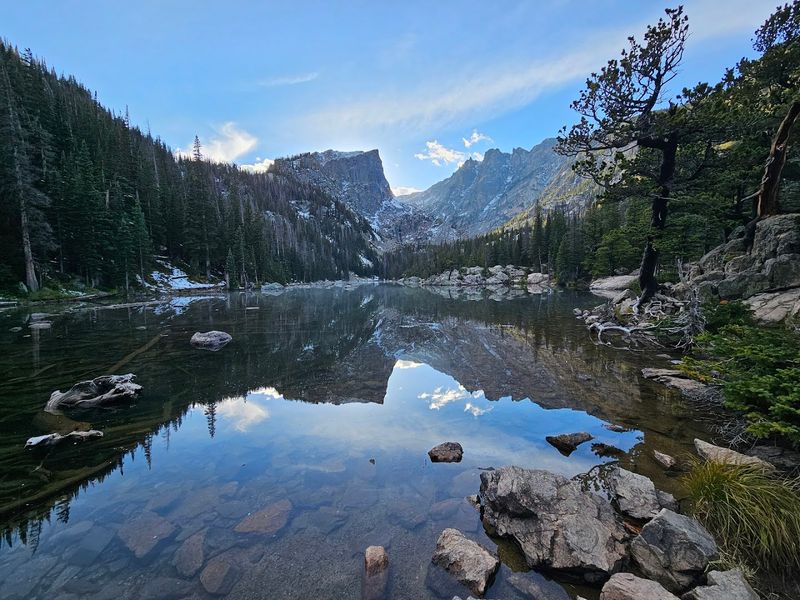
Bear Lake sits at 9,475 feet and acts like the beating heart of the park’s most popular trail network. On a still morning, the reflections of Hallett Peak and Flattop Mountain shimmer on the water’s surface like a painting you cannot believe is real.
The short loop trail around the lake is less than a mile and fully accessible, making it perfect for all ages and abilities.
What makes Bear Lake truly special is how it serves as the launching pad for so many other adventures. From this single trailhead, you can reach Nymph Lake, Dream Lake, Emerald Lake, Lake Haiyaha, and even the dramatic Sky Pond in a single ambitious day.
Each destination builds on the last, rewarding hikers with progressively wilder scenery.
During summer, the Bear Lake corridor requires a timed-entry permit, so plan ahead and book early. Winter visitors find a completely different vibe here, with frozen lake surfaces, snowshoers crunching along the trail, and far fewer crowds.
The solitude of a winter morning at Bear Lake is something genuinely hard to put into words.
Whether you are a casual walker or a seasoned hiker, Bear Lake delivers a reliable sense of wonder every single visit without fail.
Elk Watching During the Fall Rut
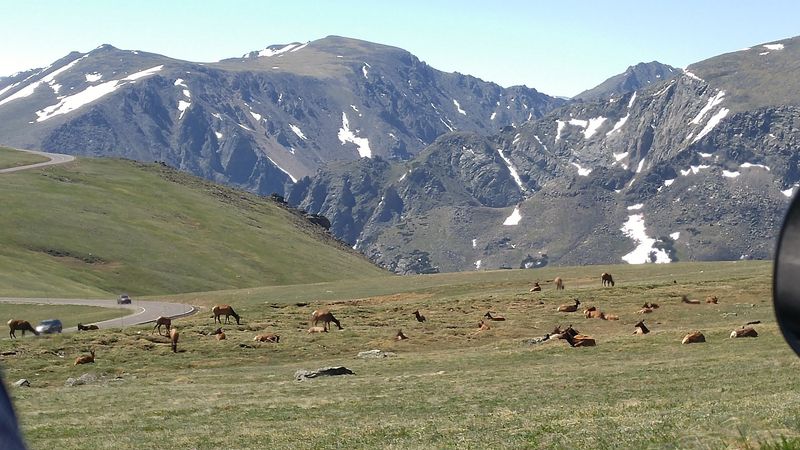
Every September and early October, something extraordinary happens in Rocky Mountain National Park that draws visitors from across the country. Bull elk fill the meadows near Estes Park and Moraine Park with their haunting bugling calls, competing fiercely for the attention of females.
The sound echoes across the valleys in a way that sends chills right down your spine.
Moraine Park and Horseshoe Park are the go-to spots for watching the rut unfold. Arrive at dawn or dusk when elk are most active, and bring binoculars or a camera with a good zoom lens.
Rangers often station themselves nearby to answer questions and make sure visitors keep a safe distance from the animals, which is genuinely important since bulls during the rut can be unpredictable.
The fall colors add another layer of magic to the whole experience. Aspen groves explode into shades of gold and orange right around the same time, creating a visual backdrop that photographers dream about all year long.
Some visitors plan their entire Colorado trip around this two-to-three-week window.
Even if you have visited the park a dozen times in summer, witnessing the elk rut for the first time feels like discovering a completely different park hidden inside the one you thought you already knew.
Emerald Lake: A Hike Worth Every Step
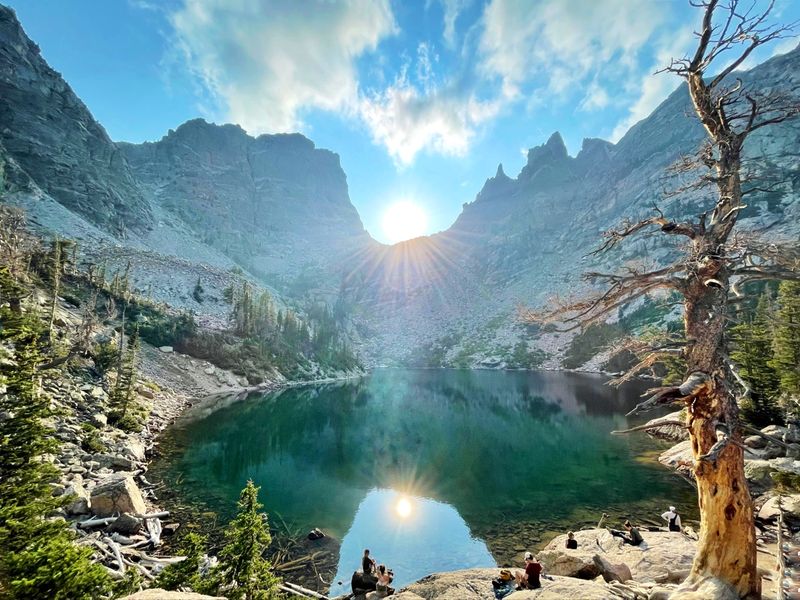
Few hikes in Colorado deliver as much visual payoff per mile as the trail to Emerald Lake. The round trip covers just under 3.6 miles, yet it passes through three completely different lakes along the way: Nymph Lake, Dream Lake, and finally Emerald Lake itself, tucked dramatically into a rocky glacial bowl beneath towering cliffs.
Nymph Lake greets you first, dotted with yellow pond lilies in summer and ringed with spruce trees. Then Dream Lake appears around a bend, arguably the most photographed spot in the entire park, with Hallett Peak rising like a cathedral wall behind the still water.
By the time Emerald Lake comes into view, most hikers stop and stare in genuine disbelief at the intense teal color of the water.
The elevation gain of roughly 605 feet is manageable for most reasonably fit hikers, though the altitude will remind you that you are not at sea level anymore. Start early to avoid afternoon crowds and the possibility of afternoon thunderstorms, which build quickly over the mountains in summer.
Winter transforms this trail into a snowshoeing adventure that feels like walking through a snow globe. Locals and repeat visitors often say the frozen version of Emerald Lake rivals anything they have seen in a national park anywhere in the world.
Wildlife Beyond the Elk: Moose, Bears, and More
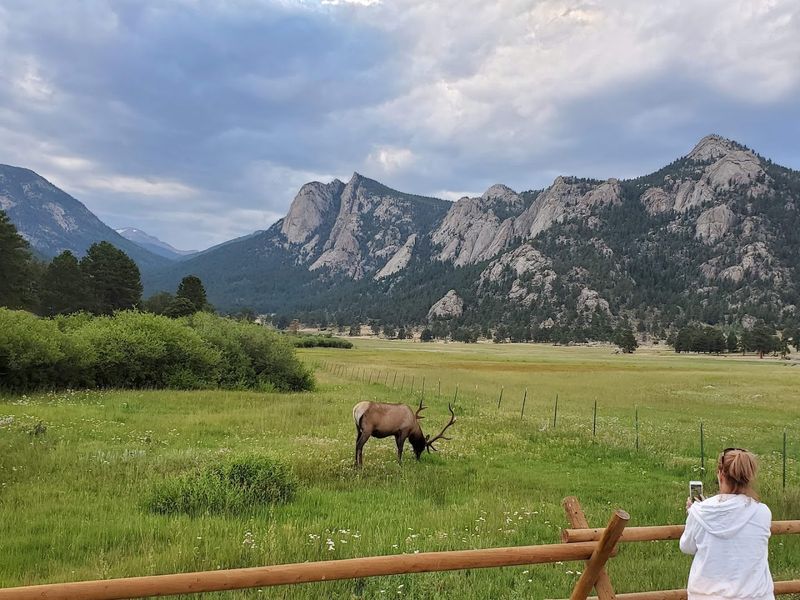
Elk tend to steal the spotlight, but Rocky Mountain National Park is home to a surprisingly rich cast of wildlife that rewards patient and observant visitors. Moose, though less commonly seen than elk, wade through the willowy marshes near Kawuneeche Valley on the park’s western side.
Spotting one of these enormous animals up close is an experience that sticks with you for years.
Black bears roam the park too, though sightings are less predictable. Mule deer appear almost everywhere, often grazing calmly alongside the road in the early morning.
Bighorn sheep patrol the rocky slopes near Sheep Lakes in Horseshoe Park, and rangers sometimes gather there during summer to watch the sheep come down for mineral licks, an event that draws curious crowds.
Smaller creatures add just as much character to the park. Yellow-bellied marmots lounge on boulders along alpine trails like they own the place.
American pikas, tiny relatives of rabbits, squeak from rocky talus fields and are considered indicators of ecosystem health. Coyotes trot through meadows at dawn, and golden eagles circle overhead on thermal currents above the tundra.
Bringing a field guide or downloading a wildlife identification app before your visit turns every trail into a fascinating scavenger hunt that kids and adults both genuinely enjoy.
Longs Peak: Colorado’s Most Iconic Summit Challenge
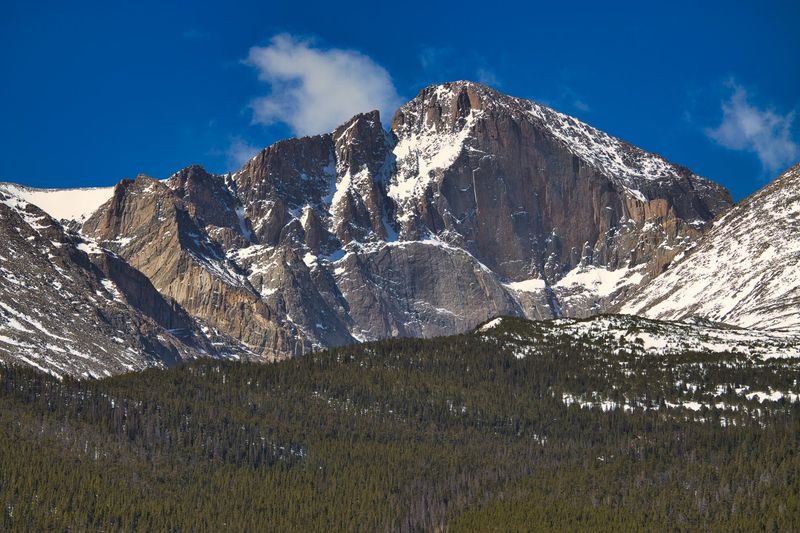
Standing at 14,259 feet, Longs Peak is the only fourteener inside Rocky Mountain National Park, and it demands serious respect. The standard Keyhole Route covers about 15 miles round trip with over 5,000 feet of elevation gain, making it one of the most challenging day hikes in Colorado.
Many experienced hikers consider reaching the summit a genuine milestone in their outdoor lives.
Most summit attempts begin well before dawn, often at 2 or 3 in the morning, to avoid the violent afternoon thunderstorms that roll in by midday during summer. The upper sections involve scrambling across exposed ledges and navigating a narrow trough and homestretch that require sure footing and no fear of heights.
This is not a hike for beginners or anyone unprepared for sudden weather changes.
Even if a full summit attempt is not on your agenda, the trail to Chasm Lake at 11,760 feet offers one of the most dramatic views in the entire park. The massive east face of Longs Peak towers above the glacial lake like a sheer granite wall, and the scene feels almost too grand to be real.
Many visitors return to Longs Peak year after year, either working toward their first summit or simply soaking in the raw, humbling scale of this legendary Colorado mountain.
Sprague Lake: Perfect for Families and First-Time Visitors
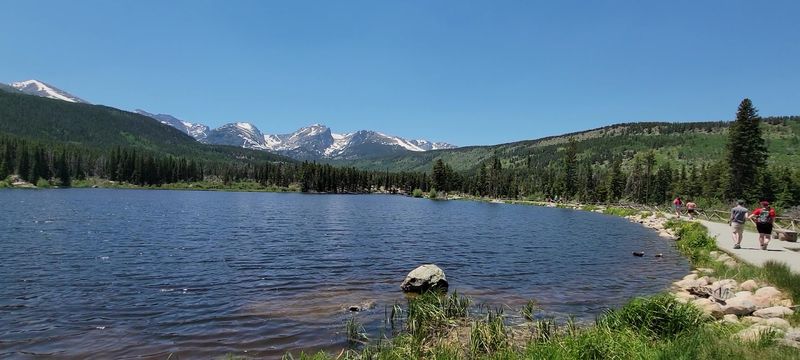
Not every great experience in Rocky Mountain National Park requires strenuous effort, and Sprague Lake proves that beautifully. This small, picturesque lake sits near the Bear Lake Road corridor and offers a half-mile accessible loop trail that is flat, paved, and genuinely stunning.
It is one of the best spots in the park for families with young children, older visitors, or anyone who just wants a relaxed, scenic stroll.
The lake reflects the surrounding peaks on calm mornings, creating the kind of mirror image that makes photographers stop mid-stride and reach for their cameras. Fishing is permitted here with a valid Colorado license, and the area has picnic facilities nearby, making it an easy spot to spend a leisurely afternoon without any stress about logistics.
Wildlife sightings around Sprague Lake are surprisingly common. Elk frequently graze in the meadows nearby, especially during early morning and evening hours.
Ducks and other waterfowl paddle along the shoreline throughout the warmer months, adding a cheerful, lively energy to the scene.
Winter visitors who reviewed the park specifically mentioned walking around the frozen lake as a highlight of their trip. Whether blanketed in snow or glowing under a summer sunset, Sprague Lake consistently delivers a peaceful, restorative experience that feels effortless and deeply satisfying.
Sky Pond: The Park’s Most Rewarding Hidden Gem
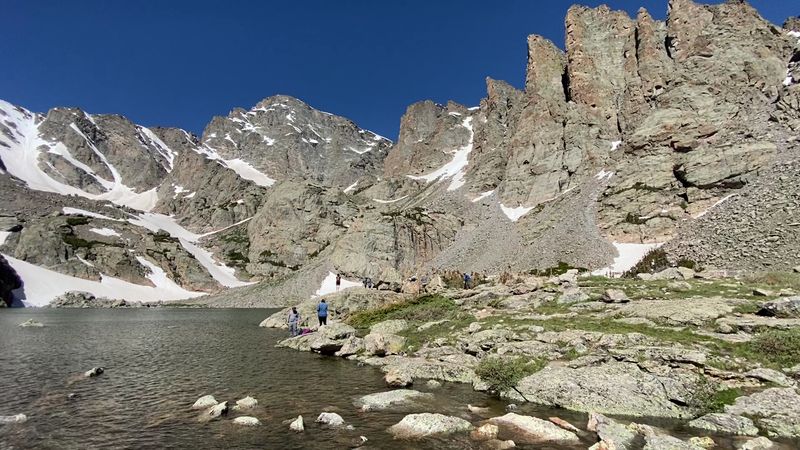
Sky Pond has a reputation among serious hikers as one of the most spectacular destinations in all of Rocky Mountain National Park, yet many casual visitors have never even heard of it. The 9-mile round trip trail from the Glacier Gorge trailhead passes Alberta Falls, Andrews Creek, Timberline Falls, and Lake of Glass before finally arriving at Sky Pond, tucked beneath the jagged Cathedral Spires.
The hike earns its difficulty rating honestly. Reaching Sky Pond requires scrambling up a slippery 35-foot waterfall called Timberline Falls, which demands careful footwork and a willingness to get wet.
The payoff at the top is extraordinary, a perfectly still, crystal-clear lake reflecting walls of ancient granite that rise hundreds of feet above the water.
Visiting on a weekday or arriving at the trailhead by 6 in the morning significantly improves your experience. By mid-morning on summer weekends, the Glacier Gorge parking area fills completely, and the trail becomes noticeably crowded.
Proper footwear, layered clothing, and plenty of water and snacks are all essential for this kind of full-day outing.
People who have hiked all over Colorado consistently rank Sky Pond among their most memorable days on a trail, and many return specifically to relive the feeling of standing at its edge in stunned, grateful silence.
Visiting in Every Season: A Park That Never Stays the Same
Rocky Mountain National Park is genuinely one of those rare destinations that transforms so completely with each season that returning visitors often feel like they are discovering an entirely new place. Summer brings wildflowers, full hiking access, abundant wildlife, and the iconic Trail Ridge Road experience.
The crowds are real during July and August, but the timed-entry reservation system helps manage the flow and keeps the experience enjoyable.
Fall is arguably the park’s most magical season. Golden aspen groves light up the hillsides in late September, elk fill the meadows with their haunting bugling calls, and the cooler temperatures make hiking feel almost effortless compared to summer.
Many veteran visitors rank October mornings in the park among the most beautiful things they have ever witnessed.
Winter strips the park down to its raw, elemental beauty. Snowshoeing to frozen Bear Lake or walking around the snow-draped shores of Sprague Lake offers a hushed, meditative experience that feels worlds away from summer crowds.
Entry is often free during parts of winter, and wildlife sightings remain plentiful since elk and deer stay active year-round.
Spring brings rushing snowmelt waterfalls, the first wildflowers pushing through the mud, and a sense of renewal that feels almost contagious. Each season offers its own set of gifts, which is exactly why so many people keep coming back year after year.